Duck Hunt & Wade Fishing Combo in Port Aransas
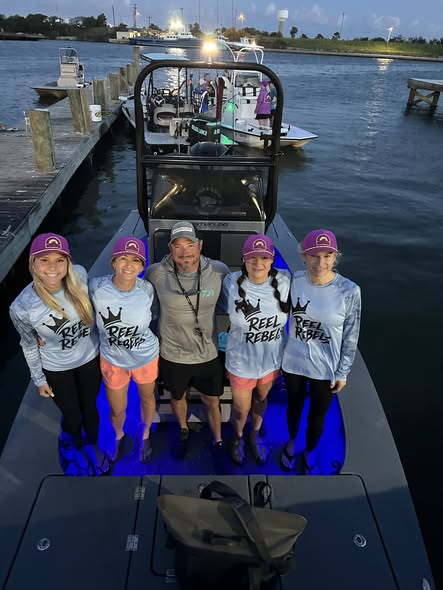
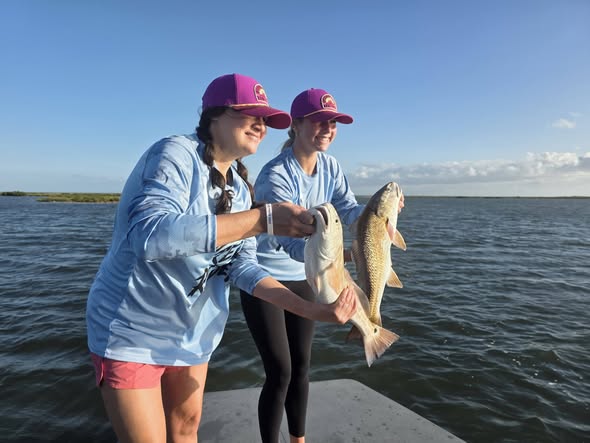
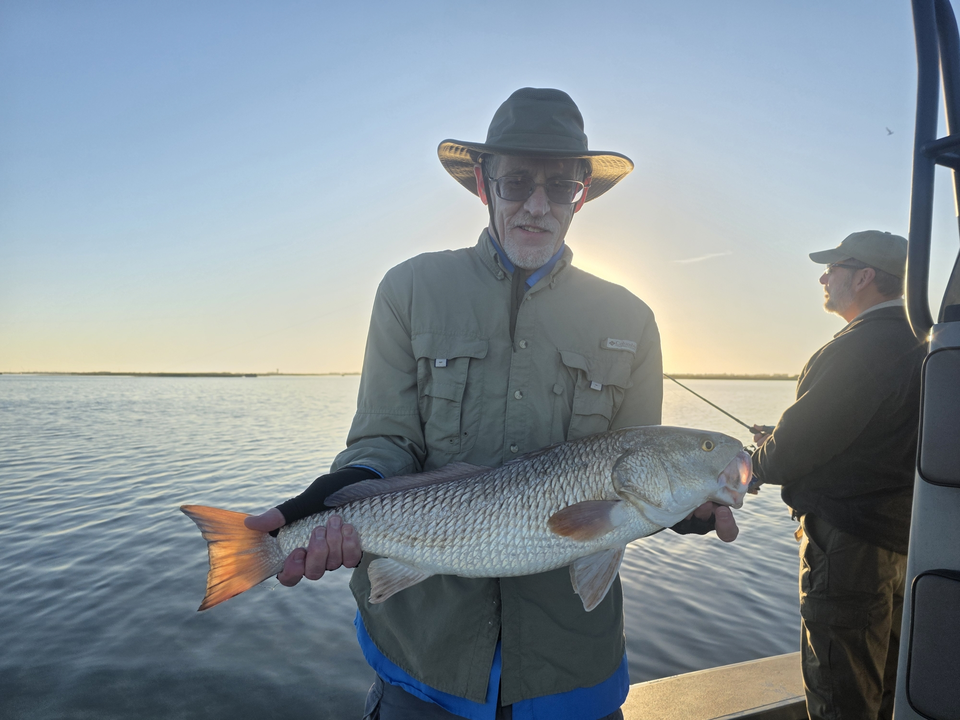
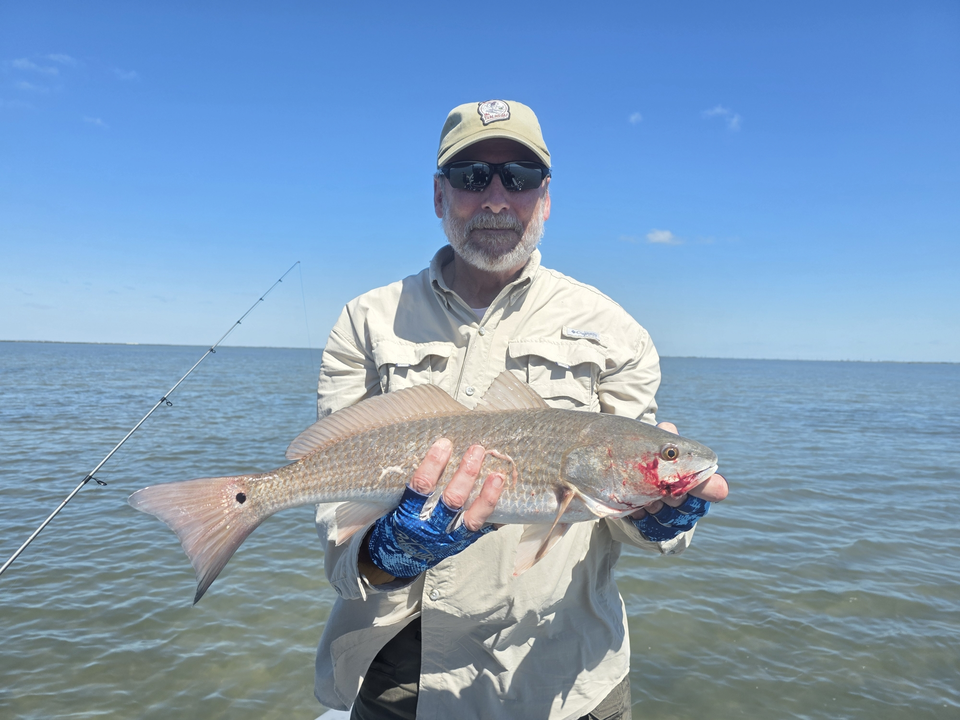
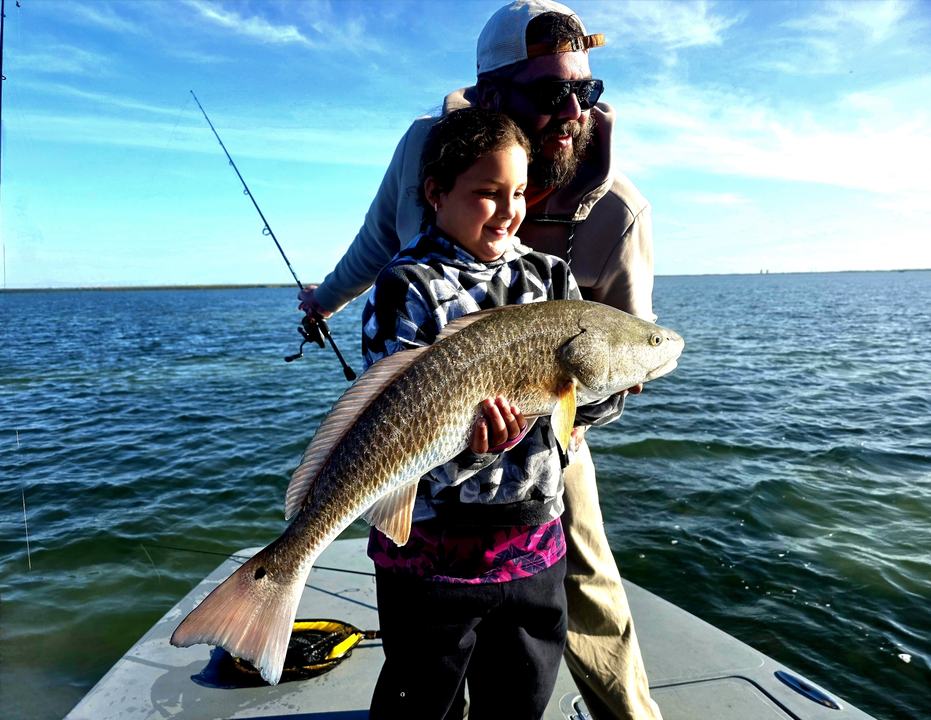
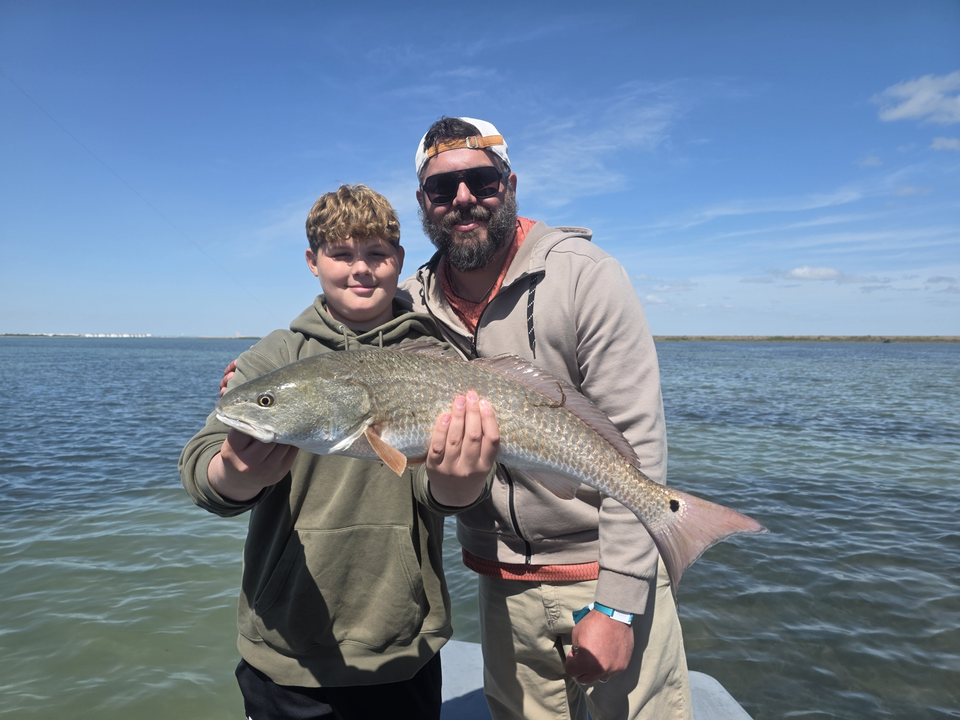
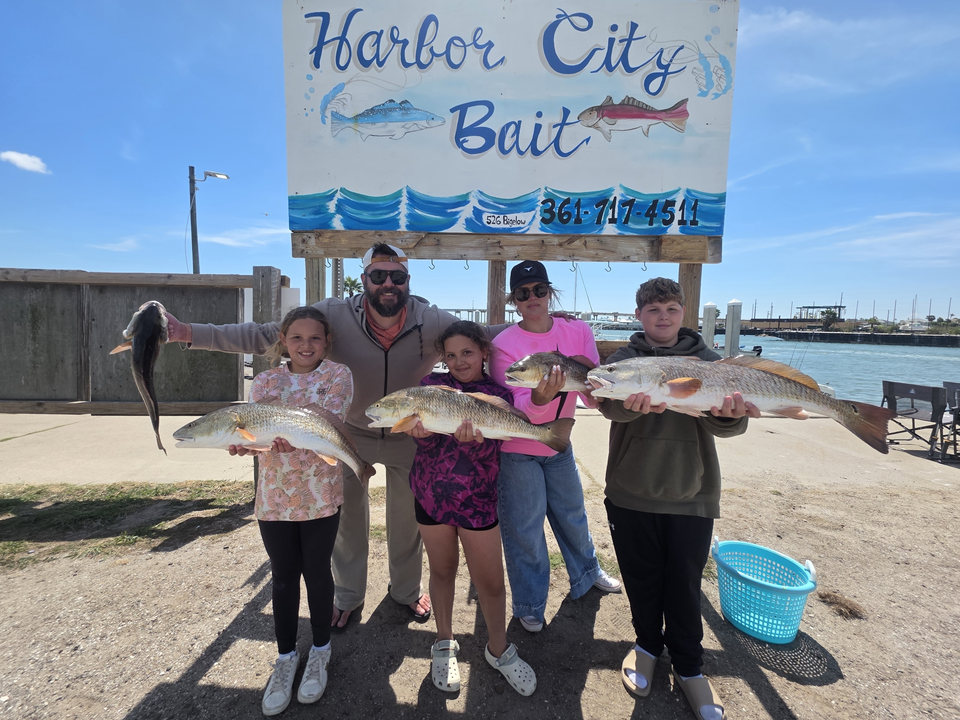
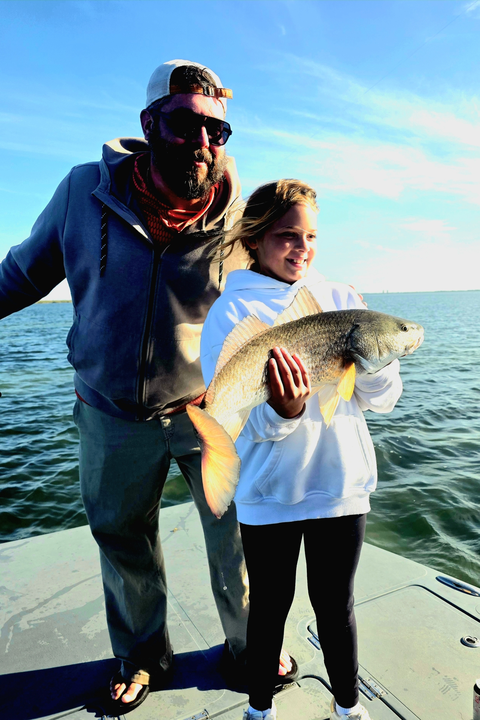
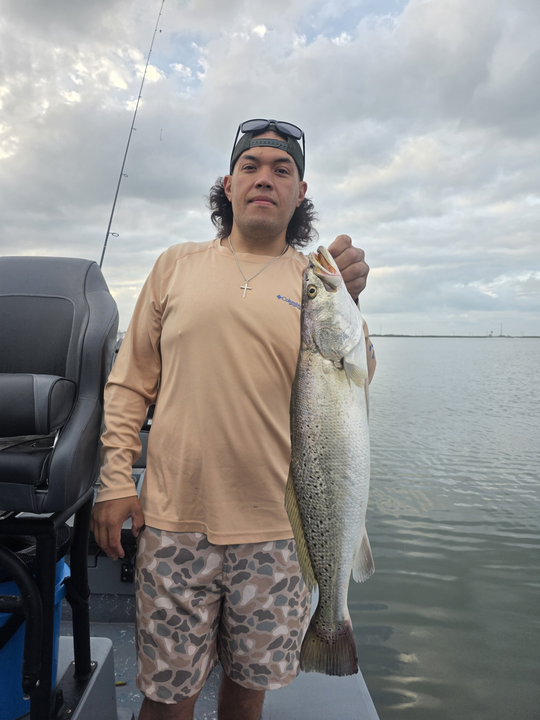
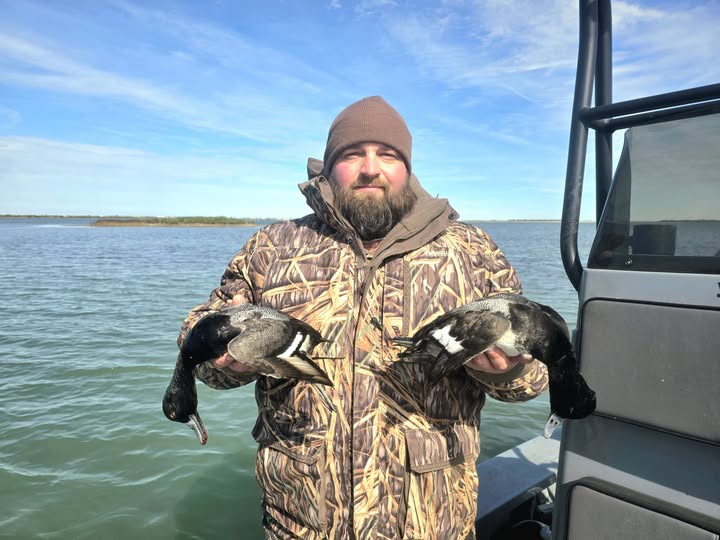
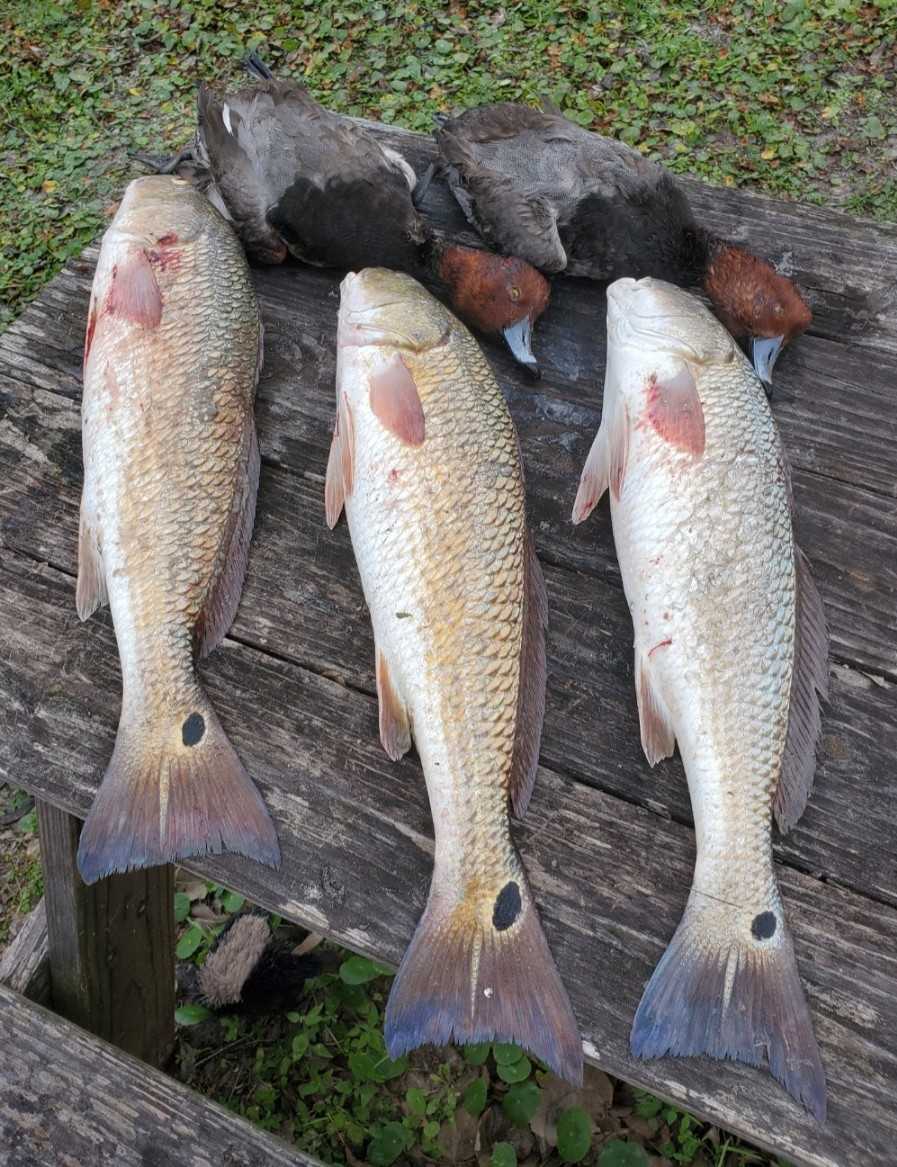
There's nothing quite like a cast and blast adventure along the Texas coast, and Captain Cory knows how to make it count. This 9-hour combo trip gives you the best of both worlds – early morning duck hunting when the birds are flying, followed by wade fishing for redfish and speckled trout. You'll hit prime hunting spots around Port Aransas before the sun gets too high, then switch gears and work the flats with artificial lures. Whether you're a seasoned hunter looking to add some fishing action or someone who's always wanted to try this classic combo, you're in for a full day of outdoor action that shows off what makes the Texas coast special.
Inside the Hunt
Captain Cory starts things off before dawn, getting you positioned in productive duck hunting areas around Port Aransas where birds naturally funnel through during their morning flights. The hunt kicks off during legal shooting hours when ducks are most active, moving from roosting areas to feeding grounds. You'll set up in strategic locations that take advantage of wind patterns and flight paths that local waterfowl use regularly. After a solid morning hunt, the action shifts to wade fishing the shallow flats and grass beds where redfish and speckled trout cruise for baitfish. This isn't a rushed transition – Captain Cory times everything so you're fishing during prime hours when these species are actively feeding. The beauty of this combo is that you're always doing the right activity at the right time of day, maximizing your chances for success on both fronts.
Tracking Tips & Terrain
The hunting portion focuses on reading bird behavior and understanding how weather affects duck movement along the coast. Captain Cory positions hunters where they can take advantage of natural cover and prevailing winds that bring birds within range. You'll learn to spot incoming flights early and understand when to call versus when to stay quiet. For the fishing segment, you'll be wading knee-deep flats using artificial lures that mimic the baitfish these predators hunt. The technique involves covering water methodically, reading subtle signs like nervous baitfish, slight color changes in the water, and small wakes that give away feeding fish. You can bring your own shotgun and fishing gear, or rent equipment for an additional fee. Either way, make sure you've got your hunting and fishing licenses sorted before the trip – Texas Parks and Wildlife doesn't mess around, and Captain Cory runs a clean operation.
Target Game Breakdown
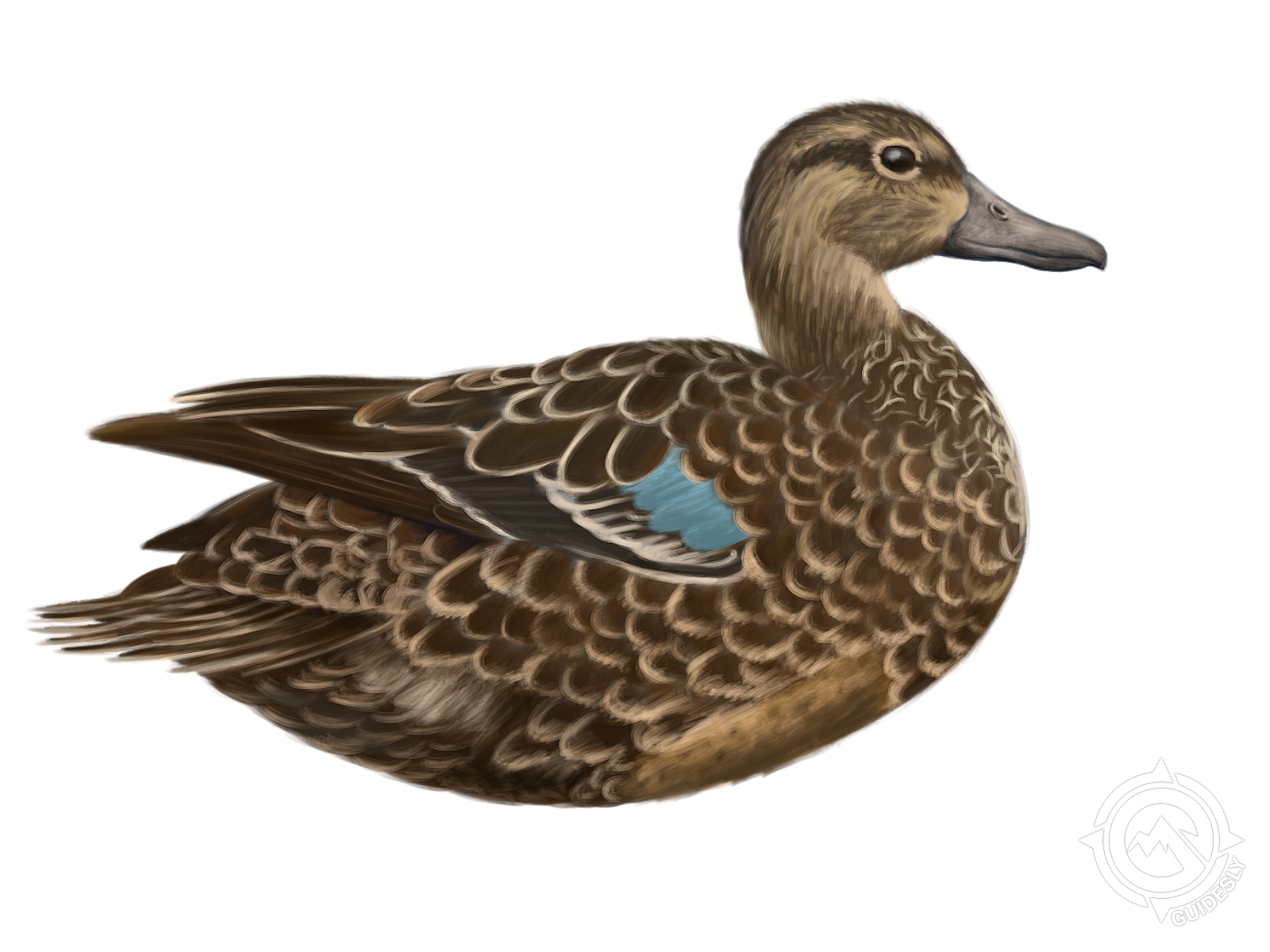
Blue-winged Teal are some of the most exciting ducks to hunt in this area, especially during early season when they're migrating through in good numbers. These small, fast-flying ducks test your shooting skills with their erratic flight patterns and tendency to decoy well when conditions are right. They typically weigh around a pound and provide excellent table fare. Peak season runs from September through October, though some stragglers stick around into November.
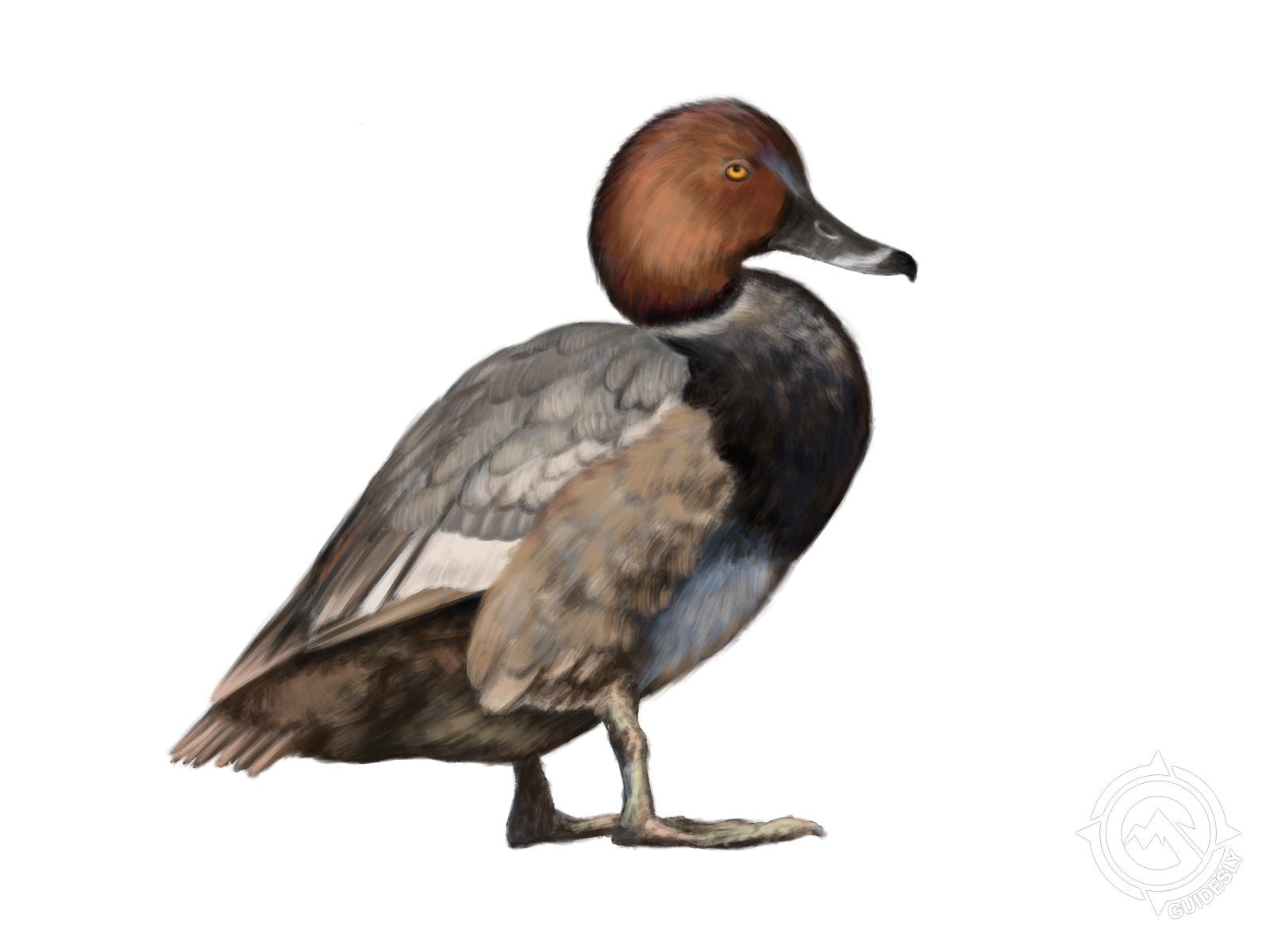
Redhead ducks offer a completely different hunting experience, being larger diving ducks that often work in flocks over deeper water. They're challenging birds that require patience and good calling skills, but when they commit to the decoys, they provide some of the most satisfying shooting you'll find. These chunky ducks can weigh 2-3 pounds and are prized for their size and the skill required to hunt them successfully. They show up consistently from November through January.
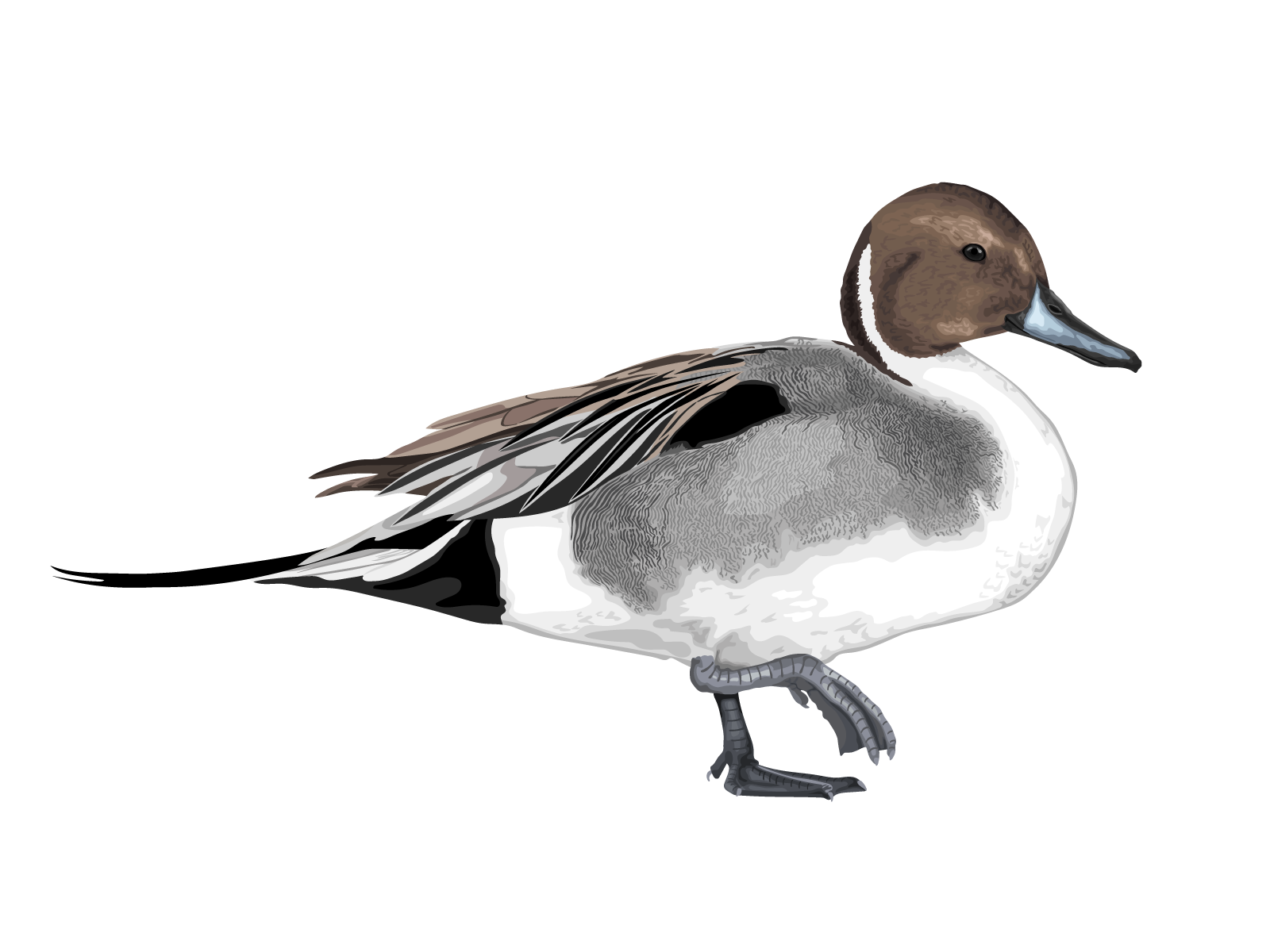
Northern Pintail are the elegant athletes of the duck world, with long necks and sleek profiles that make them unmistakable in flight. They're known for their wariness and tendency to circle multiple times before committing, which keeps hunters on their toes. Bulls can reach nearly 3 pounds and sport those distinctive long tail feathers that give them their name. December and January typically offer the best pintail action around Port Aransas.
American Wigeon bring a different dynamic to the hunt with their distinctive whistling calls and habit of feeding in shallow water where they can tip up to reach vegetation. They're medium-sized ducks with beautiful plumage, especially the males with their white crown patches. They respond well to calling and often decoy with confidence once they've decided to work a spread. Peak wigeon hunting runs from December through February.
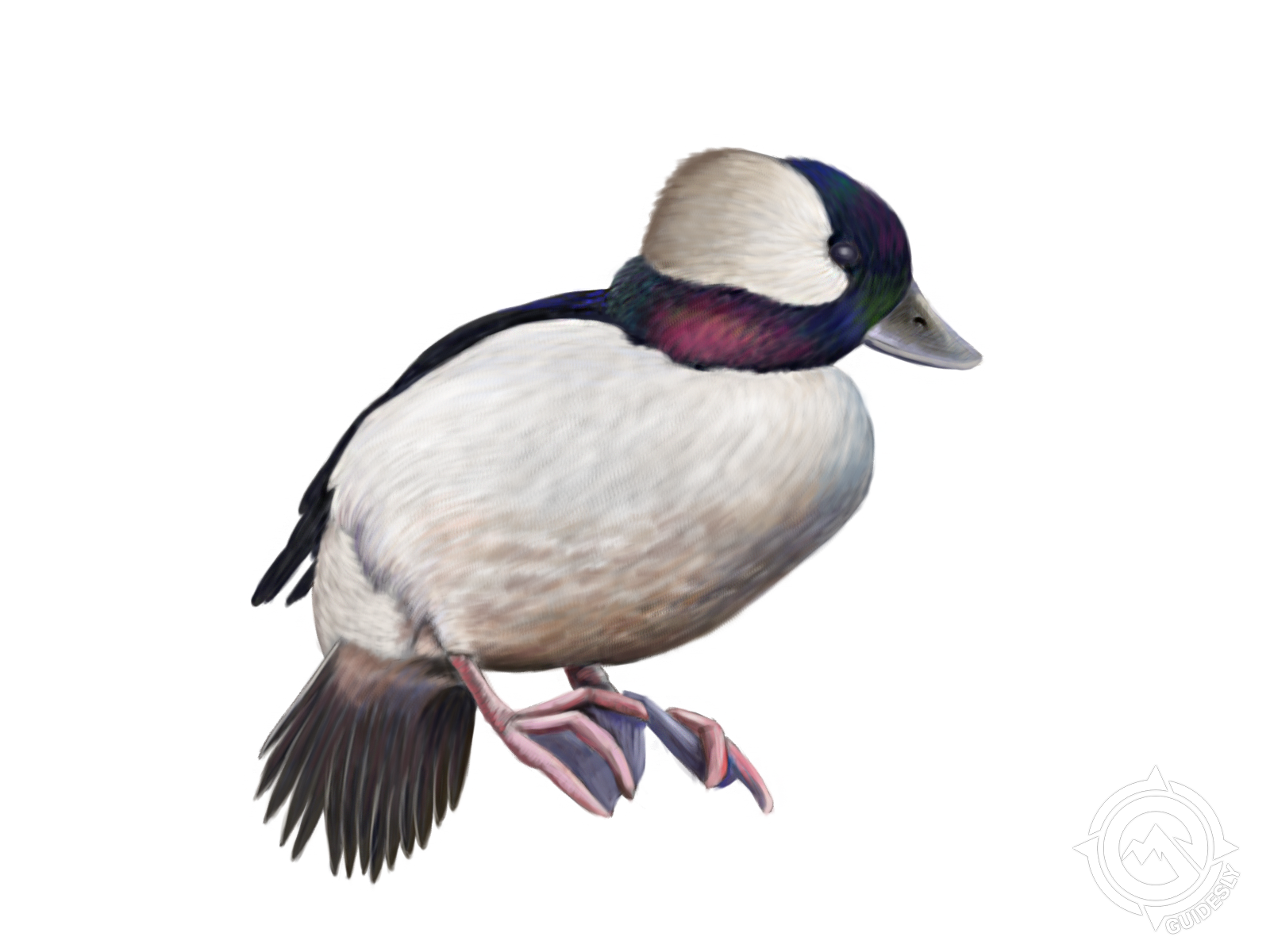
Bufflehead are the smallest ducks you'll encounter on this hunt, but don't let their size fool you – they're incredibly fast and provide challenging shooting. These little diving ducks have striking black and white plumage and tend to work in small groups over slightly deeper water. They're less common than other species, which makes taking one feel like a real accomplishment. Late December and January offer your best shot at bufflehead.
Book Your Next Tag
This cast and blast combo gives you two completely different outdoor experiences in one action-packed day, guided by someone who knows these waters and hunting spots inside and out. You'll come away with skills and knowledge that'll serve you well on future hunts and fishing trips, plus hopefully some ducks for the freezer and fish for dinner. The trip accommodates up to two hunters, so it stays personal and focused on what you want to accomplish. Captain Cory appreciates a 20% cash tip at the end of the day – standard practice for quality guide service that delivers results. For larger groups, give Russell & Sons Outdoors a call to work out custom arrangements. Don't wait too long to book, especially during prime duck season when spots fill up fast.
 Private Trip
 Bird hunting
 Port Aransas, TX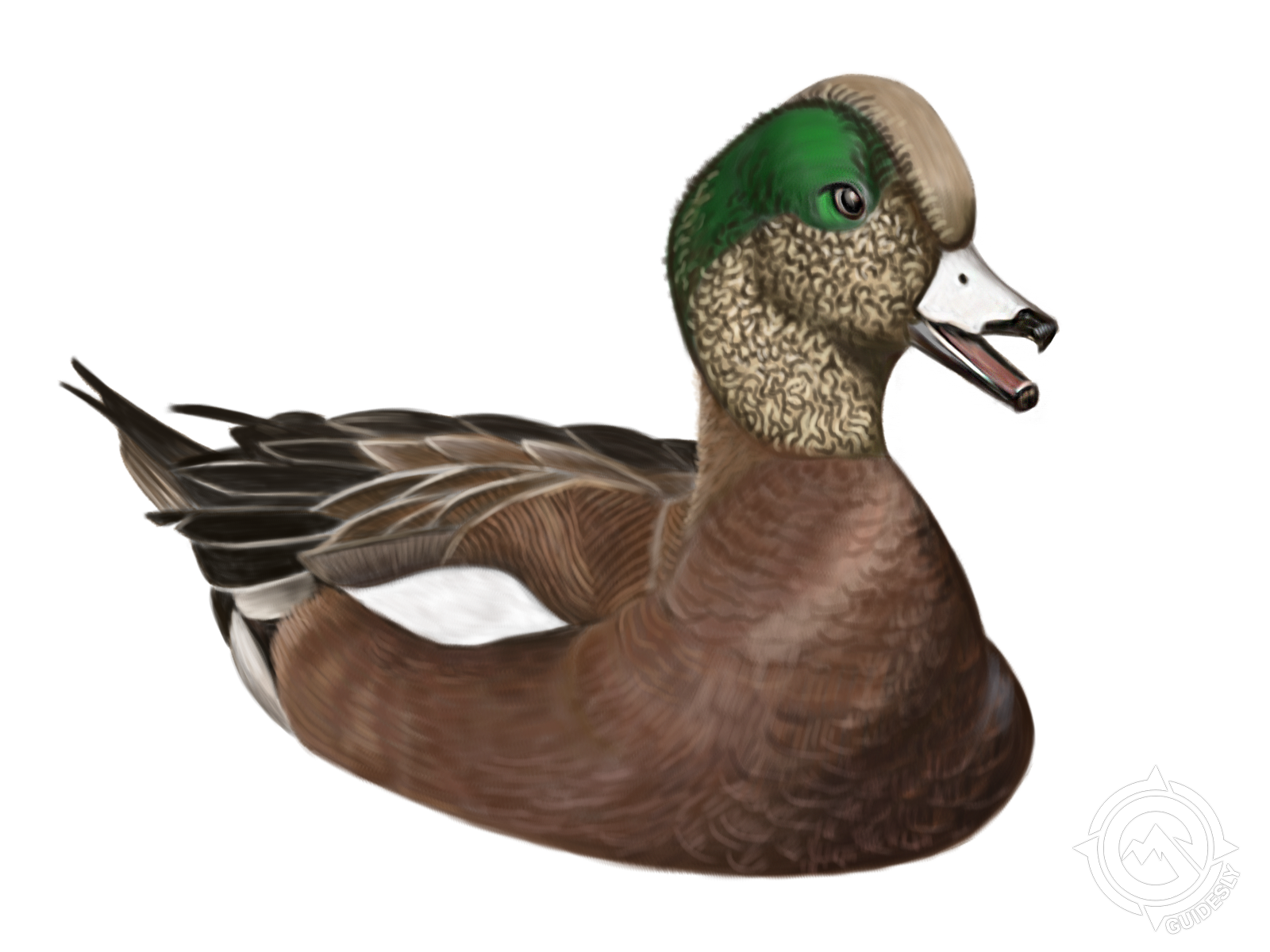
 Morning duck hunting followed by wade fishing for redfish and trout