Offshore Fishing Trip in North Carolina
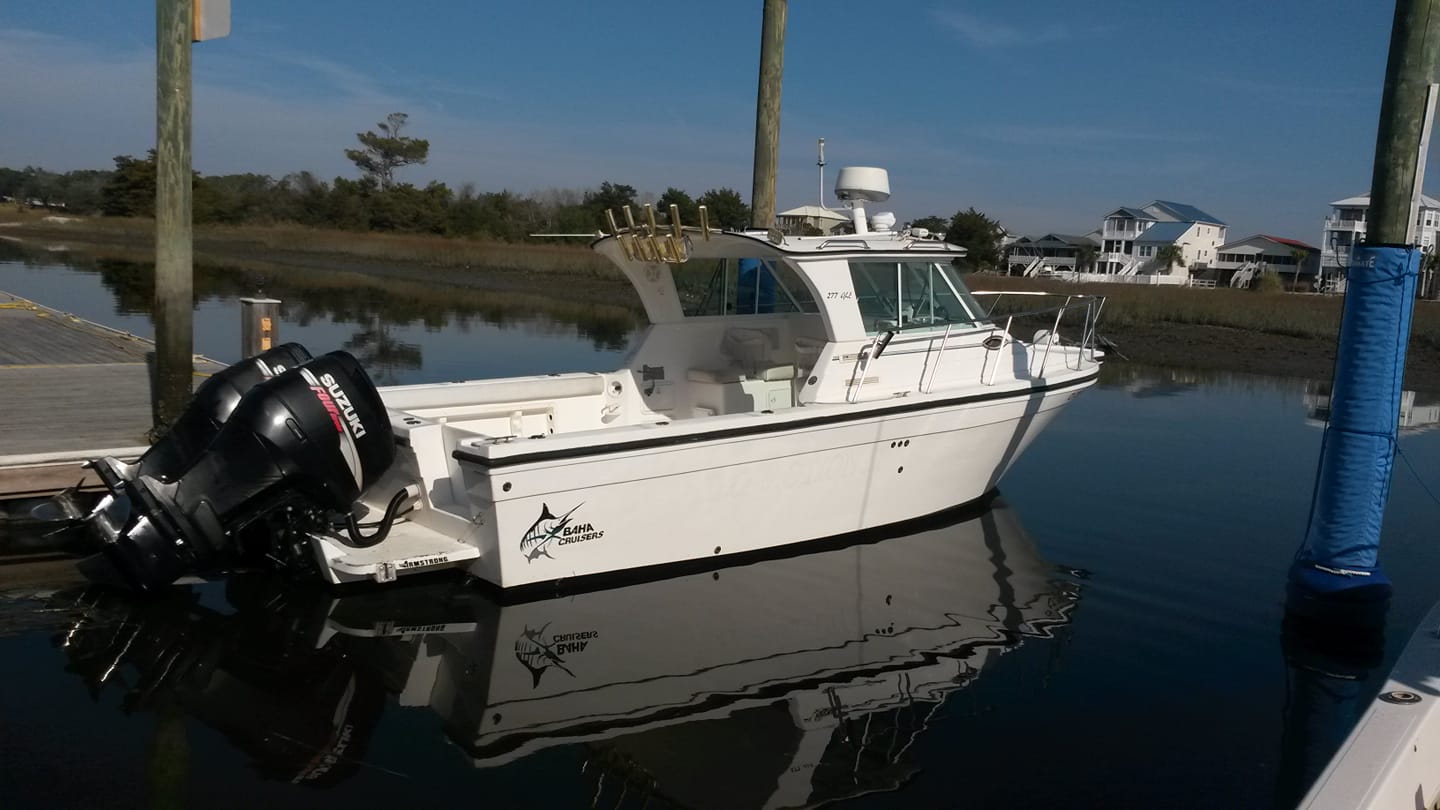
The Gulf Stream off North Carolina's coast is where serious anglers come to test their skills against some of the Atlantic's most prized gamefish. This isn't your typical nearshore charter – we're talking about heading out to deep blue water where the current runs strong and the fish run bigger. With Seabbatical Charters, you'll find yourself in proven fishing grounds that have been producing trophy catches for decades. The boat holds up to 5 anglers, so you're not fighting for rail space or dealing with crowded conditions. It's the perfect setup for friends who want to focus on fishing without distractions.
What to Expect on the Water
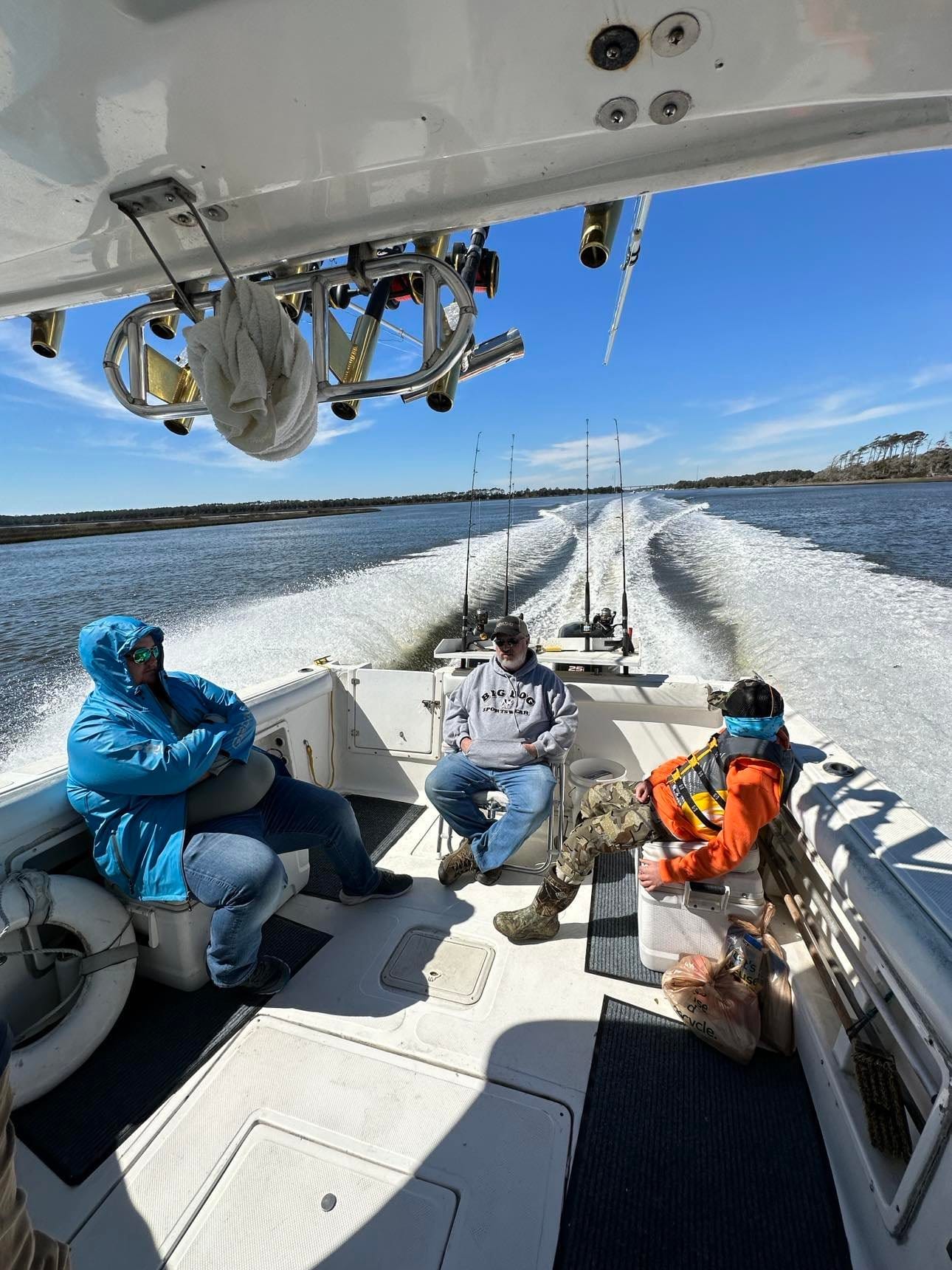
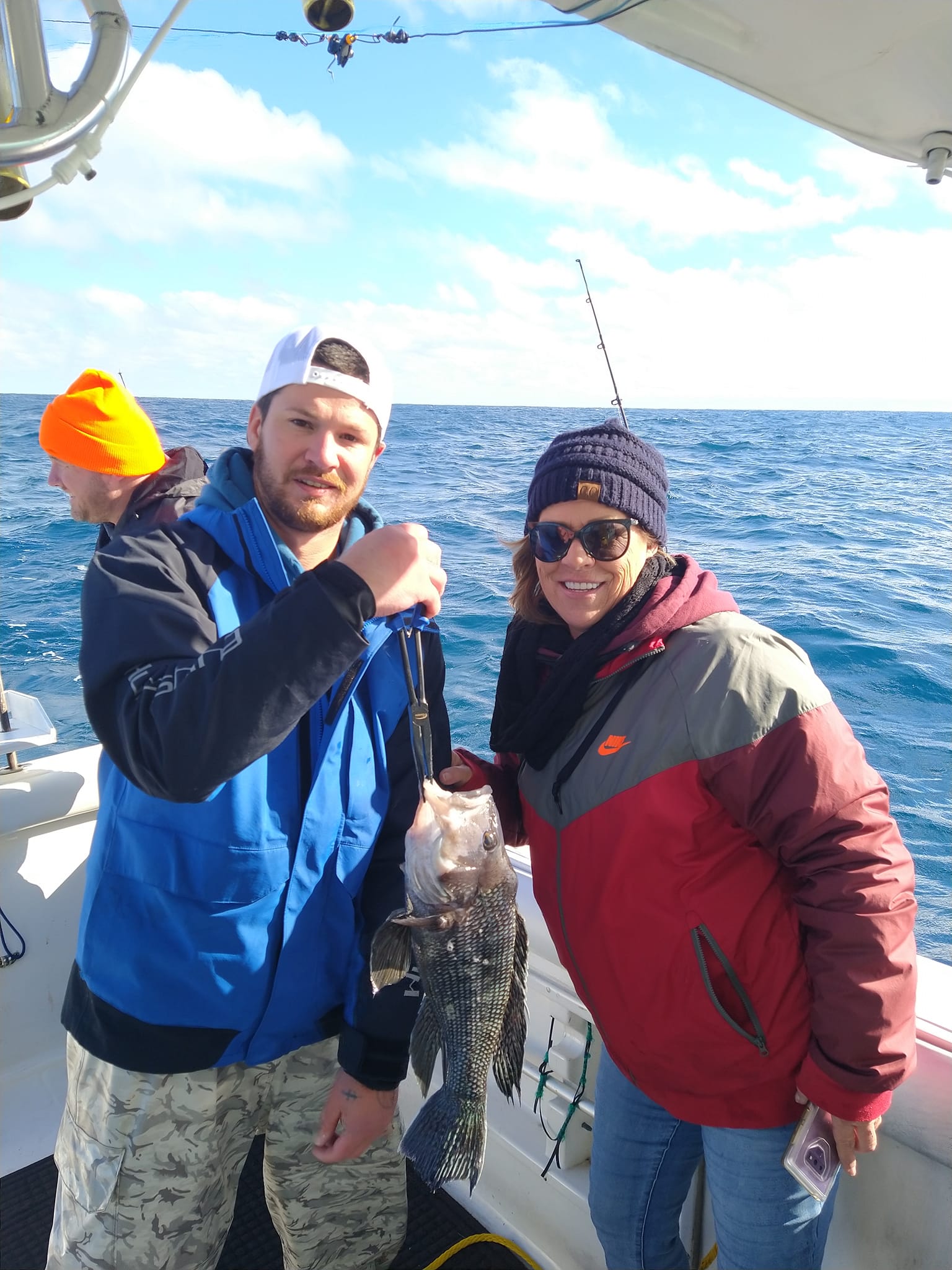
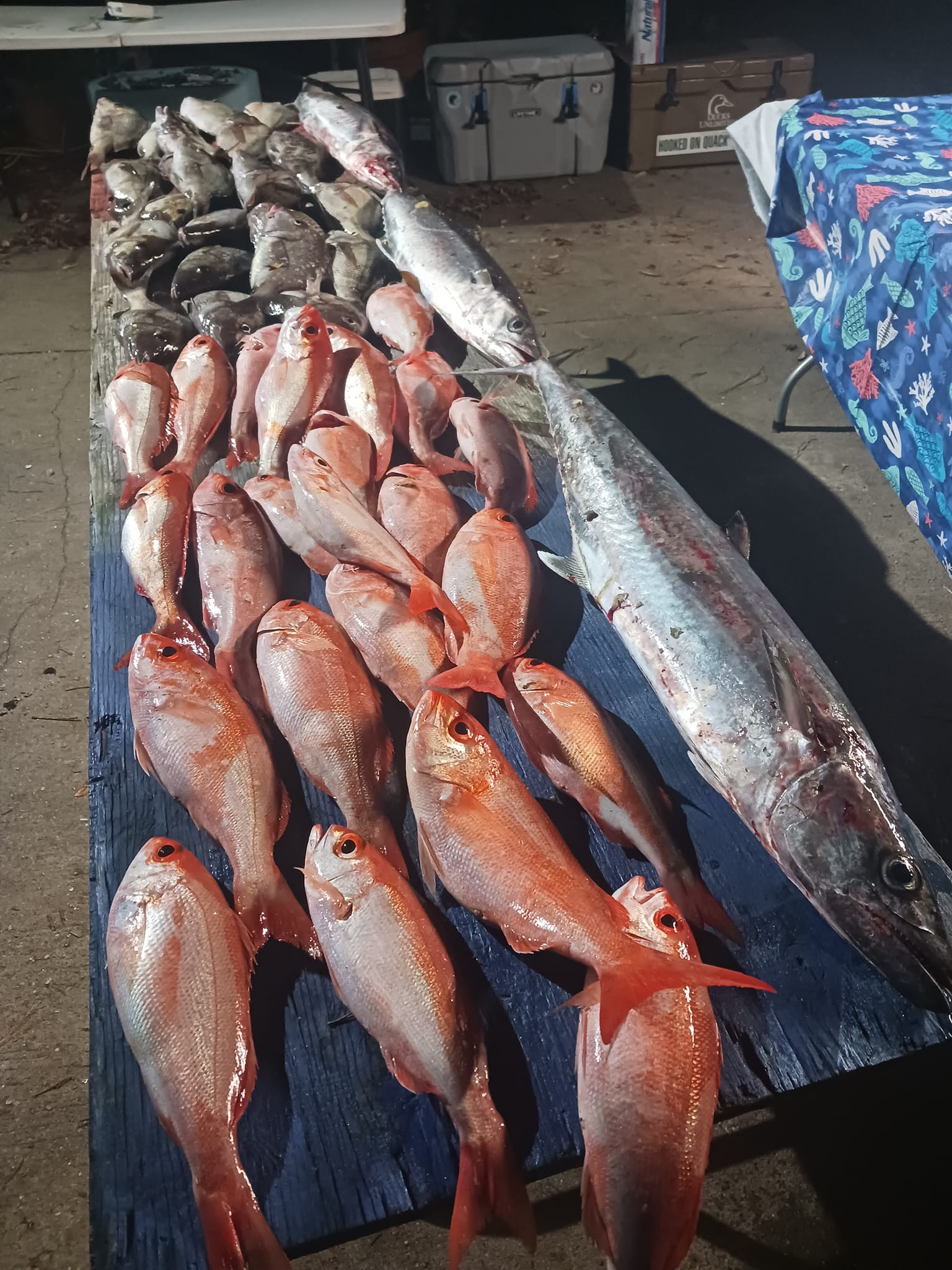
Your day starts early, which is exactly how it should be for serious offshore fishing. We'll cruise out to the Gulf Stream, where the warm blue water creates the perfect environment for pelagic species. The ride out gives you time to rig up and talk strategy with your captain, who knows these waters like the back of his hand. Once we reach the fishing grounds, expect to see a mix of techniques depending on what's biting. The bottom fishing for Sea Bass and Red Snapper can be absolutely phenomenal, especially when we find structure holding fish. But don't get too comfortable – when the surface action heats up with Mahi or Kingfish, things get busy in a hurry. The Gulf Stream's edge is where the magic happens, creating upwellings that concentrate baitfish and attract the predators we're after. You'll see the water color change from green to deep blue, and that's when you know you're in the zone.
Techniques & Tackle Setup
Offshore fishing in the Gulf Stream requires a different approach than inshore work. For bottom fishing, we're talking heavy conventional reels spooled with 50-80 pound test, depending on the depth and current. Circle hooks are the standard for Sea Bass and Snapper – they hook fish in the corner of the mouth and reduce gut hooking. When we're targeting pelagics like Mahi and Cobia, the setup changes completely. Trolling spread with ballyhoo, cedar plugs, and diving lures covers water efficiently and triggers strikes from fish cruising the blue water. Live bait fishing can be deadly when conditions allow, especially for Cobia that come up to investigate the boat. The key is being ready to switch techniques quickly. One minute you're bottom fishing in 200 feet of water, the next you're casting to a school of Mahi under floating sargassum. Your captain will have the tackle sorted, but understanding what's happening and why makes the experience that much better.
Species You'll Want to Hook
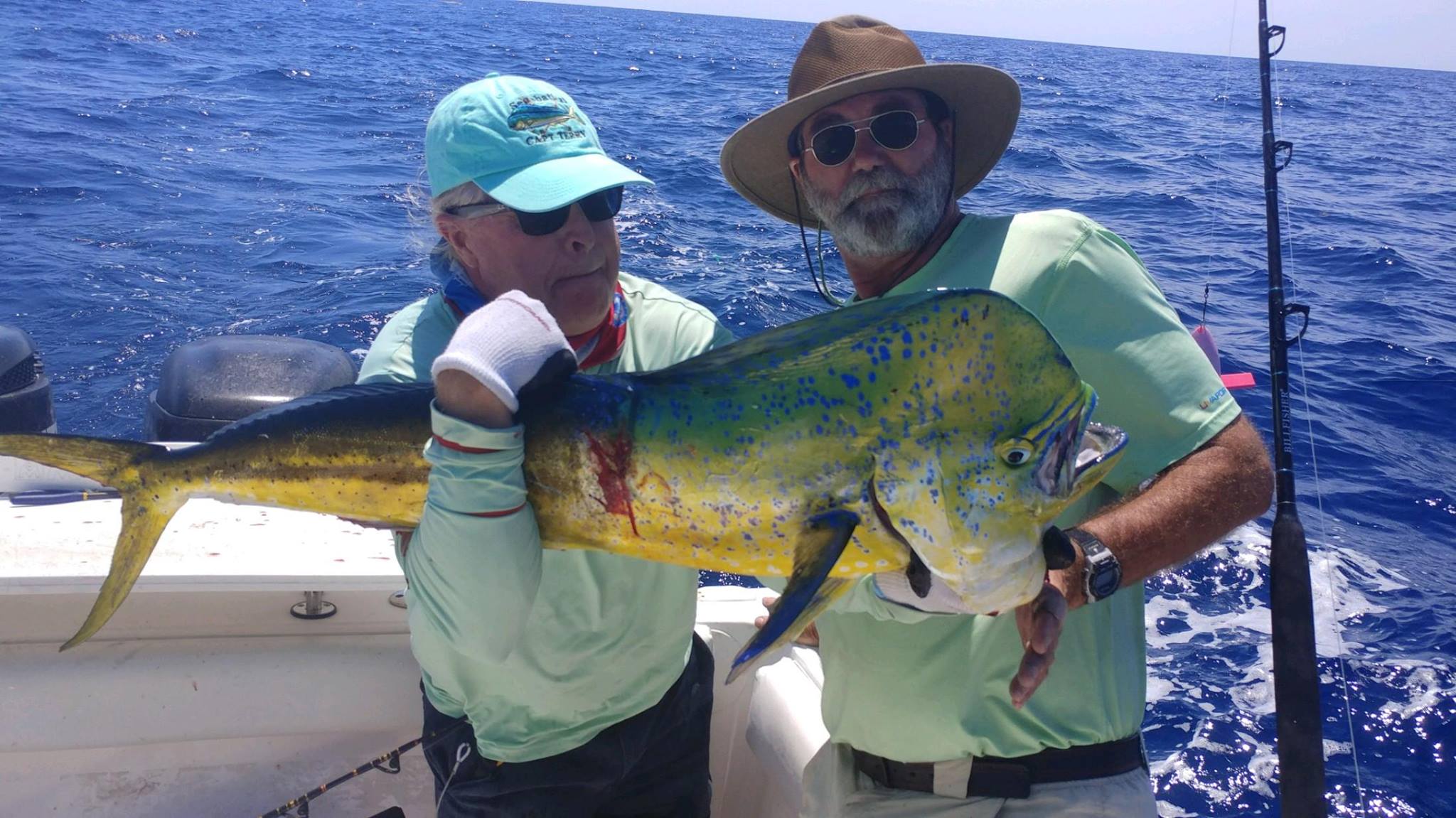
Mahi Mahi are the crown jewel of Gulf Stream fishing, and for good reason. These fish are pure energy – when hooked, they'll jump, run, and put on a show that gets everyone on the boat excited. Mahi typically range from 10 to 30 pounds in these waters, with bulls pushing 40-plus pounds during peak season. They're most active from late spring through early fall, often found around floating debris or weed lines. What makes them special is their willingness to bite and their incredible colors – that electric green and gold is something you have to see to believe. Plus, they're phenomenal on the dinner table.
Cobia are the bruisers of the bunch, often called "brown sharks" until you see that distinctive flat head and dark lateral stripe. These fish average 20-50 pounds and fight like they're twice that size. They're curious by nature, often swimming right up to the boat to investigate, which makes for some exciting sight fishing opportunities. Peak season runs from May through September, and they're known for following rays and sharks. When you hook a Cobia, expect a bulldogging fight straight down to the bottom – they use their broad tail and powerful body to maximum advantage.
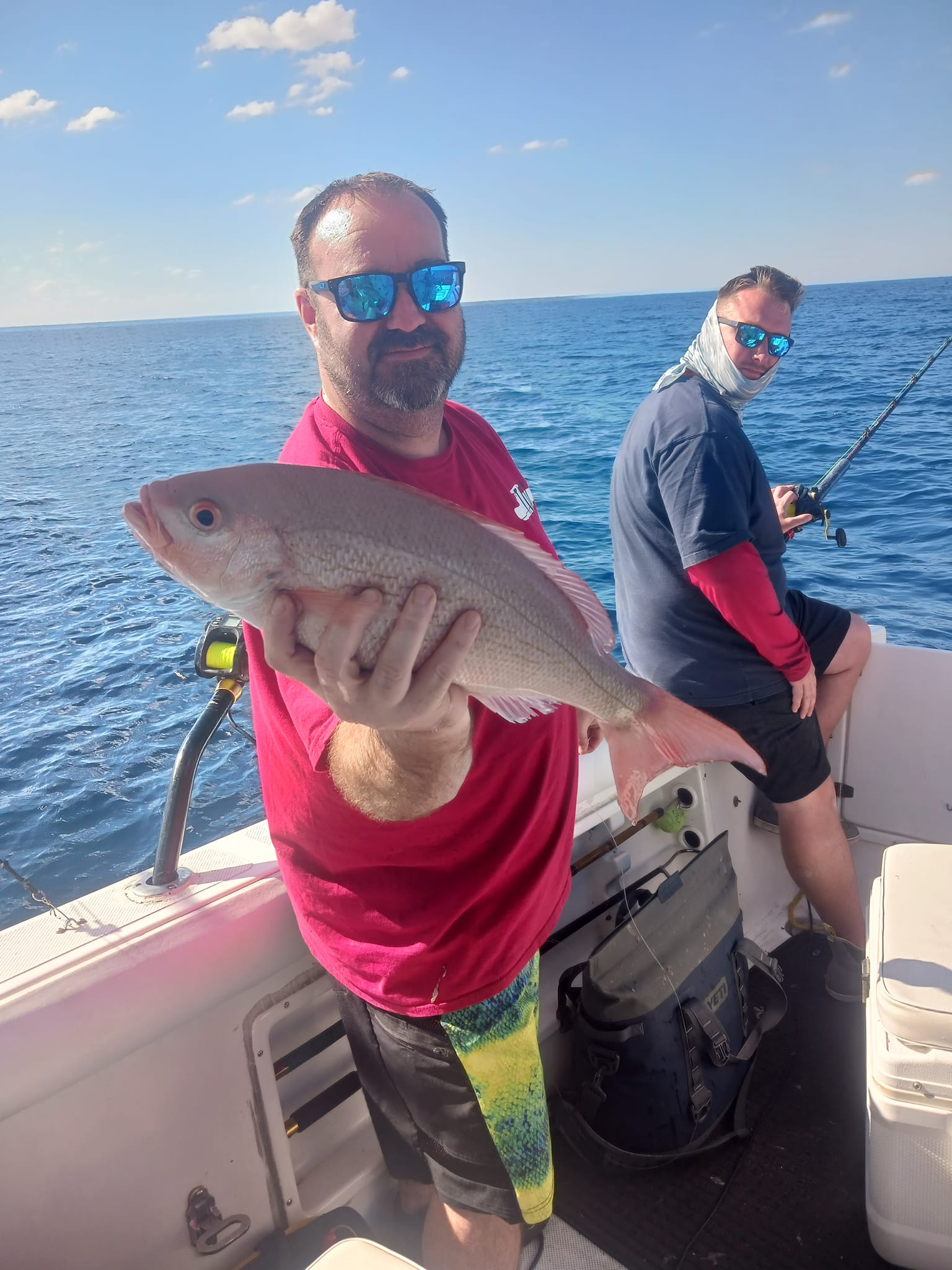
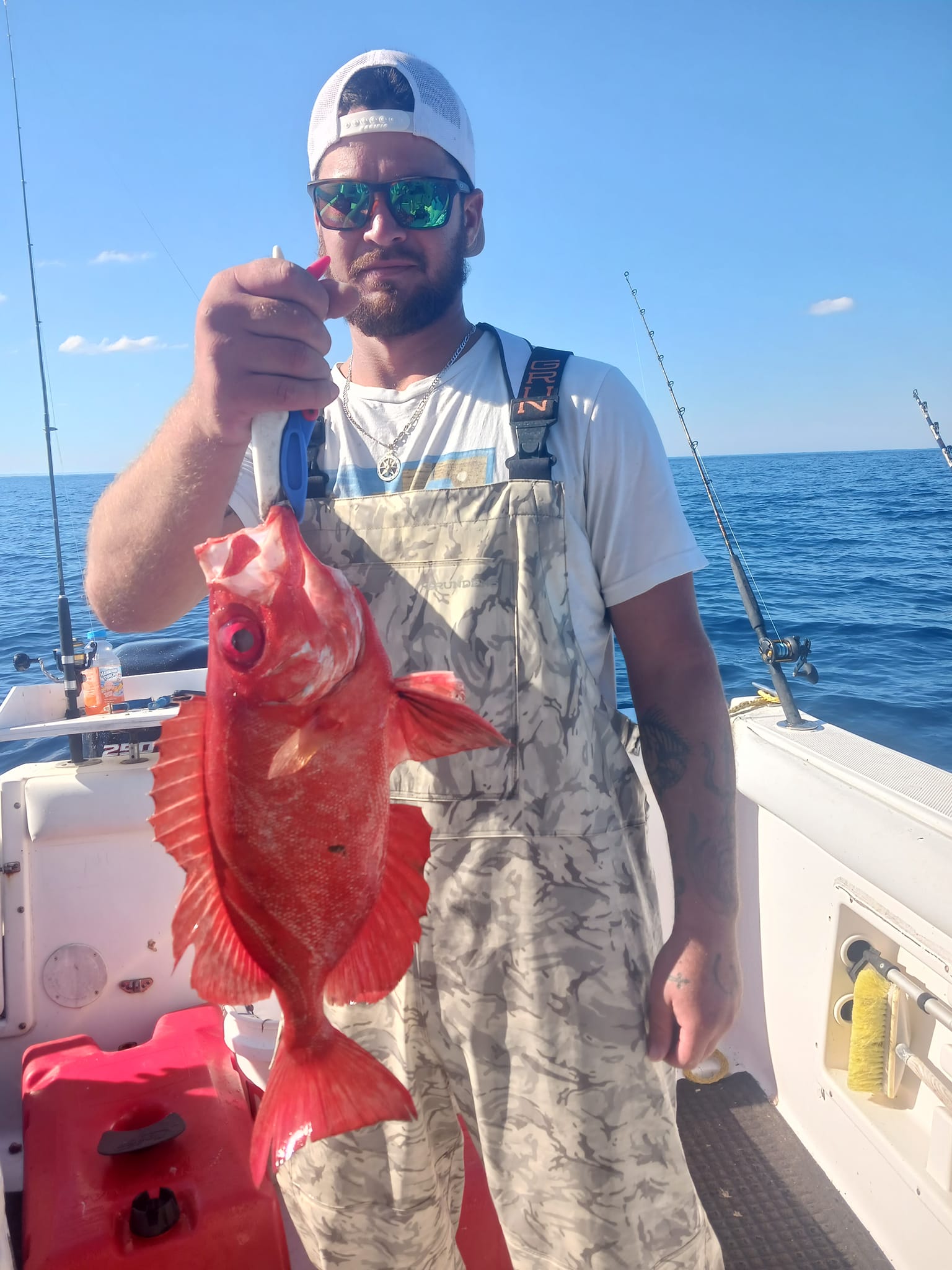
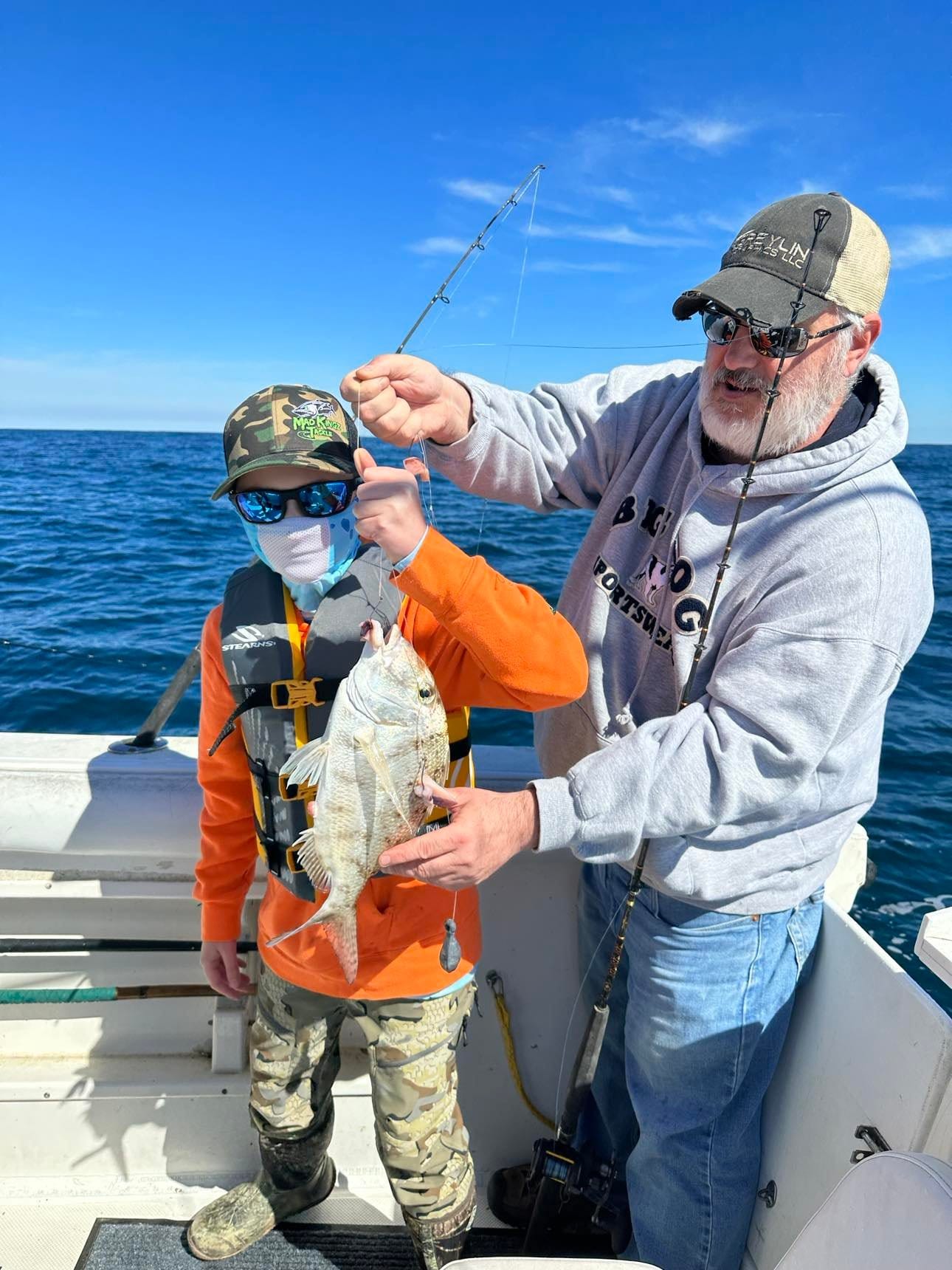
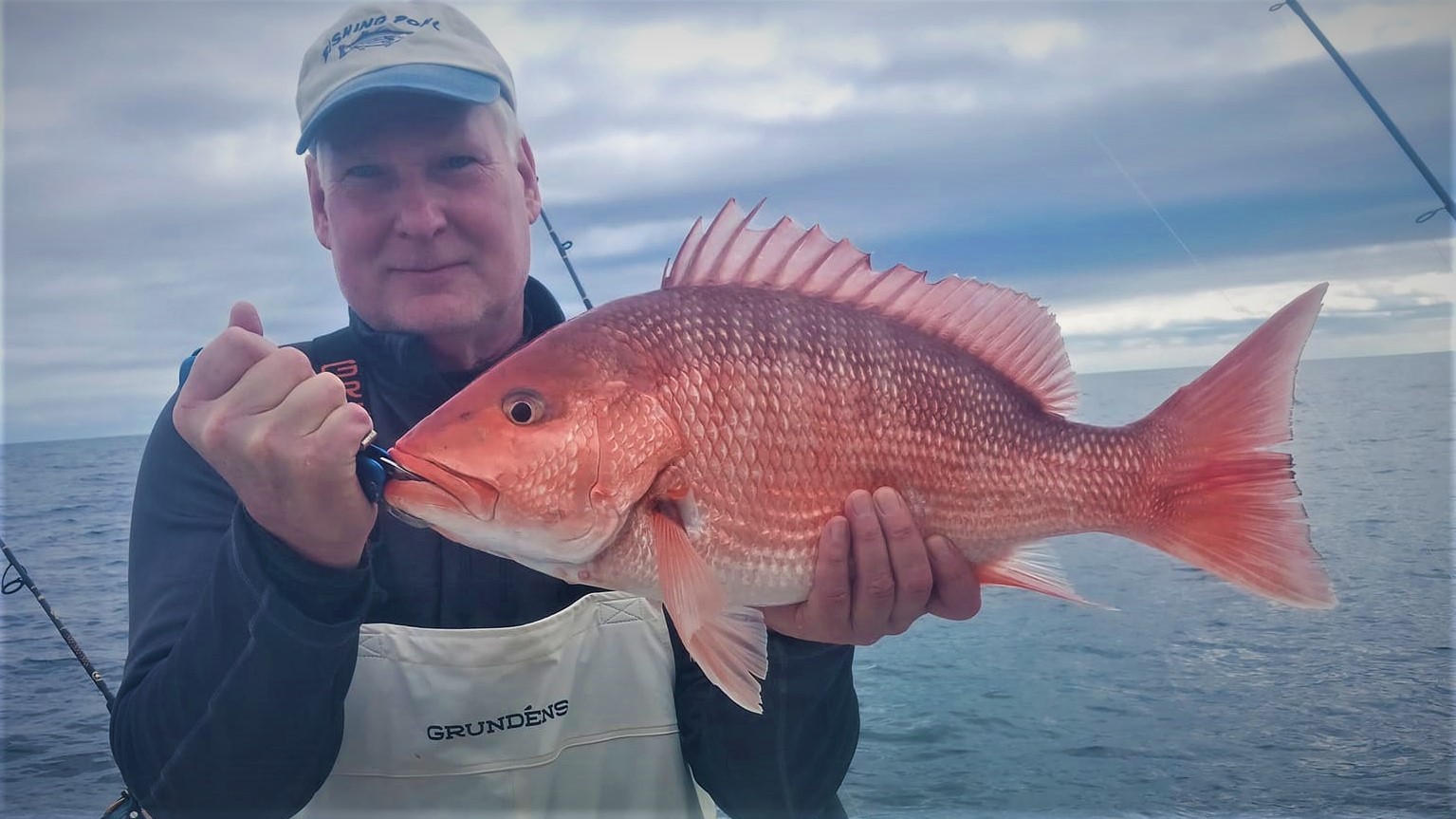
Red Snapper fishing in the Gulf Stream is all about finding the right structure and dealing with the current. These fish are typically found in 100-300 feet of water around hard bottom, ledges, and artificial reefs. They're not huge – most run 5-15 pounds – but they're scrappy fighters and absolutely delicious. The trick is getting your bait down through the current and keeping it in the strike zone. Red Snapper have excellent eyesight, so fresh bait and proper presentation make all the difference.
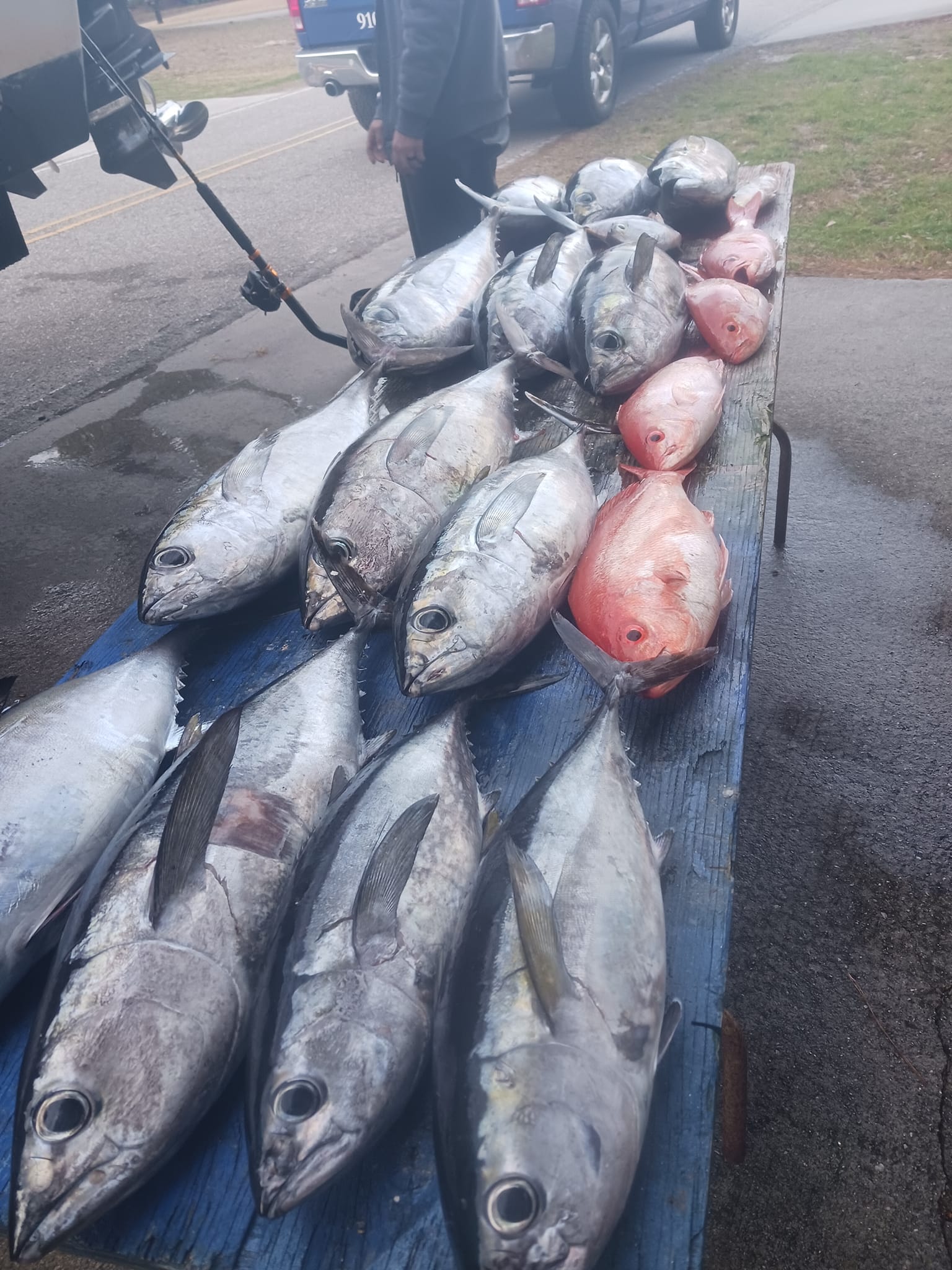
Albacore Tuna might be smaller than their Yellowfin cousins, but they make up for it in numbers and fight. These silver bullets typically weigh 10-25 pounds and are built for speed. They travel in schools and when you find them, the action can be non-stop. Albacore prefer slightly cooler water than other tunas, making the Gulf Stream's temperature breaks prime hunting grounds. They're phenomenal trolling fish and will absolutely scream line off your reel on the initial run.
Blackfin Tuna are the perfect size for the dinner table, typically running 5-15 pounds. They're beautiful fish with distinctive yellow trim on their fins and are incredibly fast swimmers. Blackfins are often found mixed with other species around the Gulf Stream, making them a welcome bonus catch. They respond well to both trolling and live bait fishing, and their dark red meat is prized for sashimi-grade preparation.
Time to Book Your Spot
Gulf Stream fishing off North Carolina offers some of the most consistent offshore action on the East Coast. The combination of structure, current, and bait creates perfect conditions for multiple species year-round. With Seabbatical Charters, you're getting access to proven fishing grounds with an experienced captain who knows how to put you on fish. The 5-person capacity means you'll have plenty of room to fish comfortably without feeling crowded. Whether you're after bottom dwellers like Sea Bass and Snapper or hoping to tangle with line-screaming Mahi and Cobia, this trip delivers the kind of variety that keeps anglers coming back.
 Private Trip
 Offshore Fishing
 Wilmington


 Gulf Stream offshore fishing targeting multiple species daily