Marathon Offshore Fishing: The Real Deal
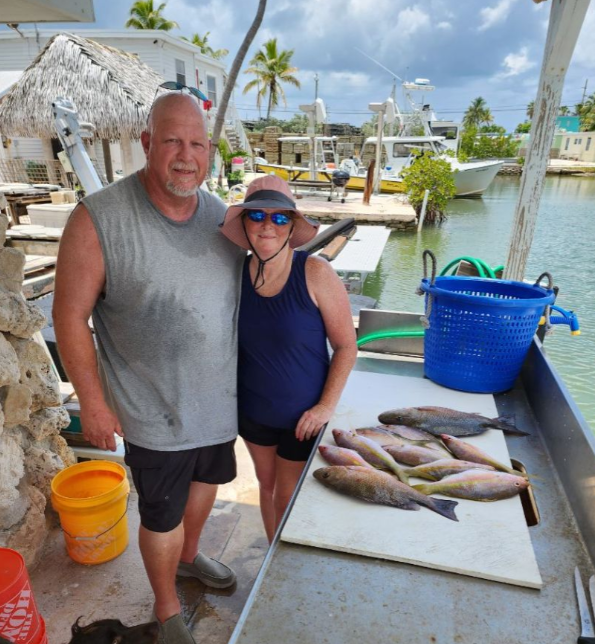
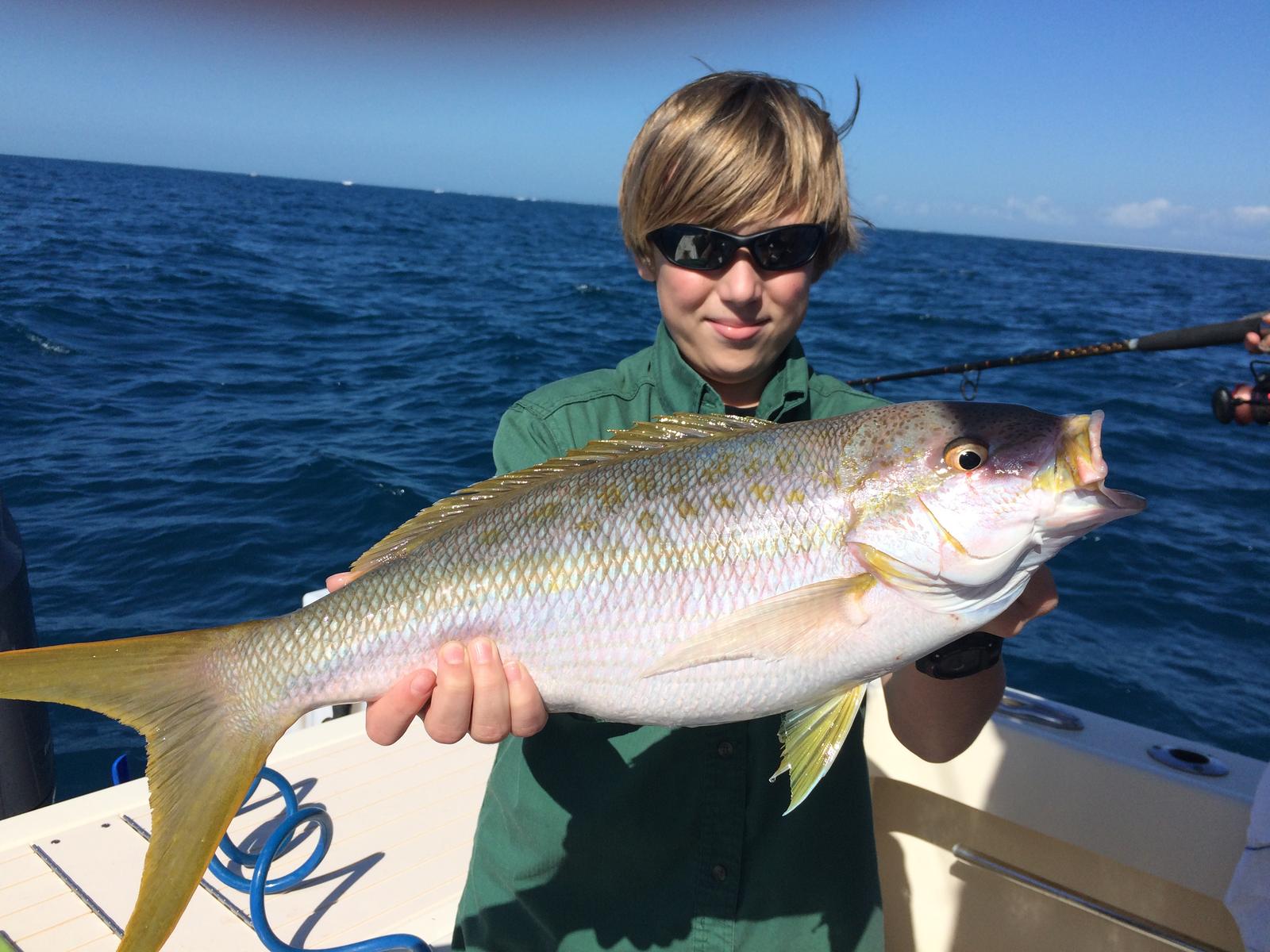
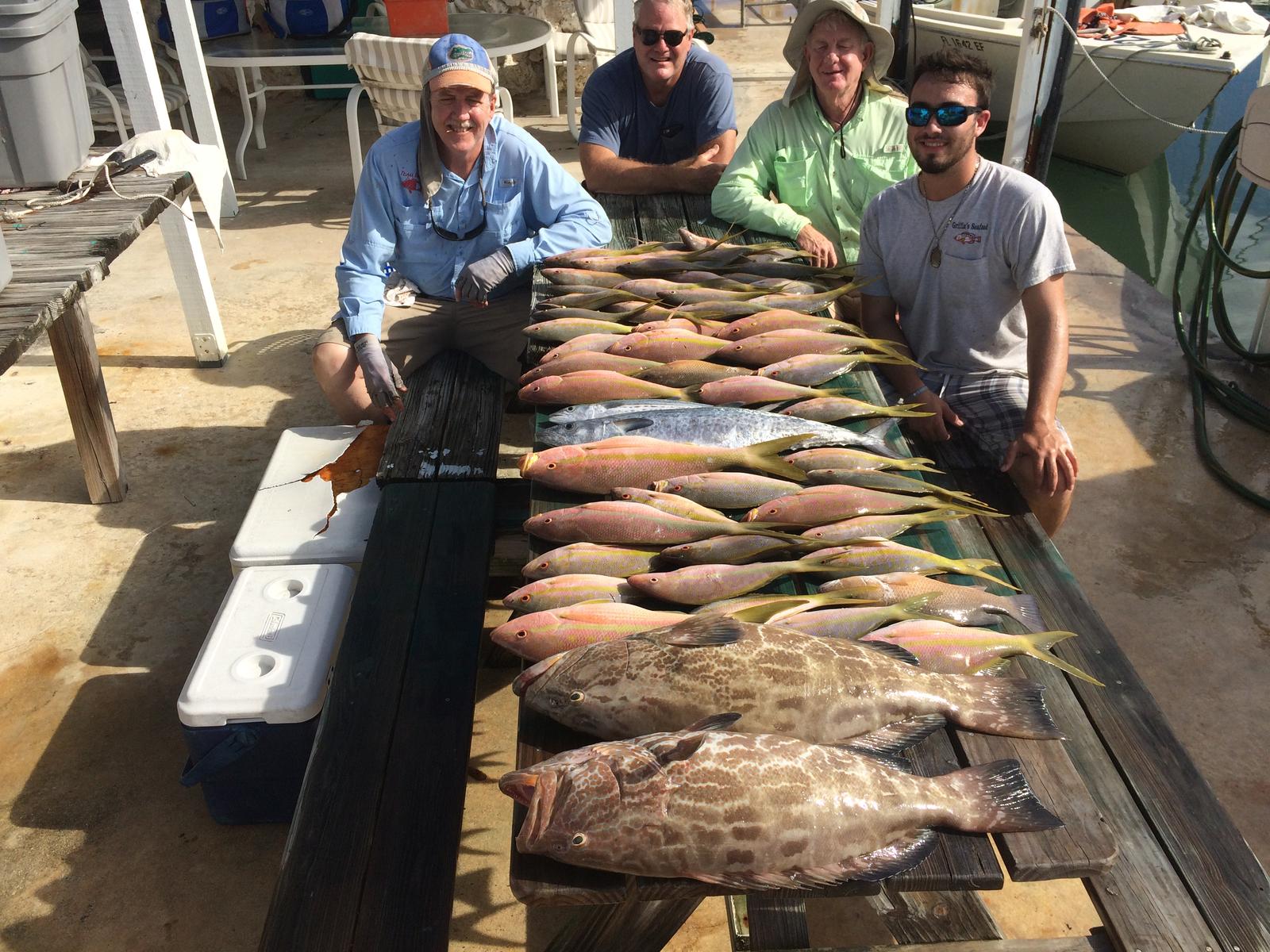
Get ready for some serious fishing action off Marathon, where the Gulf Stream meets the reef and the fish bite like they mean it. This isn't your typical half-day trip – we're talking six solid hours on the water with Shark River Charters, giving you plenty of time to work the reefs and put some serious fish in the box. The Florida Keys fishing scene doesn't get much better than this, and Marathon sits right in the sweet spot where snapper, grouper, and barracuda patrol the ledges year-round. Pack your cooler with ice and come hungry for action – the offshore reefs here are loaded with keeper-sized fish just waiting for the right presentation.
What to Expect on the Water
Your day starts early at the Marathon marina, where Captain and crew will have everything rigged and ready to roll. We're heading out to the offshore reefs where the real action happens – those 40 to 80-foot drops where structure holds fish and the current brings in the bait. The boat's equipped with everything you need: rods, reels, tackle, bait, and your fishing license is covered. All you need to bring is sunscreen, snacks, and drinks to keep you going through the day. The crew knows these waters like their backyard and they'll put you on fish. Six hours gives us time to hit multiple spots, work different depths, and adjust our game plan based on what's biting. Some days the snapper are stacked on the deeper ledges, other days the grouper are hugging the bottom structure closer to shore. That's the beauty of having all day – we can chase the bite wherever it takes us.
Techniques and Tackle Setup
We fish these Marathon reefs with a mix of bottom fishing and drift techniques that have been proven to work in these waters. The standard rig is a knocker setup with circle hooks – it gets your bait down fast and keeps you legal with the grouper regulations. We're talking 30 to 50-pound class tackle that can handle the bigger fish but still gives you a good fight. Bait selection depends on what's working: sometimes it's live pinfish or grunts, other times cut bait like sardines or ballyhoo does the trick. The crew will show you how to work the bottom, feel for the bite, and set the hook properly with circle hooks. When the barracuda show up, we might switch to wire leaders and work some lures or live bait higher in the water column. The key is reading the conditions – current, wind, and what the fish finder is showing – then adjusting your technique accordingly. These aren't tourist tactics; this is how the locals fish these reefs day in and day out.
Species You'll Want to Hook
Grey Triggerfish are making a serious comeback in these Marathon waters, and they're a blast to catch on light tackle. These guys are smart and picky – they'll steal your bait all day if you don't pay attention to your rod tip. Look for them around structure in 40 to 60 feet of water, especially during the cooler months. They fight way harder than their size suggests and make excellent table fare when prepared right. The trick is using small hooks and fresh cut bait, then being ready for that subtle triggerfish bite.
Great Barracuda patrol these reefs like underwater wolves, and when they decide to eat, it's game on. These silver missiles can push 30 pounds or more and they'll test your drag system for sure. Spring through fall is prime time, and they love to ambush bait around the reef edges. Live pilchards or small yellowtail work great, but they'll also crush a well-presented lure. The strike is usually explosive, and the first run will remind you why barracuda have such a reputation among Keys anglers.
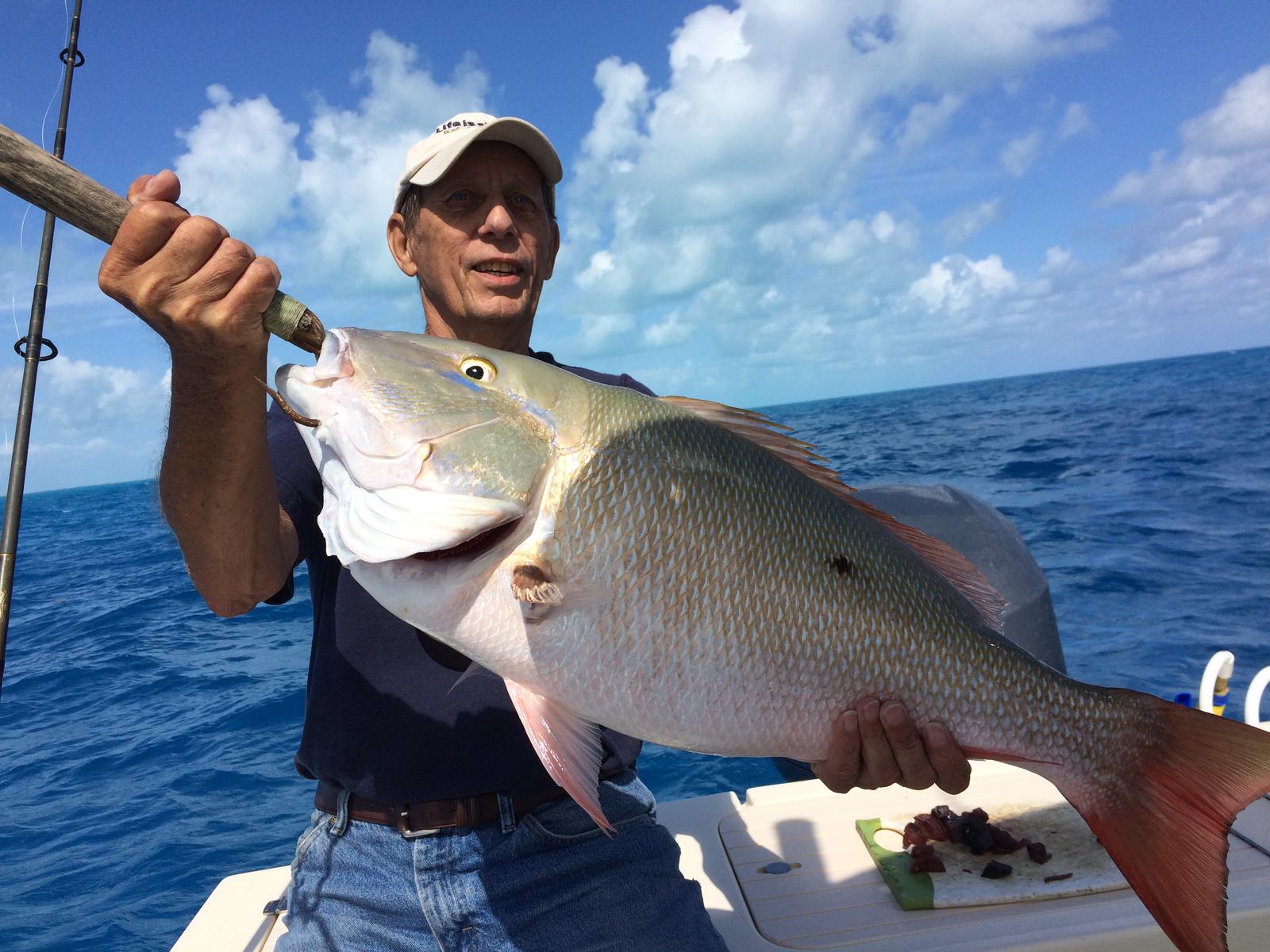
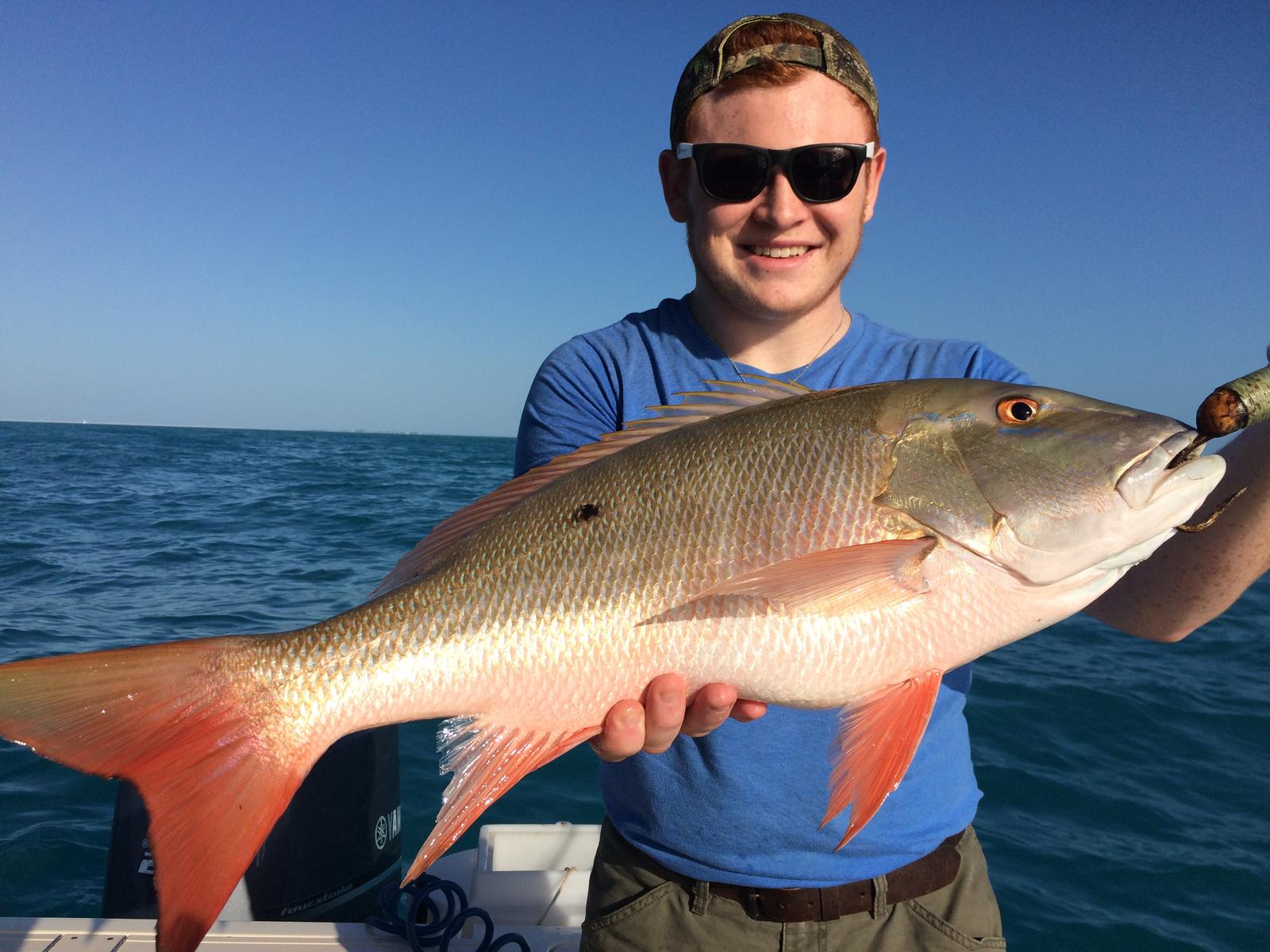
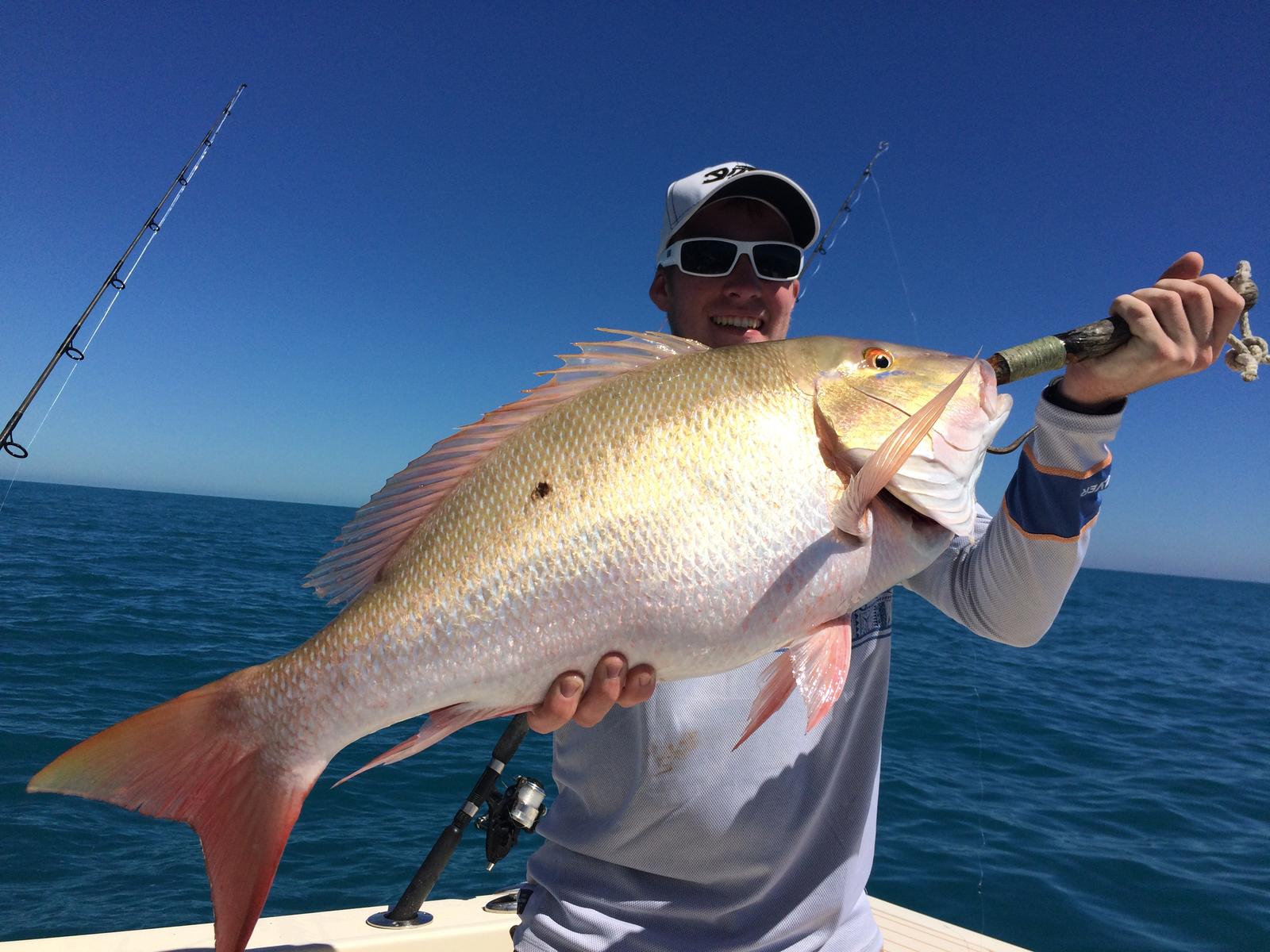
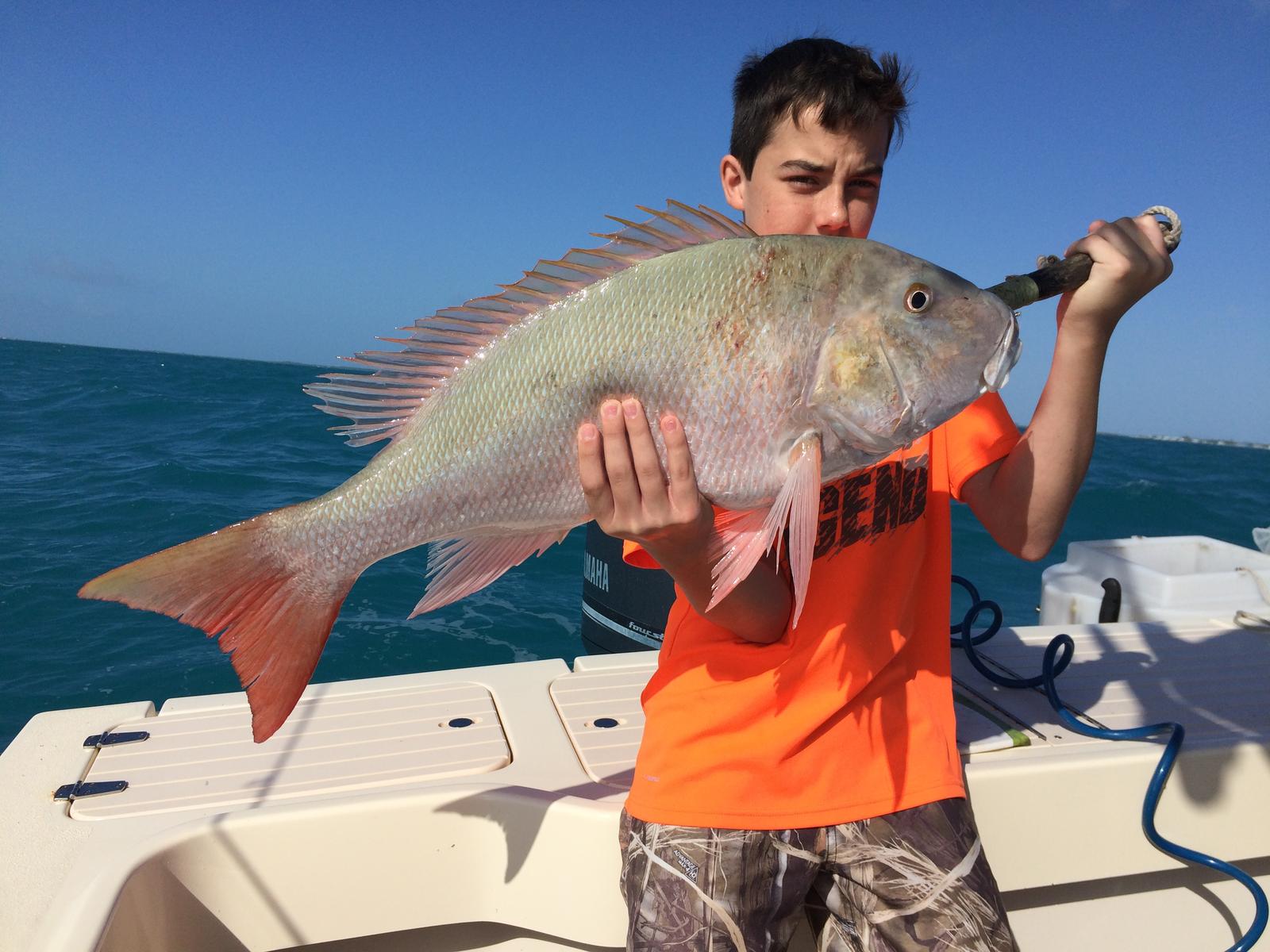
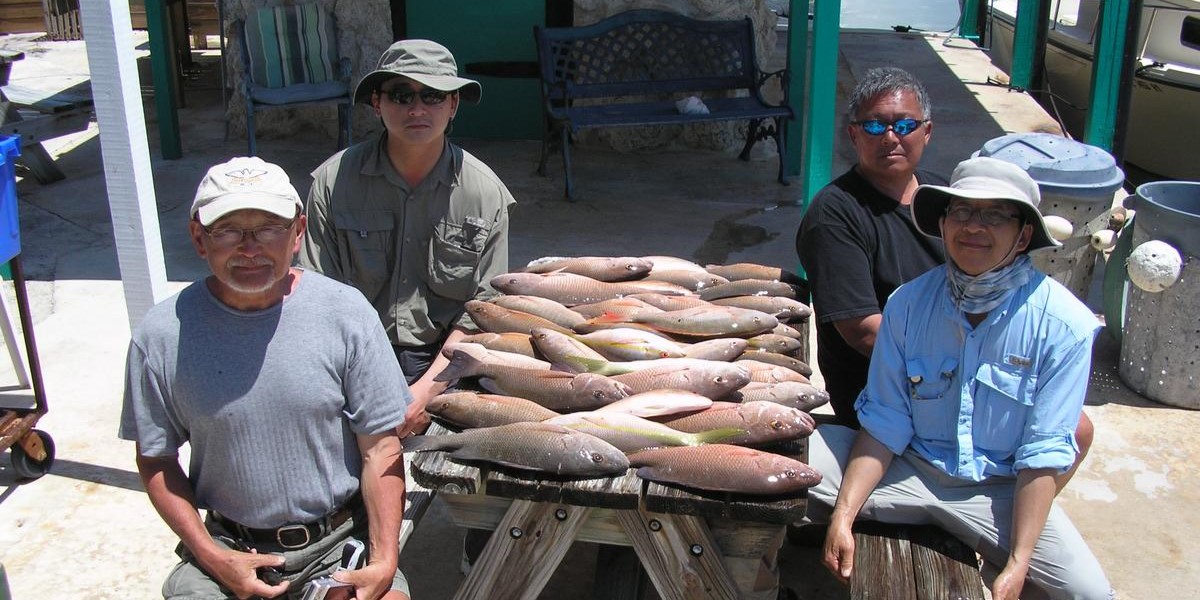
Mutton Snapper are the prize catch for many Marathon regulars – they're beautiful fish that grow big and fight hard. These guys are structure-oriented and typically hold in 30 to 80 feet around ledges and coral heads. Summer months can be phenomenal for muttons, especially during the full moon phases when they group up to spawn. They're line-shy and bait-smart, so finesse is key. A properly presented live bait or fresh cut sardine on light leader can make all the difference between going home empty-handed or with a cooler full of premium eating fish.
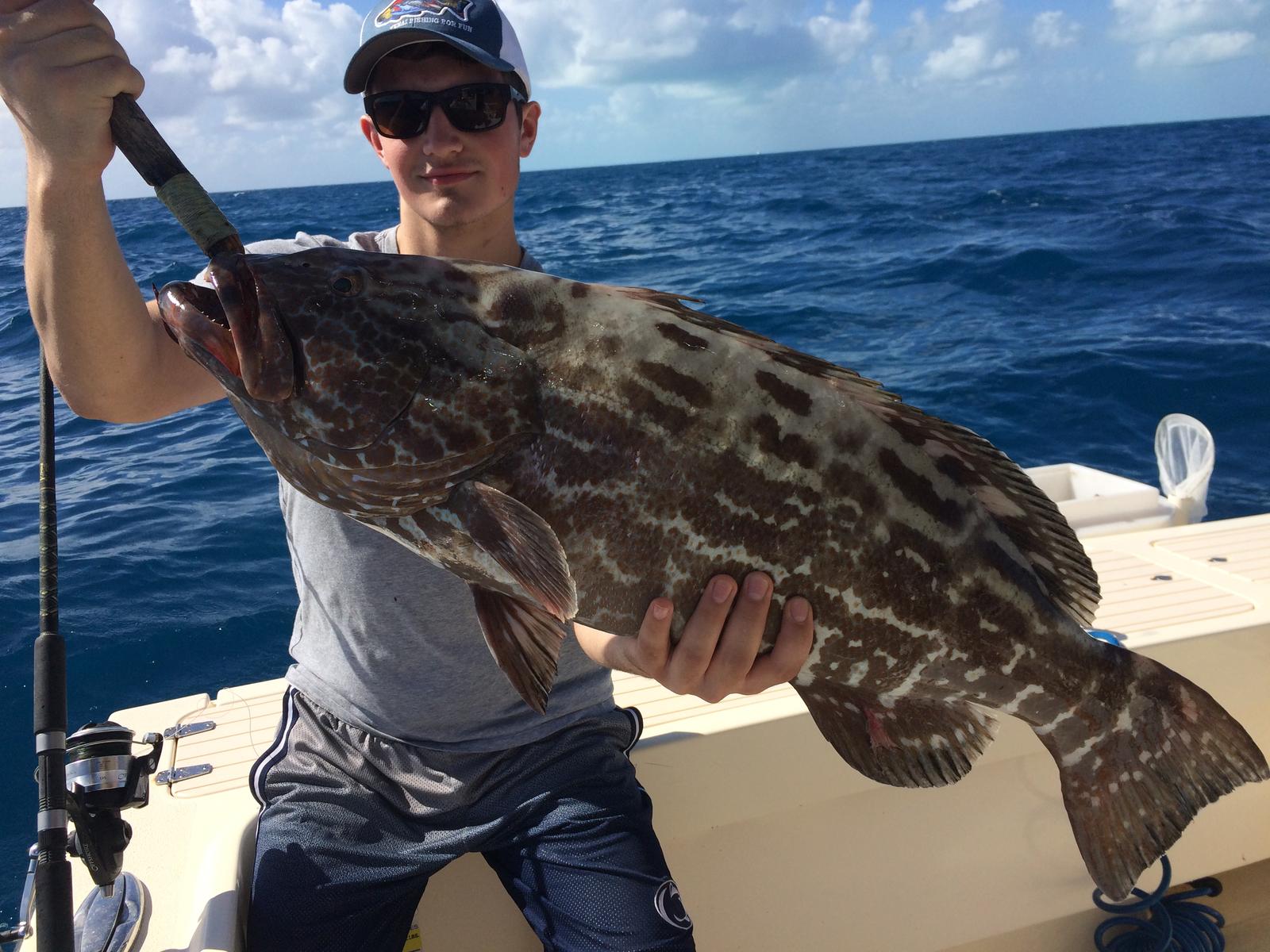
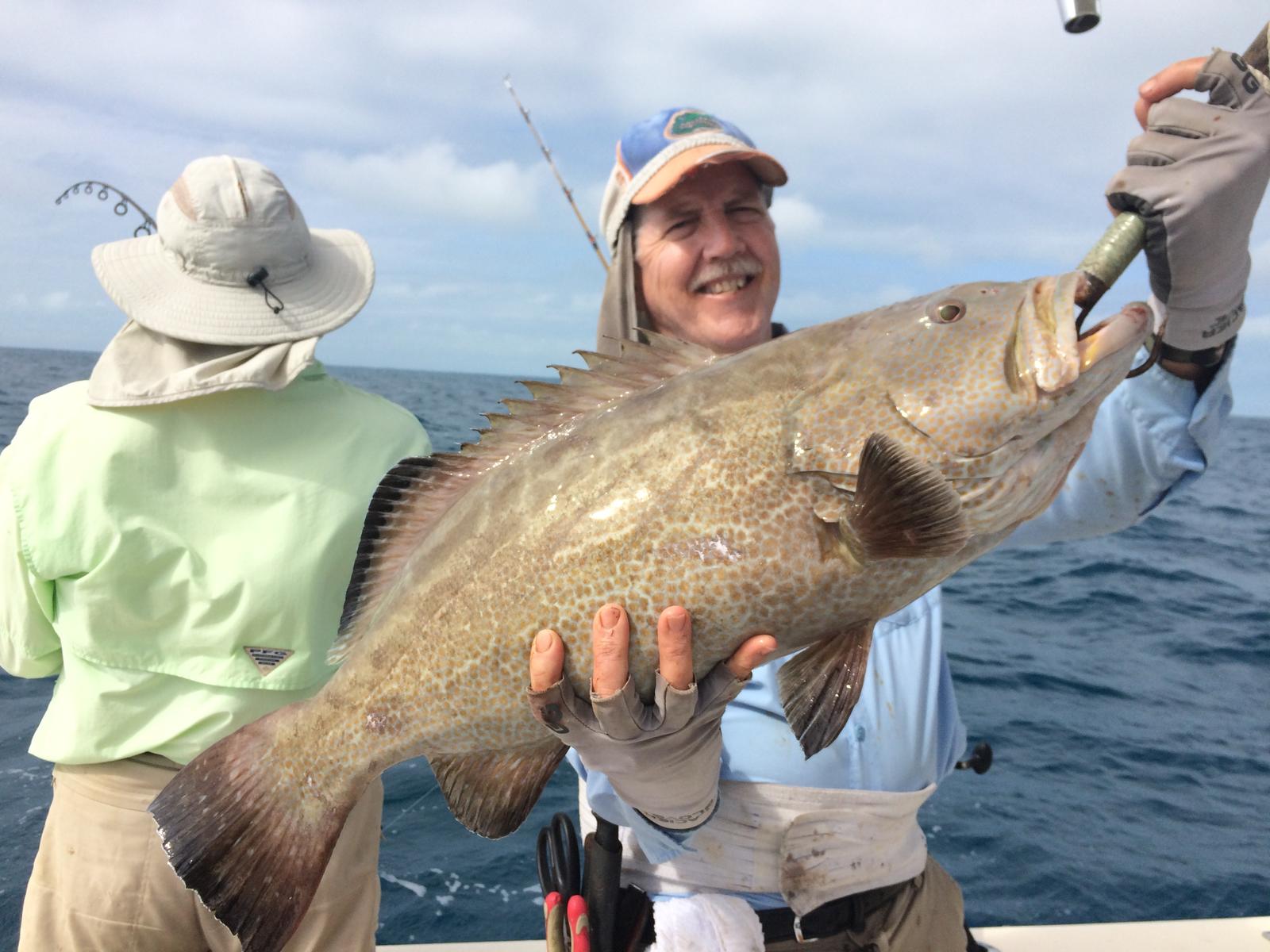
Black Grouper are the muscle cars of the reef – pure power from the moment they grab your bait. These fish live in the holes and ledges, and they know exactly where to run when hooked. You've got to turn them quick or they'll cut you off on the rocks. Peak season runs from late spring through early fall, and the bigger fish typically hold in deeper water. They're ambush predators that love live bait presented near the bottom, and landing a keeper black grouper is always a highlight of any Marathon fishing trip.
Gag Grouper round out the grouper slam opportunity, and they're typically more cooperative than their black grouper cousins. Gags roam more and can be found over sand bottom adjacent to structure as well as right on the hard bottom. Winter months can be particularly good for gag grouper as they move shallow to spawn. They're excellent eating and put up a solid fight, making them a favorite target for both recreational and charter boat anglers working the Marathon reef system.
Time to Book Your Spot
This six-hour Marathon fishing adventure gives you the best shot at experiencing what makes Florida Keys fishing legendary. With everything provided except your personal items and refreshments, it's hassle-free fishing at its finest. The four-person limit keeps it intimate and gives everyone plenty of room to fish without getting tangled up. Spring through fall offers the most consistent action, but winter months can surprise you with some outstanding catches when conditions align. Shark River Charters has the local knowledge and equipment to make your day productive, but remember – fishing is fishing, and Mother Nature always has the final say. Book early for peak season dates, bring
 Private Trip
 Offshore Fishing
 Marathon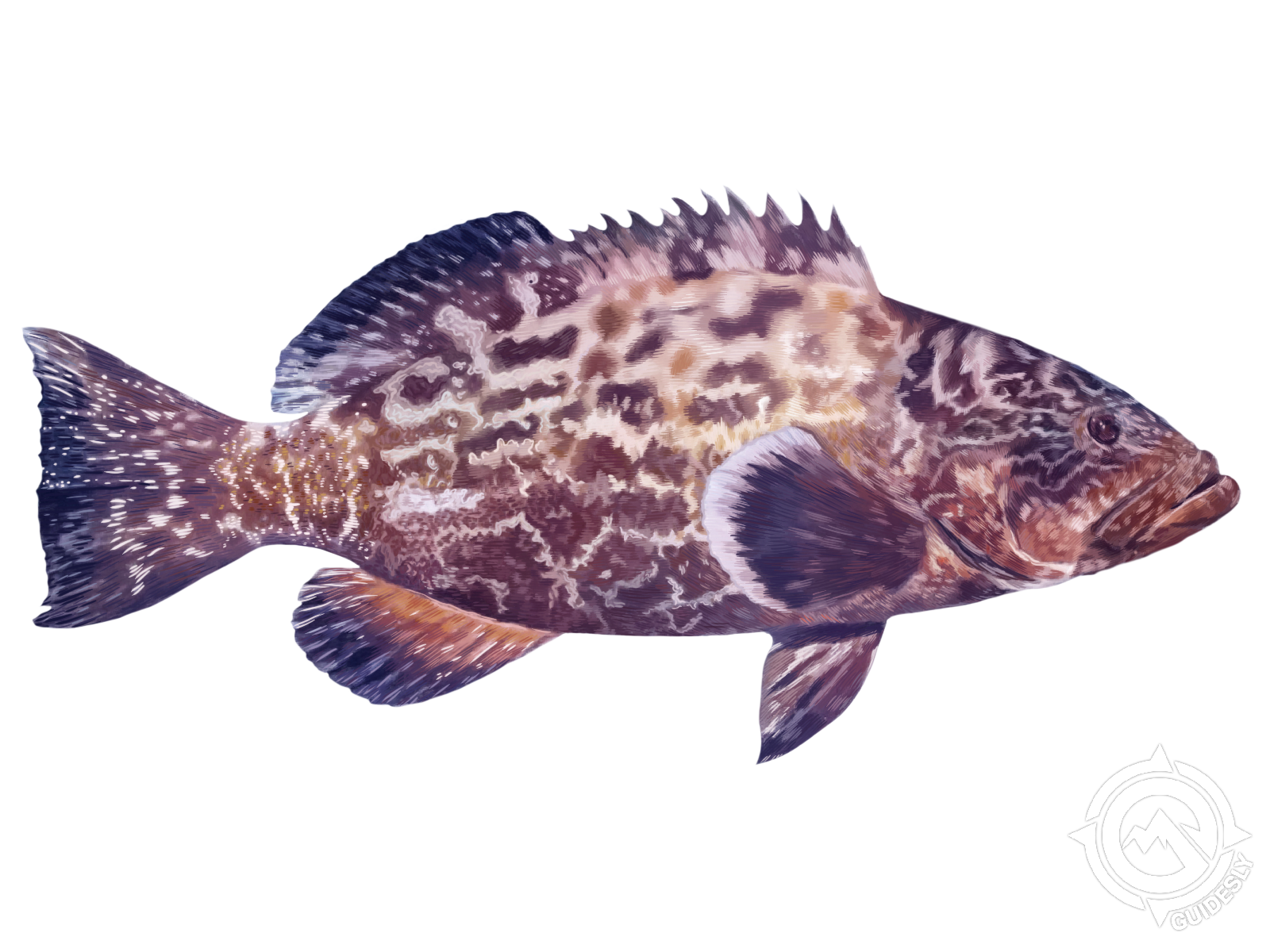


 Six-hour offshore fishing adventure targeting snapper, grouper, and barracuda