Charleston Wreck Fishing Adventure
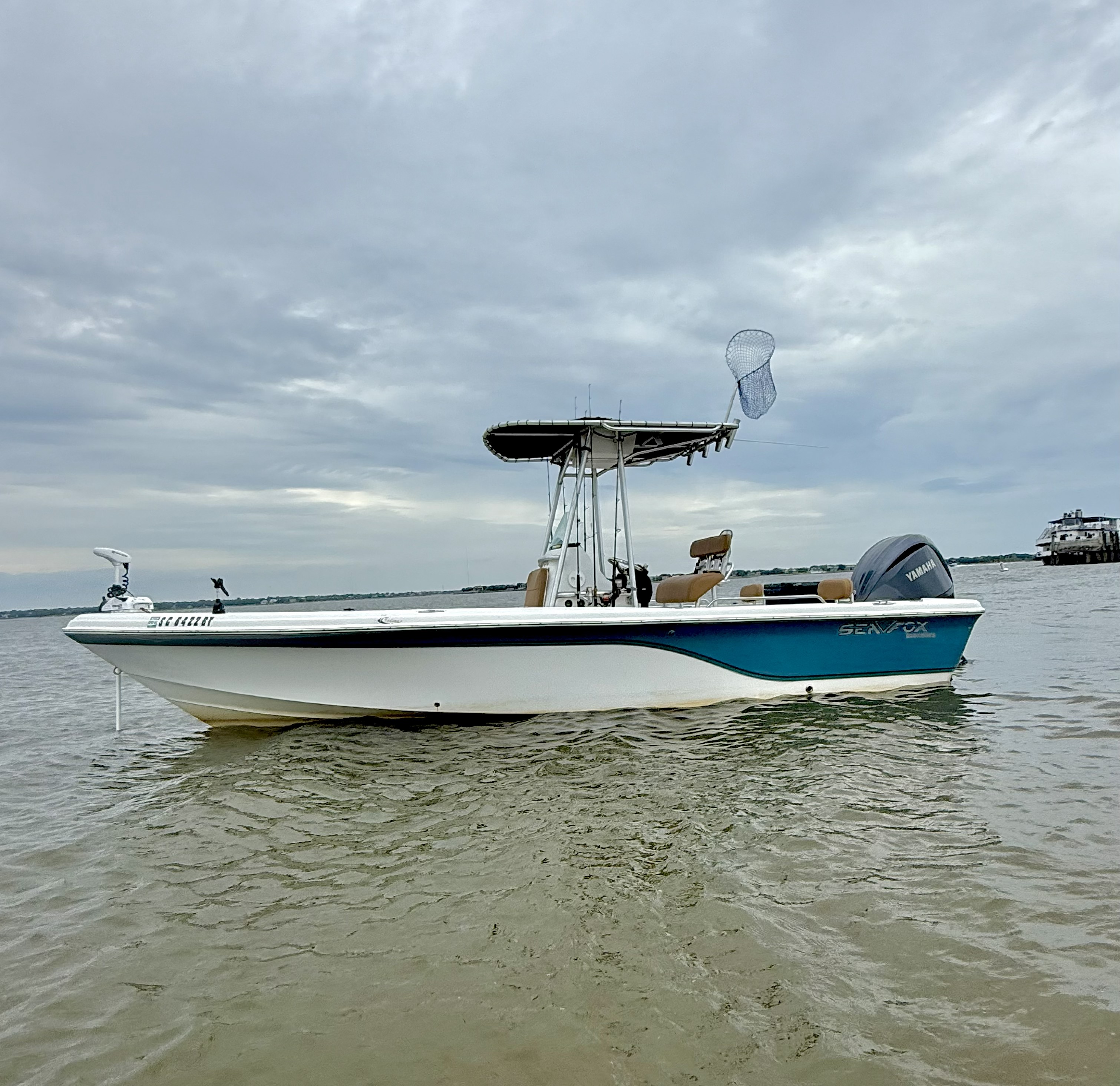
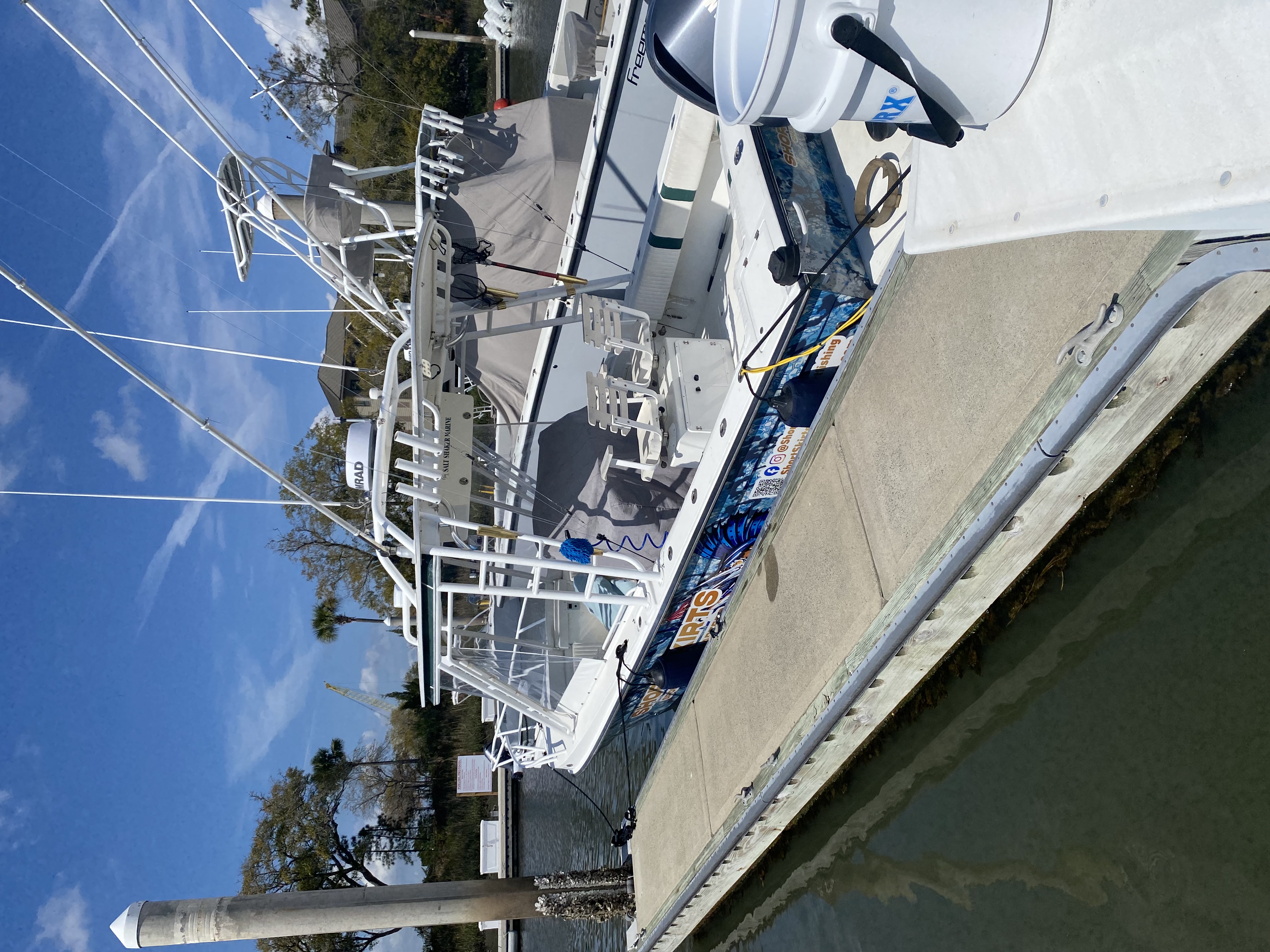
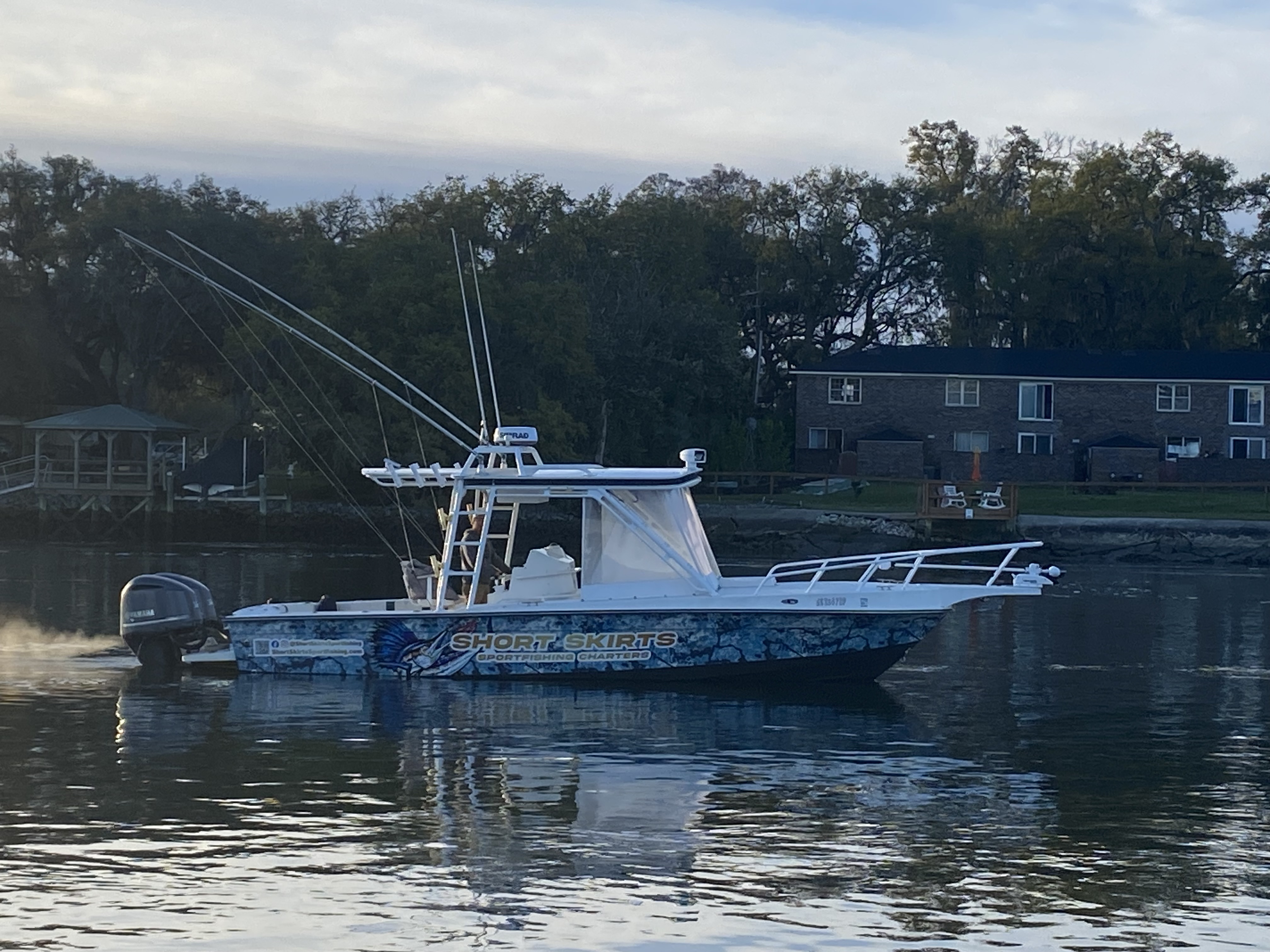
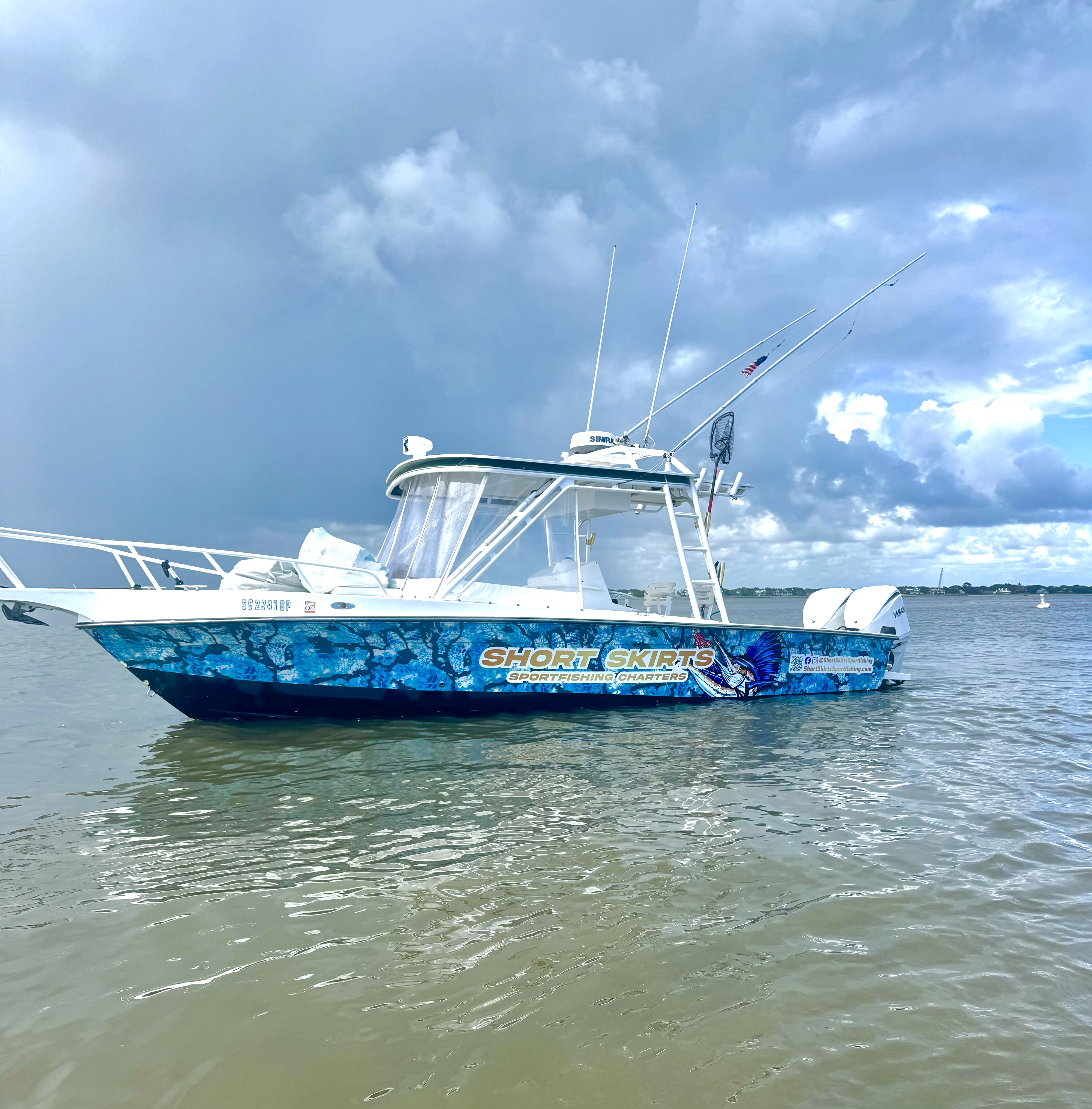
Ready to hit some serious bottom structure? This 6-hour Charleston wreck fishing trip takes you 20 miles offshore where the real fish live. We're talking about dropping lines on productive reefs and wrecks that hold some of the area's best eating fish. Our 24-foot bay boat handles the Charleston waters like a champ, and with just 6 anglers max, you'll have plenty of room to fight fish without bumping elbows. Pack your cooler with ice because you're gonna need it for the fresh fillets heading home.
What to Expect on the Water
We launch early and make the run out to the offshore structure where the big boys hang out. Charleston's wreck sites are legendary among local anglers, and for good reason - these artificial reefs create perfect ambush points for predator fish. The ride out gives you time to rig up and get your head in the game while our captain marks the best spots on the fish finder. Once we're on structure, it's game time. You'll be dropping baits down 60-80 feet to where the snappers stack up, or working the mid-water column for kings and cobia. The action can be non-stop when we hit it right, so be ready to stay busy for the full 6 hours.
Tackle Talk & Techniques
We fish these wrecks smart - heavy enough tackle to pull fish away from structure, but not so heavy that you can't feel the bite. We're talking medium-heavy conventional setups with 40-50 pound test for the bottom fishing, and lighter spinning gear when the cobia show up wanting to play. Bottom fishing here is all about reading the structure and keeping your bait in the strike zone. We use a mix of live bait when available and fresh cut baits that these reef fish can't resist. Circle hooks are the way to go for the snappers and groupers, while the kings and amberjacks might want something with a little more flash. Don't worry if you're new to wreck fishing - our guides will walk you through the techniques that work best on Charleston's offshore structure.
Species You'll Want to Hook
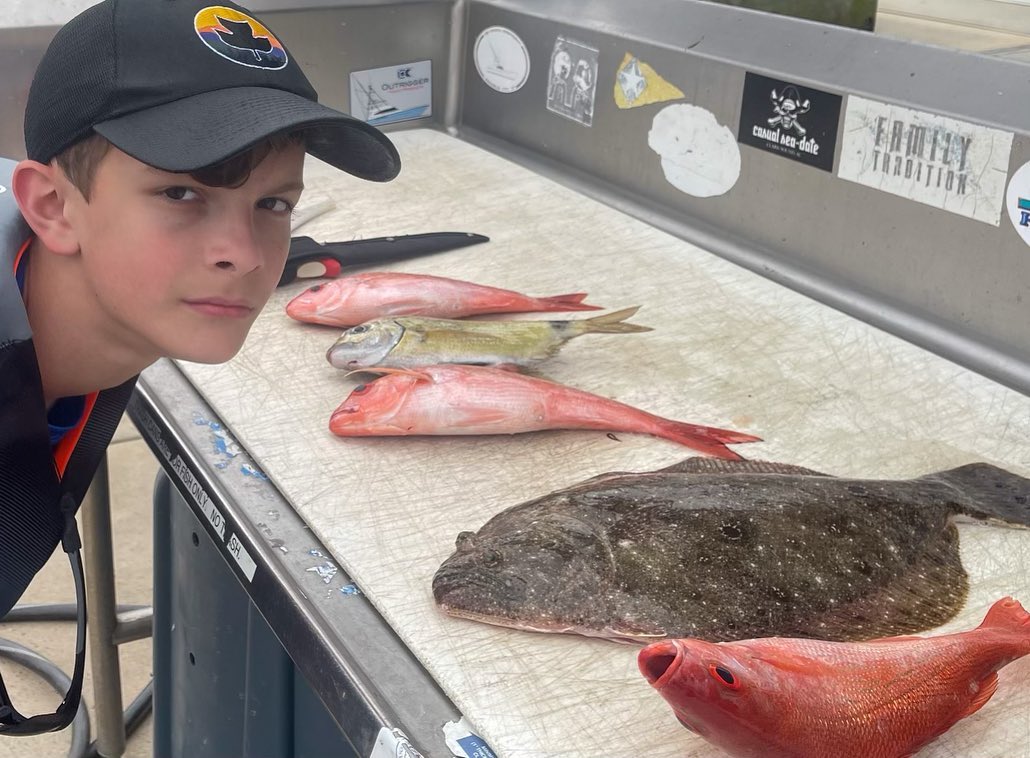
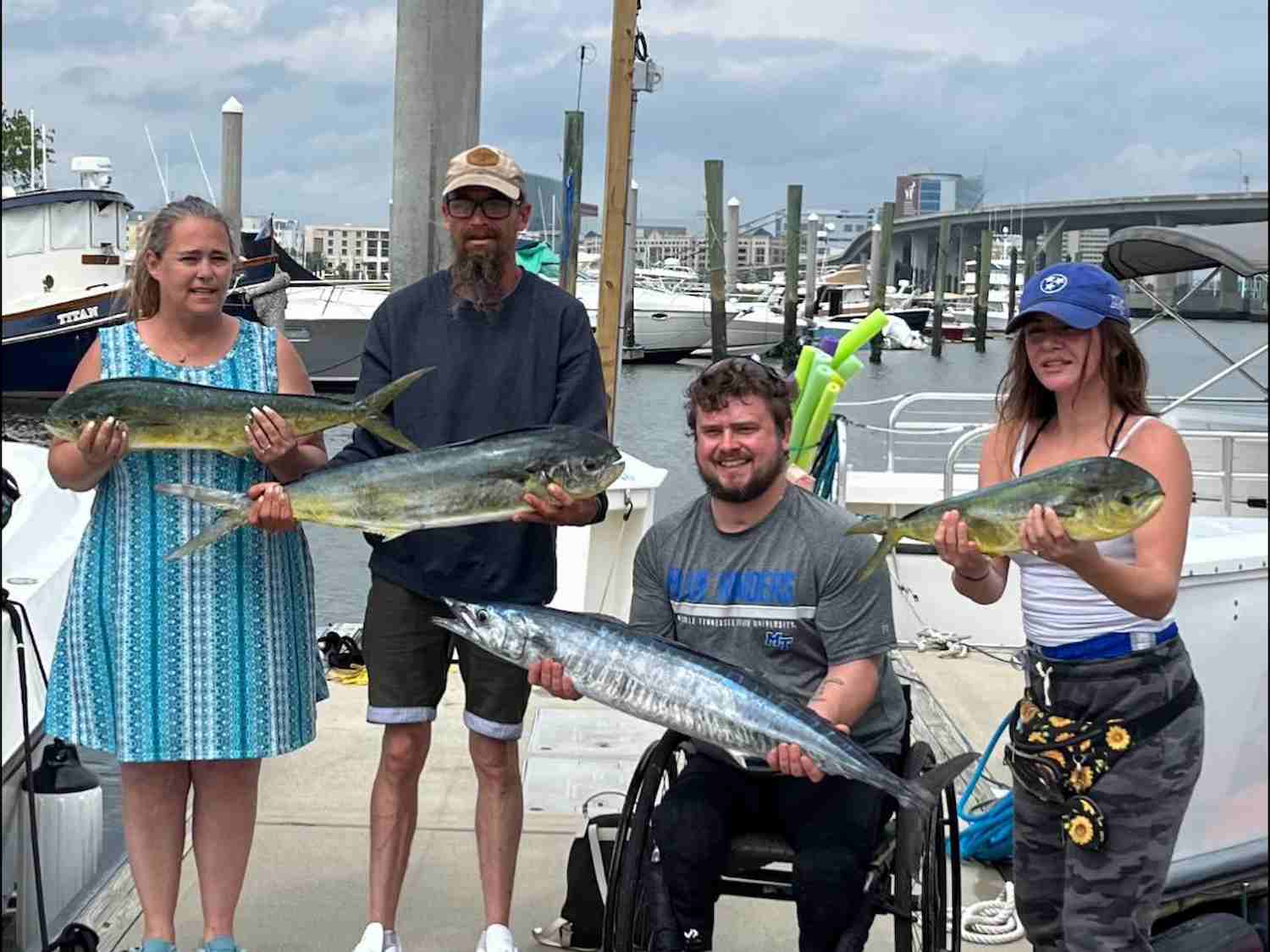
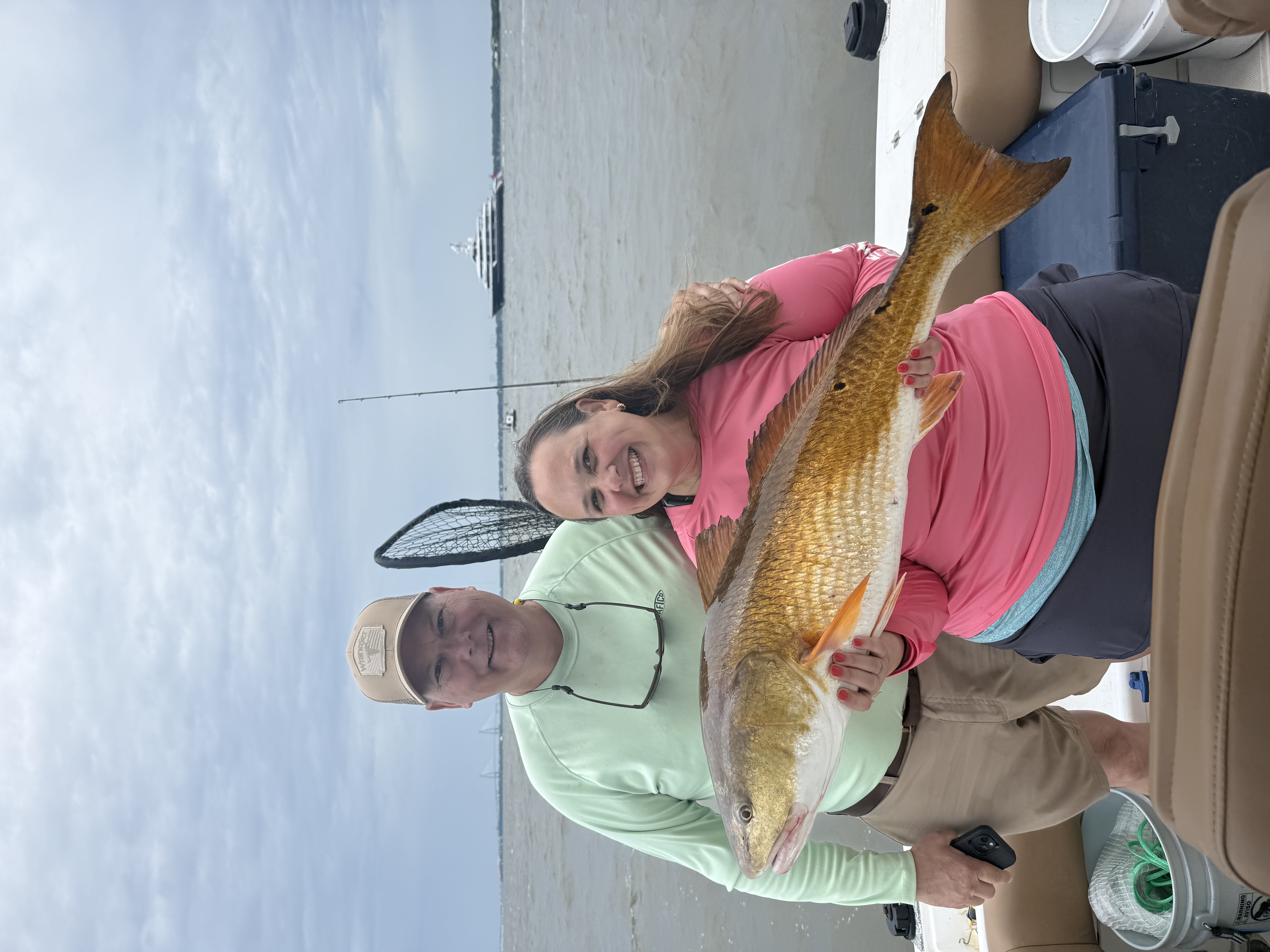
Red Snapper are the bread and butter of Charleston wreck fishing. These crimson beauties stack up on structure from spring through fall, with the best action happening when water temps hit the sweet spot. A good red snapper will pull drag and test your skills, especially around heavy structure where they love to cut you off. They're also some of the finest eating fish in the ocean, with firm white meat that's perfect for the grill or fryer.
Gag Grouper are the bulldogs of the wreck world. These guys hit hard and immediately try to get back to their rocky hideouts, so you better be ready for a tug-of-war. Gags can push 20-30 pounds and fight every inch of the way to the surface. They're year-round residents but really turn on during the cooler months when they're feeding heavy before the spawn.
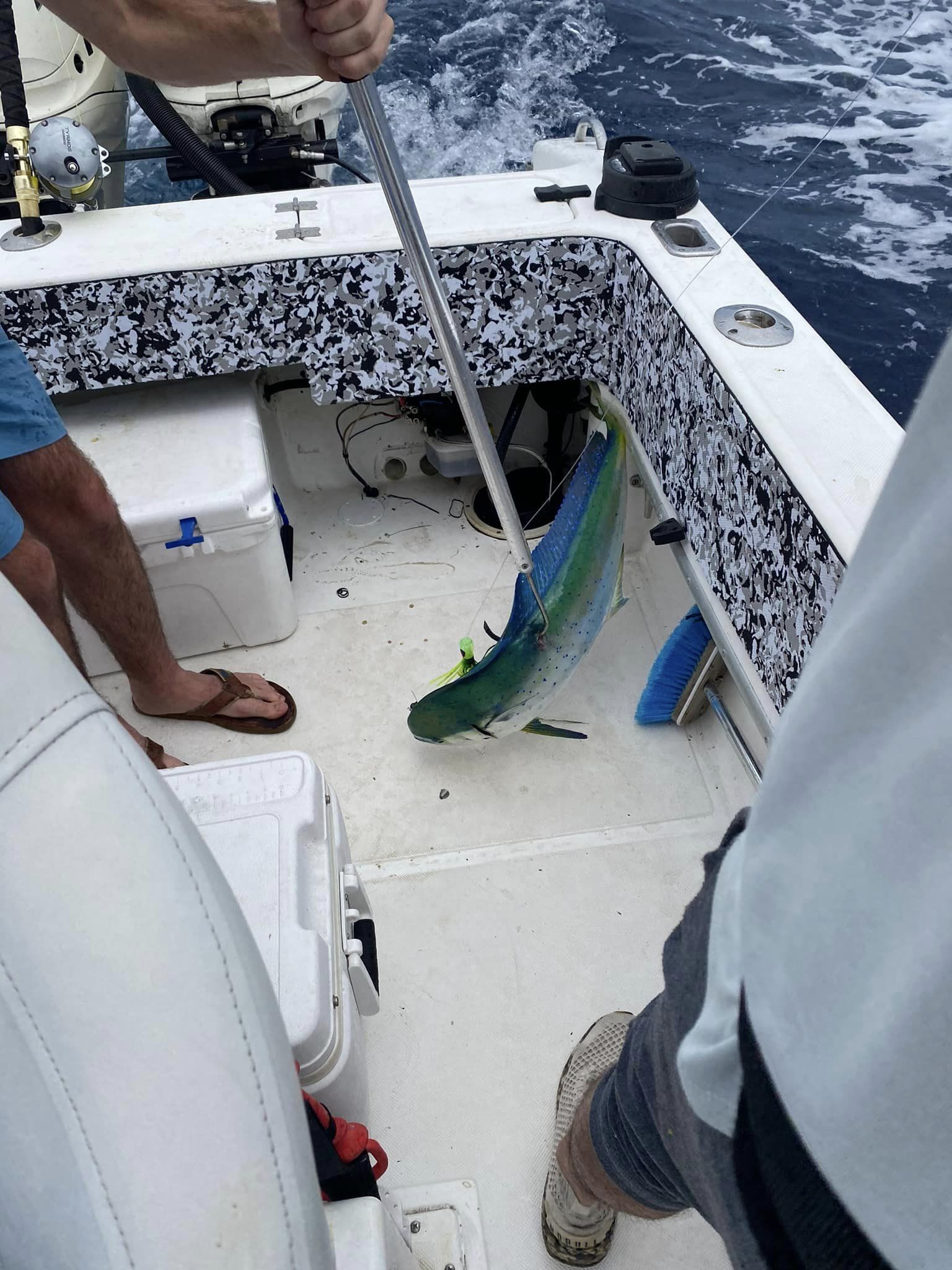
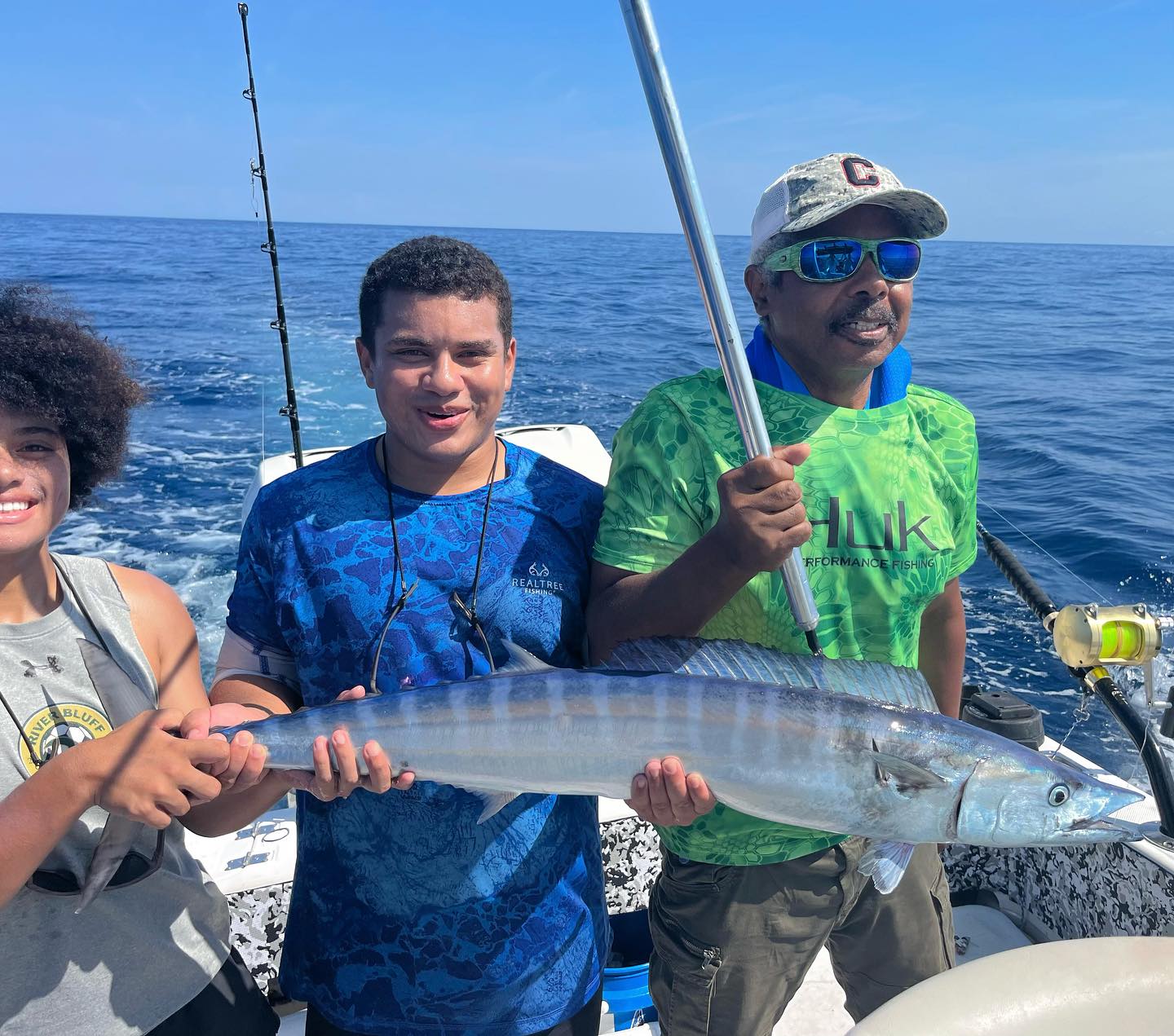
King Mackerel cruise these wrecks looking for an easy meal, and when they find your bait, hang on tight. Kings are pure speed and can strip line faster than you think possible. They show up best during the warmer months and will absolutely smoke a live bait or shiny spoon trolled around the structure. A 20-pound king will give you a fight you won't forget.
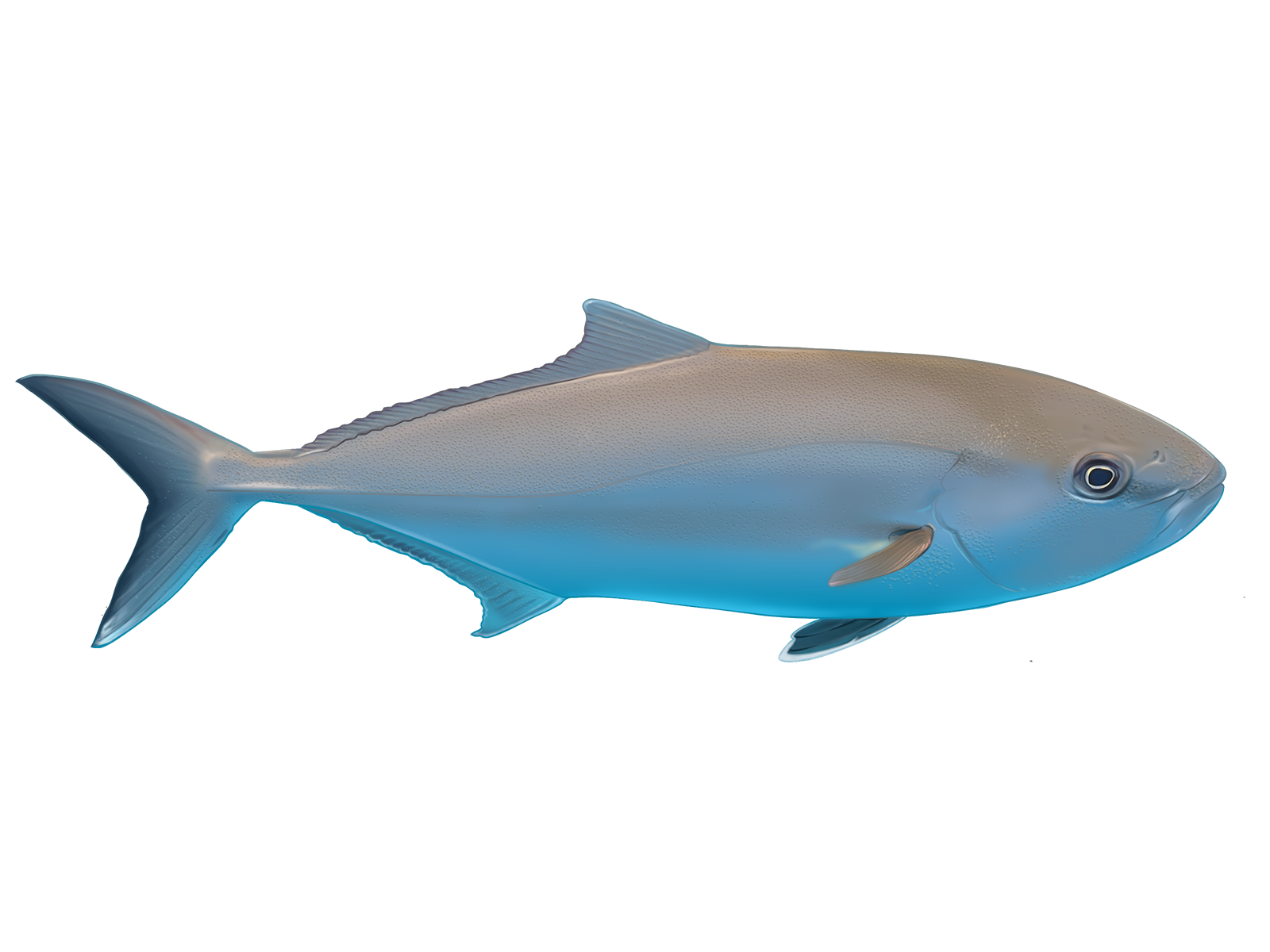
Greater Amberjack are the strongest fish on the reef, pound for pound. These amber-colored bruisers live around the wrecks year-round and will test your tackle to the limit. They dive straight down when hooked and use every bit of structure to their advantage. AJs can top 40-50 pounds on Charleston's offshore wrecks, making them a true trophy catch.
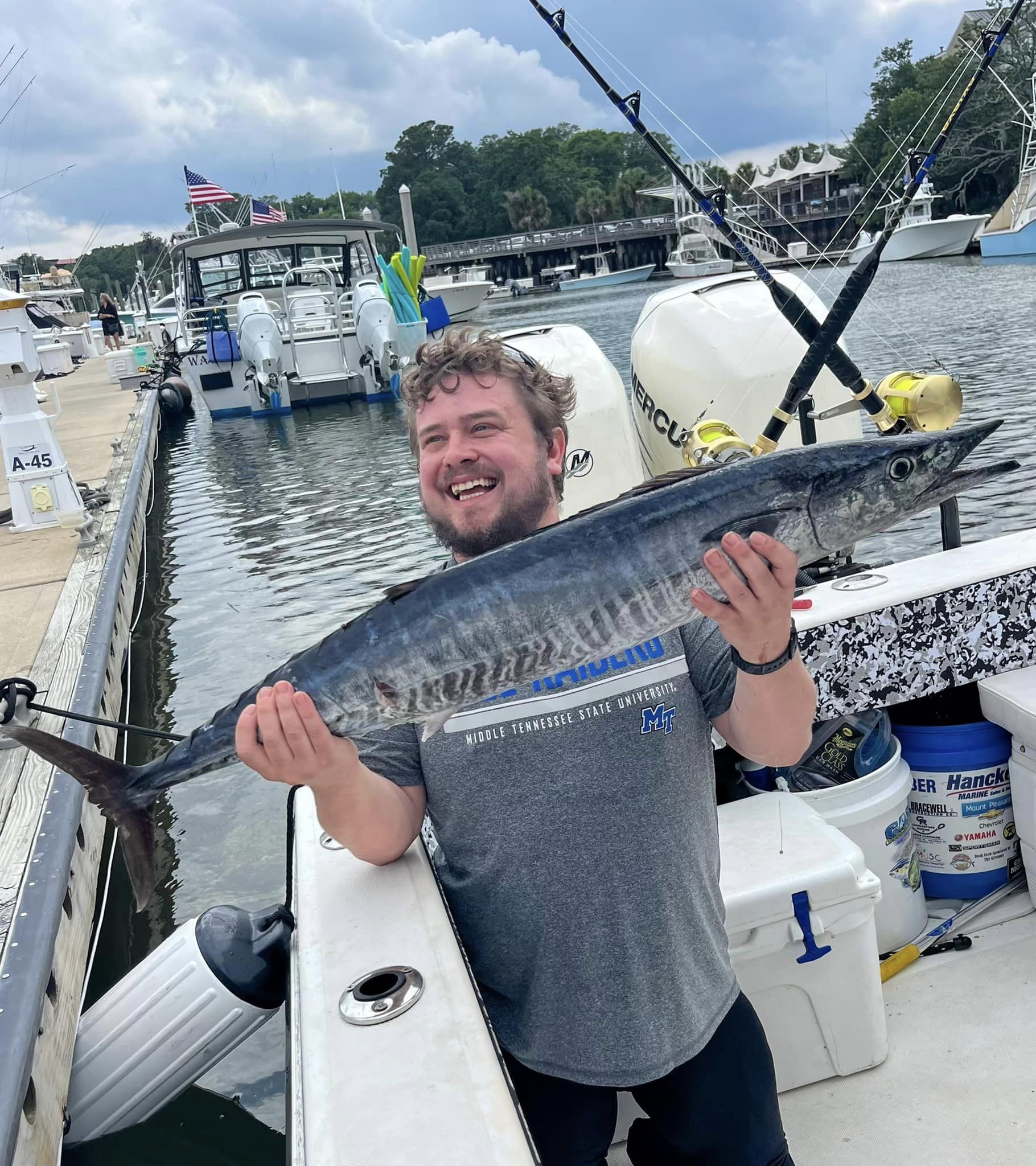
Cobia are the wild cards of wreck fishing. These brown sharks (that's what we call them) show up when you least expect it and can turn a slow day into an awesome one. They're curious fish that will come right up to the boat to investigate, giving you shots with light tackle. Cobia fight dirty - long runs, head shakes, and they never give up until they're in the boat. Spring and early summer are prime time for these chocolate-colored fighters.
Time to Book Your Spot
Charleston's wreck fishing scene is world-class, and this trip puts you right in the thick of it. Six hours on productive structure with an experienced crew gives you the best shot at filling the cooler with quality fish. The 6-angler limit means you're not fighting for rod space, and our captain knows exactly where to find the bite. Whether you're a seasoned wreck rat or new to offshore fishing, this Charleston adventure delivers the kind of action that keeps anglers coming back. Book your spot now and get ready to experience some of the best bottom fishing the South Carolina coast has to offer.
 Private Trip
 Charleston, SC



 6-hour offshore fishing targeting reefs and wrecks 20 miles out