Colorado 2nd Rifle Mule Deer Hunt
There's something special about Colorado's 2nd rifle season that gets every serious mule deer hunter fired up. This is when the big bucks start thinking about the rut, temperatures drop just enough to get them moving during daylight, and you've got some of the best mule deer country in North America spread out in front of you. Silver Spur Outfitters has been putting hunters on trophy muleys during this prime window for years, and we know exactly where these ghost-gray giants like to hang out when the pressure's on. This isn't your typical over-the-counter tag hunt – we're talking draw tags only, which means you're looking at a more exclusive experience with fewer hunters competing for the same ground.
Inside the Hunt
Picture this: you're glassing a distant ridge at first light, steam coming off your coffee cup, watching for that telltale flicker of antler or the bounce of a mule deer's distinctive gait. That's how most days start on our 2nd rifle hunts. Colorado's high country during this season is a chess match between you and some of the wariest game animals on the continent. The weather can shift from crisp mornings to snow squalls by afternoon, and that's exactly what makes the hunting so productive. Bucks that have been bedded in thick timber all summer start moving more predictably, hitting water sources and feeding areas as they bulk up for winter and the approaching rut. Our guides know this country like their own backyard – every canyon, every saddle, every hidden basin where a mature buck might be staging. You'll be covering ground that ranges from open sage flats perfect for long-range opportunities to dense aspen groves where you might get a quick shot through the timber. This is hunting at its finest, where patience, skill, and a little bit of luck come together for shots at truly world-class mule deer.
Tracking Tips & Terrain
Mule deer hunting in Colorado during 2nd rifle is all about reading the landscape and understanding how these animals move through it. We start most hunts by getting to high vantage points where we can glass huge chunks of country with quality optics – and I mean really glass, not just scan and move on. A good mule deer can disappear into terrain you'd swear couldn't hide a jackrabbit. The key is looking for parts of animals: the white rump patch, a leg moving through brush, or antler tips above a ridgeline. Once we locate deer, the real hunting begins. These aren't whitetails – mule deer will often stop and look back, giving you opportunities if you're patient and don't push too hard too fast. The terrain varies wildly depending on which unit we're hunting, but you can expect everything from wide-open country where shots might stretch past 300 yards to thick cover where 50 yards is a long poke. Weather plays a huge role during this season. A cold front can turn slow hunting into non-stop action as deer move to lower elevations or seek shelter. Snow is your friend – it makes tracking possible and pushes deer into more predictable patterns. Our guides carry range finders, quality glass, and know the wind patterns in each drainage like they know their own names.
Target Game Breakdown
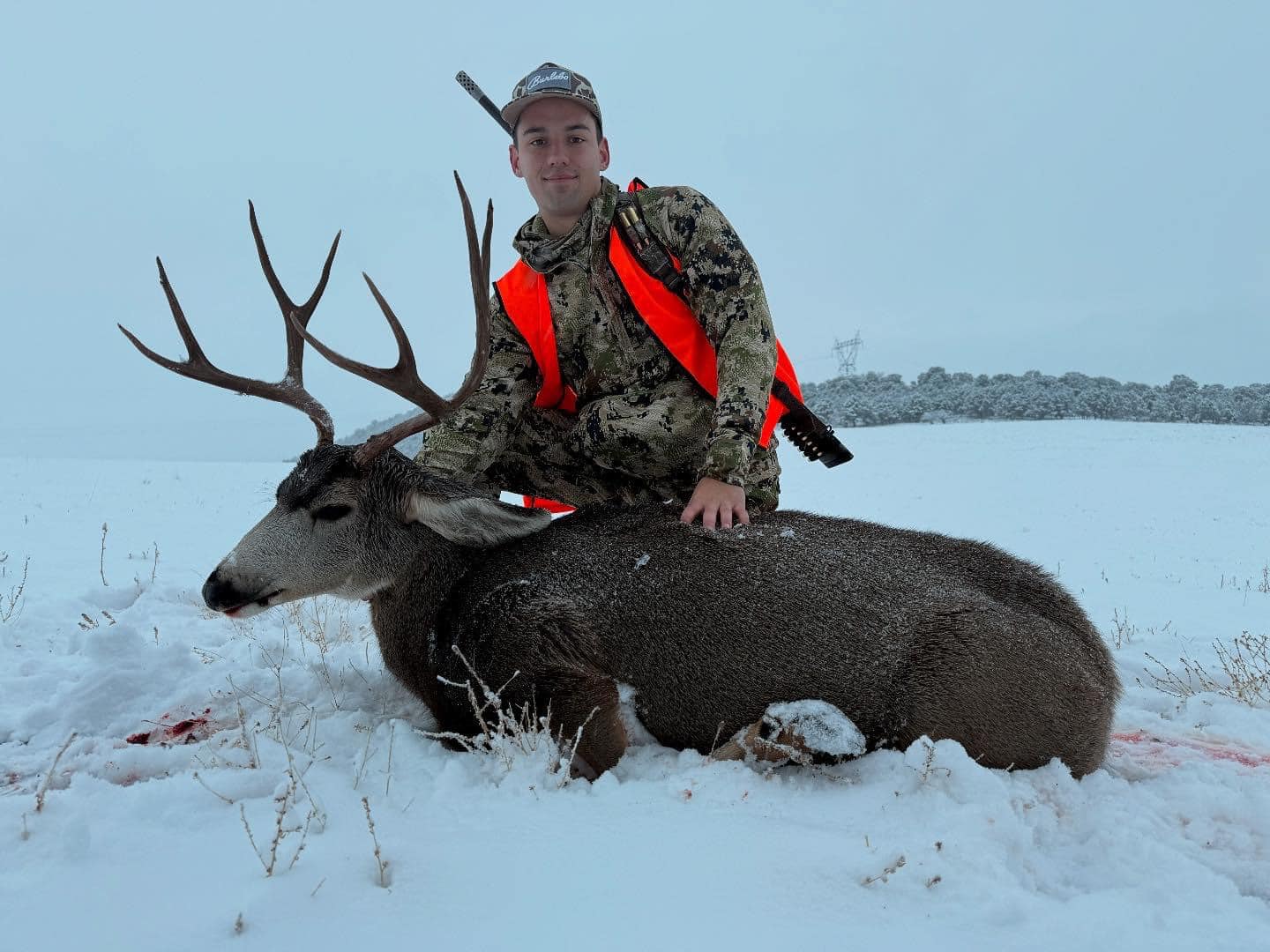
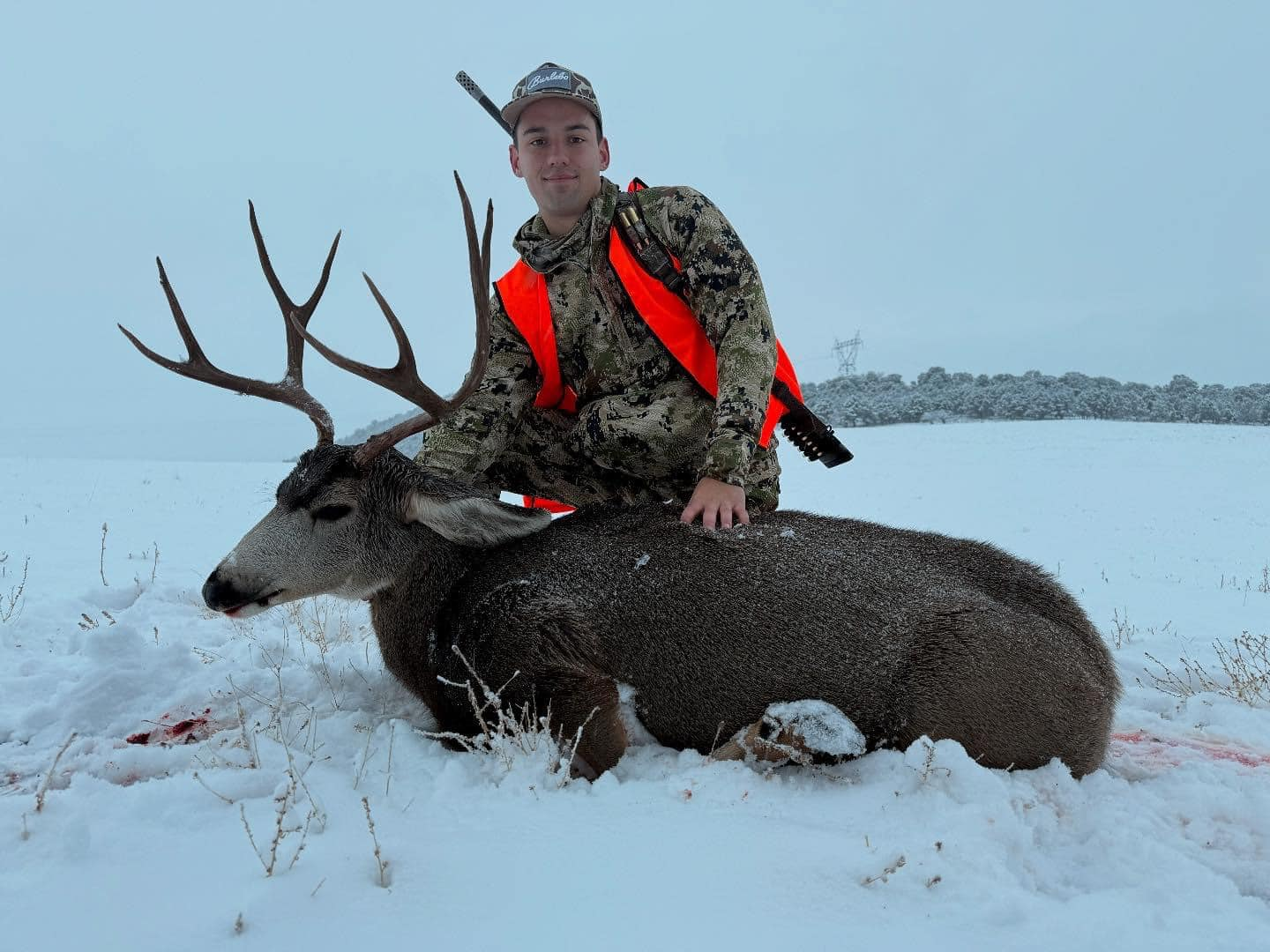
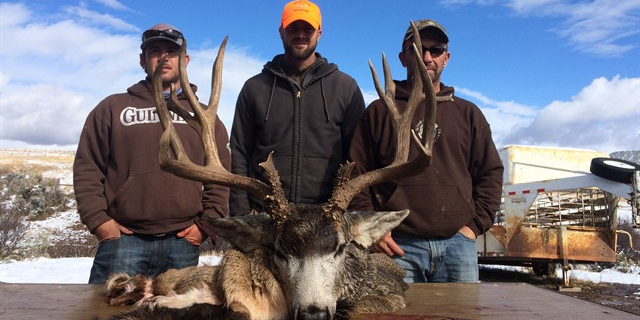
Colorado mule deer are the stuff of hunting legends, and for good reason. These aren't the smaller desert muleys you might hunt down south – we're talking about big-bodied, heavy-antlered bucks that can dress out well over 200 pounds. A mature Colorado muley in his prime is one of the most impressive sights in all of hunting. Their antlers grow in that classic mule deer pattern with main beams that sweep out and up, creating those deep forks that hunters dream about. During 2nd rifle season, which typically runs in late October, bucks are at their absolute peak. They've spent the summer in bachelor groups, putting on weight and growing bone, and now they're starting to get that pre-rut restlessness that makes them move during shooting hours. The really big ones – we're talking 180-inch-plus deer – have survived multiple hunting seasons by being extremely cautious, but even they have to move as the rut approaches. What makes hunting these deer so addictive is their behavior. Unlike other big game species that might just run when pressured, mule deer have this habit of stopping to look back, giving you that split-second opportunity for a shot. They're also creatures of habit, using the same trails, water sources, and bedding areas year after year. The bucks we're targeting during this season are typically 4.5 years old or older, fully mature animals with the kind of headgear that looks great on any wall but more importantly represents the pinnacle of fair-chase hunting in some of the most beautiful country you'll ever see.
Book Your Next Tag
Let's be straight about this – Colorado 2nd rifle mule deer tags don't grow on trees. The draw odds vary by unit, but the best areas require patience and preference points to draw. That's exactly why this hunt is so special. You're not dealing with crowds of hunters or pressured deer that have been getting shot at for weeks. When you finally draw that tag, you want to make it count, and that's where our experience makes all the difference. We've been guiding hunters through these mountains for years, building relationships with landowners and scouting year-round to know where the mature bucks are living. Every hunter deserves their best shot at a trophy muley, and we're here to make that happen. The application deadline comes up faster than you think, and the best hunting dates fill up as soon as draw results come out. Don't let another year slip by wondering what might have been. Get your application in for next year's draw and give us a call to lock in your dates. Colorado mule deer hunting during 2nd rifle season represents everything that's great about Western hunting – big country, bigger deer, and the kind of memories that last a lifetime. This is your chance to experience it with guides who live and breathe mule deer hunting 365 days a year.
 Shared Trip
 Active hunting
 Colorado
 Second rifle season targets active bucks preparing for rut