Master Galveston Bay Navigation & Fishing
Learning to navigate Galveston Bay safely is one of the best investments any angler can make. This isn't your typical fishing charter – it's a comprehensive navigation course that happens to include some of the best fishing spots in the bay. Captain Sonrise has been running these waters for years, and he knows every oyster reef, channel marker, and shallow flat that can make or break your day on the water. Whether you're planning to fish these waters solo or just want to understand what makes certain areas so productive, this trip gives you the confidence to read the bay like a local.
What to Expect on the Water
This top-rated navigation experience takes up to three anglers through the essential skills of reading Galveston Bay's complex waterways. You'll start by learning how to identify the main ship channels, residential canals, and back-lake areas that hold fish year-round. Captain Sonrise covers everything from reading your GPS and understanding tide charts to spotting structure that isn't marked on any map. The bay can be tricky – especially around the ICW and near the jetties – so you'll get hands-on practice identifying hazards like oyster reefs, shallow flats, and areas where currents create dangerous conditions. Night navigation gets special attention since many of the bay's best bite windows happen in low light. You'll learn to use your electronics effectively, understand how different weather conditions affect visibility and safety, and pick up the local knowledge that only comes from years of fishing these waters. The fishing component isn't just an add-on – it's how you'll practice applying what you've learned about structure, depth changes, and current breaks that attract gamefish.
Bay Reading & Boat Handling
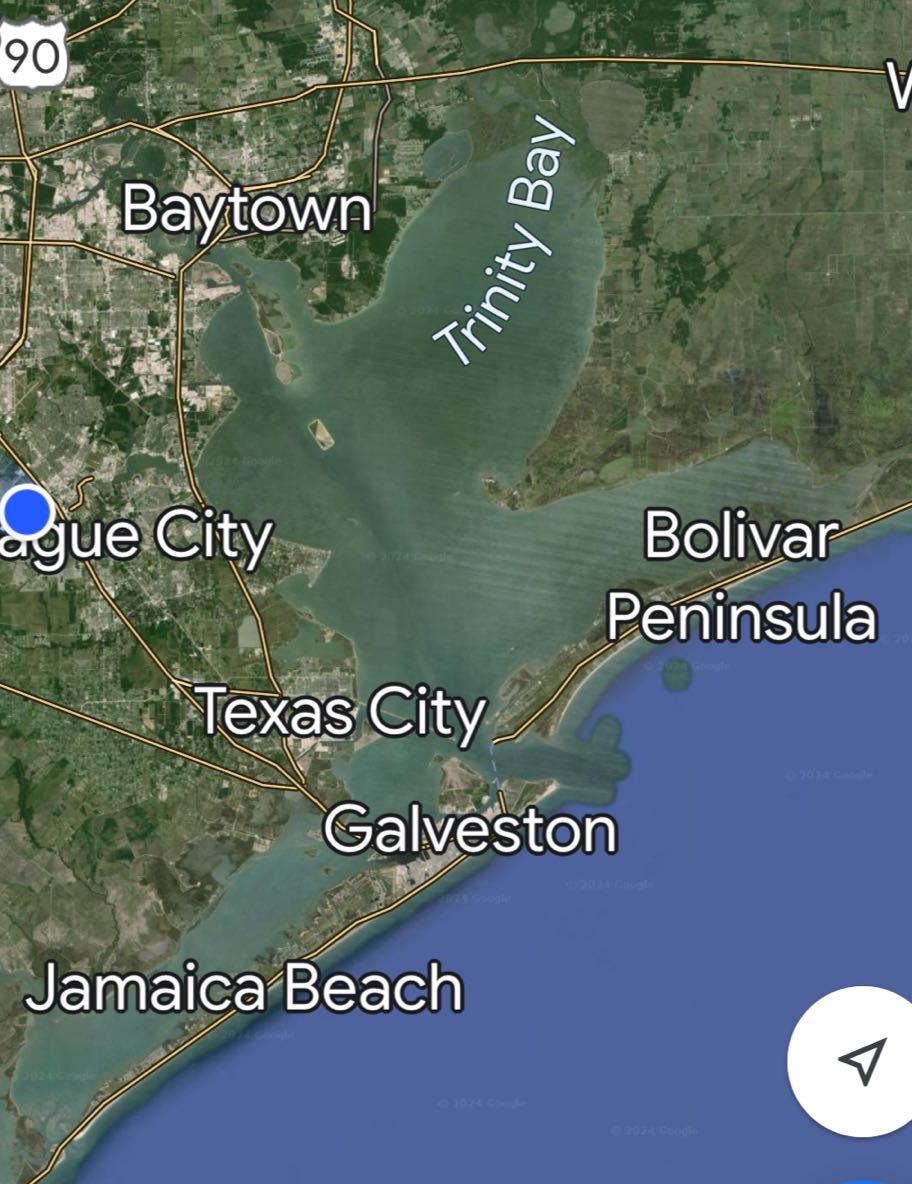
Galveston Bay demands respect, and this trip teaches you to navigate it like a pro. You'll work with modern GPS units, learn to cross-reference paper charts, and understand how to use landmarks when electronics fail. The bay's notorious for its shallow areas and shifting sand bars, especially around Trinity Bay and the back lakes near Clear Creek. Captain Sonrise shows you how to read water color changes that indicate depth transitions, spot bird activity that signals baitfish schools, and identify the subtle current lines where predator fish set up to ambush prey. Boat handling techniques cover everything from docking in tight marina slips to anchoring safely in current. You'll practice running in different sea conditions, learn proper etiquette around other boats and structures, and understand right-of-way rules that keep everyone safe. The trip includes time on both the main bay and smaller tributary areas, so you'll experience how wind, tide, and current affect boat handling differently in various parts of this massive estuary system.
Species You'll Target While Learning
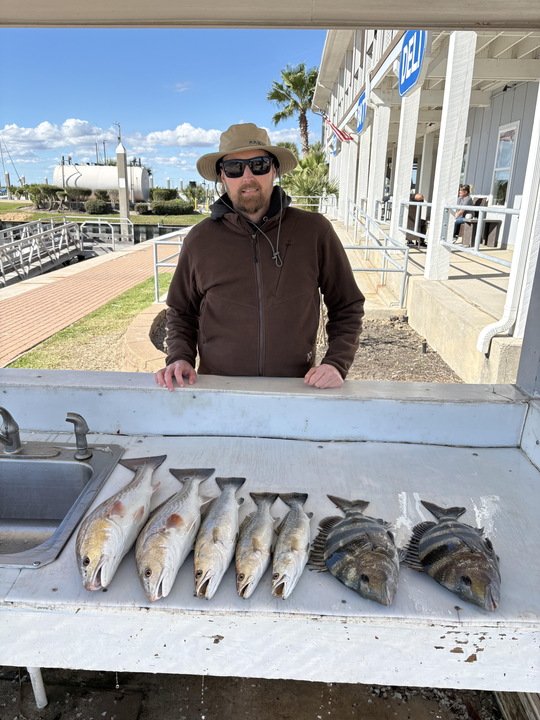
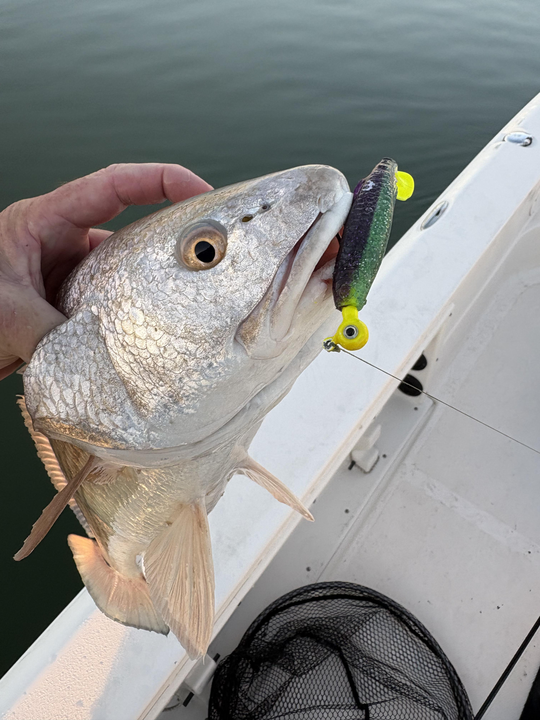
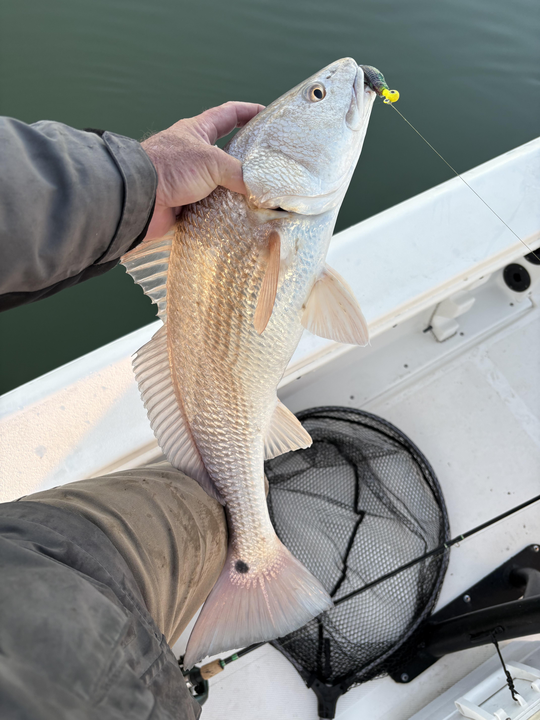
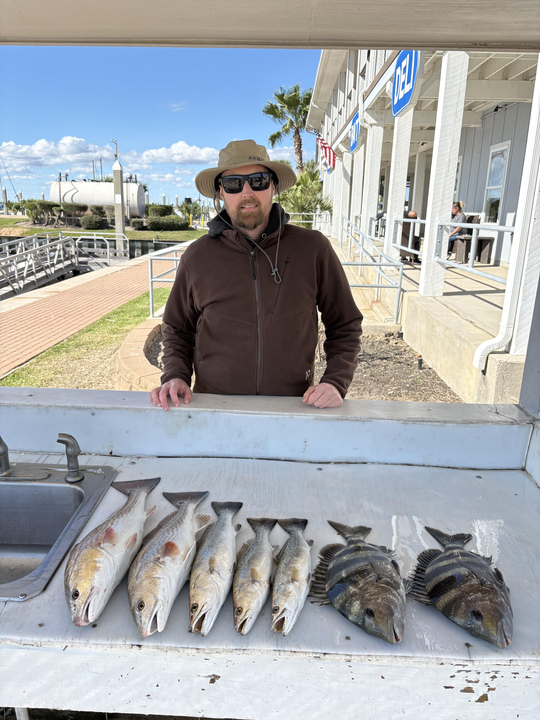
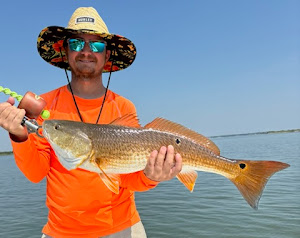
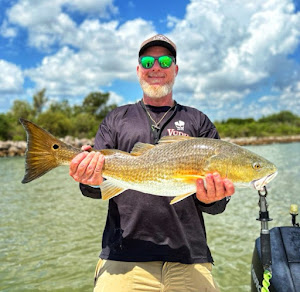
Redfish are the backbone of Galveston Bay's fishery and perfect for learning structure fishing. These copper-colored bruisers love shallow flats, oyster reefs, and grass beds throughout the bay system. Reds typically range from 18 to 28 inches in these waters, with the occasional bull red pushing 35 inches or more. Spring and fall offer the most consistent action, but you can find slot-sized fish year-round if you know where to look. What makes redfish perfect for navigation training is how they relate to structure – learning to find them teaches you to read bottom contours, identify productive areas, and understand how gamefish use current and cover. They're also forgiving fighters that won't break off easily, giving new anglers confidence while they're focused on learning boat positioning and navigation skills.
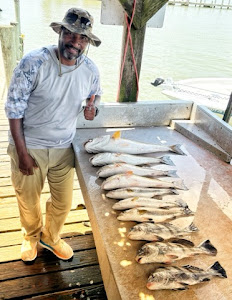
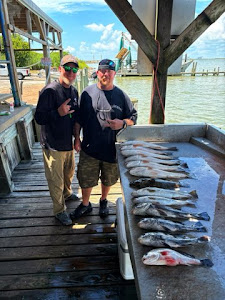
Speckled trout provide excellent lessons in reading water temperature and clarity changes throughout the bay. These spotted predators prefer slightly deeper water than reds, typically holding around shell reefs, channel drops, and grass lines where baitfish concentrate. Specks in Galveston Bay average 14 to 18 inches, with larger fish showing up during cooler months. They're incredibly structure-oriented, making them perfect for teaching how depth changes and bottom composition affect fish location. Trout are also more weather-sensitive than reds, so targeting them helps you understand how barometric pressure, wind direction, and seasonal patterns influence fish behavior and feeding windows.
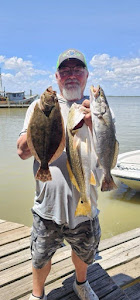
Flounder offer unique lessons in bottom fishing and seasonal migration patterns within the bay system. These flatfish are masters of camouflage, typically holding near structure transitions where sand meets shell or around channel edges where current creates feeding opportunities. Most Galveston Bay flounder run 16 to 20 inches, with occasional doormat fish exceeding 24 inches. Fall provides the best action as fish stage for their offshore spawning migration, but you can find them throughout the warmer months. Targeting flounder teaches patience and precision – skills that directly translate to better navigation and boat positioning. They're also excellent table fare, making them a customer favorite for anglers who want to take home dinner after their navigation lesson.
Time to Book Your Navigation Trip
This world-class navigation and fishing experience fills up fast, especially during peak season when more anglers are looking to expand their bay fishing skills. Captain Sonrise limits trips to three guests maximum, ensuring everyone gets personalized instruction and plenty of hands-on practice time. The skills you'll learn pay dividends every time you hit the water – whether you're fishing solo, taking family out for the day, or guiding your own friends around the bay. Book now to secure your spot and start fishing Galveston Bay with the confidence that comes from truly understanding these waters. Your future fishing success depends on the foundation you build today.
 Private Trip
 Inshore Fishing
 Galveston Bay, Texas Gulf Coast, TX, United States
 Learn safe day and night navigation techniques for Galveston Bay