Aurora Tours - Northern Lights Experience
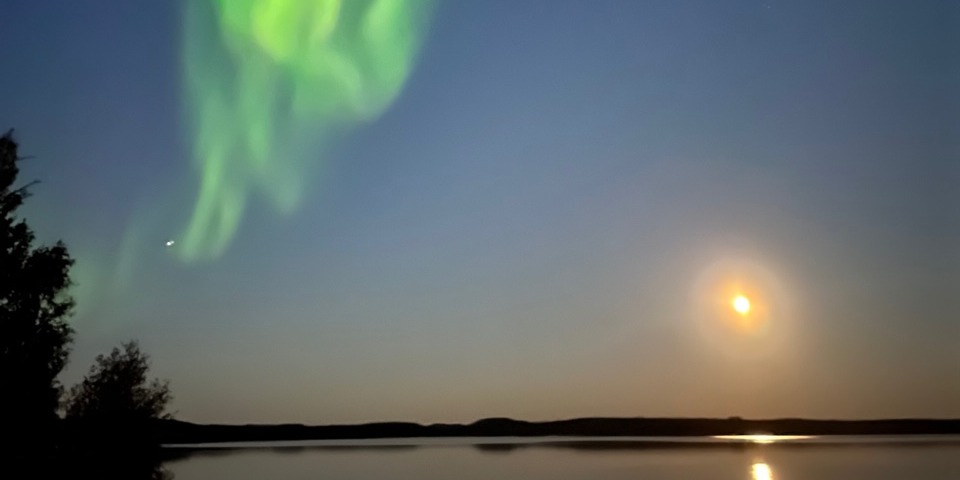
There's nothing quite like standing in the remote wilderness of the North, watching the sky come alive with the Aurora Borealis. Our Aurora Tours take you far from any city lights where the night sky transforms into nature's most spectacular light show. When those vibrant greens, purples, and blues start dancing overhead, you'll understand why people travel from around the world for this moment. We run these tours from mid-August through September when conditions are prime for northern lights viewing.
What to Expect on Tour
Your Aurora Tour begins in the evening as we head out to our prime viewing location in the remote wilderness. We've scouted the perfect spots where light pollution won't interfere with the show above. The tour accommodates just one guest, giving you a completely personalized experience with your guide. You'll have plenty of time to settle in, get comfortable, and let your eyes adjust to the darkness before the real magic begins. We provide warm seating and hot beverages to keep you cozy during the wait. The northern lights typically become visible after full darkness sets in, and we'll stay out as long as the aurora is active. Some nights the lights appear quickly and dance for hours, while other evenings require more patience. That's just the nature of this natural phenomenon, and part of what makes each sighting so special. Your guide will share knowledge about what causes the aurora and help you spot the subtle signs that indicate when the lights are about to intensify.
Gear and Viewing Setup
We handle all the logistics so you can focus on the experience. Our guides bring portable chairs, warm blankets, and thermoses filled with hot drinks to keep you comfortable during the viewing session. We recommend dressing in layers since northern nights can get chilly, even in late summer and early fall. Bring a warm hat, gloves, and insulated boots if you have them. A red flashlight helps preserve your night vision while moving around, though we provide these as well. Photography enthusiasts should bring a tripod and camera capable of long exposures to capture the lights, but don't spend the whole night behind the lens. The aurora moves and shifts constantly, creating patterns that are impossible to predict. Sometimes the lights appear as gentle arcs across the horizon, other times they form dramatic curtains that seem to pulse with energy. We position ourselves in open areas with clear views of the northern horizon, away from any trees or hills that might block the display. The remote location means we're often the only people for miles around, creating an intimate connection with this natural wonder.
Customer Stories
"I've had the opportunity to visit Sparks Lake Lodge multiple times, and each visit felt like a dream come true. This place is truly magical, offering something for everyone. The world-class fishing, guided by knowledgeable and professional experts, was outstanding, and the meals were absolutely amazing. Staying in my own cabin with a private bathroom was the perfect touch of comfort. The Northern Lights were breathtaking, and swimming in the crystal-clear water was so much fun. I loved campfires, hiking the trails, exploring the stunning landscape, and spotting wildlife like wolves, moose, and birds. I even got lucky enough to find two caribou sheds! There's something deeply healing about this place—it allows you to disconnect from the "real" world and fully immerse yourself in nature's beauty. And, of course, I can't stop raving about the fishing—it was absolutely amazing! Thanks Sparks Lake Lodge!!" - Dee
Understanding the Aurora
The Aurora Borealis occurs when charged particles from the sun interact with Earth's magnetic field and atmosphere, creating those stunning light displays we witness from the ground. While we can't guarantee the northern lights will appear on any given night, our tour dates from mid-August through September coincide with some of the best viewing conditions of the year. During this period, nights are getting darker earlier while weather patterns tend to be more stable than later in fall. The aurora typically appears between 10 PM and 2 AM, though it can show up earlier or later depending on solar activity. Geomagnetic storms, which sound scary but are actually great for aurora viewing, can make the lights more intense and visible at lower latitudes. Your guide monitors aurora forecasts and solar activity reports to choose the best nights for tours. Even when forecasts predict low activity, the northern lights can surprise everyone with sudden appearances. The colors you see depend on altitude and which gases the solar particles interact with. Green is most common and appears when particles hit oxygen at lower altitudes. Purple and blue happen when particles strike nitrogen, while red occurs during particularly strong displays when particles reach higher oxygen layers. Some nights feature just one color, while others showcase the full spectrum in constantly shifting patterns.
Wildlife Encounters
While waiting for the aurora to appear, keep your eyes and ears open for the wildlife that calls this remote wilderness home. Wolves occasionally howl in the distance, their calls echoing across the landscape and adding an wild soundtrack to your aurora experience. These magnificent predators are most active during dawn and dusk, though their vocalizations can carry for miles on still nights. Moose frequent the area year-round, and these massive animals sometimes wander into viewing areas, especially during late summer when they're actively feeding before winter. Bulls can weigh over 1,500 pounds and stand six feet tall at the shoulder, making them an impressive sight in the dim aurora light. Listen for the sound of antlers scraping against trees or heavy footsteps in the underbrush. Caribou migrate through this region during fall months, traveling in small groups as they move to winter ranges. Finding shed antlers is always exciting, as these animals drop their antlers annually and regrow them each year. Various bird species remain active into the night, including great horned owls whose deep hoots might punctuate the silence. Loons call from distant lakes, their haunting vocalizations perfectly complementing the ethereal quality of the northern lights above. Your guide knows the local wildlife patterns and can help identify sounds and movements that might otherwise go unnoticed.
Ready for Your Aurora Adventure?
Aurora Tours offer
 5.0(1 Reviews)
 Shared Trip
 Scenic
 Northwest Territories
 Aurora Borealis viewing tours in remote northern wilderness locations