Northwest Territories Canoe Trips
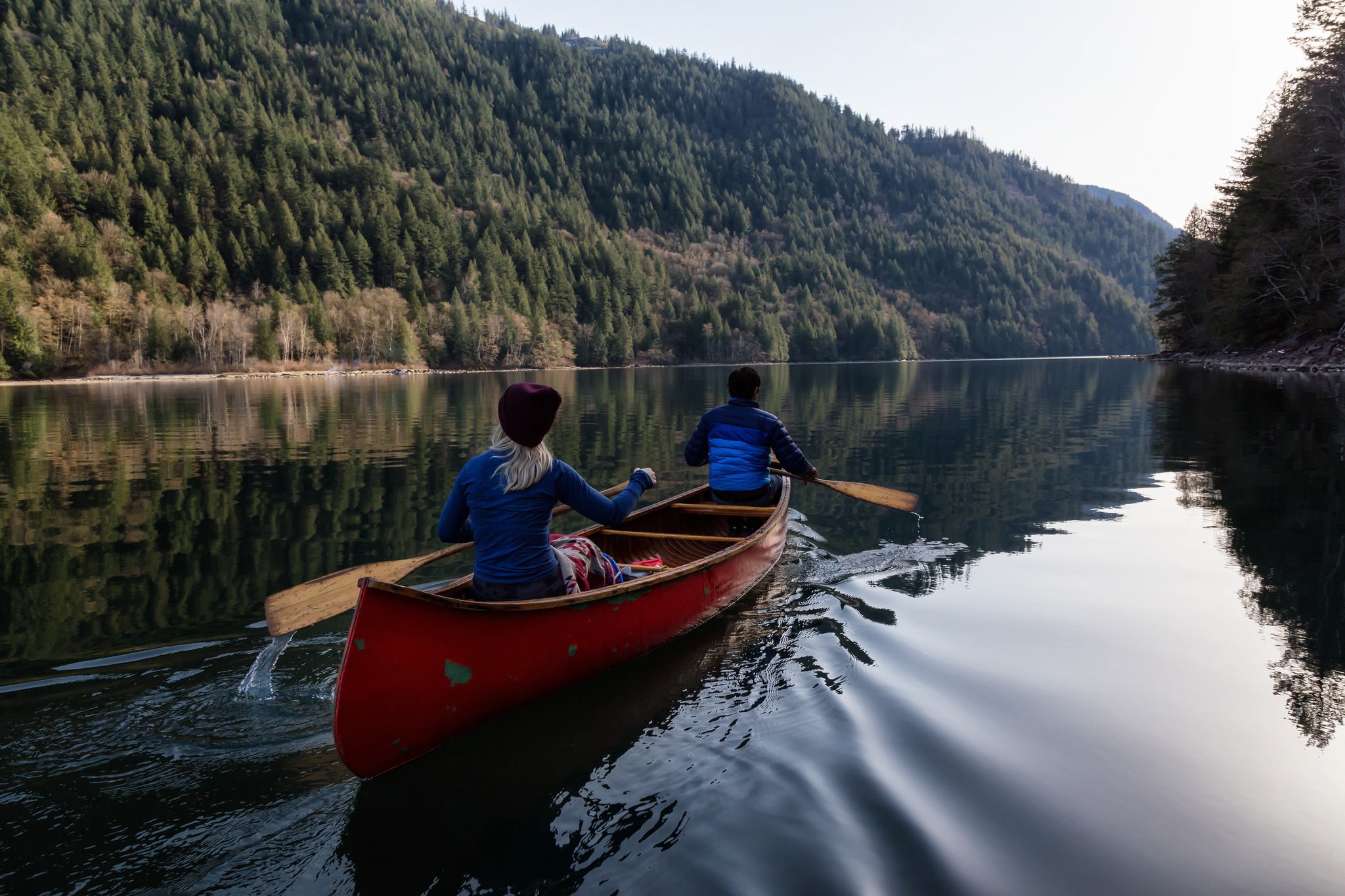
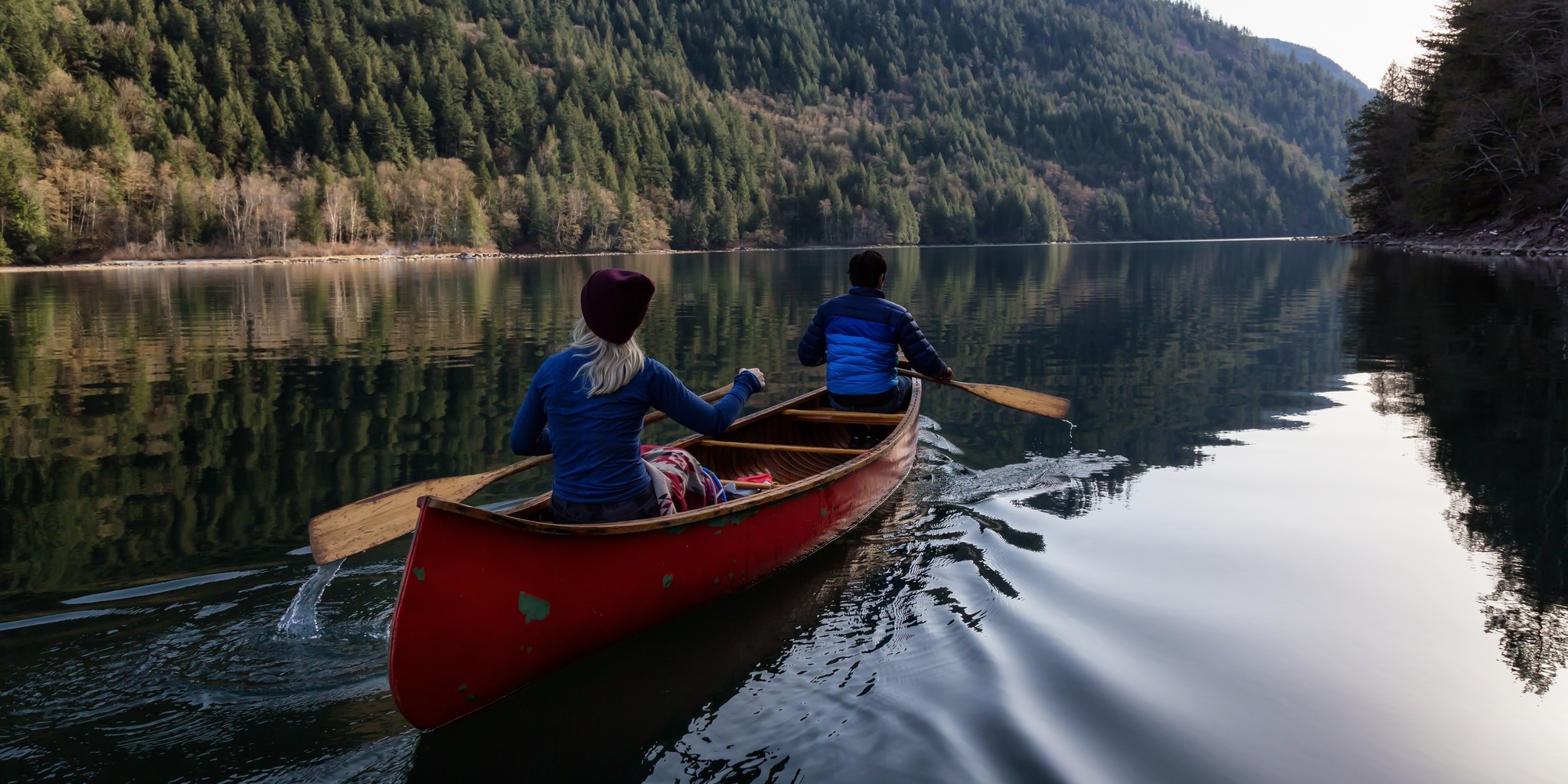
Picture yourself gliding across mirror-smooth water as the midnight sun paints the sky in shades you've never seen. That's what you're signing up for with this six-night paddling adventure at Sparks Lake Lodge. Located deep in the Northwest Territories, this isn't your typical weekend canoe trip – it's a solo journey into some of Canada's most untouched wilderness. You'll have an entire pristine lake system to yourself, with countless bays, hidden islands, and winding channels just waiting to be explored. The silence out here is something else – the kind that makes you realize how noisy the rest of the world really is.
What to Expect on the Water
Sparks Lake isn't just one body of water – it's a complex system of interconnected waterways that'll keep you discovering new spots every single day. The main lake stretches for miles, but the real magic happens when you start exploring those finger-like arms that branch off in every direction. Some lead to secluded camping spots where you might be the first person to pitch a tent in years. Others open up into protected bays perfect for a lunch break or an afternoon swim if you're brave enough for that Northwest Territories water temperature. The lake sits in the heart of the Canadian Shield, so you're paddling between rocky shorelines dotted with ancient pines and surrounded by rolling hills that seem to go on forever. Weather can change fast up here, so you'll want to keep an eye on those clouds and know when to duck into a protected bay. The good news is that even when it's windy on the main lake, there's always a sheltered spot to paddle. Plan on covering anywhere from 10 to 20 kilometers per day, depending on how much exploring versus relaxing you want to do.
Paddle Techniques & Gear
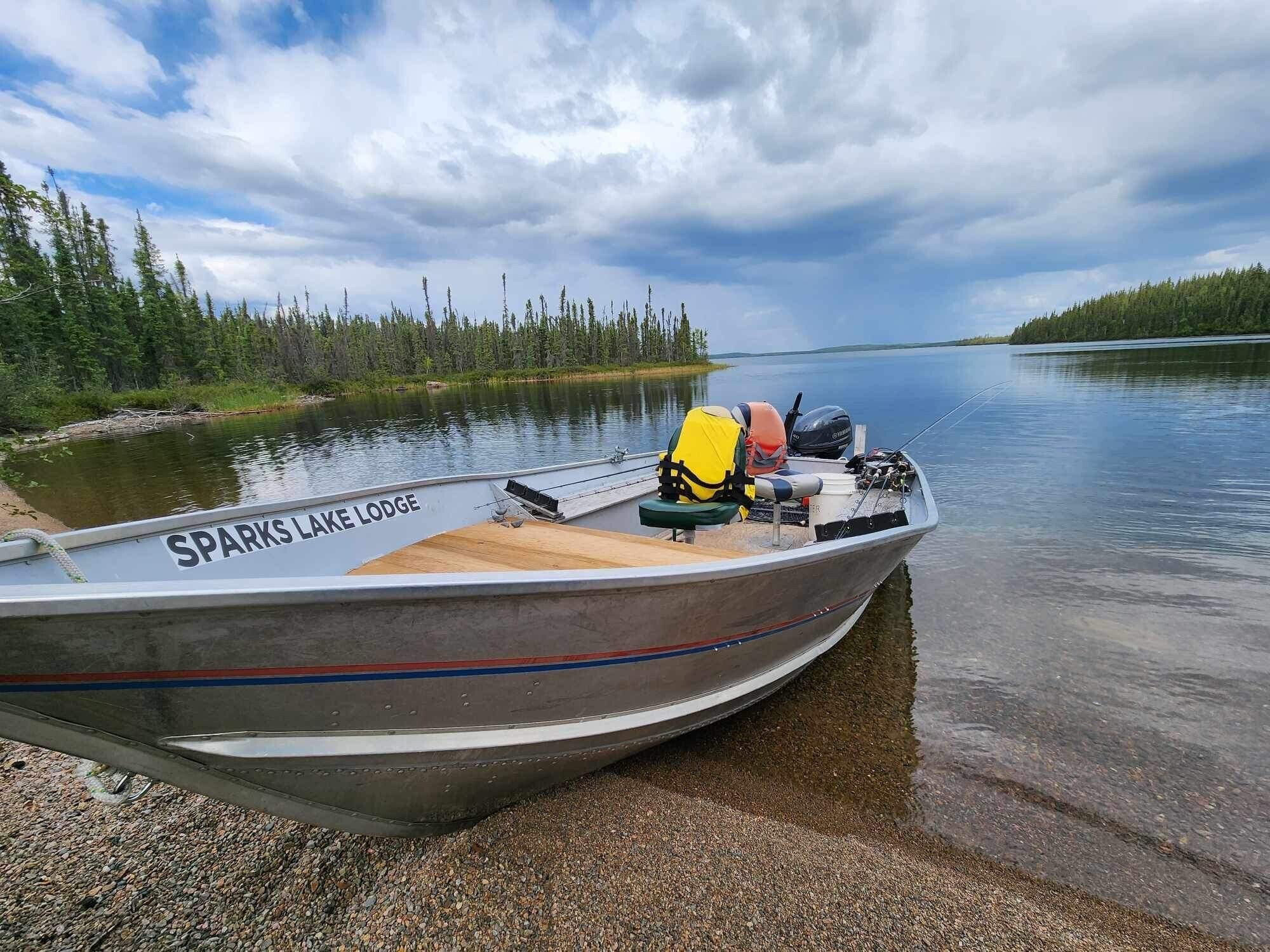
Since you're flying solo on this one, your canoe handling skills need to be solid. We're talking about proper J-strokes to keep you tracking straight without constantly switching sides, and knowing how to brace when those afternoon winds kick up. The lodge provides top-rated canoes – likely 16 or 17-footers that track well but still turn when you need them to navigate around those rocky points. You'll be using a single-blade paddle, and having a spare is non-negotiable out here. Pack your gear in dry bags and distribute the weight properly – heavier items low and centered, with your sleeping gear and clothes in waterproof storage. The portages between some sections are minimal, but when you do need to carry, proper lifting technique saves your back for six days of paddling. Navigation is straightforward with a decent map and compass, though a GPS unit gives you peace of mind when the fog rolls in. The water clarity here is phenomenal – you can often see the bottom in 15 feet of water – but that also means you need to watch for submerged rocks, especially in shallow bays during low water periods.
Wildlife You'll Encounter
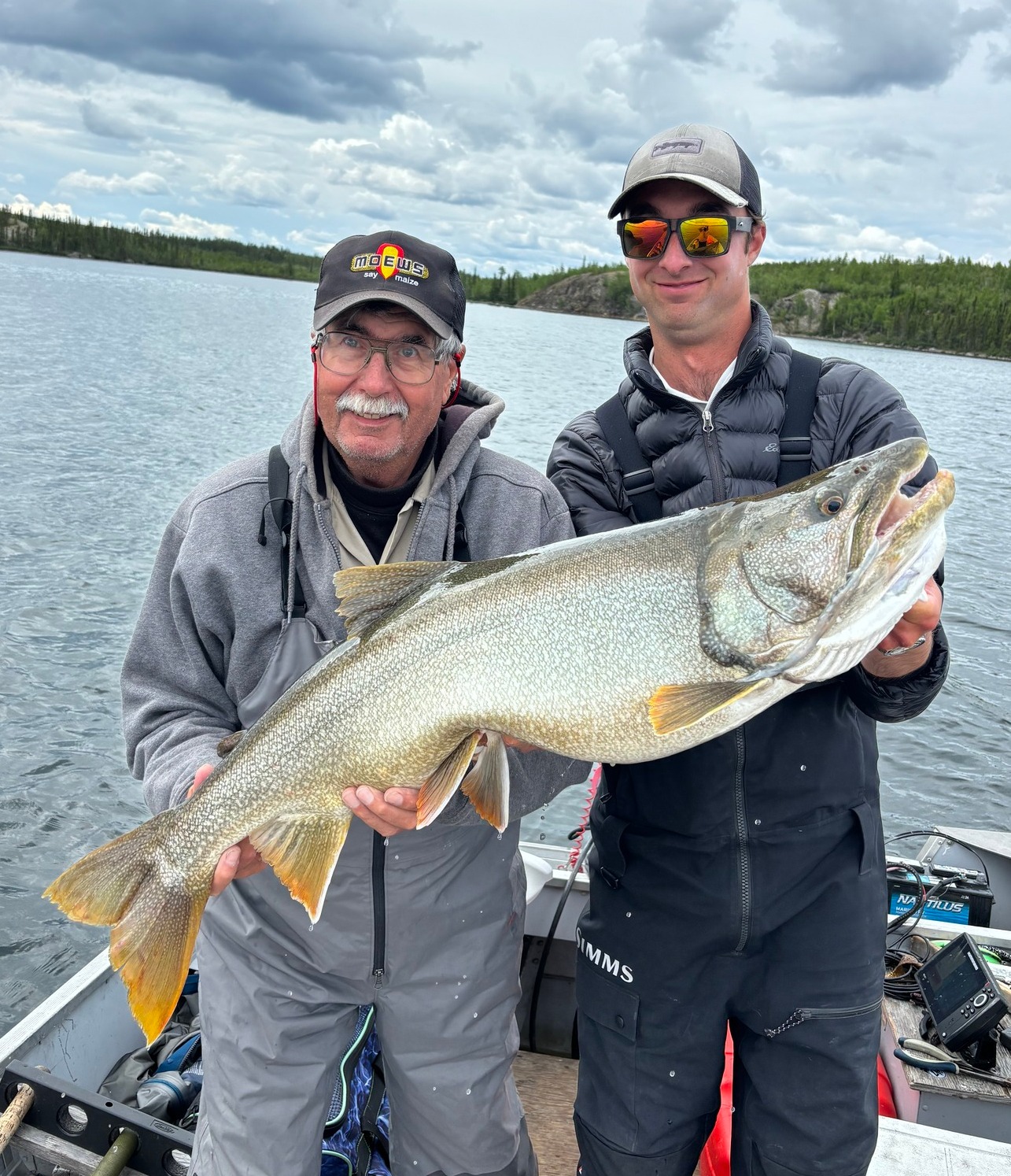
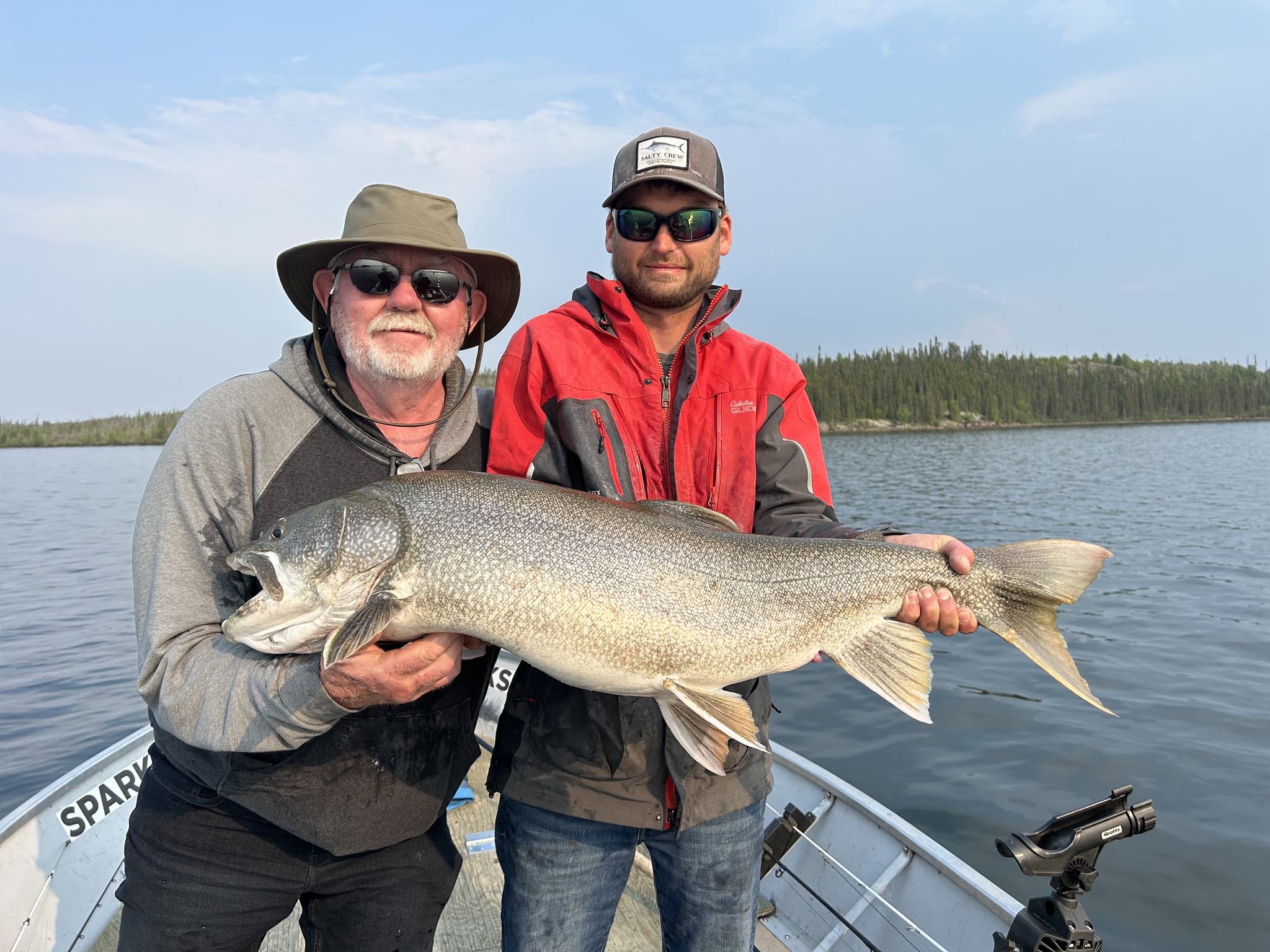
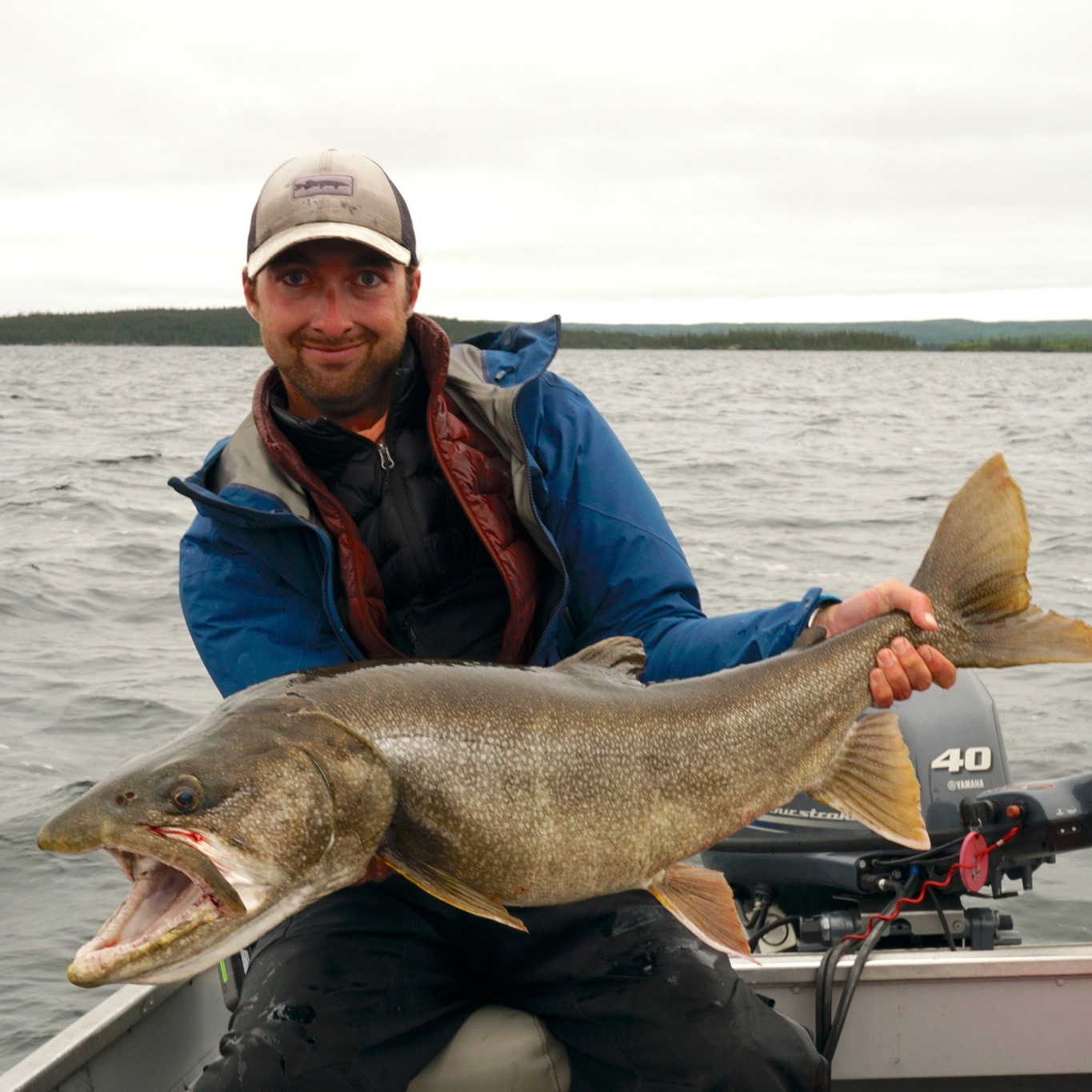
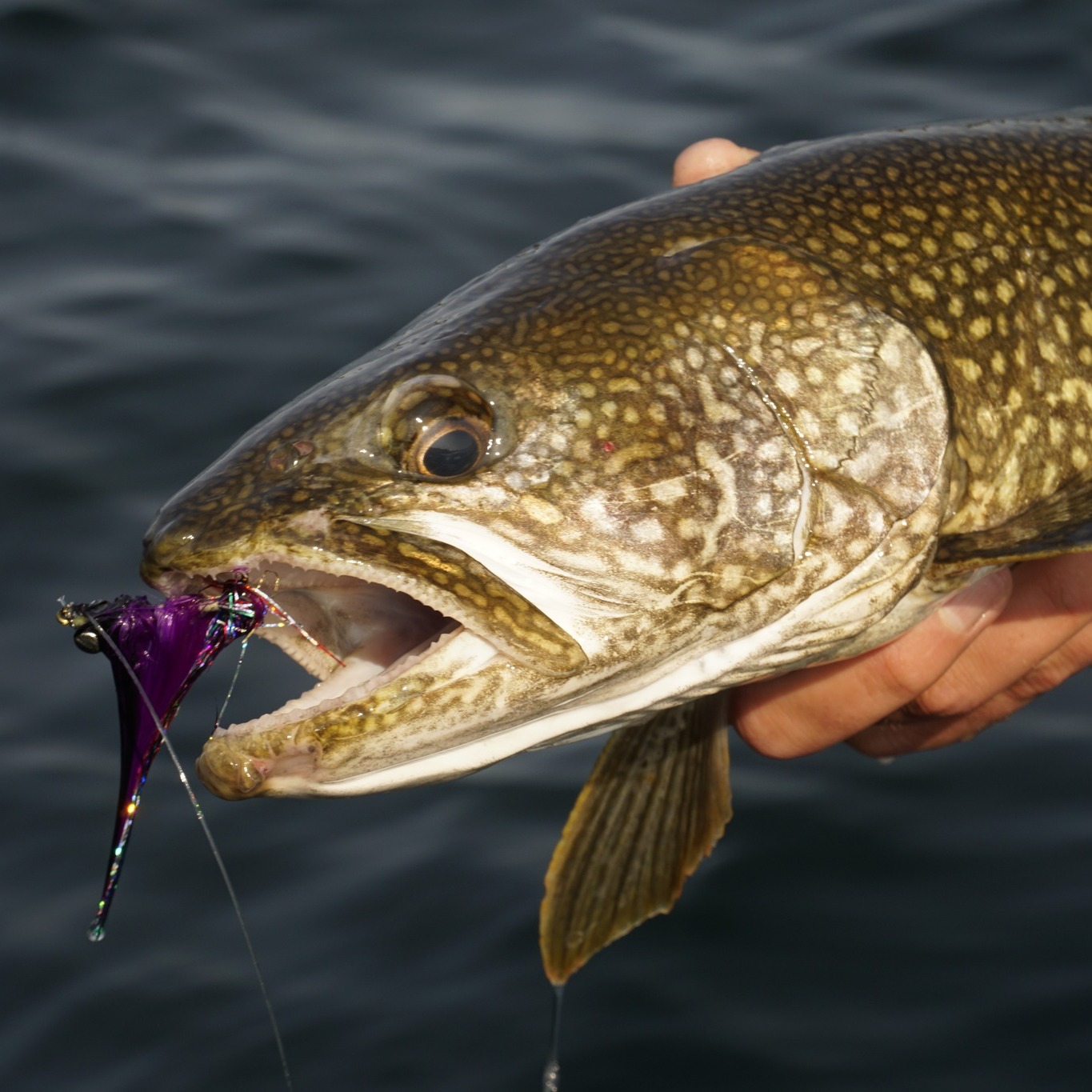
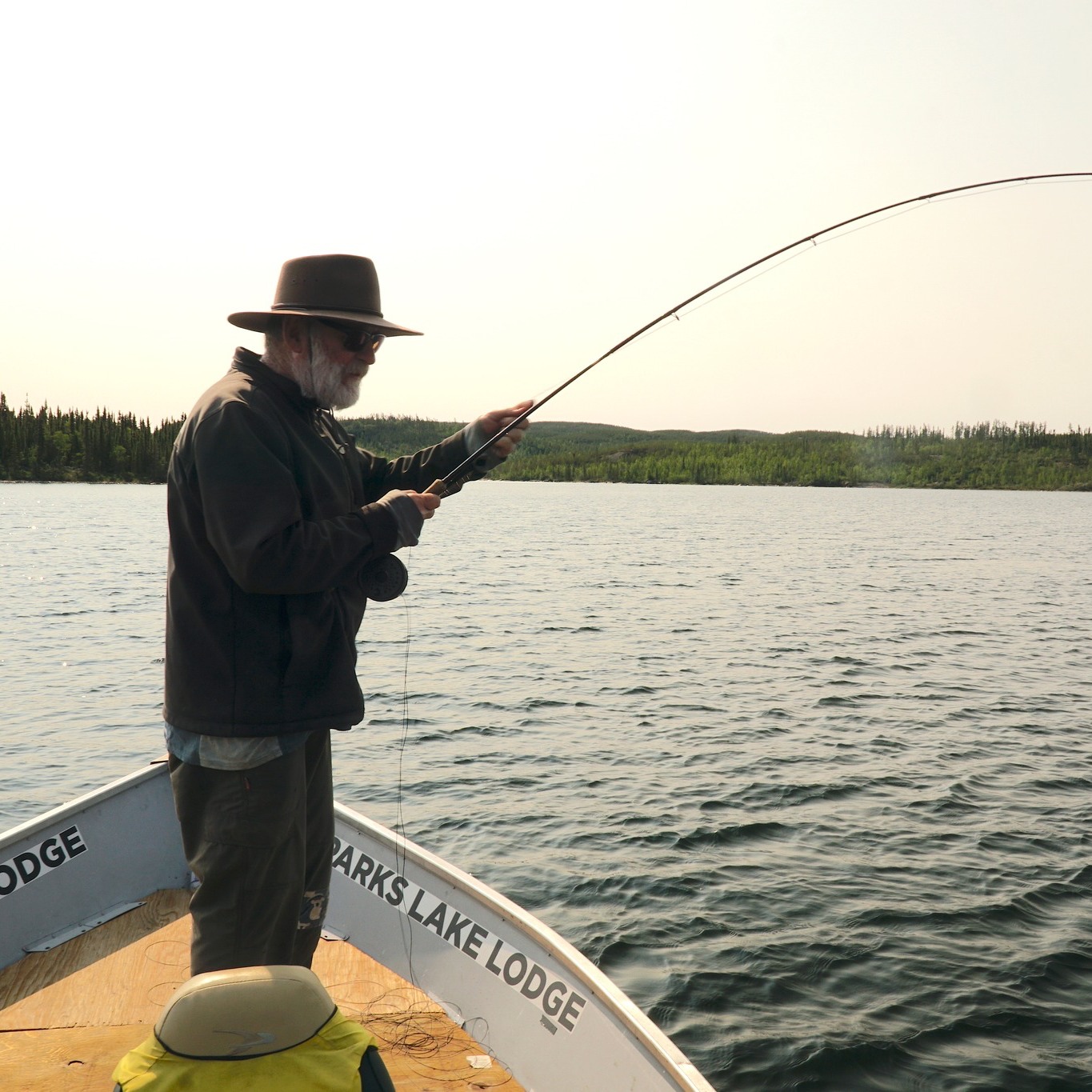
The lake trout in Sparks Lake are the stuff of legends among northern anglers. These cold-water natives grow slowly but reach impressive sizes, with fish over 30 inches not uncommon. They prefer the deeper, cooler parts of the lake during summer, often holding near underwater structure or drop-offs. Early morning and evening are prime times to spot them cruising the shallows, and if you're trailing a line while paddling, you might just hook into one of these powerful fighters. Lake trout are active all season but tend to be more aggressive in the cooler months of late spring and early fall. What makes catching them here special is the pristine environment – these fish have never seen fishing pressure, so they're not spooked by canoes or wary of lures.
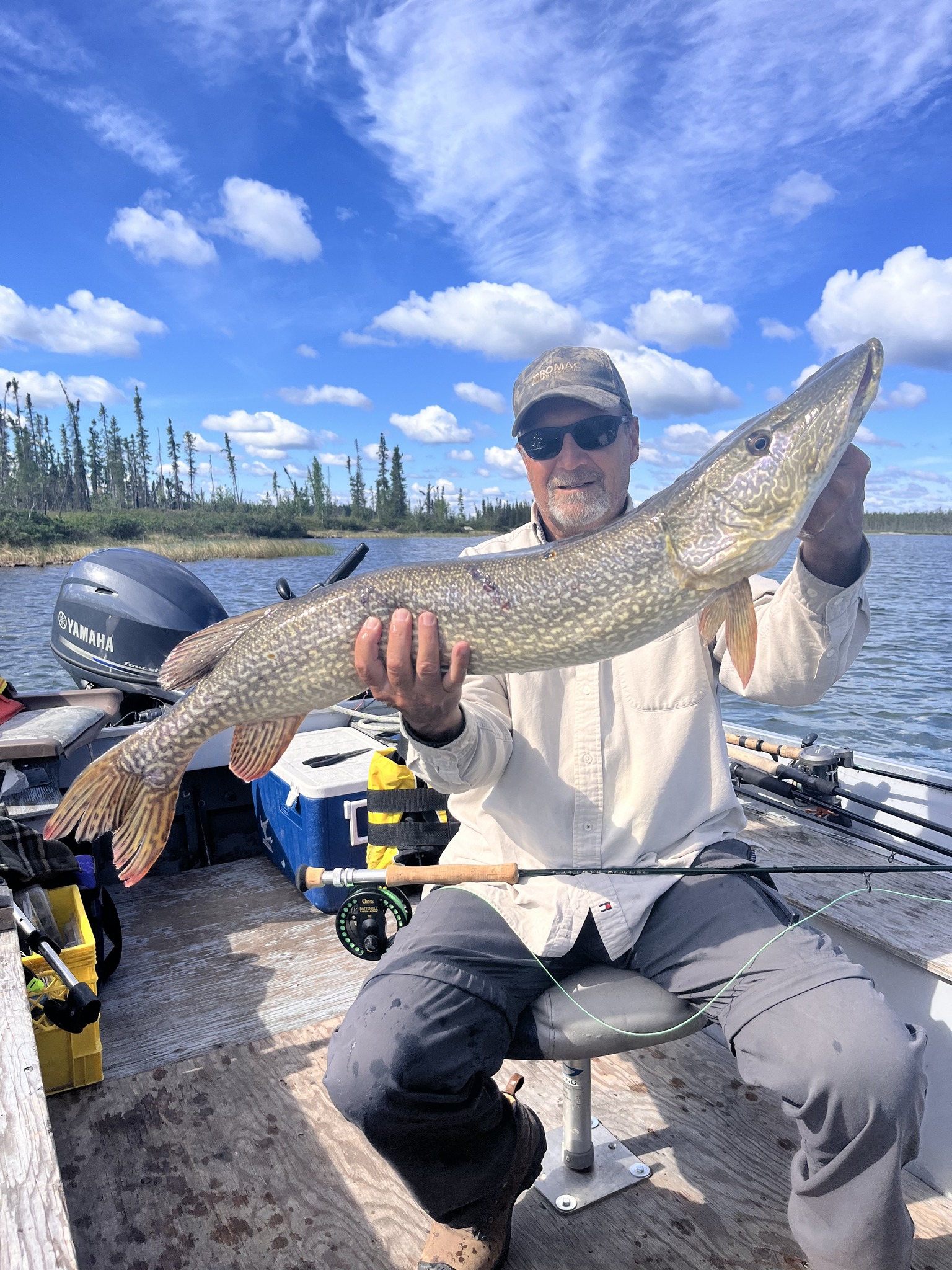
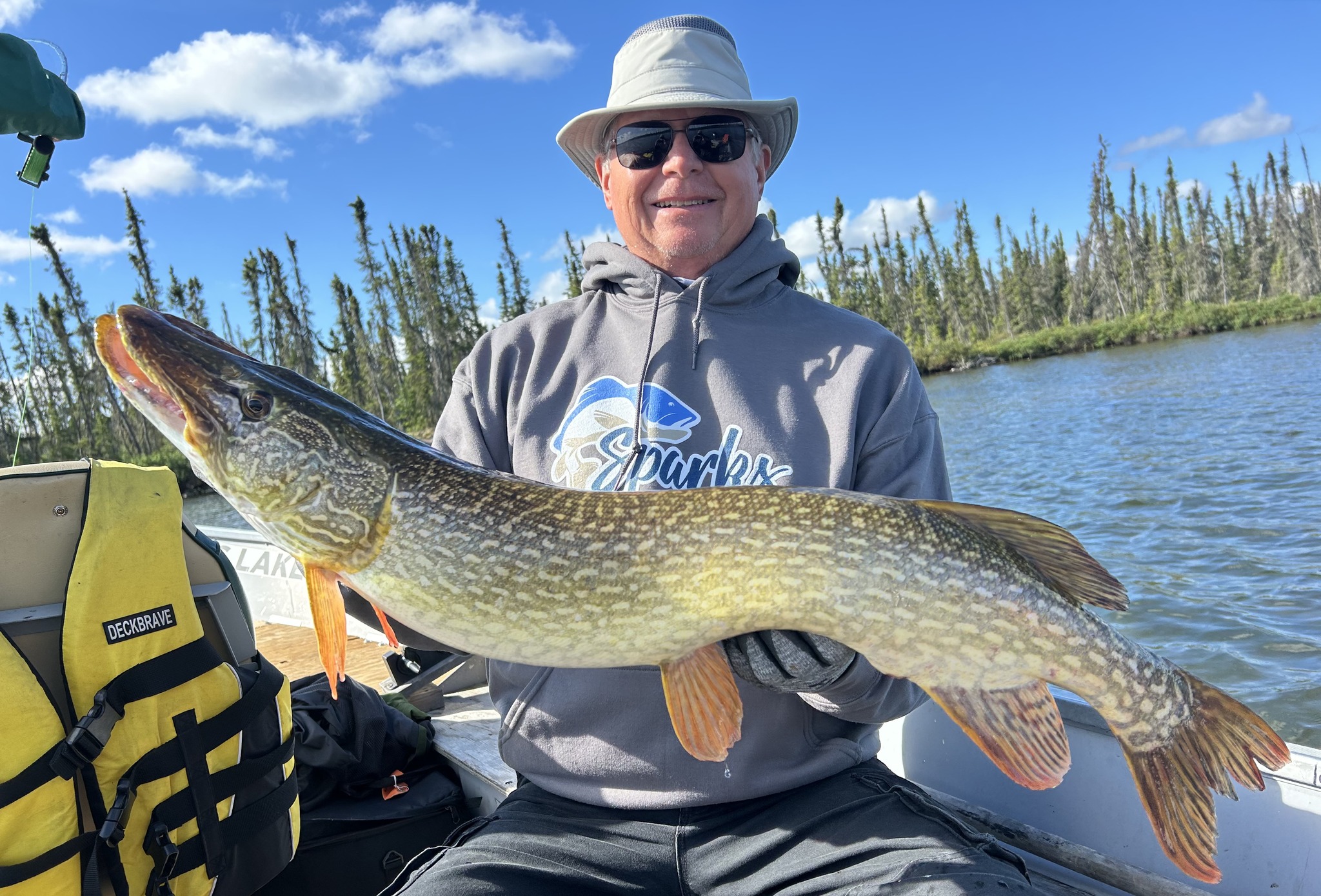
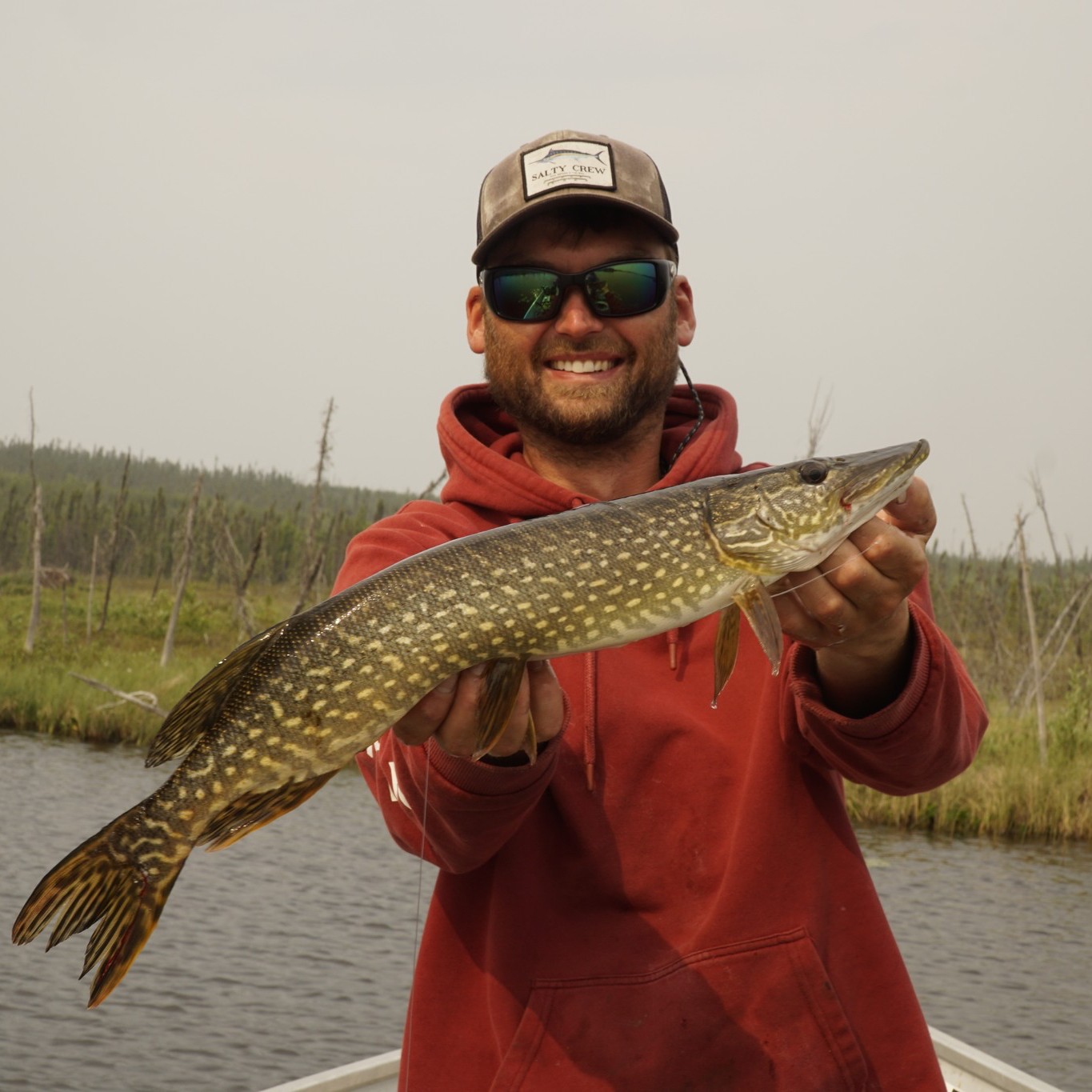
Northern pike patrol the weedy bays and shallow areas where small fish like to hide. These aggressive predators can grow over 40 inches in northern waters, and they'll hit everything from spoons to streamers with explosive strikes that'll test your tackle and your nerves. Pike are most active during daylight hours and love to ambush prey from cover, so casting near fallen trees or weed beds usually produces action. The clear water means you can often see them following your lure before they decide to strike. Summer is peak time for pike fishing, when they're actively feeding in the shallows to fuel up for the long winter ahead.
Arctic grayling are the most beautiful fish you'll encounter on Sparks Lake, with their sail-like dorsal fin and iridescent coloring that seems to shift in the light. These native salmonids prefer current areas where streams enter the lake, and they're always willing to rise to a well-presented fly or small lure. Grayling typically run 12 to 16 inches, but their fight is disproportionate to their size – they'll jump, run, and generally put on a show that'll have you grinning long after you release them. They're most active during the warmer months and provide consistent action when the lake trout and pike are being finicky.
Plan Your Northern Adventure
This isn't just another canoe trip – it's your chance to experience the kind of wilderness that's disappearing fast in most places. Six nights of camping under skies so dark the stars seem close enough to touch, days spent paddling water so clear you can watch fish swimming beneath your hull, and the kind of silence that reminds you what the world sounded like before we filled it with noise. The fact that you're doing this solo makes it even more special. No compromises on where to paddle, when to stop, or how long to spend watching a family of loons teach their chicks to dive. Sparks Lake Lodge has been putting people into this wilderness for years, and they know how to make sure you have everything you need while keeping the experience authentic. The Northwest Territories doesn't give up its secrets easily, but six days on Sparks Lake will show you why paddlers travel from around the world to dip their blades in these waters. Ready to trade your daily routine for the rhythm of paddle strokes and lapping waves?
 Shared Trip
 Canoeing
 Northwest Territories
 Six-night canoe adventure through pristine Sparks Lake wilderness