Half Day Muskie Fishing in Pewaukee
Fall muskie fishing on Pewaukee Lake is something special. From September through November, these apex predators get aggressive as they bulk up for winter, and there's no better time to tangle with Wisconsin's fish of 10,000 casts. Our 4-hour guided trips put you right in the sweet spot when muskies are most active, and with only 3 anglers max, you'll get the personal attention that makes all the difference between stories and empty hooks.
What to Expect on the Water
Pewaukee Lake sits pretty in Waukesha County, and it's got everything a muskie needs - deep basins, weed edges, and structure that holds baitfish. We'll launch early and head straight to the productive zones where I've been marking fish. Fall fishing here means cooler water temps that get muskies moving, and the changing leaves create this perfect backdrop while you're working a figure-8 boatside. The lake covers about 2,500 acres, so there's plenty of water to explore, but I know exactly where these fish like to hang out during the fall transition. You'll spend most of your time casting and retrieving, with some trolling mixed in when we need to cover water and locate active fish.
Trolling and Casting Tactics
We run a mix of trolling and casting depending on conditions and what the fish are telling us. For trolling, I've got deep-diving crankbaits and big bucktails that we'll pull along structure lines and over deep weed beds. When we mark fish or hit productive areas, we'll switch to casting mode with heavy baitcasters spooled with 80-pound braid - you'll need that backbone when a 40-inch muskie decides to go airborne. I provide all the rods, reels, and terminal tackle, including the big musky-specific lures that cost more than most people's dinner. We'll work jerkbaits, swimbaits, and topwater when conditions are right. The key in fall is varying your retrieve speed and letting the fish tell you what they want on any given day.
Top Catches This Season
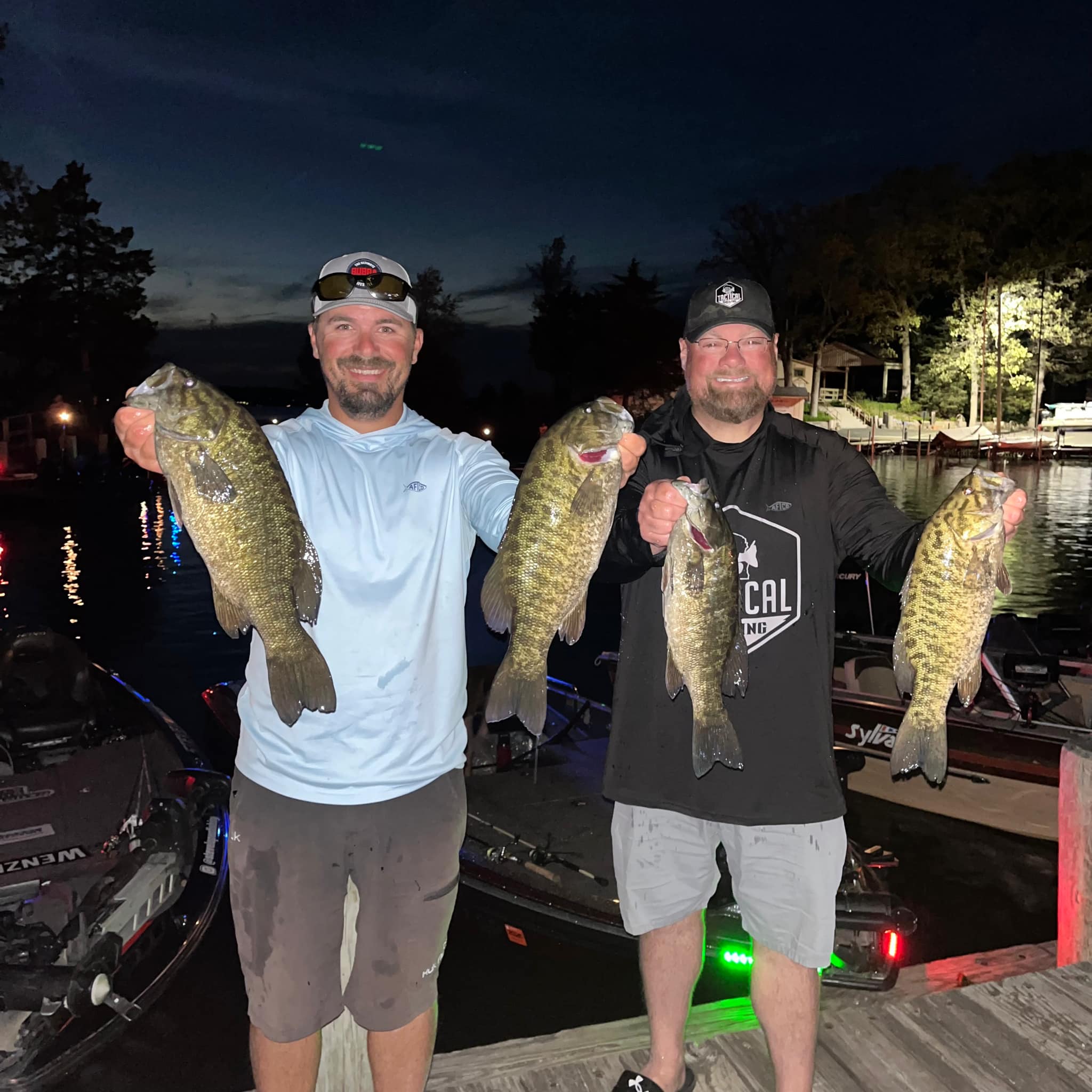
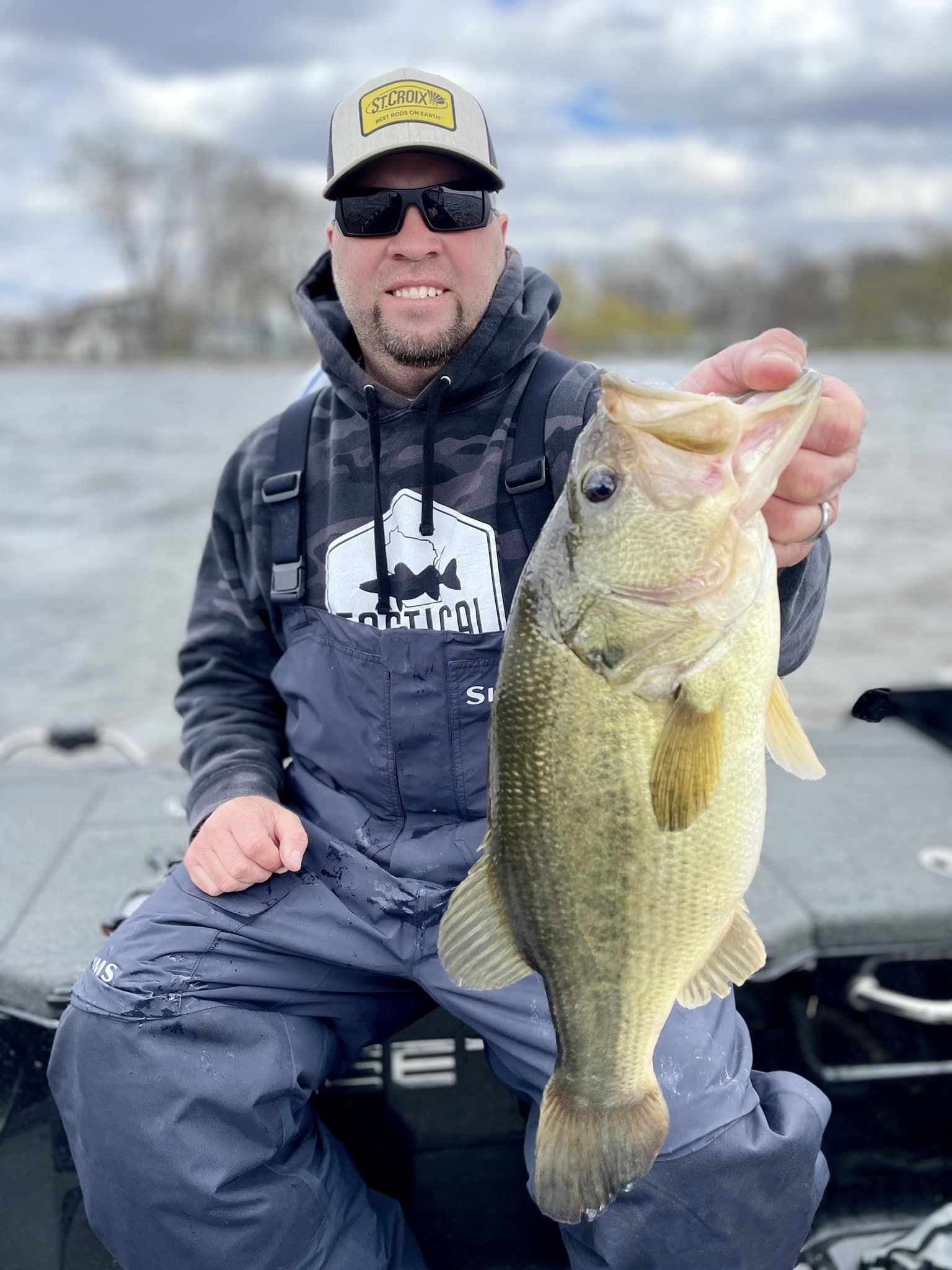
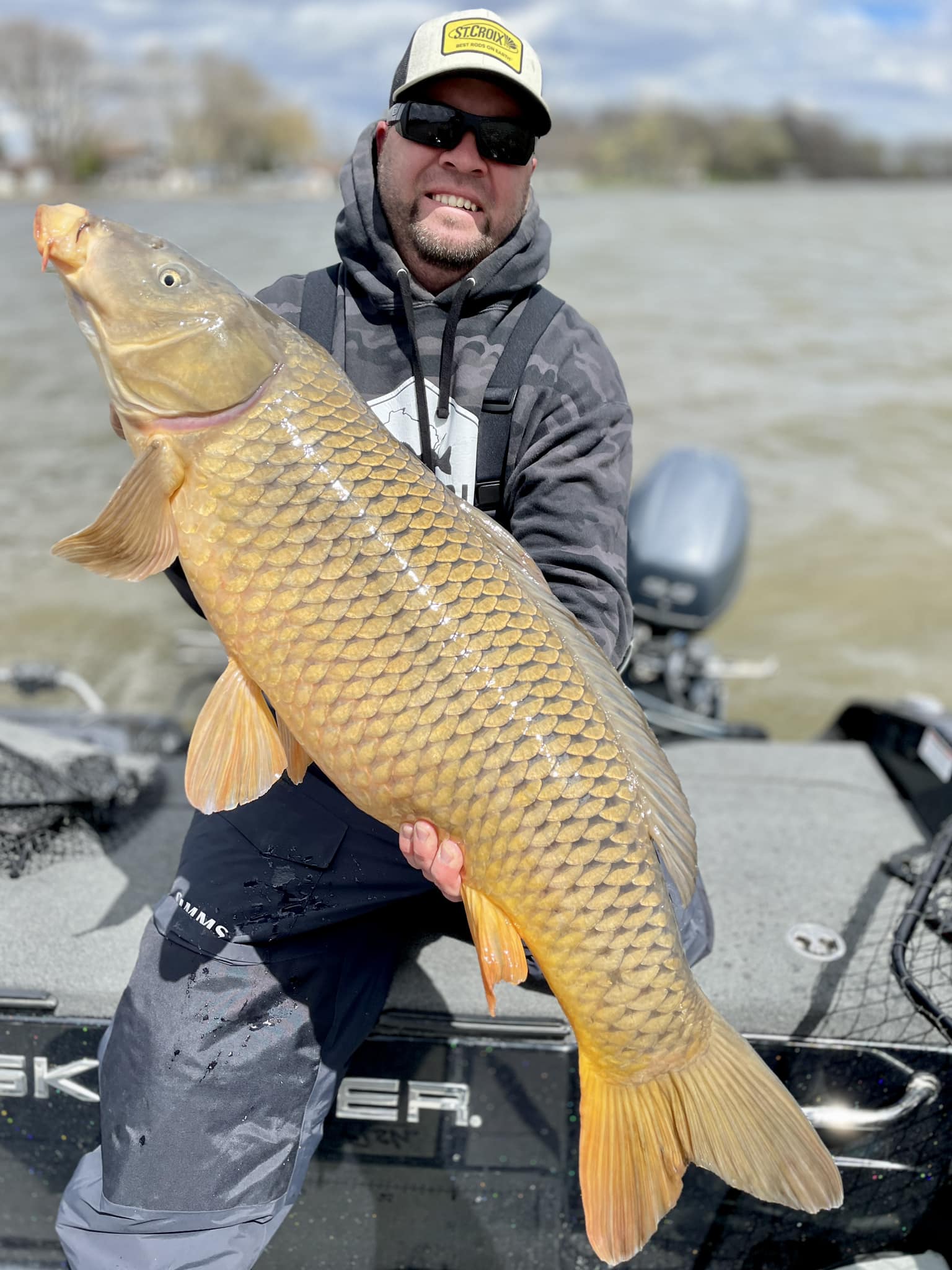
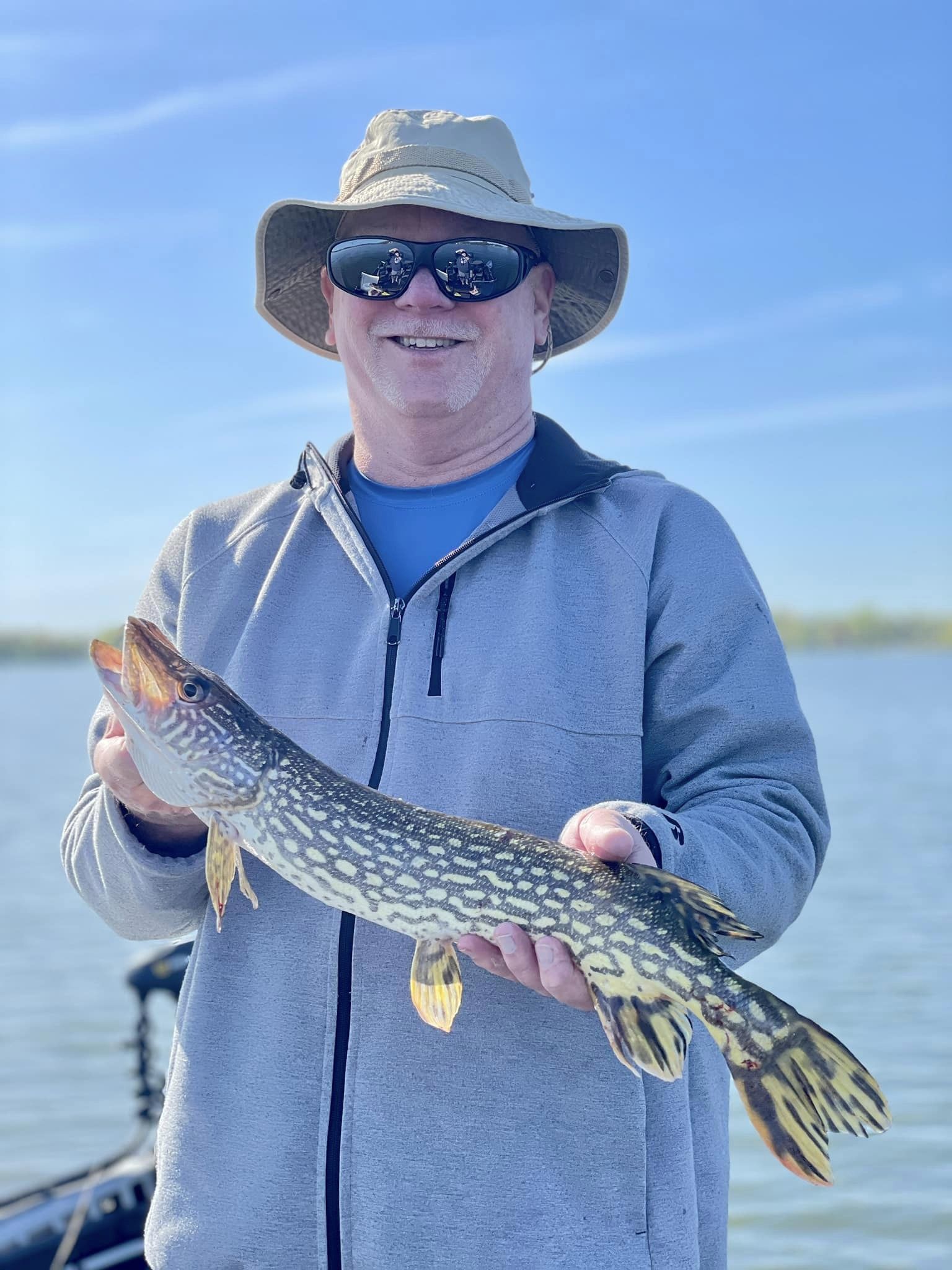
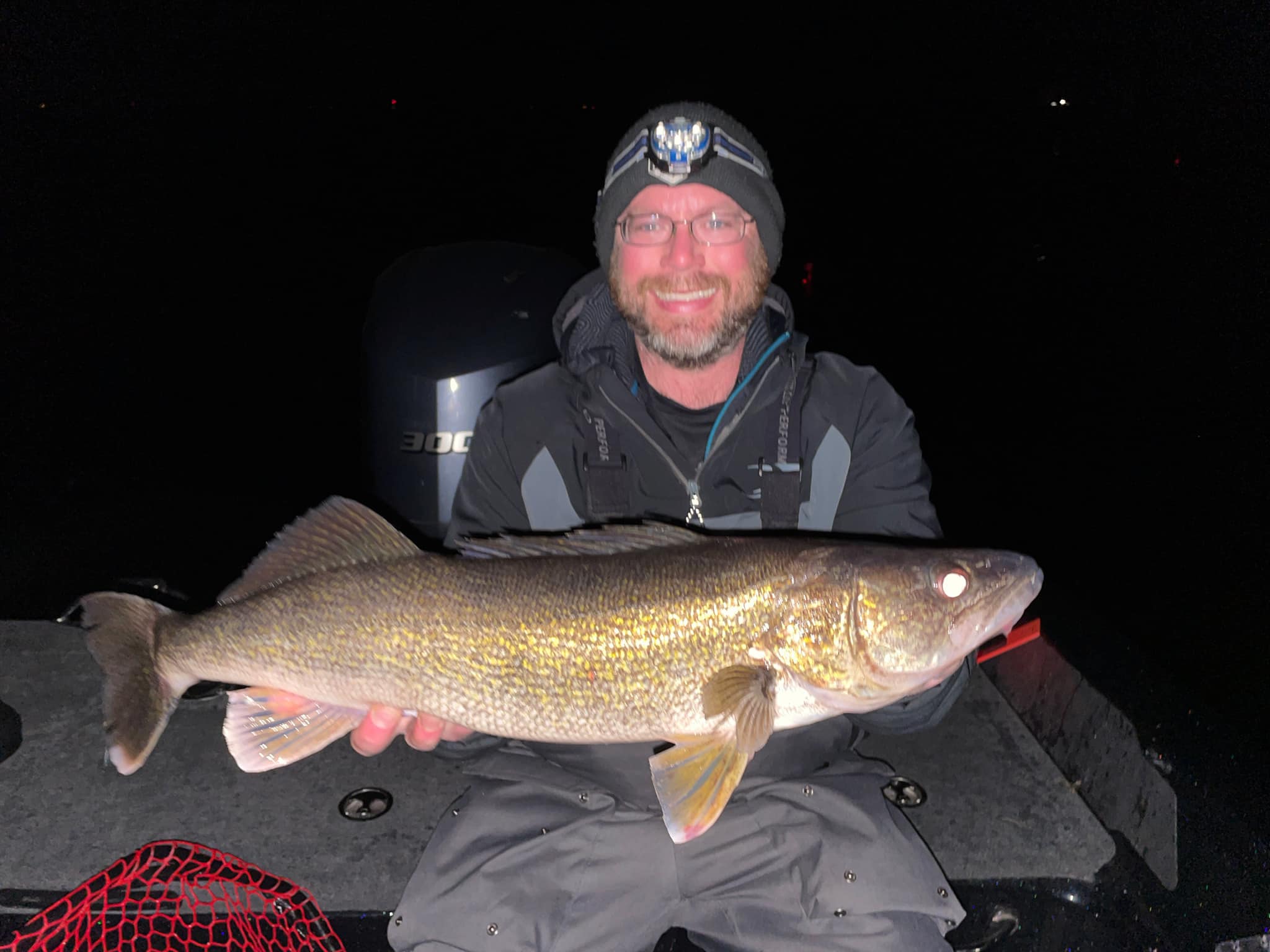
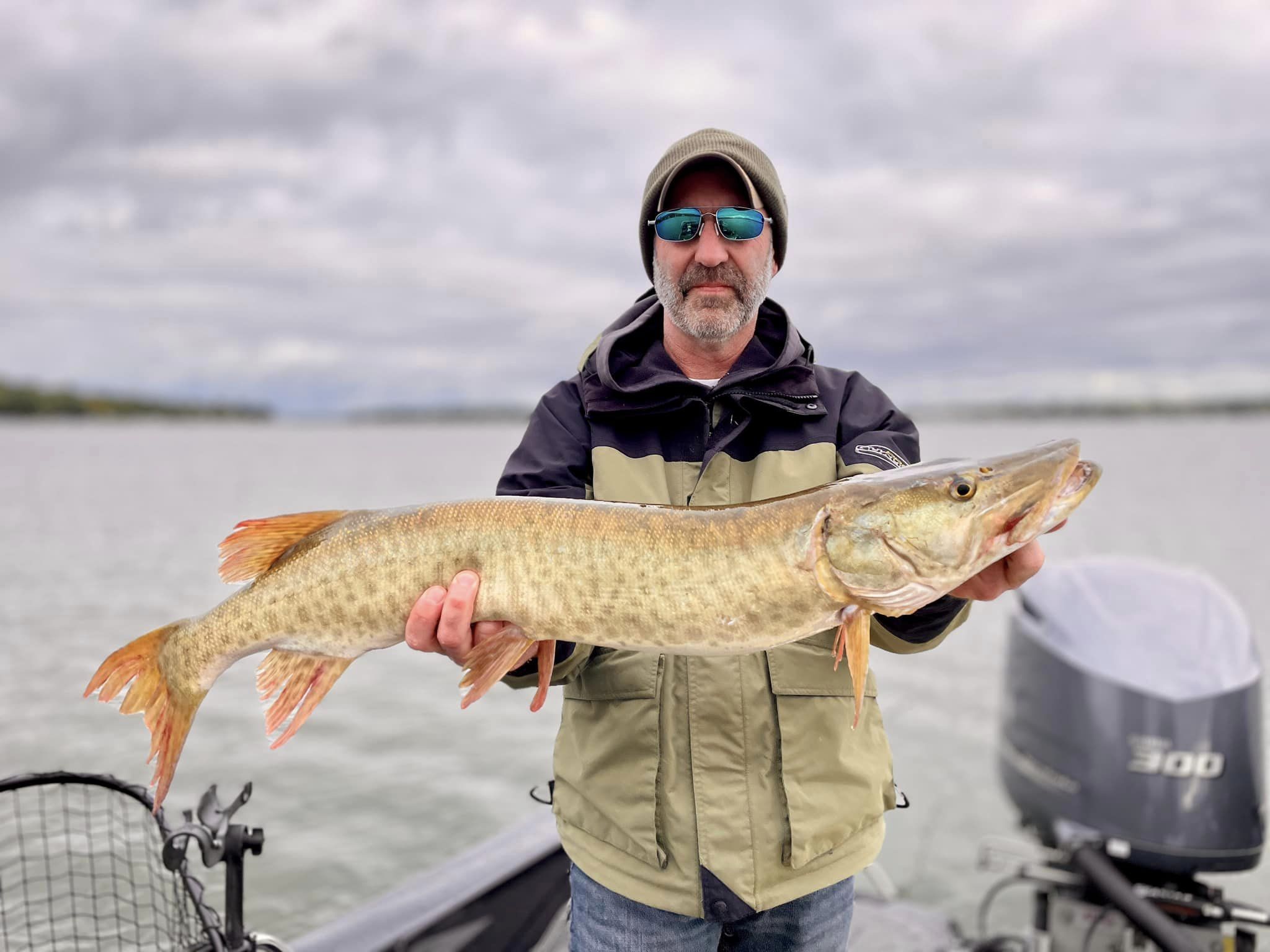
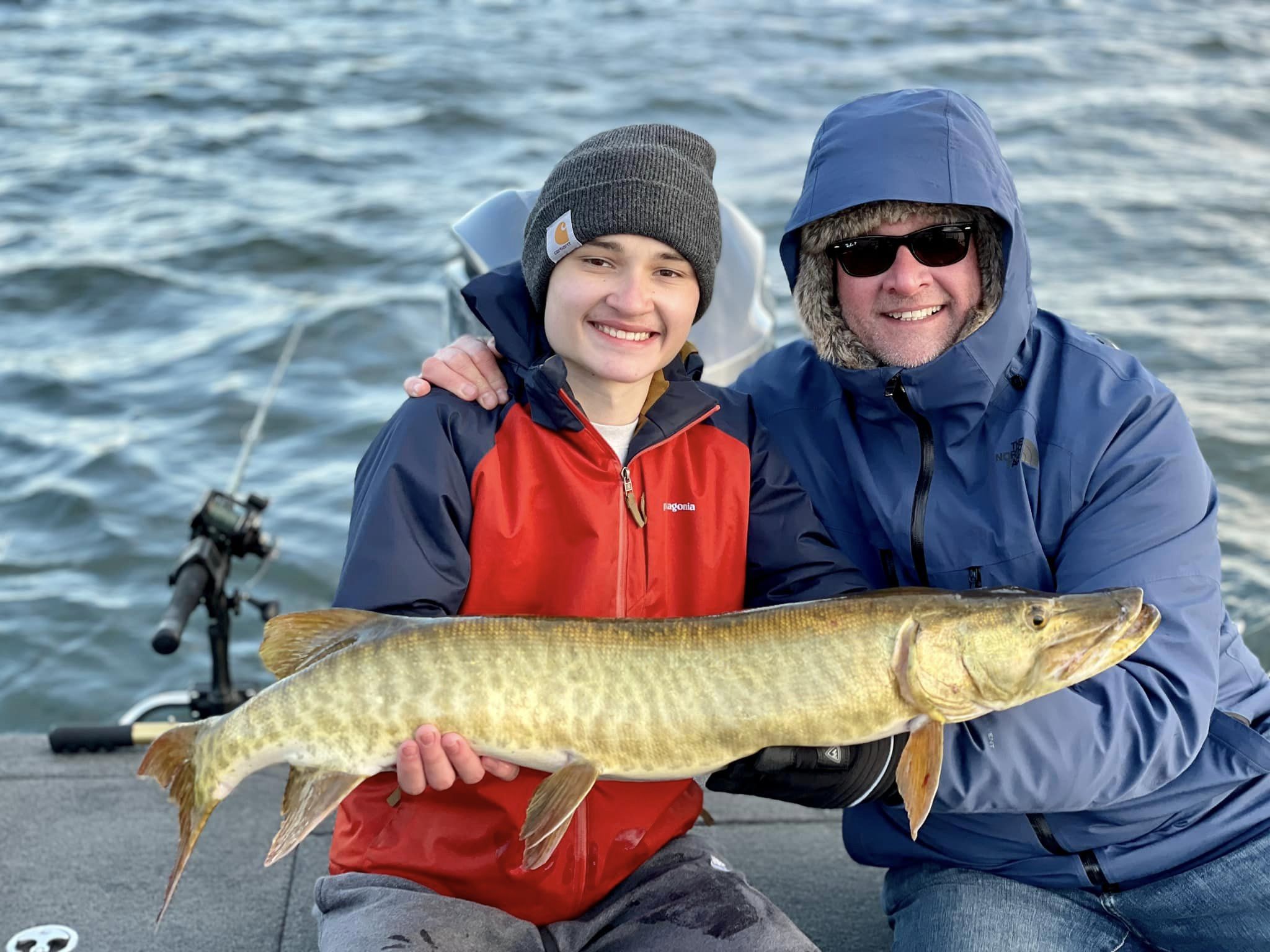
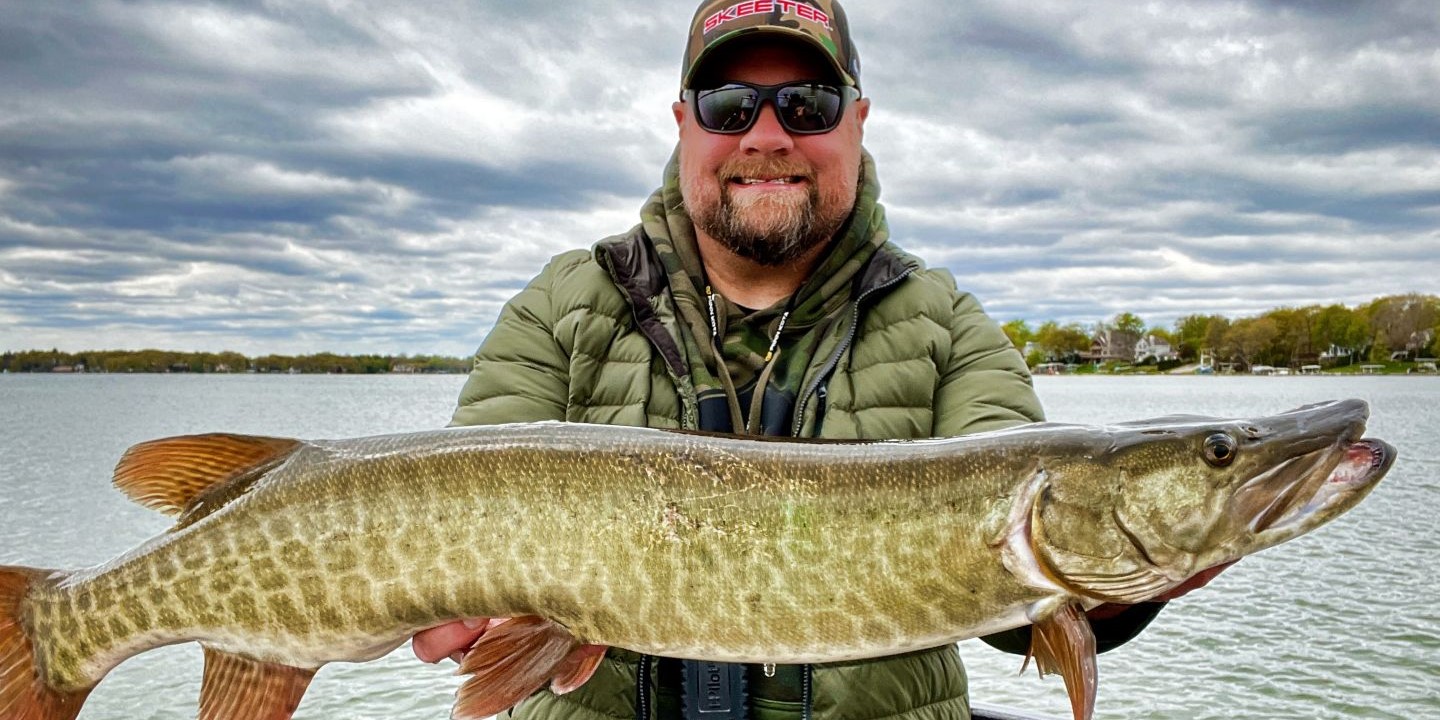
The muskellunge in Pewaukee are the real deal - thick, aggressive fish that'll test your drag and your nerves. These aren't your average northerns; we're talking about fish that commonly run 36 to 45 inches, with the occasional giant pushing 50-plus. Fall is prime time because muskies feed heavily before winter, making them more likely to chase down a well-presented lure. Water temperatures in the mid-50s to low 60s trigger serious feeding activity, and that's exactly what we get during our September through November season. Muskies are ambush predators that love to follow lures right to the boat, which is why that figure-8 technique is so crucial - I'll teach you the proper boat-side presentation that turns followers into hookups. These fish are also known for their explosive strikes and acrobatic fights, often clearing the water multiple times before you get them in the net.
Time to Book Your Spot
Fall muskie fishing doesn't last forever, and the best days book up fast with serious anglers who know when these fish are most active. Our half-day trips give you prime morning or afternoon hours without the full-day commitment, perfect for fitting world-class muskie fishing into your schedule. Whether you're a seasoned muskie hunter or ready to try for your first fish of 10,000 casts, this top-rated Pewaukee experience puts you on fish when they're most cooperative. The combination of cooler weather, active fish, and fewer boats on the water makes fall the customer favorite season for muskie fishing. Don't wait until next year - these September through November dates fill up with anglers who understand that timing is everything in the muskie game.
 Private Trip
 Lakes/Reservoirs/Ponds Fishing
 Milwaukee
 Four-hour guided fishing adventure on Pewaukee Lake waters