Clamming Adventures on Hatteras Island
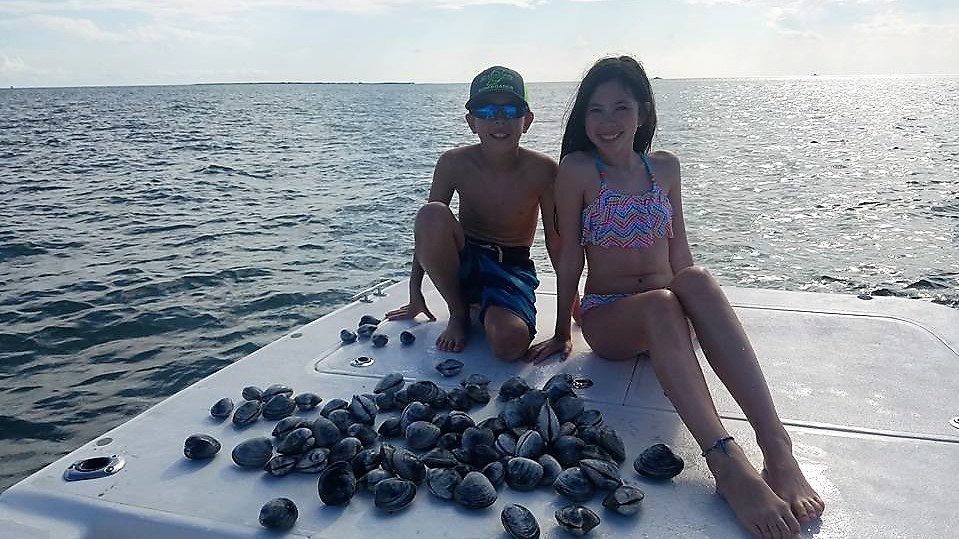
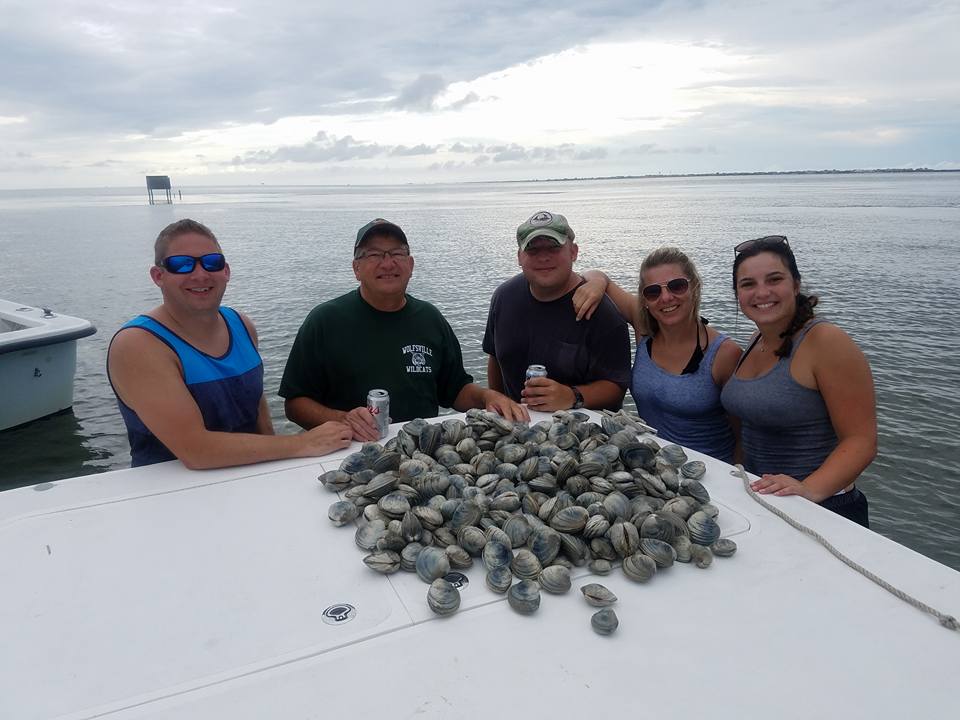
Looking for something different from your typical fishing charter? Team Dempsey Guide Service offers a hands-on clamming adventure that'll have you wading the productive flats around Hatteras Island, filling your bag with fresh clams while soaking up the Carolina coast vibe. This isn't your average day on the water – it's a chance to connect with an old-school North Carolina tradition that locals have been enjoying for generations. Whether you're a seasoned angler wanting to try something new or a family looking for an activity everyone can enjoy, this 2.5-hour clamming trip delivers a perfect blend of outdoor fun and fresh seafood rewards.
What to Expect on the Water
Your clamming adventure starts when Captain Dempsey runs you out to the prime clam beds scattered around Hatteras Island's back bays and sound waters. These aren't deep-water spots – we're talking about knee-deep flats where the bottom composition is just right for clams to thrive. The beauty of clamming is its simplicity. No complex tackle setups, no worrying about bait presentations or reading fish finders. Just you, the water, and your hands doing the work. The whole family can get involved, making this a top-rated choice for groups with kids who might get restless on a traditional fishing charter. Captain Dempsey knows exactly where the clam beds are most productive based on tides, recent weather, and seasonal patterns. He'll position the boat so you can work the flats methodically, and with a 4-person capacity, there's plenty of room to spread out without crowding each other. The intimate group size means personalized attention and instruction, especially important for first-timers learning proper clamming technique.
Clamming Techniques & Prime Spots
Successful clamming is all about reading the bottom and using the right technique. Captain Dempsey will show you how to use your feet to feel for clams buried in the sand and mud. It's called "treading" or "shuffling," and once you get the hang of it, you'll start feeling those telltale hard shells under your toes. The key is moving slowly and deliberately, letting your feet do the detective work while your hands follow up to dig out your finds. Different areas around Hatteras produce different results depending on salinity levels, bottom type, and current flow. The sound-side flats tend to hold good numbers of littlenecks and cherrystones, while areas closer to inlets often produce larger quahogs. Water clarity plays a role too – on clear days, you might spot clam holes and siphons visually, but most of the time you're working by feel. Captain Dempsey provides mesh bags and basic digging tools, though many regulars prefer using their hands once they develop a feel for it. Tides matter more than you might think. Working a dropping tide often concentrates clams in predictable spots, and the slightly lower water makes wading more comfortable while still covering productive bottom.
Top Clam Species You'll Find
The waters around Hatteras Island support several clam species, each with its own characteristics and culinary appeal. Hard clams, also called quahogs, are your primary target and come in different size classes that determine how you'll want to prepare them. Littlenecks are the smallest and most prized – usually under 2 inches across the shell. These tender clams are perfect for steaming or eating raw, and they're what most people think of when they picture classic clam dishes. Cherrystones fall in the middle size range and work great for chowders, pasta dishes, or stuffing. They have a bit more chew than littlenecks but still maintain that sweet, briny flavor that makes North Carolina clams so sought after. The largest quahogs, sometimes called chowder clams, require more cooking but deliver impressive yields of meat perfect for frying or chopping into chowder base. Peak clamming season runs from late spring through early fall when water temperatures are comfortable for wading and clam activity is highest. During summer months, early morning trips often produce the best results before afternoon heat makes wading less pleasant. What makes this area special is the mix of fresh and salt water that creates ideal growing conditions. The clams here develop that distinctive sweet flavor profile that's different from purely saltwater varieties found in other coastal areas.
Time to Book Your Spot
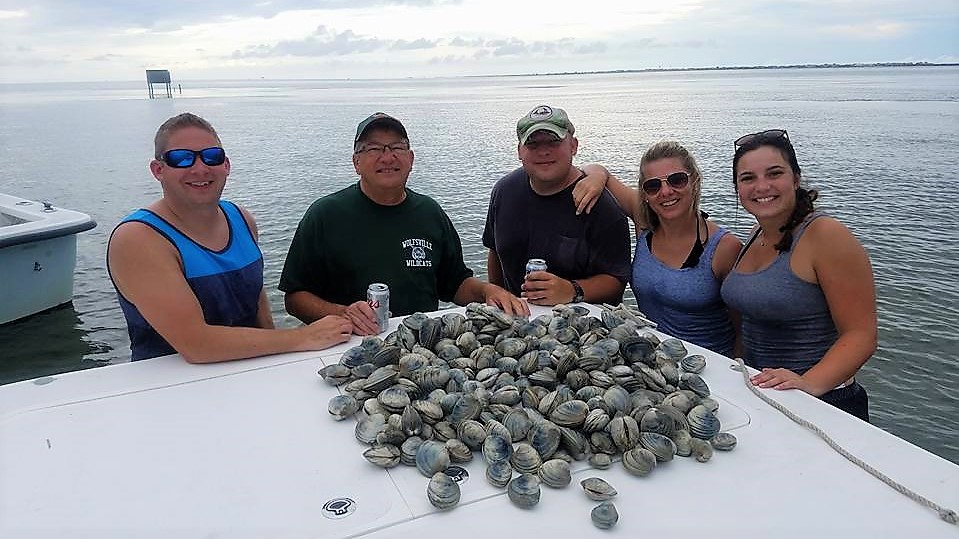
This clamming adventure offers something you won't find on traditional fishing charters – guaranteed success and a meal you'll remember long after the trip ends. Every group goes home with enough clams for a proper feast, whether you're planning a beach house cookout or want to try your hand at homemade chowder. The 2.5-hour timeframe gives you plenty of opportunity to work different areas and fill your bags without feeling rushed. Captain Dempsey's local knowledge ensures you're hitting the most productive spots while learning techniques you can use on future clamming adventures. For families, this represents world-class value – an outdoor activity where everyone contributes to the final result, and kids stay engaged throughout the trip. The memories created while working together in the shallows often become the highlight of beach vacations. Team Dempsey Guide Service has built their reputation on delivering authentic Carolina coast experiences, and this clamming trip exemplifies that commitment. Rather than just talking about local traditions, you're actively participating in one while building skills and collecting dinner at the same time. Ready to try something different from your usual fishing routine? Book your clamming adventure today and discover why this has become a customer favorite for groups wanting to experience the real Hatteras Island.
 Private Trip
 Inshore Fishing
 Washington
 2.5-hour clam collecting adventure along Hatteras Island coast