Duck Hunting at Port O'Connor's Prime Wetlands
Port O'Connor sits right in the sweet spot for Texas waterfowl hunting, and this 4-hour guided duck hunt puts you in the middle of some of the best bird action on the Gulf Coast. Texas Fins and Feathers knows these wetlands like the back of their hand, and they'll get you set up for shots at mallards, teal, pintails, and more. Whether you're new to the blind or you've been calling ducks for years, this hunt delivers the real deal - no fluff, just solid waterfowl hunting in productive water.
Inside the Hunt
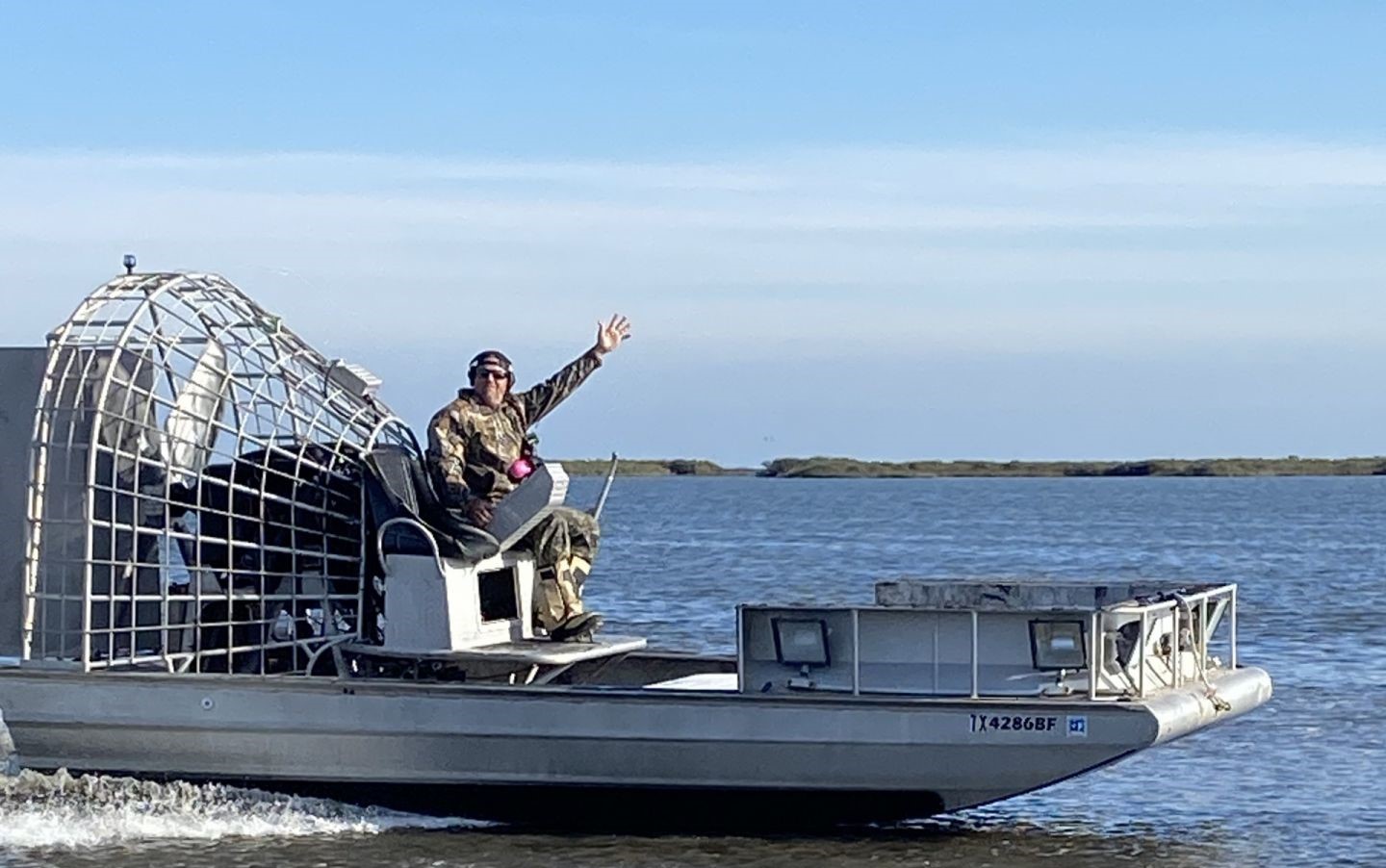
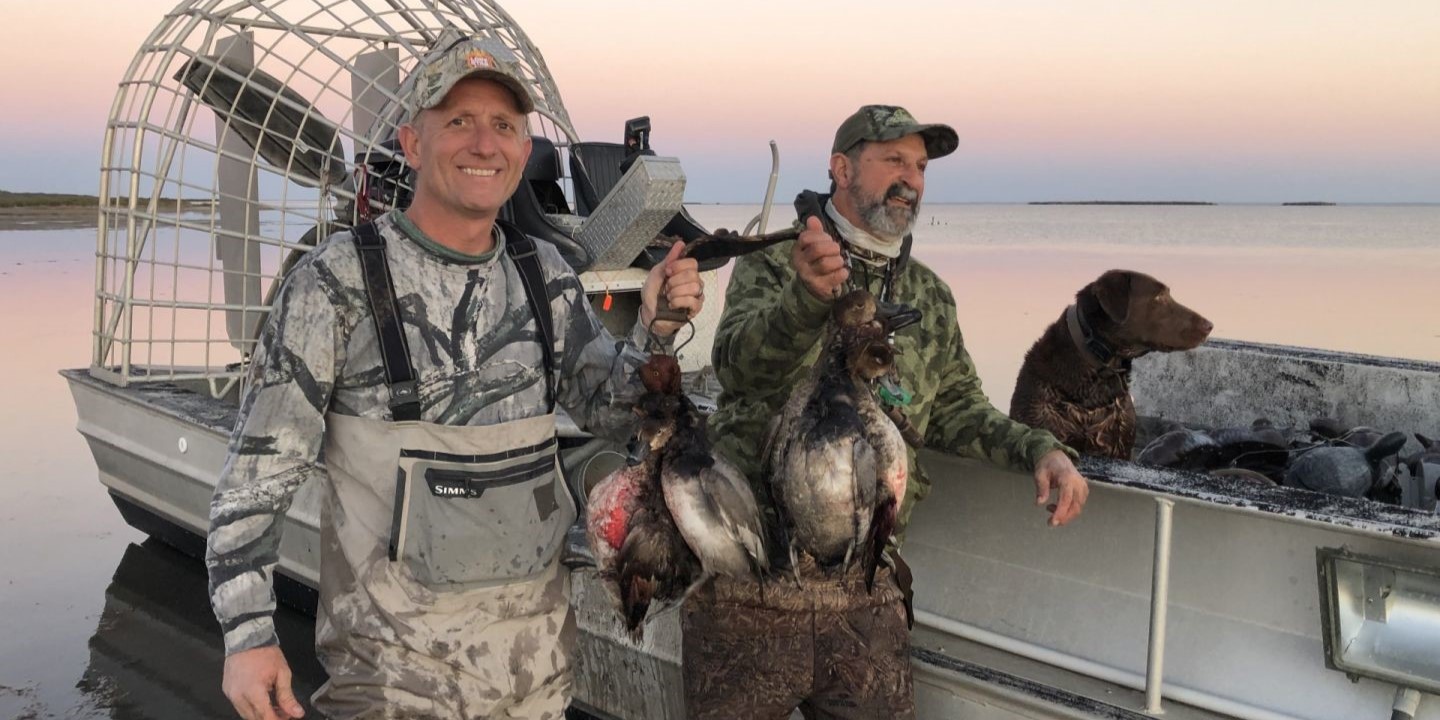
Your hunt starts before sunrise when the birds are moving, and you'll spend four hours in prime habitat where ducks actually want to be. The guides scout these areas regularly, so they're putting you where the birds are feeding and resting, not just where it looks good on a map. You'll be hunting from well-positioned blinds with decoy spreads that draw birds in close. The wetlands around Port O'Connor offer that perfect mix of shallow water, food sources, and cover that keeps ducks coming back. This isn't a numbers game - it's about quality hunting in spots that produce consistent action. The guides handle all the setup and breakdown, so you can focus on reading the birds and making good shots. With a maximum of two hunters per trip, you get personalized attention and plenty of shooting opportunities without feeling crowded.
Tracking Tips & Terrain
The terrain here is classic Texas coastal marsh - shallow ponds, grass flats, and tidal influences that create ideal waterfowl habitat. Your guides use layout blinds and natural cover to keep you concealed while maintaining good shooting lanes. The decoy spreads are set based on wind, water levels, and recent bird patterns, not some cookie-cutter approach. You'll learn to read how different species work the decoys - teal come in fast and low, while mallards often circle and look things over. The guides call when it helps and stay quiet when the birds are already committed. Water levels change with weather and tides, so your guides adjust tactics accordingly. Some days it's all about the early morning flight, other days the birds move better as conditions change. The key is having guides who know how to read these variables and put you in position for success.
Target Game Breakdown
Blue-winged Teal are usually the first birds you'll encounter during early season, and they're absolute rockets when they decide to land. These smaller ducks travel in tight flocks and often commit hard to decoys, giving you fast-paced shooting that keeps you sharp. They're early migrants, so the best action happens in September and early October when they're moving south in numbers.
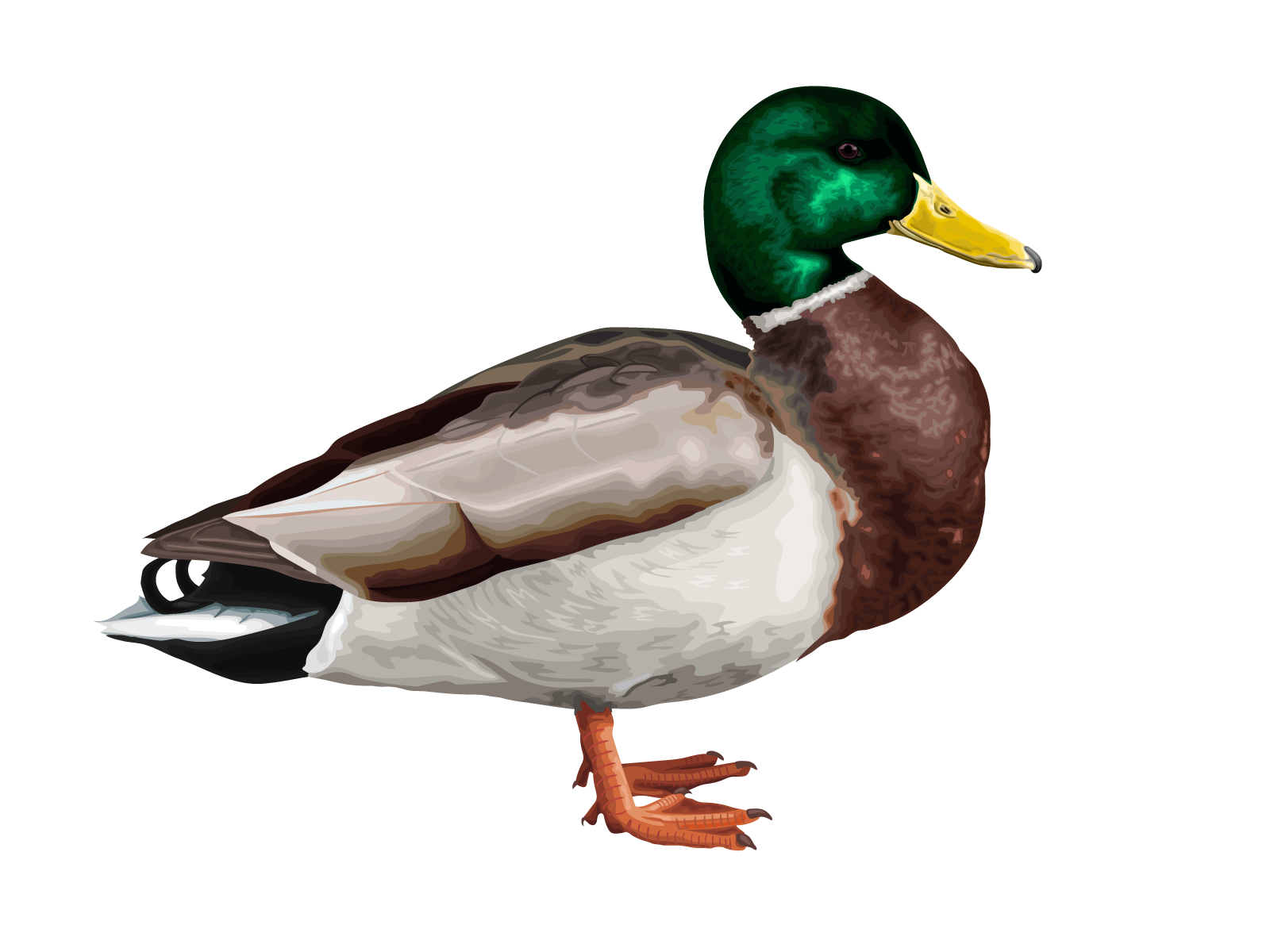
Mallards are the classic duck that most hunters picture when they think waterfowl - the drakes with their green heads and the hens with that distinctive quack. They're smart birds that often circle decoy spreads multiple times before committing, which makes a successful mallard hunt feel earned. Peak season runs from November through January when northern birds join the local residents.
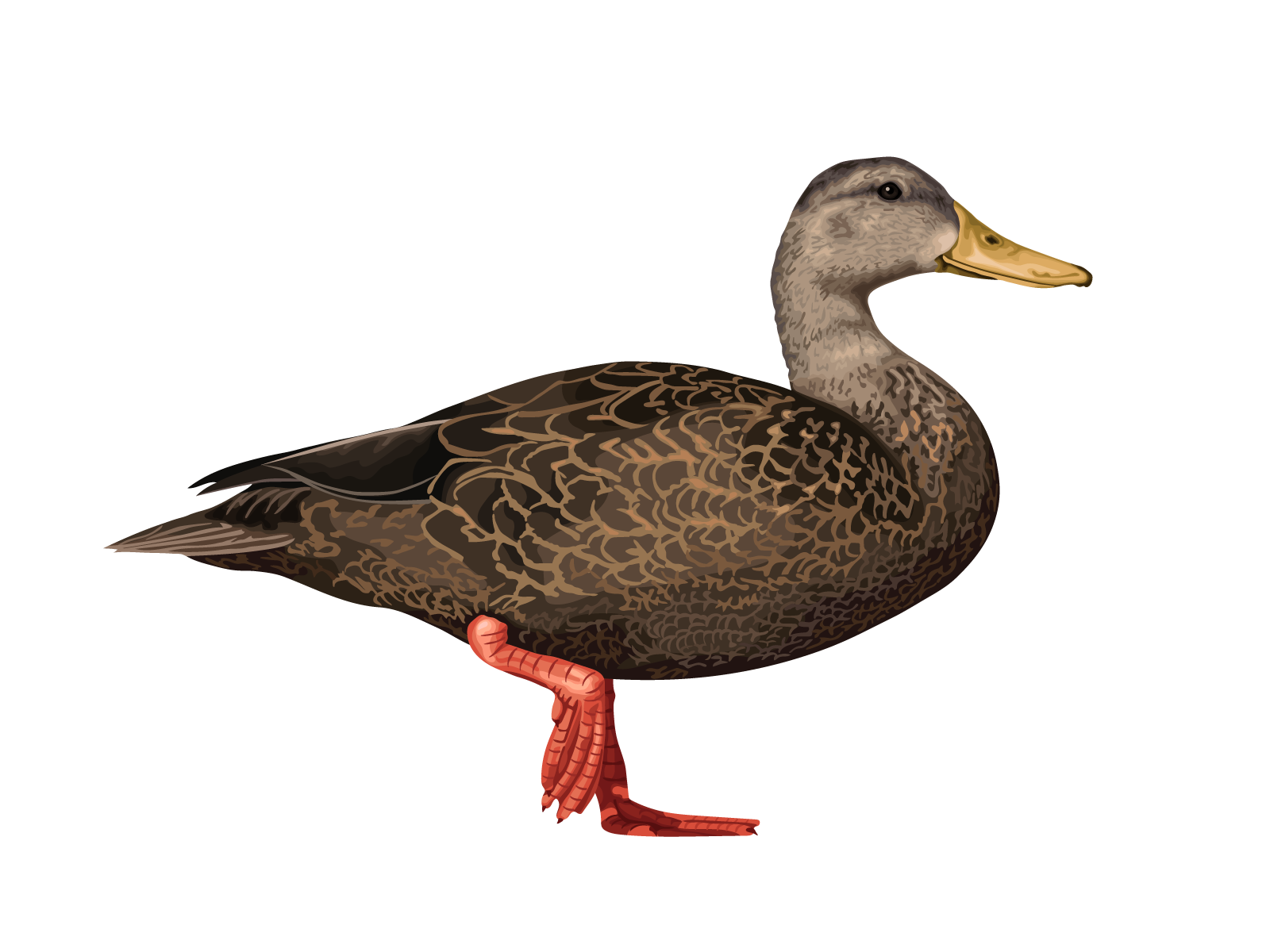
Mottled Ducks are the local year-round residents that know these marshes better than any other species. They look similar to female mallards but with slightly different coloring and behavior patterns. These birds can be challenging because they've seen every trick, but that makes them rewarding targets for hunters who appreciate a smart adversary.
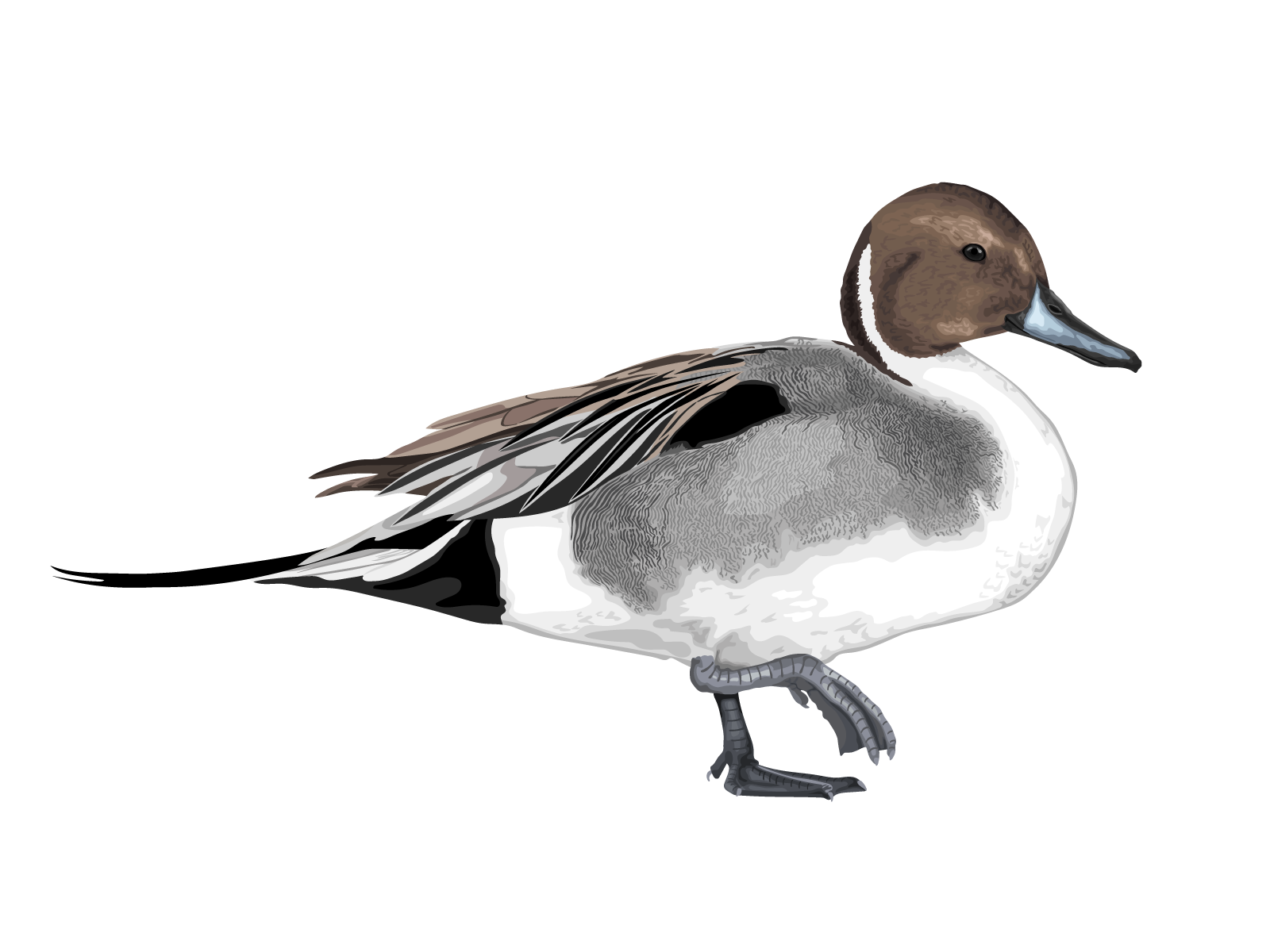
Northern Pintails are elegant ducks with long necks and tails that make them easy to identify in flight. They often travel in larger flocks and respond well to calling, especially during their peak migration periods in late fall and winter. Pintails have a reputation for being somewhat easier to decoy than mallards, but they still require good shooting due to their size and speed.
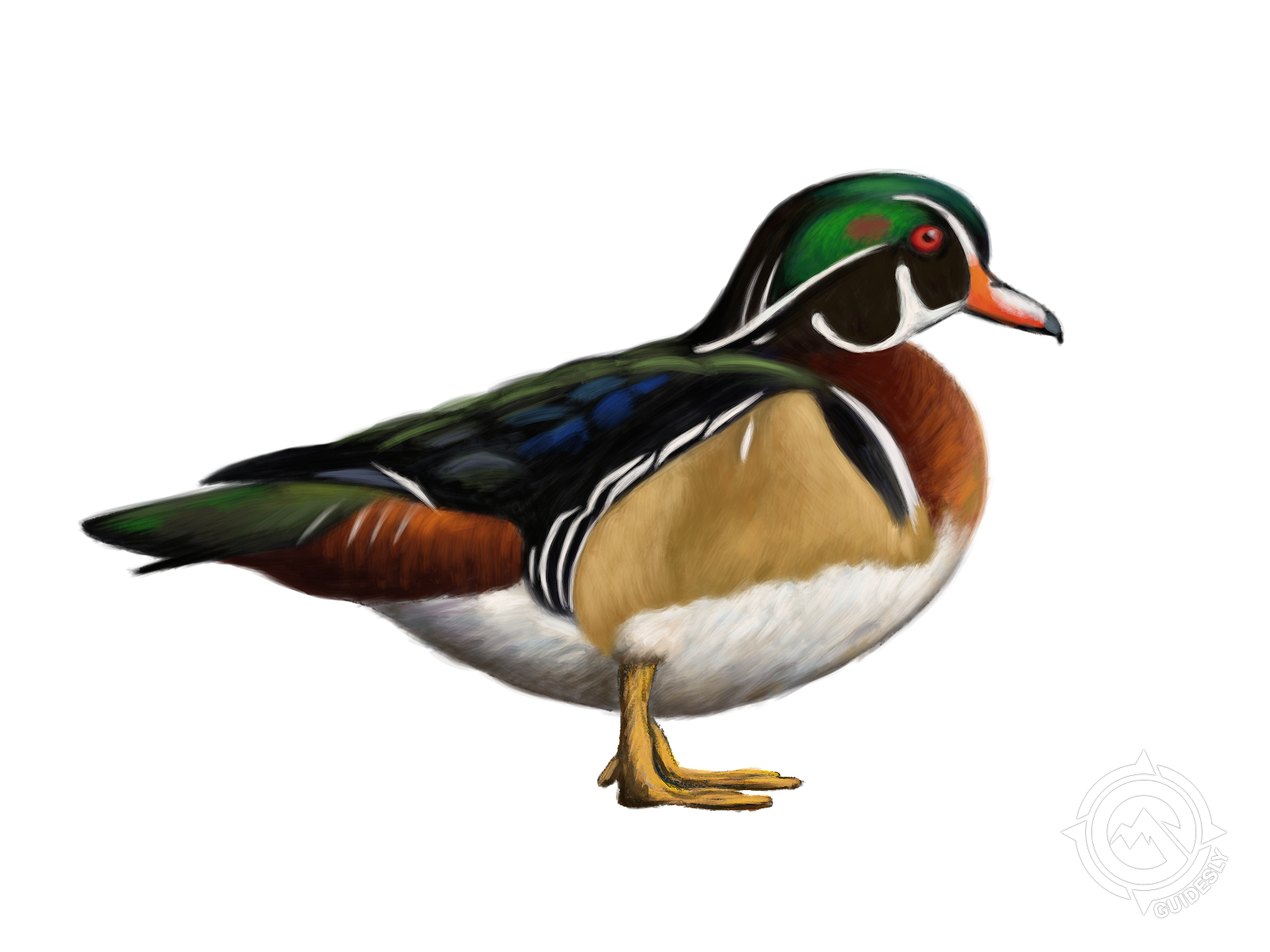
Wood Ducks prefer areas with more timber and cover, and these wetlands provide exactly that kind of habitat. The drakes are some of the most colorful waterfowl you'll see, with iridescent feathers that catch the light. They're year-round residents but hunting picks up in fall when northern birds migrate south. Wood ducks often move early and late in the day, making them perfect for this hunt format.
Book Your Next Tag
This Port O'Connor duck hunt gives you everything you need for a productive day on the water - experienced guides, quality gear, and access to proven hunting areas. Texas Fins and Feathers has built their reputation on putting hunters in the right spots at the right time, and this trip delivers exactly that. The four-hour format lets you experience the best part of the day without the commitment of a full-day hunt. With multiple species available and guides who know how to find them, you're looking at the kind of hunt that reminds you why you started waterfowl hunting in the first place. Book your spot and see why these wetlands keep producing year after year.
 Private Trip
 Bird hunting
 Port O'Connor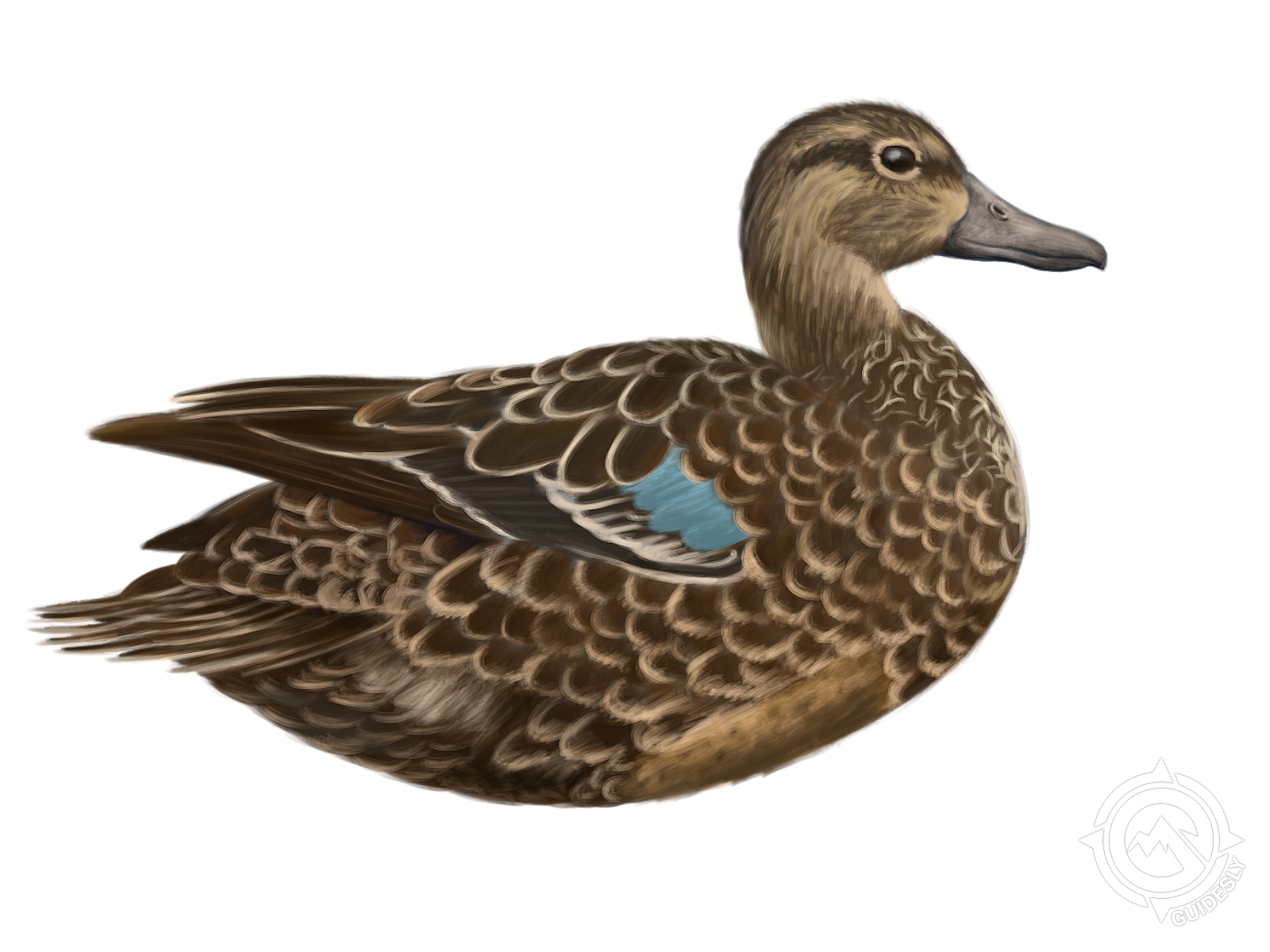
 Private 4-hour guided duck hunt for mallards and teal