Duck Hunting Texas South Zone
If you're looking for a world-class duck hunting experience that'll test your skills and reward your patience, you've found the right spot. Our Texas South zone waterfowl area delivers some of the most challenging and rewarding duck hunting in the state. This isn't your average pond shoot – we're talking about diverse terrain that keeps ducks moving and hunters on their toes. From first light until you're packing up, every moment here offers the kind of hunting that separates the serious waterfowlers from the weekend warriors. You'll be hunting solo with professional guidance, getting personalized attention that makes all the difference when birds are working.
Inside the Hunt
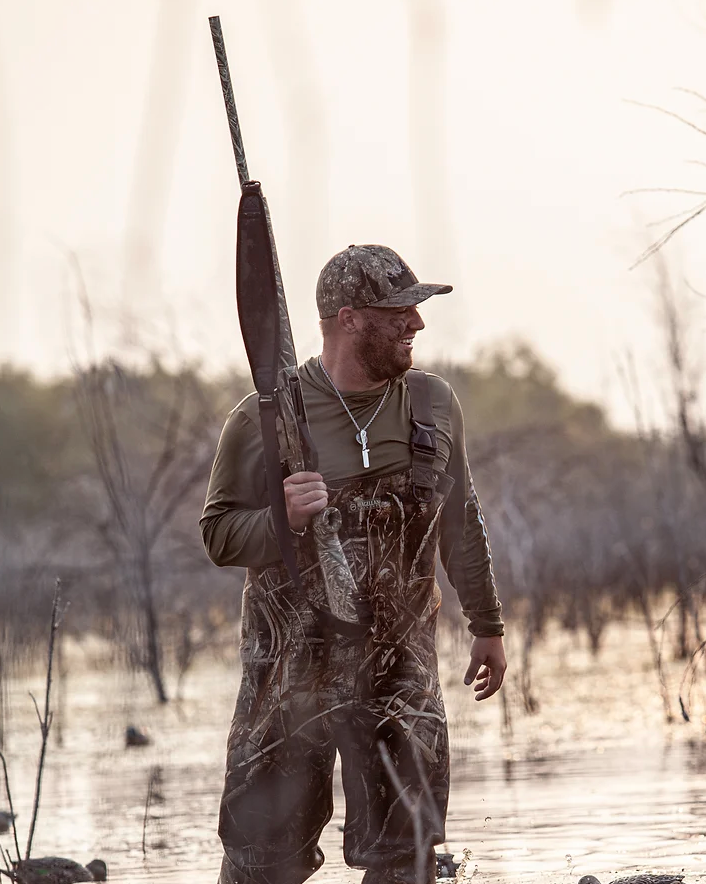
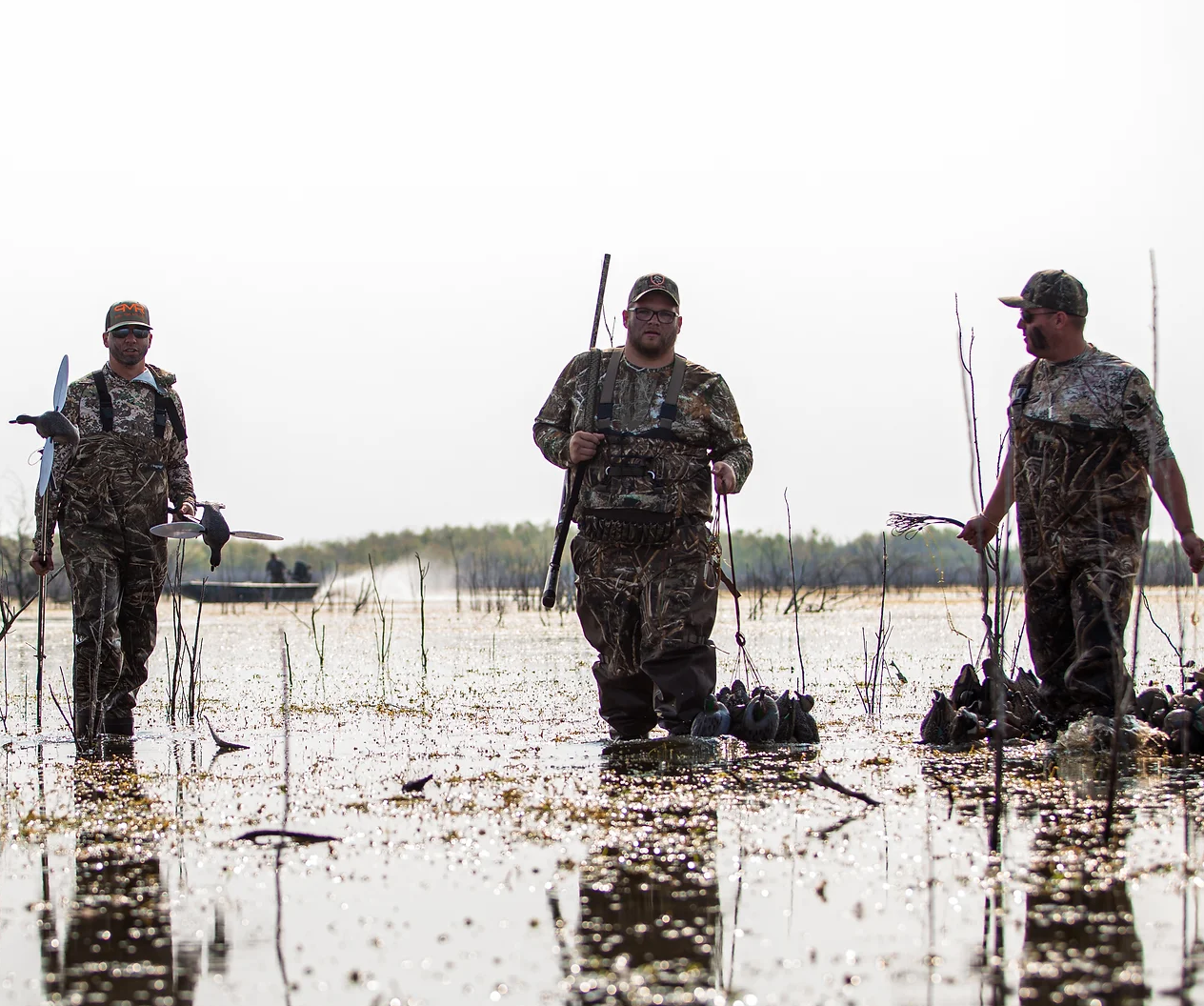
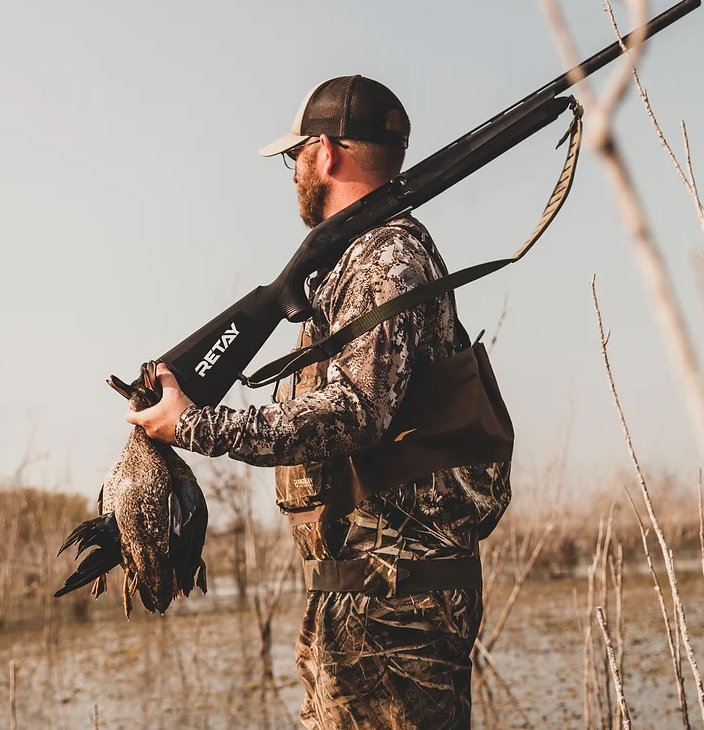
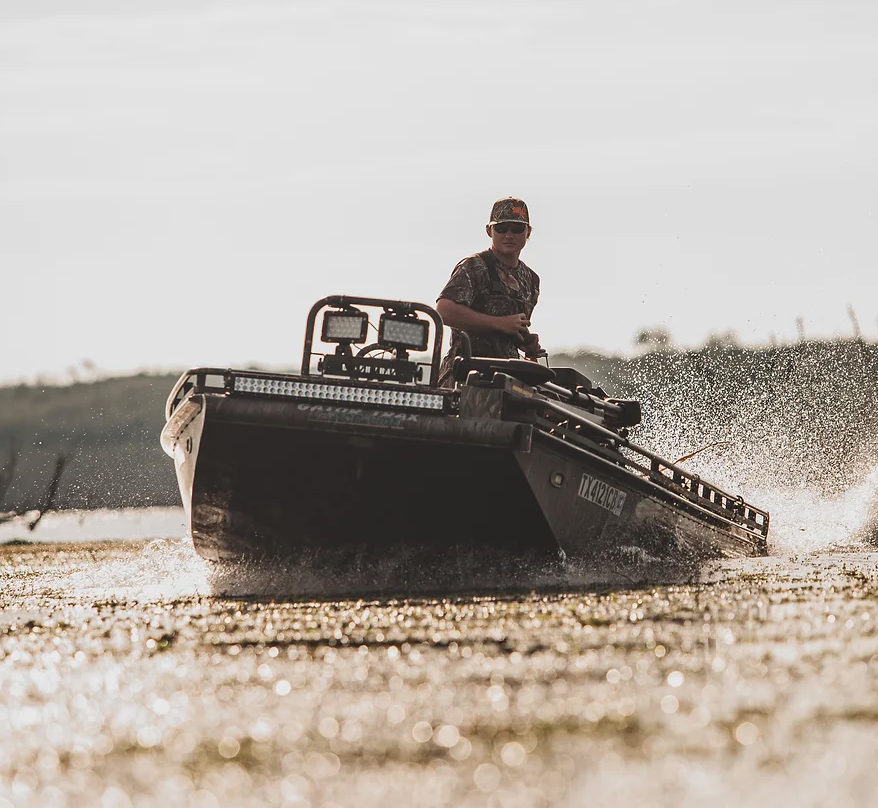
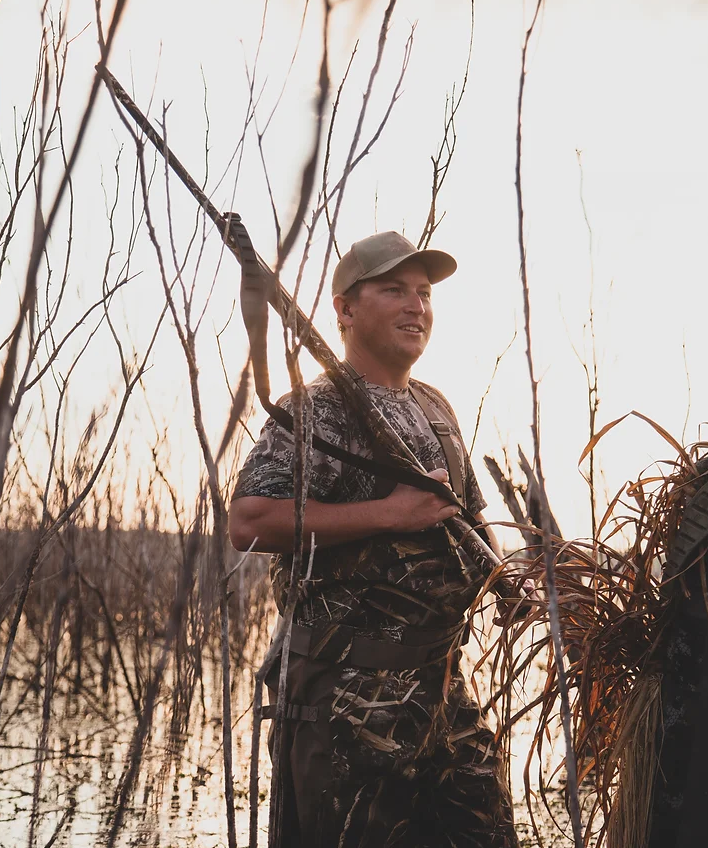
Picture this: you're settled into a blind before dawn, steam rising off flooded rice fields while wood ducks whistle overhead and gadwalls chatter in the distance. That's what awaits you on this top-rated hunting experience. Our South zone property features an ideal mix of rice fields, oxbows, sloughs, and flooded timber – exactly the habitat that keeps waterfowl coming back season after season. The varied terrain means you're not just sitting in one spot all day. Depending on weather, wind, and bird movement, we might move between setups to stay on the action. The rice fields attract diving ducks and dabblers alike, while the timber provides cover for wood ducks and offers shelter when weather turns rough. This setup creates natural flyways that funnel birds right into shooting range. You'll need to bring your own shotgun and shells – most hunters prefer 12-gauge with steel shot for the knockdown power needed on these bigger birds.
Tracking Tips & Terrain
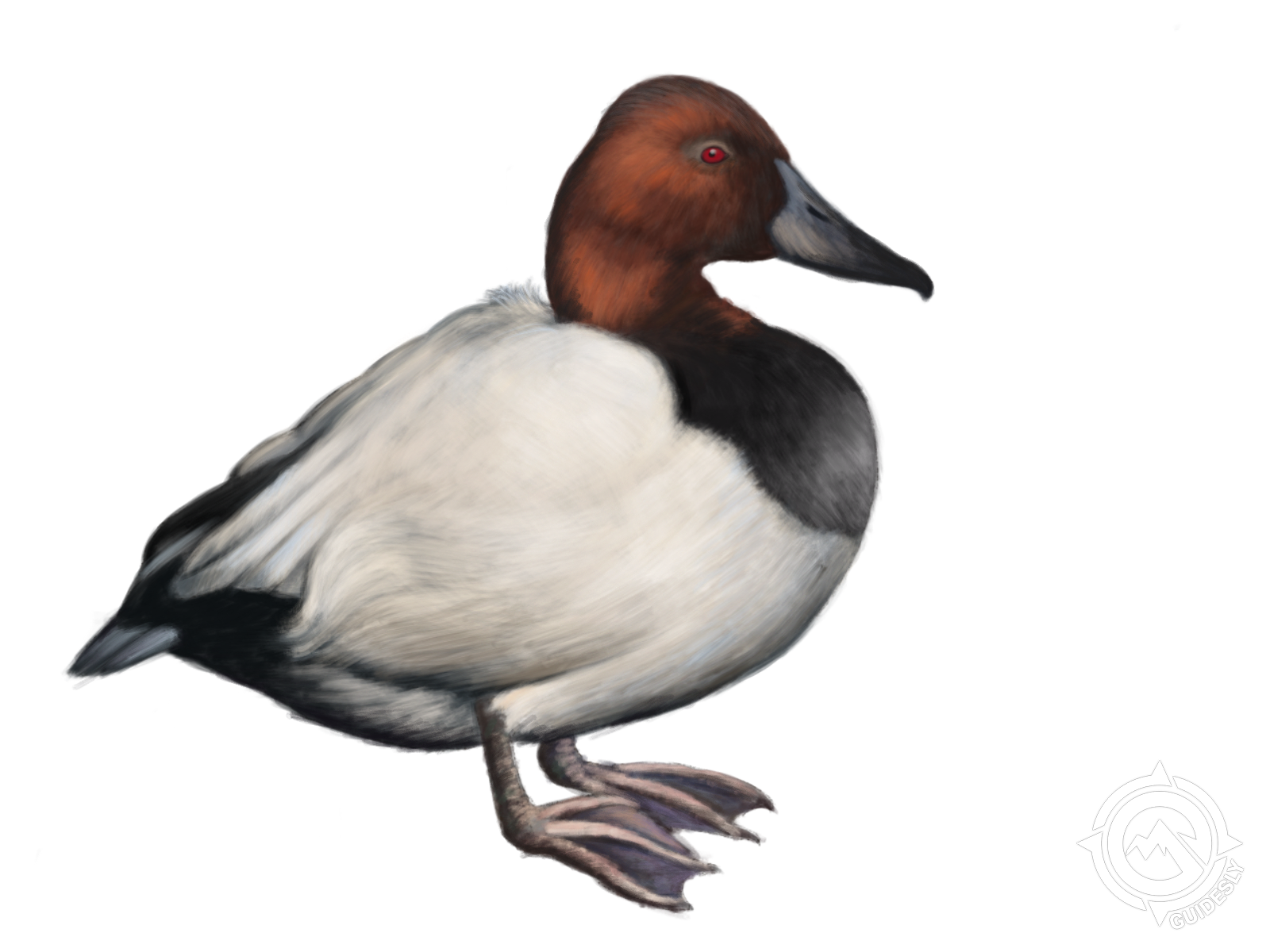
Success in the South zone comes down to reading the birds and adapting to conditions. The rice fields here create perfect feeding areas, but ducks can be picky about where they want to land. Wind direction plays a huge role – birds naturally want to land into the wind, so we position blinds accordingly. The flooded timber sections require different tactics entirely. Wood ducks love the cover, but they're spooky and won't tolerate movement once they're circling. In the oxbows and sloughs, you're dealing with current and changing water levels that affect how decoys sit and how birds approach. We use a mix of decoy spreads depending on target species – smaller groups for wood ducks, larger spreads for divers like canvasback. The key is staying flexible and letting the birds tell you what they want. Some days they're working low and fast, other days they're high and cautious. Weather changes everything too – overcast skies often mean better flying, while bluebird days can slow things down. Our guides know these waters intimately and can read subtle signs that most hunters miss.
Target Game Breakdown
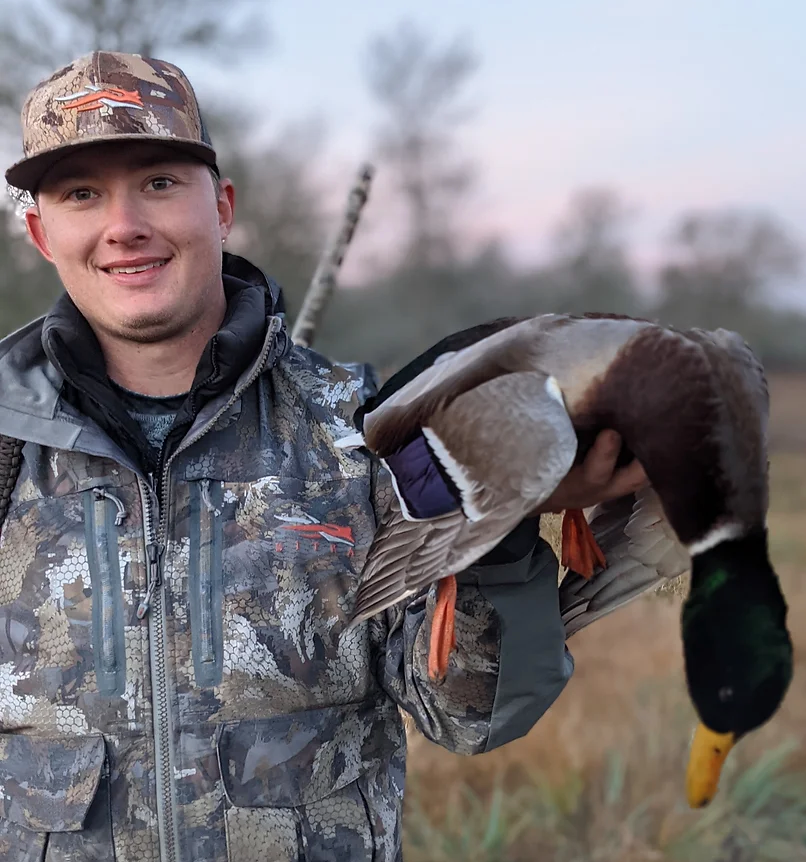
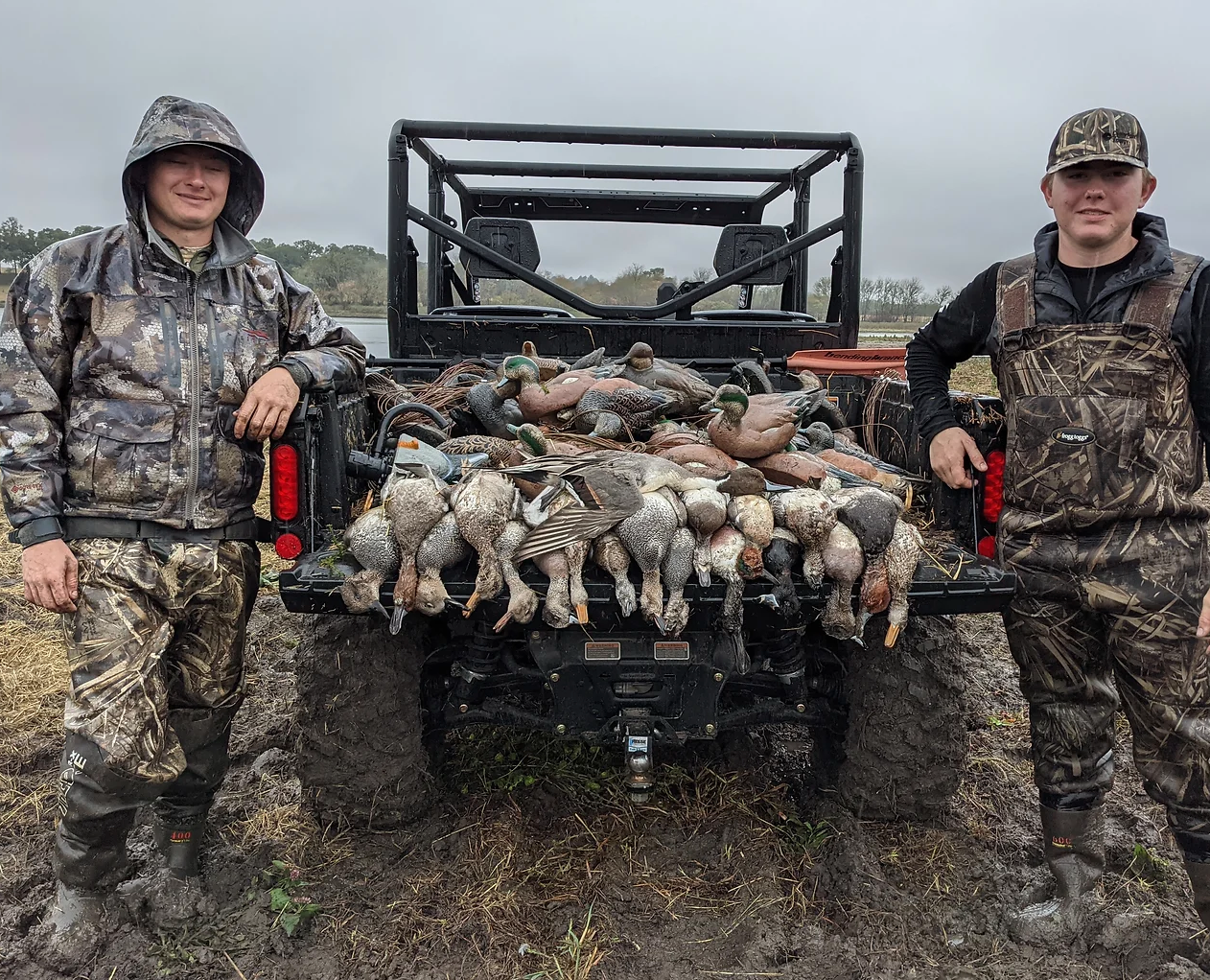
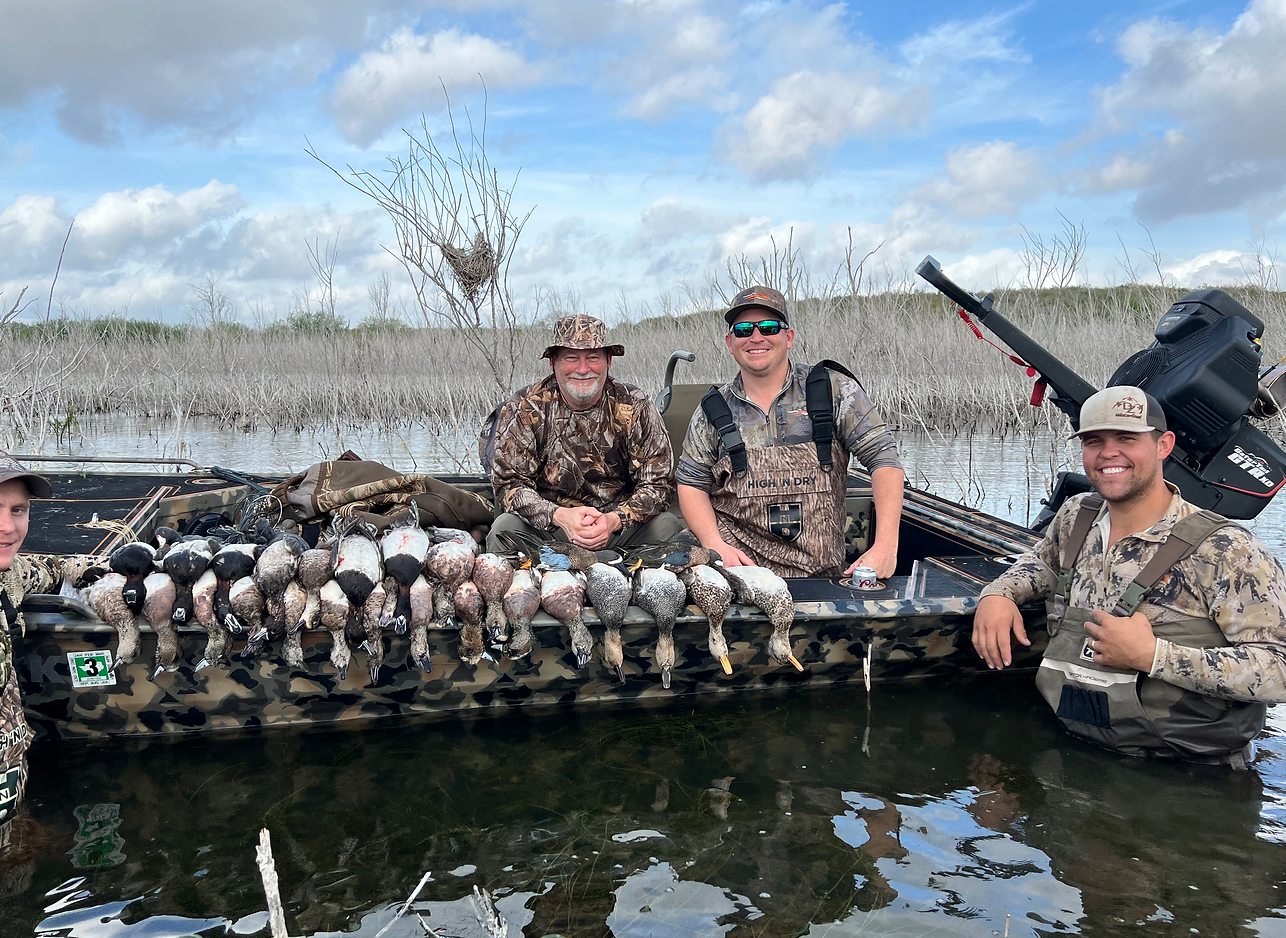
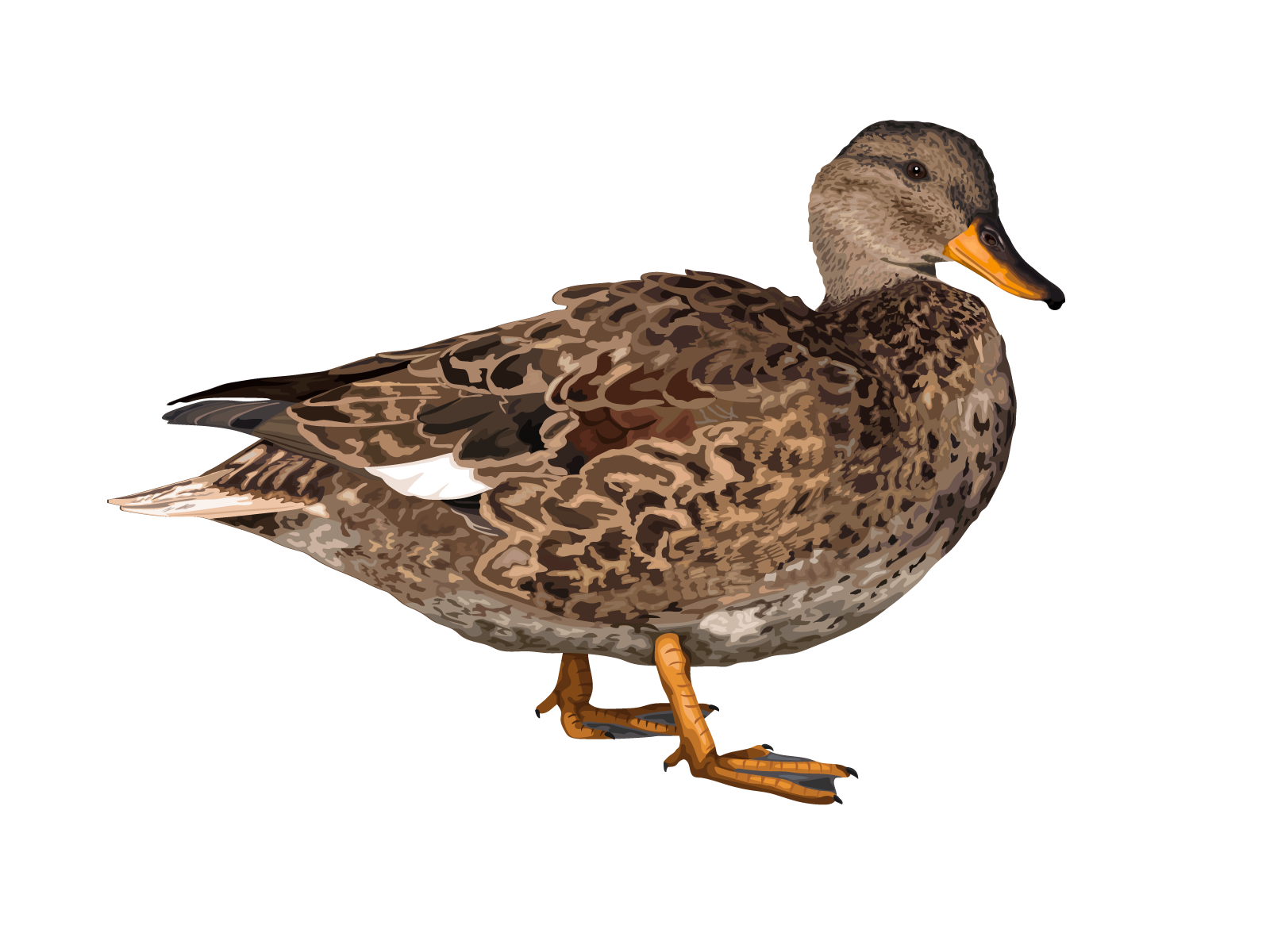
Gadwall ducks are the bread and butter of Texas waterfowl hunting, and our South zone property holds plenty of them. These gray ghosts might not be the prettiest ducks on the water, but they're smart, numerous, and excellent table fare. Gadwalls love rice fields and shallow water where they can tip up and feed on vegetation. They typically show up in good numbers from November through January, with peak flights around Christmas. What makes gadwalls special is their willingness to work decoys when called properly – they respond well to soft feeding chuckles and gentle quacks. Don't let their plain appearance fool you; a mature gadwall drake requires skill to bring down and makes for proud photos.
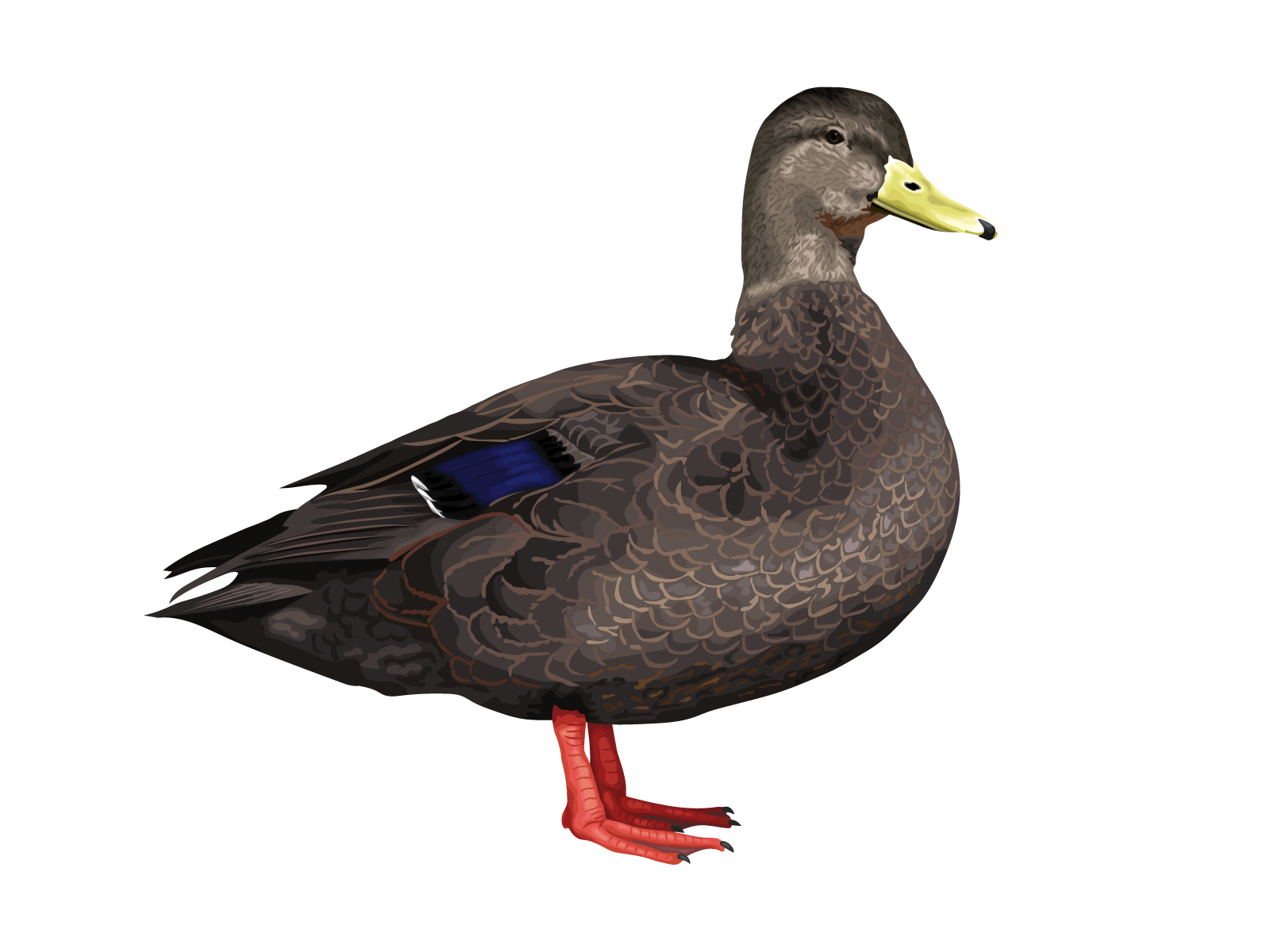
Black ducks represent the ultimate challenge for serious waterfowlers. These birds are incredibly wary and won't tolerate mistakes. In Texas, they're not as common as up north, making every shot opportunity precious. Black ducks prefer secluded areas with good cover – exactly what our oxbows and sloughs provide. They're most active during low-light periods and often fly alone or in small groups. The reward for successfully hunting black ducks goes beyond just adding one to your strap. These birds test every skill you've developed as a hunter, from calling to concealment to shot placement. When you drop a black duck, you know you've earned it.
American wigeon bring energy and excitement to any hunt. These birds are vocal, active, and often show up when you least expect them. Wigeon love shallow water areas where they can graze on vegetation, making our rice fields perfect habitat. They're known for their distinctive whistle call and their habit of following other duck species to feeding areas. Peak wigeon hunting typically runs from December through February, with cold fronts bringing fresh birds south. What hunters love about wigeon is their willingness to commit to decoys and their acrobatic flying style that creates challenging shot opportunities.
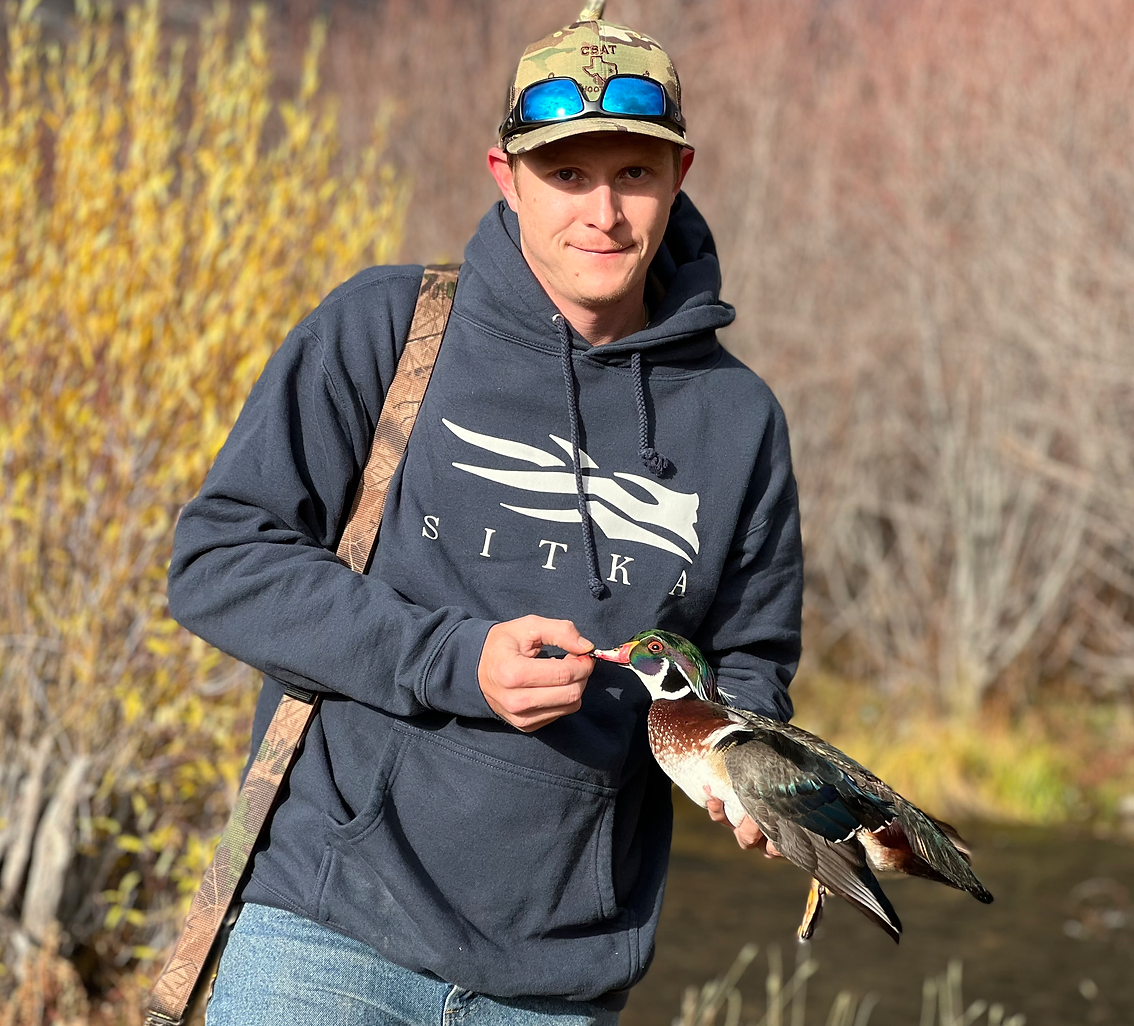
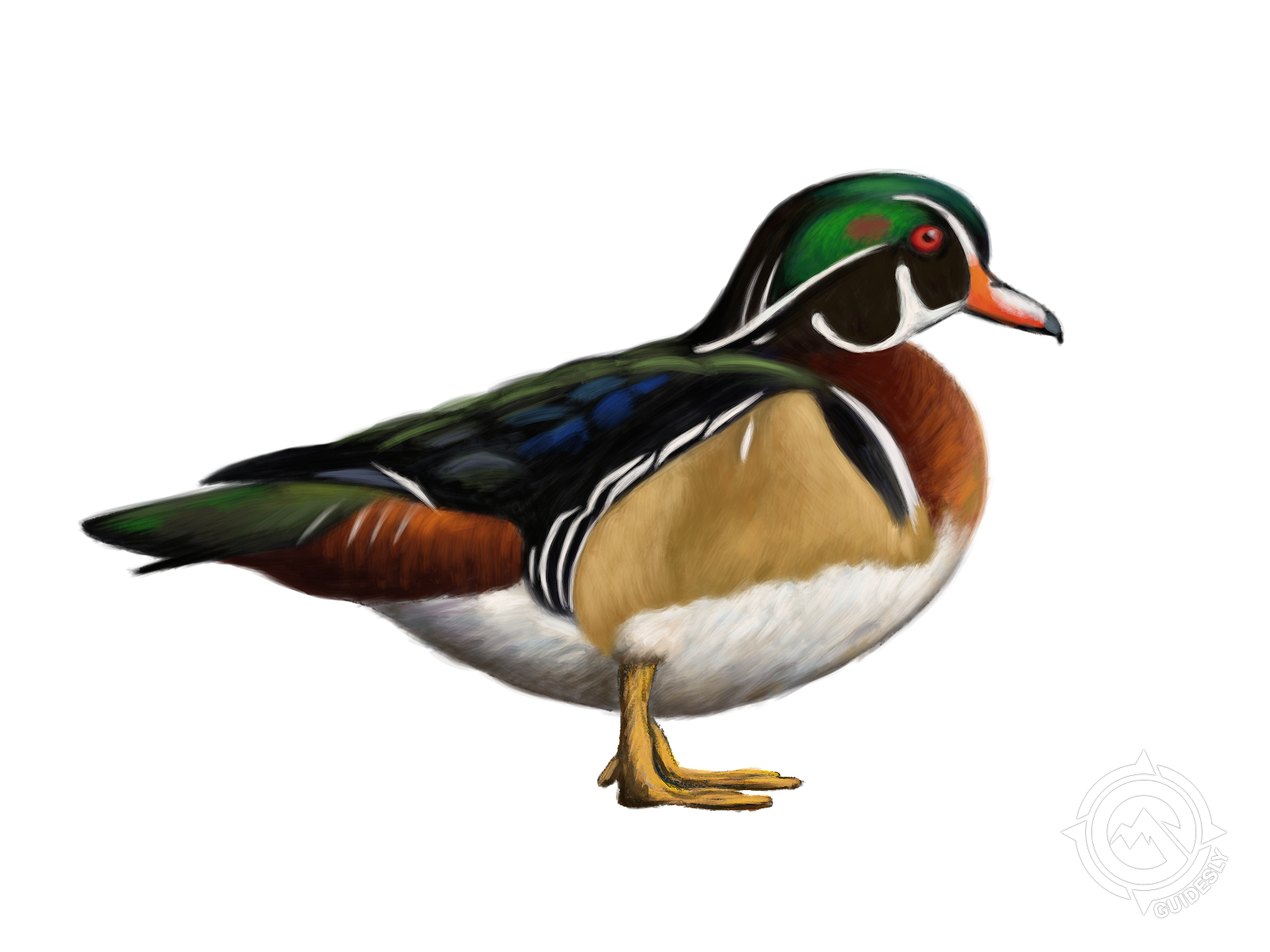
Wood ducks are the crown jewels of Texas waterfowl. With their stunning plumage and challenging hunting characteristics, woodies provide some of the most rewarding moments in the blind. Our flooded timber areas are wood duck magnets, offering the cover and acorn-rich habitat these birds crave. Wood ducks fly fast through trees, creating split-second shooting opportunities that test your reflexes. They're most active at first light and again near sunset, making those golden hour hunts particularly productive. Early season wood duck hunting can be exceptional, with local birds joined by northern migrants as temperatures drop.
Canvasback represent the pinnacle of diving duck hunting. These large, fast-flying birds are prized by hunters for their size, beauty, and table quality. Canvas require deeper water than most ducks, making our oxbows and larger sloughs ideal habitat. They typically arrive later in the season as northern waters freeze, bringing world-class hunting opportunities from late December through February. Canvasback hunting requires patience and precise shooting – these birds fly fast and straight, offering brief windows for clean shots. When you connect on a can, you're holding one of North America's premier game birds.
Book Your Next Tag
This South zone duck hunting experience delivers everything serious waterfowlers are looking for – challenging terrain, diverse species, and the kind of personalized guidance that makes good hunters better. With breakfast included and professional support throughout your hunt, you can focus entirely

 Private Trip
 Bird hunting
 Austin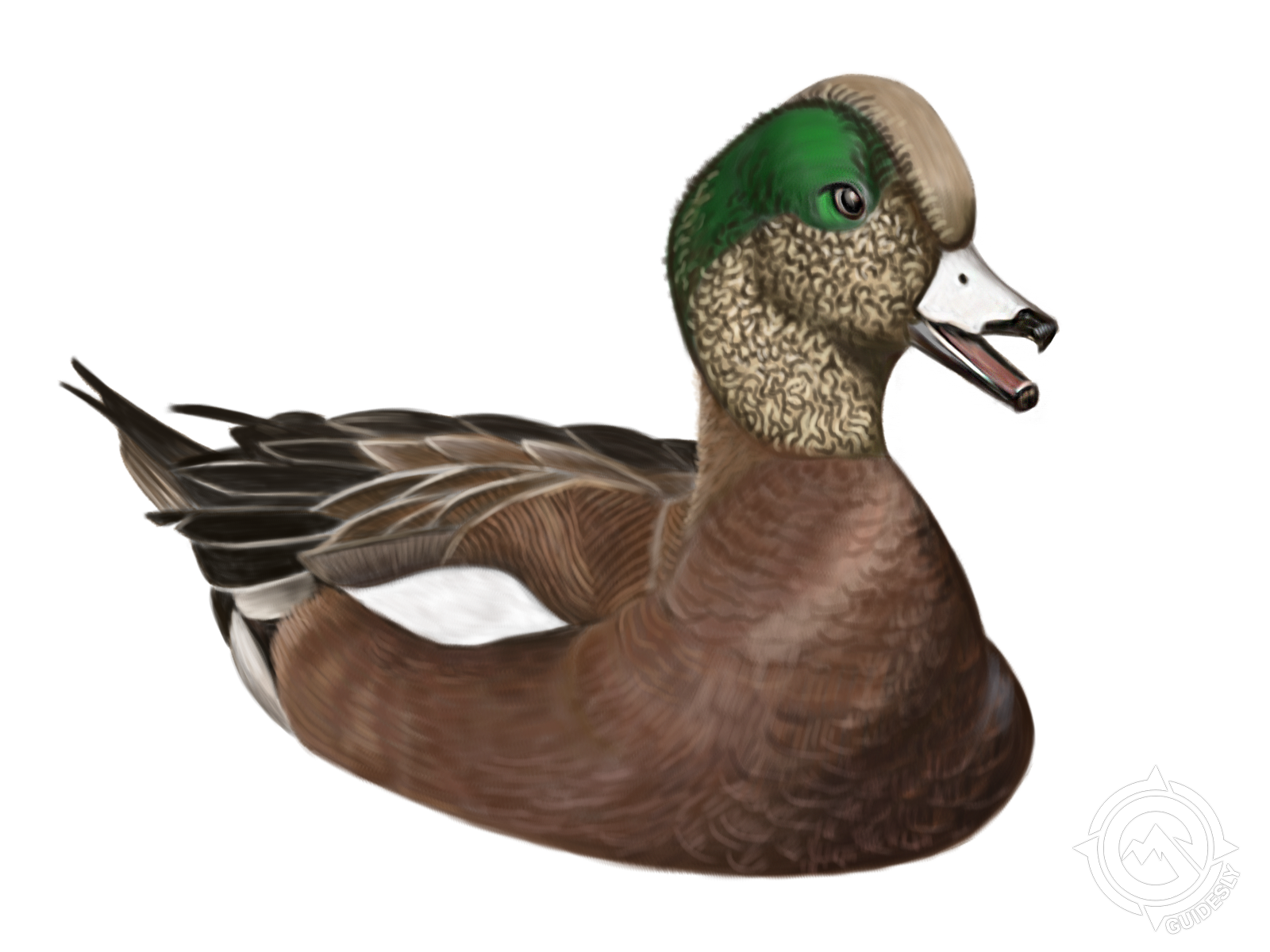
 Guided duck hunts in Texas South zone waterfowl areas