Lake Sturgeon Fishing Charter - St. Clair River
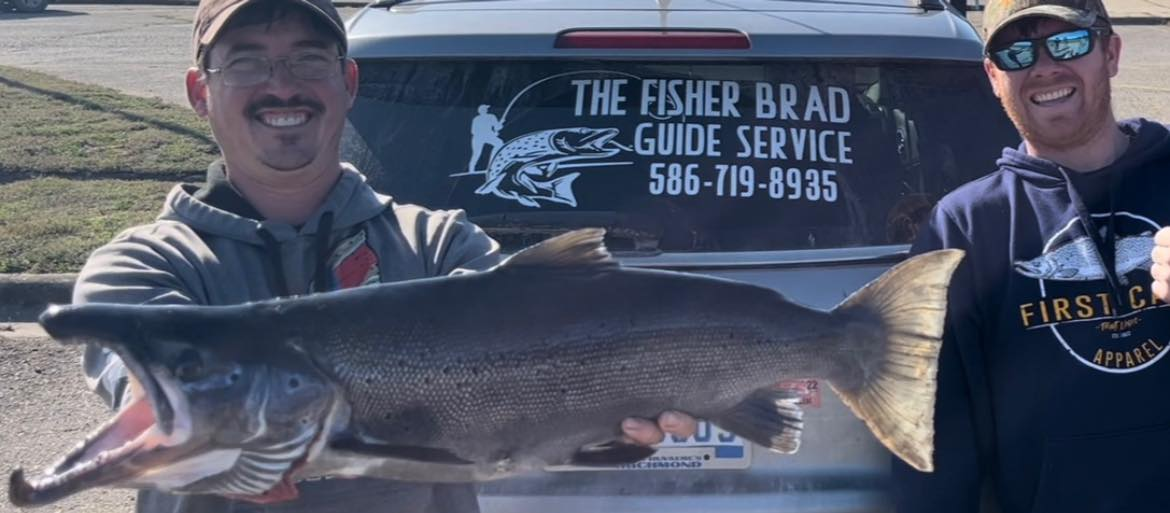
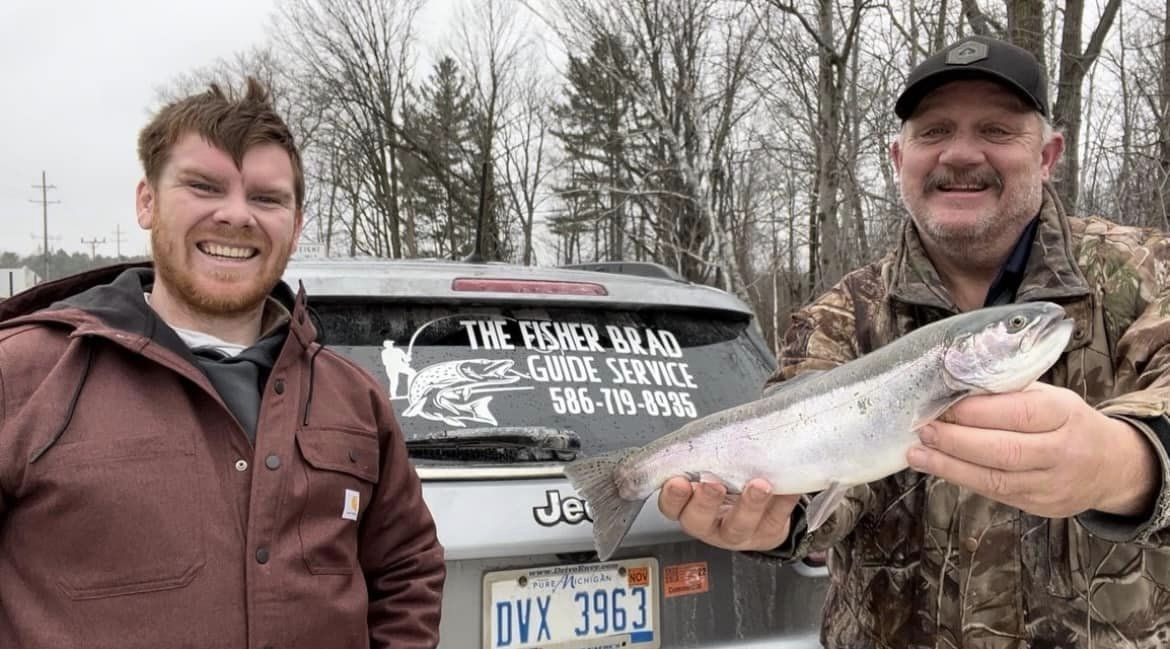
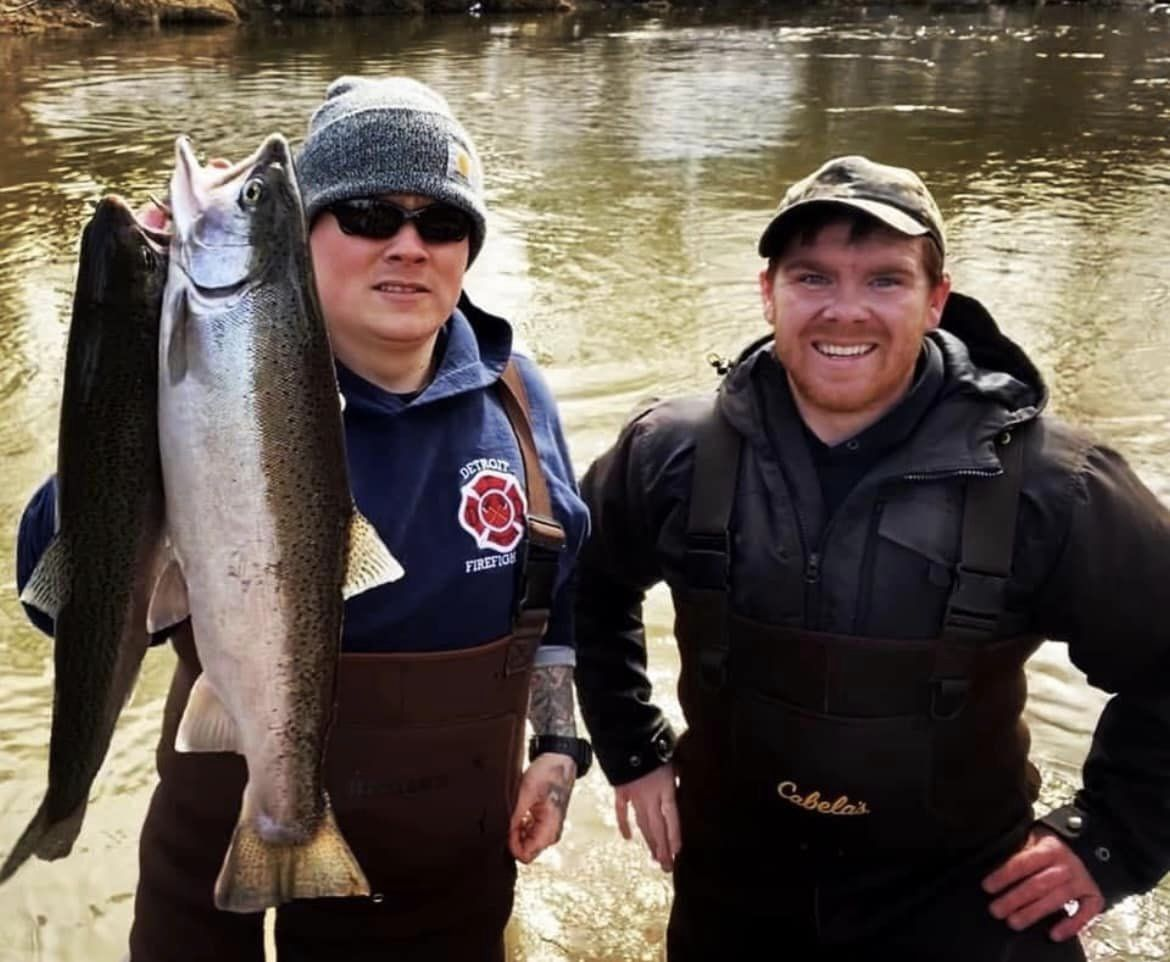
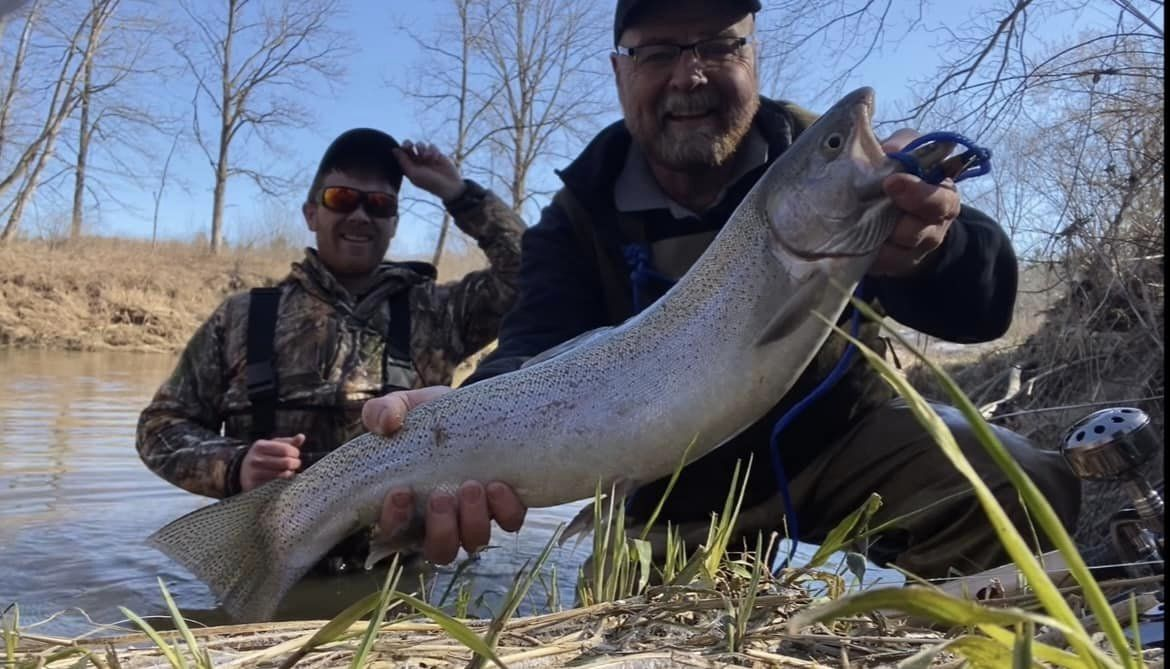
The St. Clair River isn't just another fishing spot – it's a world-class destination where prehistoric giants roam the depths alongside some of Michigan's most sought-after game fish. Captain Brad's Lake Sturgeon Fishing Charter puts you right in the heart of the action, targeting legendary lake sturgeon plus a solid mix of walleye, catfish, bowfin, and burbot. This isn't your average day on the water. We're talking about fish that have been swimming these waters since before the pyramids were built, and you've got a real shot at hooking into one of these living dinosaurs.
What to Expect on the Water
Your day starts early on the St. Clair River, where the current runs strong and the fishing runs even stronger. This charter accommodates up to 2 anglers for $500, or we can squeeze in a third person for $625 – perfect for that buddy who always wants to tag along. The beauty of fishing the St. Clair is the diversity. One minute you're battling a prehistoric lake sturgeon that could weigh more than you do, the next you're reeling in a nice walleye for dinner or wrestling with a hard-fighting bowfin that most anglers have never even seen. The river connects Lake Huron to Lake St. Clair, creating this perfect highway for fish movement, and Captain Brad knows exactly where they like to hang out. Current breaks, drop-offs, and structure spots that hold fish year after year – that's where we'll be setting up.
Techniques & River Know-How
Sturgeon fishing is all about patience and the right approach. We're bottom fishing with heavy tackle, using circle hooks and natural baits like nightcrawlers, leeches, and cut bait. The key is getting your offering down to where these bottom-dwellers cruise along, feeling around with those whiskers for an easy meal. Captain Brad provides all the gear you'll need – heavy rods that can handle a 100-pound fish, strong reels with smooth drags, and terminal tackle designed for the big boys. For the other species we target, we'll switch up techniques depending on what's biting. Walleye might call for jigging or trolling, while catfish respond well to still-fishing with stink baits. The St. Clair's current is always a factor, so we're constantly adjusting weight and presentation to keep baits in the strike zone. Don't worry if you're new to this – Brad walks everyone through the techniques and handles the technical stuff so you can focus on fighting fish.
Target Species
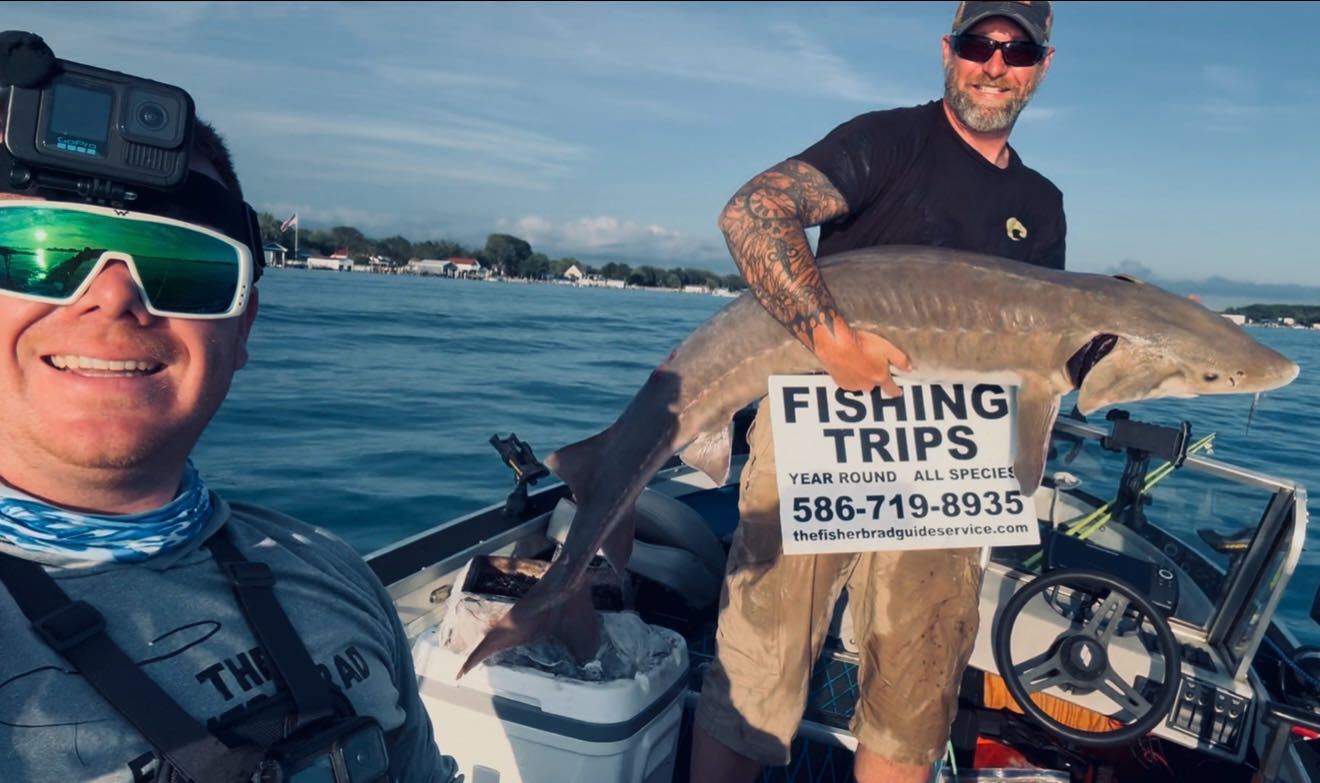
Lake Sturgeon are the crown jewel of Great Lakes fishing, and the St. Clair River offers some of the best sturgeon action you'll find anywhere. These prehistoric beasts can live over 100 years and grow massive – we're talking fish that can hit 200 pounds or more. What makes them special isn't just their size, it's their fighting style. A big sturgeon will take off on powerful runs that'll test your gear and your arms. They're bottom feeders with sensitive barbels that help them locate food, which is why we fish right on the bottom with natural baits. Spring and fall tend to be the hottest times, when they're actively feeding and moving through the system. Catch-and-release is the rule with these giants – they're too valuable to the ecosystem and too slow-growing to keep.
Walleye are the bread and butter of Great Lakes fishing, and the St. Clair River serves up some beauties. These golden-sided fighters are top-notch table fare and put up a respectable scrap on light tackle. They school up around structure and current breaks, especially during their spring and fall migrations. A good St. Clair walleye runs 2-4 pounds, with occasional monsters pushing 8 pounds or better. They're sight feeders with excellent vision in low light, making early morning and evening prime time. The rocky areas and drop-offs along the river hold walleye consistently, and Captain Brad knows which spots produce when the weather and water conditions line up right.
Channel Catfish in the St. Clair fight harder than most people expect. The current keeps them strong and muscular, and they'll make solid runs when hooked. These whiskered fighters love the deeper holes and current seams, where they patrol for dead fish, insects, and other protein sources. Summer is prime catfish time when water temperatures climb and they become aggressive feeders. A typical St. Clair channel cat runs 5-15 pounds, but don't be surprised if you tie into a 20-pounder that'll give you a real workout. They're excellent eating if you decide to keep a few for the fryer.
Bowfin are often called "living fossils" because they've remained virtually unchanged for millions of years. Most anglers have never caught one, which makes them a real trophy in my book. These prehistoric predators are built for power – thick bodies, massive heads, and attitudes that match their appearance. They inhabit the weedy backwaters and slower sections of the river system, where they ambush prey with lightning-fast strikes. A bowfin fight is unlike anything else – they'll thrash on the surface, make powerful runs, and generally raise hell until they're in the net. They're not great table fare, but as a catch-and-release trophy, they're hard to beat.
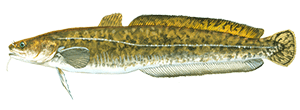
Burbot are the "poor man's lobster" of the Great Lakes, and they're one of the most underrated fish swimming. These eel-like members of the cod family are the only freshwater cod in North America, and they're absolutely delicious. They're also weird-looking enough that most people don't know what they've caught when they hook one. Burbot are cold-water specialists that feed heavily under the ice and in early spring. They love rocky areas and deeper water, where they hunt for crayfish, small fish, and other bottom-dwelling creatures. The meat is white, flaky, and mil
 Shared Trip
 River Fishing
 Port Huron, MI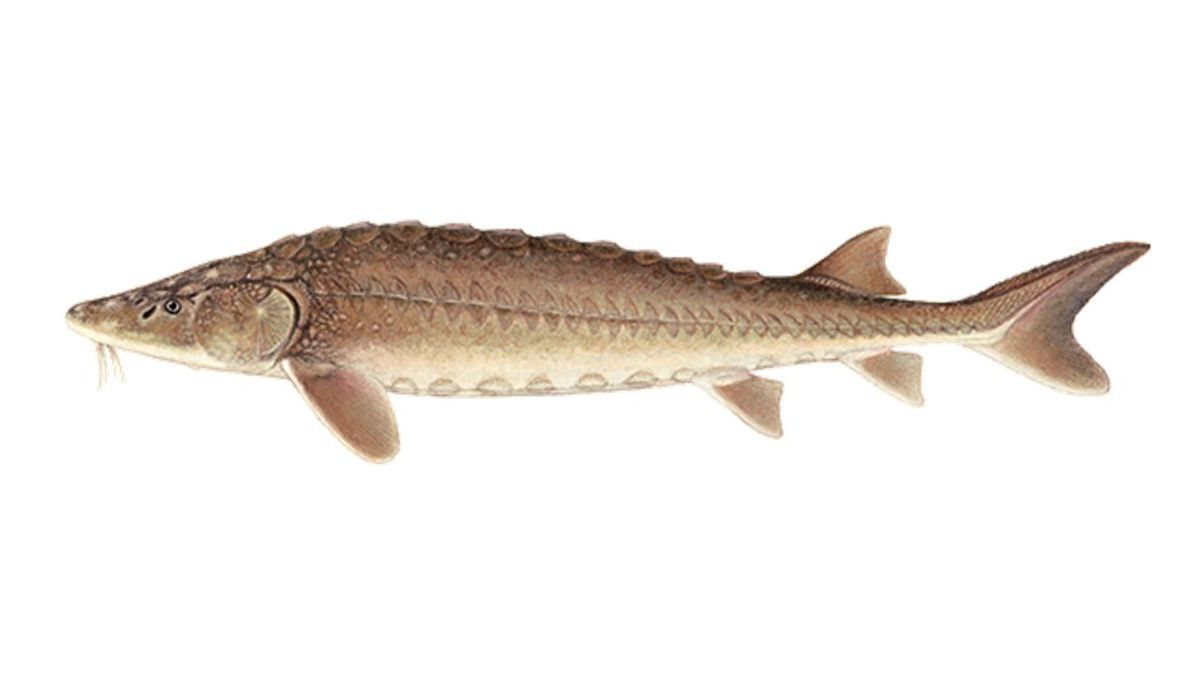



 Target lake sturgeon, catfish, bowfin, and multiple species