Columbia River Fishing Charter for Beginners
Picture yourself casting a line into the mighty Columbia River while the morning mist dances across the water. This half-day fishing charter is crafted specifically for folks who are new to fishing or want to sharpen their skills without the pressure of a full-day commitment. You'll join one of our experienced captains who knows every productive hole, current break, and seasonal hotspot along this legendary waterway. With room for just two guests, you get personalized attention that makes all the difference between coming home empty-handed or with a cooler full of fish stories and maybe even dinner. The Columbia doesn't mess around when it comes to quality fishing, and neither do we.
What to Expect on the Water
Your morning starts early because that's when fish are most active and the river traffic is light. We'll meet at the launch ramp where your captain will go over safety basics and give you the rundown on what species are biting. The boat is equipped with all the gear you need, from rods and reels to tackle and nets, so you can focus on learning instead of worrying about equipment. We fish the prime stretches where salmon run thick during peak seasons, and your guide knows exactly which lures work best in current conditions. The pace stays relaxed but productive – perfect for beginners who want to build confidence while actually catching fish. You'll learn proper casting techniques, how to read the water, and when to set the hook. Most guests are surprised by how much they pick up in just a few hours on the river.
Techniques & Tackle
Columbia River fishing is all about adapting to conditions, and your captain will teach you the methods that work best for each species. For salmon, we typically troll with diving plugs or pull spinners through the current seams where fish stage before heading upstream. When targeting walleye, we'll drift with bottom bouncers and crawler harnesses along rocky structure where these tasty fish hang out. Sturgeon fishing requires a completely different approach – we anchor up and fish heavy sinkers with smelt or shad on the bottom. Your guide handles all the rigging and shows you exactly how each setup works, so you understand why we use certain techniques in specific spots. The rods are medium to heavy action to handle the Columbia's strong current and the powerful fish that call it home. Don't worry about bringing anything – we provide quality tackle that's matched to current fishing conditions.
Species You'll Want to Hook
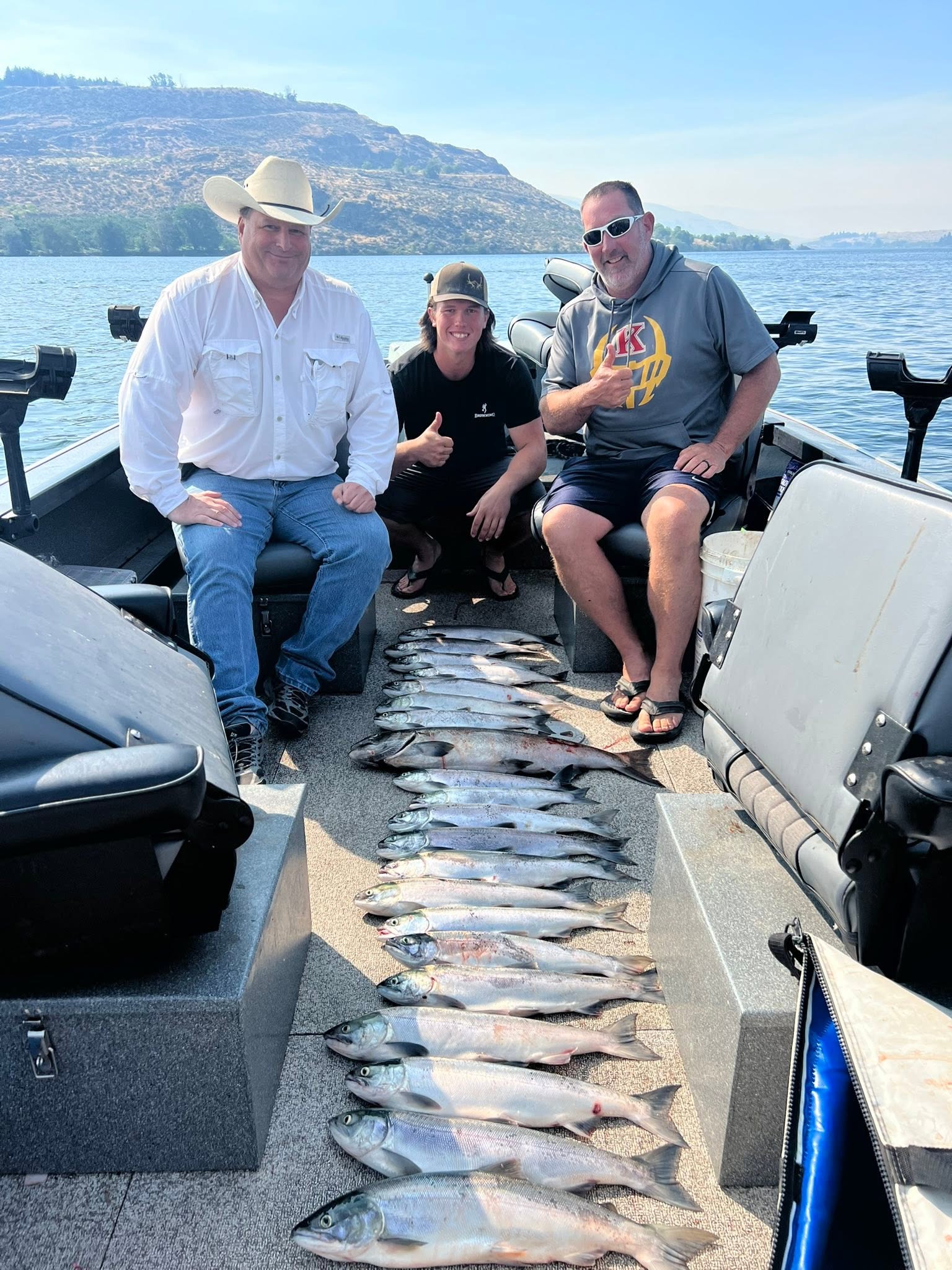
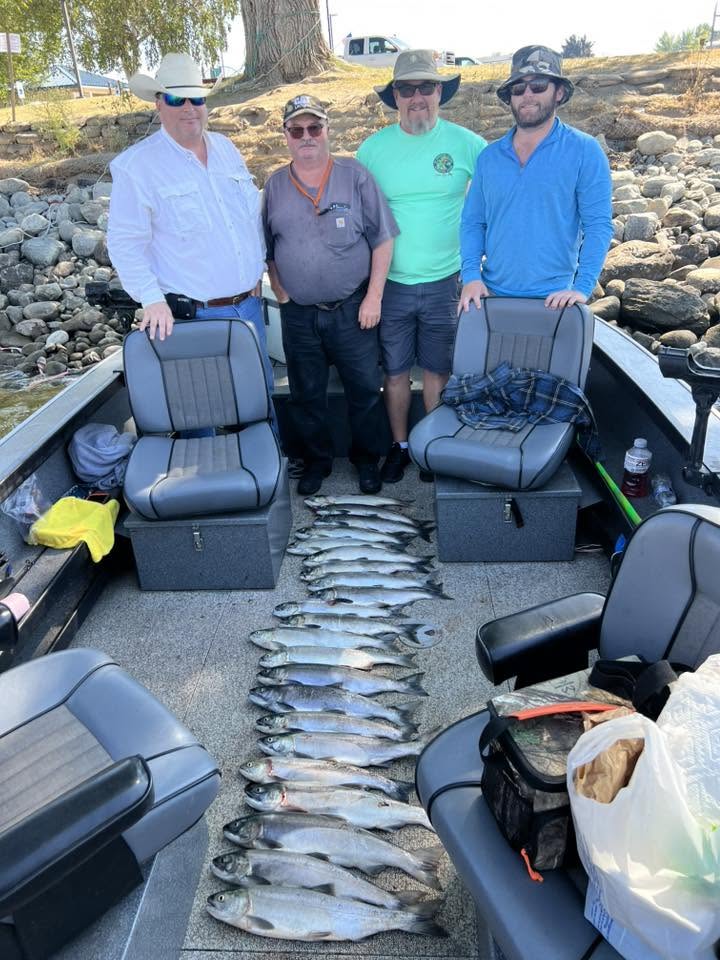
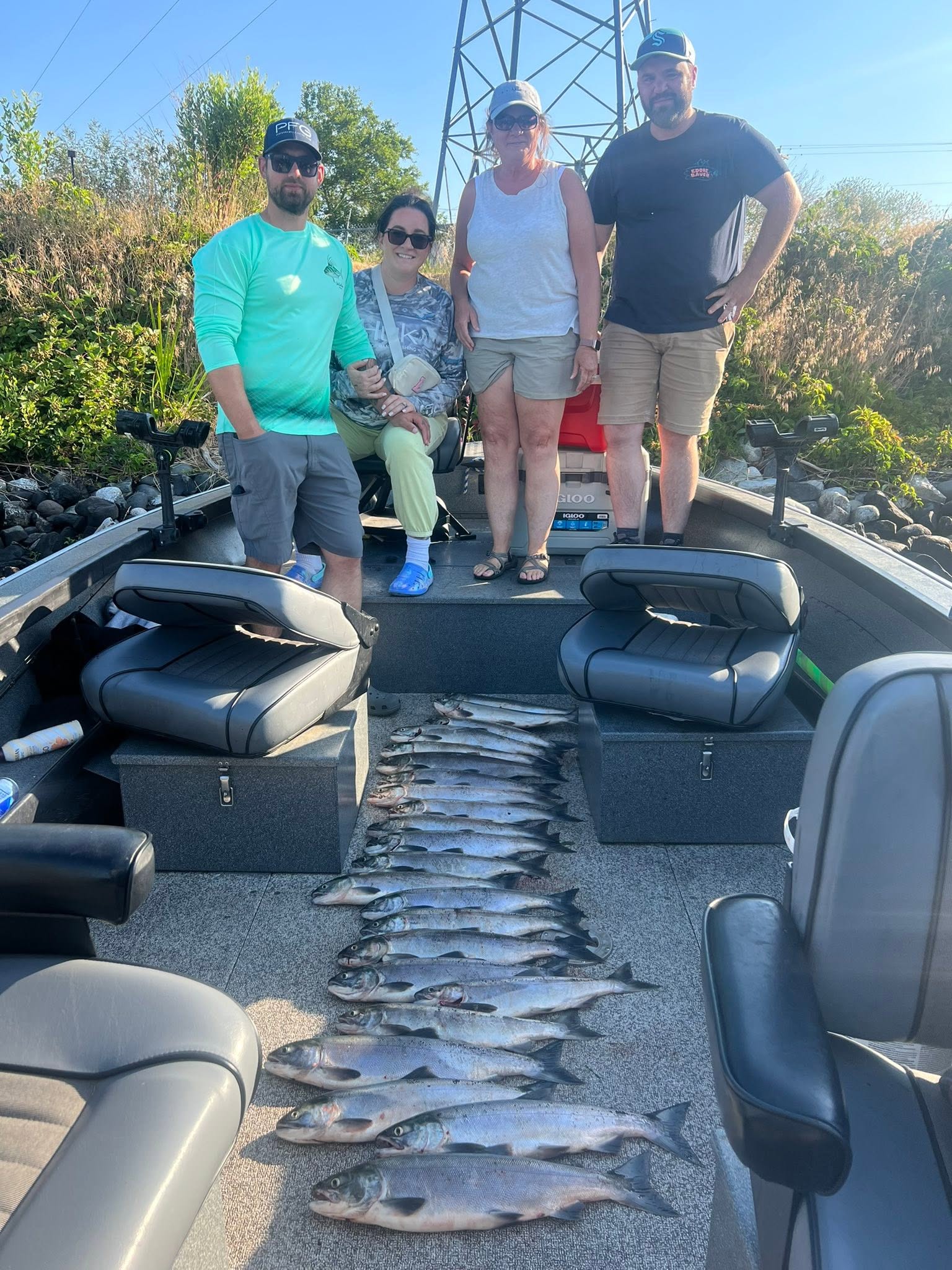
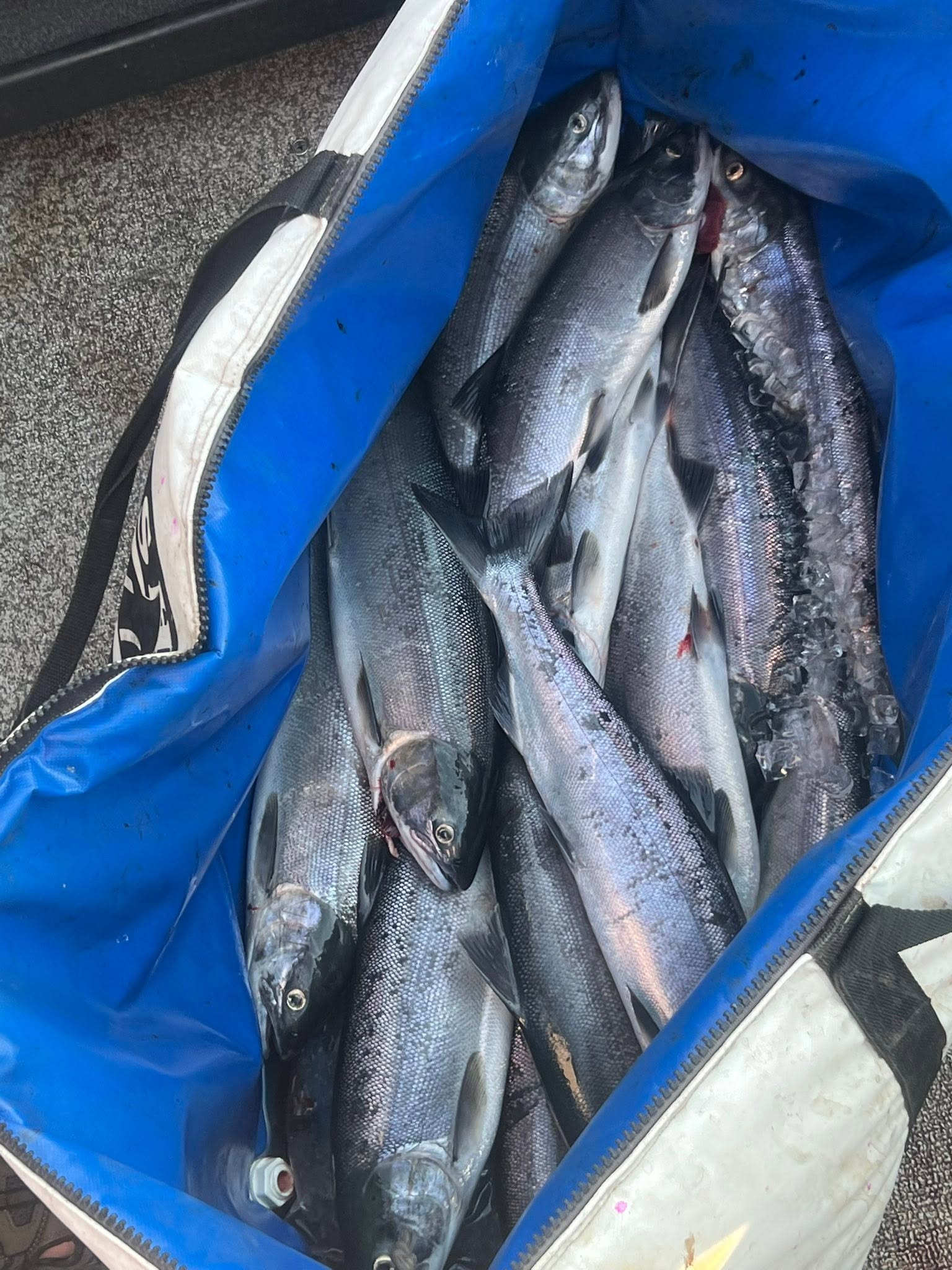
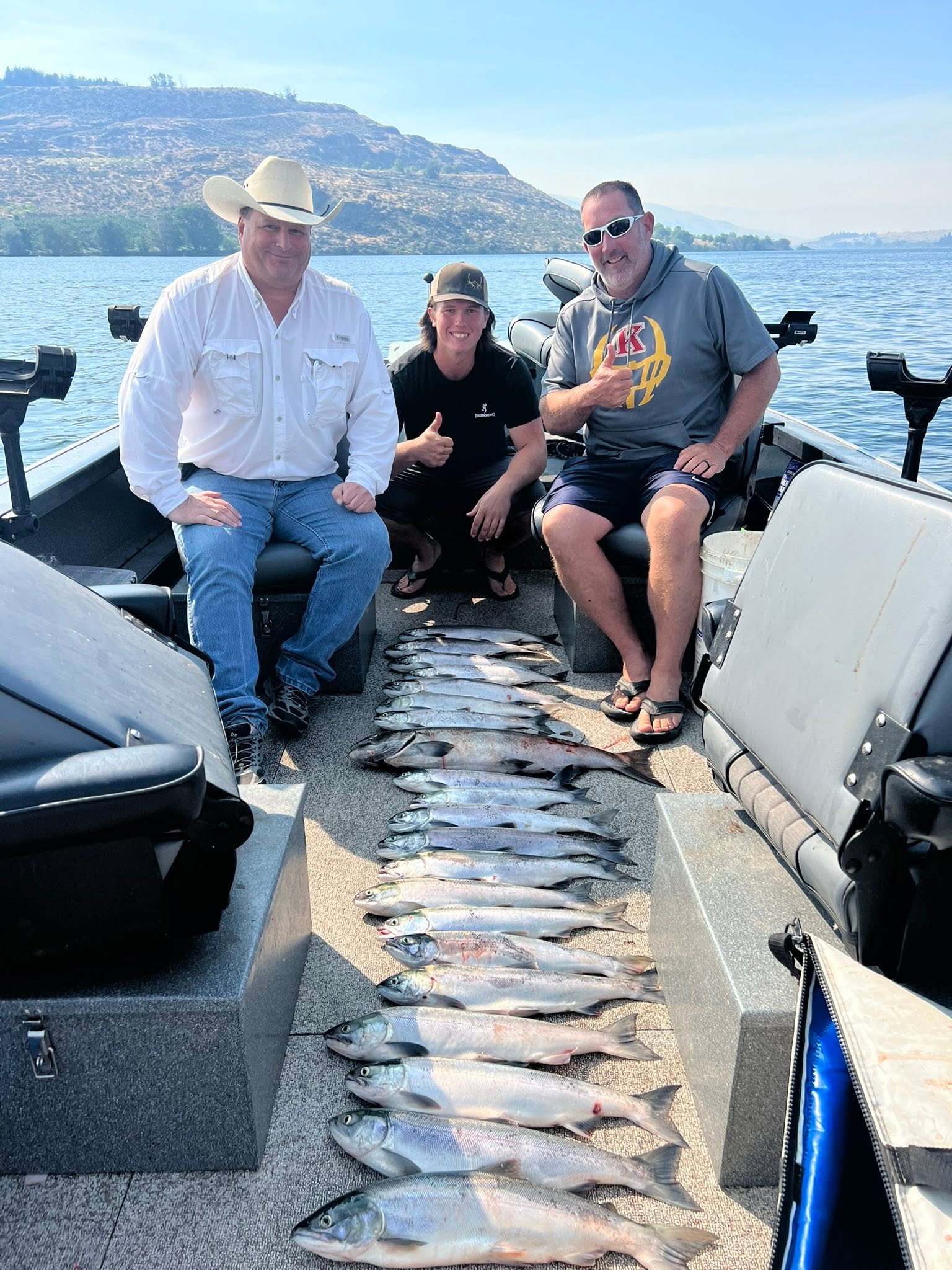
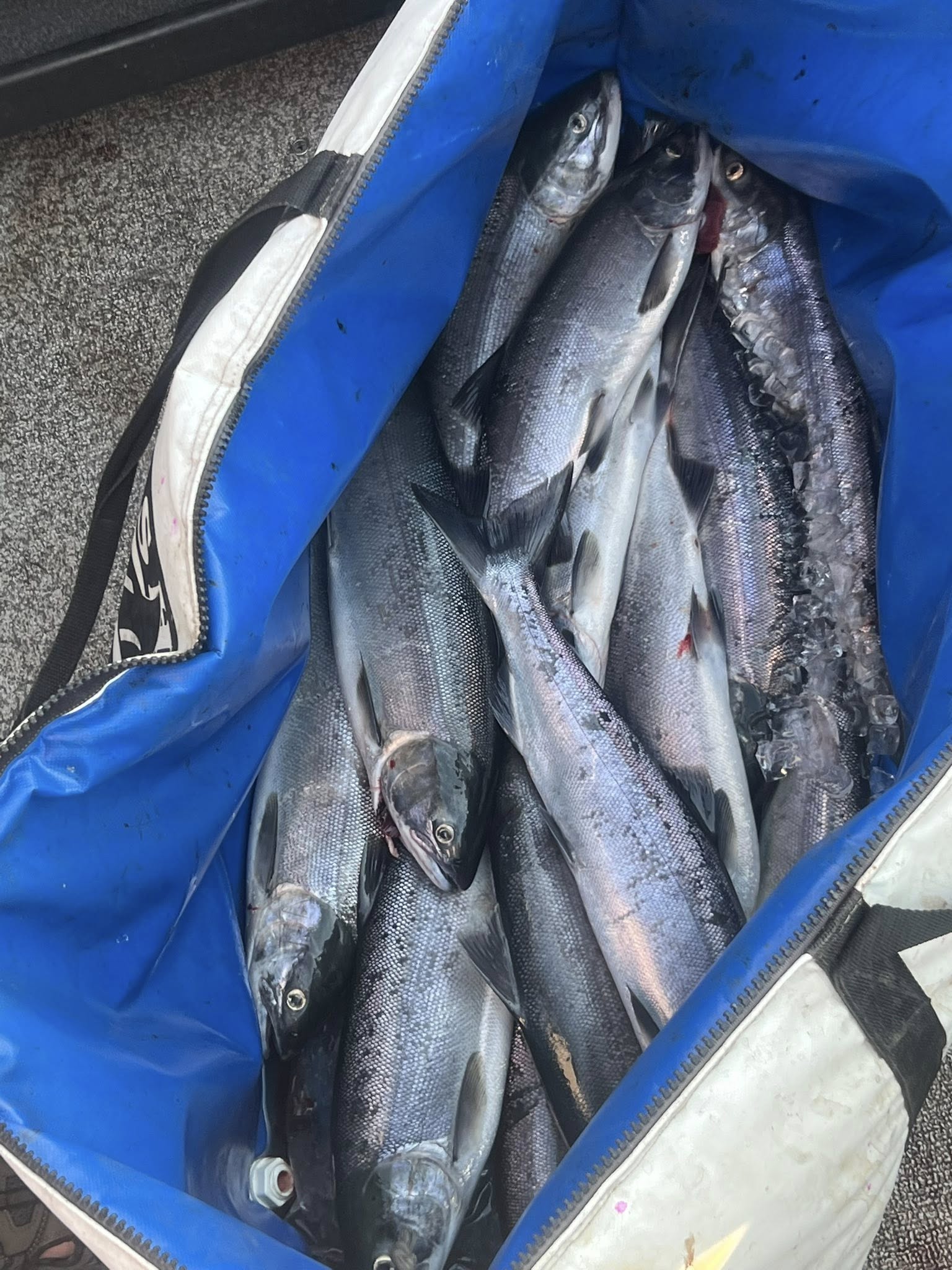
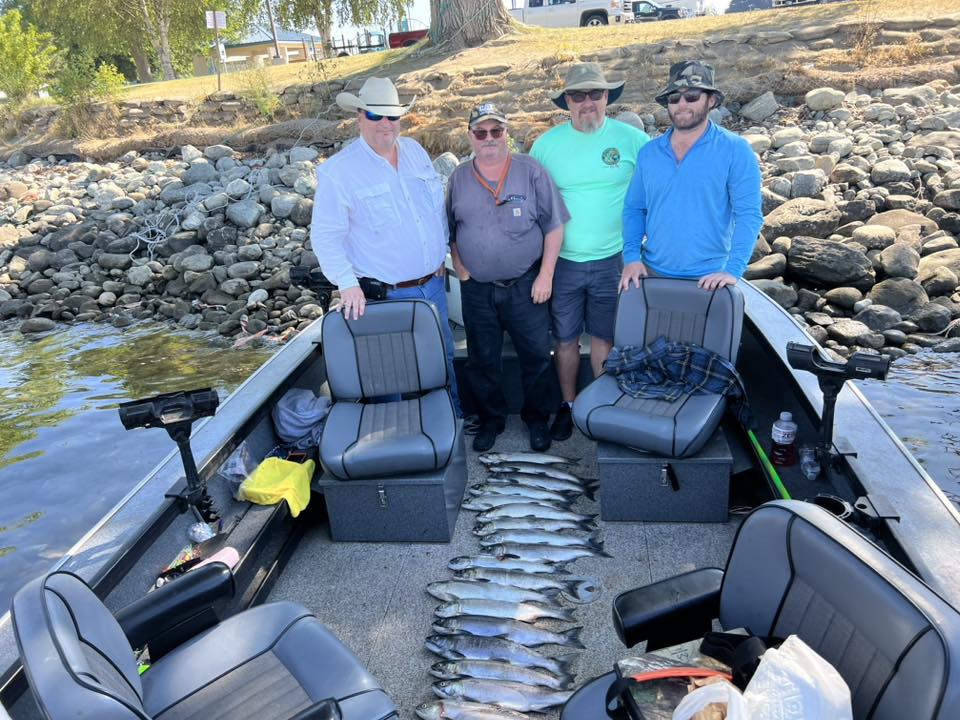
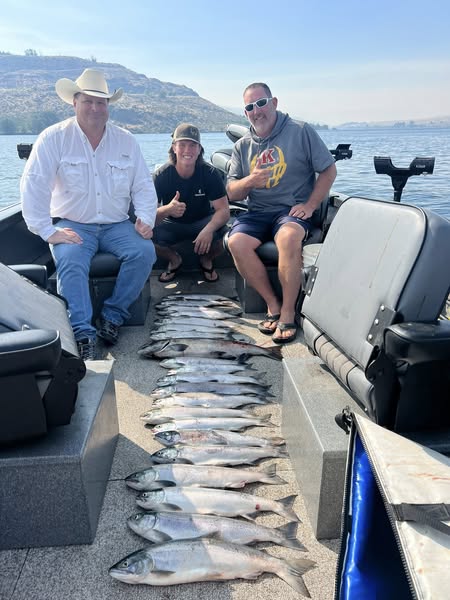
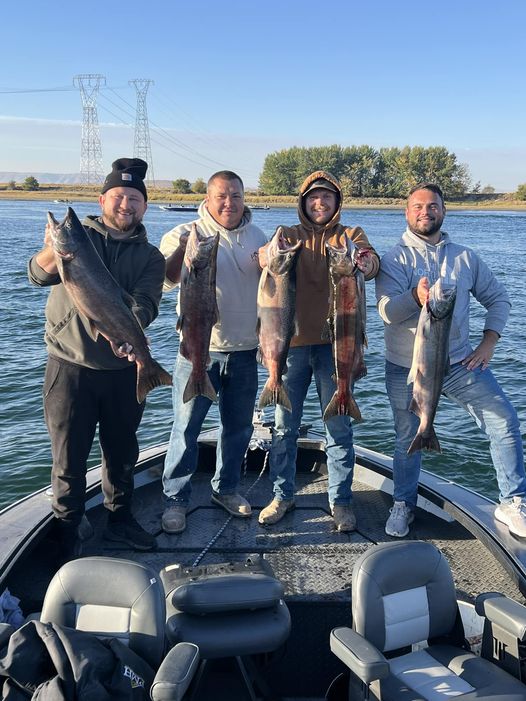
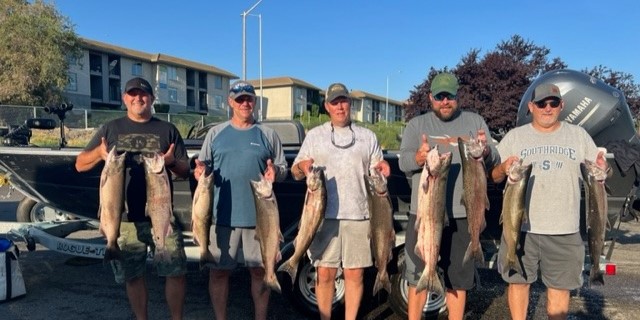
Chinook salmon are the crown jewel of Columbia River fishing, and these powerful fish make every angler's heart race when they grab the line. Also called king salmon, these bruisers can weigh anywhere from 15 to 40 pounds and fight like freight trains once hooked. Peak season runs from late spring through early fall, with the best action typically in June and July when fresh fish are moving upriver. What makes chinook so special is their combination of size, strength, and incredible table fare – there's nothing quite like fresh Columbia River salmon on the grill. Your captain knows where these fish travel and will position you in the current breaks and deeper holes where they rest during their upstream journey.
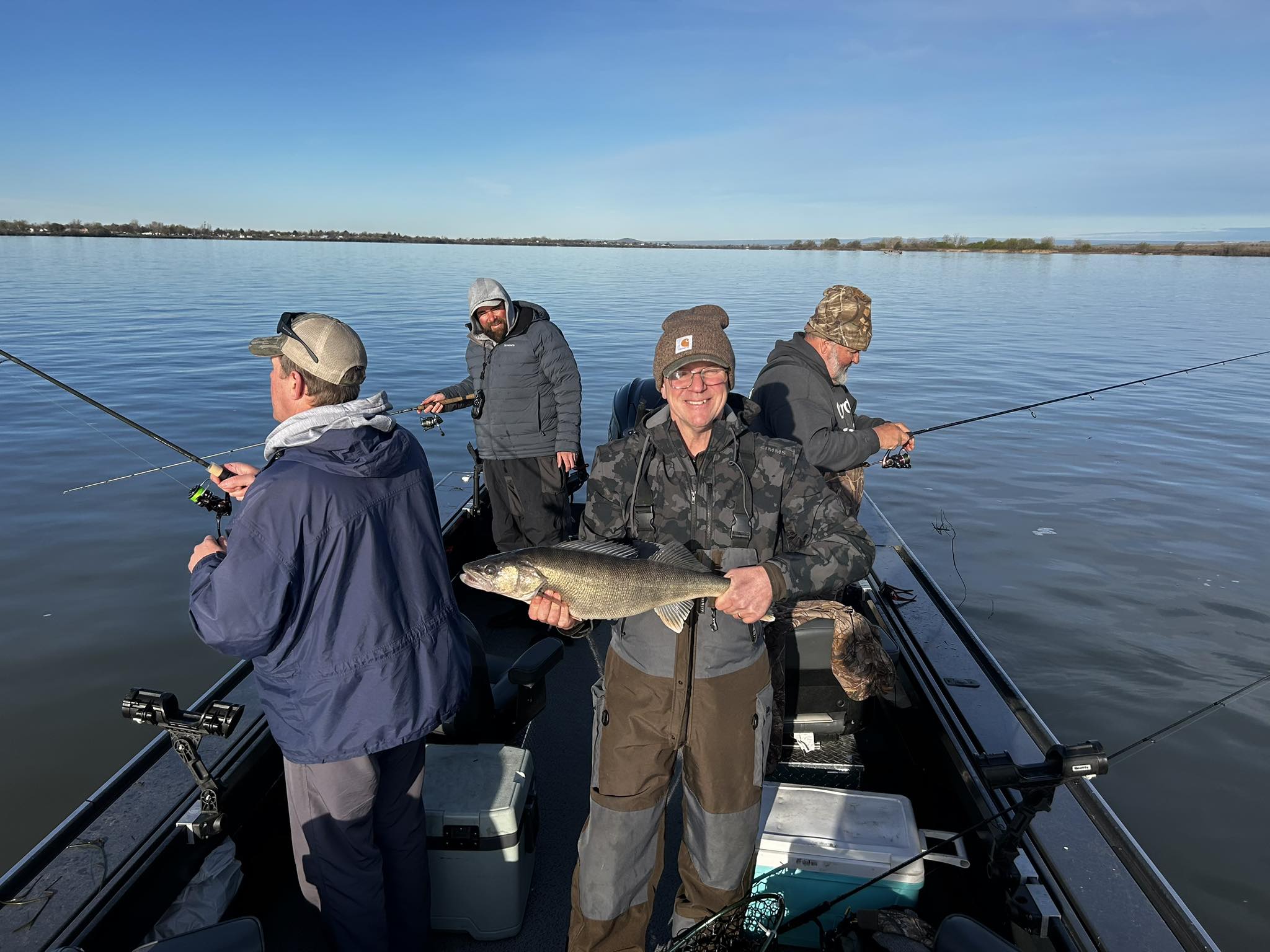
Walleye might not have the glamour of salmon, but they're hands-down the best eating fish in the river and a blast to catch. These golden beauties average 2 to 4 pounds with some real heavyweights pushing 8 pounds or more. They bite consistently through spring and summer, making them perfect targets for beginners who want steady action. Walleye have excellent eyesight and feed heavily at dawn and dusk, which is why our morning trips produce so well. They fight with quick, sharp runs and have a habit of swimming toward the boat before making a last-ditch effort to escape at the net. The meat is white, flaky, and mild – even folks who don't usually like fish often become walleye converts after their first taste.
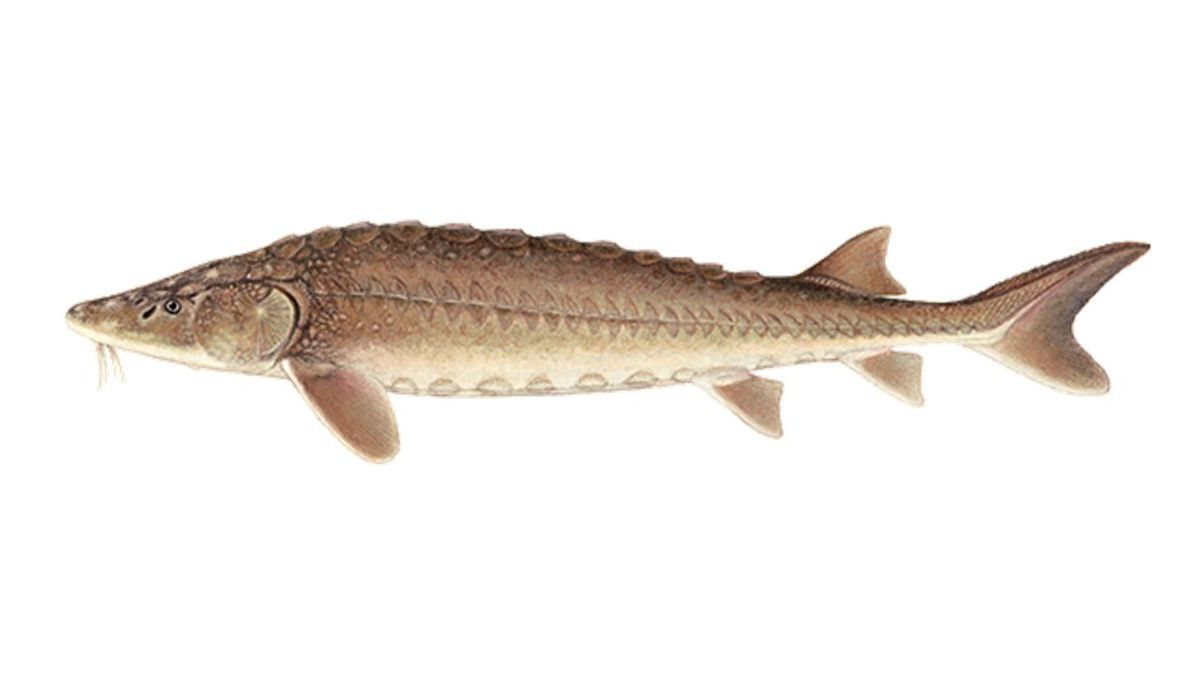
Lake sturgeon are true river monsters and catching one is an experience you'll never forget. These prehistoric fish can live over 100 years and grow to massive sizes – we've had guests land sturgeon over 8 feet long and 200 pounds. What's really amazing is that sturgeon are catch-and-release only, so every fish you see has been swimming these waters for decades. They're bottom feeders with incredible strength, and when a big sturgeon decides to run, it can take 100 yards of line in seconds. The fight can last 20 minutes or more, and you'll definitely feel it in your arms afterward. Sturgeon bite year-round but are most active during warmer months when they're feeding heavily to prepare for winter.
Time to Book Your Spot
The Columbia River delivers world-class fishing right in our backyard, and this beginner-friendly charter is your ticket to experiencing it firsthand. Whether you're a complete newcomer to fishing or someone who wants to learn river techniques from a seasoned pro, this half-day trip gives you everything you need to succeed on the water. You'll come away with new skills, great memories, and hopefully some fish for the table. Our captains genuinely love sharing their knowledge and seeing guests catch their first salmon or monster sturgeon. The river is always changing, which keeps every trip interesting and ensures there's always something new to learn. Don't let another season pass without getting out there – the fish are waiting, and so are we.
 Private Trip
 River Fishing
 Columbia River

 Half-day beginner-friendly Columbia River fishing charter