Maine Turkey Hunts with Twin Maple Outdoors
Nothing beats the rush of calling in a big Maine tom during peak season. Whether you're looking to fill your spring tag or chase birds through fall foliage, our Maine turkey hunts deliver the real deal. We're talking proper setups, proven calling techniques, and access to prime hunting grounds where these birds actually want to be. This isn't some cookie-cutter operation – every hunt gets tailored to the conditions and your hunting style. You'll be working with guides who know these woods like the back of their hand and can read turkey behavior better than most folks read the morning paper. Single hunter capacity means you get our full attention and the best shot opportunities.
Inside the Hunt
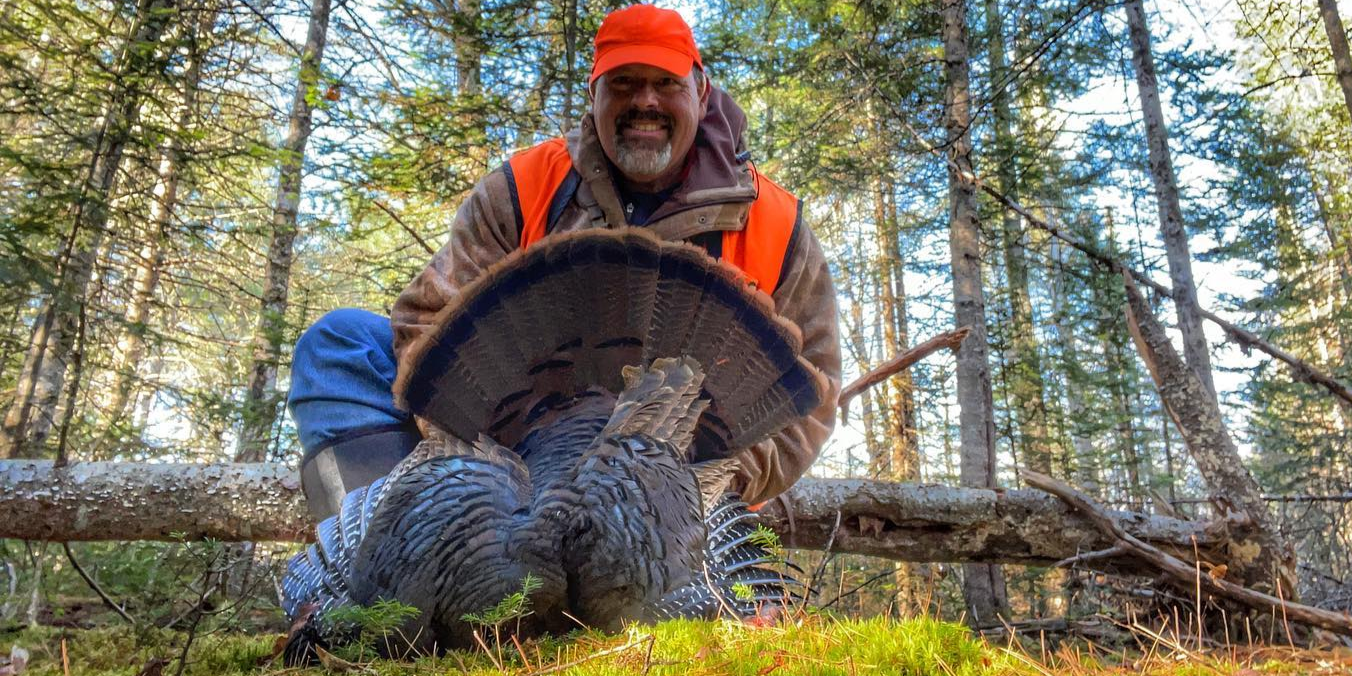
Spring hunts are where the magic happens. We're up before dawn, getting you positioned in ground blinds or mobile enough for run-and-gun tactics when the situation calls for it. The night before your hunt, we're out there roosting birds – pinpointing exactly where those toms are bedding down so we can be in the right spot come morning. No guesswork, no wasted time hiking around hoping to bump into something. Our decoy setups are designed to pull birds into comfortable shooting range, and we've got the calling skills to make it happen. When a 20-pound longbeard comes strutting in, wings dragging and gobbling his head off, you'll understand why turkey hunting gets in your blood.
Fall hunting brings a completely different challenge and strategy. We're targeting both toms and hens, using flock-busting techniques that work particularly well in Maine's mixed terrain. The idea is to scatter a group, then set up and call the separated birds back in. It requires patience and skill, but when it works, you'll have multiple shot opportunities. We hunt the edges of reforested areas and protected pastures where turkeys feel safe to feed and roost. The birds are less vocal than spring, but they're also less pressured and more predictable in their daily patterns.
Tracking Tips & Terrain
Maine's turkey country is diverse – everything from thick hardwood ridges to open agricultural areas and recovering clear-cuts. We use this variety to our advantage, moving between different terrain types based on weather conditions, hunting pressure, and seasonal patterns. Ground blinds work great in field edges and feeding areas, giving you concealment while birds come to feed. When we're running-and-gunning, we're covering more ground, using natural cover and terrain features to stay hidden while closing distance on vocal birds.
Calling is where experience really shows. We use a mix of box calls, slate calls, and mouth calls depending on conditions and bird behavior. Each call has its place – box calls for reaching out to distant birds, slates for close-in work when you need precise volume control, and mouth calls when you need your hands free for your shotgun. Reading bird responses is crucial. Sometimes a tom wants aggressive calling and cutting, other times he wants soft clucks and purrs. We adjust our approach based on what each individual bird tells us through his responses.
Shot placement and range management are critical aspects we cover before every hunt. Turkeys are tough birds with vital areas protected by heavy breast muscle and bone. We practice range estimation and discuss proper aiming points so when that tom steps into your shooting lane, you're ready to make a clean, ethical shot. Most successful shots happen between 20-35 yards, which is exactly where our setups are designed to bring birds.
Target Game Breakdown
The Osceola turkey is actually one of the four wild turkey subspecies, but what we're really chasing here in Maine are Eastern wild turkeys – the kings of North American turkey hunting. These birds are smart, wary, and absolutely gorgeous when a mature tom is in full strut. Eastern toms can weigh anywhere from 18-25 pounds, with some real monsters pushing even heavier. Their beards often reach 10+ inches, and mature birds sport sharp, curved spurs that can exceed an inch and a half long.
Spring behavior revolves around breeding season. Toms are gobbling to attract hens and establish dominance, making them more responsive to calling but also more unpredictable. They'll often hang up just out of range, expecting hens to come to them. This is where decoy placement and calling strategy become crucial. A tom in full strut, tail fanned and wings dragging, head changing colors from red to white to blue – it's one of the most impressive sights in North American hunting.
Fall turkeys behave completely differently. They're focused on feeding and preparing for winter, traveling in flocks and following predictable daily routines. Without breeding hormones driving their behavior, they're more cautious but also more consistent. Fall birds require different calling approaches – primarily flock talk like yelps, clucks, and assembly calls rather than the aggressive cutting and gobbling that works in spring. The challenge shifts from calling in a fired-up tom to outsmarting a group of birds that have survived hunting season and learned to be extra careful.
Book Your Next Tag
Maine turkey hunting offers some of the most rewarding hunting experiences in the Northeast, and Twin Maple Outdoors has the local knowledge and proven strategies to make your hunt successful. Whether you're drawn to the high-energy calling battles of spring or prefer the tactical challenge of fall hunting, we've got you covered with top-rated guide service and access to prime hunting areas. Our single-hunter focus means you're getting personalized attention and the best possible shot opportunities.
These birds don't wait around, and neither should you. Spring seasons fill up fast, and the best fall hunting dates book early. Tag availability and weather windows can change quickly, so securing your spot early gives you the most flexibility in planning your hunt. Ready to experience what real Maine turkey hunting is all about? Contact Twin Maple Outdoors today and let's get you set up for a hunt you'll be talking about for years to come.
 Shared Trip
 Active hunting
 Maine
Maine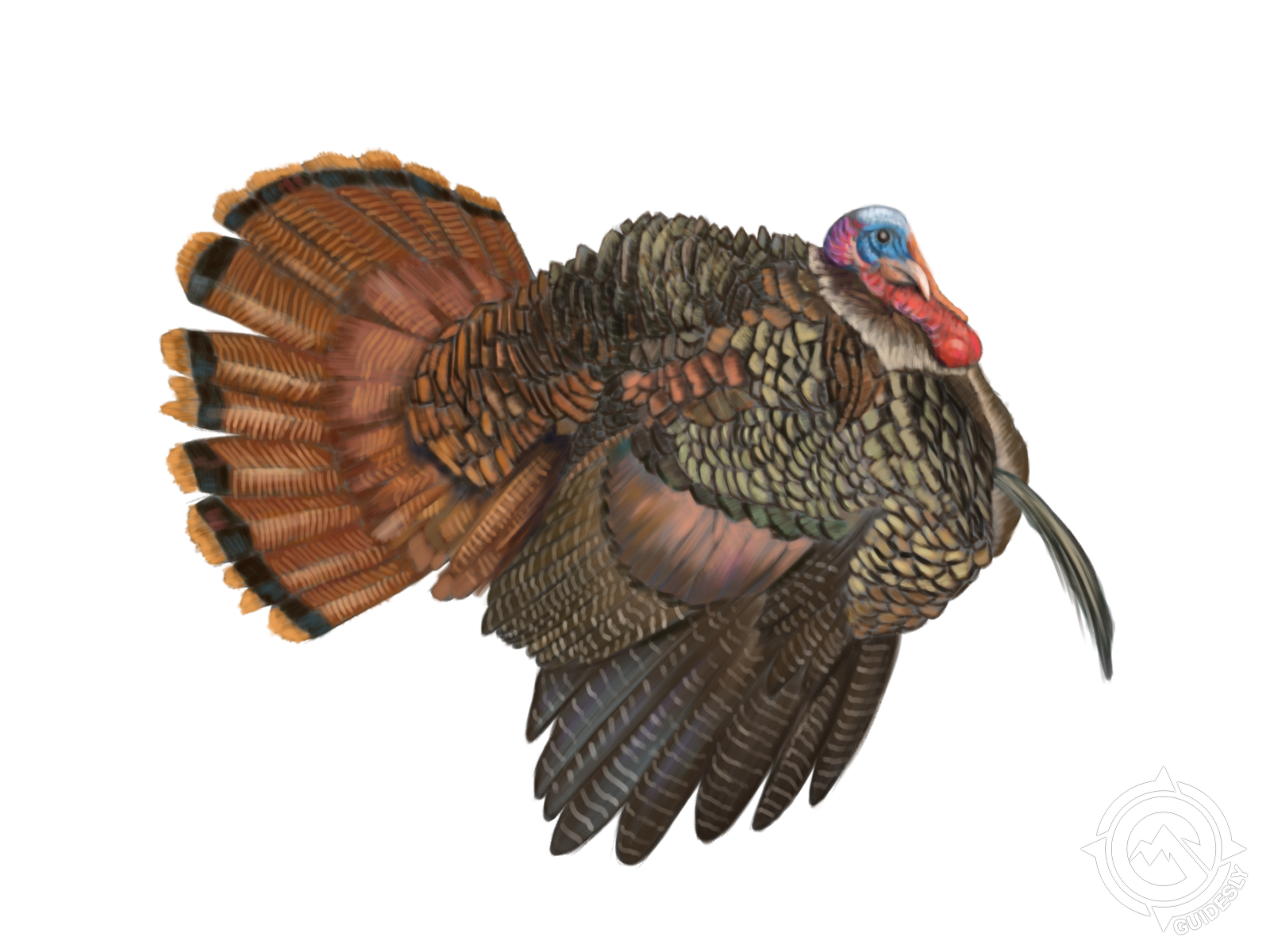
 Spring and fall turkey hunting seasons available