Washington River Fishing for Salmon & Steelhead
Picture yourself standing knee-deep in the Columbia River at dawn, watching the mist roll off the water as your guide sets up rods for what could be the best fishing day of your year. That's exactly what you're getting with Vern's Fishing Experience – a full 8-hour charter that takes you to the Pacific Northwest's most productive waters. Whether you've never held a fishing rod or you're chasing your next trophy catch, this trip delivers the kind of authentic Washington fishing that locals have been keeping to themselves for decades.
What to Expect on the Water
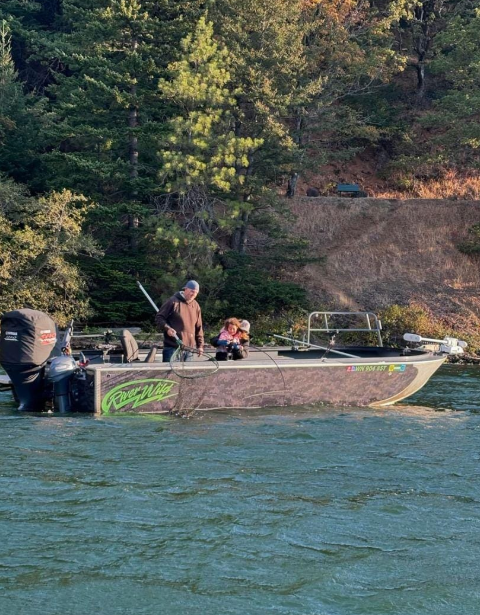
Your day starts early with a meet-up at one of Washington's premier launch sites, where your licensed captain will have everything prepped and ready to roll. We're talking about hitting the Columbia River, Snake River, Drano Lake, and Wind River – waters that consistently produce world-class catches throughout the season. The beauty of this charter is how it adapts to your skill level. First-time anglers get hands-on instruction from the moment you step on board, learning everything from proper casting technique to reading the water for active fish. Meanwhile, seasoned anglers can focus on refining their approach and targeting those bigger, smarter fish that require finesse and patience. Your captain knows these waters like the back of their hand, positioning you over the best structure and current breaks where fish naturally congregate. All your gear is provided – quality rods, reels, and tackle that's specifically chosen for the day's conditions and target species. You're not just getting a boat ride; you're getting decades of local knowledge packed into one action-packed day on the water.
Techniques & River Know-How
Washington river fishing is all about reading the water and adapting your approach to match what the fish are doing. Your captain will walk you through the techniques that work best in these specific waters – from drift fishing with natural baits to pulling plugs in the deeper holes where big salmon like to stage. On the Columbia, you might find yourself backtrolling herring or working spinners through the current seams. The Snake River calls for different tactics entirely, often requiring longer drifts with lighter weights to get down to where the steelhead are holding. Drano Lake is famous for its fall salmon runs, and timing your presentation as fish move through the narrow channels makes all the difference. Wind River offers some of the most technical fishing, where precise casting and natural presentations separate the successful anglers from those who go home empty-handed. Your gear setup changes throughout the day based on conditions – heavier tackle when you're targeting sturgeon that can easily hit 6 feet or more, lighter spinning gear when the steelhead are being finicky. The captain handles all the rigging details, but you'll learn why certain setups work better in different situations, knowledge you can take with you long after this trip ends.
Top Catches This Season
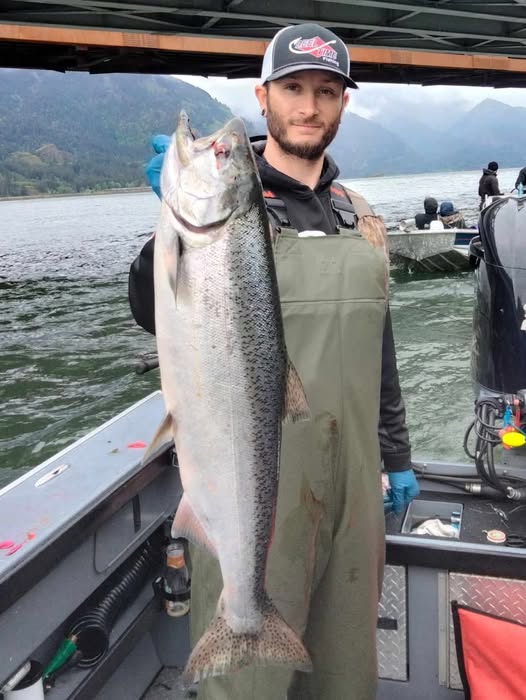
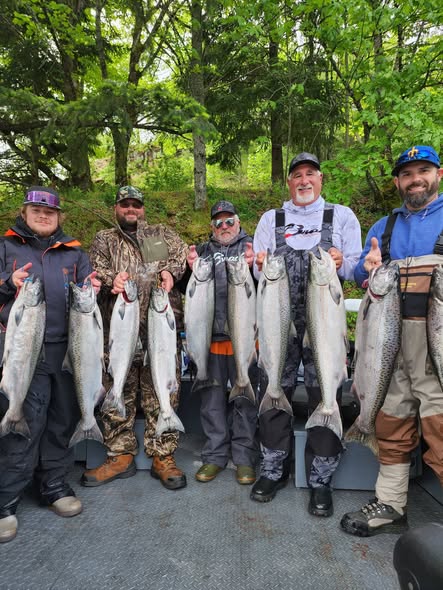
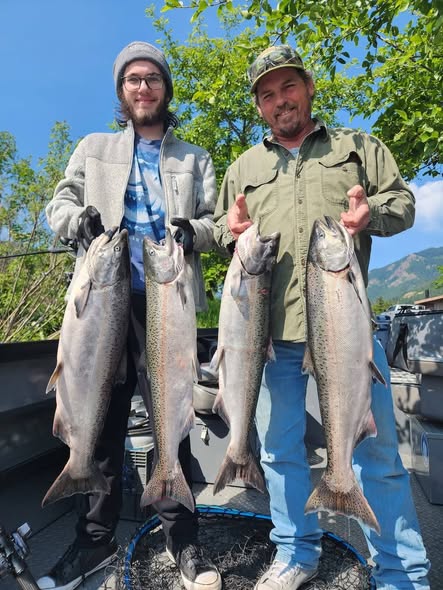
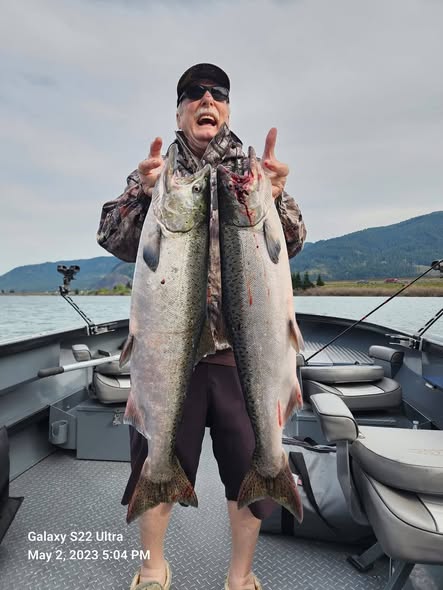
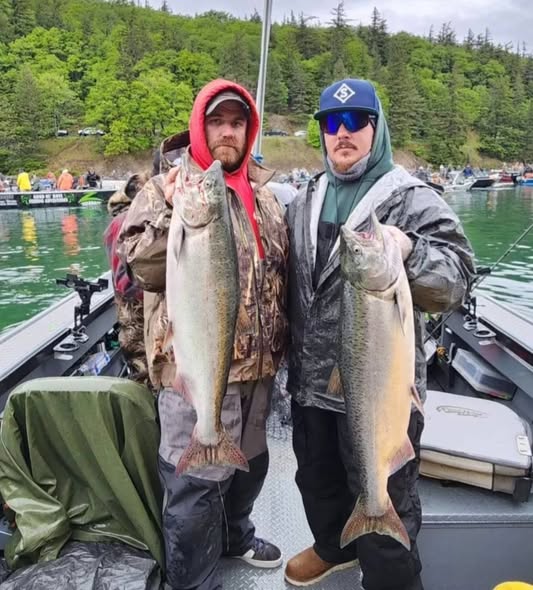
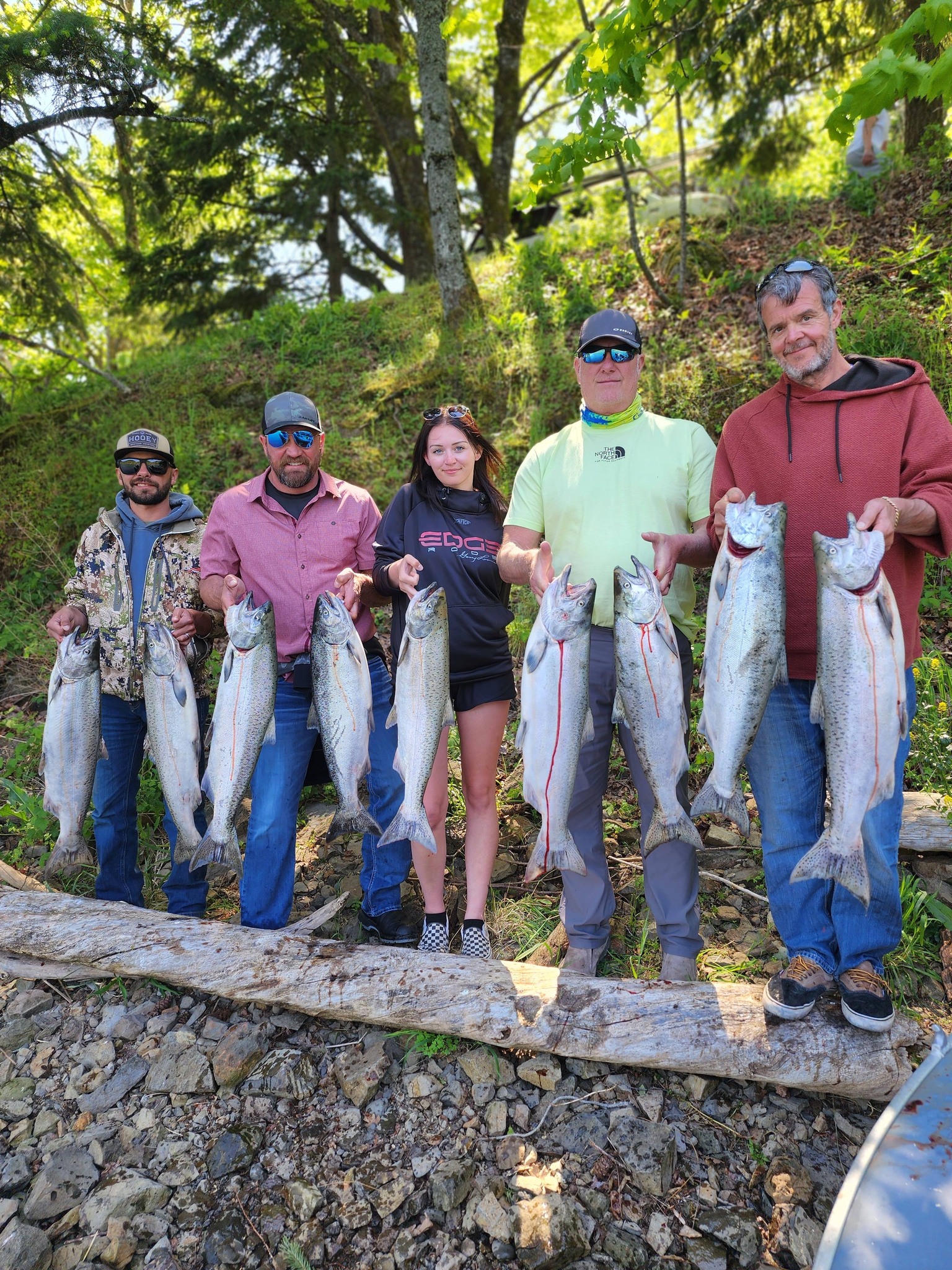
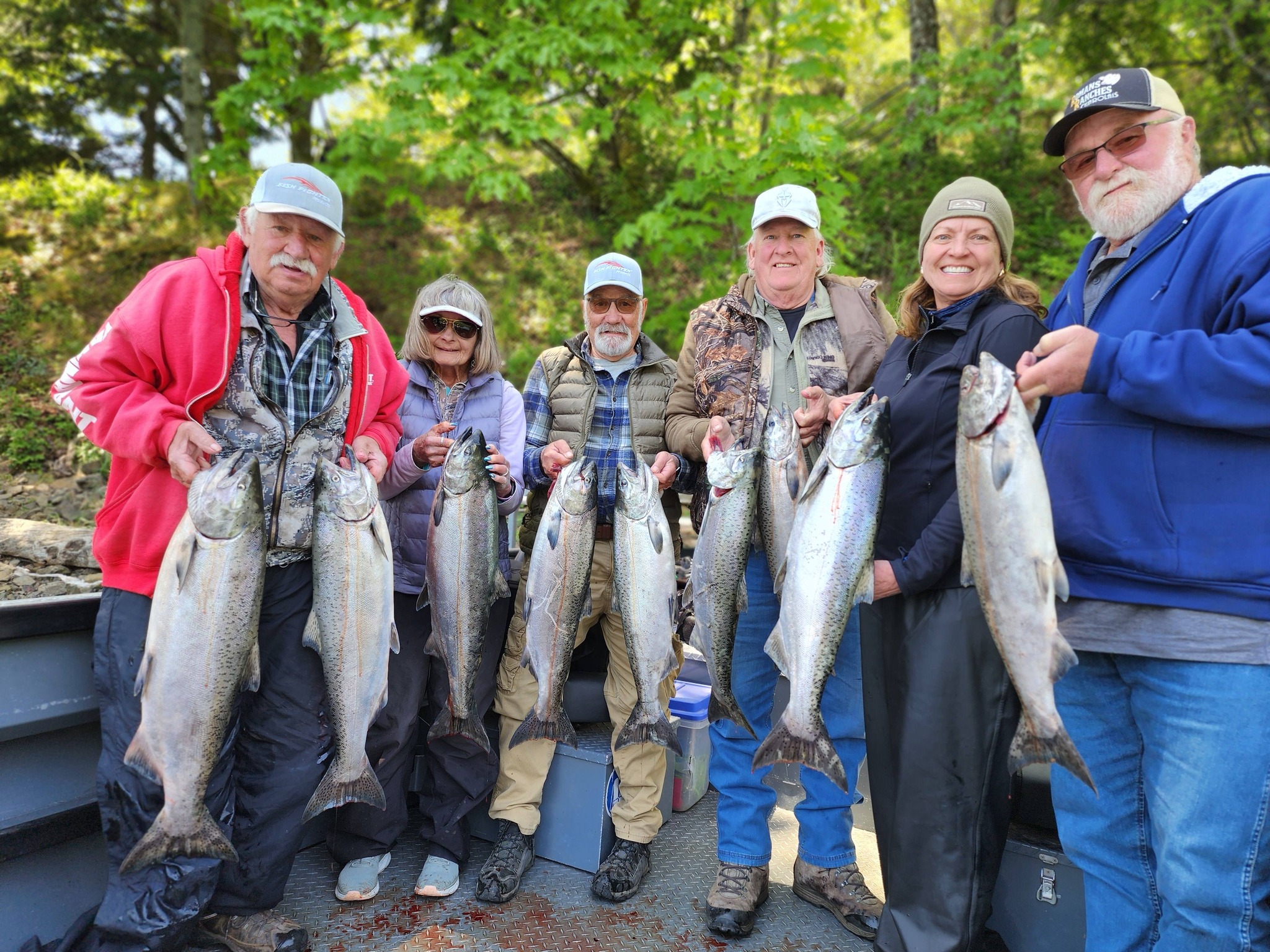
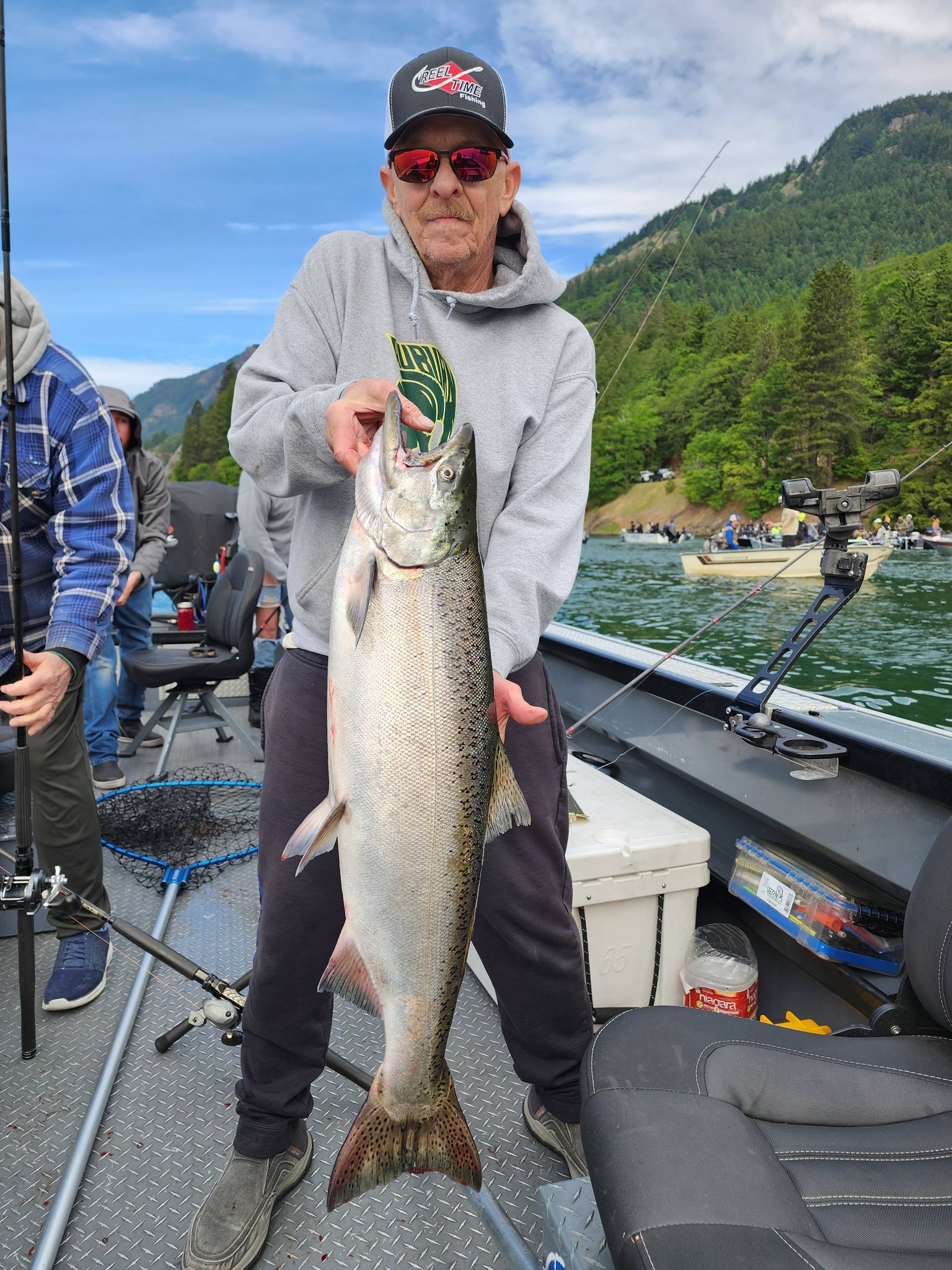
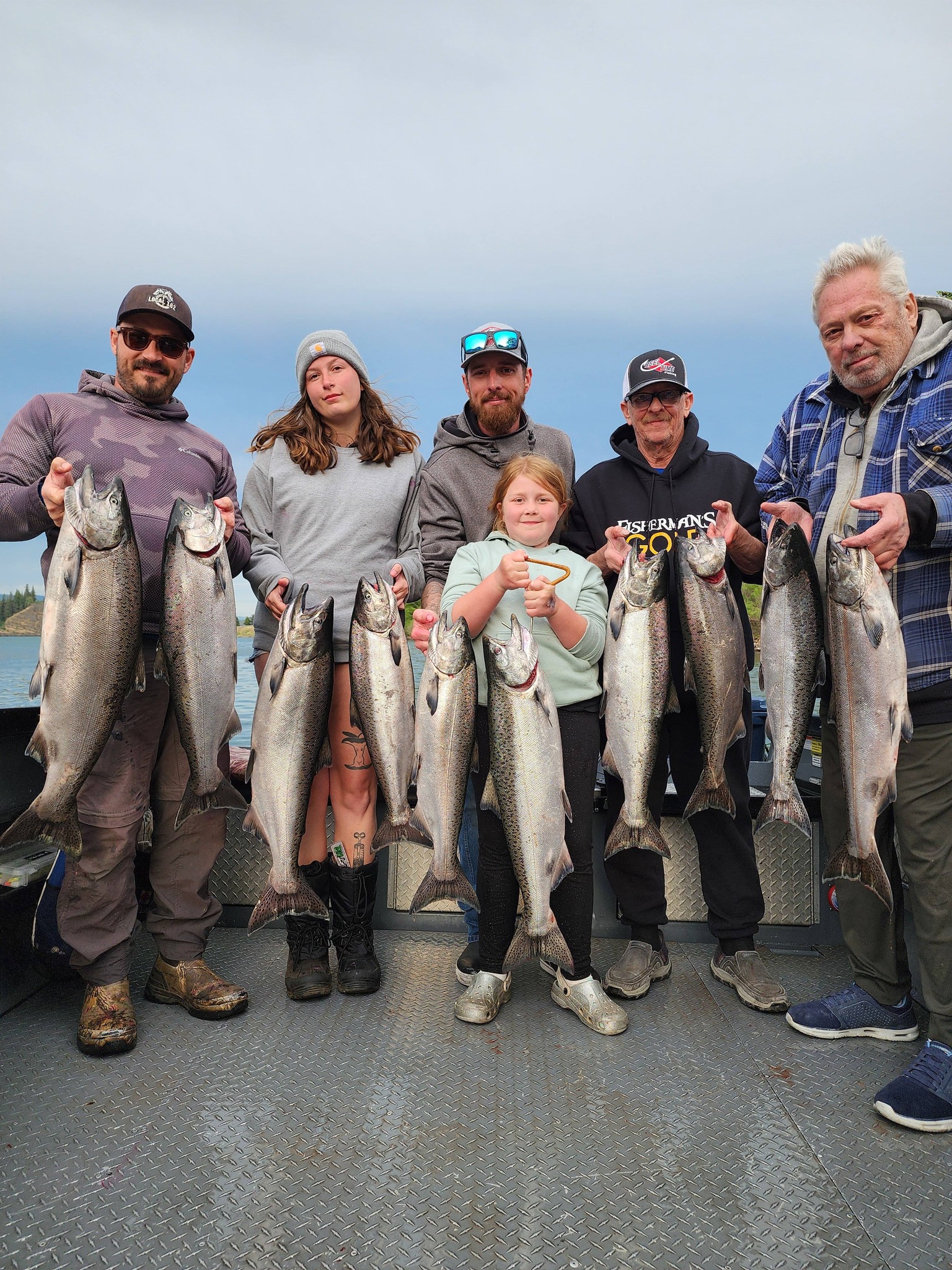
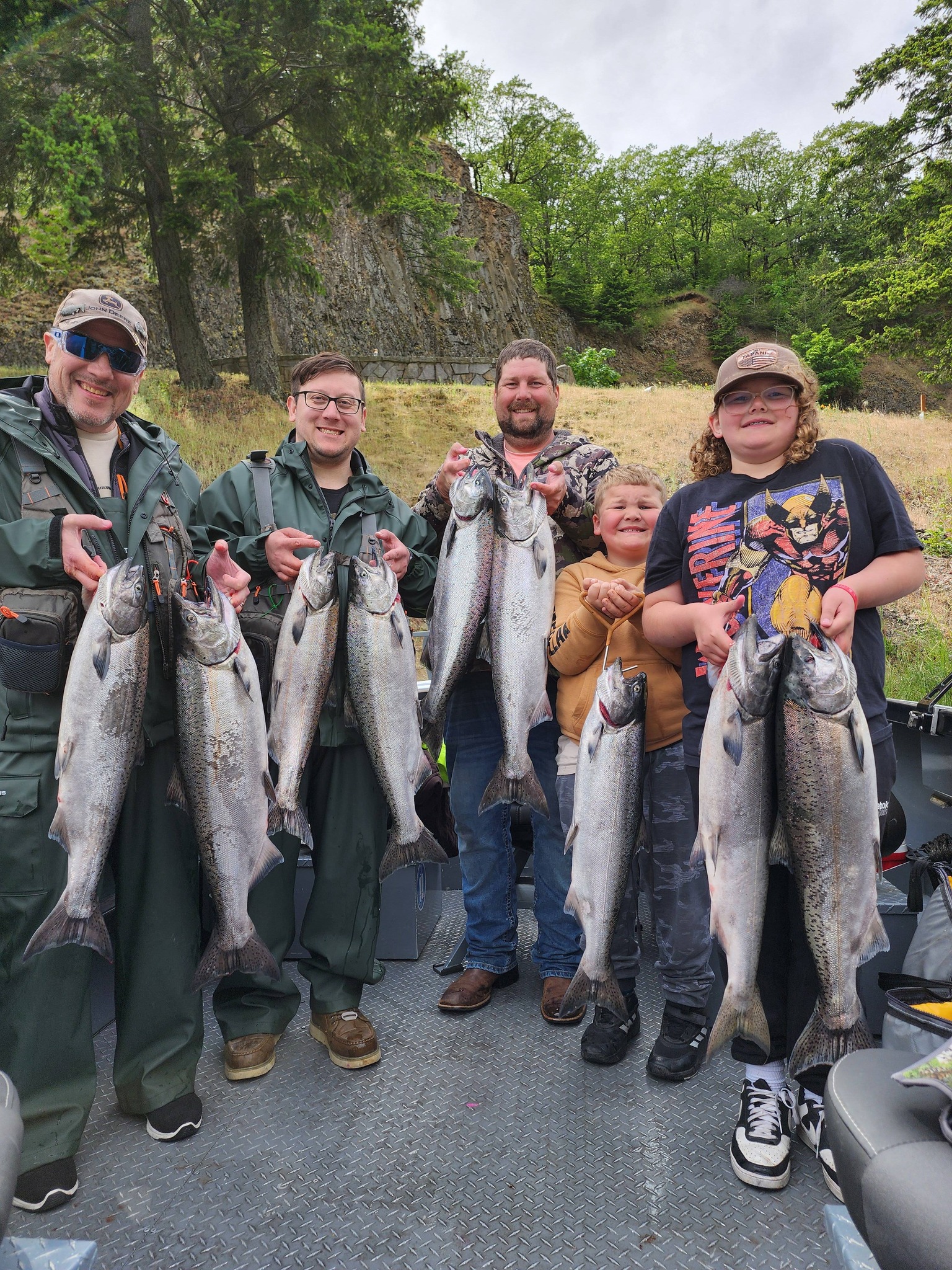
Chinook salmon are the undisputed kings of Washington rivers, and for good reason. These powerhouse fish can weigh anywhere from 15 to 40 pounds, with the occasional monster pushing 50 or more. Spring Chinook typically show up in April and May, bright silver from their ocean feeding and absolutely loaded with fight. Fall Chinook arrive later in the season, often darker but just as strong, staging in deeper pools before making their spawning runs. What makes catching them so special is the combination of power and endurance – a big king will strip line, jump, and test every knot in your tackle box. Coho salmon bring a different kind of excitement to the table. These acrobatic fish rarely weigh more than 12 pounds, but they make up for size with pure athleticism. Coho will jump repeatedly when hooked, often throwing the hook if you don't keep steady pressure. They're also more aggressive feeders, making them perfect targets for anglers who want consistent action throughout the day. Steelhead are the technical challenge that brings anglers back year after year. These ocean-going rainbow trout are incredibly strong for their size, typically running 6 to 12 pounds but fighting like fish twice their weight. Winter steelhead fishing requires patience and precision, while summer runs offer more active fish in warmer conditions. Walleye might surprise you with their popularity in Washington waters. These toothy predators are excellent table fare and provide steady action when salmon and steelhead are being difficult. They're also a great species for beginners to cut their teeth on, as they're generally more forgiving than the more finicky salmonids. Sturgeon represent the ultimate in river fishing challenges. These prehistoric fish can live over 100 years and grow to massive sizes. Catching a 6-foot sturgeon is a bucket-list experience that requires heavy tackle and strong backs, but the memory lasts forever. Most sturgeon fishing is catch-and-release to protect these ancient fish populations.
Species You'll Want to Hook
The Chinook salmon season runs from late March through October, with peak times varying by river system. Columbia River springs are legendary for their size and strength, while fall fish offer different challenges as they develop spawning colors and aggressive territorial behavior. These fish feed heavily on herring, anchovies, and smaller salmon, making them perfect targets for both bait and lure presentations. Coho salmon peak during late summer and fall, typically August through October. They're known for their willingness to chase lures and their spectacular aerial displays when hooked. Coho prefer shallower water than Chinook, often feeding near the surface where they create exciting visual fishing opportunities. Steelhead fishing varies dramatically by season and location. Winter steelhead enter the rivers from December through April, requiring cold-weather gear and serious dedication. Summer steelhead arrive from May through October, offering more comfortable fishing conditions and often more active fish. These fish are incredibly line-shy and require light leaders and natural presentations to fool consistently. Walleye fishing is best during late spring through early fall, with fish moving into shallow feeding areas during low-light periods. They're structure-oriented fish, holding near rocky points, current breaks, and drop-offs where they ambush smaller fish. Sturgeon are available year-round in

 Private Trip
 River Fishing
 Tri-Cities, Washington, USA
 Eight-hour guided charter targets salmon, steelhead, walleye, and sturgeon