Advanced Cocodrie Fishing Charter 8 Hour Trip
You've been fishing long enough to know when someone's talking your language, and Captain Kade definitely speaks fluent angler. This isn't your typical "let's see what bites" charter—this is an 8-hour deep dive into Louisiana's most productive inshore waters with a captain who's been working these marshes for over three decades. We're talking serious fishing here, the kind where you're sight casting to tailing redfish in skinny water one minute and working structure for hefty black drum the next. Captain Kade has built his reputation on putting experienced anglers on fish, and with Wicked South Charters' commitment to performance fishing, you're looking at a day that'll remind you why you fell in love with this sport in the first place.
What to Expect on the Water
Captain Kade runs his operation out of Cocodrie, which puts you right in the heart of some of Louisiana's most fish-rich waters. This isn't a leisurely cruise—from the moment you leave the dock, you're fishing with purpose. The 8-hour format gives you real time to work different spots, adjust techniques, and chase the bite as conditions change throughout the day. You'll start early, likely before sunrise, because that's when the magic happens in these waters. The boat's rigged for efficiency, meaning less time fumbling with gear and more time with lines in the water. Captain Kade reads these marshes like a book, moving between grass flats, oyster reefs, and structure based on tides, weather, and what the fish are telling him. With room for up to 5 anglers, there's space to spread out and work without getting in each other's way, but it's intimate enough that everyone gets personal attention from the captain.
Techniques and Tackle
This charter's all about versatility and matching your approach to what the fish want. You'll work everything from topwater early in the morning when the surface is glass-calm and redfish are pushing water in the shallows, to switching up to soft plastics when they move deeper into the day. Captain Kade's a big believer in artificial lures—they let you cover more water and dial in exactly what's working. You'll throw spoons over grass beds, work jigheads along drop-offs, and maybe tie on some live bait when the bite gets tough. The boat's equipped with quality tackle, but if you've got your favorite rod setup, bring it along. These waters can be technical—you're working everything from 2 feet of water where you can see every fish to deeper holes where you're feeling for structure. Captain Kade teaches as much as he guides, so if you want to pick up new techniques for reading water or working specific cover, you're in for a masterclass.
Top Catches This Season
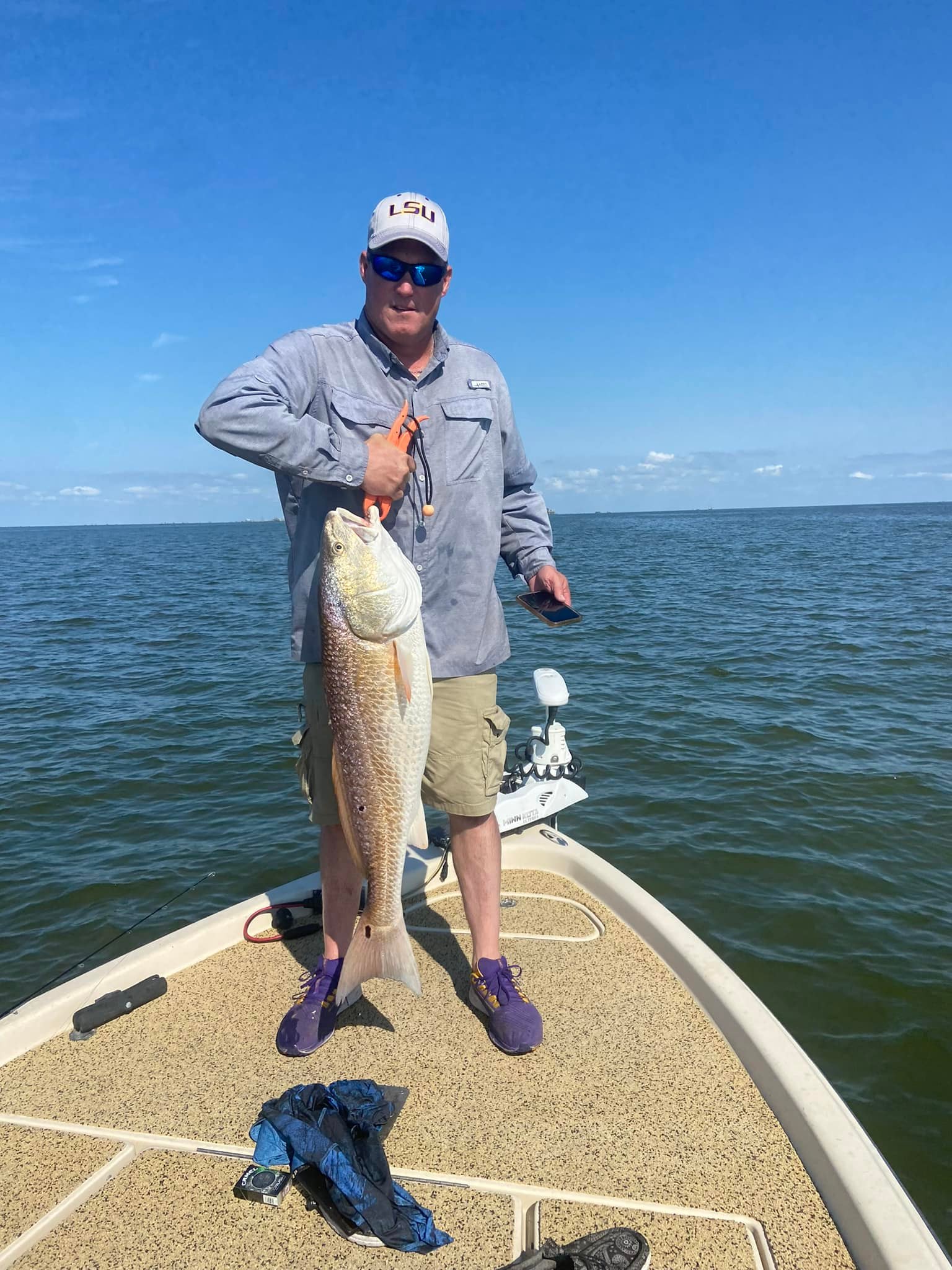
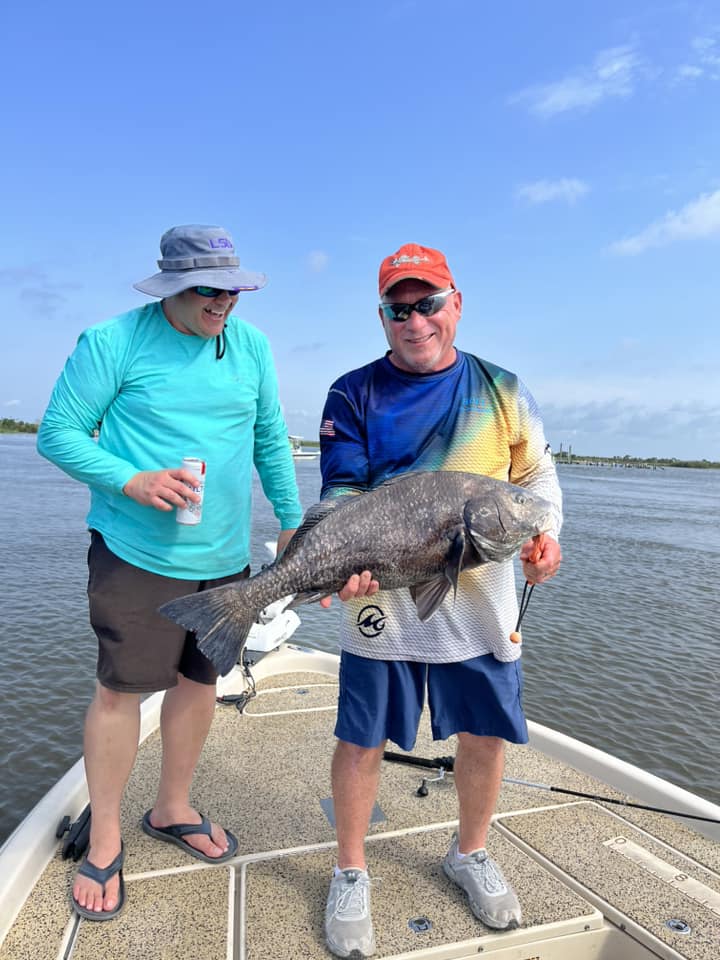
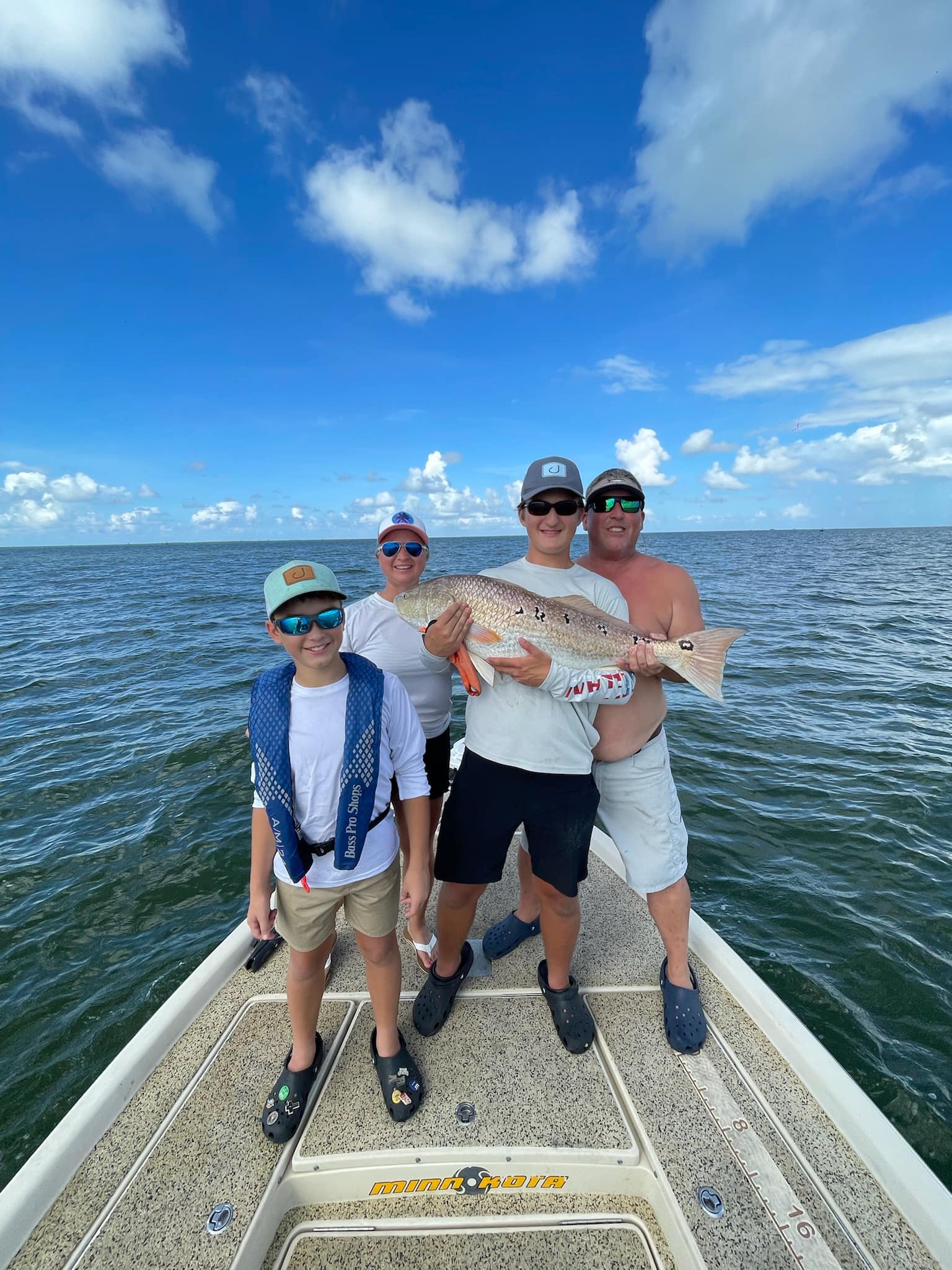
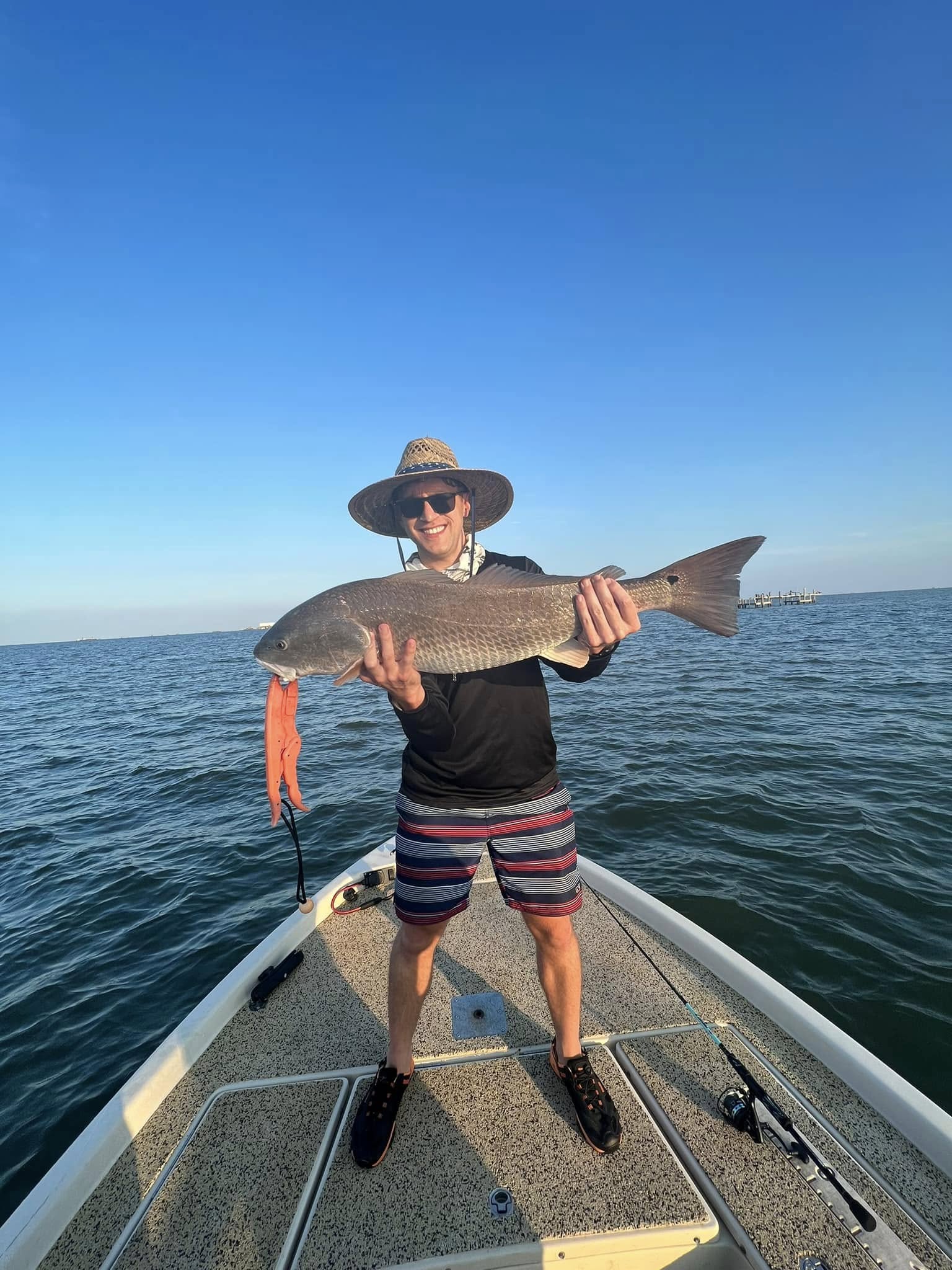
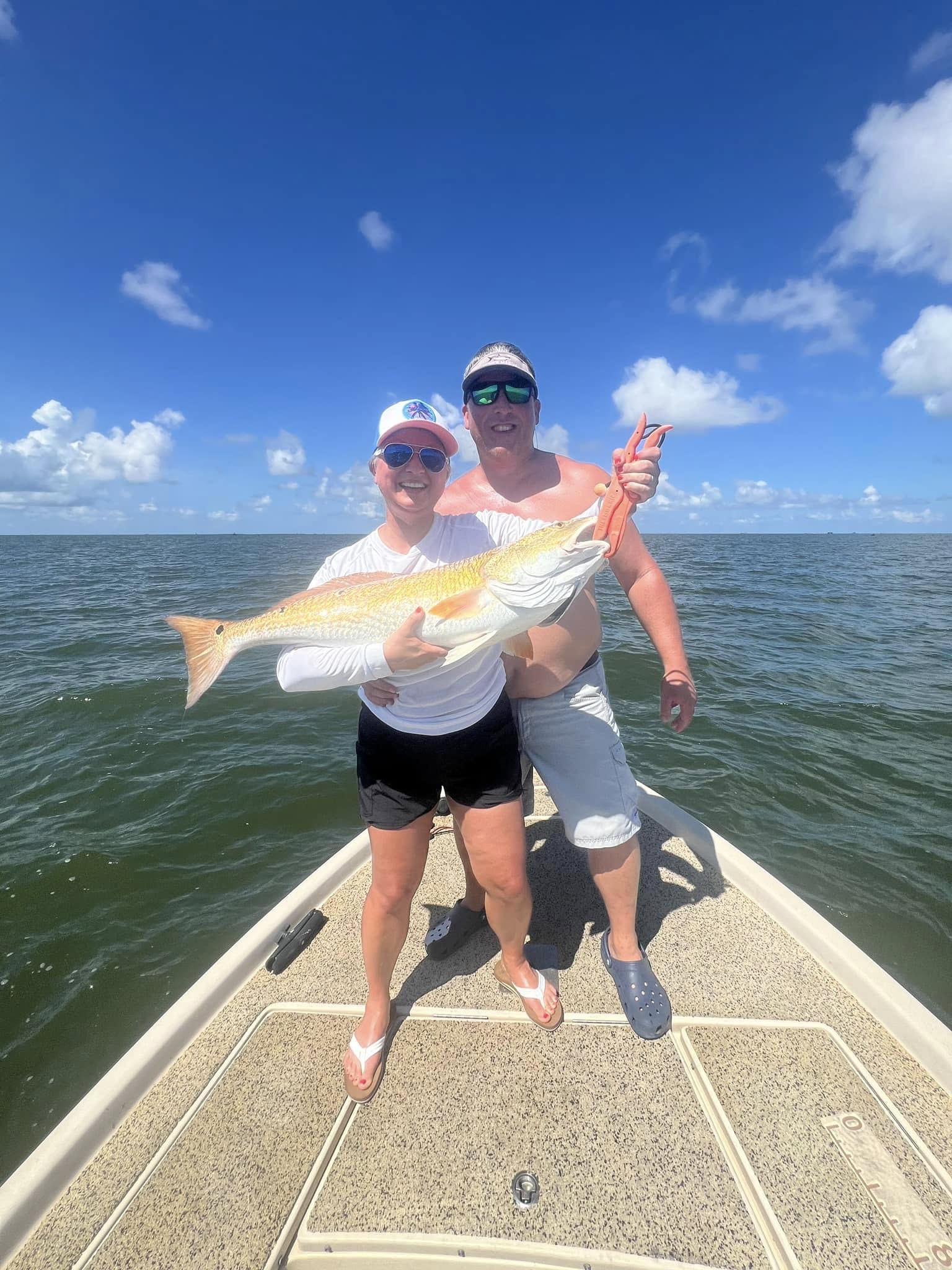
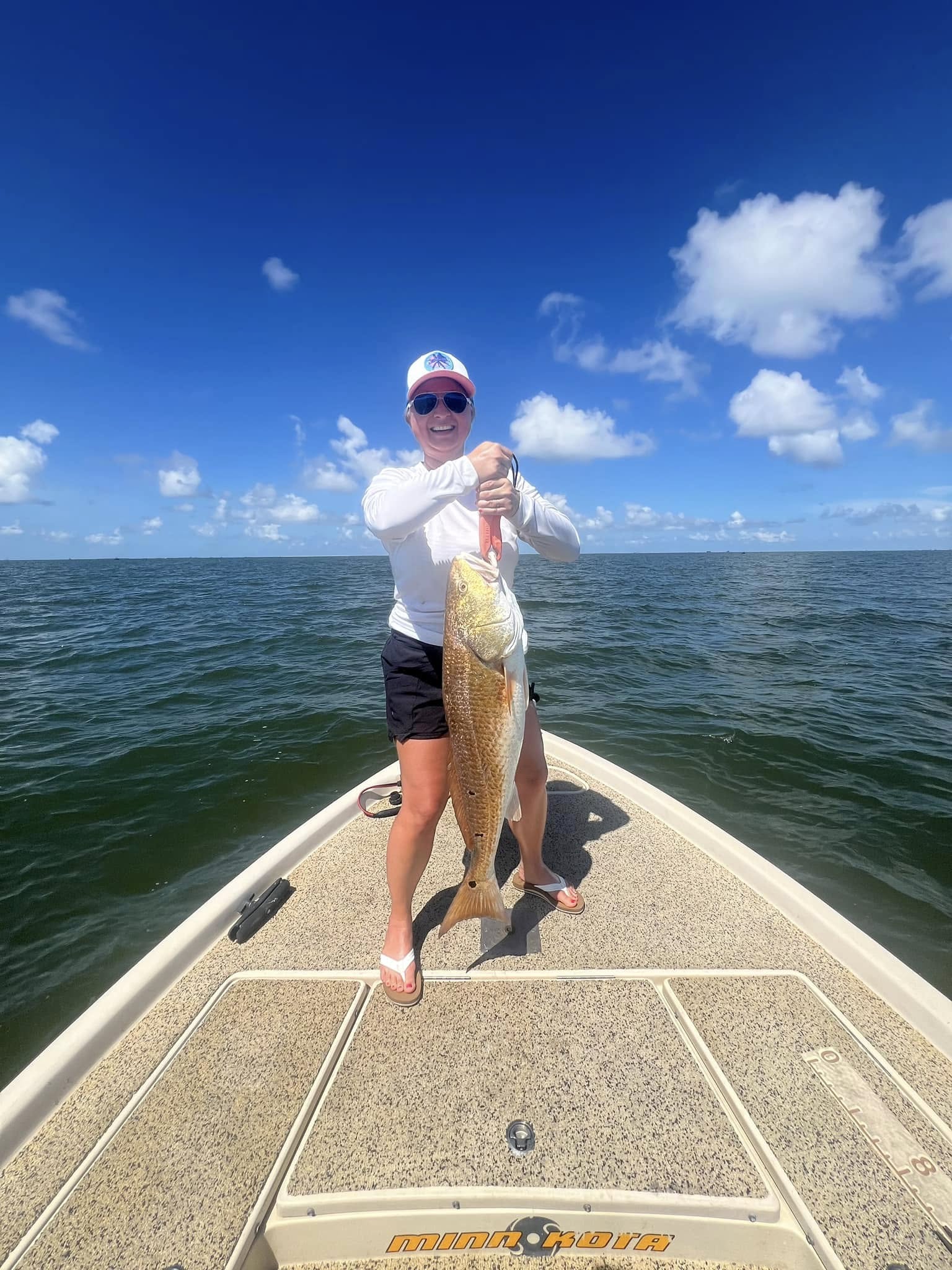
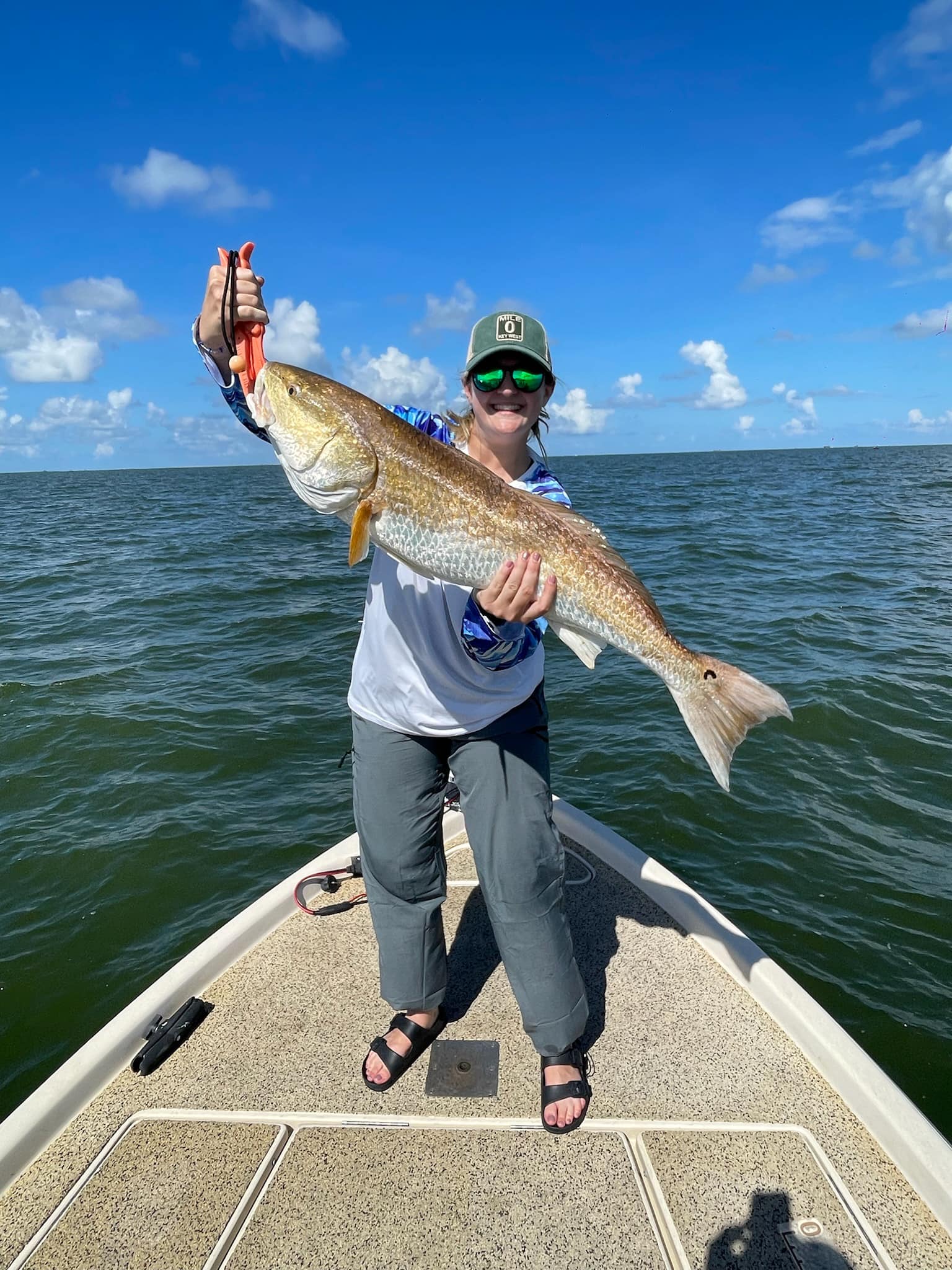
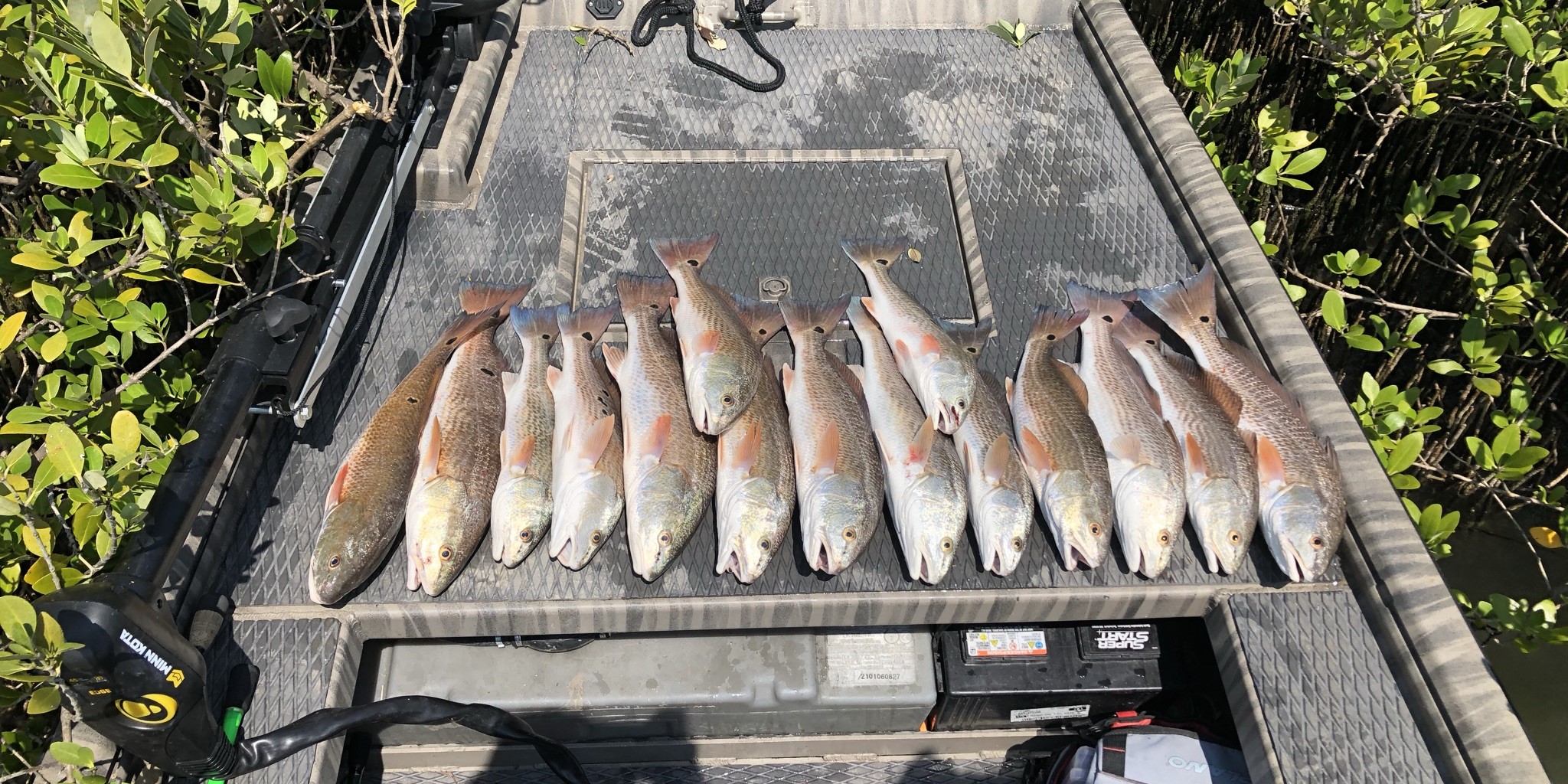
Let's talk about what's pulling drag in these waters. Redfish are the bread and butter here, and Cocodrie's marshes are absolutely loaded with them. These aren't just slot fish either—you're looking at bull reds that'll test your tackle and your patience. They cruise the grass flats on moving tides, and when you spot that copper flash or see a tail breaking the surface, your heart rate's going to spike. Sea trout are another staple, and the speckled trout fishing around Cocodrie can be absolutely lights-out when conditions align. They school up in deeper cuts and along channel edges, and when you find them, it's game on. Black drum are the heavyweights of the trip—these fish can push 20, 30, even 40 pounds, and they fight like they're twice that size. They love structure, so you'll be working oyster reefs and pilings where they feed on crabs and shellfish. Sheepshead round out the slam potential, and don't let anyone tell you they're easy to catch. These bait thieves are notorious for their light bites and quick mouth, but when you hook up, they're scrappy fighters with excellent table fare.
Species You'll Want to Hook
Redfish are the crown jewel of Louisiana inshore fishing, and for good reason. These copper-colored bruisers are available year-round, but fall and winter bring some of the best action when they school up in massive numbers. A good red will make multiple runs, using its broad tail and thick body to dig deep and test your drag system. They're smart fish too—they'll wrap you around structure if you give them the chance, and in shallow water, they'll head straight for the thickest grass they can find. The best part about reds is how visual the fishing can be. You'll actually see them tailing in skinny water, cruising grass flats, or pushing wakes as they move between feeding areas.
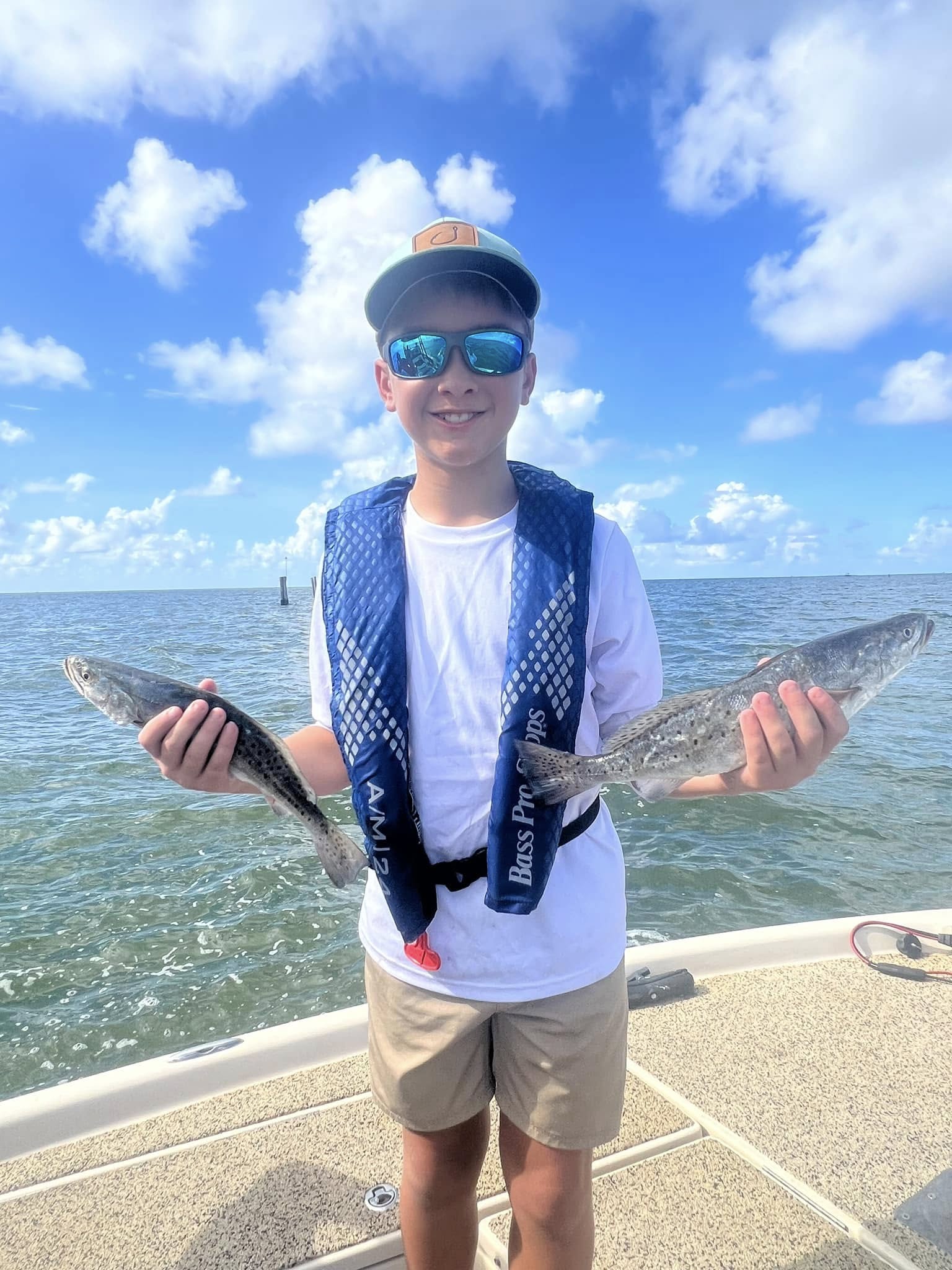
Speckled trout bring a different kind of excitement to the table. They're aggressive feeders when active, but they can be finicky when conditions aren't right. Spring and fall are prime time, especially when water temperatures are in that sweet spot between 65-75 degrees. Specks have soft mouths, so you need to play them carefully, but they're absolutely beautiful fish with their spotted flanks and sharp teeth. They school up heavy during cold fronts, and when you find a good school, you can catch them until your arms are tired. The bite can be subtle though—sometimes it feels like you just snagged a piece of grass until the fish starts shaking its head.
Black drum are the bulldozers of the inshore world. These bottom-huggers can live for decades and grow to massive sizes. The smaller ones, called "puppy drum," are great eating, while the big bulls are photo-worthy giants that fight with pure power. They're not fast like a red or flashy like a trout, but they'll pull steady and hard, testing every knot in your rig. Peak season runs from late fall through early spring when they congregate around structure to feed. You'll hear them before you see them—drums actually make drumming sounds when they're feeding
 Private Trip
 Inshore Fishing
 Cocodrie, LA, United States
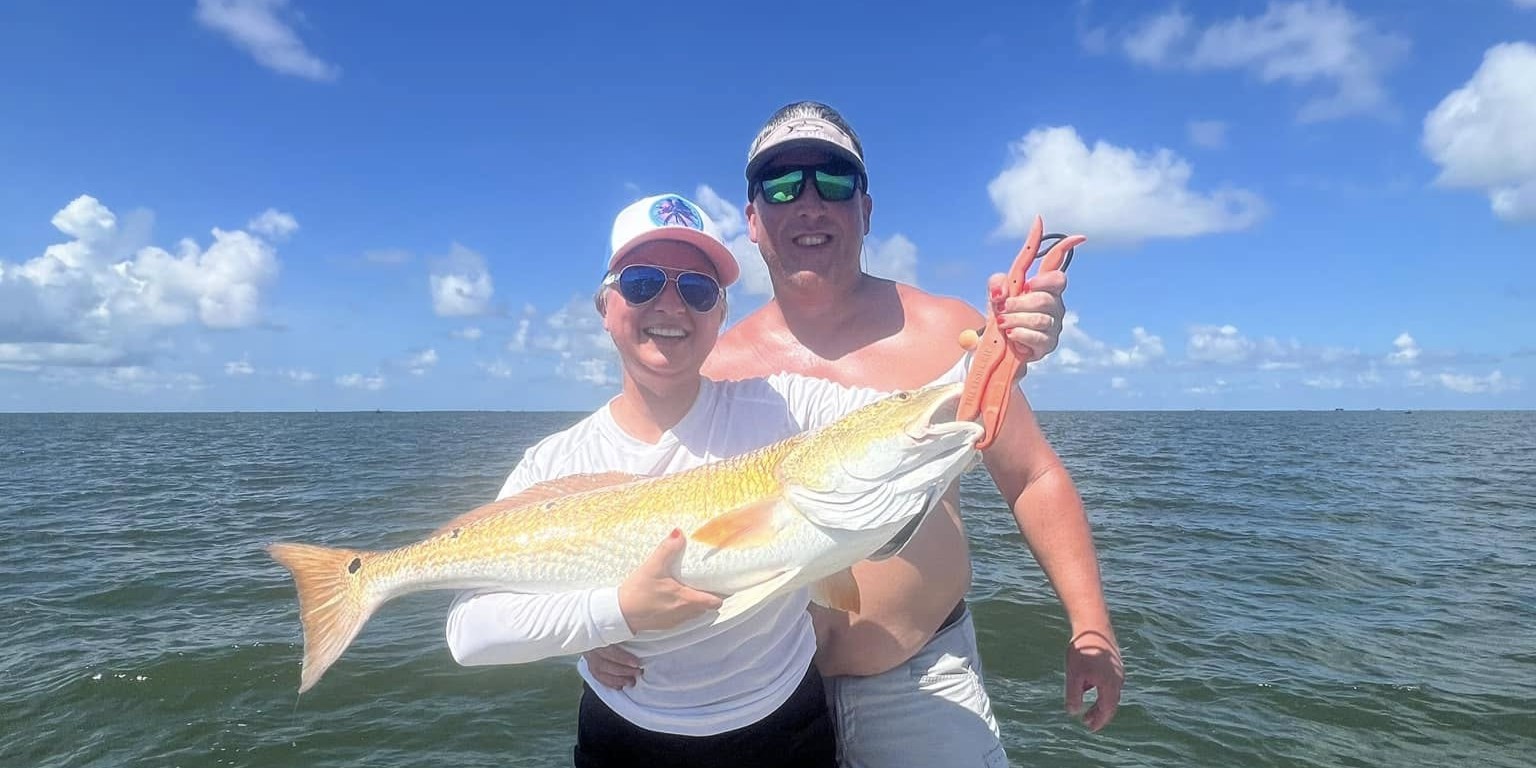
 Eight-hour advanced charter targeting trophy Redfish and Sea Trout