Private Fly Fishing Class in Maine Waters
Picture this: it's 8 AM on a crisp Maine morning, the lake's surface is like glass, and you're about to learn one of the most rewarding forms of angling out there. Our private fly fishing classes with Wilderness Studio Guide Service give you that perfect one-on-one experience where you can really dial in your technique without any distractions. Whether you've never held a fly rod or you're looking to polish up some rusty casting skills, this hour-long session is designed to get you comfortable with the fundamentals while surrounded by Maine's stunning lake country. You'll walk away with real skills you can use anywhere, plus that satisfaction that comes from nailing your first proper cast.
What to Expect on the Water
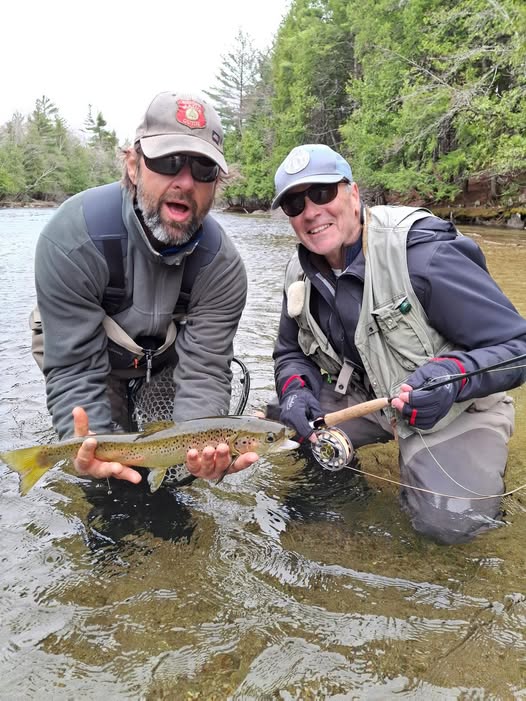
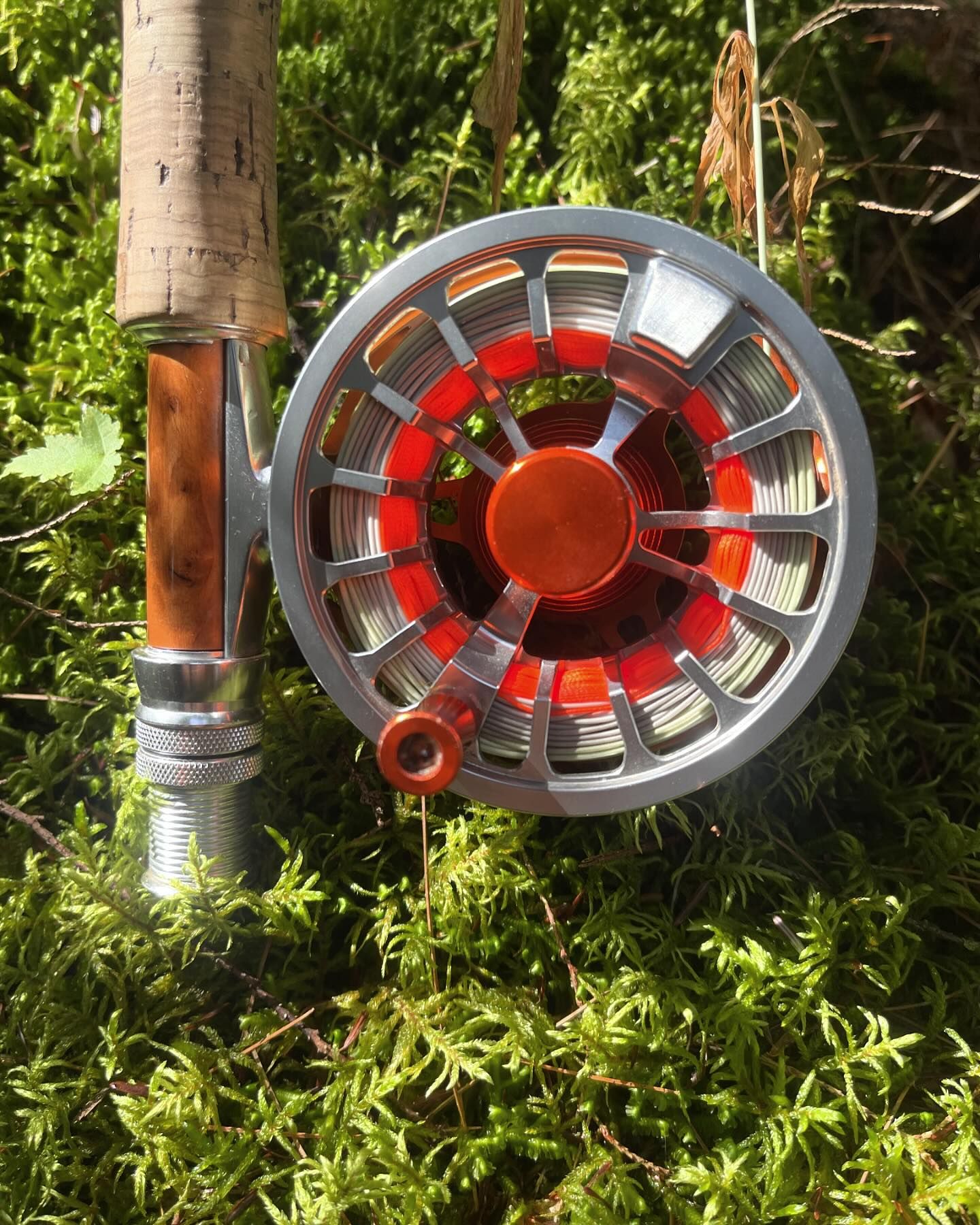
Your private lesson kicks off right at 8 AM when the fish are often most active and the wind hasn't picked up yet. We're talking about genuine one-on-one instruction here – no crowds, no waiting your turn, just you and an experienced guide who knows these Maine waters inside and out. The beauty of a private class is that we can move at your pace and focus on exactly what you need. Maybe you're struggling with your backcast, or you want to understand how to read the water better. We've got all the gear ready to go – rods, reels, lines, leaders, and a selection of flies that work well in our local waters. The setting couldn't be better either. Maine's lakes offer that perfect combination of scenic beauty and productive fishing water, so you're learning in an environment where fly fishing really shines.
Mastering the Cast & Technique
Fly fishing is all about the cast, and that's where we'll spend most of our time together. Unlike spin fishing where you're throwing weight, fly fishing uses the weight of the line itself to deliver that nearly weightless fly. It sounds tricky, but once you get the rhythm down, it becomes second nature. We'll start with basic overhead casting – the foundation everything else builds on. You'll learn about the loading and unloading of the rod, timing your forward and back casts, and how to let that line shoot out smooth and straight. We'll cover mending too, which is how you manage your line on the water to get a natural drift. The gear we use is top-rated stuff that's forgiving for beginners but performs well as you improve. We typically start with a 5 or 6-weight rod setup – versatile enough to handle most situations you'll encounter on Maine lakes, from small brook trout to decent-sized bass.
Species You'll Want to Hook
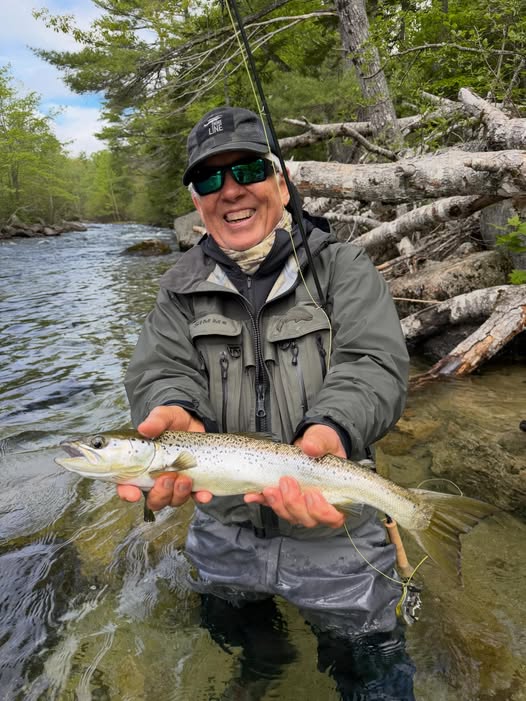
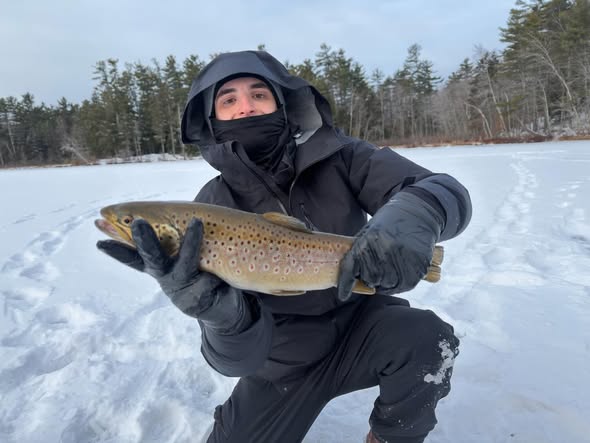
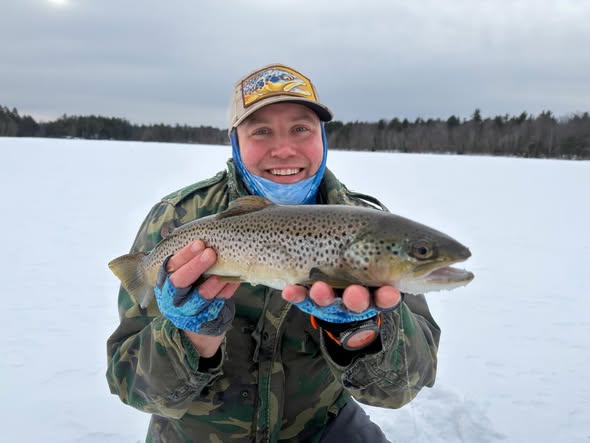
Maine's lakes are home to some fantastic fish that respond beautifully to fly fishing techniques. Brook trout are the state fish here, and for good reason. These native beauties are absolutely gorgeous with their olive backs, red spots with blue halos, and those distinctive white-edged fins. They're most active in cooler water, so early morning sessions like ours are prime time. Brooks tend to be opportunistic feeders, which makes them perfect for learning because they'll often forgive a less-than-perfect presentation. They're typically found near structure – fallen trees, rocky points, or drop-offs where they can ambush prey. What makes them so exciting for fly anglers is their willingness to rise to dry flies, especially during insect hatches.
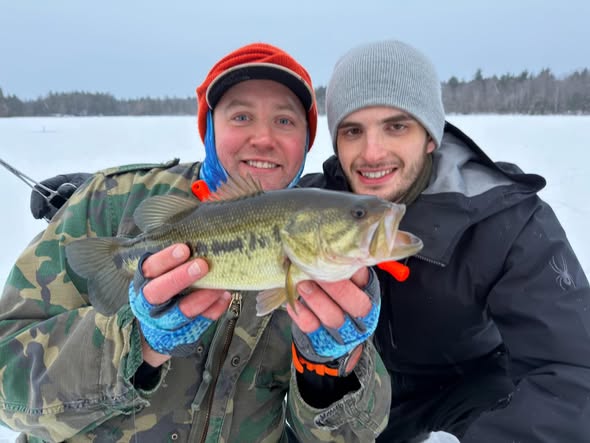
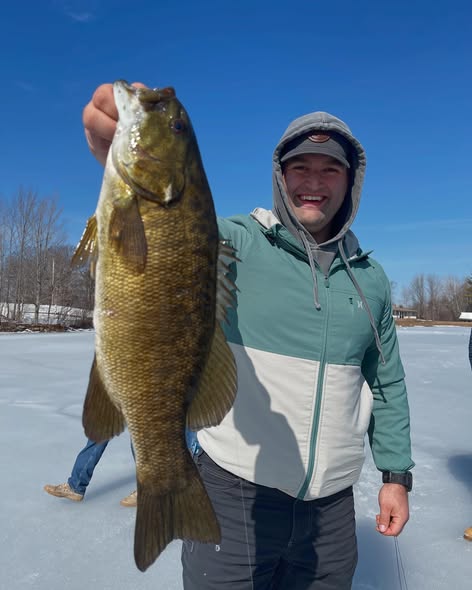
Smallmouth bass are another customer favorite in these waters, and they put up one heck of a fight on a fly rod. These bronze-backed fighters are incredibly aggressive and will absolutely crush a well-presented streamer or popper. They love rocky areas, shoals, and weed beds where they hunt crayfish and baitfish. Spring through fall, they're active in the shallows where fly fishing really excels. A 3-pound smallmouth on a 5-weight rod will give you a workout you won't forget – they jump, they run, and they never give up easy. The best part is they're not super picky about presentation, so they're great confidence builders for newer fly anglers.
Landlocked salmon also cruise these Maine waters, and they're the prize fish that keeps many anglers coming back. These chrome-bright fish are essentially Atlantic salmon that never went to sea, and they retain all that fighting spirit. They can be more challenging to target since they often feed in deeper water, but when conditions are right – usually early morning or evening – they'll move shallow to feed on emerging insects or baitfish. Landing a landlocked salmon on a fly rod is something special. They're strong, fast, and acrobatic, plus they're absolutely beautiful fish with their silver sides and subtle spotting.
Time to Book Your Spot
This private fly fishing class is honestly one of the best investments you can make in your angling future. Learning proper technique from the start saves you from developing bad habits that are tough to break later on. Plus, there's something really satisfying about catching fish on flies – it feels more connected to the whole process somehow. The early morning start time is perfect because that's when the fishing is typically best, the water's calm for learning to cast, and you'll have the lake mostly to yourself. With all gear included and personalized instruction, you're getting world-class fly fishing education in one of the most beautiful settings in New England. Maine's lake country is renowned for its clear waters, healthy fish populations, and that classic North Woods atmosphere that makes every fishing trip feel special. Don't wait too long to book – prime morning slots fill up fast, especially during peak season when the fishing is at its absolute best.
 Private Trip
 Lakes/Reservoirs/Ponds Fishing
 Maine
Maine Private one-hour fly fishing instruction with expert guidance