Apalachicola Bay Scalloping Adventure
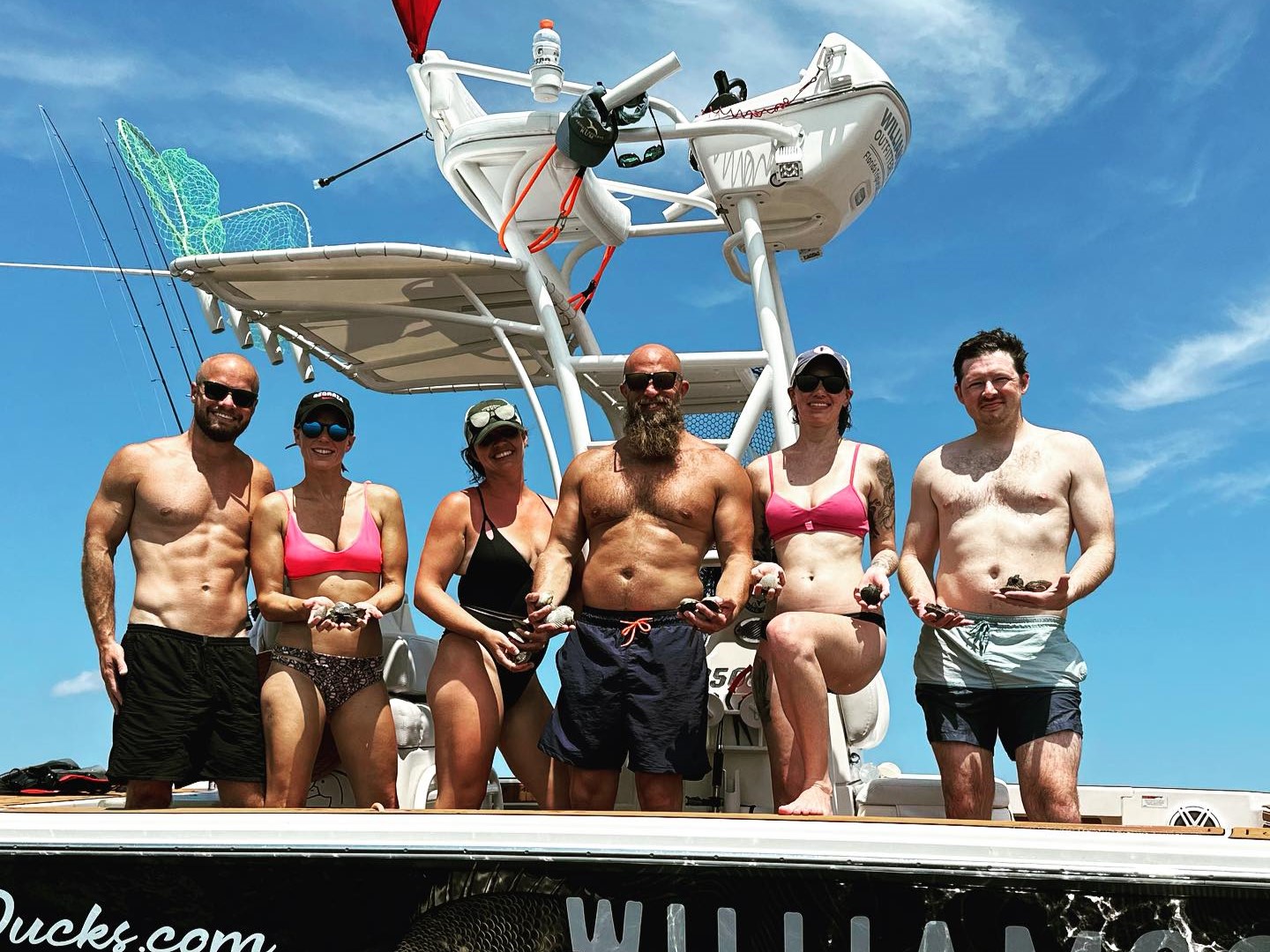
Picture this: you're waist-deep in crystal-clear water, the morning sun warming your back as you peer through the grass beds searching for those telltale brown shells. Bay scalloping in Apalachicola isn't just another day on the water—it's Florida's sweetest summer tradition, and we've got the perfect setup to make your first (or fiftieth) scalloping trip one for the books. Our 6-hour private charter gives you and up to three buddies the full treatment, from the early morning launch at 8 AM to that satisfying moment when you're counting your limit in the cooler.
What to Expect on the Water
We're talking about a full day of shallow-water hunting that's equal parts relaxing and rewarding. The flats around Apalachicola Bay are legendary for their scallop populations, and once you get the hang of spotting these little gems, you'll be hooked. The water here runs anywhere from 3 to 8 feet deep, which means you're not dealing with crazy currents or deep-water worries—just clear, calm conditions perfect for families and first-timers. You'll spend your time wading through turtle grass beds, snorkeling over sandy patches, and getting that rush when you spot a cluster of shells just begging to be collected. The boat stays nearby as your floating base camp, loaded with fresh water, shade, and plenty of room to store your catch. Between scalloping spots, we'll cruise the scenic coastline and I'll share some local knowledge about the best techniques and prime hunting grounds that most folks never find on their own.
Gear & Techniques
Don't worry about bringing anything fancy—scalloping is beautifully simple. We provide mesh bags and dip nets, though plenty of seasoned scallop hunters prefer the hands-on approach of just grabbing them by hand. The trick is learning to spot the dark outline of their shells against the grass, and once your eyes adjust, you'll start seeing them everywhere. A basic snorkel mask makes all the difference for scanning the bottom, and we've got extras on board if you need them. The scallops here aren't shy—they don't bolt like fish when they see you coming. Instead, they'll clamp shut and try to blend in, which actually makes them easier to spot once you know what to look for. We'll hit multiple spots throughout the day, targeting different grass beds and sandy areas where scallops love to hang out. The beauty of our private setup is that we can spend as much time as you want at the productive spots and skip the crowded areas where other boats are working.
Target Species
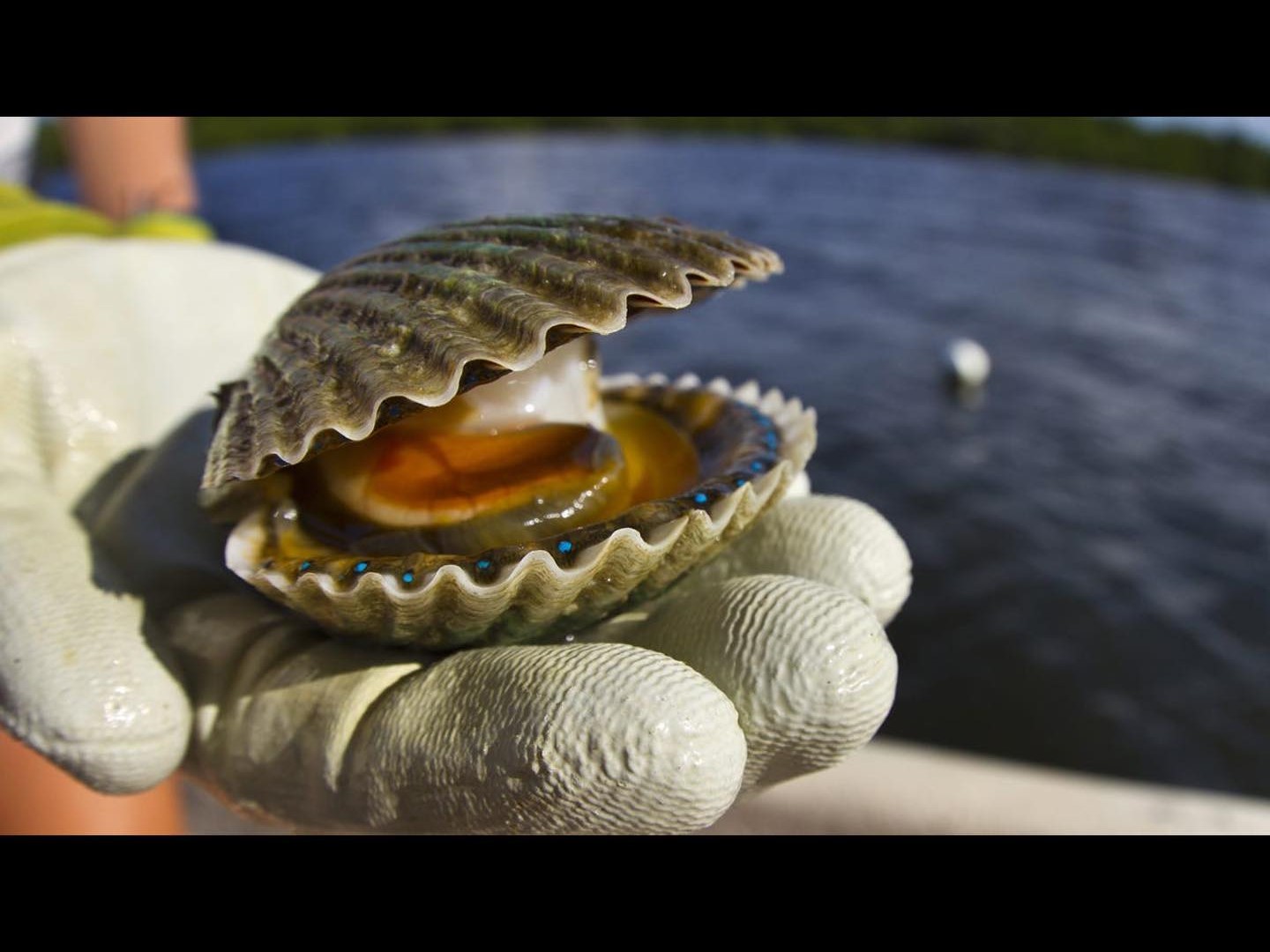
Florida bay scallops are the stars of this show, and for good reason. These little beauties are about the size of a silver dollar when fully grown, with those classic fan-shaped shells that range from brown to gray with darker stripes. What makes them special isn't just their sweet, tender meat—it's the fact that they're only available during a short seasonal window, making every trip feel like you're in on Florida's best-kept secret. Bay scallops are filter feeders, which means they spend their time attached to grass blades or sitting on sandy bottoms, pumping water through their shells to catch microscopic food. They're most active during the cooler parts of the day, which is why our early morning start gives you the best shot at finding them before they burrow deeper into the grass. Unlike their deep-water cousins, bay scallops live fast and die young—most only live about a year, which means the population turns over completely each season. That's part of what makes the harvest sustainable and why the Florida Fish and Wildlife Commission can allow such generous bag limits. The season runs from July 1st through September 24th in our area, with each person allowed to harvest up to 2 gallons of whole scallops per day. The meat yield is roughly 1 pound per gallon of whole scallops, and trust me, you've never tasted anything as sweet and delicate as fresh Florida bay scallops seared with just a touch of butter.
Time to Book Your Spot
This isn't the kind of trip you want to put off—scallop season is short, and the best weather windows fill up fast. Our 6-hour format gives you plenty of time to get your sea legs, learn the techniques, and fill your bags without feeling rushed. The $20 per gallon cleaning fee is worth every penny when you see the pile of perfectly shucked scallop meat ready for your dinner table, and it saves you hours of work back at the dock. Whether you're introducing the kids to one of Florida's coolest outdoor traditions or you're a seasoned scalloper looking for a guide who knows the most productive spots, this trip delivers the goods. The memories and the meals are just bonuses—there's something addictive about the hunt itself that keeps folks coming back year after year. Give us a call and let's get you on the calendar before the season slips away.
 Private Trip
 Flats/Shallows Fishing
 undefined, undefined
 Six-hour private scalloping trip for up to four guests