Coastal Duck Hunting in Apalachee Bay, FL
When duck hunters talk about world-class destinations, Apalachee Bay consistently ranks at the top. This legendary stretch of Florida's Big Bend country serves as winter headquarters for massive flocks of diving ducks, making it one of North America's premier waterfowl hunting grounds. Our morning hunts put you right in the heart of the action, where redheads, scaup, and bufflehead gather in numbers that'll make your trigger finger itch. This is coastal hunting at its finest – no decoy spreads in farm ponds, just pure saltwater gunning where the birds fly hard and fast.
Inside the Hunt
Picture this: you're settled into a comfortable blind as dawn breaks over the Gulf Coast, watching massive rafts of divers work the shallow flats of Apalachee Bay. The morning hunt starts early – we're talking well before sunrise – because that's when these coastal birds are most active. You'll be hunting solo with your guide, which means personalized instruction and all the shooting opportunities to yourself. The bay's unique geography creates natural flyways where ducks funnel between feeding and roosting areas, giving you consistent action throughout the morning. These aren't your typical puddle ducks either – coastal divers fly fast and commit hard to decoys when they're working. The adrenaline rush of watching a flock of redheads cup their wings and drop into your spread is something every serious waterfowler needs to experience. Weather plays a huge role out here, and a good northeast blow can make the difference between a decent hunt and an absolute barn burner.
Tracking Tips & Terrain
Hunting Apalachee Bay requires a completely different approach than inland waterfowling. We're dealing with tidal influences, saltwater conditions, and birds that behave nothing like mallards or wood ducks in flooded timber. Your guide will position you in proven blind locations that take advantage of natural feeding patterns and wind direction. The key to success lies in understanding how these divers use the bay – they raft up in deeper water during calm periods, then move into the shallows to feed when conditions are right. We use specialized saltwater decoy spreads designed specifically for diving ducks, with the right mix of species and realistic movement that triggers aggressive responses from passing flocks. The terrain itself is a mix of shallow grass flats, oyster bars, and deeper channels that create perfect habitat for the massive variety of ducks you'll encounter. Steel shot is mandatory, and most hunters find modified or improved cylinder chokes work best for the close, fast shooting opportunities. Your guide will help you read the birds' behavior – when they're working versus just passing through, how wind affects their approach angles, and when to take your shots for clean kills.
Target Game Breakdown
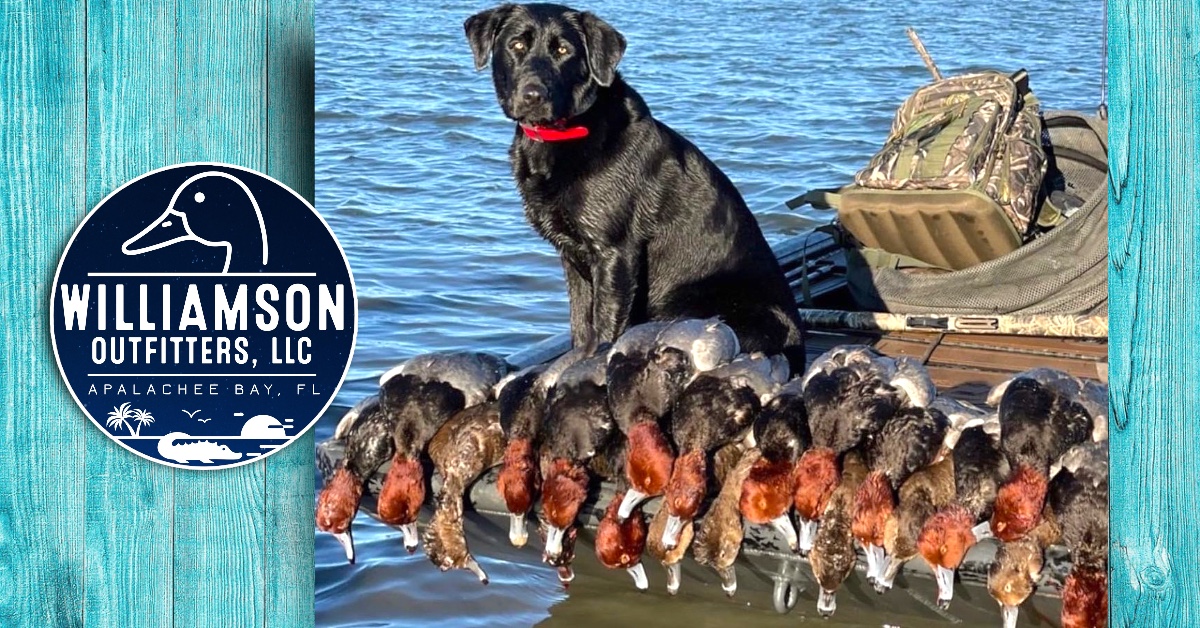
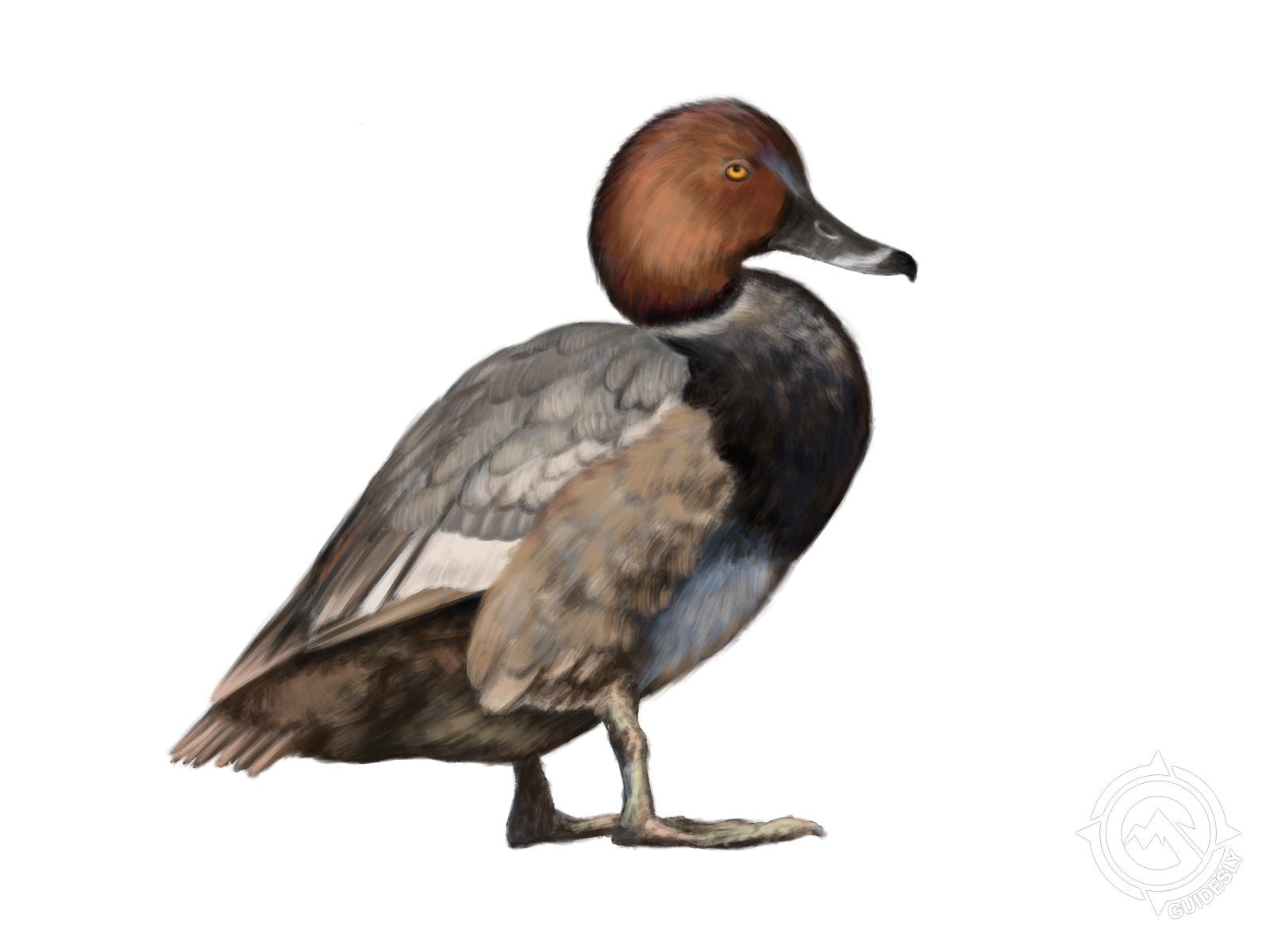
Redheads are the absolute stars of Apalachee Bay, and for good reason. These gorgeous diving ducks arrive in huge numbers starting in late November, with peak populations hitting the bay from December through February. Bulls can weigh over three pounds and sport that distinctive rusty-red head that makes them unmistakable in flight. What makes redheads so special here is their willingness to decoy aggressively – when a flock commits to your spread, they come in low and fast with wings cupped. They feed heavily on the bay's abundant grass beds, which keeps them fat and happy all winter long.
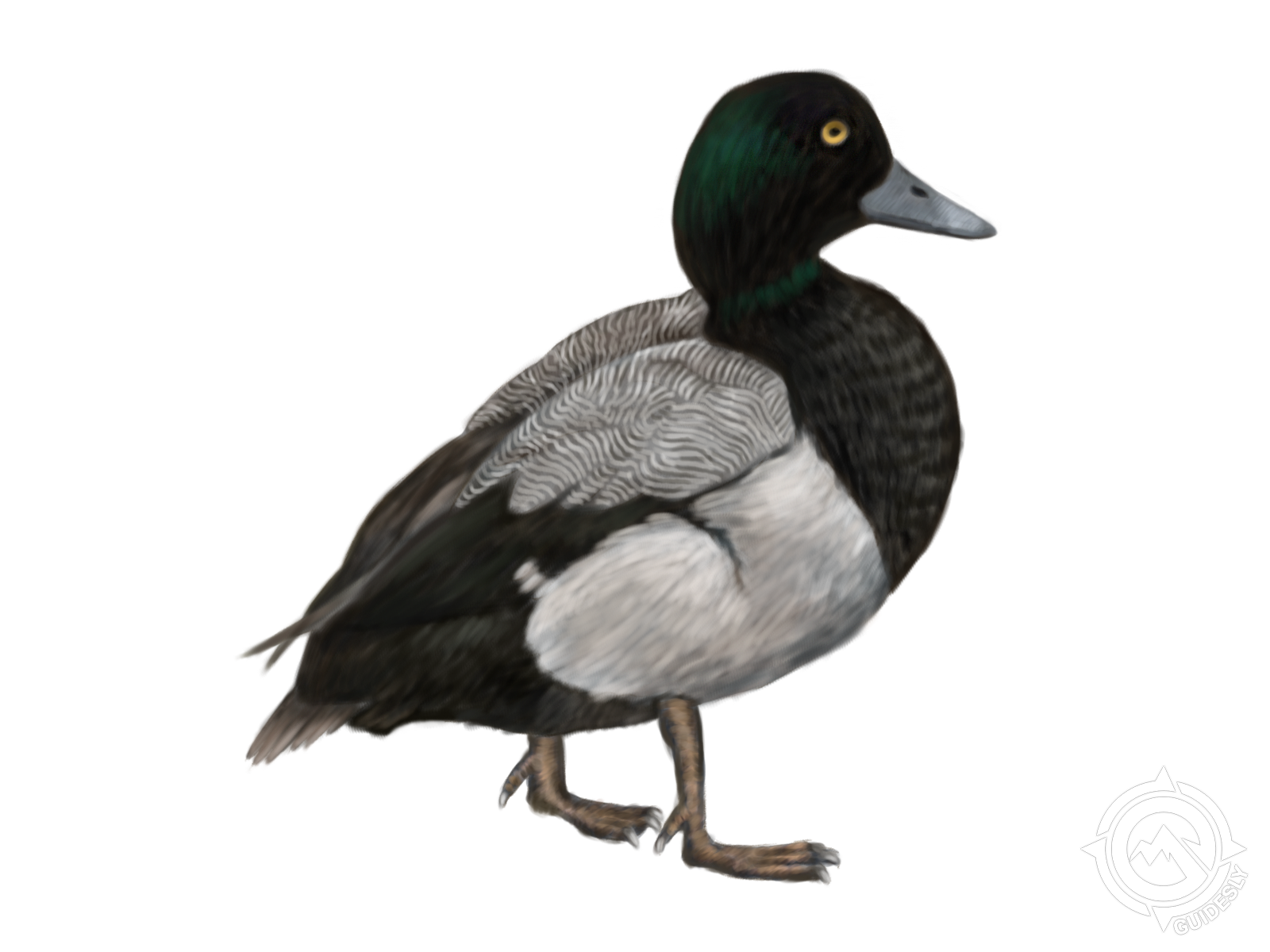
Greater scaup, or "bluebills" as most hunters call them, provide some of the most consistent action you'll find anywhere. These tough little divers travel in large flocks and aren't shy about working decoys. Drakes are stunning birds with their black and white plumage and distinctive blue bills. They're smaller than redheads but make up for it in numbers – it's not uncommon to see flocks of 50 or more bluebills moving through the area. They dive deep for mollusks and small crabs, which gives their meat a unique coastal flavor that's absolutely delicious on the table.
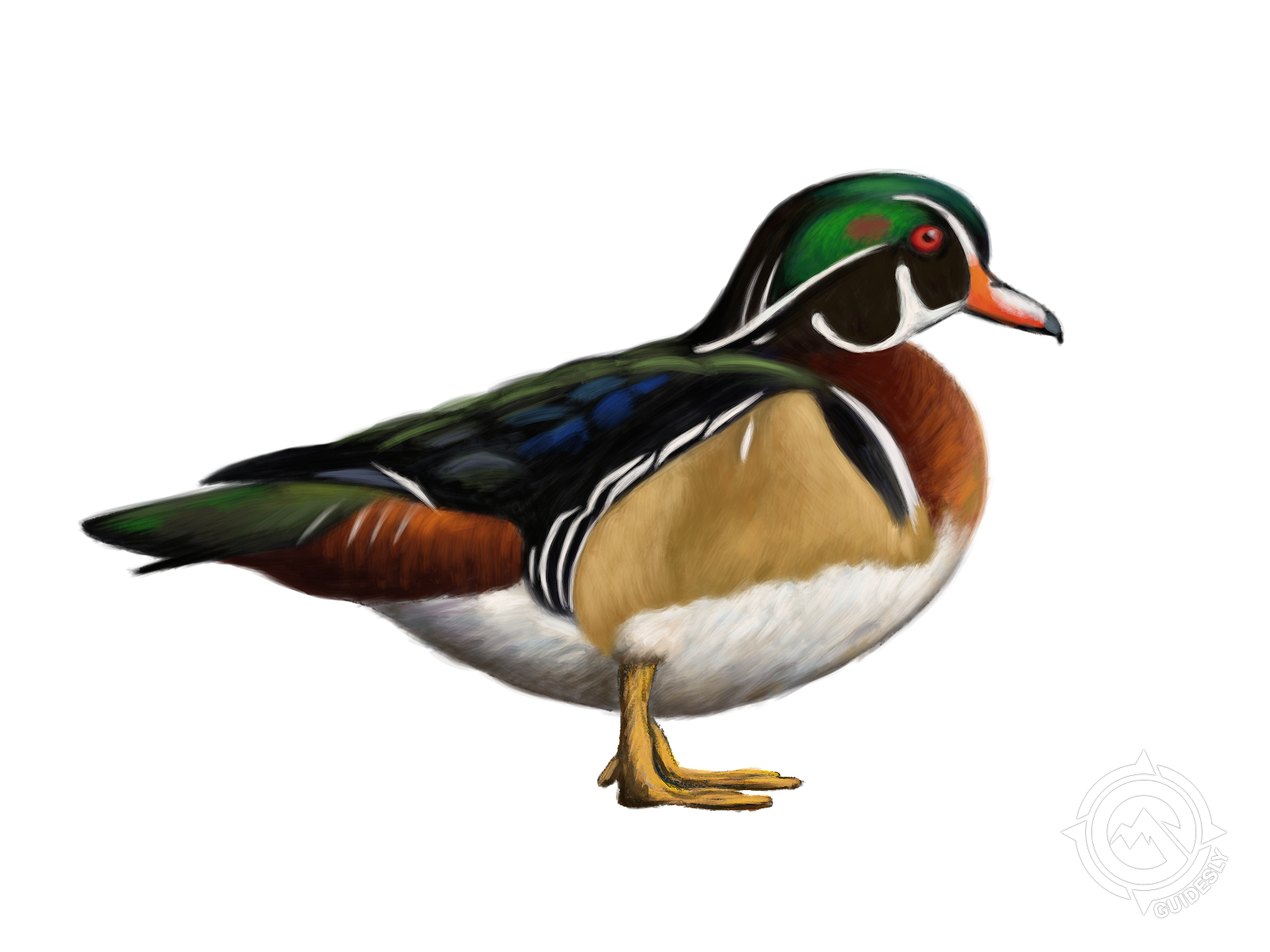
Wood ducks might seem out of place in a coastal environment, but Apalachee Bay's mix of saltwater and freshwater creates perfect habitat for woodies year-round. These are some of the most beautiful ducks in North America, with drakes showing off iridescent greens, purples, and distinctive white markings. Unlike the divers, wood ducks prefer the quieter backwaters and creek mouths where they feed on acorns and seeds. When they do decoy, it's usually in small groups, and their approach is much more cautious than the aggressive divers.
Bufflehead are the clowns of the duck world – small, fast, and absolutely fearless when it comes to working decoys. These little black and white dynamos are incredible fliers, capable of taking off almost vertically from the water's surface. Bulls sport a distinctive white patch on the back of their heads that makes them easy to identify even at distance. They're year-round residents in small numbers, but winter brings huge increases in population as northern birds move south.
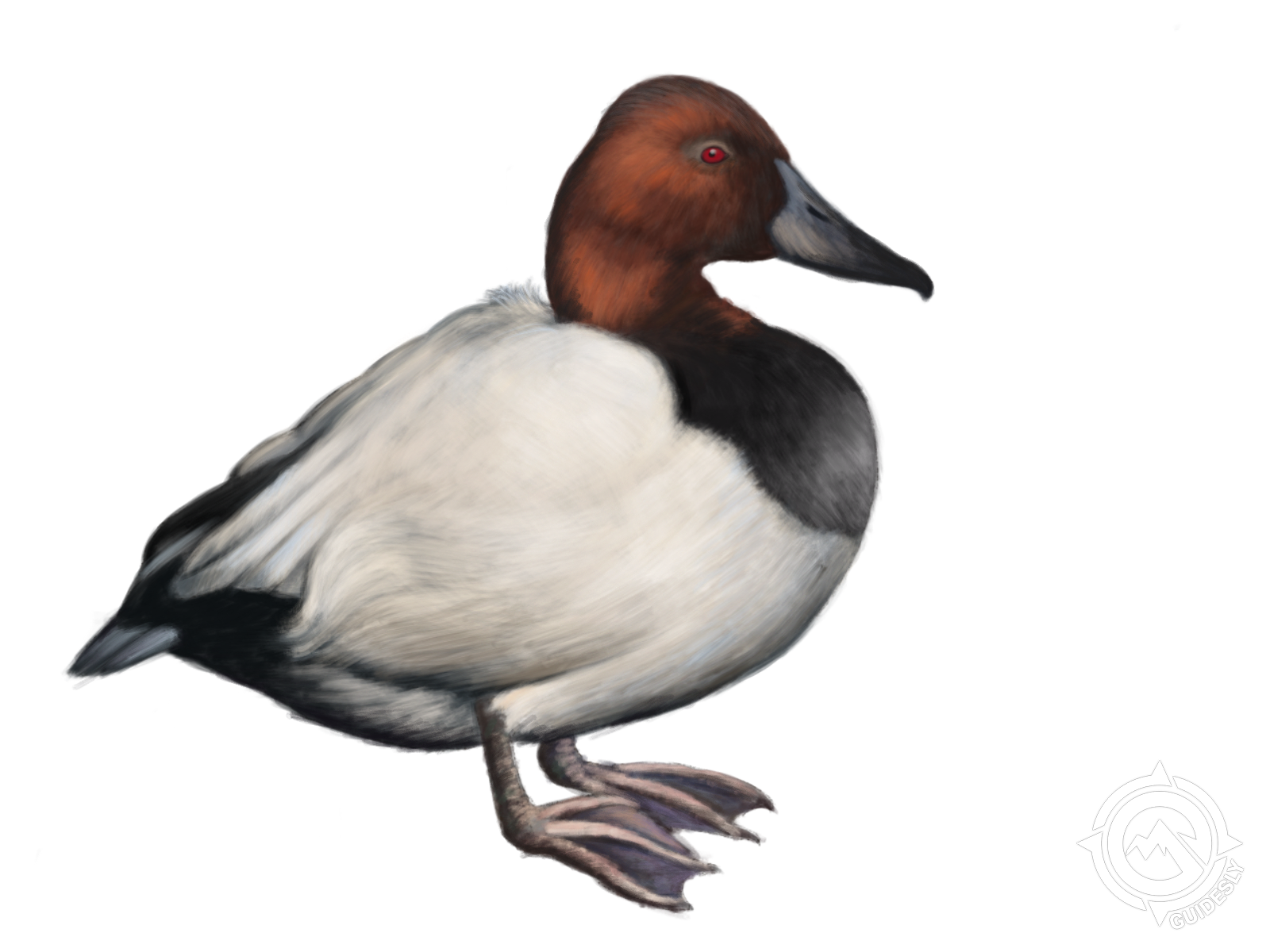
Canvasback represent the holy grail of waterfowl hunting, and while they're not as numerous as redheads or scaup, Apalachee Bay sees good numbers during peak migration periods. These are large, fast-flying ducks with distinctive sloped profiles and burgundy heads on the drakes. Canvas are incredibly wary and require perfect conditions to decoy well, but when they do commit to a spread, it's a sight every duck hunter dreams about. Their preference for deep-water areas means they're often mixed in with redhead flocks.
Book Your Next Tag
Apalachee Bay represents everything that makes coastal waterfowl hunting special – diverse species, consistent action, and the kind of challenging conditions that separate serious hunters from weekend warriors. This isn't a guaranteed limit hunt, but rather a chance to experience one of Florida's most productive and beautiful hunting grounds with a knowledgeable local guide who knows where the birds are and how to hunt them effectively. The single-hunter format means you get personalize
 Private Trip
 Hunting from Blinds
 Eastpoint, FL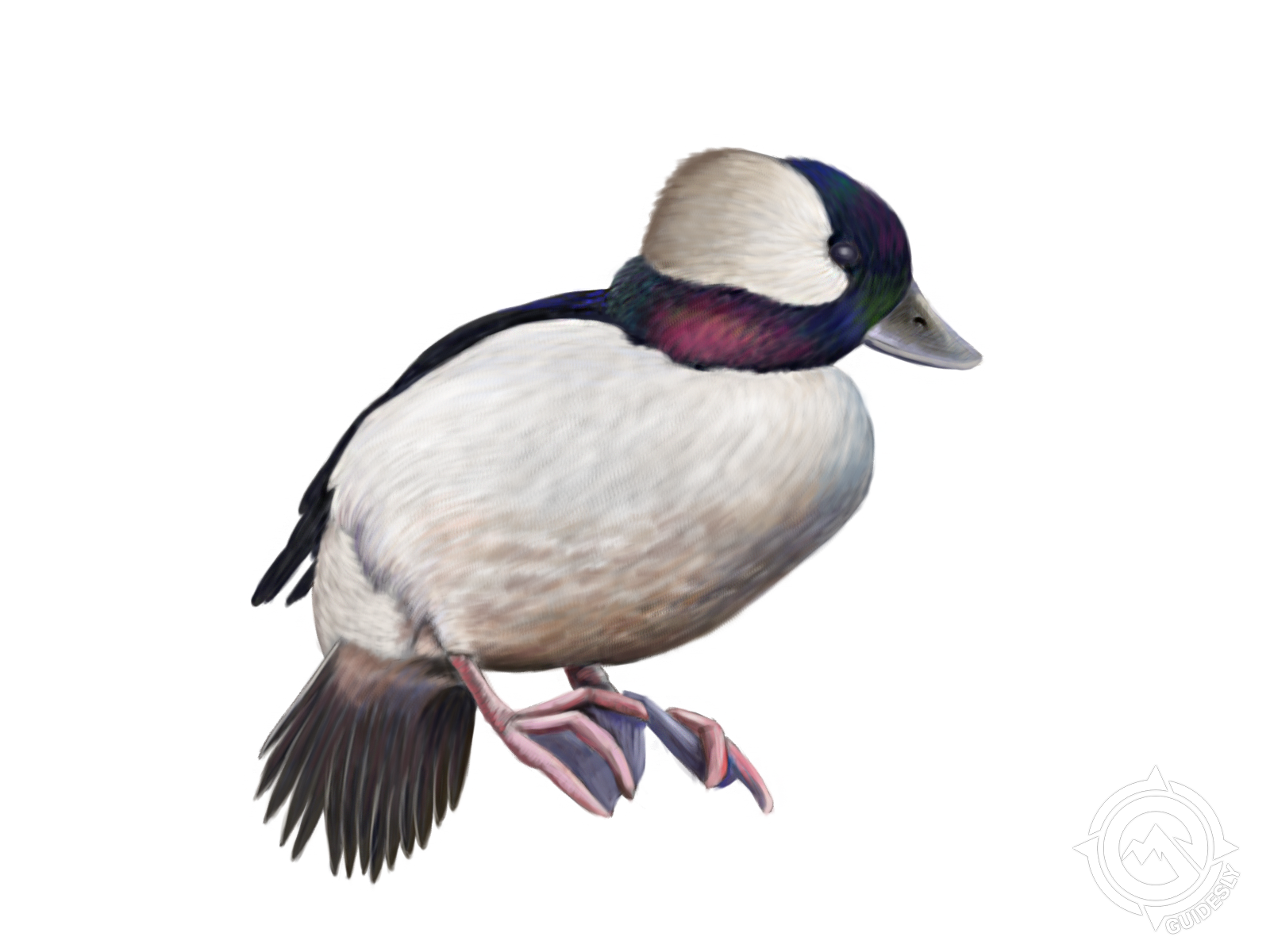
 Hunt diving ducks from blinds in prime Florida waters