Coastal Duck Hunting in Apalachee Bay, FL
When you're talking about world-class waterfowl hunting, Apalachee Bay stands in a league of its own. This sprawling coastal paradise along Florida's Big Bend transforms into a duck hunter's dream every winter, drawing massive populations of diving ducks that'll test your shooting skills and leave you planning your next trip before you've even packed up the decoys. With Williamson Outfitters, you're getting more than just a hunt – you're getting a front-row seat to one of the most productive duck hunting grounds in the Southeast, where redheads pour in by the thousands and every setup could be the hunt of a lifetime.
Inside the Hunt
This afternoon coastal hunt puts you right in the heart of Apalachee Bay's legendary diving duck action. You'll be hunting from strategically placed blinds that take advantage of the bay's natural feeding patterns and flight routes these birds have used for generations. The beauty of this hunt lies in its unpredictability – one moment you might have a small raft of buffleheads working your spread, and the next you could watch a massive flock of redheads commit to your decoys in a display that'll make your heart race. The afternoon timing is perfect for catching birds as they move between feeding and roosting areas, often providing some of the most consistent action of the day. With a guest capacity of just one hunter, you'll have the guide's full attention and the flexibility to adapt your strategy as conditions change throughout the hunt.
Tracking Tips & Terrain
Hunting Apalachee Bay requires a completely different approach than your typical freshwater duck blind setup. The coastal environment means you're dealing with tides, wind patterns, and diving ducks that behave nothing like puddle ducks. Your guide will position the blind based on current conditions, tide levels, and recent bird activity – factors that change daily and require local knowledge to read properly. The hunting from blinds approach here means you'll be concealed in permanent or semi-permanent structures designed to blend seamlessly with the coastal landscape. Decoy spreads for divers are typically larger and set in deeper water, often 15-20 feet deep, where these birds feel comfortable diving for food. The key to success lies in understanding how redheads, bluebills, and other divers respond to weather fronts, with cold snaps and north winds often triggering the best hunting conditions. Your guide will have all the specialized gear needed for coastal hunting, including long lines for deep-water decoy sets and the knowledge of exactly where to position everything for maximum effectiveness.
Target Game Breakdown
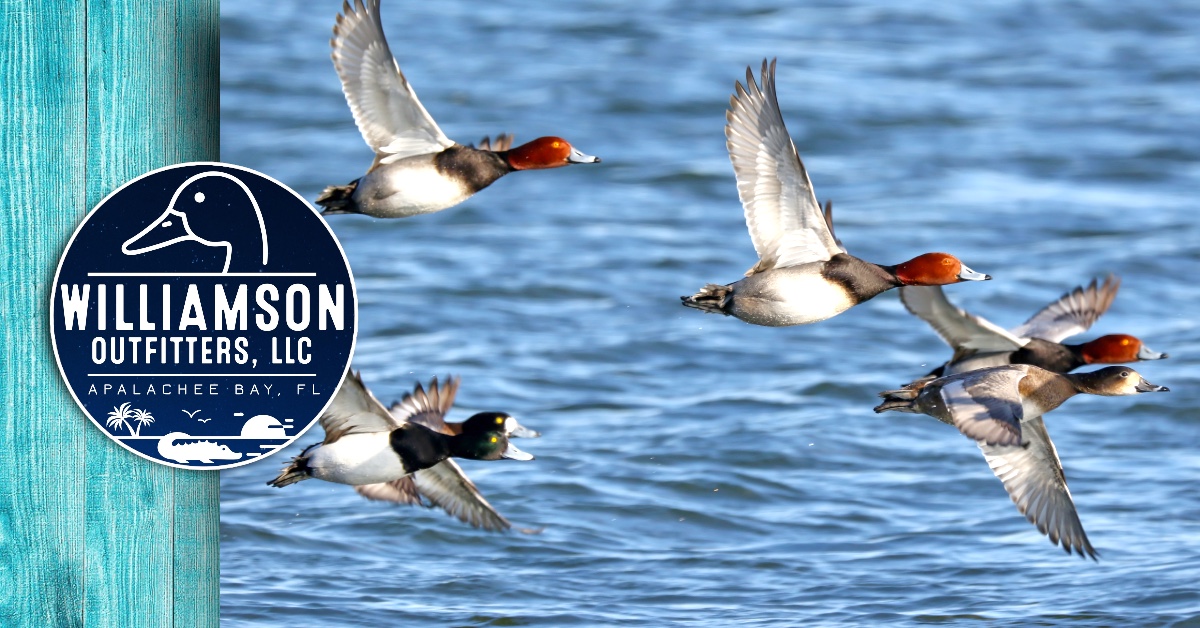
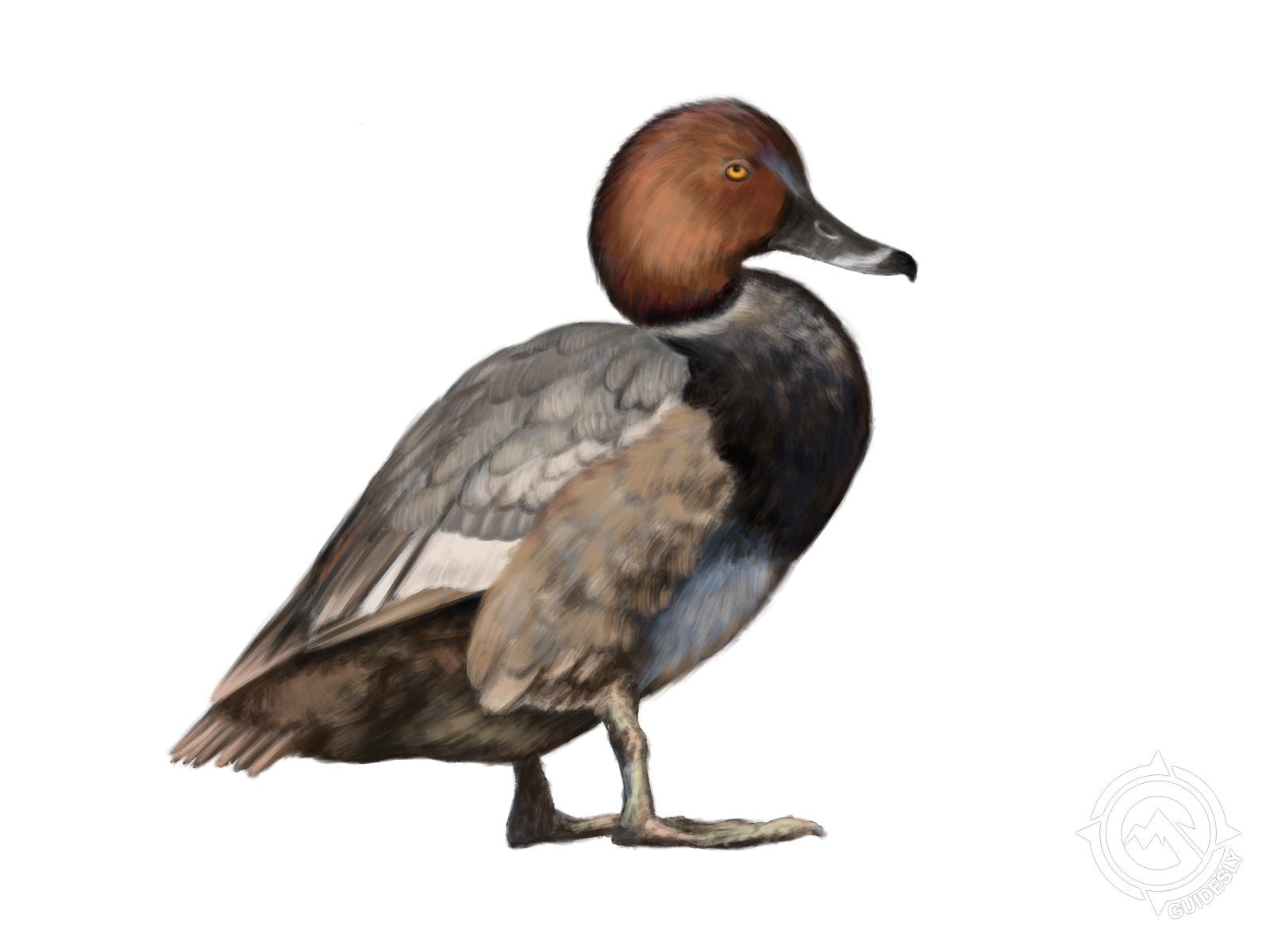
Redheads are the crown jewel of Apalachee Bay, and for good reason. These medium-sized diving ducks arrive in massive rafts during peak season, often numbering in the thousands. Redheads are incredibly social birds, and when they commit to a decoy spread, they often bring friends – lots of them. The drakes are stunning with their rich chestnut heads and distinctive blue bills, while hens display more subtle brown plumage that's equally beautiful in hand. What makes redhead hunting so addictive is their tendency to decoy aggressively when conditions are right, often circling multiple times before committing. They're also excellent table fare, with a diet of submerged aquatic vegetation giving them a much milder flavor than many diving ducks.
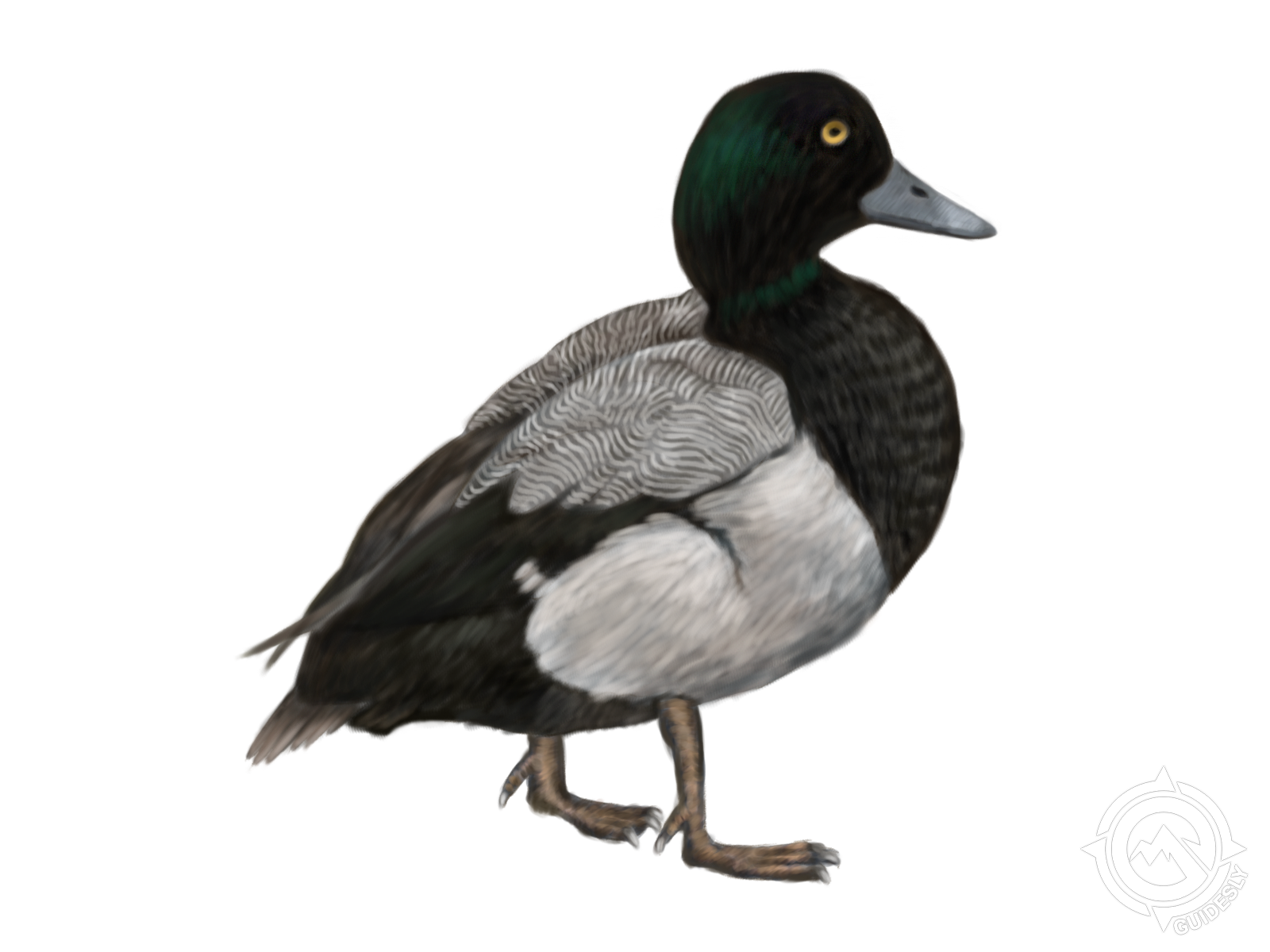
Greater Scaup, locally called bluebills, are another Apalachee Bay staple that provides consistent action throughout the season. These hardy divers are slightly smaller than redheads but make up for it with their willingness to work decoys in almost any weather condition. Bluebills often arrive in tight flocks, flying low over the water in formations that can stretch for hundreds of yards. They're incredibly fast fliers, requiring quick gun handling and good lead calculation. The drakes sport distinctive black and white plumage with a subtle green head sheen, while hens are brown with a distinctive white patch around the bill base.
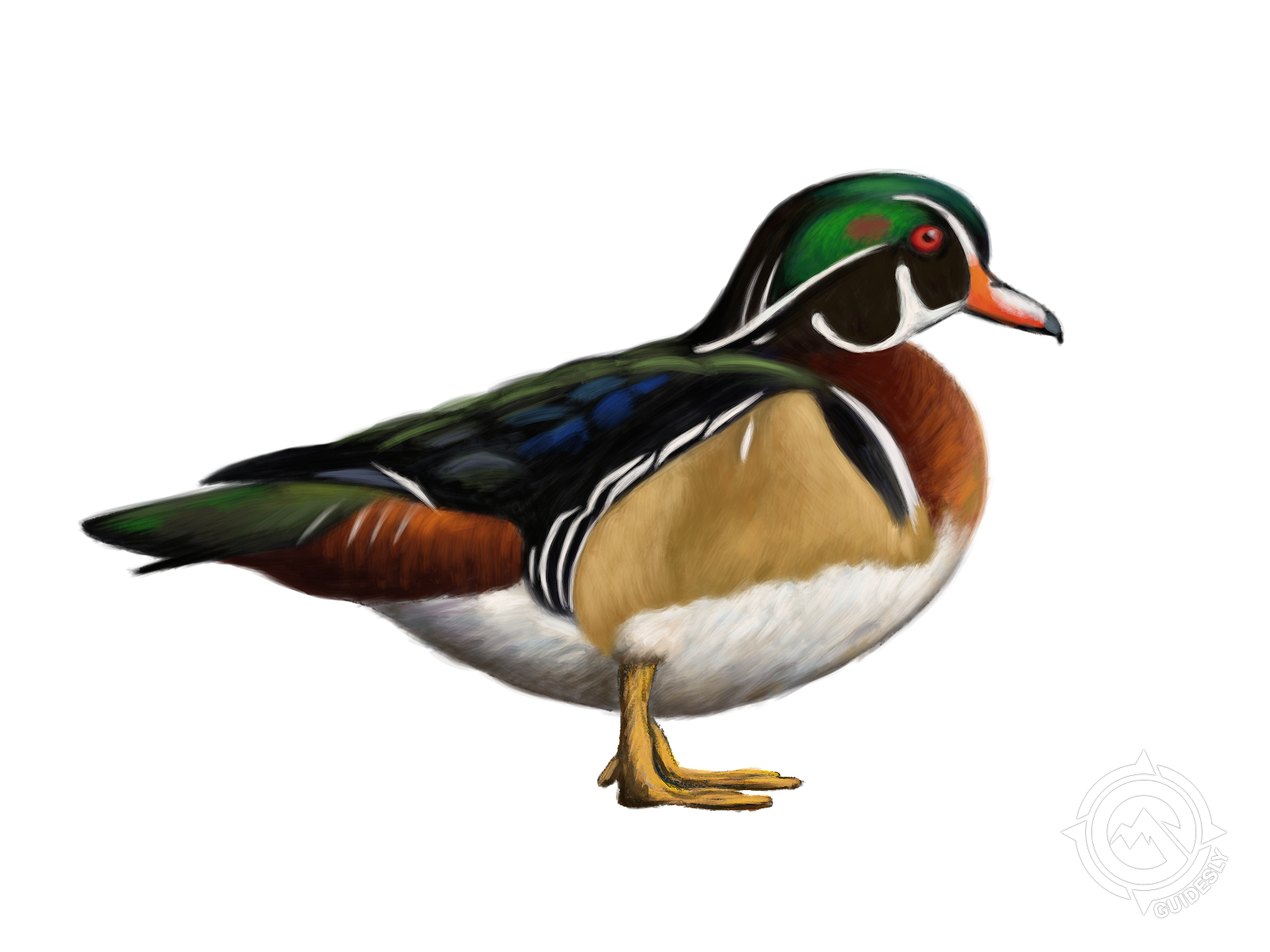
Wood Ducks might seem out of place on a coastal hunt, but Apalachee Bay's diverse habitat attracts these colorful puddle ducks year-round. They're often the first birds of the morning, coming in silently through the cypress edges or over open water with that distinctive whistling wing beat. Wood duck drakes are arguably North America's most beautiful waterfowl, with iridescent green heads and intricate plumage patterns that look almost painted. They decoy differently than divers, often requiring smaller spreads and more natural presentations.
Buffleheads are the smallest ducks you'll encounter regularly, but don't let their size fool you – they're fast, unpredictable, and incredibly fun to hunt. These little black and white diving ducks often appear suddenly, buzzing the decoys at high speed before circling back for a closer look. Bufflehead drakes are distinctive with their large white head patches and compact build, while hens are smaller and darker. They're excellent eating despite their size, and their acrobatic flying style makes every shot a challenge.
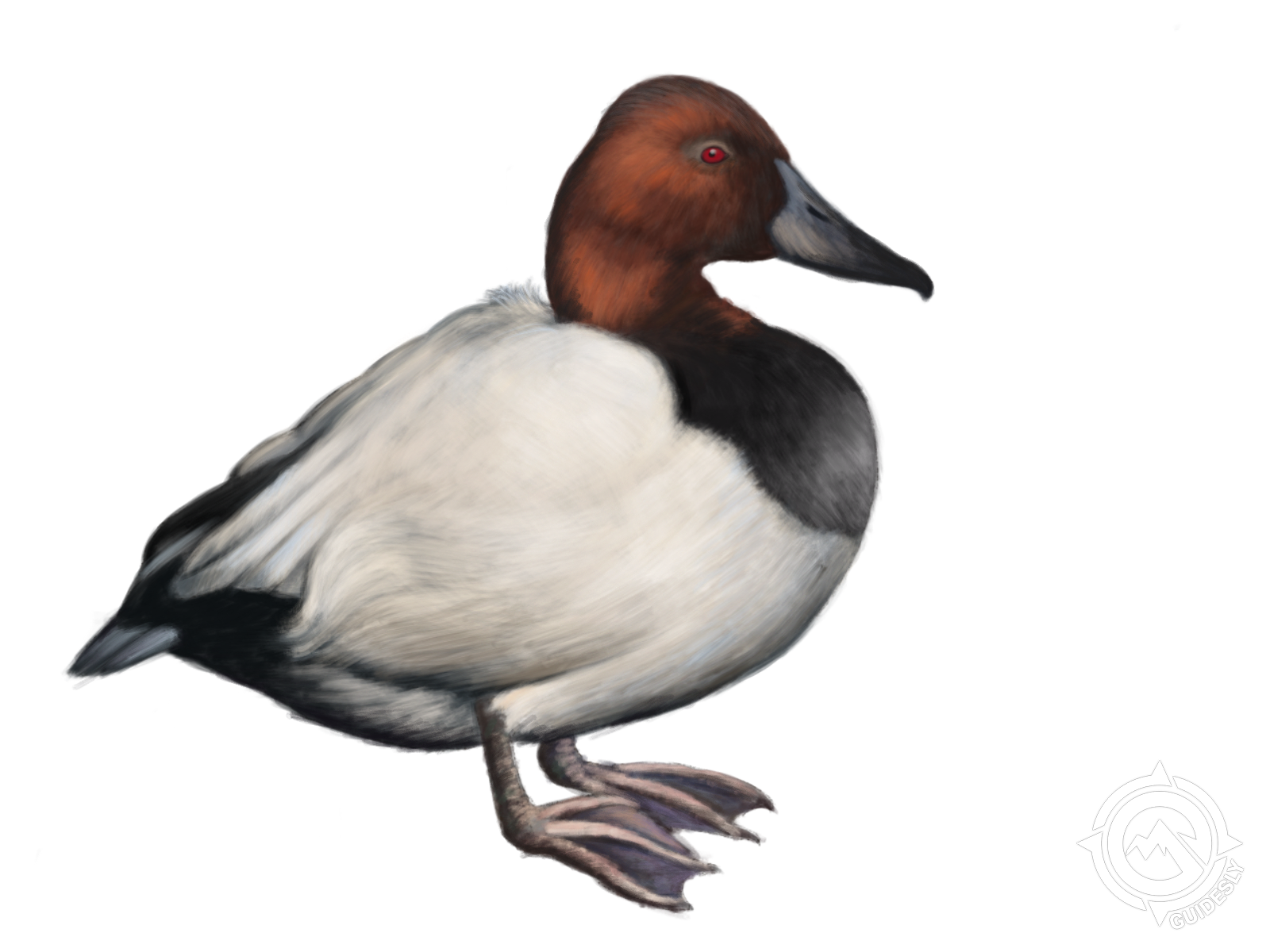
Canvasback represent the holy grail of diving duck hunting. These large, fast-flying ducks are less common than other species but show up regularly enough to keep things exciting. Canvasbacks are built for speed, with sleek profiles and powerful wingbeats that can carry them at incredible velocities. The drakes feature sloped profiles, bright red eyes, and distinctive sloping heads that make them unmistakable in flight. When canvasbacks decide to work your spread, it's a moment you'll remember forever – they're wary, fast, and absolutely gorgeous birds that represent waterfowl hunting at its finest.
Book Your Next Tag
Apalachee Bay's reputation as a top-rated duck hunting destination isn't built on luck – it's earned through consistent action, diverse bag opportunities, and the kind of coastal hunting experience you simply can't find anywhere else. This afternoon hunt with Williamson Outfitters gives you access to some of the most productive diving duck water in Florida,
 Private Trip
 Hunting from Blinds
 Eastpoint, FL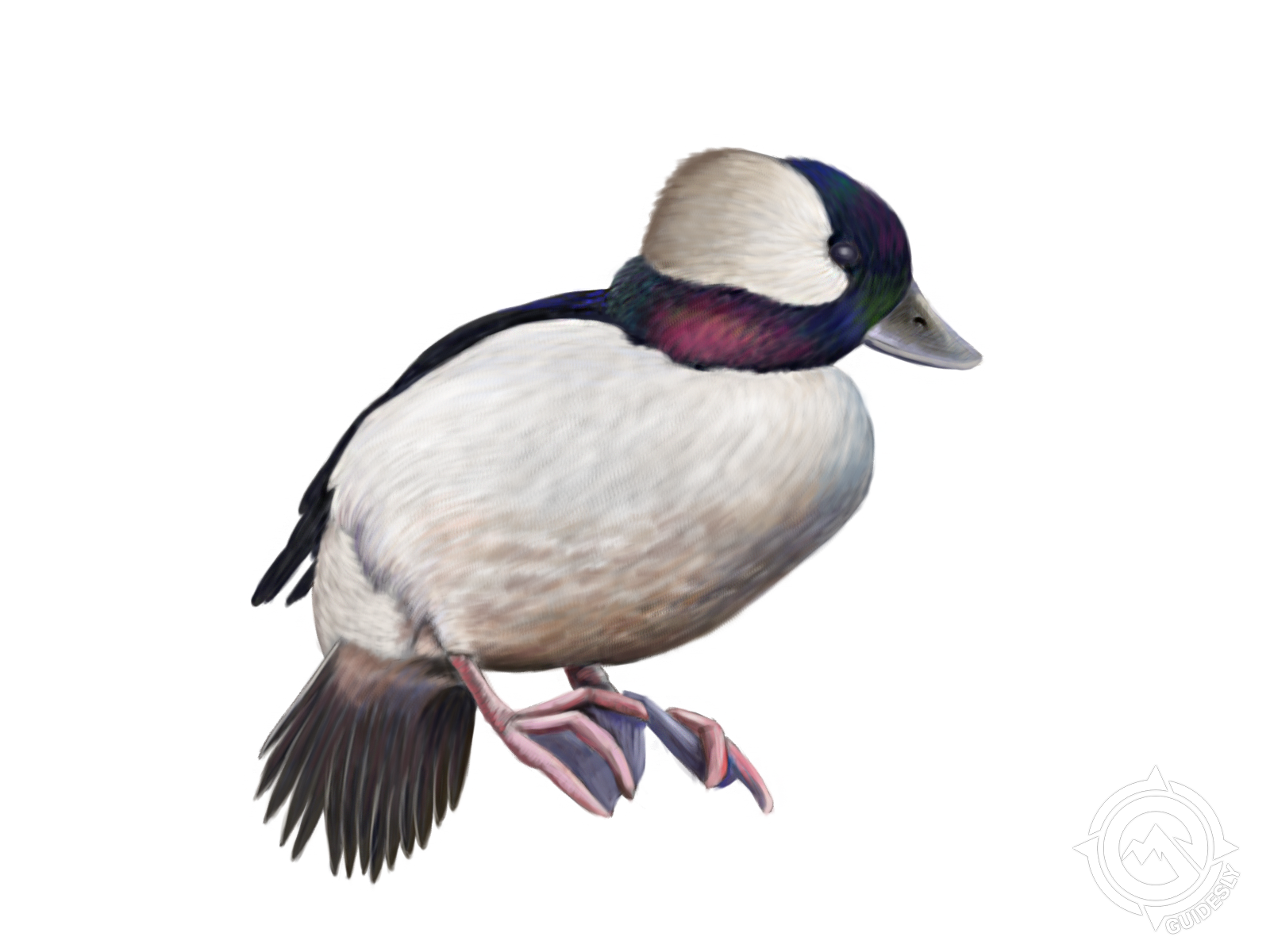
 Afternoon coastal duck hunting in prime Apalachee Bay waters