Professional Duck Hunting Near Lake Erie
Duck hunting doesn't get much better than what you'll find in the Port Clinton area. Captain Greg Wozniak has been guiding hunters through these prime waterfowl hotspots for years, and he knows exactly where the ducks are moving. This full-day hunt starts before dawn and gives you eight solid hours to work some of Ohio's most productive duck hunting grounds. Whether you're a seasoned hunter or just getting your feet wet, Greg's approach focuses on putting you in the right spot at the right time. The marshes and shallow bays east and west of Lake Erie create perfect staging areas for migrating waterfowl, and you'll be positioned to take advantage of their natural flight patterns.
Inside the Hunt
Your day kicks off at 5 a.m. sharp – no sleeping in when the ducks are flying. Greg will have you positioned in proven blinds and layouts well before shooting light, giving you the best chance at morning flights. The beauty of hunting this area is the variety of habitat. One setup might have you in a cattail marsh targeting puddle ducks, while another could position you over open water for divers coming off the big lake. Greg reads weather patterns and wind direction like a book, adjusting your location based on where birds are most likely to work. You'll learn to read duck behavior as flocks approach – when to call, when to stay quiet, and how to time your shots for clean kills. The eight-hour window gives you opportunities during both the morning and evening flights, with midday scouting to locate birds for the afternoon hunt.
Tracking Tips & Terrain
The Port Clinton area offers diverse hunting terrain that keeps things interesting. Shallow marshes connected to Lake Erie create natural funnels where ducks travel between feeding and resting areas. Greg uses a combination of layout blinds and natural cover to keep you concealed while maintaining good shooting lanes. Your 12 or 20-gauge shotgun should be loaded with steel shot appropriate for the conditions – Greg will advise on shot size based on species and range. Decoy spreads here aren't massive, but they're strategic. Positioning matters more than quantity when you're dealing with educated birds that see hunting pressure. The key is matching your setup to wind direction and natural flight lines. Waders aren't always necessary, but having them gives you flexibility to adjust position as conditions change throughout the day.
Target Game Breakdown
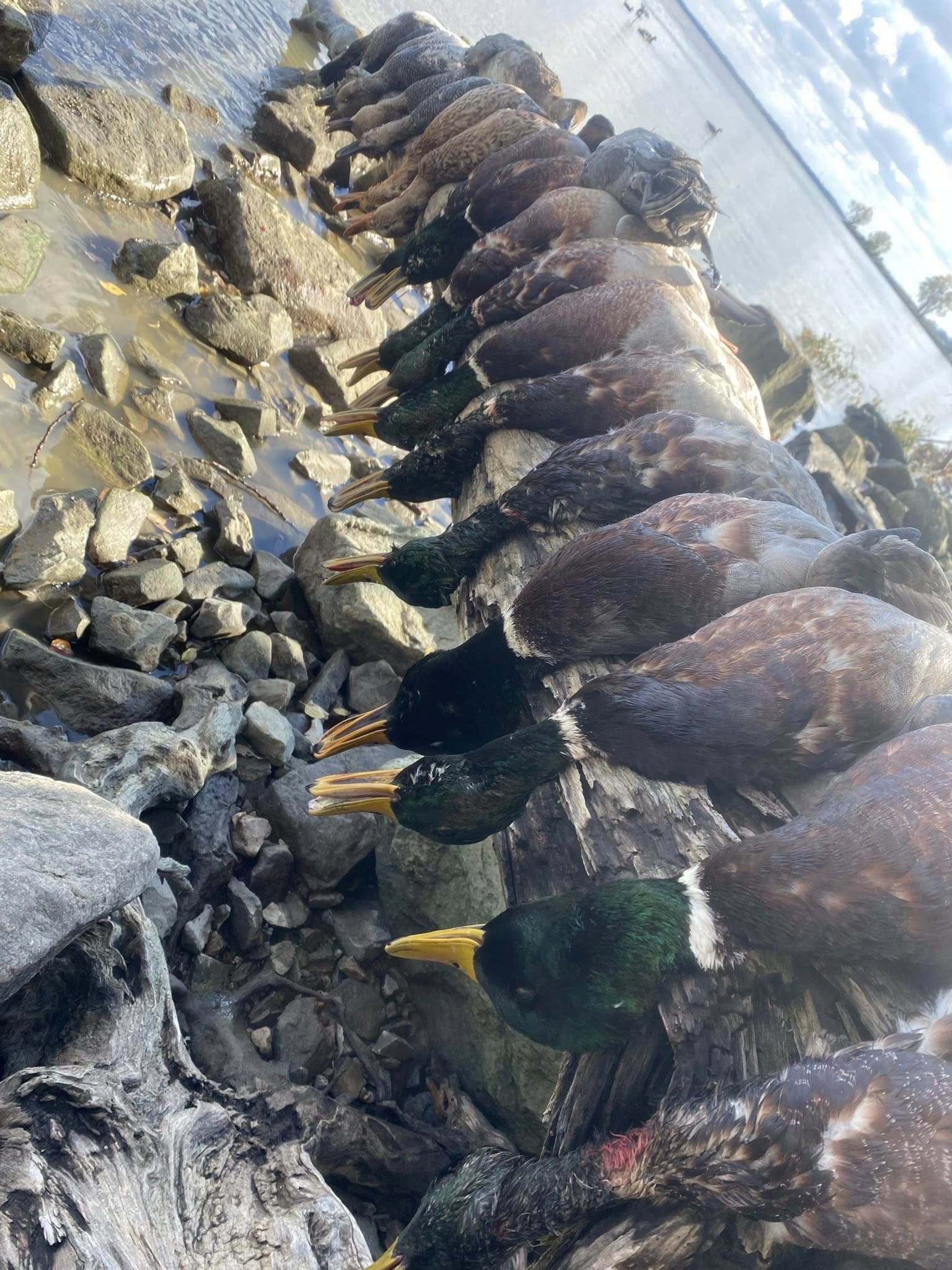
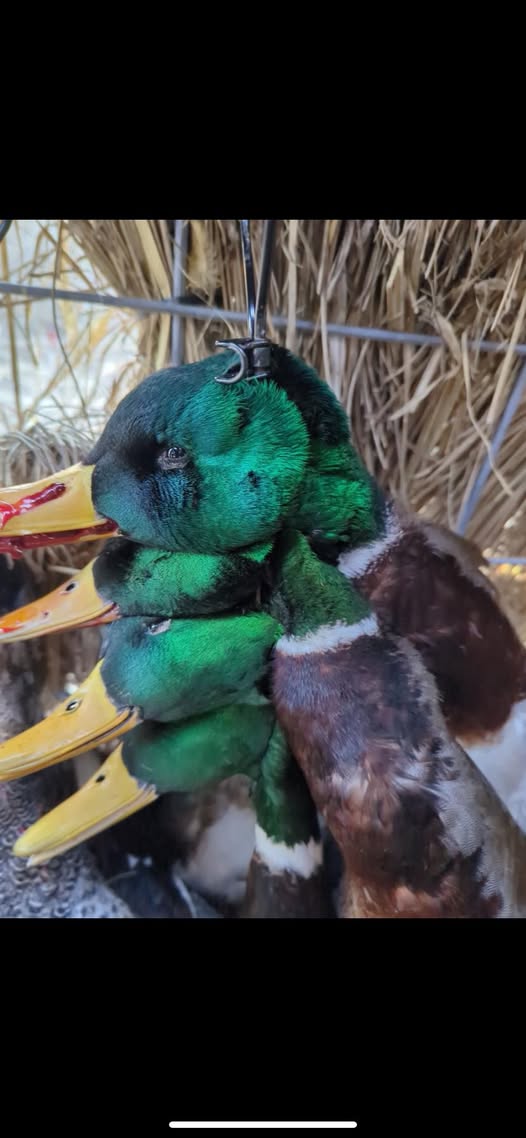
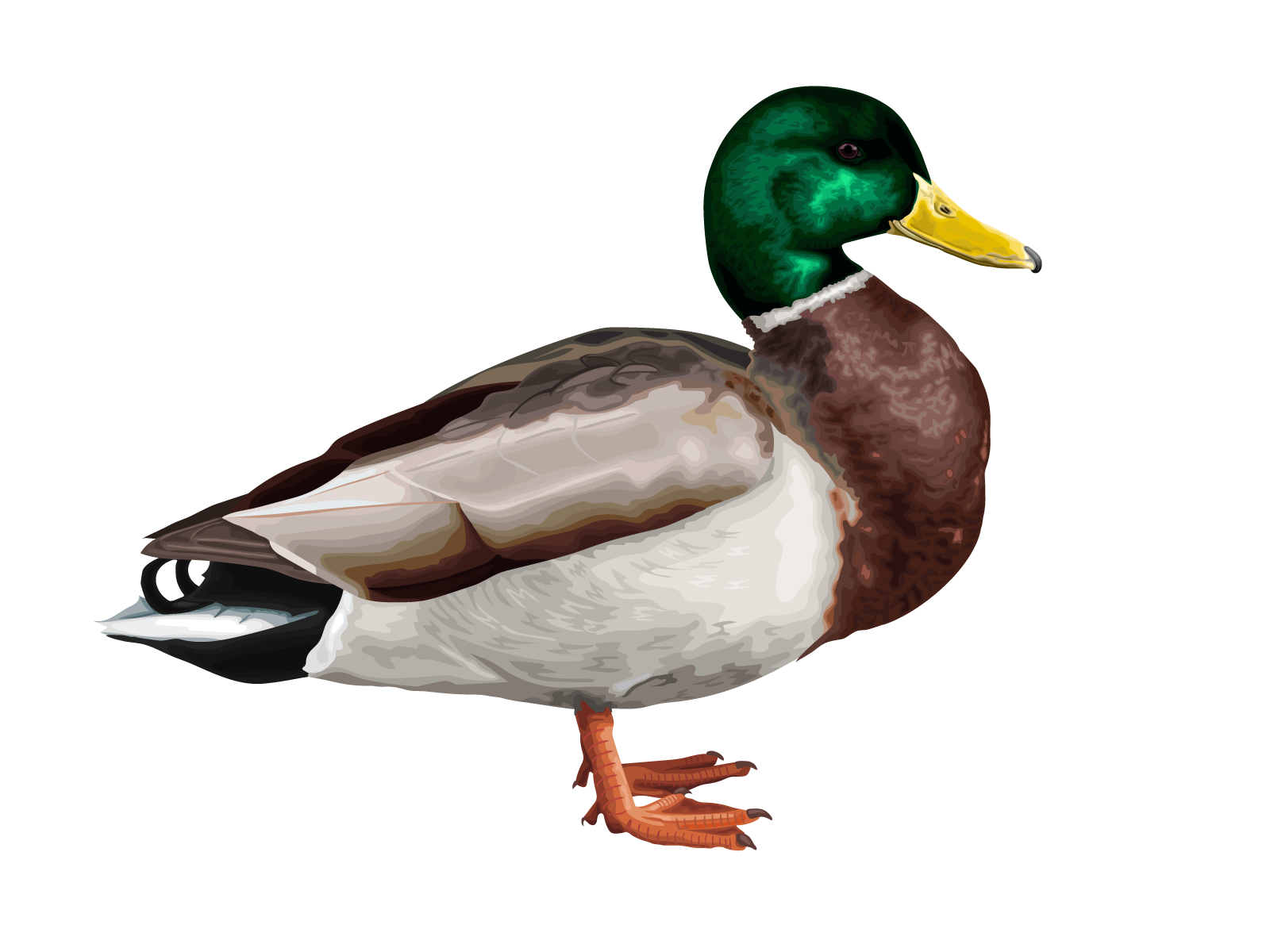
Mallards are the bread and butter of Ohio duck hunting, and the Port Clinton marshes hold plenty of them. These birds are smart and vocal, responding well to aggressive calling during overcast conditions but requiring a softer touch on calm, clear days. Peak mallard action typically runs from late October through December, with local birds joined by northern migrants as temperatures drop. What makes mallard hunting exciting here is their unpredictability – they might decoy perfectly or flare at the last second, keeping you on your toes.
Black ducks are the wary ghosts of the marsh, and spotting one in your spread is always a highlight. These birds prefer the edges where cattails meet open water, and they're extremely cautious about decoys. They peak during November migration, often mixing with mallard flocks but staying on the outside edges. Black ducks test your calling skills since they're quick to detect anything that sounds off. When one commits to your spread, you know you've done everything right.
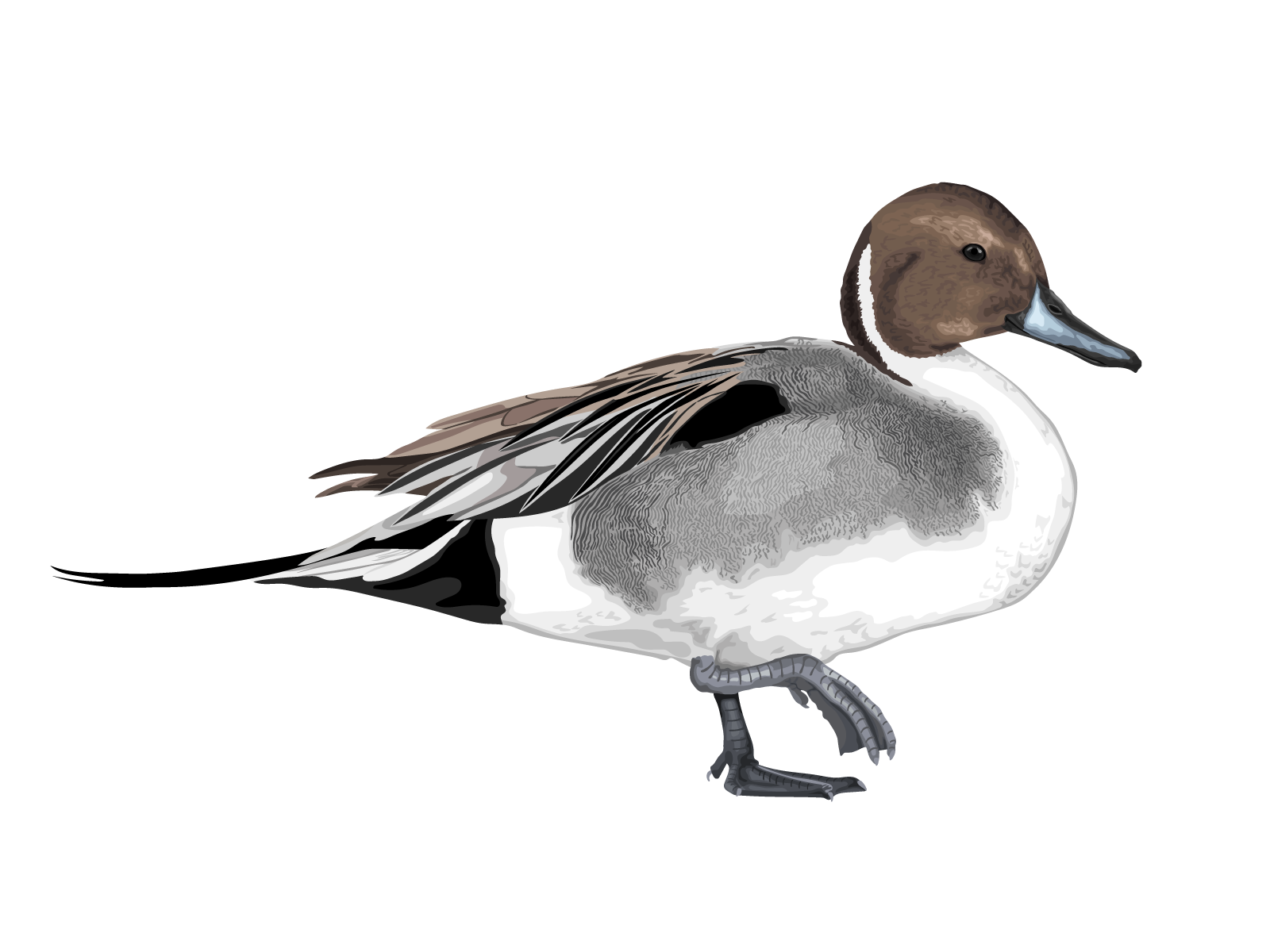
Northern pintails bring elegance and challenge to your hunt. These long-necked speedsters often appear suddenly, making high passes before committing. They're suckers for spinning wing decoys and respond well to highball calls that cut through wind. Pintails typically show up in October and early November, often during weather fronts that push birds south. Their distinctive silhouette makes identification easy, and their acrobatic flying keeps things exciting.
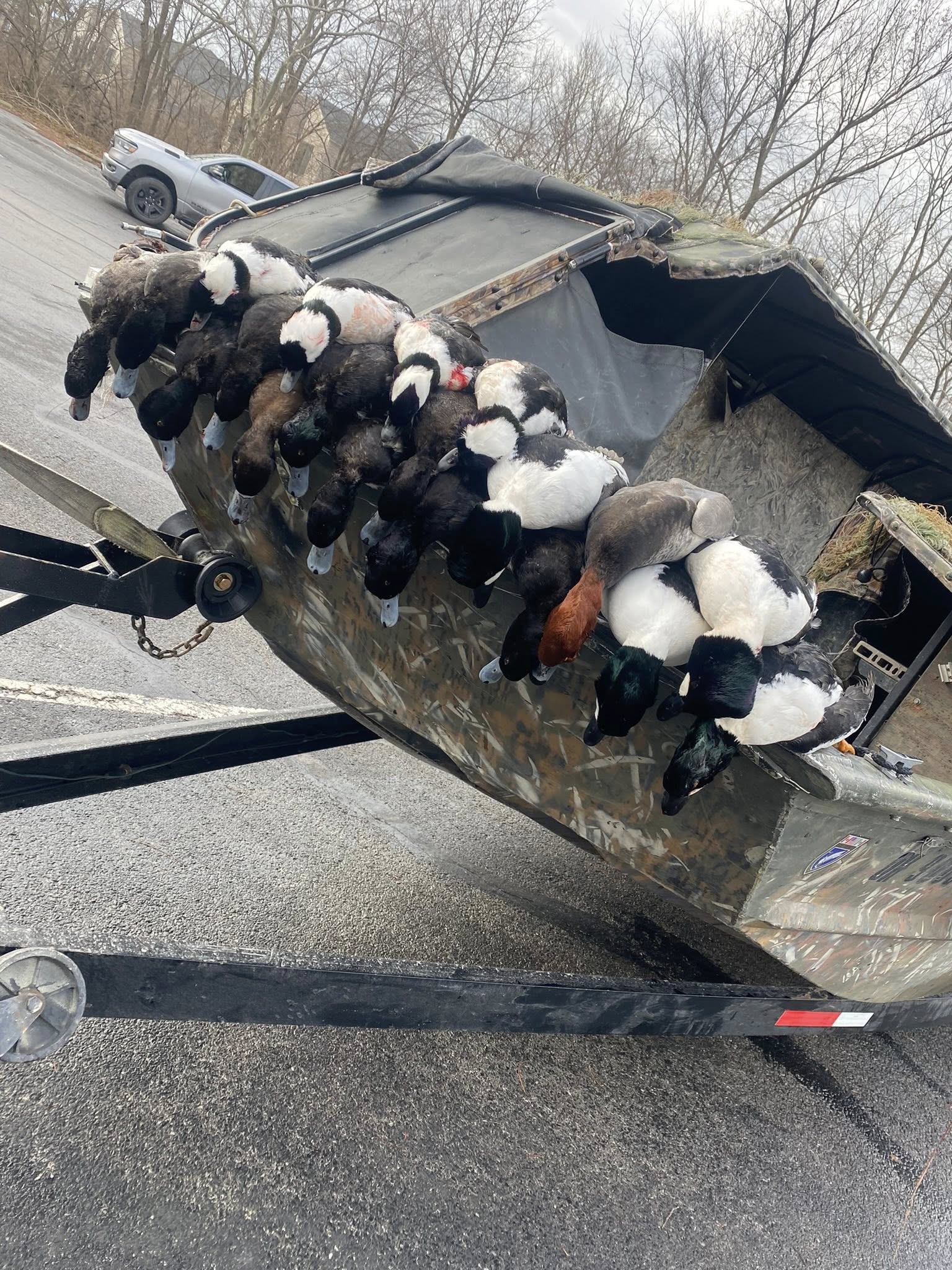
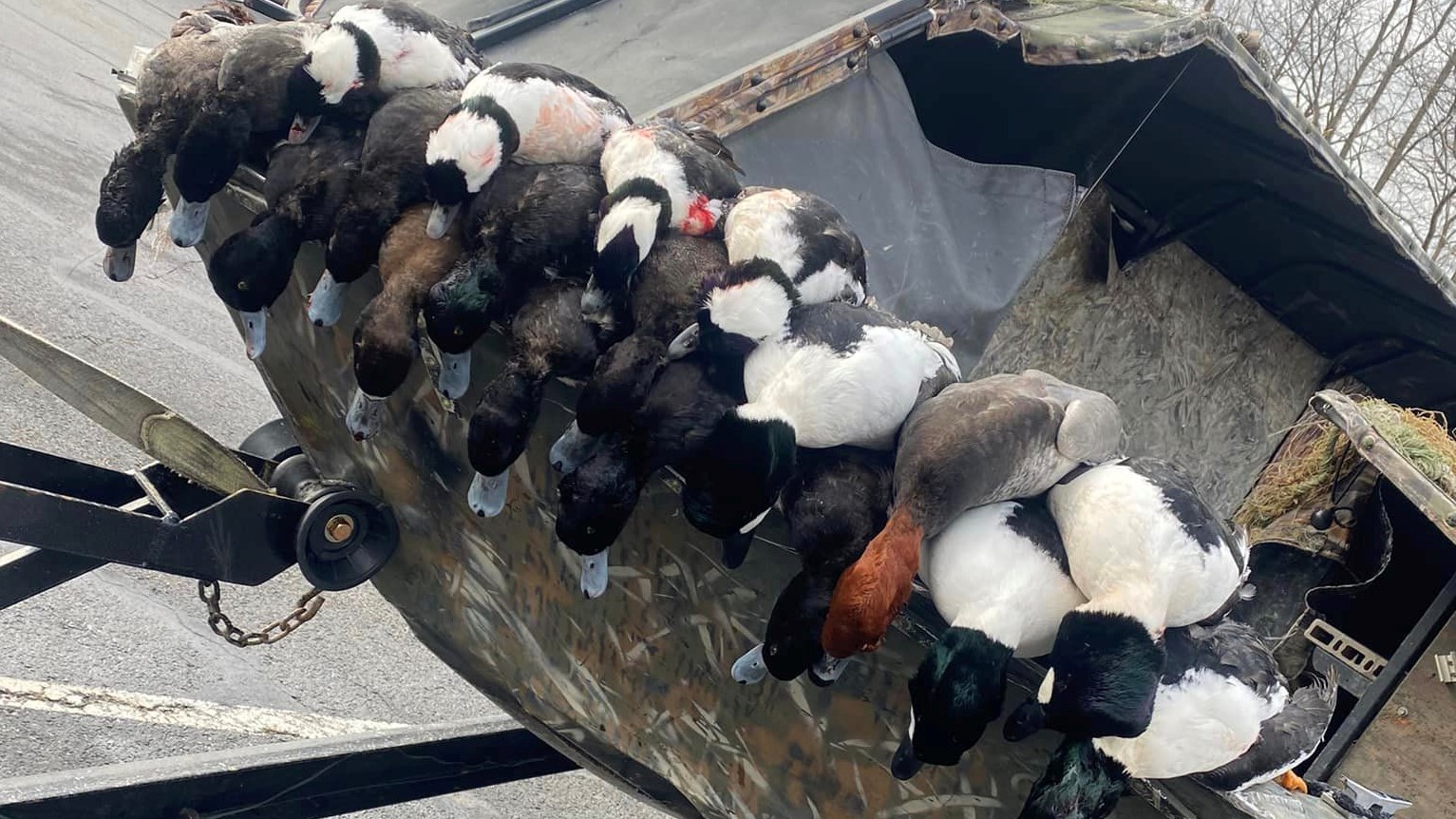
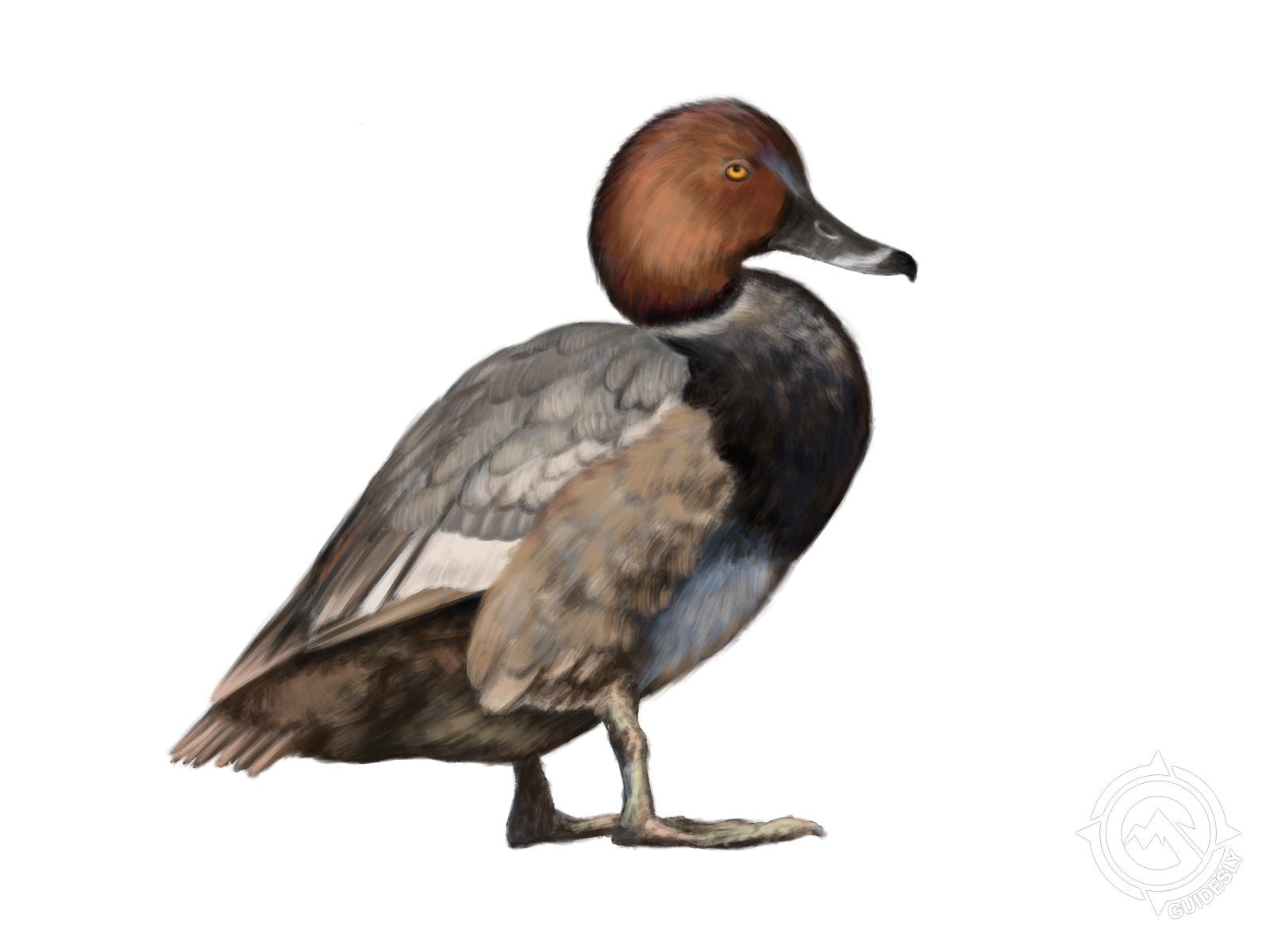
Redheads are the classic Lake Erie diver, and hunting them over open water is a completely different game than puddle duck hunting. These birds dive deep for aquatic vegetation and often raft up in large groups offshore before working into shallower areas. They're most active during November when migration peaks, and they respond well to motion in your decoy spread. Redheads fly fast and low, requiring quick reflexes and good lead calculation.
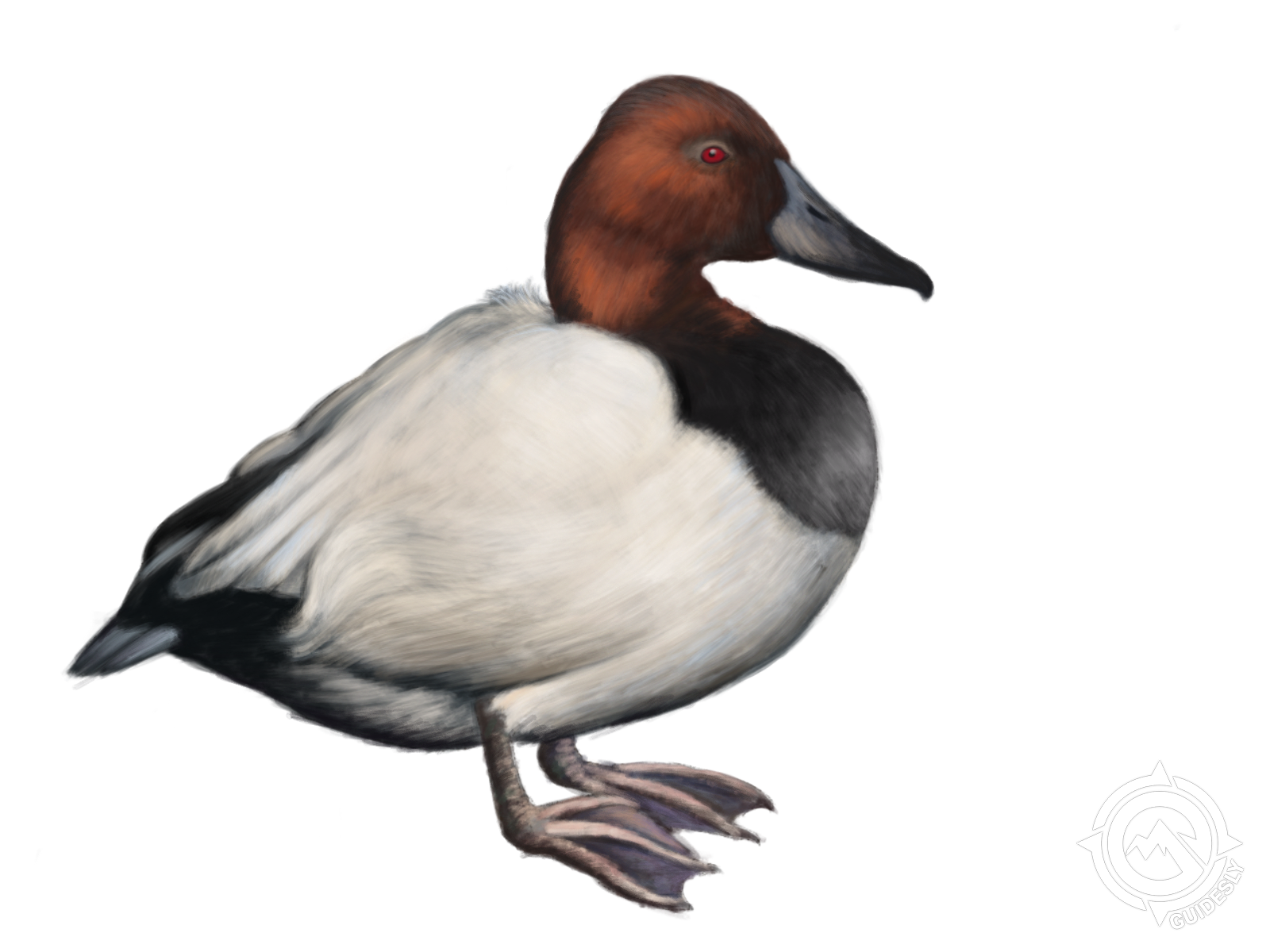
Canvasback are the prize of any waterfowler's day. These powerful divers are less common but worth the wait when they show up. They prefer deeper water than other divers and often approach in small groups. Canvasback hunting is about patience and recognition – their distinctive profile and powerful flight make them unmistakable once you've seen a few. They're most likely during peak migration periods when weather pushes birds hard from the north.
Book Your Next Tag
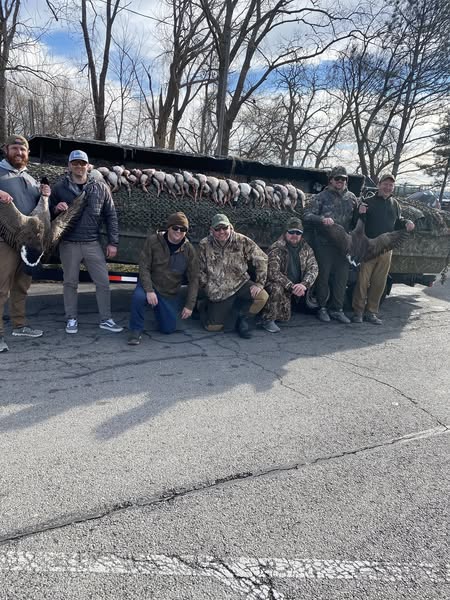
This hunt delivers exactly what serious waterfowlers are looking for – productive locations, experienced guidance, and genuine duck hunting tradition. Greg's local knowledge and commitment to putting you on birds makes this a top-rated choice for Ohio duck hunting. The combination of species diversity and habitat variety means every hunt is different, whether you're working a flock of mallards into the decoys or watching canvasback streak past at 50 mph. Bring your camo, shotgun, and valid hunting license with duck stamp, and Greg handles the rest. With only five hunters per trip, you get personal attention and plenty of shooting opportunities. The Port Clinton area consistently produces birds throughout the season, making this one of Ohio's most reliable duck hunting destinations.
 Private Trip
 Bird hunting
 Port Clinton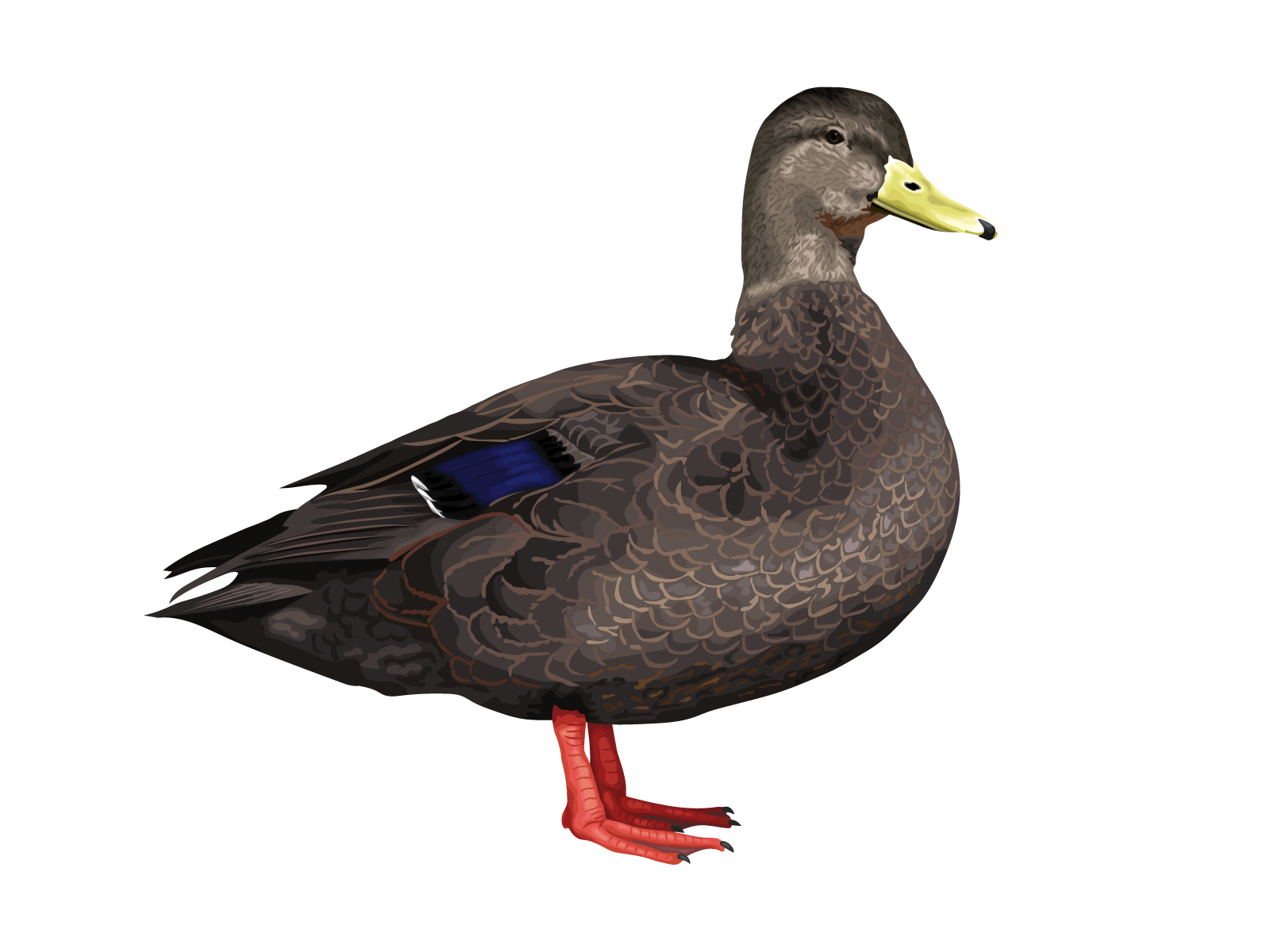
 Full-day guided duck hunting across prime Lake Erie locations