Guided Utah Elk Hunt: 1:1 Spike Bull & Cow Elk
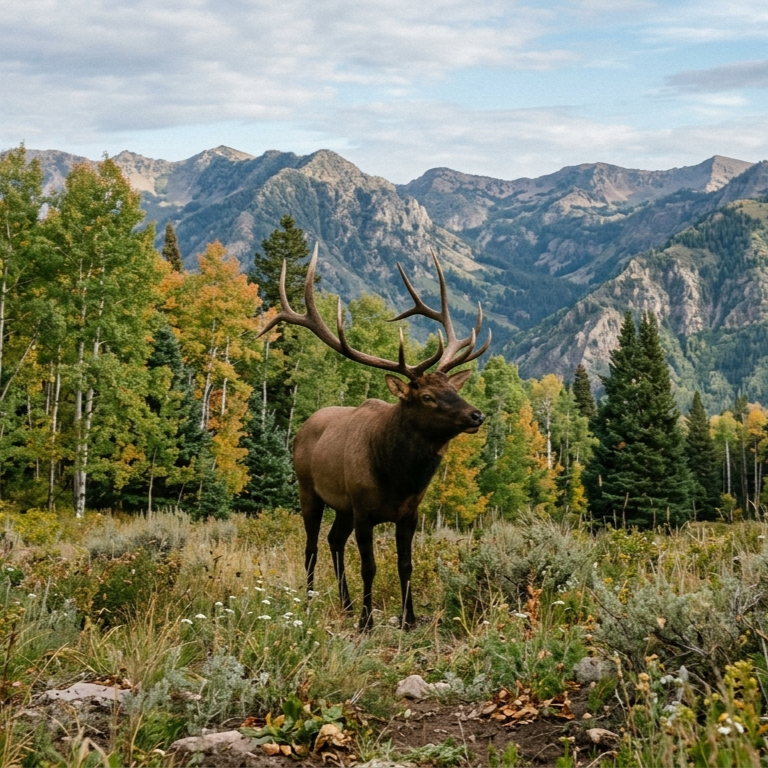
Picture yourself glassing across Utah's vast wilderness with 1.3 million acres of prime elk habitat stretching out before you. This isn't some cookie-cutter hunt where you're competing with other hunters for your guide's attention. You get a dedicated guide for three solid days, working public land that most hunters never see. We're talking spike bulls and cow elk in country that'll test your boots and reward your patience. The setup is simple but effective: wall tent lodging keeps you right in the thick of things, UTV and Jeep access gets you deep into elk territory, and your guide brings the local knowledge that makes all the difference between punching a tag and going home empty-handed.
Inside the Hunt
Your hunt kicks off early each morning from base camp, where traditional wall tents keep you comfortable and close to prime elk country. No fancy lodge miles away from the action - you're sleeping where the elk live. The 1:1 guide ratio means your success is their only focus for 72 hours straight. They know this country like their backyard, from the hidden wallows elk hit during midday to the travel corridors they use moving between bedding and feeding areas. Expect to cover serious ground using UTVs and Jeeps to access remote basins and ridgelines that most hunters never reach. Your guide reads sign like a book, interpreting fresh rubs, tracks in the mud, and pellet piles to put you in position for a clean shot. The biological approach means understanding elk behavior patterns, seasonal movements, and how weather affects their daily routines. Calling plays a huge role here - whether it's cow calls to bring curious animals within range or locating bugles during the rut. This public land adventure offers the real deal: no high fences, no guaranteed shots, just honest hunting where woodsmanship and persistence pay off.
Tracking Tips & Terrain
Utah's elk country demands respect and the right approach. We're working everything from dense timber pockets to open parks where elk feed at first and last light. The terrain varies dramatically - one morning you might be glassing sagebrush flats, the next you're picking your way through deadfall in thick aspens. UTVs handle the initial access, getting you within striking distance of target areas without burning energy on long hikes. But don't expect a ride to your elk - you'll still need solid boots and the stamina for steep climbs when the situation calls for it. Calling techniques change with the terrain and conditions. In thick cover, soft cow calls work magic on curious elk. Open country requires different tactics - using topography to stay hidden while closing distance. Your guide reads fresh sign constantly: examining tracks for direction of travel, checking rub trees for hair and height to gauge bull size, and noting scat consistency to determine how recently elk passed through. Weather plays a huge factor in elk movement. Storm fronts get them moving, while high pressure often pushes animals into thicker cover during daylight hours. The key is staying flexible and letting elk behavior dictate your strategy rather than forcing predetermined plans.
Target Game Breakdown
Spike bulls represent some of the best eating in the elk woods, typically weighing 400-500 pounds field dressed. These young bulls haven't developed the wariness of mature animals, making them ideal targets for hunters focused on meat rather than trophy antlers. September through November offers prime opportunities as spikes follow cow herds during the rut, often presenting shots to hunters calling or positioned along travel routes. What makes spike hunting exciting is their unpredictability - they might charge into calling setups or circle downwind to scent-check the source. Utah's healthy elk populations ensure good spike numbers, and these animals provide excellent table fare without the gamey taste sometimes found in older bulls.
Cow elk present their own unique challenges and rewards. Averaging 450-500 pounds field dressed, cows offer premium meat and year-round hunting opportunities in Utah. These animals are incredibly social, rarely traveling alone, which means patience is essential when multiple sets of eyes are scanning for danger. Cow hunting requires precise calling skills - they communicate constantly through chirps, barks, and mews. Understanding their vocalizations helps position you for ethical shots. Late fall and early winter often provide the best cow hunting as animals concentrate in feeding areas and travel predictable routes between bedding and food sources. Many seasoned hunters prefer cow elk for the dinner table, as the meat is consistently tender and mild-flavored. The challenge lies in their keen senses and group dynamics - spook one cow and the entire herd vanishes into thick cover.
Book Your Next Tag
This hunt delivers what serious elk hunters want: dedicated guiding, access to prime country, and the skills to consistently find animals. The 1:1 ratio means you're not sharing your guide's attention with other hunters, and three days provides enough time to work different areas and adjust tactics based on elk behavior. Remember to secure your tags and licenses before arrival - Utah's system can be complex for nonresidents. The combination of professional guiding, UTV access to remote areas, and traditional hunting camp atmosphere creates an authentic western elk experience. Whether you're targeting your first elk or adding to years of hunting memories, this setup gives you legitimate opportunities on quality public land animals. The guides understand that your success reflects their reputation, so expect dedication and local expertise that only comes from hunting this country year after year.
 Private Trip
 Big game hunting
 Virginia
 1:1 guided elk hunt targeting spike bulls and cow elk