Conservation Dive Experience in Key Largo
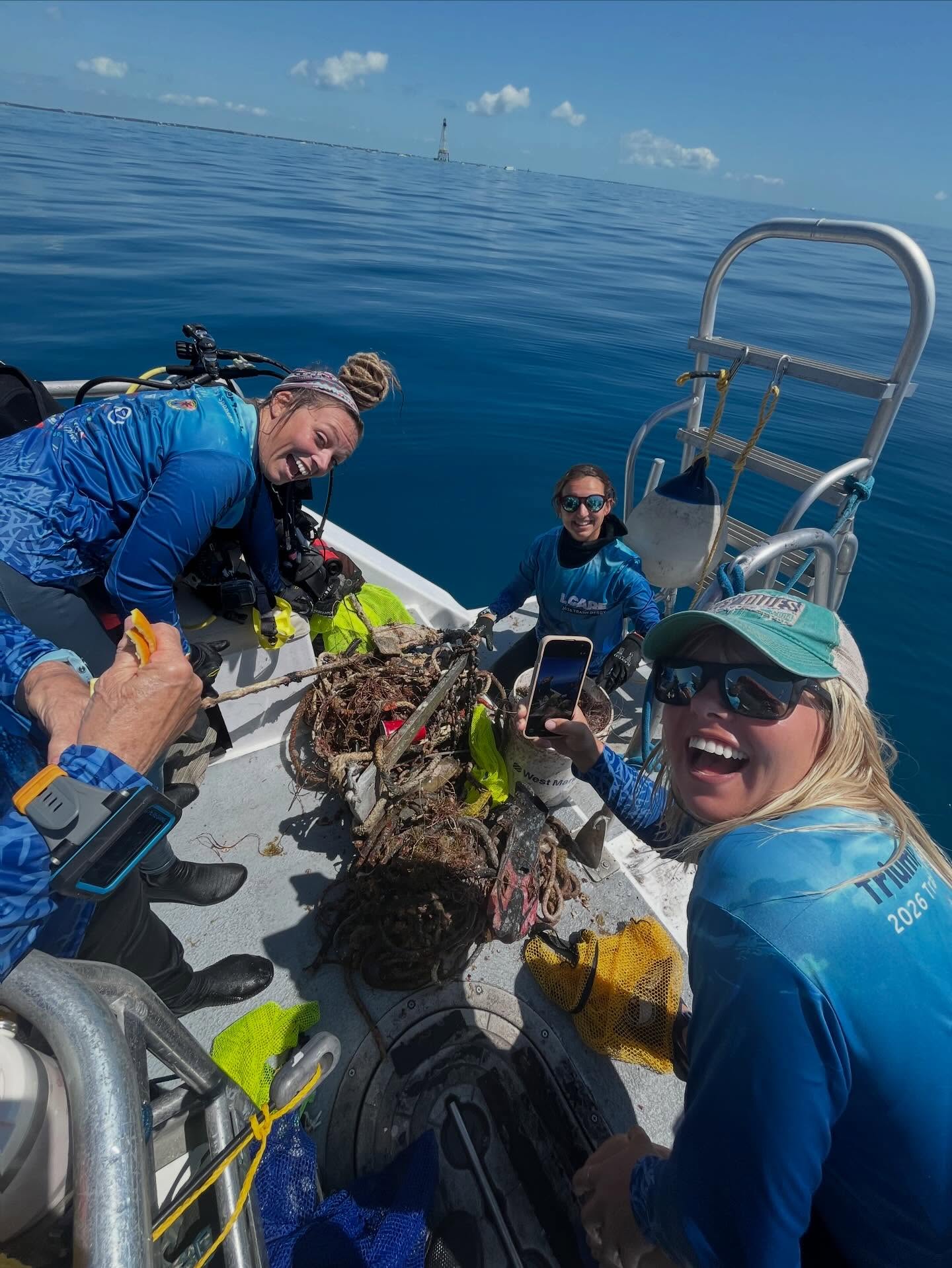
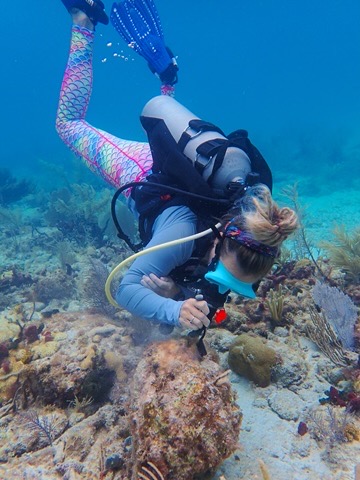
You've probably heard about dive tourism that takes from the reef, but what about diving that gives back? This I.CARE maintenance dive with Key Dives flips the script on your typical Florida Keys dive trip. Instead of just cruising over the coral formations at 25 feet, you'll be rolling up your sleeves underwater to help maintain and monitor the reef ecosystem that makes Key Largo one of the world's premier diving destinations. Starting with an 11 AM training session and running through 4:30 PM, this half-day conservation experience lets certified divers make a real difference while exploring some of the healthiest coral formations in the Florida Keys.
Beneath the Surface
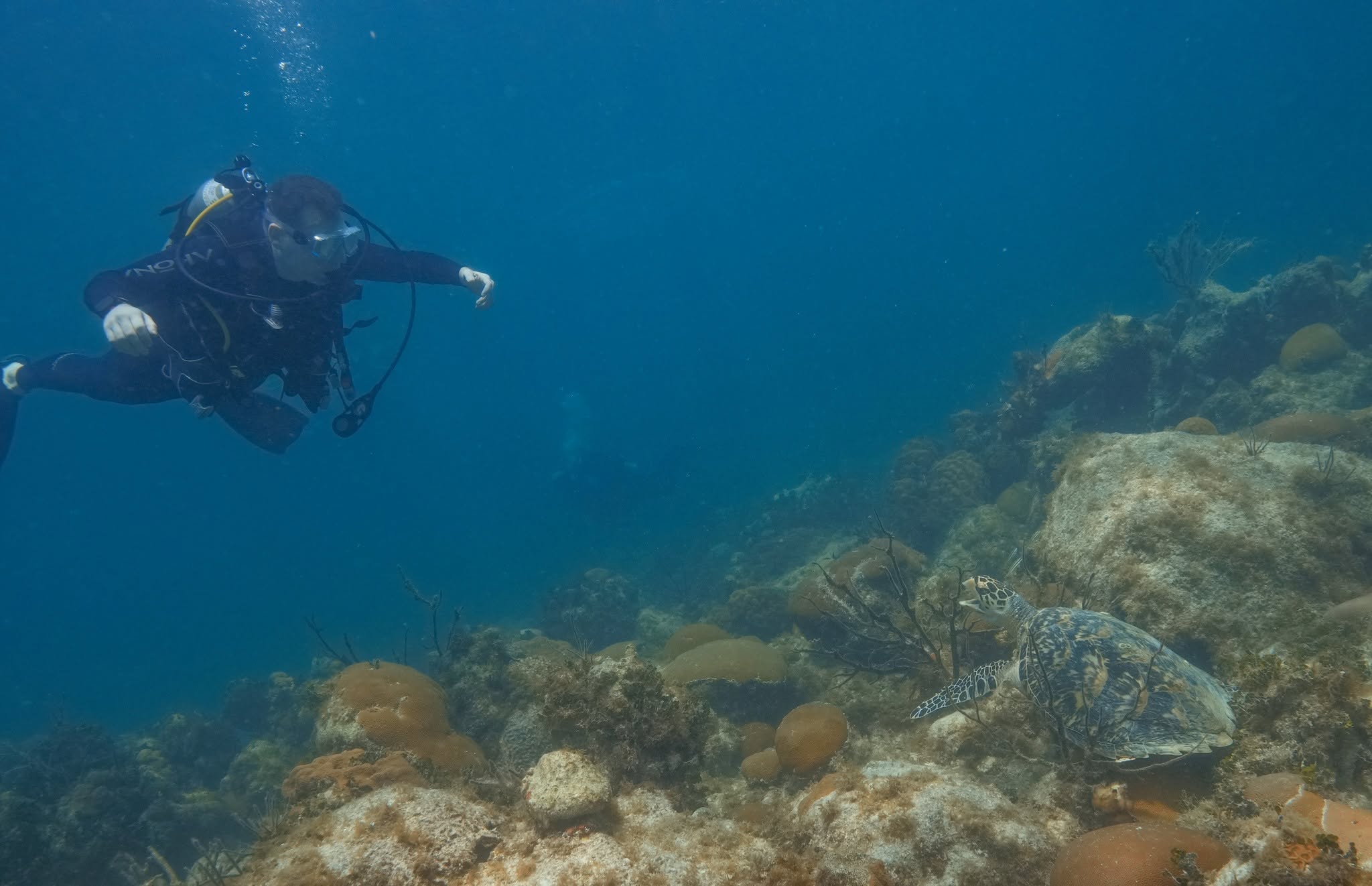
Your day kicks off at Giant Stride, Key Dives' home base, where you'll meet the I.CARE team for your mandatory training session at 11 AM. Don't worry – this isn't some boring classroom lecture. The training covers hands-on techniques you'll use underwater, from proper coral handling methods to sponge monitoring protocols. You'll learn to identify different coral species and understand the specific maintenance tasks that keep these reef systems thriving. After your briefing, there's a quick break before the 12:30 PM boat departure. The dive site sits in relatively shallow water around 25 feet, making it perfect for focused conservation work without the pressure of deep-water diving. The I.CARE program has been actively restoring coral "babies" – young coral fragments that have been carefully cultivated and transplanted to rebuild damaged reef areas. Your job is helping these little guys establish themselves and monitoring their progress as they grow into the next generation of Florida Keys reef structure.
Dive Brief & Gear Info
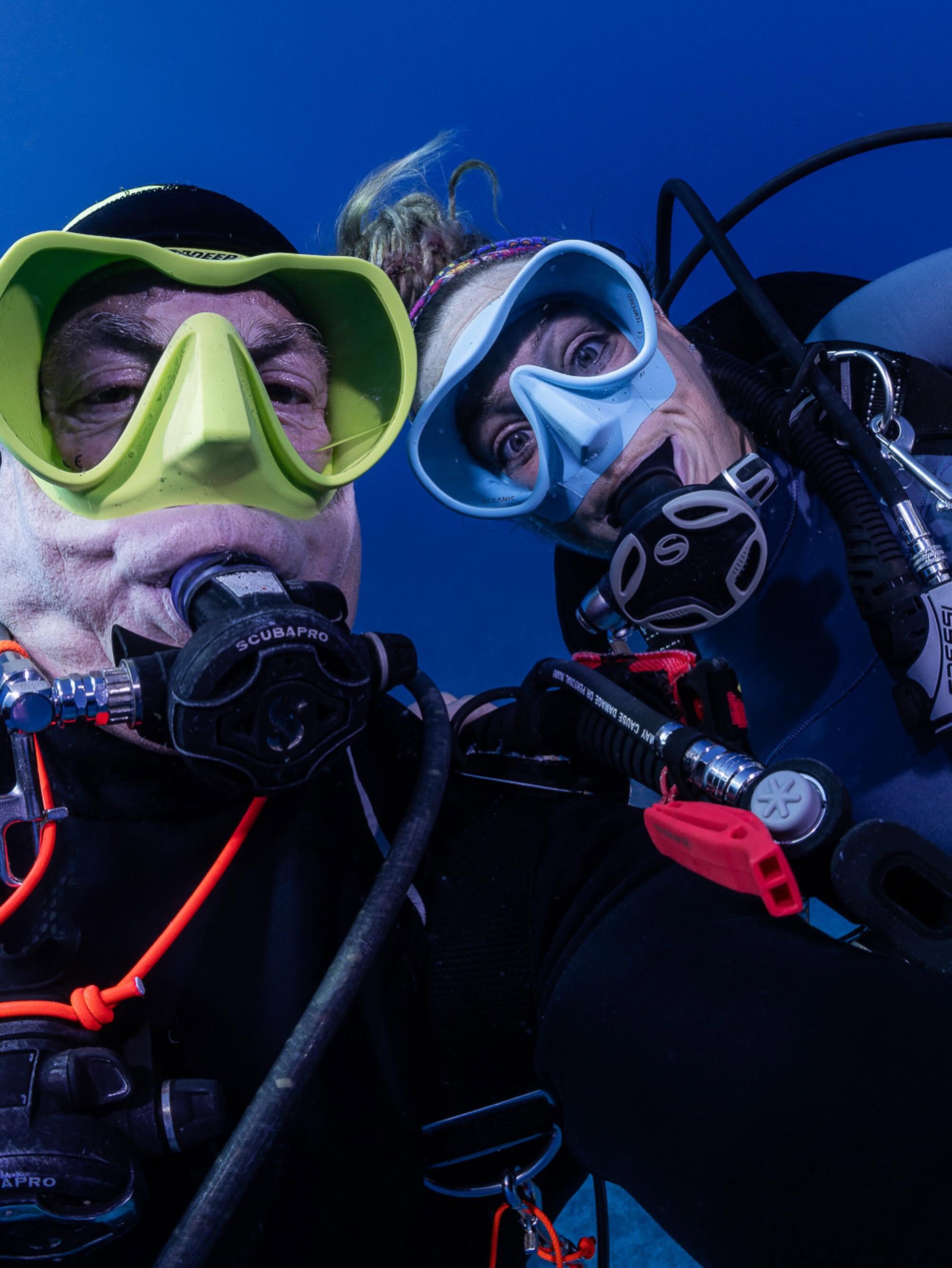
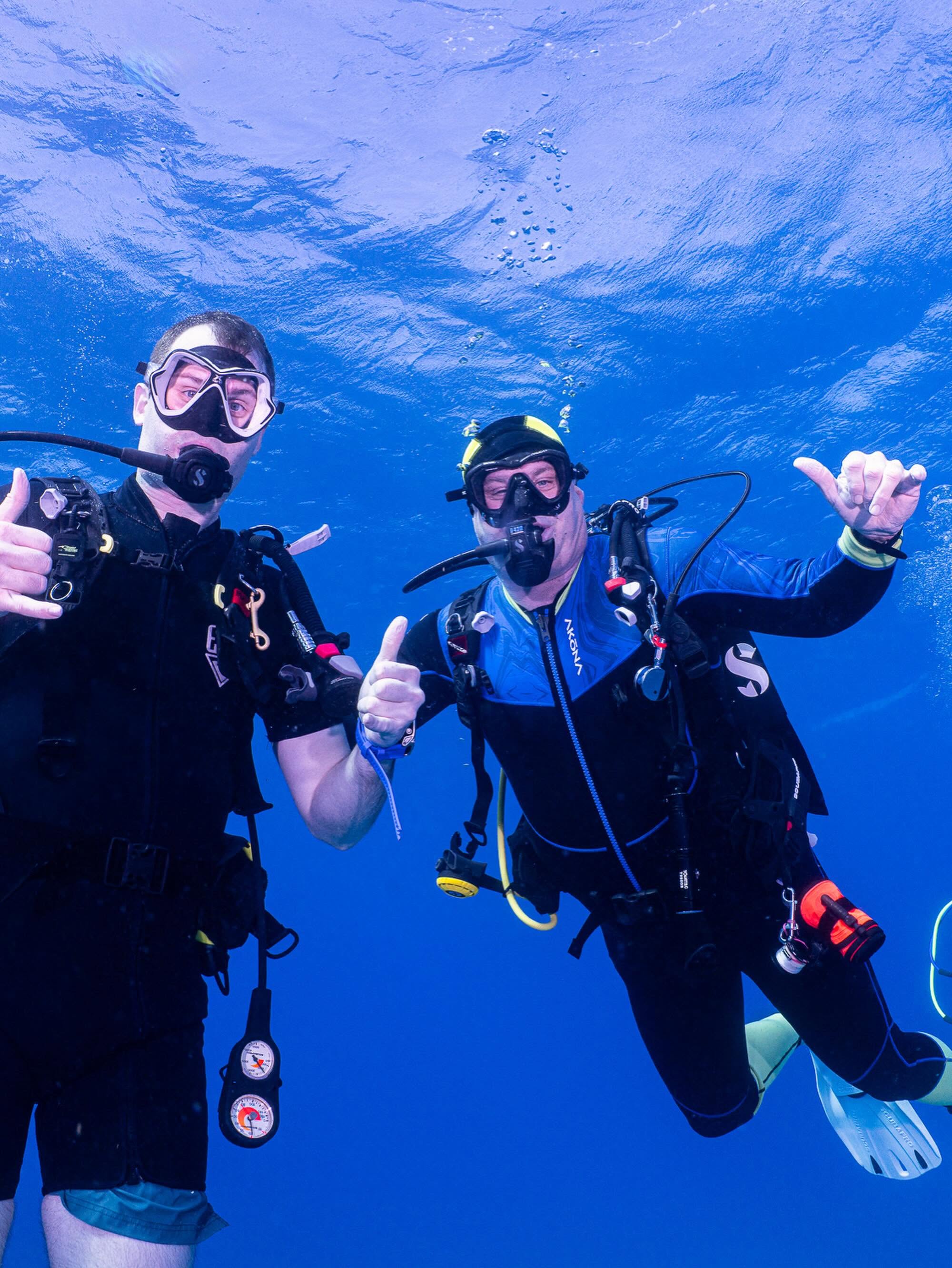
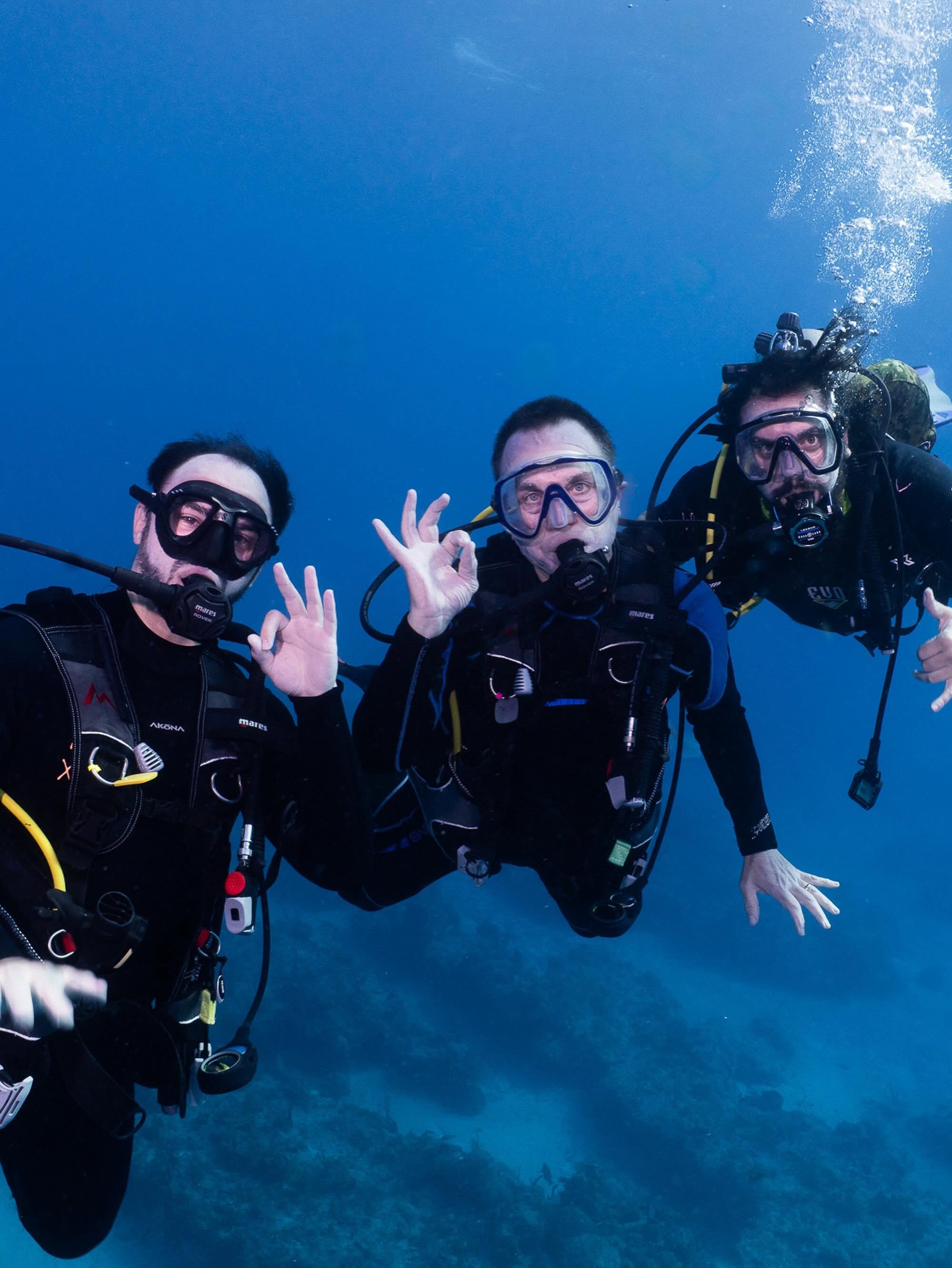
This isn't your standard drift dive or wreck penetration – conservation diving requires specific techniques and a completely different mindset underwater. You'll be working in small groups with specialized tools designed for delicate coral maintenance. Think underwater gardening rather than sightseeing. The I.CARE team provides all conservation-specific equipment, but you'll need your standard scuba gear including wetsuit, mask, fins, and BCD. Water temperature hovers around 78-82°F year-round, so a 3mm wetsuit works perfectly for the extended bottom time this type of work requires. The shallow depth means longer dives with plenty of time to complete your conservation tasks without rushing. You'll learn proper buoyancy control techniques specific to working near fragile coral formations – this means rock-solid neutral buoyancy and controlled fin kicks to avoid damaging the very ecosystems you're trying to help. The dive masters guide you through underwater hand signals specific to conservation work, different from the standard recreational diving signals you might know.
What Divers Are Saying
"Great dive with Key Dives and Kyle. Love Alligator Reef." - COLENE "Fantastic trip with ICares team and Key Dives. Our dive master Lauren is the best. Very knowledgeable and she took pictures for us. Highly recommend this Dive Center." - Michelle
Marine Life You'll See
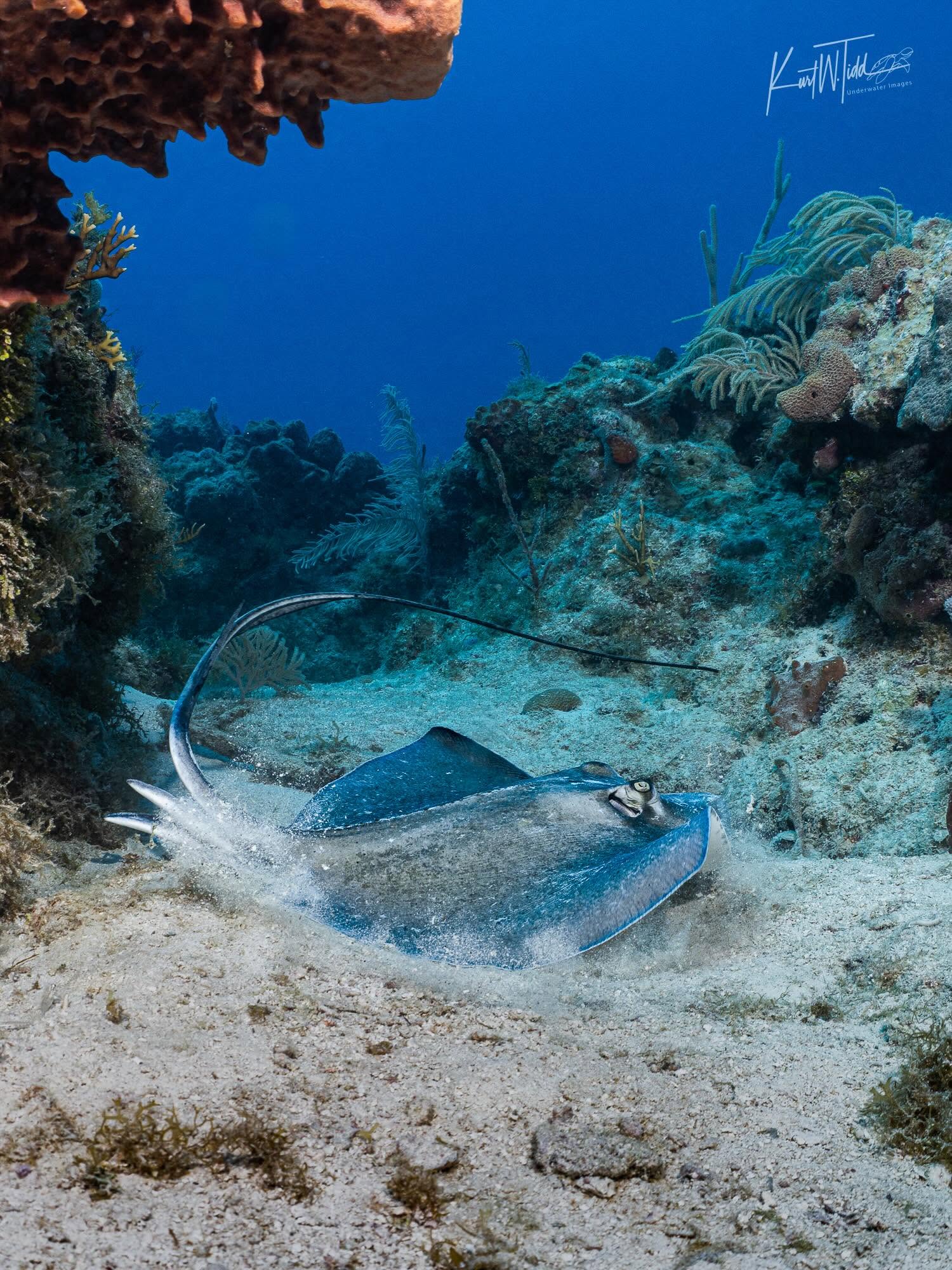
While conservation work is the primary focus, the shallow reef environment buzzes with marine life that makes every moment underwater fascinating. Parrotfish are constant companions on these dives, and you'll quickly understand their crucial role in reef health. These colorful characters spend their days munching algae off coral surfaces, essentially doing their own version of reef maintenance. Watch for the rainbow parrotfish, which can grow up to 4 feet long and change colors throughout their lifetime. They're most active during daylight hours, making them perfect dive buddies during your afternoon conservation session. Their loud crunching sounds as they graze on coral create an underwater soundtrack that becomes oddly relaxing once you get used to it. Yellow tangs dart between coral formations in bright schools, particularly abundant during summer months when water temperatures peak. These palm-sized fish serve as natural reef cleaners, picking parasites off larger fish species while adding brilliant splashes of color to your underwater workspace. Green moray eels often make appearances around the coral restoration sites, usually tucked into crevices with just their heads poking out. Don't let their intimidating appearance fool you – they're generally docile unless provoked and play an important role in controlling fish populations around the reef. Spotting one during your conservation dive means the ecosystem is healthy enough to support these top-level predators.
Plan Your Next Dive
This conservation dive experience offers something most Florida Keys diving can't match – the satisfaction of knowing your underwater time directly contributes to reef preservation. You're not just another tourist checking coral formations off a bucket list; you're actively participating in the long-term health of one of America's most important marine ecosystems. The skills you learn during the I.CARE training transfer to other conservation diving opportunities throughout the Caribbean, making this trip an investment in your diving education as well as reef health. Key Dives keeps group sizes small with just one guest per trip, ensuring personalized attention and maximum impact for your conservation efforts. The 4-hour commitment from training through dive completion might seem lengthy compared to quick recreational dives, but the hands-on conservation experience and extended bottom time provide incredible value for certified divers looking to make their diving more meaningful. Book your spot now to join this top-rated conservation program that's helping secure the future of Florida Keys diving for generations to come.
 4.8(4 Reviews)
 Shared Trip
 Scuba Diving
 Islamorada, FL
 Join certified coral restoration and reef maintenance activities