Florida Keys Reef Cleanup Dive
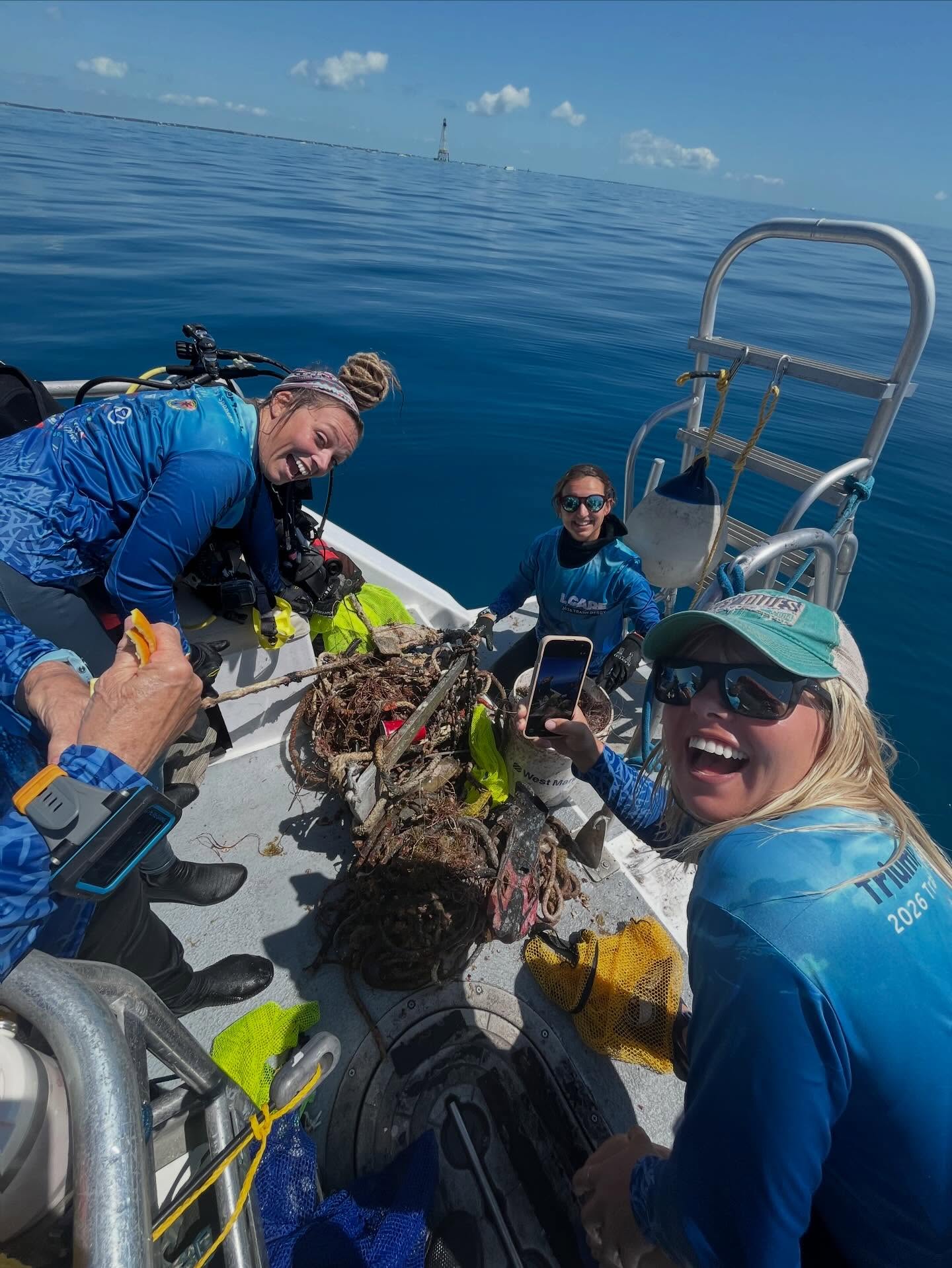
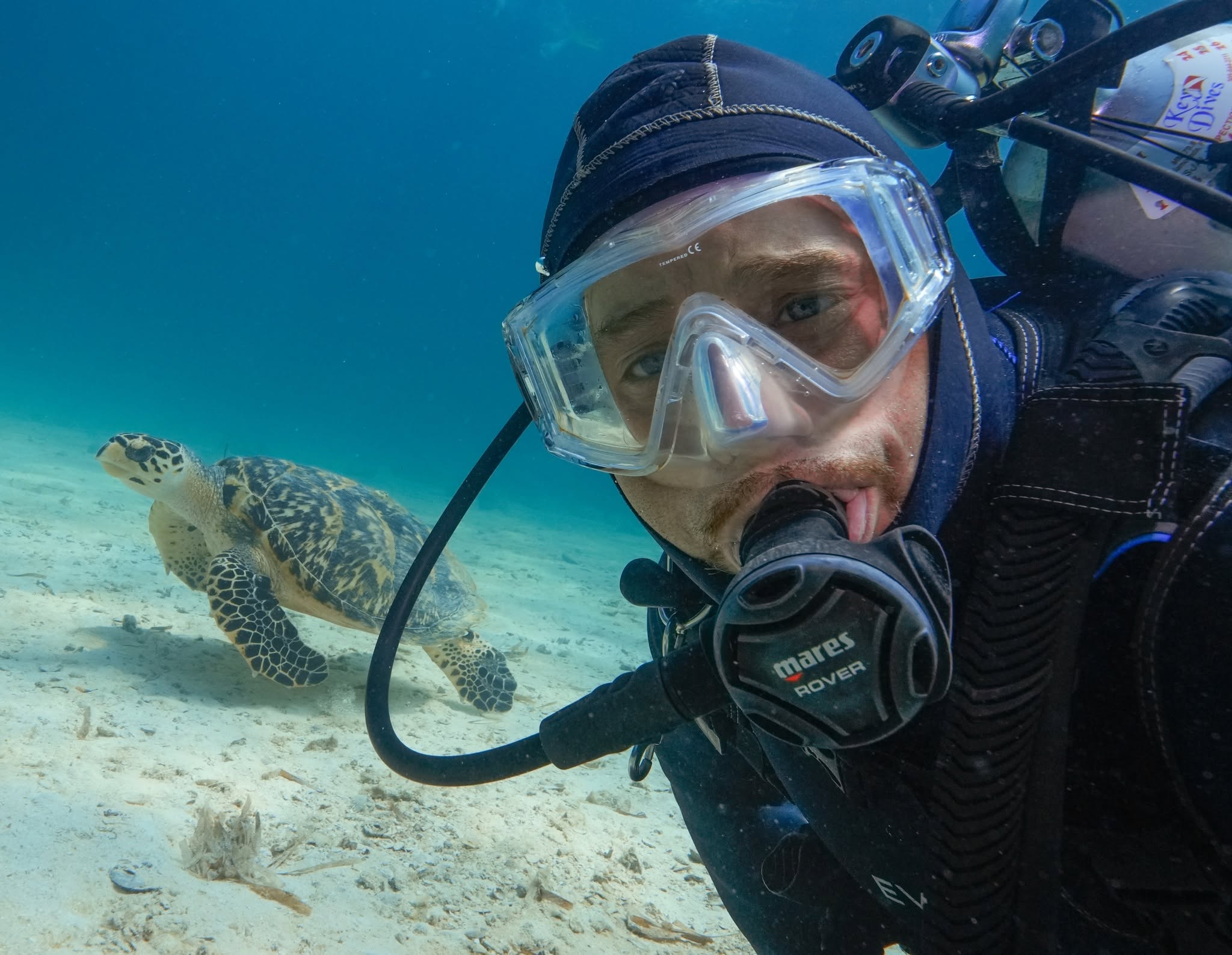
Look, I've been guiding divers through these waters for years, and this reef cleanup dive with Key Dives is hands down one of the most rewarding ways to spend your morning in the Florida Keys. You're not just dropping down to check out pretty coral – you're actually making a real difference while getting some world-class diving in. We meet up bright and early at 7:45 AM at Giant Stride, and trust me, that early start is worth it. The water's glass-calm, visibility is usually stellar, and you'll have the reef mostly to yourself before the day-trip crowds show up. This isn't your typical tourist dive – it's conservation work that actually matters, and you'll come up feeling like you've done something meaningful for these reefs we all love.
Beneath the Surface
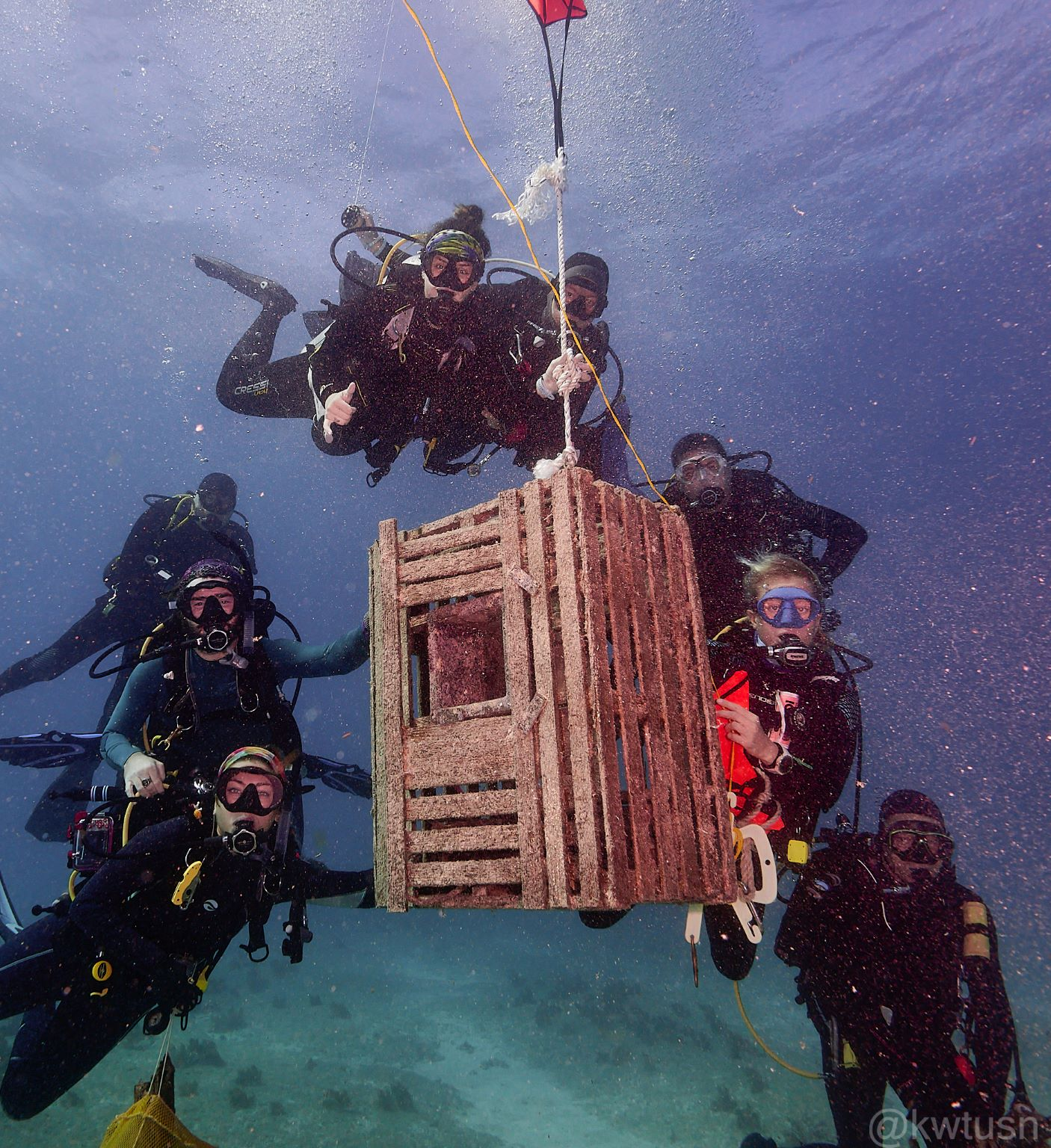
Here's the deal with this cleanup dive: we're heading out to some of the top-rated reef sites where debris tends to collect, and you'll be working alongside our crew to pull out everything from plastic bottles to old fishing line that's been choking the coral. The Goal: Clean Seas Florida Keys initiative isn't just some feel-good program – it's serious conservation work that's making a measurable impact on reef health. You'll see firsthand how much junk ends up on our reefs, but more importantly, you'll see how quickly the coral bounces back once we clear it out. The dive sites we hit are typically in the 20-40 foot range, perfect for taking your time and really getting into the nooks and crannies where debris loves to hide. Water temps are usually sitting pretty around 78-82°F year-round, so a 3mm wetsuit is all you need. We're back at the dock by noon, but those few hours underwater will stick with you way longer than any regular reef dive.
Dive Brief & Gear Info
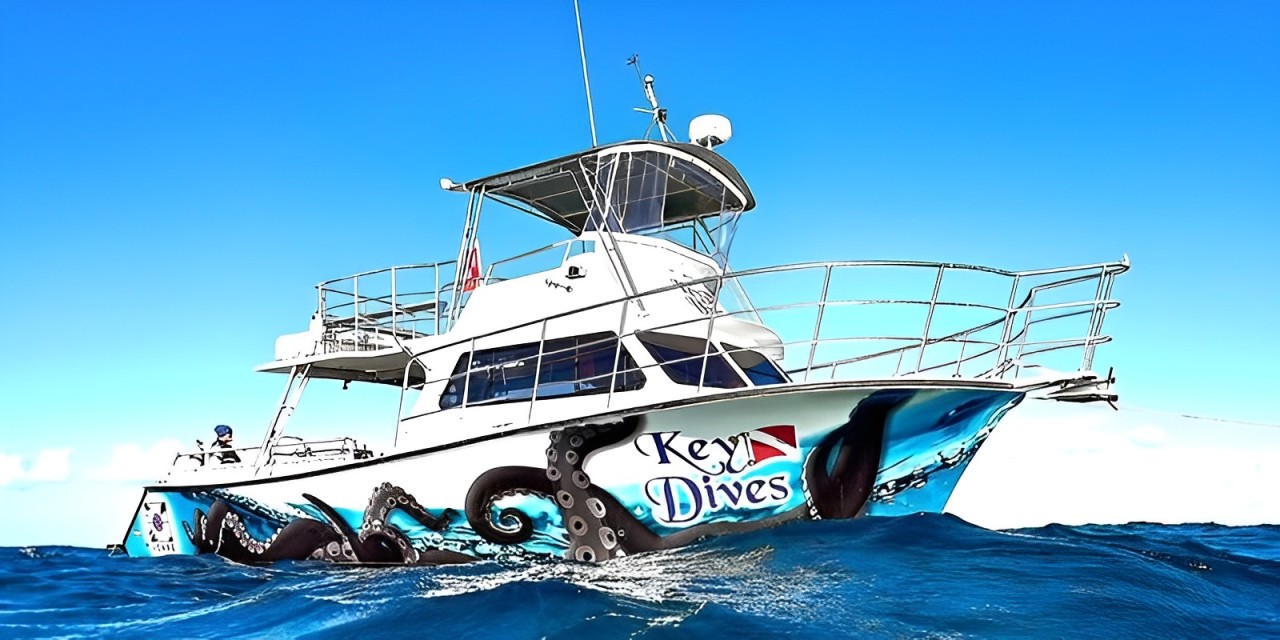
Before we splash, we'll run through a proper briefing about what we're looking for and how to safely remove debris without damaging the reef. You'll get a mesh collection bag and some basic tools – nothing fancy, just what you need to grab plastic waste and cut away old fishing line. The key technique here is patience and precision. Unlike a regular reef dive where you're cruising along admiring the scenery, cleanup diving means moving slowly and methodically. You'll learn to spot the difference between natural reef growth and human trash, which isn't always as obvious as you'd think. Monofilament fishing line is practically invisible until you're right on top of it, and plastic bags can look surprisingly like sea fans from a distance. Our dive masters are pros at this – they'll show you the best ways to extract debris without stirring up sediment or disturbing the marine life that's made these reefs home. We use standard nitrox mixes when available, giving you longer bottom times to really make the cleanup count. The boat setup is no-frills but efficient – we're here to work, not lounge around topside.
Marine Life You'll See
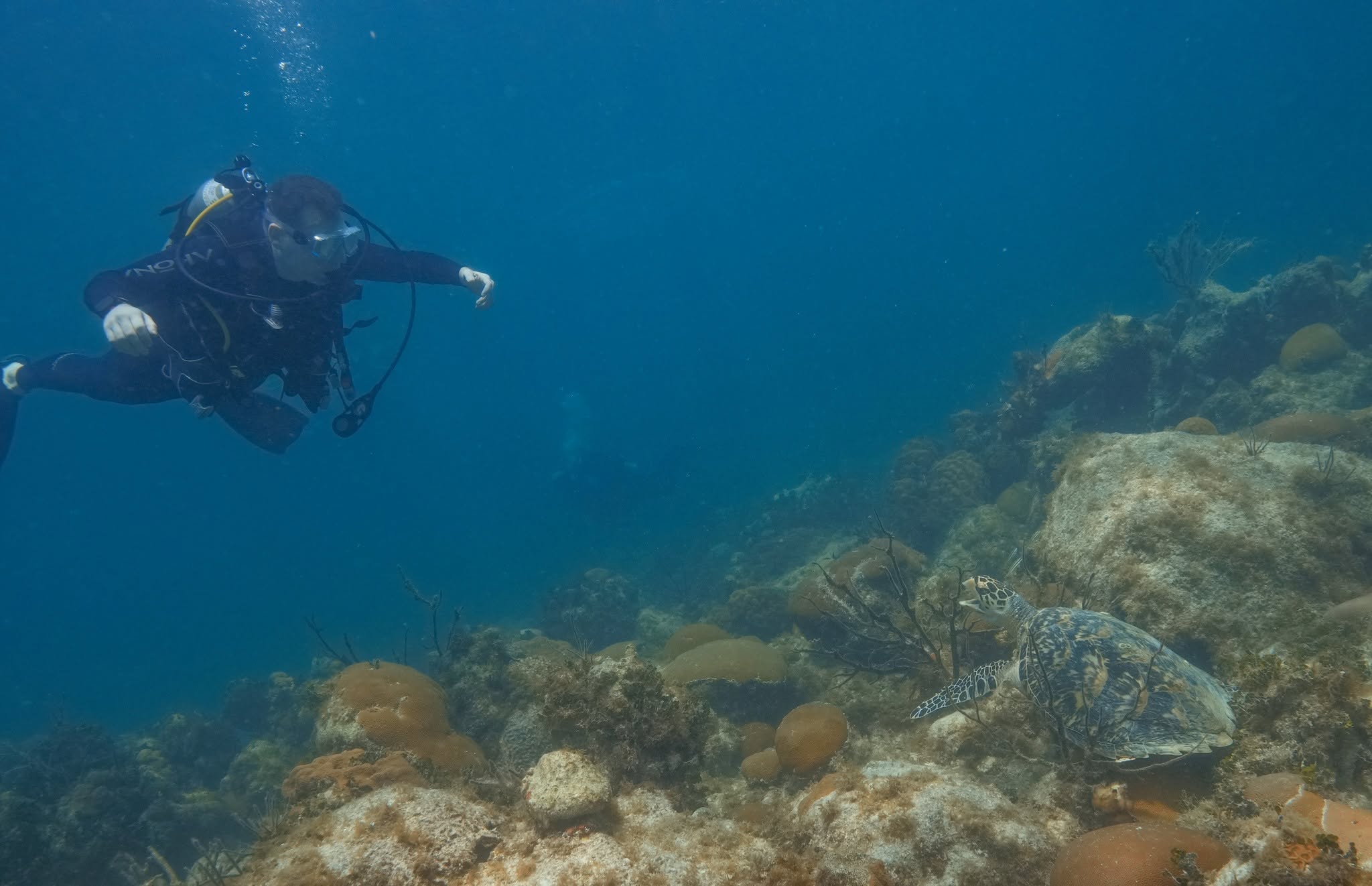
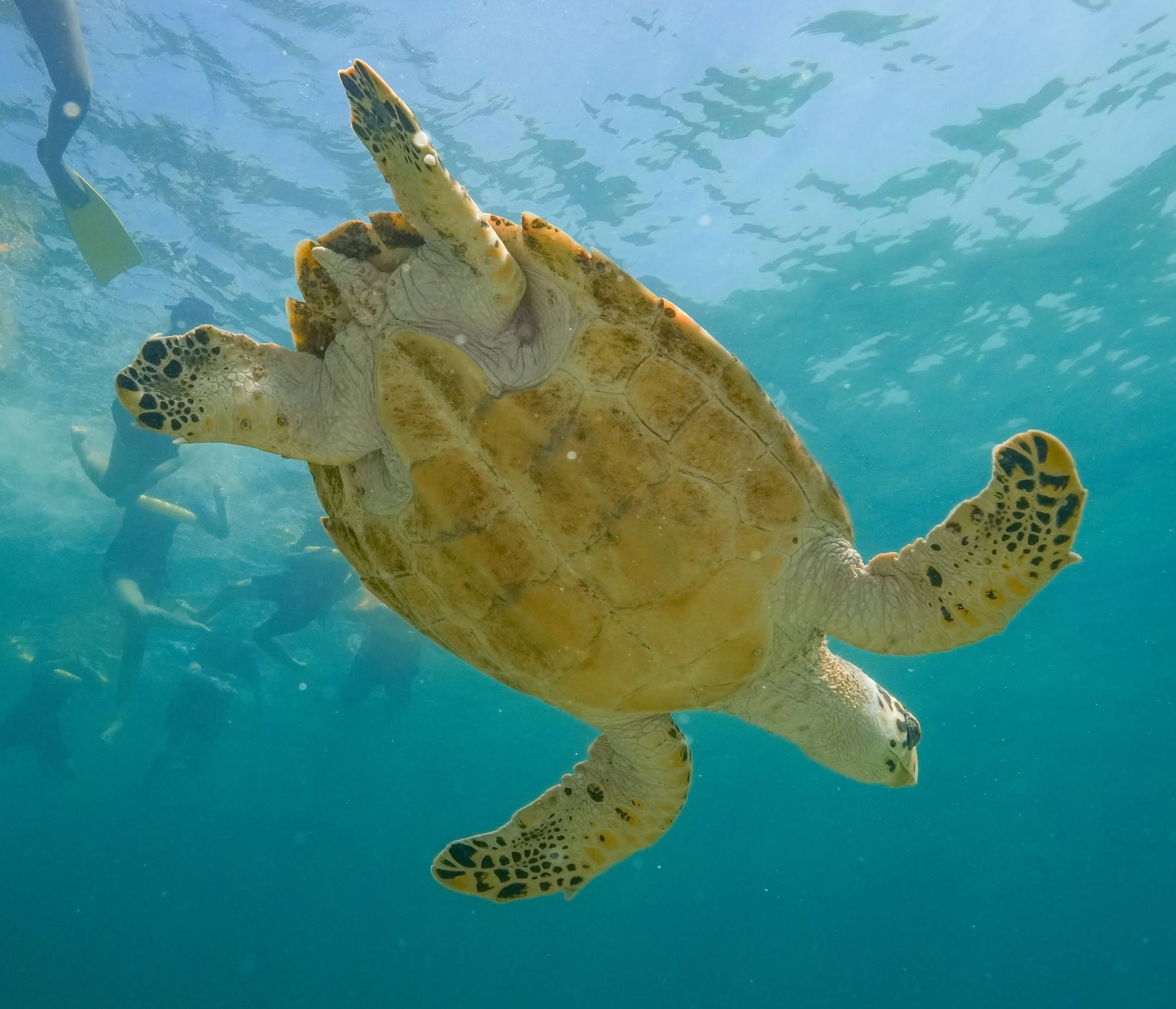
Even though we're focused on cleanup work, the marine life encounters on these dives are absolutely phenomenal. The yellowtail snapper are probably the most curious about what we're doing – they'll follow you around the entire dive, hoping you'll stir up some tasty morsels while you're working. These guys are year-round residents, typically running 12-16 inches, and they've got zero fear of divers. You'll often have a whole school of them hovering just overhead while you're pulling debris from a coral head. The Nassau grouper are the real prize though – these magnificent fish can push 20-30 pounds and they're starting to make a comeback thanks to conservation efforts like this cleanup program. They're naturally curious but keep their distance, usually parking themselves in the shadows of larger coral formations. Best time to spot them is early morning, which works perfect with our 7:45 AM departure. The parrotfish are the cleanup crew's unofficial mascots – these colorful characters are constantly munching on algae and helping keep the reef healthy naturally. The stoplight parrotfish are especially fun to watch, changing colors as they mature and creating that distinctive crunching sound as they bite chunks off the coral to get at the algae. Seeing healthy populations of these fish on a cleanup site really drives home why this conservation work matters so much.
The nurse sharks are another customer favorite, and cleanup sites seem to attract them since we're stirring up the bottom and exposing small crustaceans they love to munch on. These docile sharks, usually 4-6 feet long, will often cruise right past you while you're working. They're completely harmless and actually seem to appreciate the cleanup efforts – I've had the same individual sharks show up at cleanup sites repeatedly, almost like they know we're there to help. The green moray eels are the reef's shy residents, typically hiding in crevices during the day, but cleanup work sometimes reveals their hiding spots. These impressive eels can stretch 4-6 feet and look intimidating, but they're actually quite peaceful if you give them space. The real magic happens when you clear debris from around their dens – they'll often poke their heads out to investigate, giving you an up-close encounter you'd never get on a regular dive.
Plan Your Next Dive
This cleanup dive is way more than just underwater volunteer work – it's a chance to be part of something bigger while experiencing some of the best diving the Florida Keys has to offer. You'll walk away with stories that beat any regular reef dive, plus the satisfaction of knowing you've made a real difference for these coral ecosystems. The early morning departure means you'll have the rest of your day free, but honestly, most folks are so energized by the experience they end up booking another dive with us before the week's out. With only one spot available per trip, this is definitely a reserve-ahead kind of experience. The Goal: Clean Seas initiative depends on divers like you who want to do more than just look – you want to help. Book your spot now and join the ranks of divers who are actively protecting the reefs we all love to explore.
 Shared Trip
 Scuba Diving
 Islamorada, FL
 Morning reef cleanup dive removes debris from coral ecosystems