I.CARE Coral Planting Dive | Florida Keys
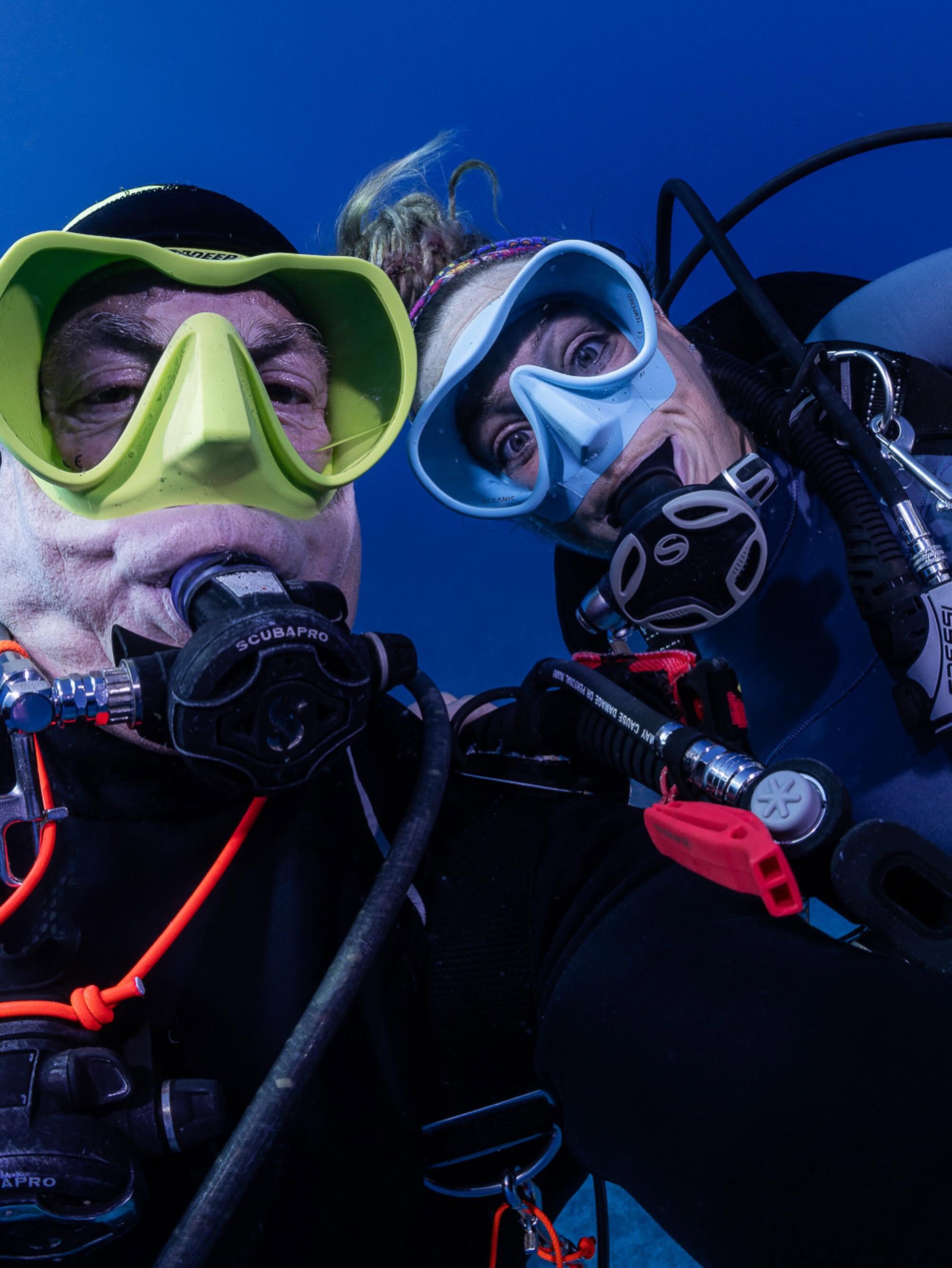
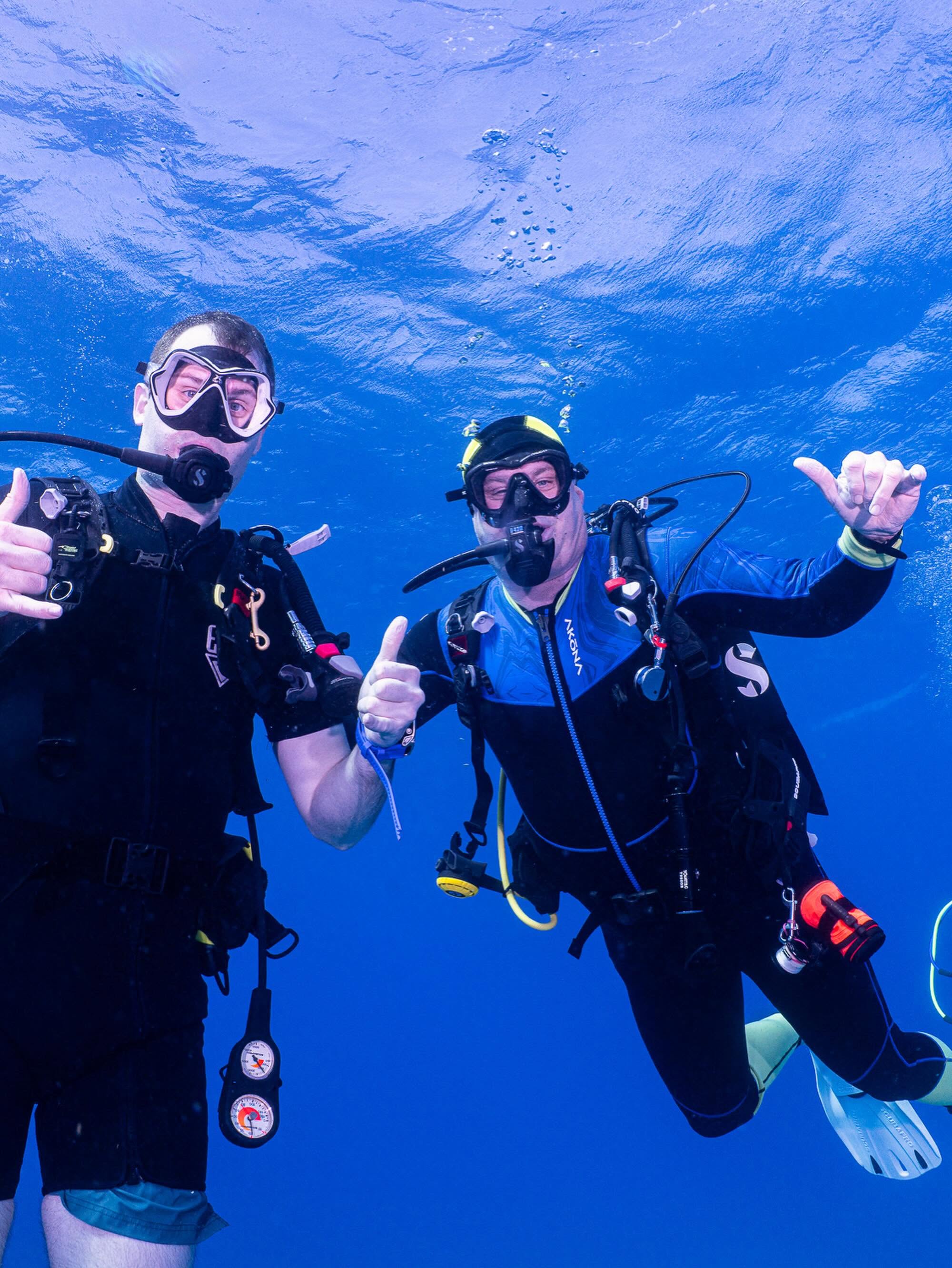
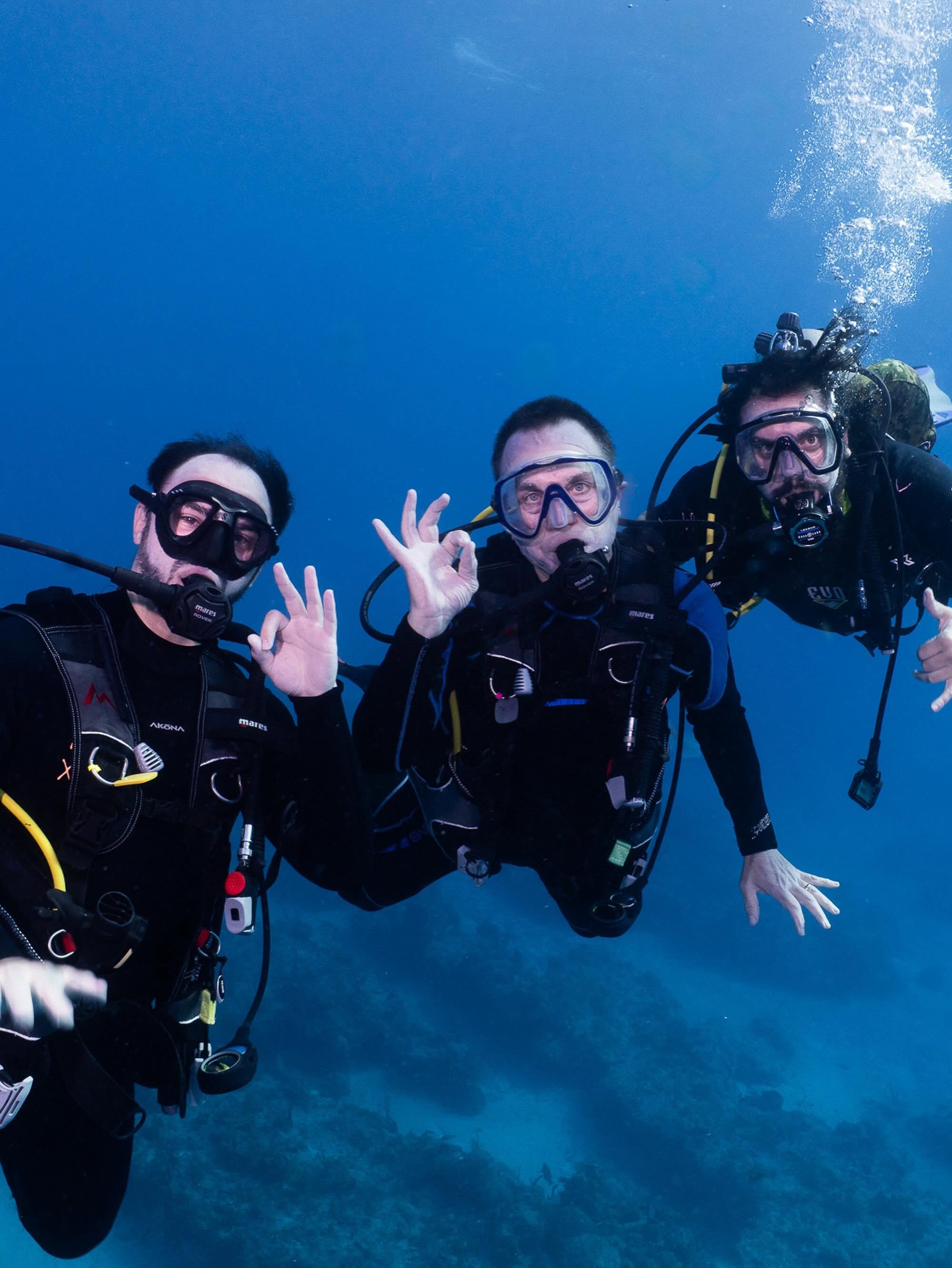
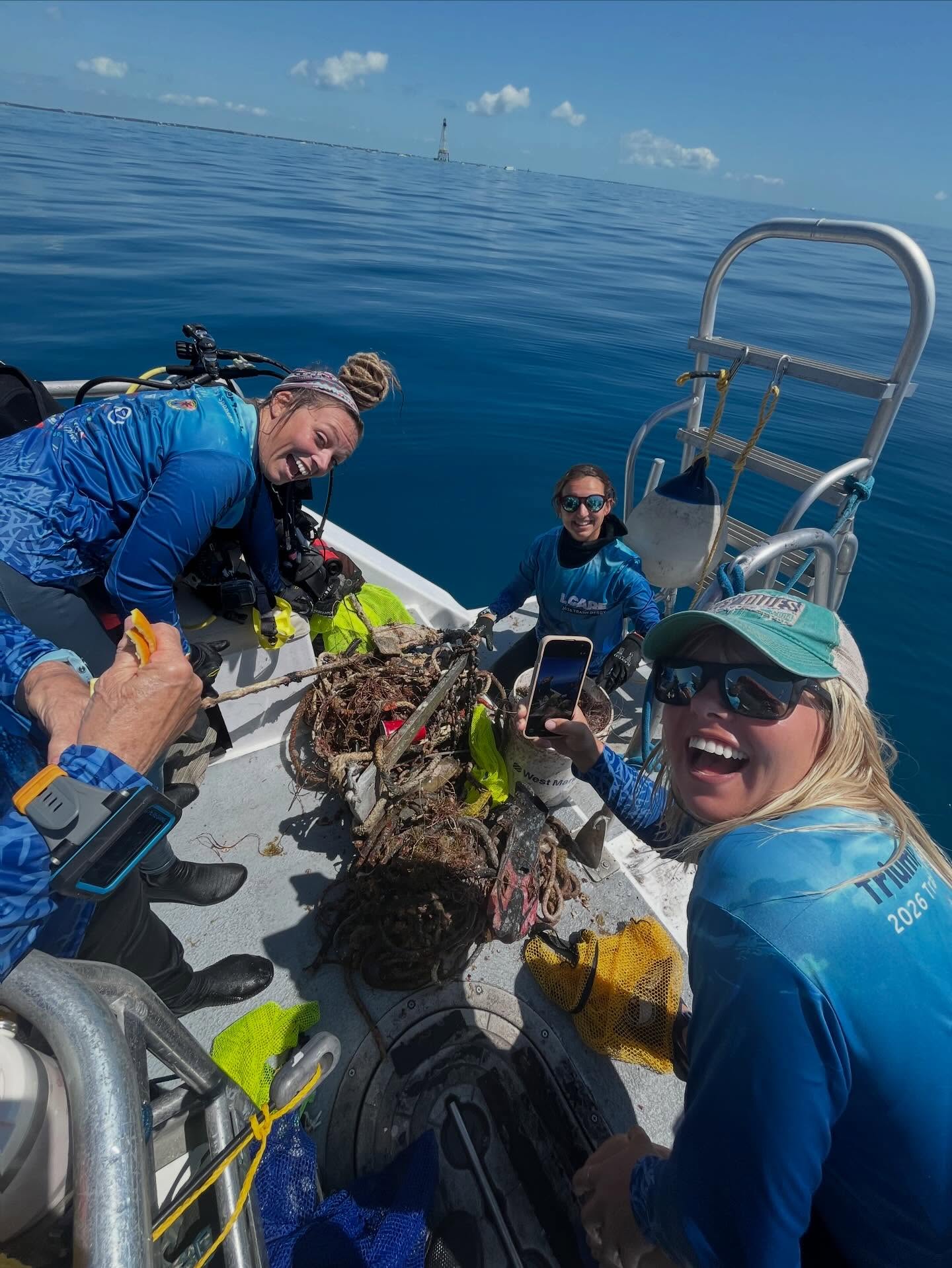
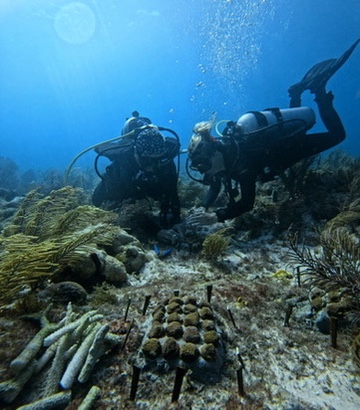
Want to make your next dive count for something bigger than just another bottom time entry? This I.CARE coral outplanting dive in Islamorada combines world-class Florida Keys diving with hands-on reef restoration that actually makes a difference. You'll work directly with the I.CARE team to transplant nursery-grown corals onto damaged reef sites, learning restoration techniques while exploring some of the most pristine waters the Keys have to offer. It's not your typical guided dive – you're becoming part of the solution to save these reefs for future generations of divers.
Beneath the Surface
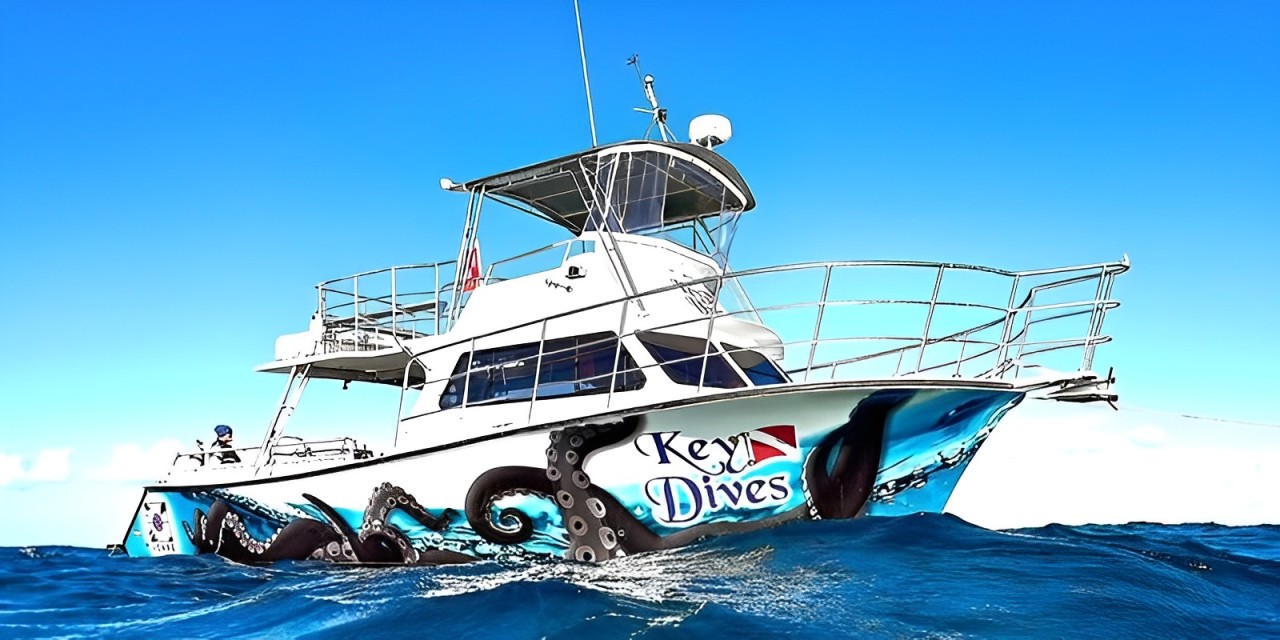
This full-day conservation dive starts bright and early at 8:30 AM with training at the Key Dives shop in Islamorada. You'll get up to speed on reef ecology and learn the proper techniques for handling and placing coral fragments without damaging the existing ecosystem. The I.CARE team knows these reefs inside and out, and they'll walk you through everything from identifying healthy attachment sites to using the specialized tools that make coral outplanting successful. After a lunch break where you can grab food nearby or bring your own, you'll head out for two afternoon dives at the restoration site. The whole experience wraps up between 4:00 and 5:00 PM, giving you plenty of time to process what you've accomplished underwater. Each dive is supervised by both I.CARE divemasters and Key Dives staff, so you're in expert hands throughout the entire process.
Dive Brief & Gear Info
All the coral outplanting equipment is provided, but you'll need to bring your own standard scuba gear and be a certified diver to participate. The restoration sites are typically in 15-25 feet of water with excellent visibility, making this accessible for divers of all experience levels. You'll be working with small coral fragments that have been growing in underwater nurseries, carefully securing them to the reef structure using cement and specialized tools. The I.CARE team uses proven techniques that maximize survival rates while minimizing impact on the surrounding reef ecosystem. If you're not interested in the actual outplanting work, certified divers can still join the trip to explore the same reef sites with guidance from the award-winning Key Dives team. The $25 donation required for participation goes directly toward supporting ongoing restoration efforts, making this one of the most meaningful ways to spend a day underwater in the Florida Keys.
Marine Life You'll See
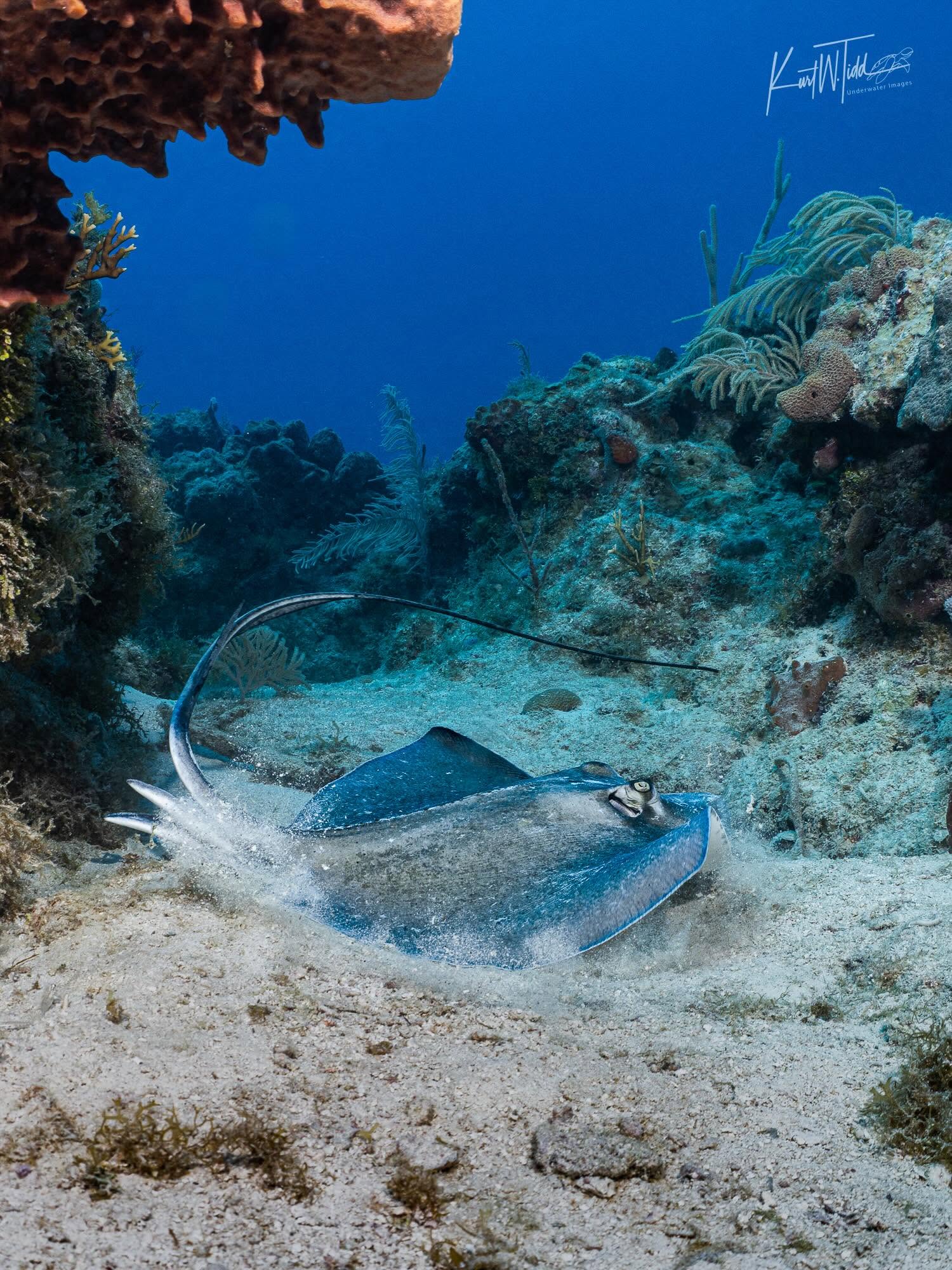
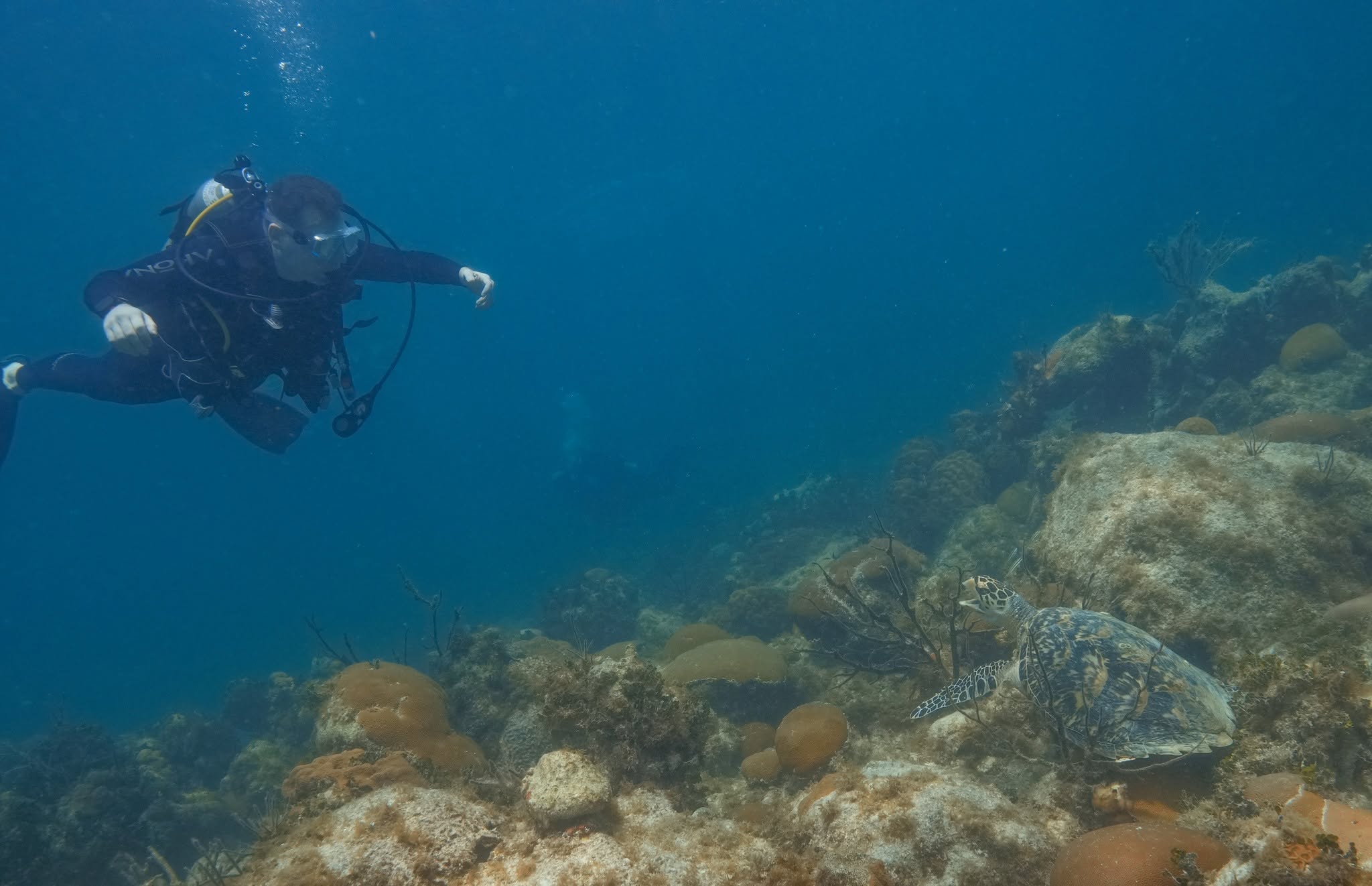
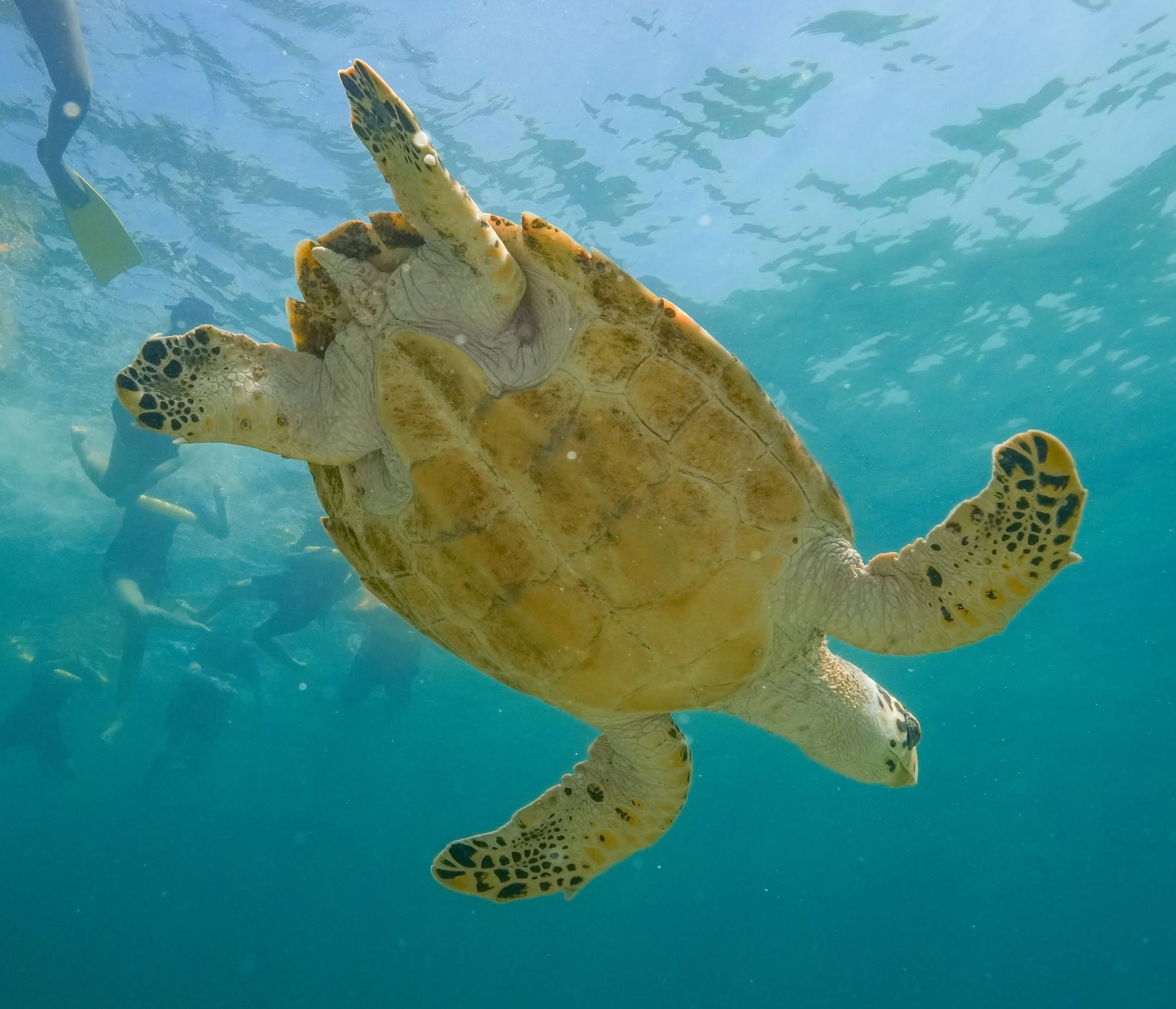
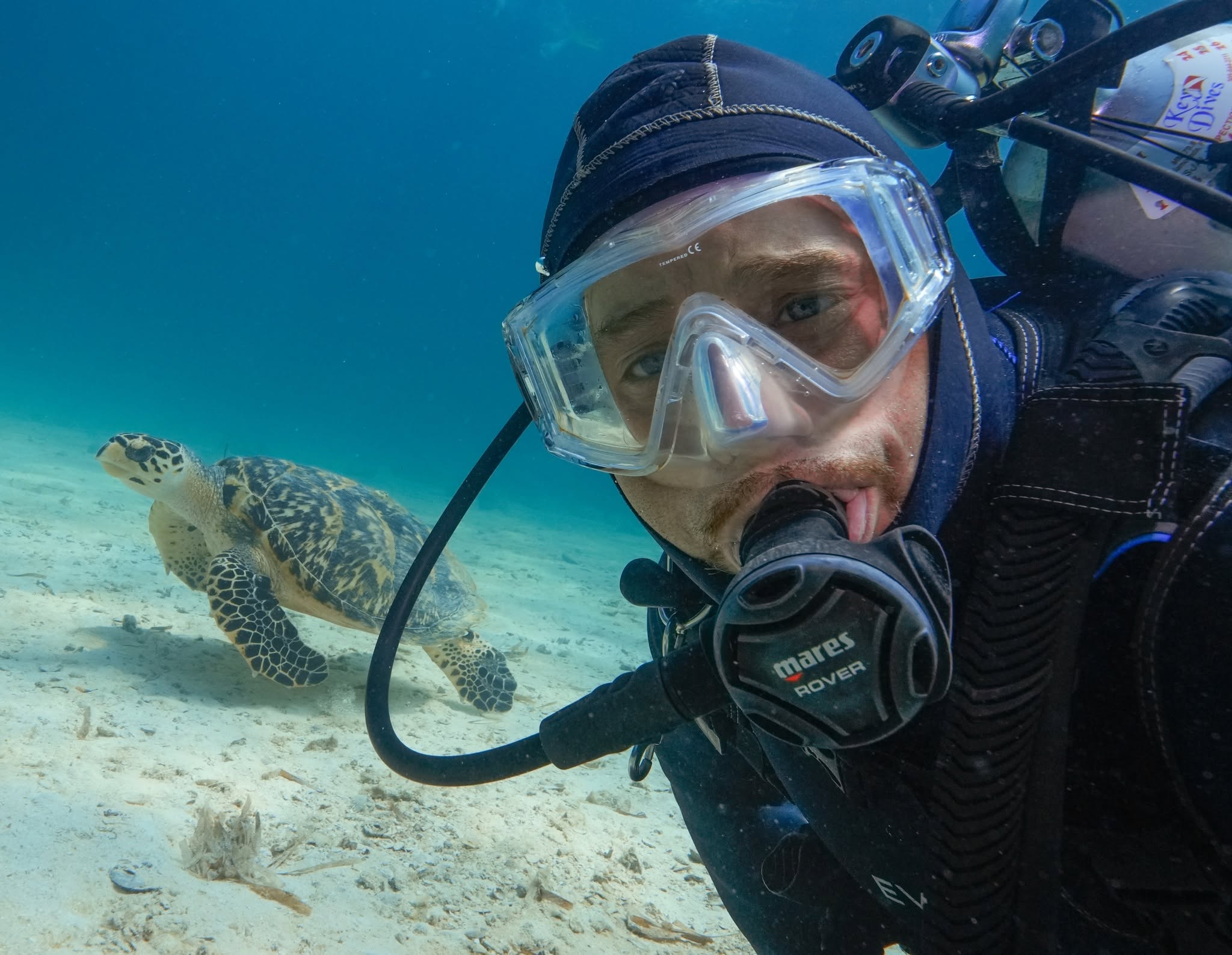
The restoration sites in the Florida Keys are teeming with marine life that benefits directly from healthy coral ecosystems. You'll likely encounter massive schools of yellowtail snapper that use the coral formations as shelter and feeding areas. These silvery fish with their distinctive yellow tails are year-round residents that grow up to 16 inches and aren't shy around divers – they'll often follow you throughout the dive, curious about your restoration work. Parrotfish are another highlight, with their bright colors and constant munching sounds as they graze algae off the coral surfaces. These chunky, colorful fish are essential to reef health, and seeing them actively feeding on your newly planted corals is a sign that the restoration is already working. Keep an eye out for Caribbean reef sharks patrolling the outer edges of the restoration area. These sleek predators, typically 4-6 feet long, are a sign of a healthy ecosystem and add an element of excitement to your conservation work. They're completely harmless to divers but command respect as apex predators that help keep the reef ecosystem in balance.
Goliath grouper occasionally cruise through the restoration sites, and spotting one of these giants is always a highlight for participating divers. These massive fish can grow over 8 feet long and weigh several hundred pounds, making them one of the most impressive residents of the Florida Keys reefs. They're protected species that have made a remarkable comeback in recent years, partly thanks to restoration efforts like the I.CARE program. Green moray eels hide in the crevices of both natural and restored coral formations, their heads poking out to observe the underwater activity. These prehistoric-looking creatures can reach 8 feet in length but are generally docile around divers who respect their space. The restoration sites also attract cleaning stations where larger fish come to be serviced by smaller cleaner wrasses and gobies, creating fascinating behavioral interactions that make each dive unique and educational.
Plan Your Next Dive
This top-rated coral outplanting experience fills up quickly, especially during peak diving season from November through April when water conditions are at their best. The I.CARE program has restored thousands of coral fragments to Florida Keys reefs, and every diver who participates becomes part of this conservation success story. You'll leave with new knowledge about reef ecology, hands-on experience with restoration techniques, and the satisfaction of knowing your dive time contributed to protecting one of the world's most important coral reef ecosystems. Whether you're a local diver looking to give back or a visitor wanting to make your Florida Keys trip meaningful, this conservation dive delivers an experience you won't find anywhere else. Book your spot with Key Dives and join the effort to restore these world-class reefs for future generations of divers to explore and enjoy.
 5.0(2 Reviews)
 Shared Trip
 Scuba Diving
 Islamorada, FL
 Hands-on coral planting dive with conservation team guidance