Lionfish Removal Workshop & Conservation Dive
Want to make a real difference while diving some of the best reefs in the Florida Keys? This lionfish collecting workshop in Islamorada puts you on the front lines of marine conservation. You're not just diving for fun—you're actively helping protect one of the world's most biodiverse reef systems. The day starts with classroom training at the REEF Ocean Exploration Center, then you'll put those skills to work on a two-tank dive where every lionfish you collect helps native species recover. It's purposeful diving at its best, and you'll leave knowing you made a tangible impact on the ecosystem.
Beneath the Surface
This isn't your typical recreational dive—it's conservation in action. You'll begin at 9:30 AM in the REEF classroom, learning the biology and behavior of lionfish, understanding why they're such a threat to Atlantic reefs, and mastering safe collection techniques from marine biologists who've been fighting this invasion for years. The instructors know their stuff and make the science accessible, whether you're a marine biology buff or just want to understand what you're up against underwater. After lunch, it's time to gear up for the real work. The afternoon two-tank dive puts you face-to-face with these invasive predators on Islamorada's renowned coral reefs. You'll be working depths typically between 30-80 feet, where lionfish love to hide in crevices and under ledges. The visibility here averages 60-80 feet, so spotting these striped invaders is usually no problem once you know what to look for.
Dive Brief & Gear Info
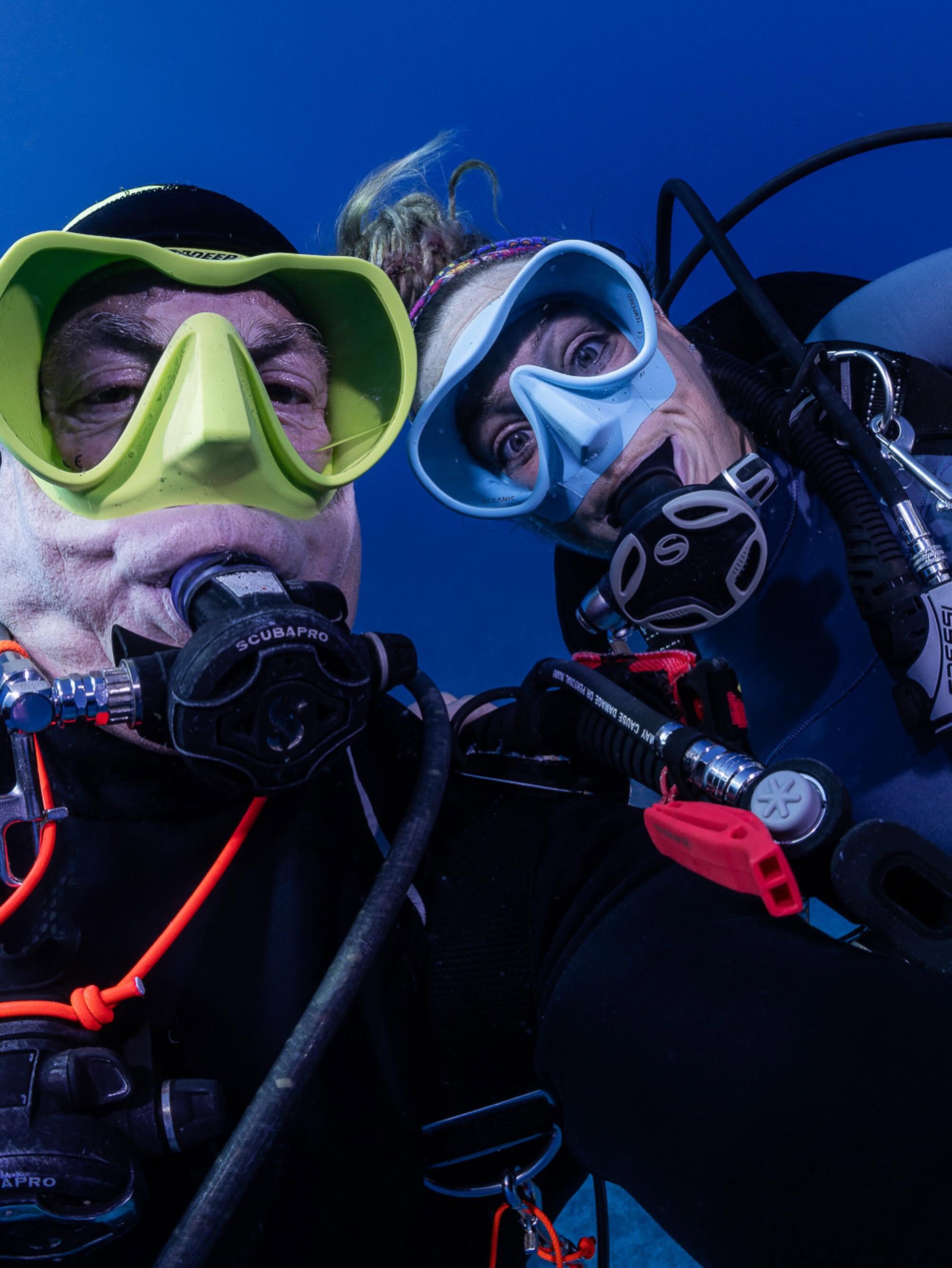
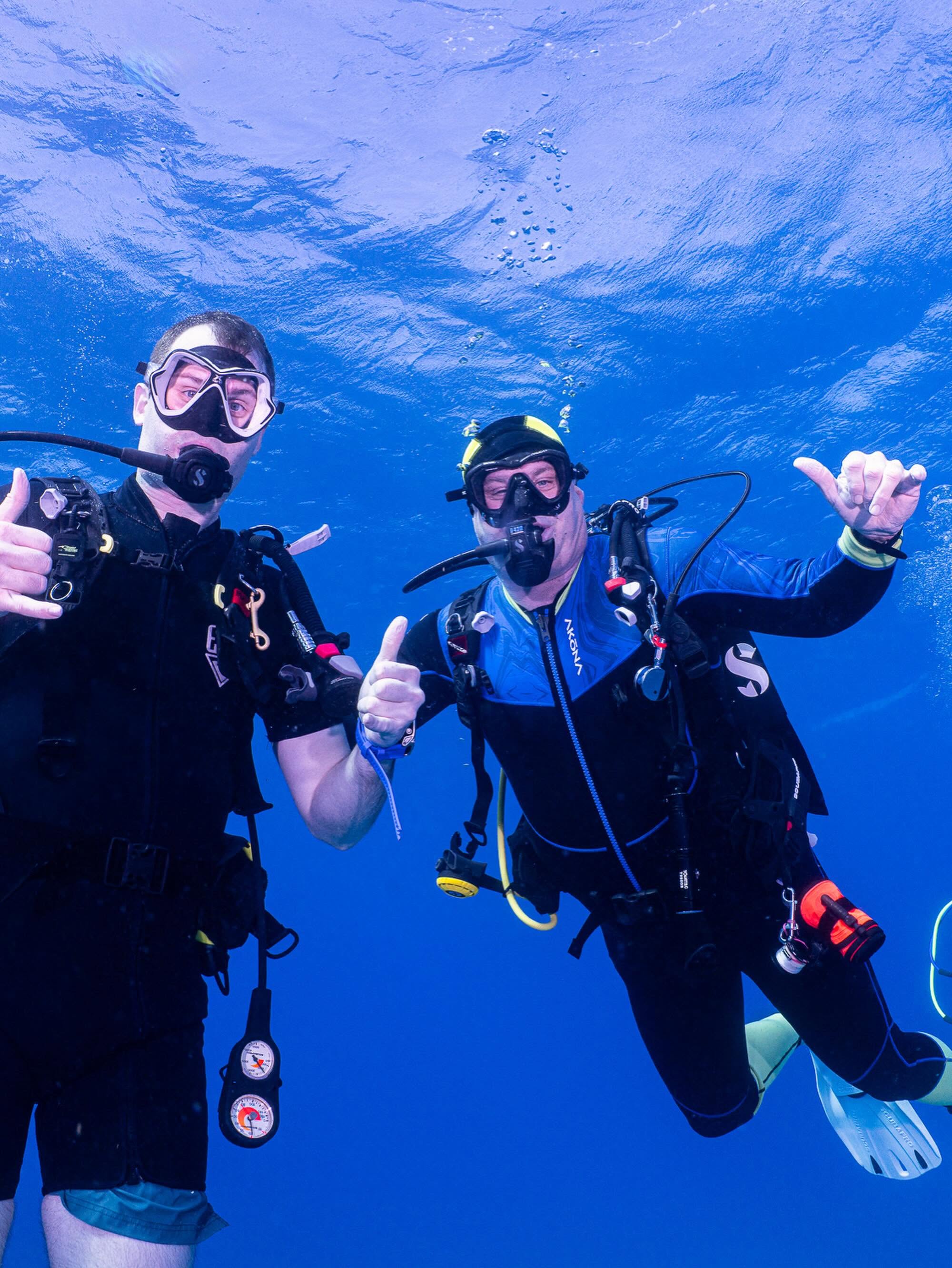
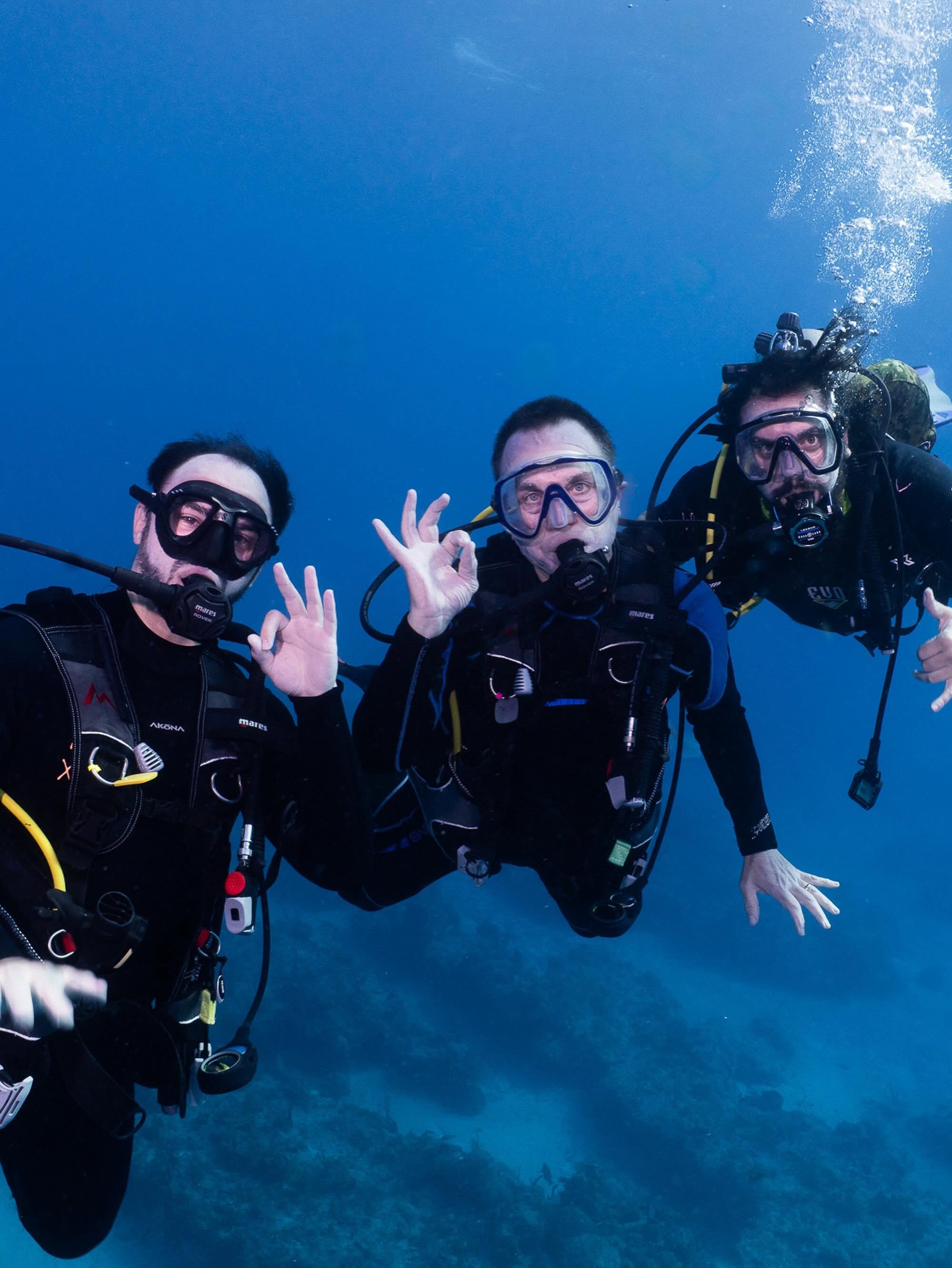
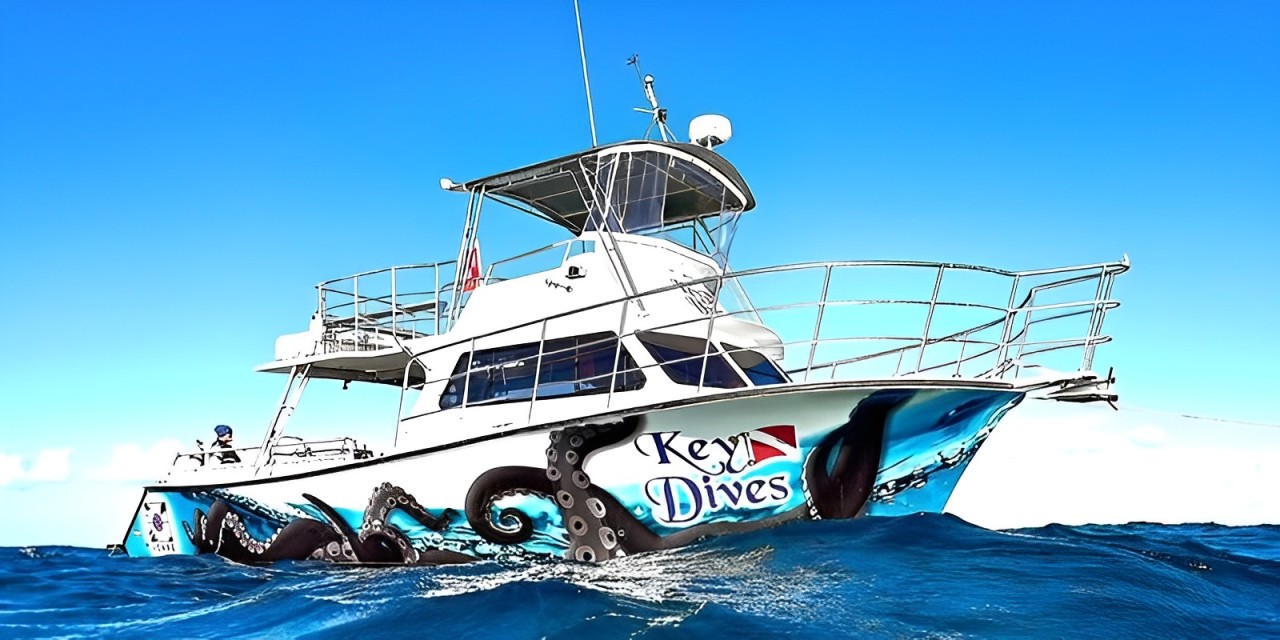
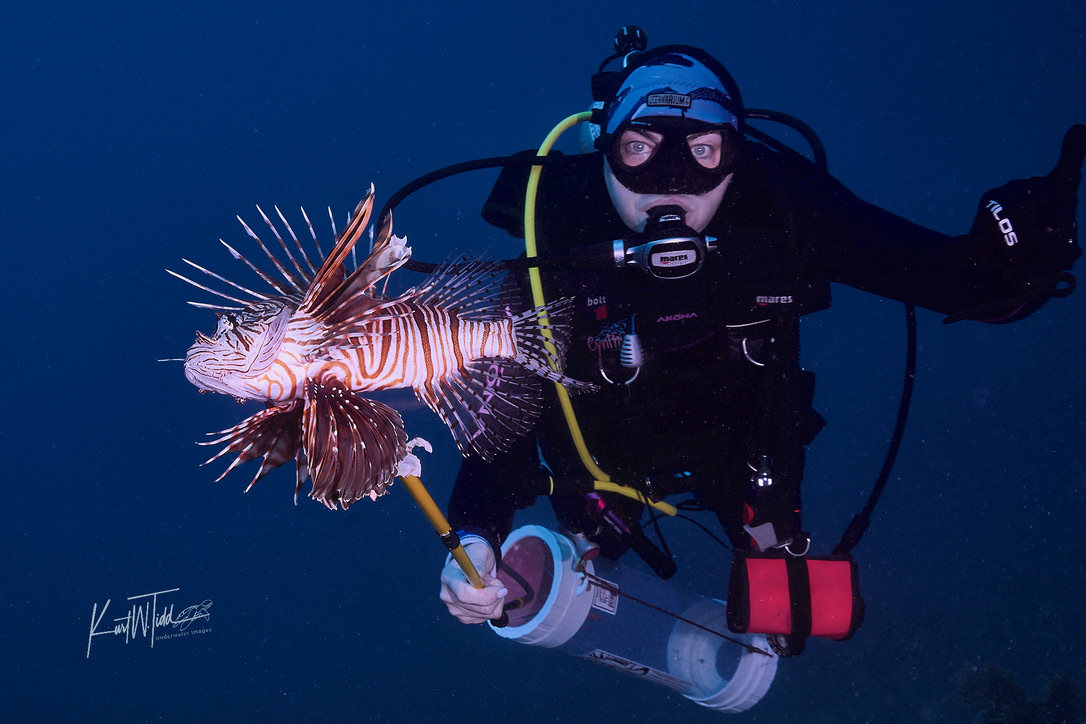
Before you splash, the dive team covers collection protocols and safety procedures specific to lionfish removal. These fish have venomous spines, so proper technique isn't optional—it's essential. You'll learn to use specialized collection tools like lionfish spears and containment systems. Key Dives provides the lionfish-specific gear, though you'll need to arrange your own scuba equipment separately if you don't have it. The dives follow standard recreational limits, but the focus shifts from just observing to actively hunting. You'll work in buddy teams, communicating with hand signals about lionfish locations and coordinating collection efforts. The guides know exactly where these fish congregate—typically around patch reefs, wrecks, and coral heads where they ambush native juveniles. Bottom time runs about 45-50 minutes per tank, giving you plenty of opportunity to spot and collect multiple specimens while still enjoying the overall reef experience.
Marine Life You'll See
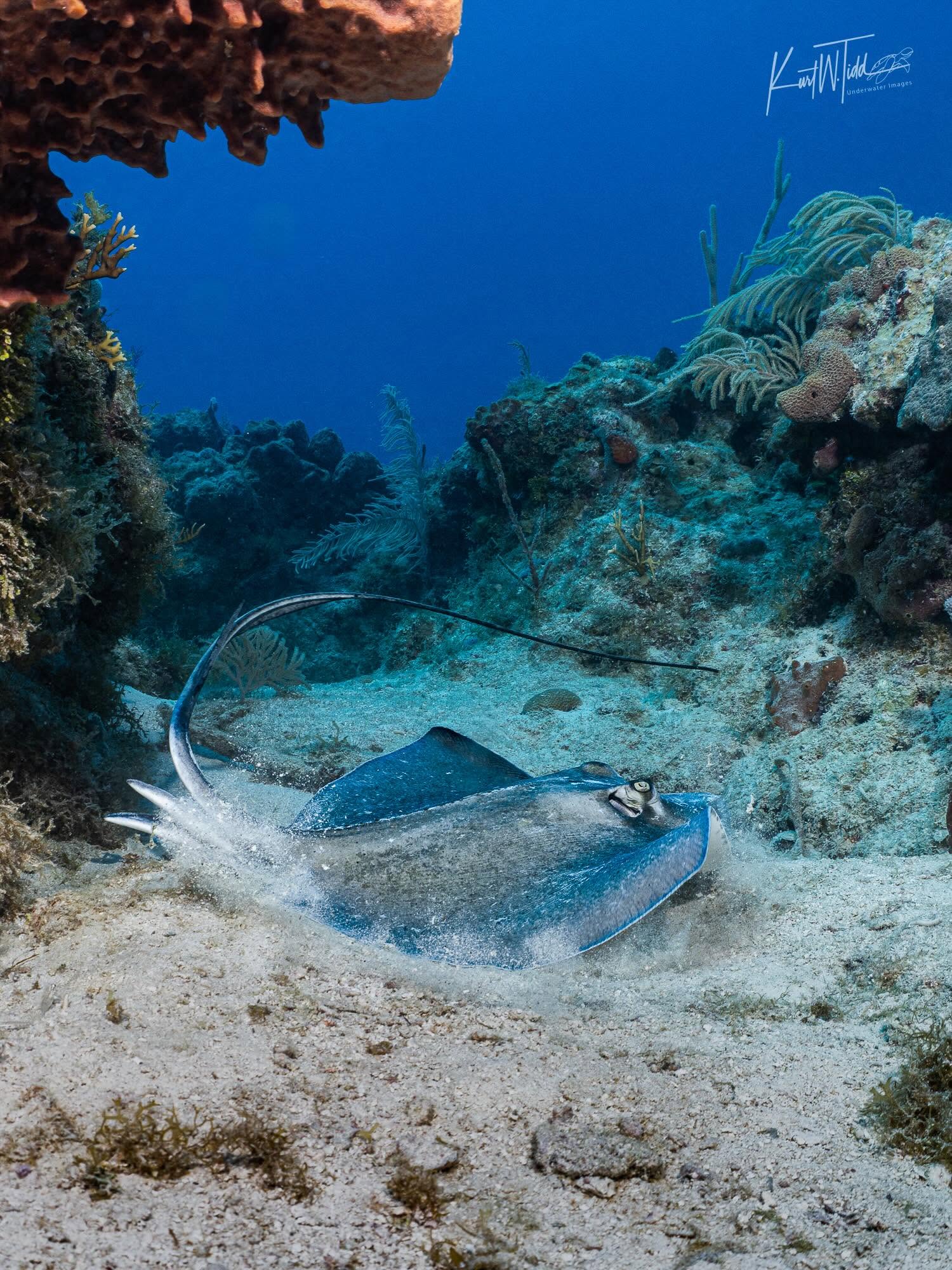
Lionfish are the stars of this show, but understanding them means appreciating what they're threatening. These Indo-Pacific invaders can grow up to 15 inches long and sport dramatic fan-like pectoral fins with venomous spines along their dorsal fins. They're ambush predators that can consume fish up to two-thirds their own body length, and a single lionfish can reduce native juvenile fish populations by 80% in just five weeks. What makes them so effective—and so dangerous to Atlantic reefs—is their fearless behavior. Unlike native fish that flee from divers, lionfish often hold their ground, making them relatively easy to approach and collect. They're most active during dawn and dusk feeding periods, but you'll find them hunting throughout the day in Islamorada's waters. Peak collection usually happens year-round here, though summer months from May through September tend to produce the largest specimens as warmer waters boost their metabolism and growth rates. While you're focused on lionfish removal, don't miss the native species you're helping protect—schools of yellowtail snapper, parrotfish, and wrasse that depend on these reefs for survival.
Plan Your Next Dive
This workshop fills up fast because it combines education, action, and real conservation impact in one day. Plus, knowing you've helped remove invasive predators from these world-class reefs adds serious meaning to your dive log. The classroom portion is free, but you'll want to register early at Lionfish@REEF.org to secure your spot for the April 22nd session. The afternoon removal dives are where the real magic happens—there's nothing quite like the satisfaction of pulling dozens of lionfish off a reef and knowing native fish populations can recover a little more. Whether you're a conservation-minded diver or just want to try something different from typical sight-seeing dives, this hands-on approach to marine stewardship delivers an experience you won't find anywhere else. Book your spot with Key Dives and join the fight to protect Florida's coral reefs.
 Shared Trip
 Scuba Diving
 Islamorada, FL
 Expert-led lionfish education session plus optional two-tank removal dive