Advanced Open Water Certification in Florida Keys
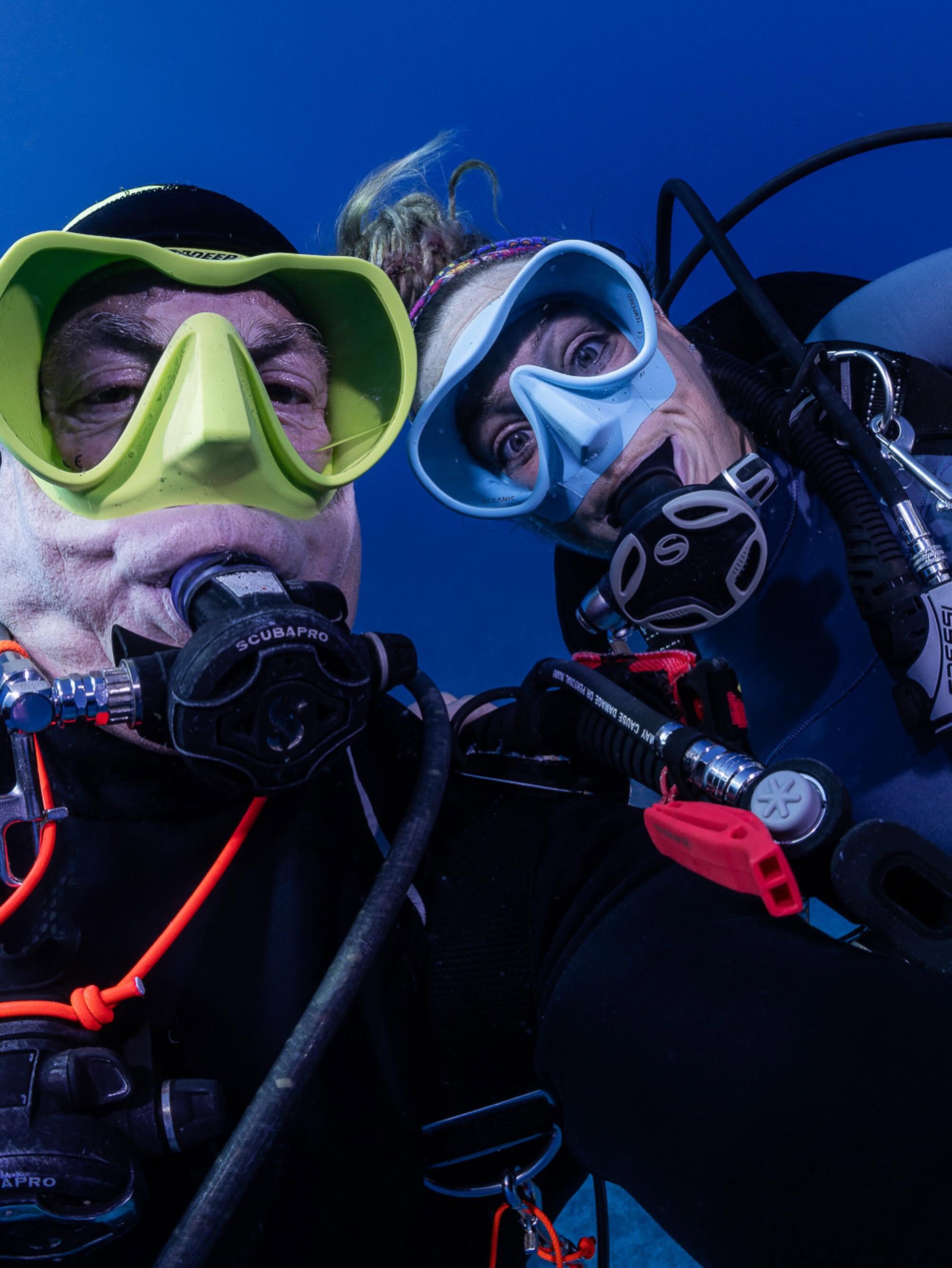
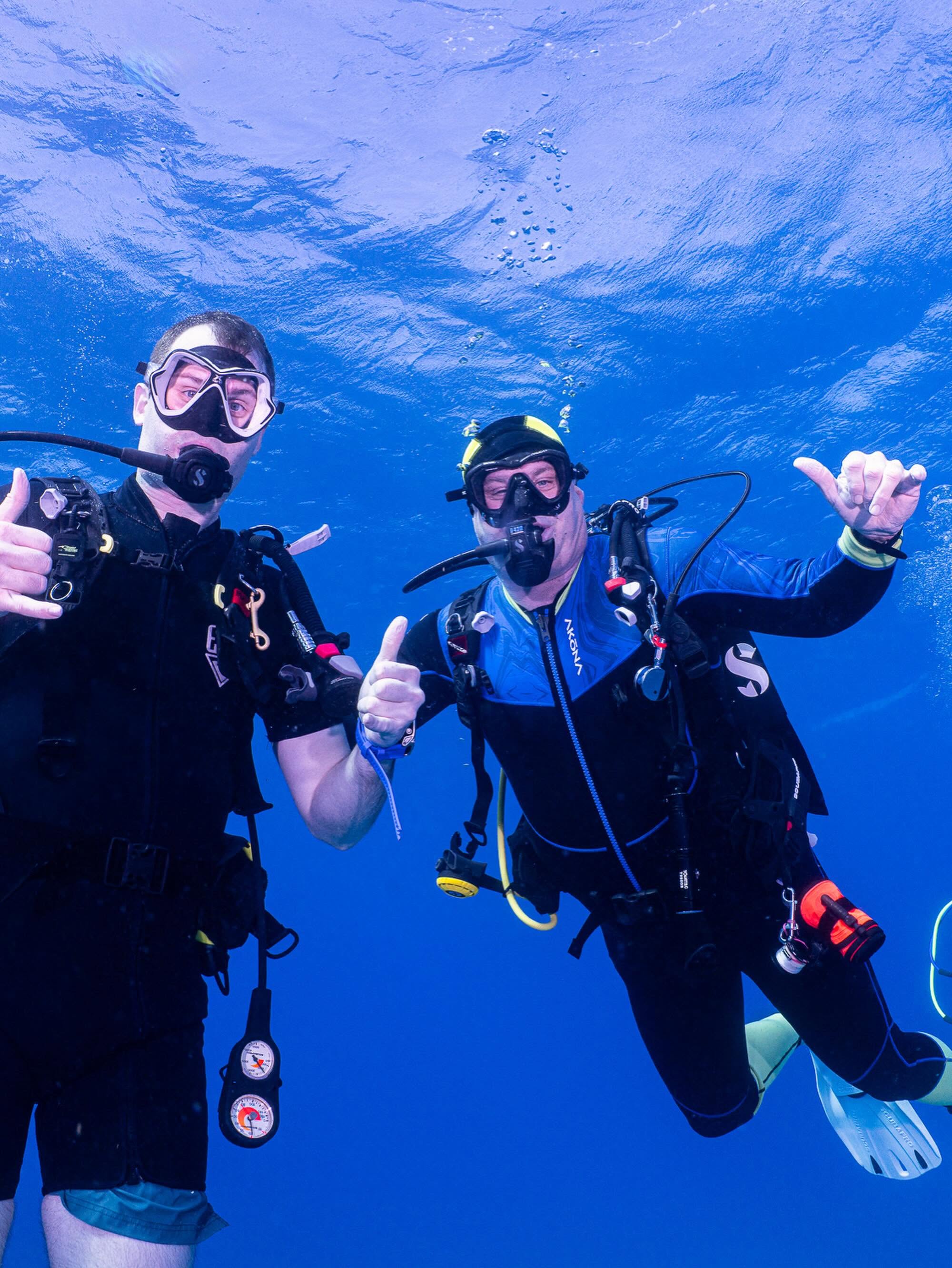
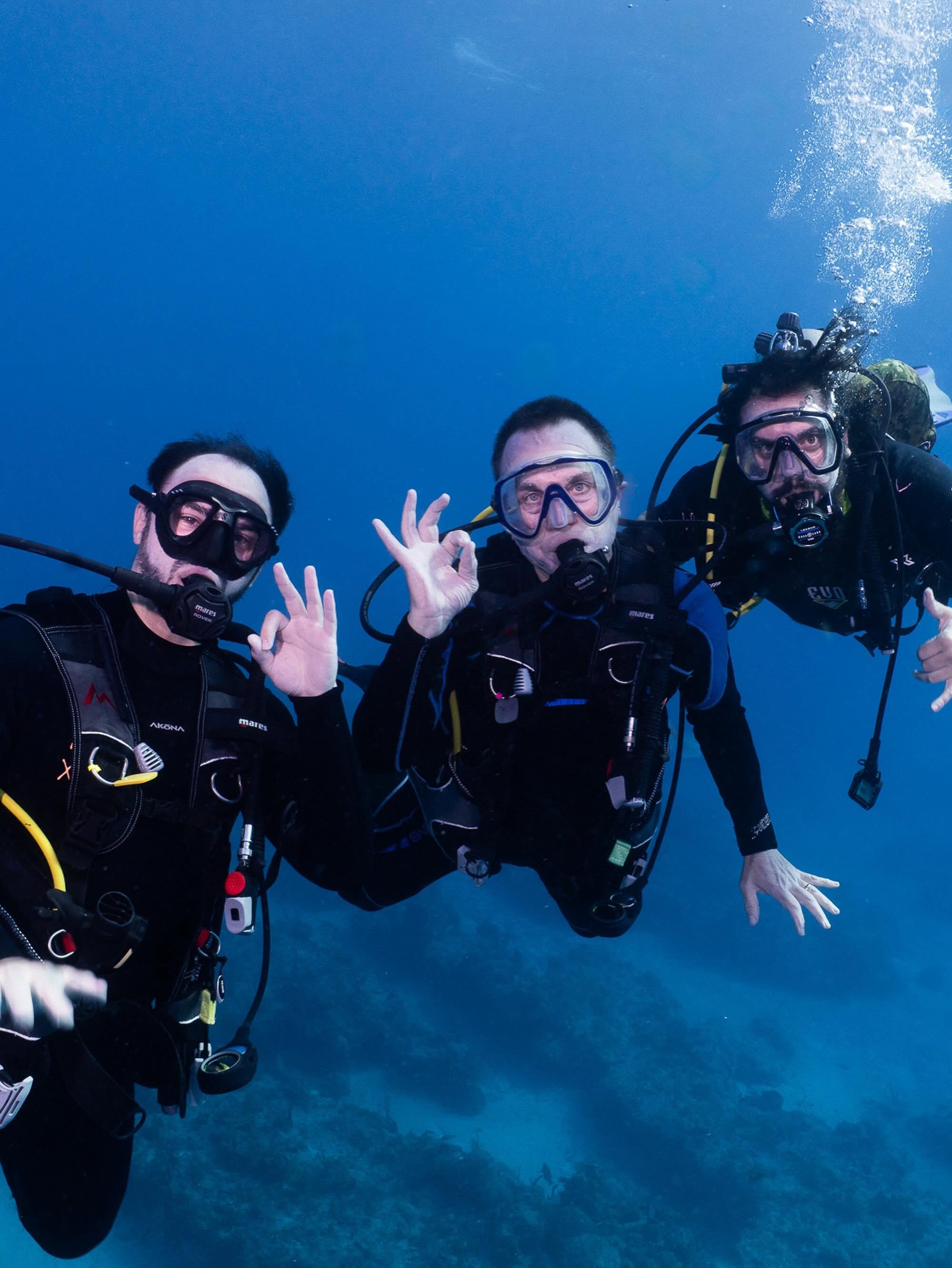
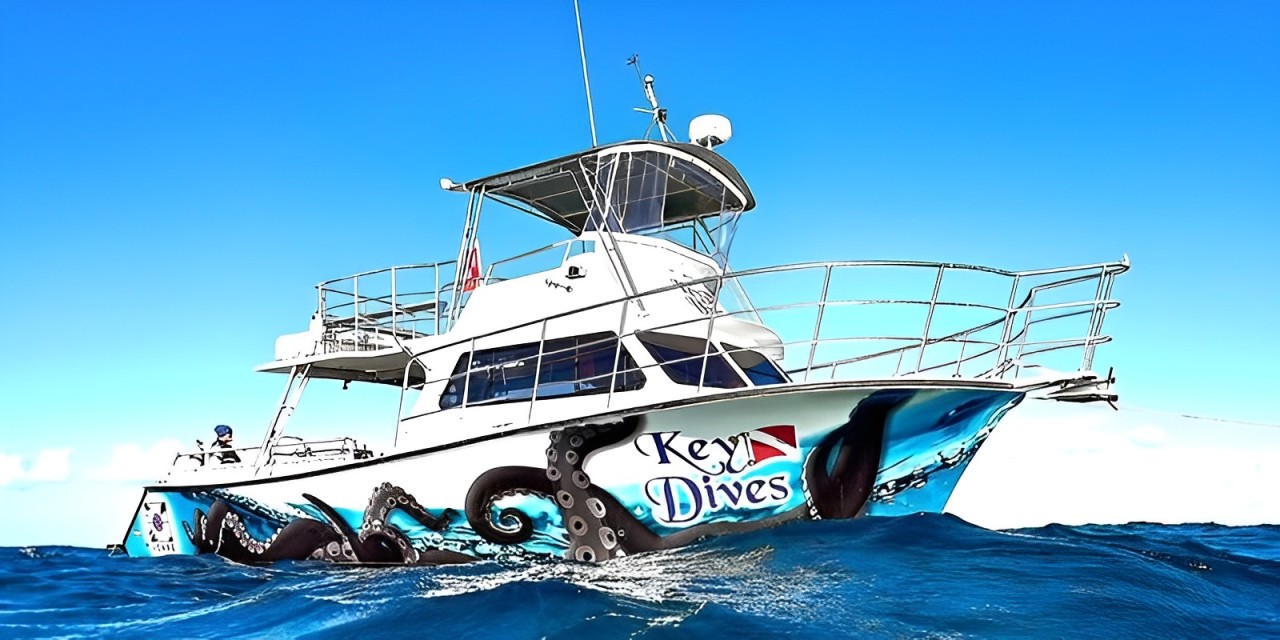
Looking to push your diving skills beyond the basics? This 2-3 day Advanced Open Water certification with Key Dives is your ticket to exploring deeper reefs, navigating underwater like a pro, and gaining the confidence to tackle more challenging dive sites throughout the Florida Keys. You'll work directly with experienced instructors who know these waters inside and out, completing five adventure dives that'll expand your comfort zone and open up a whole new world of diving opportunities.
Beneath the Surface
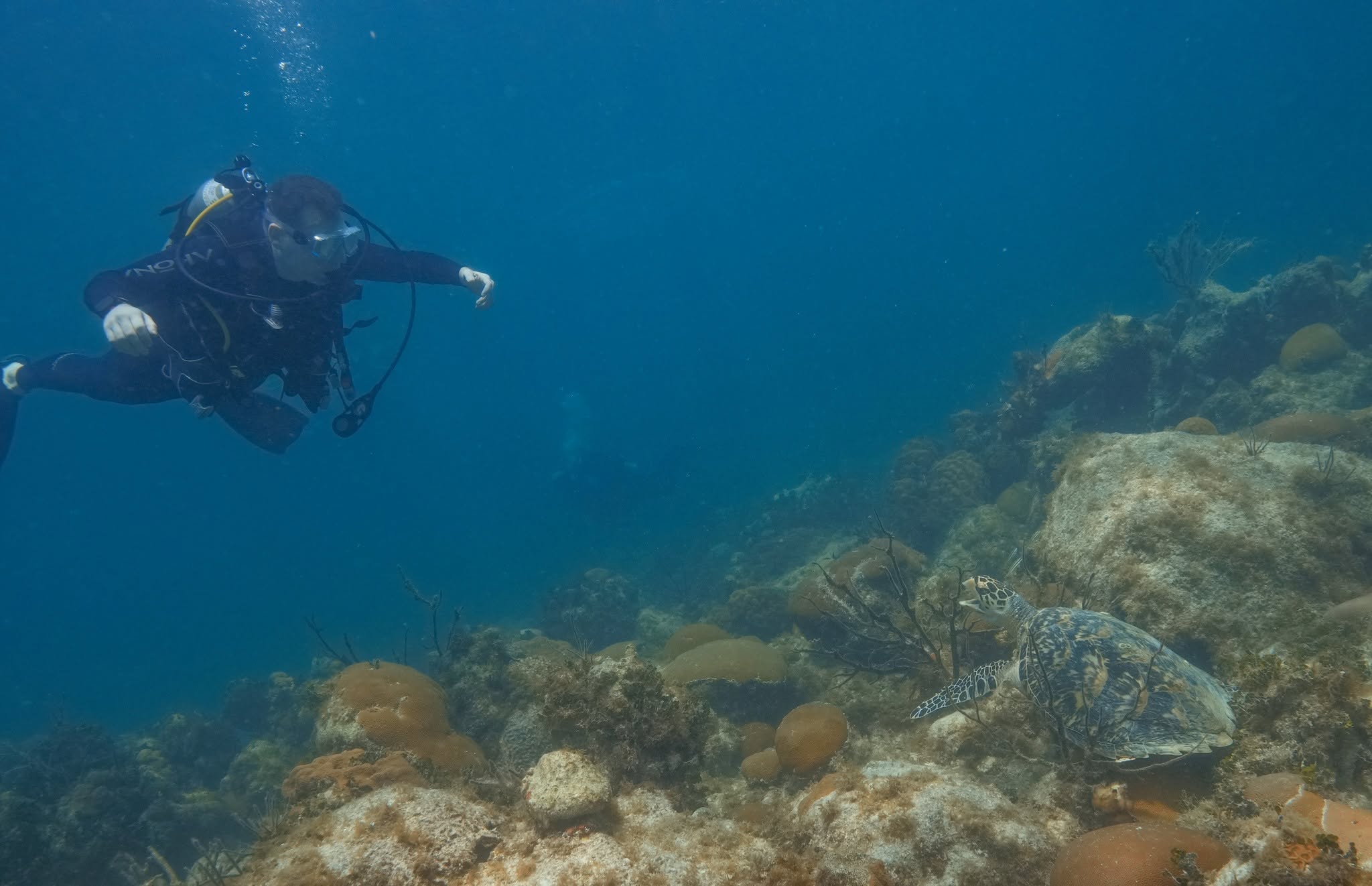
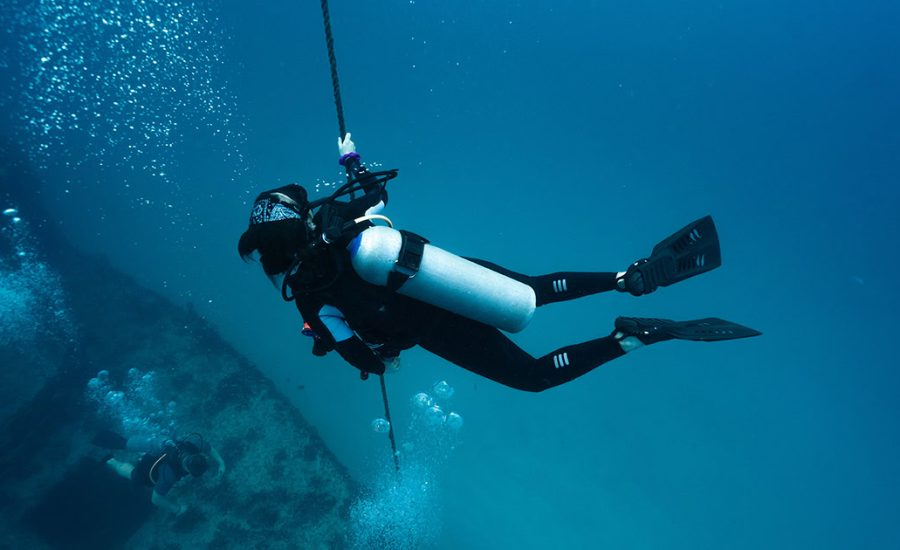
This isn't your typical classroom course – you'll be learning by doing, right here on the world-class reefs that make the Florida Keys a top-rated diving destination. The program kicks off with eLearning that you can knock out at your own pace before arriving. Once you're here, it's all about getting wet and building real skills underwater. You'll complete two mandatory adventure dives – Deep Diving and Underwater Navigation – then choose three more specialties based on what gets you fired up. Maybe you want to dial in your buoyancy control, learn to identify the fish you're seeing, or try your first night dive. The crew at Key Dives keeps things laid back but professional, making sure you're comfortable while pushing your skills forward. Each dive builds on the last, so by the end you'll feel like a completely different diver than when you started.
Dive Brief & Gear Info
Your adventure dives happen over three separate boat trips, giving you time to process what you've learned between sessions. The Deep Diving adventure takes you down to 100 feet, where you'll see how colors change and learn proper deep diving techniques on sites like the renowned Spiegel Grove wreck or the dramatic walls off Key Largo. Navigation training happens on the shallow reefs, where you'll master compass courses and natural navigation using reef features. For your elective dives, Peak Performance Buoyancy is a customer favorite – it's amazing how much your diving improves when you can hover motionless without even thinking about it. Wreck diving lets you explore the incredible artificial reefs created by sunken ships, while night diving reveals a completely different underwater world as nocturnal creatures come out to hunt. Drift diving teaches you to fly along with the current, covering massive amounts of reef with minimal effort. All gear is included in your adventure dives, and the instructors will help you dial in your weight and equipment configuration for each type of diving you're trying.
What Divers Are Saying
"Spent three days with this crew, mostly Amanda, and she is spectacular. The crew is a welcoming combination of laid back and professional and thoroughly enjoyed the dives." - John
Marine Life You'll See
The Florida Keys reef tract gives you front-row seats to some of the best marine life diversity in North America. Goliath grouper are the gentle giants you'll encounter on deeper dives and wrecks – these massive fish can reach 800 pounds and aren't shy around divers. They're most active from July through September when they gather to spawn, creating some of the most memorable wildlife encounters you'll have underwater. Their curious nature means they'll often approach divers, giving you incredible photo opportunities and a real appreciation for just how big these protected species can get.
Green moray eels make their homes in the reef crevices and wreck spaces, and spotting one never gets old. These guys can stretch up to 8 feet long and are most active during night dives when they come out to hunt. Despite their intimidating appearance, they're generally docile around divers as long as you give them space. The best time to see them is during your night adventure dive, when their hunting behavior creates dynamic encounters that really showcase why night diving is so different from daytime exploration.
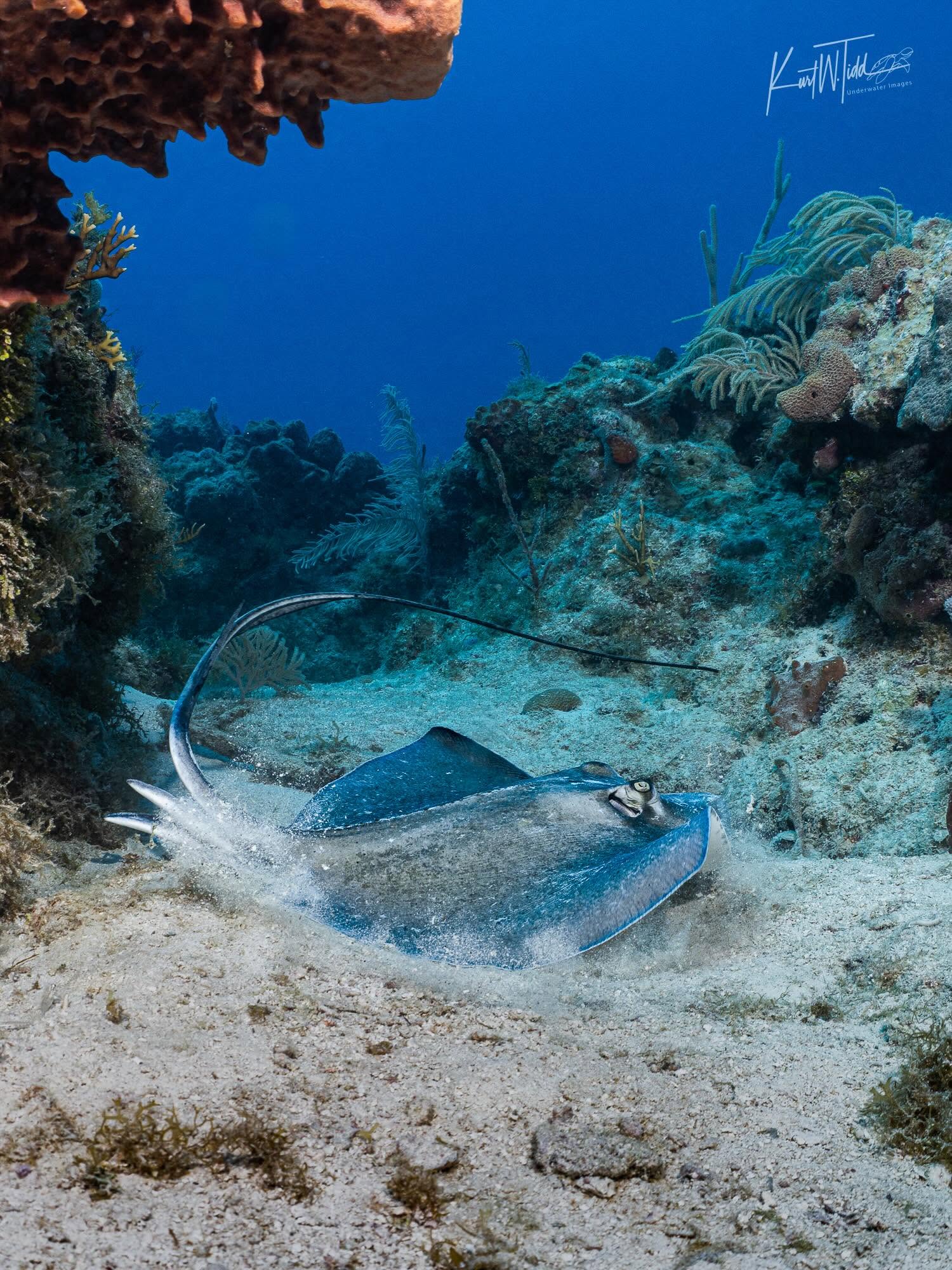
Nurse sharks are year-round residents that you'll often find resting under ledges during the day. These bottom-dwellers can reach 10 feet in length but are completely harmless to divers. What makes them special here is their abundance – it's not uncommon to see multiple sharks on a single dive, and they're often comfortable enough with divers that you can observe their natural behavior up close. Winter months tend to be best for shark encounters as they gather in larger numbers in the warmer shallow waters.
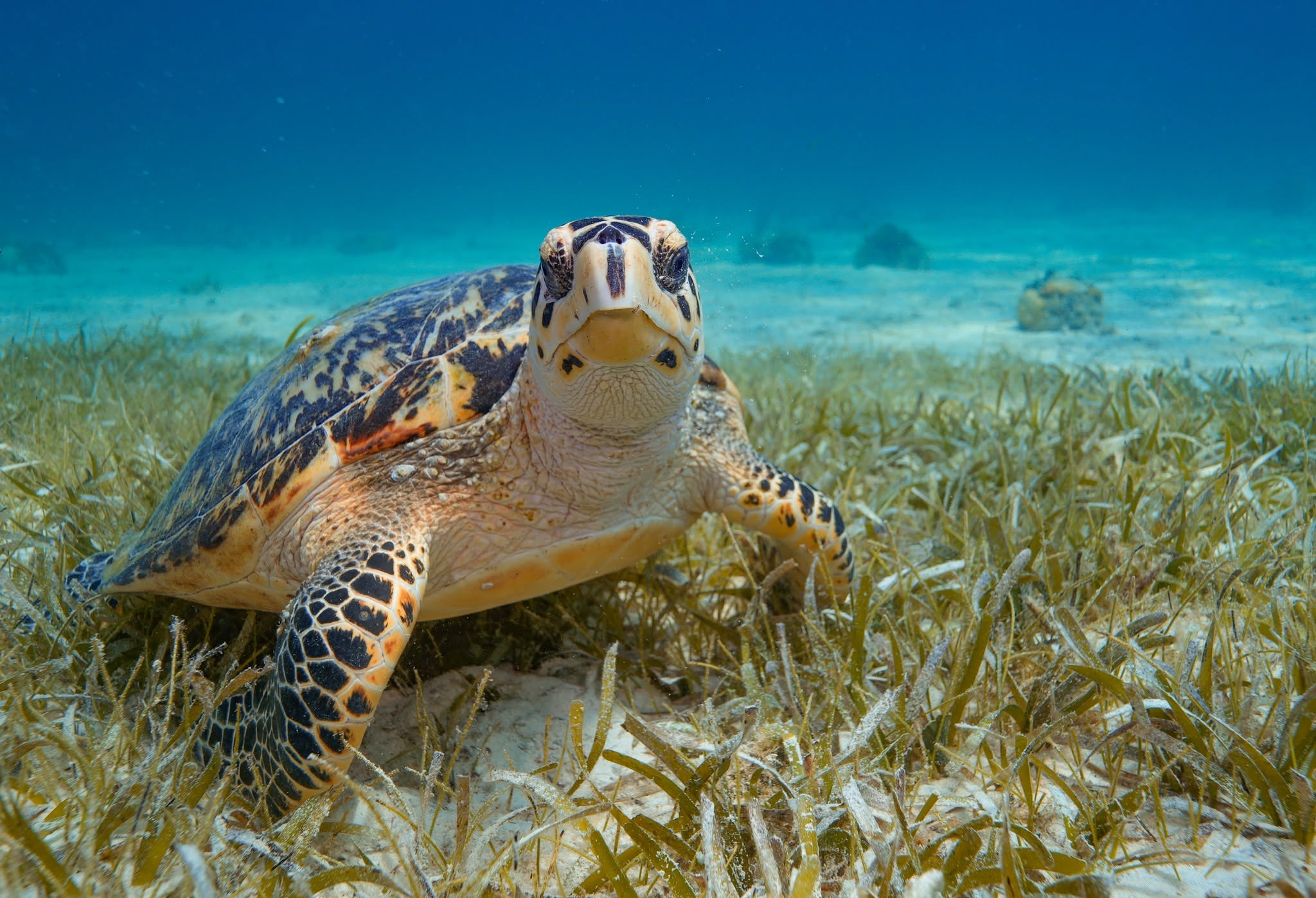
Caribbean reef sharks cruise the deeper walls and wrecks, especially during your deep diving adventures. These sleek predators typically range from 4-6 feet long and represent the classic shark encounter that many divers dream about. They're most commonly spotted on morning dives when they're actively hunting, and the deep diving portion of your course puts you right in their preferred depth range. Seeing one glide past during your advanced training really drives home how much more marine life becomes accessible as your diving skills and certification level increase.
Plan Your Next Dive
At $530 total, this Advanced Open Water certification gives you skills that'll last a lifetime and opens up dive sites worldwide that require the advanced rating. You're not just getting a card – you're gaining real experience with an instructor who knows how to help you build confidence while exploring some of the best diving the Florida Keys has to offer. The course requires Open Water certification and you need to be at least 15 years old, with a medical questionnaire to complete before diving. Keep in mind the 72-hour cancellation policy and that deposits are non-refundable since they cover your eLearning materials. For dates within two weeks, give the shop a call directly to check availability. This is the kind of investment in your diving that pays dividends every time you clip into your gear, whether you're exploring local reefs or planning that dream dive trip halfway around the world.
 5.0(2 Reviews)
 Class
Class Shared Trip
 Scuba Diving
 Islamorada, FL
 Advanced Open Water PADI certification in Florida Keys waters