Dive Against Debris Course in Key Largo
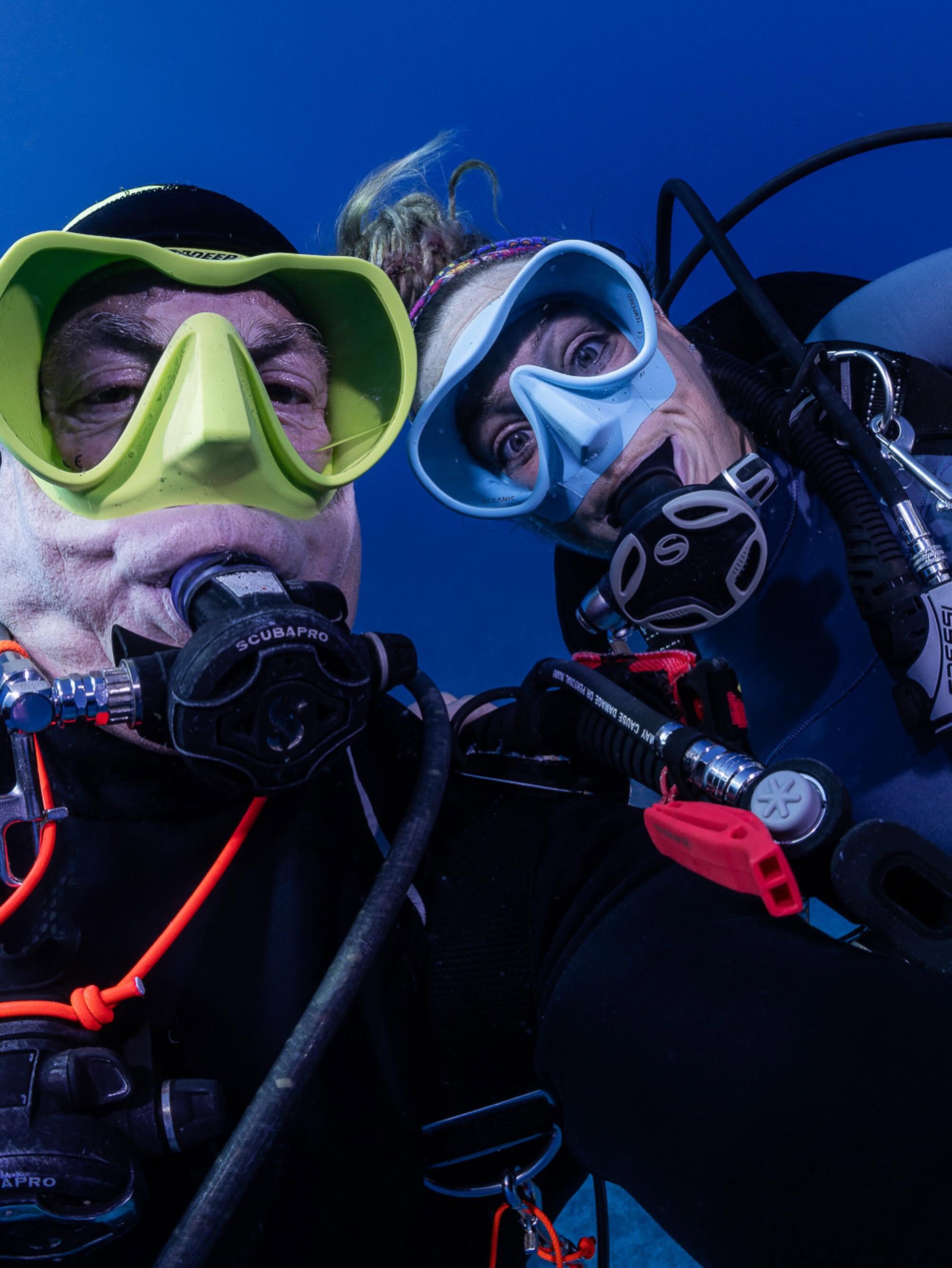
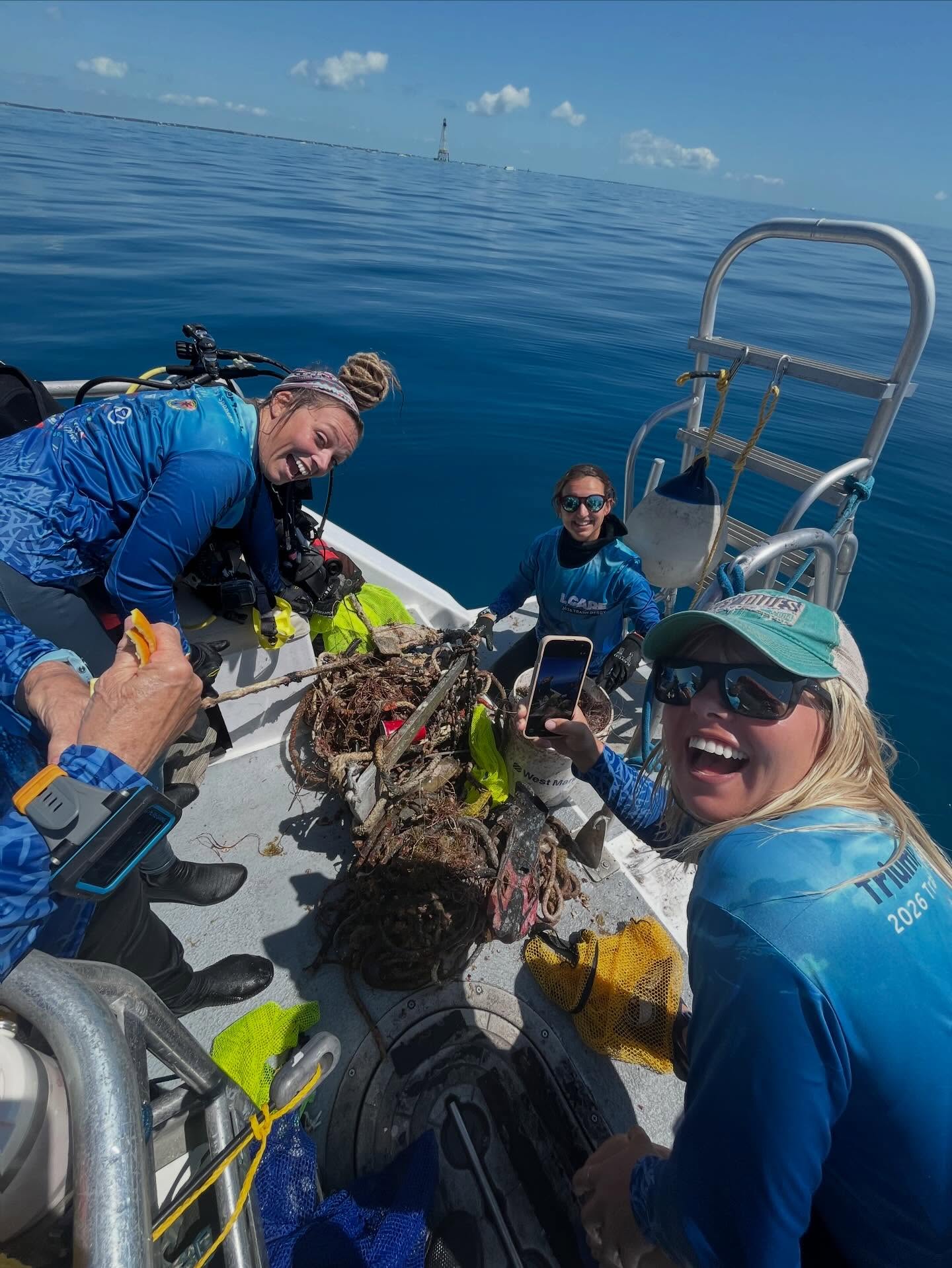
Ready to make your diving count for something bigger? The Dive Against Debris Specialty Course at Key Dives combines your passion for underwater exploration with real ocean conservation work. You'll learn proper techniques for safely removing marine debris while diving some of Key Largo's most pristine coral reefs. This isn't just another certification card to add to your collection—it's hands-on training that turns every dive into an opportunity to protect the underwater world you love. Whether you're working toward your PADI or SSI specialty certification, this course gives you practical skills and the confidence to lead cleanup efforts wherever your diving adventures take you.
Beneath the Surface
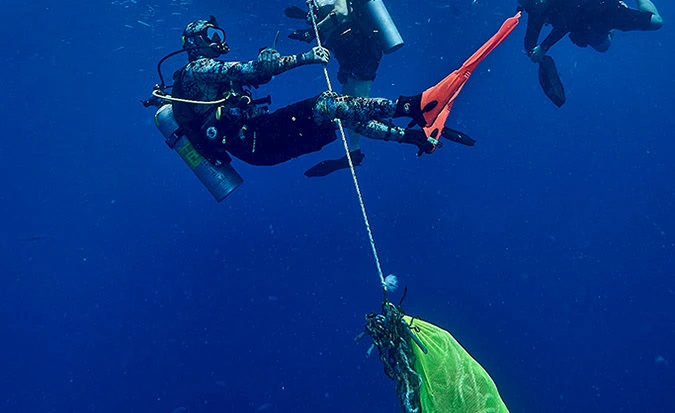
This specialty course takes place at some of Key Largo's top-rated dive sites where you'll get real-world experience in marine debris removal. Your instructor will guide you through proper documentation techniques, safe removal methods, and how to handle different types of underwater trash without damaging delicate coral formations or marine life. The program includes classroom sessions covering data collection protocols and field training where you'll practice techniques on actual cleanup dives. You'll learn to identify debris that should be removed versus items that have become part of the ecosystem, plus proper lifting techniques to avoid injury and equipment damage. The course typically spans two days with multiple dives, giving you plenty of bottom time to master these specialized skills while exploring Key Largo's world-class coral reefs and shipwrecks.
Dive Brief & Gear Info
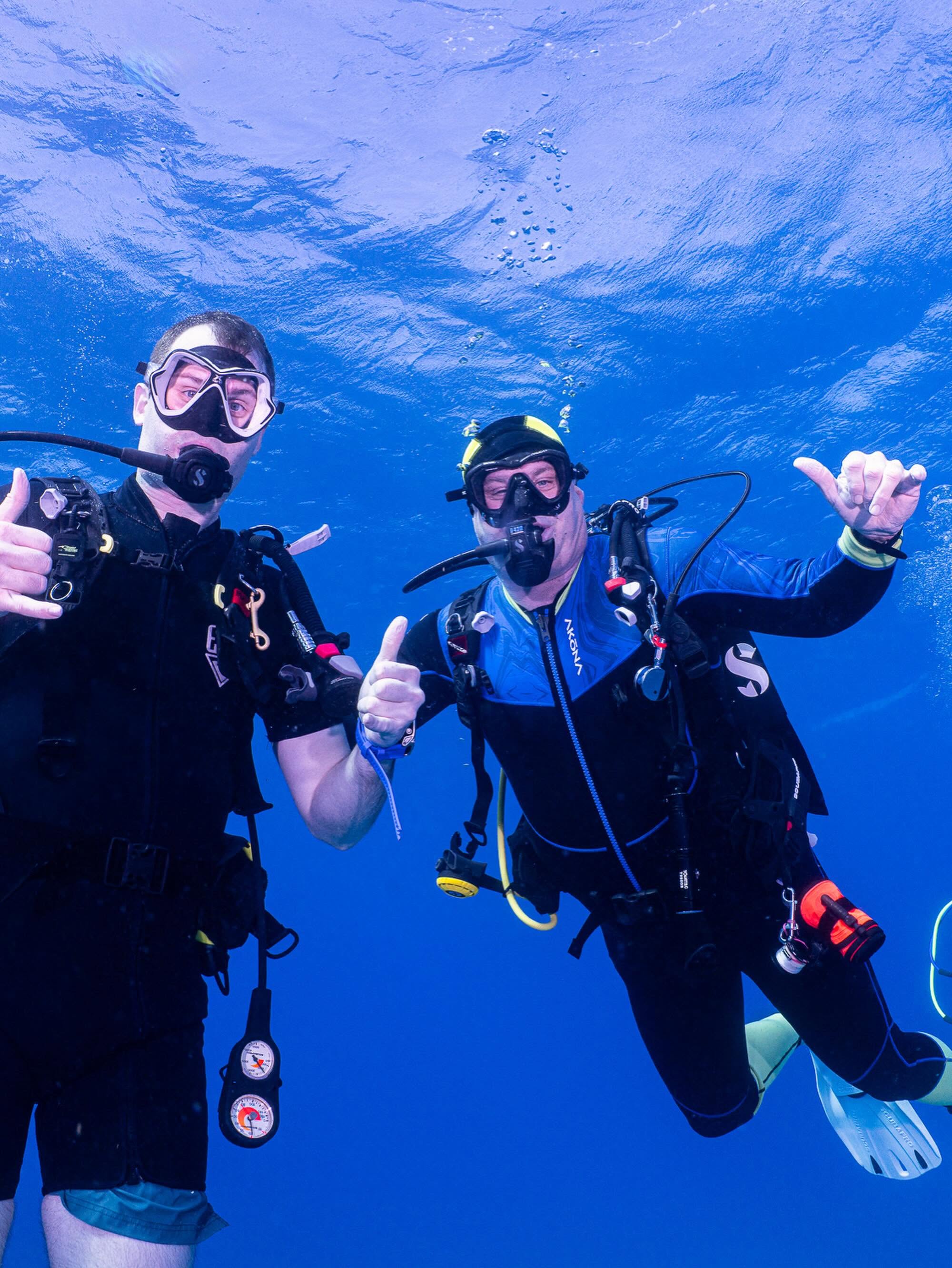
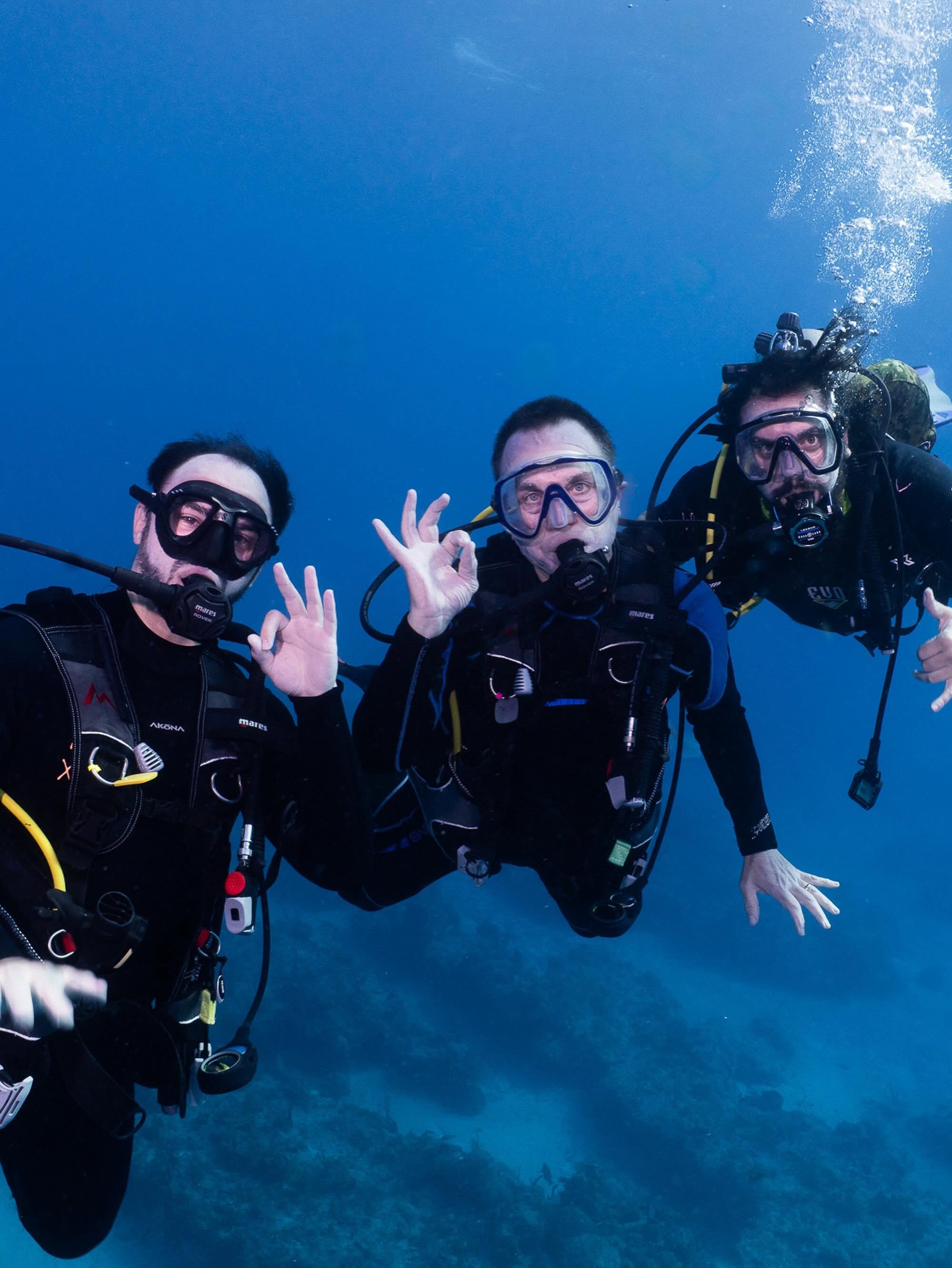
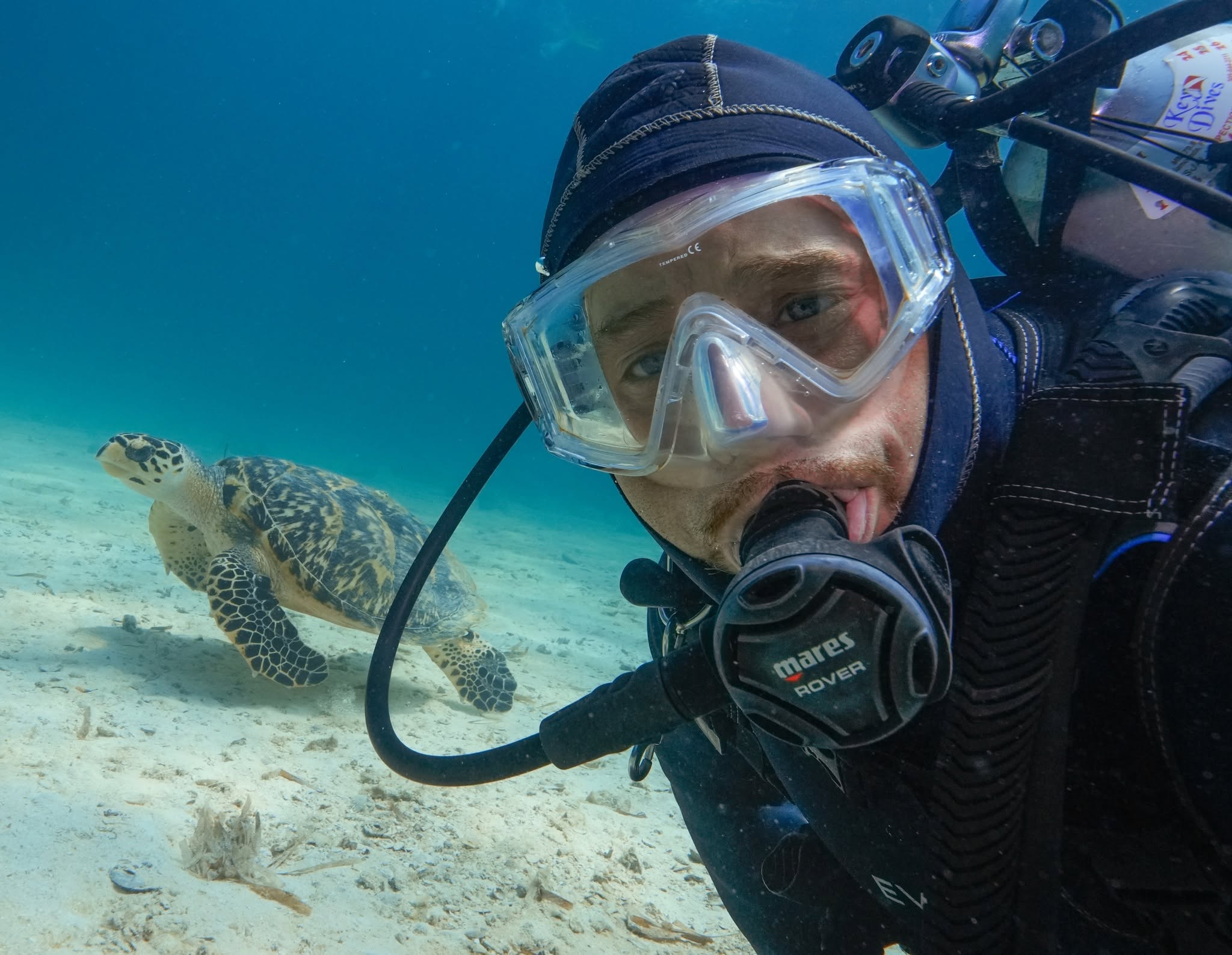
Standard scuba gear is all you need for this course, but we'll outfit you with specialized tools for debris collection including mesh bags, cutting tools, and data slates for underwater documentation. Your instructor will brief you on proper buoyancy control techniques essential for debris removal—maintaining neutral buoyancy while handling objects requires solid fundamental skills. We'll cover hand signals specific to cleanup operations and team communication methods for coordinating removal efforts safely. The training includes surface protocols for sorting and documenting collected debris according to international marine debris tracking standards. You'll learn to assess whether debris can be safely removed or if it requires specialized equipment or techniques. Each dive site presents different challenges, from shallow reef areas with fishing line entanglements to deeper wrecks where larger debris items might be found.
Marine Life You'll See
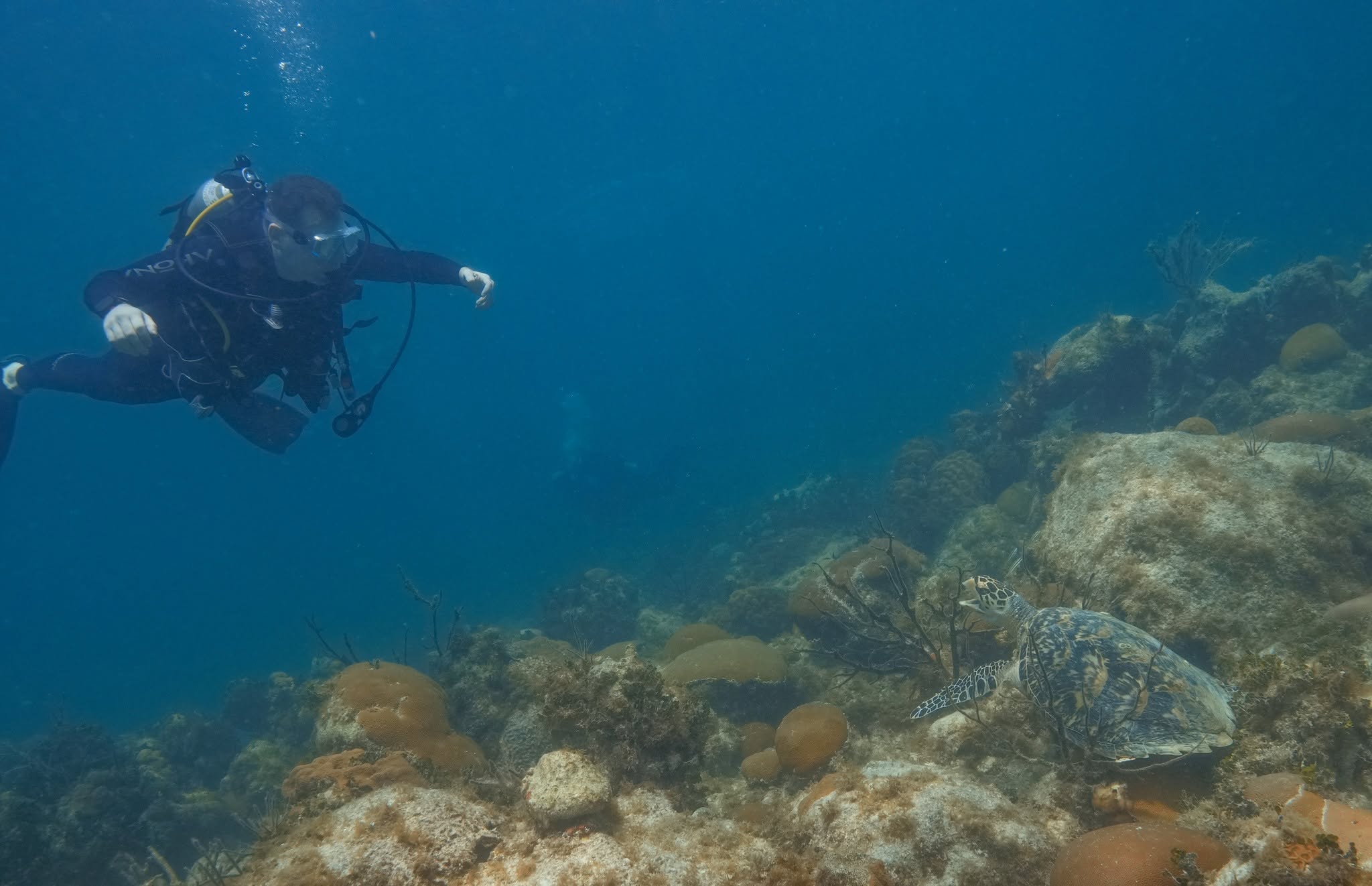
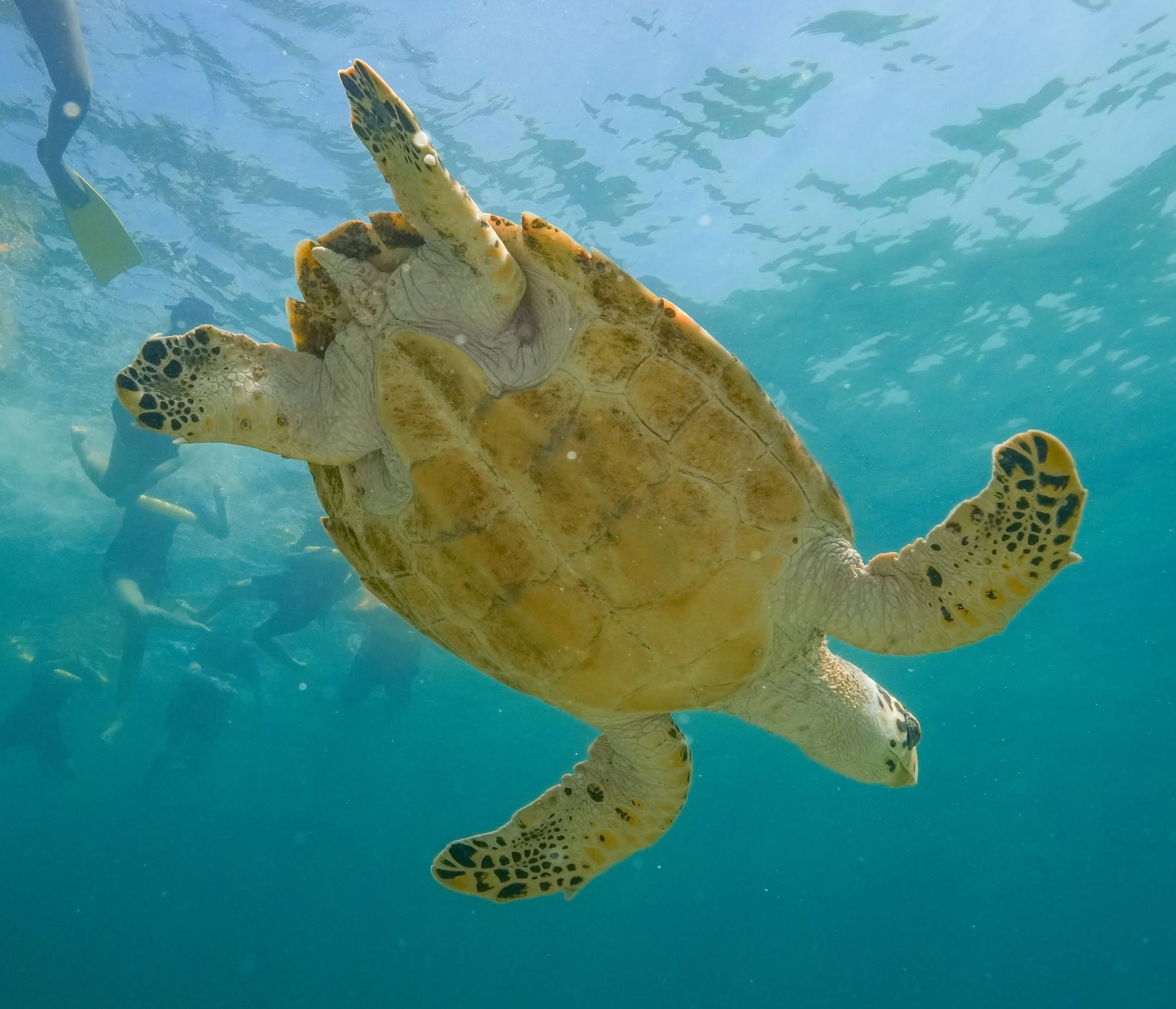
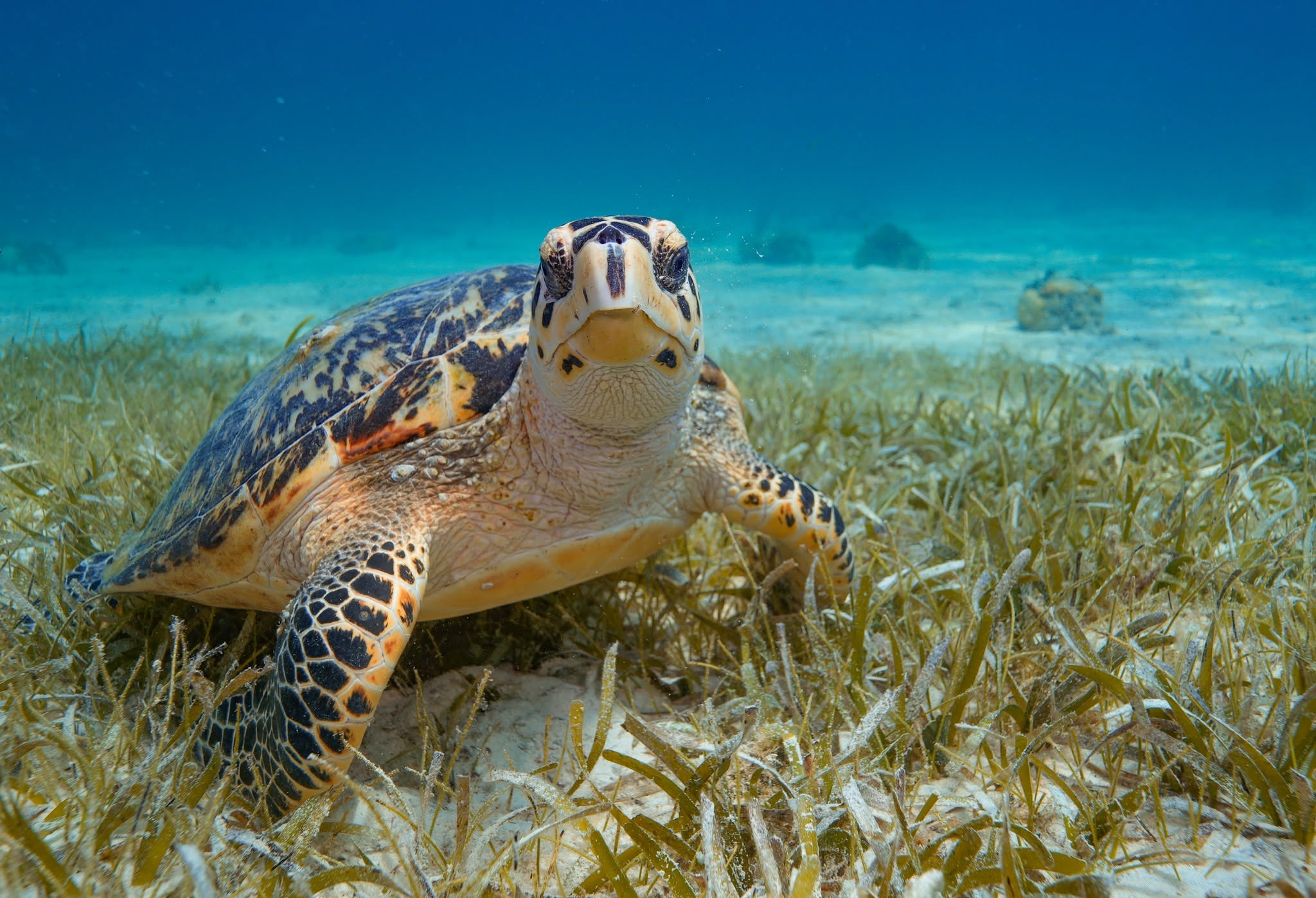
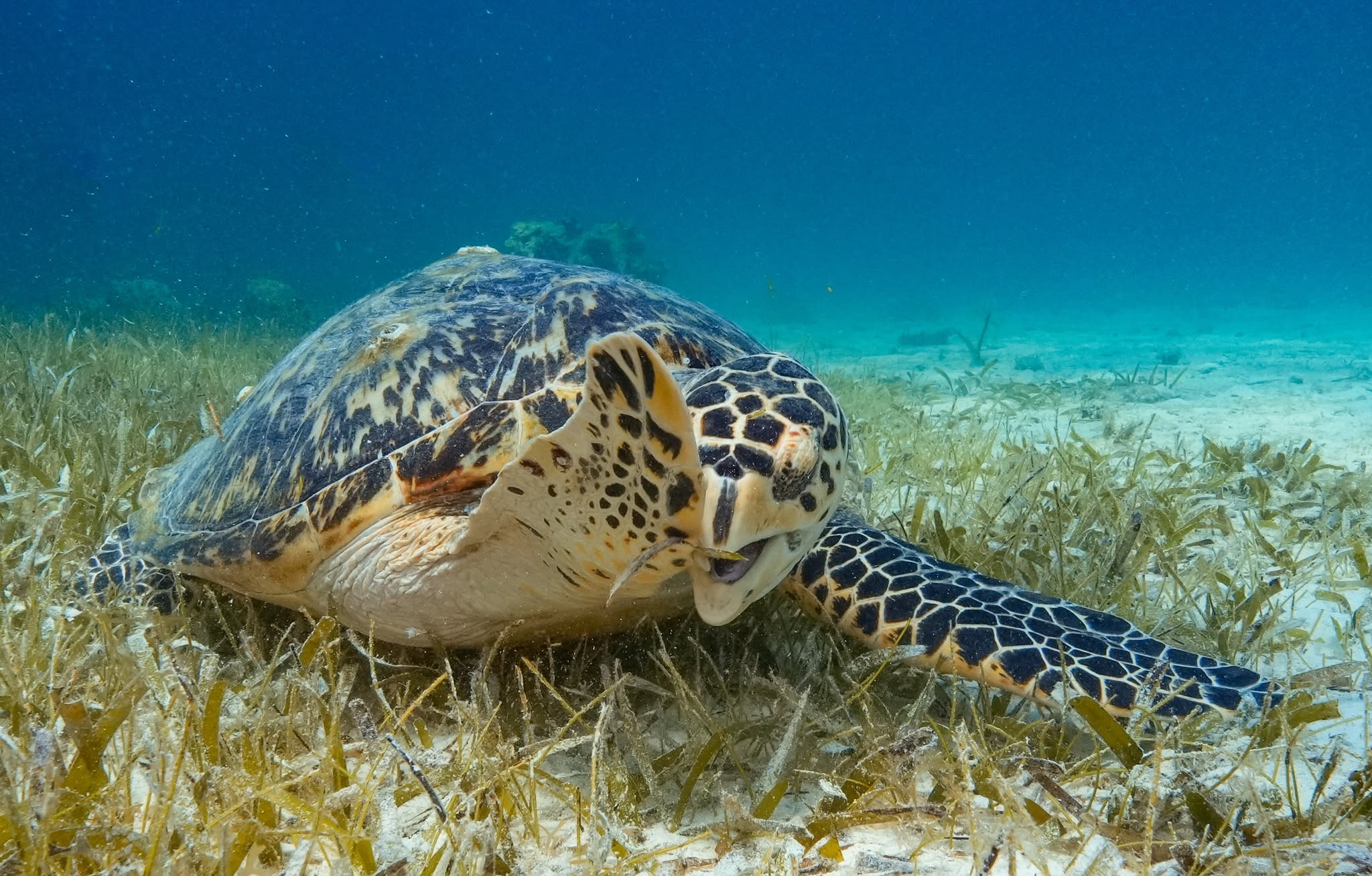
Key Largo's coral reefs are home to an amazing variety of marine species that benefit directly from debris removal efforts. You'll commonly spot Caribbean reef sharks cruising the deeper sections—these apex predators are particularly vulnerable to fishing line entanglement and plastic debris ingestion. Green sea turtles are frequent visitors to the grass beds between dive sites, and sadly these gentle giants often mistake plastic bags for jellyfish, their preferred food source. Removing plastic debris helps protect these endangered animals that nest on Florida's beaches each summer. Grouper species like the massive goliath grouper often shelter around artificial reefs and wrecks where debris tends to accumulate—clearing fishing line and nets from these areas prevents injury to these slow-growing fish. Parrotfish play a crucial role in reef health by eating algae off corals, but they're easily entangled in ghost fishing gear. You'll also encounter colorful reef fish like angelfish, butterflyfish, and wrasses that use coral formations for shelter—removing debris from these areas helps maintain the complex reef structure these species depend on for survival.
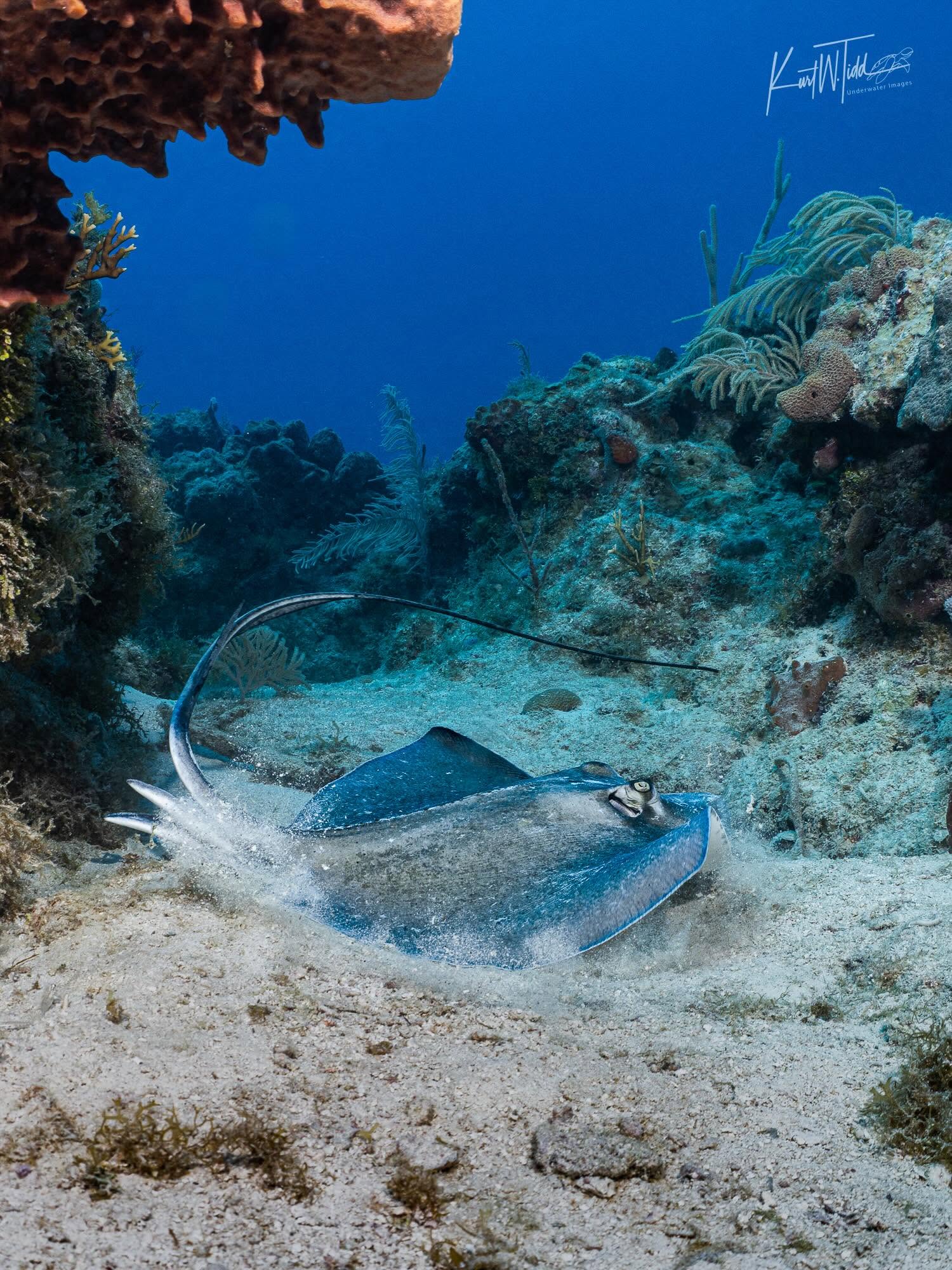
Nurse sharks rest in sandy areas and caves during the day where discarded fishing weights and tackle often settle—removing these items prevents injury when the sharks become active at night. Spotted eagle rays glide over the sandy flats between reefs, and their graceful swimming can be disrupted by debris on the bottom. Barracuda school in impressive numbers around Key Largo's wrecks and are frequently seen during debris removal dives, seeming curious about divers' cleanup activities. The coral formations themselves—including staghorn, elkhorn, and brain corals—are easily damaged by abandoned fishing line and nets, so removing this debris helps preserve the reef structure that supports the entire ecosystem.
Plan Your Next Dive
The Dive Against Debris Specialty Course gives you skills that enhance every future dive while contributing to ocean conservation efforts worldwide. You'll earn your specialty certification while gaining practical experience that makes you a more skilled and environmentally conscious diver. The techniques you learn apply to diving destinations around the globe—from tropical reefs to temperate kelp forests. Key Dives' expert instructors bring years of experience in both technical diving and marine conservation, ensuring you receive top-quality training that exceeds industry standards. This customer favorite program books quickly due to the personalized one-on-one instruction format, so reserve your spot early. The skills you develop during this course will make you a valuable team member on future dive trips and conservation projects, plus you'll have the satisfaction of knowing your underwater adventures are making a real difference for marine ecosystems.
 Shared Trip
 Scuba Diving
 Islamorada, FL
 Learn proper techniques for underwater debris removal and documentation