World Oceans Day Reef Cleanup Dive
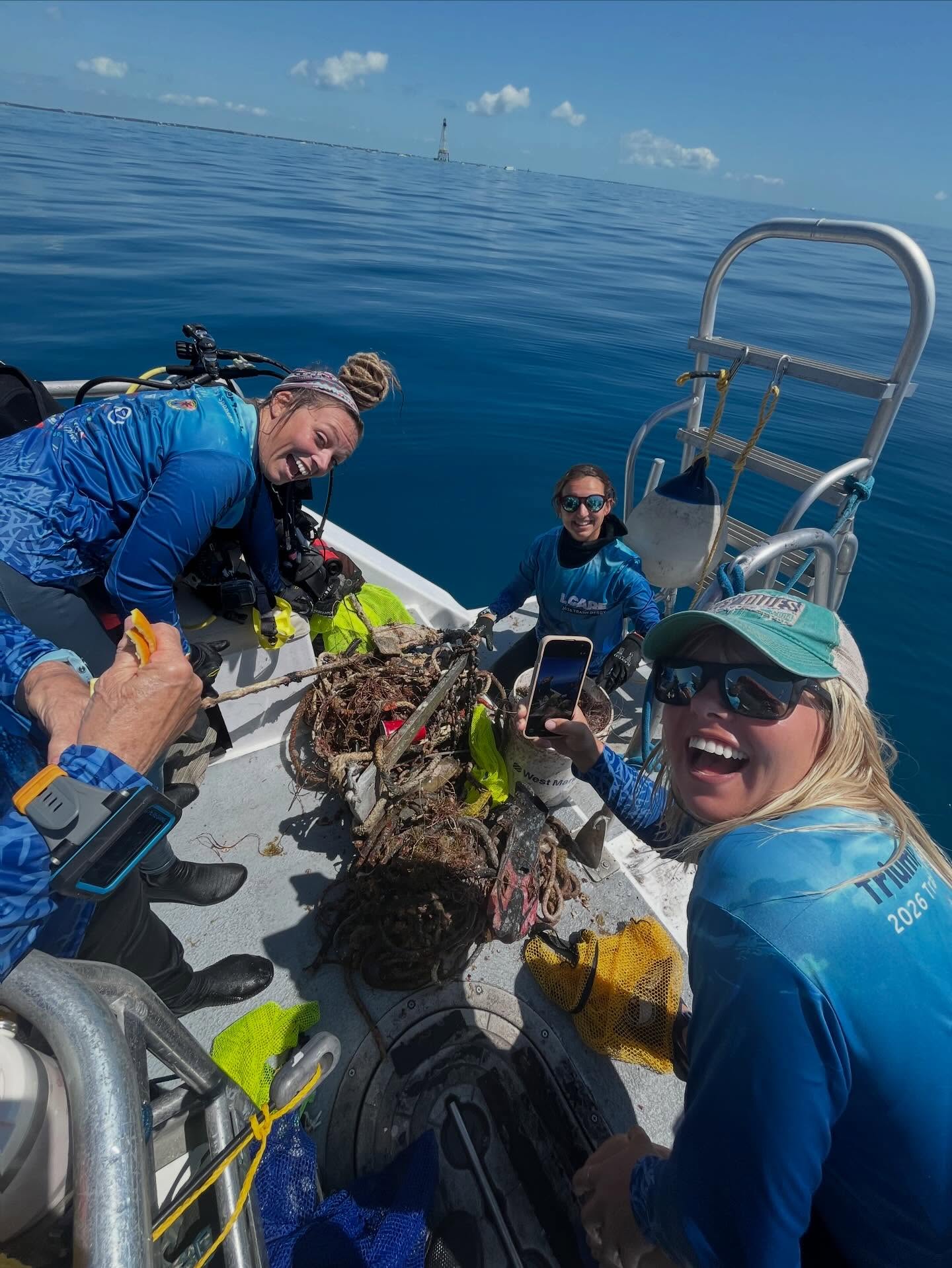
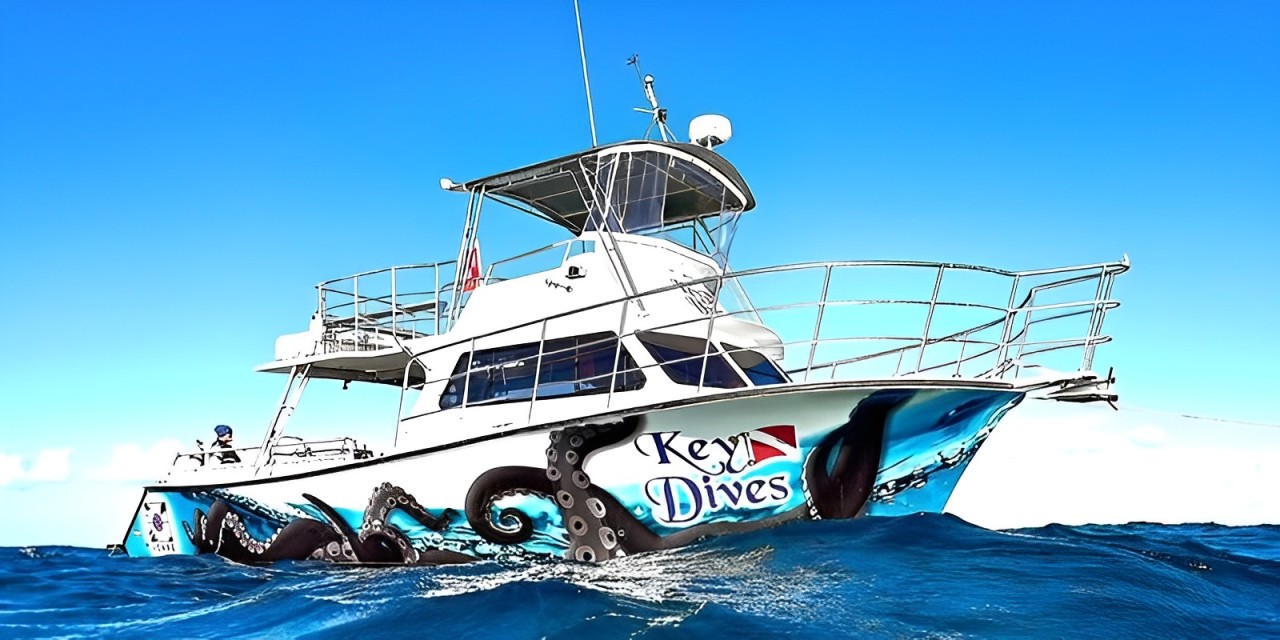
Here's something different – a dive that actually gives back to the reefs we love exploring. On June 8th, Key Dives is hosting a World Ocean Day cleanup dive that's part of the Goal: Clean Seas Florida Keys initiative. You'll be pulling plastic bottles, tangled fishing line, and other junk off the reef while getting some solid bottom time. It's conservation diving at its best, and honestly, the reef needs all the help it can get. We're talking about a 7:45 AM departure from Islamorada with about four hours on the water, so you'll be back by noon with that satisfying feeling of having done something that matters.
Beneath the Surface
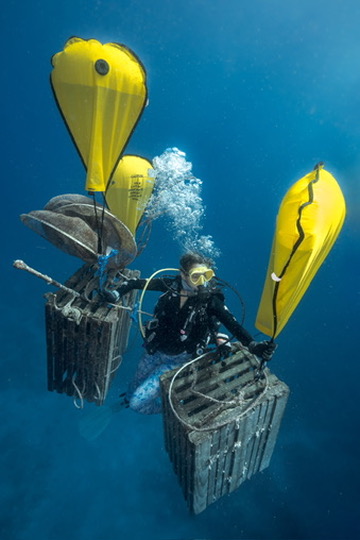
This cleanup dive takes you to one of the local reef sites where debris tends to accumulate. You're looking at moderate depths – probably somewhere in the 25-45 foot range depending on conditions and where the worst of the trash has settled. The beauty of these Florida Keys reefs is that visibility is usually pretty decent, so you can actually see what you're working with down there. Key Dives will brief you on the collection protocol before you splash – they've got mesh bags for the smaller stuff and lift bags for anything heavier. The boat ride out is short since we're working local sites, which means more time underwater and less time getting there. Water temp should be comfortable this time of year, so a 3mm wetsuit or even a dive skin will do the trick. The current is typically manageable on these sites, making it easier to work methodically without fighting the water.
Dive Brief & Gear Info
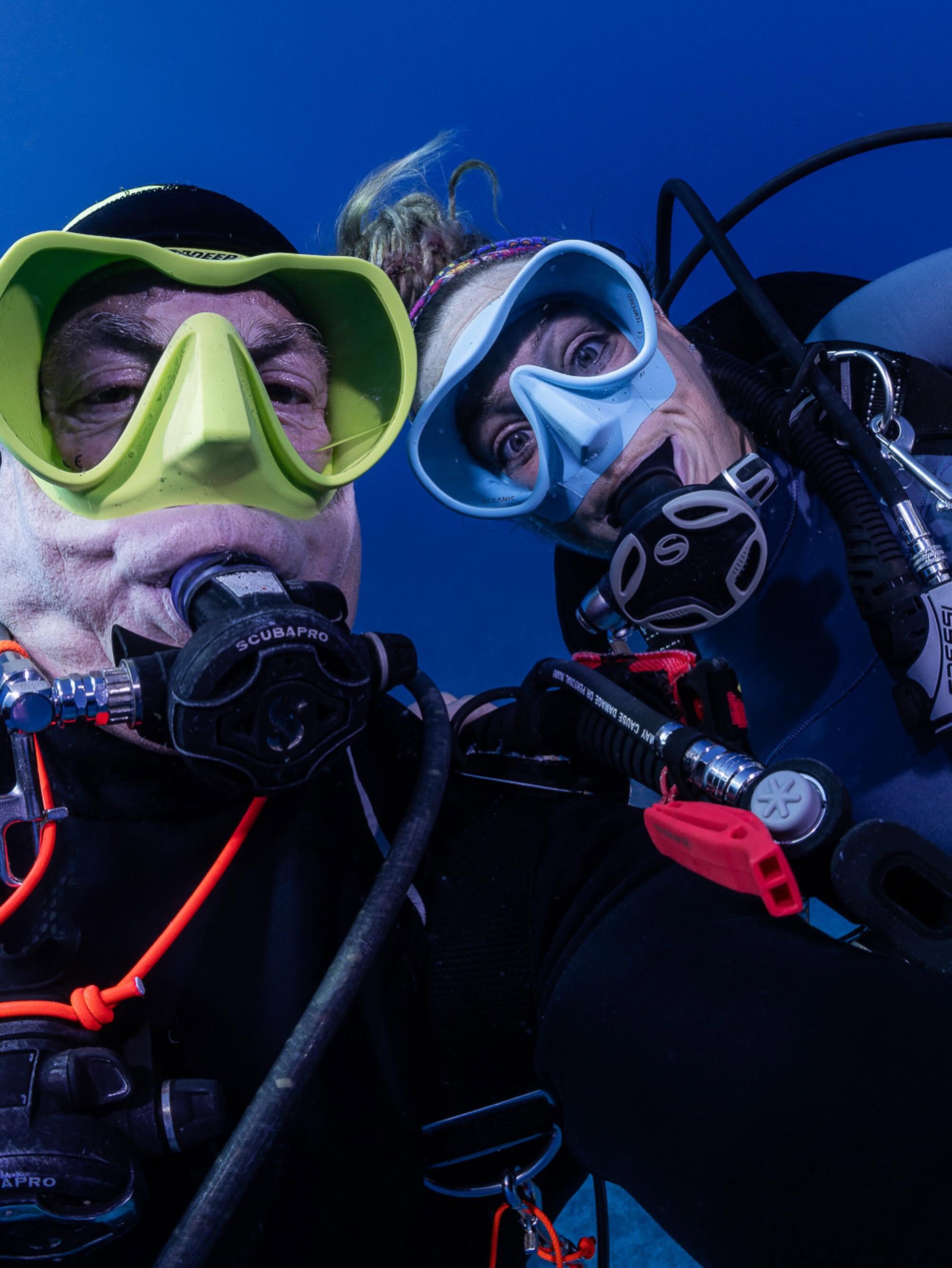
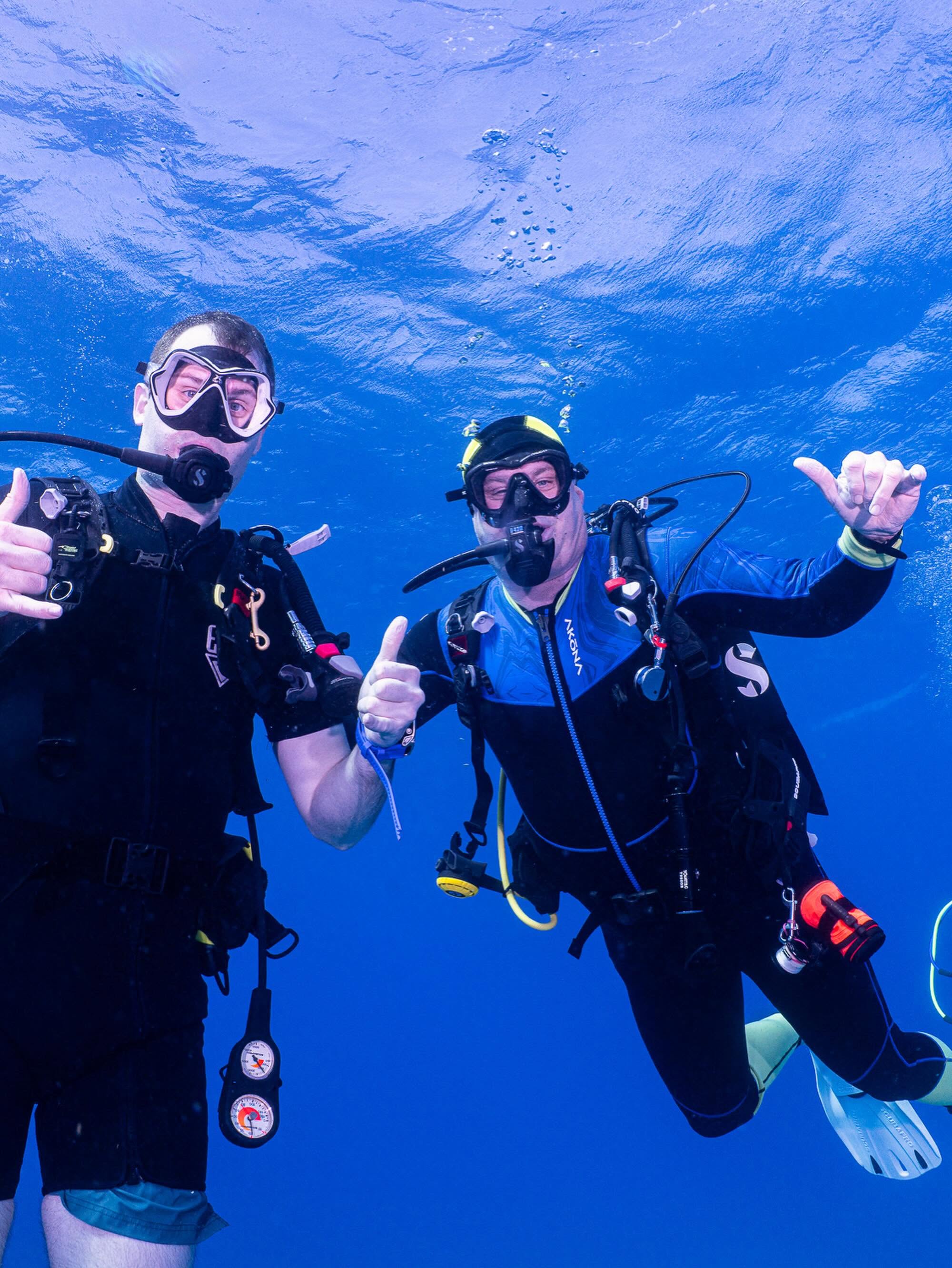
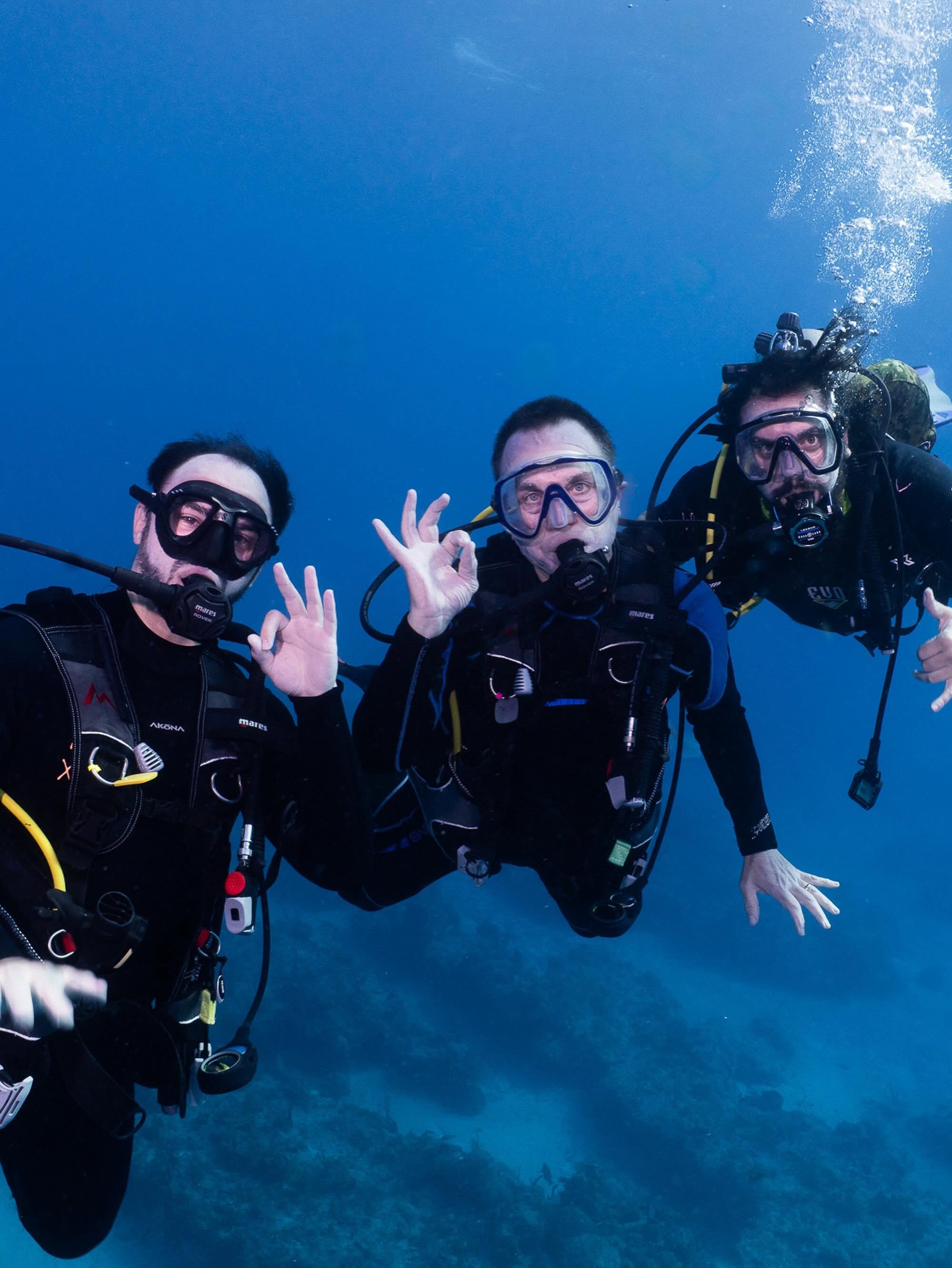
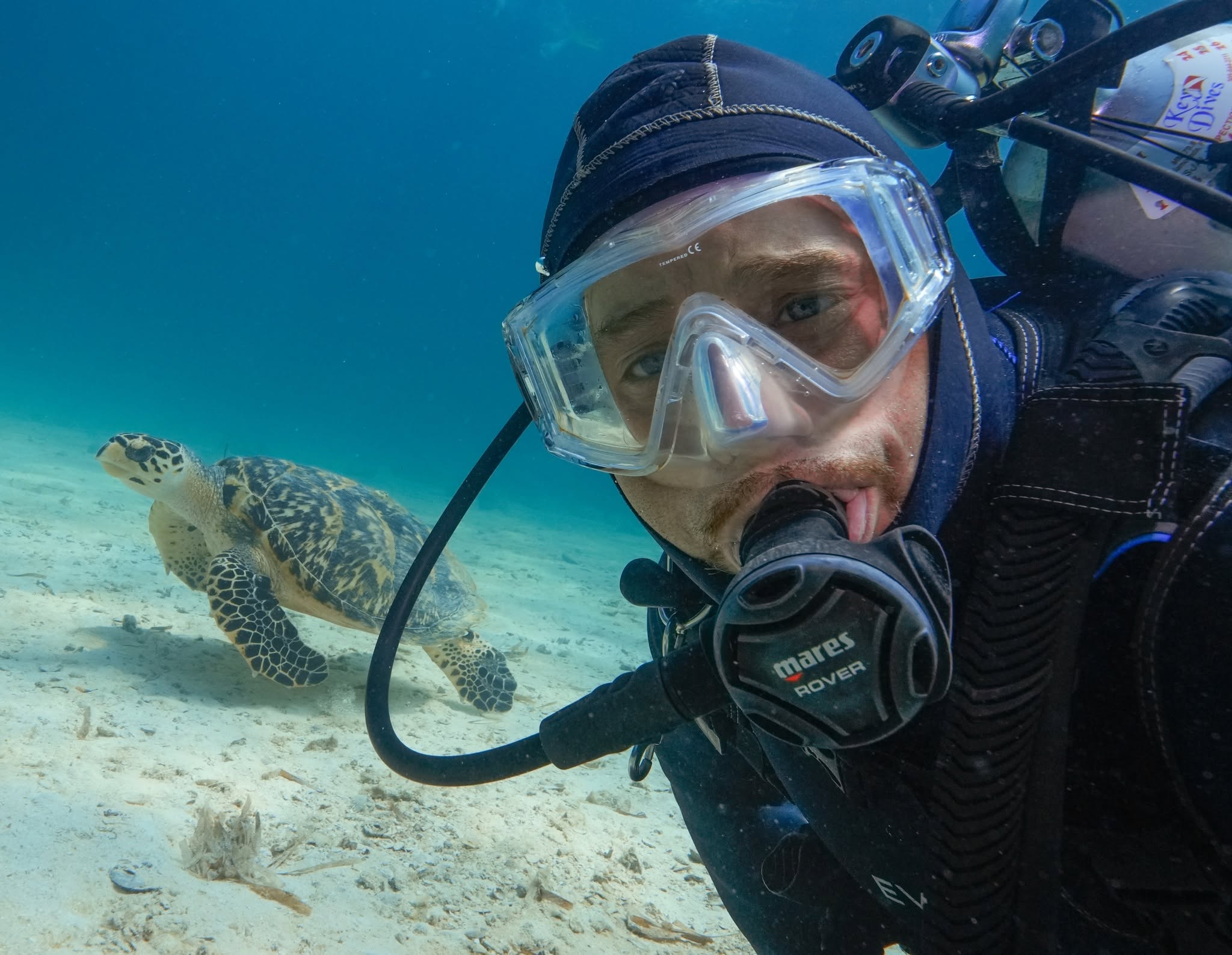
You'll need to show up certified and current – this isn't a training dive, it's a working dive. Key Dives provides the collection gear, but you're responsible for your standard kit: mask, fins, wetsuit, BCD, and regulator setup. They'll have underwater slates so you can log what you're finding, which helps with the data collection side of the project. The dive plan focuses on systematic coverage of the reef area rather than just swimming around enjoying the scenery. You'll work in buddy pairs, staying close to communicate about larger debris that might need two people to handle safely. Sharp objects get special attention – old hooks, broken glass, metal fragments that could slice through neoprene or skin. The dive master will demonstrate proper lifting technique for anything substantial, because even underwater, your back matters. Most of the work happens in that sweet spot where you're neutrally buoyant but can still maintain contact with the bottom when needed.
Marine Life You'll See
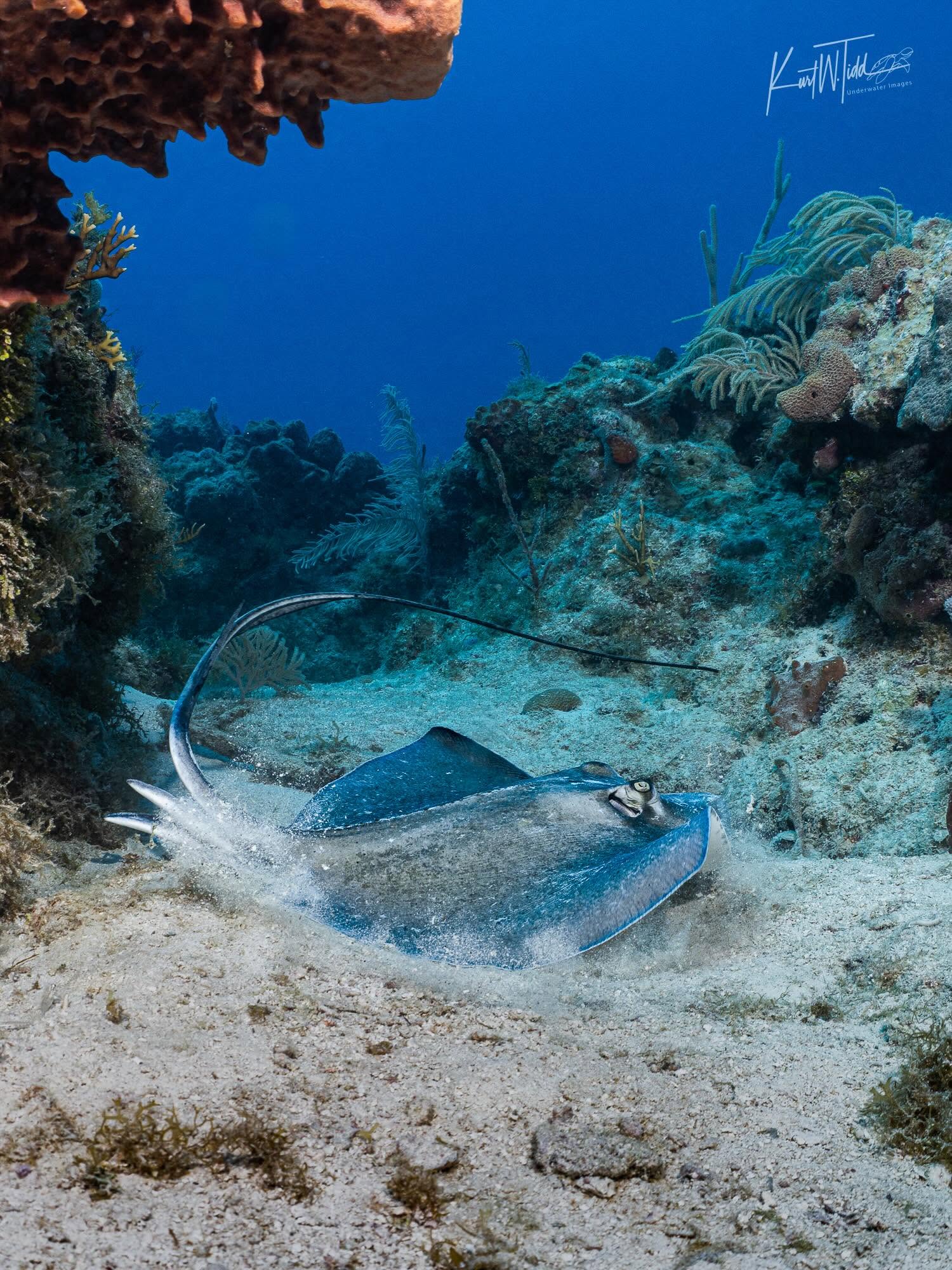
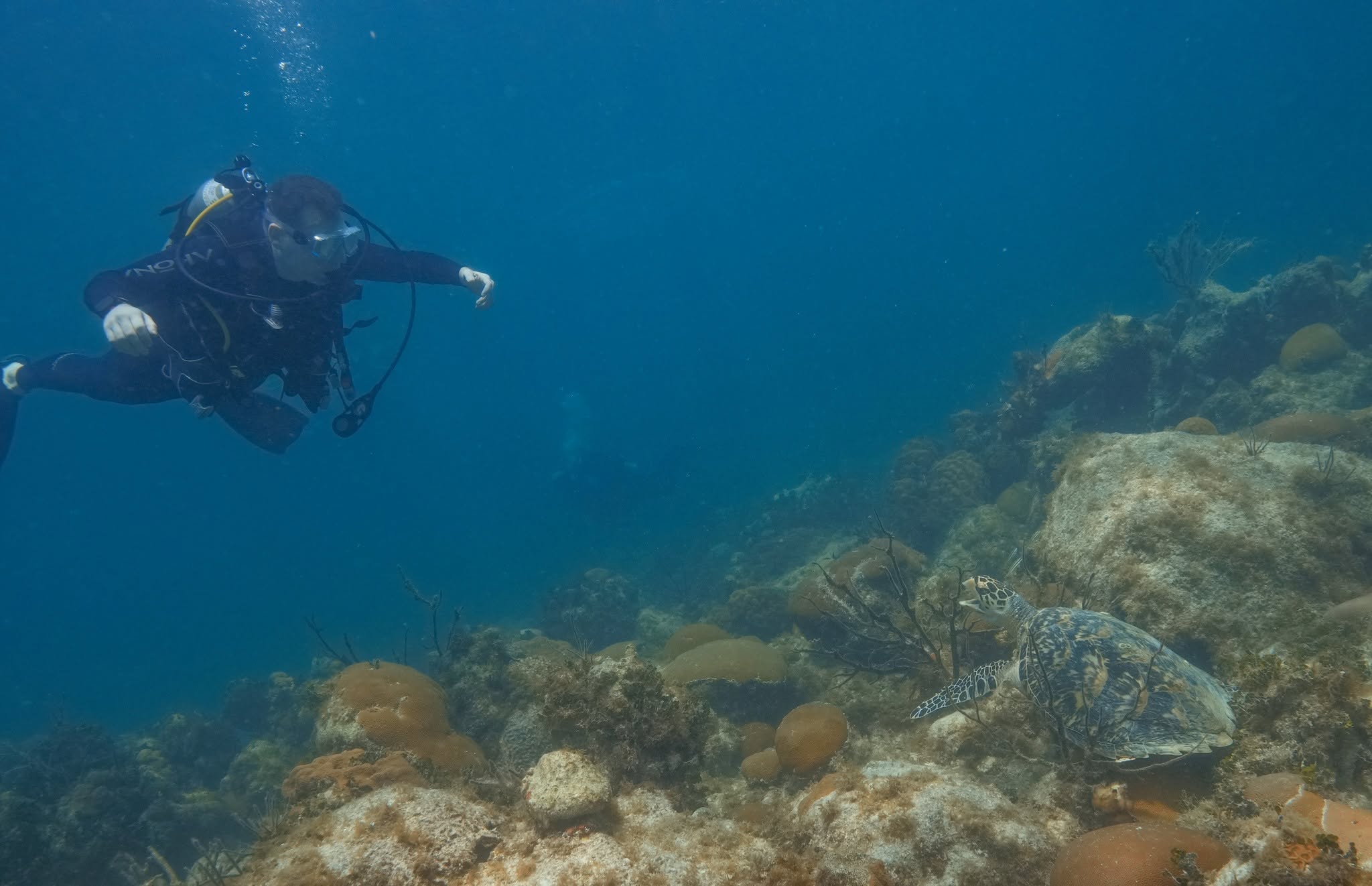
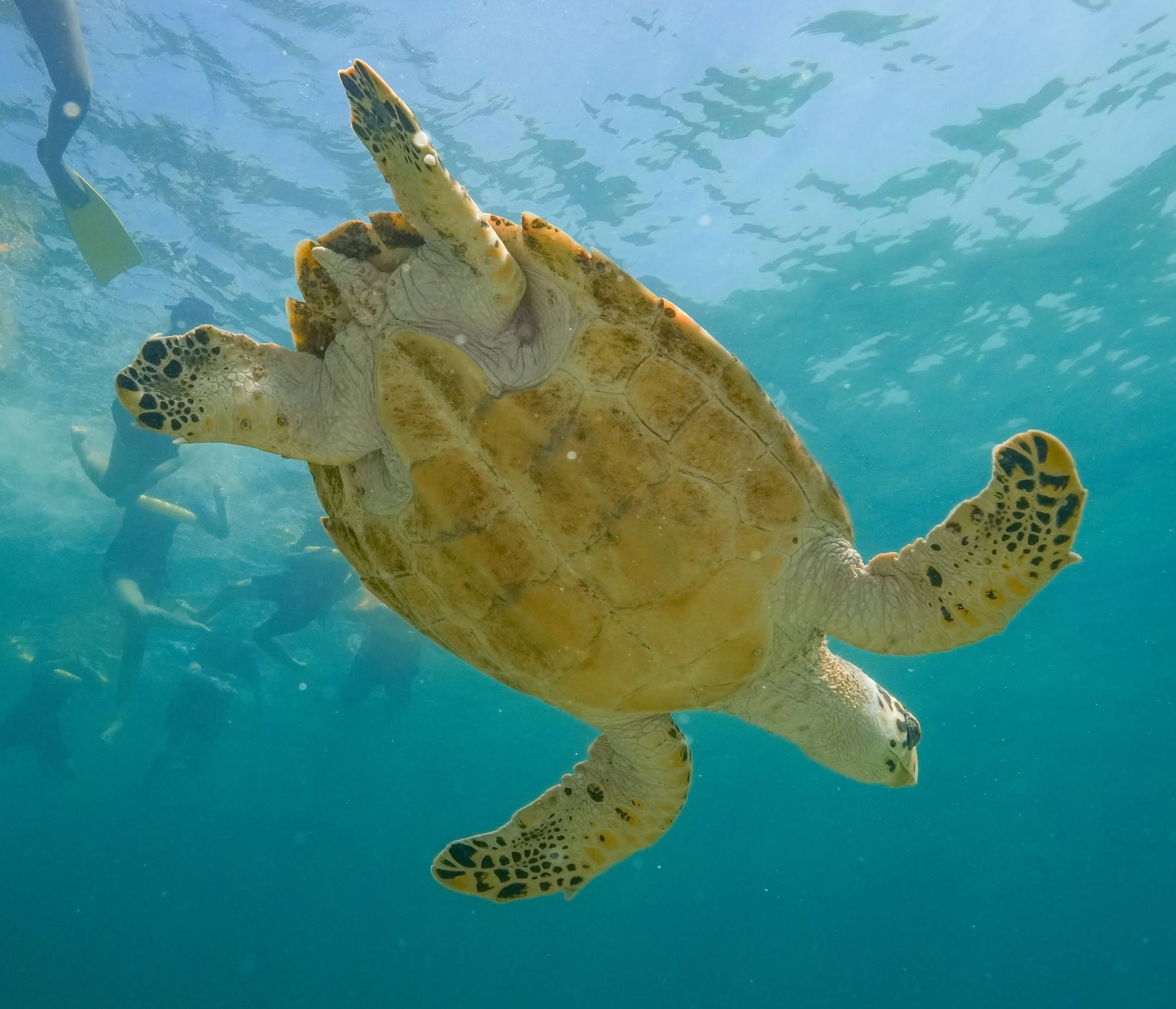
While you're focused on cleanup work, the resident reef fish don't take a day off. Parrotfish are everywhere on these Keys reefs – those chunky, colorful grazers that crunch coral all day and help keep algae in check. You'll hear them before you see them, making that distinctive munching sound as they scrape the reef clean. They're curious about divers and will often cruise right up to check out what you're doing, especially the larger stoplight parrotfish that can hit two feet long. Grouper hang around these sites year-round, with black grouper being the most common. They like to post up in the coral heads and sandy cuts, watching the action with those big, intelligent eyes. Don't be surprised if a four-foot black grouper follows your cleanup team around – they've learned that divers stirring up the bottom often uncover small fish and crabs. The neat thing about working a reef site slowly and methodically is that you get to observe fish behavior you'd normally miss on a regular recreational dive. Angelfish, butterflyfish, and wrasses go about their business while you work, giving you a front-row seat to the daily reef rhythm that makes these cleanup dives surprisingly rewarding beyond just the conservation angle.
Plan Your Next Dive
This World Ocean Day cleanup dive fills up fast because it combines two things divers care about – good bottom time and protecting the reefs we explore. With only limited spots available, you'll want to get on Key Dives' booking system sooner rather than later. The 7:45 AM start means you're back by lunch with the rest of your day free, plus you'll have some solid stories about the weird stuff people lose or dump in the ocean. It's also a great way to connect with other divers who care about reef health, and Key Dives has been running these conservation trips long enough to know how to make them both productive and enjoyable. Whether you're a local looking to give back or visiting the Keys and want to do more than just sightsee underwater, this cleanup dive delivers on multiple levels. Book your spot now and be part of the solution – the reefs will thank you, and you'll walk away knowing your dive time made a real difference.
 Shared Trip
 Islamorada, FL
 World Ocean Day reef cleanup dive removing underwater debris