Arizona Wild Trout Challenge
If you've been chasing trout across the Southwest and want to test your skills against some seriously unique species, the Arizona Wild Trout Challenge is going to push you in all the right ways. This isn't your typical put-and-take fishery where you're casting to recently stocked rainbows. We're talking about wild native trout that have been holding in these mountain streams for generations, plus some of the rarest fish you'll ever have a shot at landing. Our guides know exactly where these fish live and how to help you complete this challenge, but fair warning – you're going to earn every single fish on this trip.
What to Expect on the Water
The Arizona Wild Trout Challenge covers some of the most remote and pristine fisheries in the state, spread across two different national forests. You'll be targeting five distinct trout species, including the incredibly rare Apache and Gila trout – both federally protected under the Endangered Species Act. These fish exist in only a handful of streams, making this challenge as much about conservation as it is about fishing. We strongly recommend booking this as a two-day adventure because there's serious ground to cover between fisheries, and each location requires different approaches and techniques. Plan on spending quality time in your vehicle driving forest service roads, then hiking into some backcountry waters that most anglers never see. The scenery alone is worth the trip, but when you hook into a wild Apache trout in its native habitat, you'll understand why this challenge has become such a bucket-list experience for serious trout anglers.
Techniques and Terrain
These mountain streams demand technical small-water fishing skills. You'll be working with light tippet, small flies, and precise presentations in waters that can be incredibly clear and spooky. Most of our fishing happens with 3 to 5-weight rods, and we'll have you rigged with dry flies, nymphs, and small streamers depending on conditions and species. The Apache and Gila trout waters are typically smaller streams with pocket water, undercut banks, and plenty of structure where these fish love to hold. For the browns, brookies, and rainbows, we'll hit select waters that offer good populations of wild fish – no hatchery trucks have been anywhere near these spots. Expect to do some hiking between pools, and come prepared for elevation changes. These fish have seen pressure from skilled anglers, so stealth and accuracy matter more than power. Your guide will walk you through reading each piece of water and adjusting your approach for maximum success. We're not just trying to get you fish – we're helping you understand how to consistently catch wild trout in challenging conditions.
Species You'll Want to Hook
The Apache trout is the crown jewel of this challenge and Arizona's state fish. These beautiful natives sport distinctive black spots along their lateral line and a golden coloration that's absolutely stunning in the clear mountain water. They're only found in a few high-elevation streams in the White Mountains, making every encounter special. Apache trout are incredibly wary and typically run smaller, but their fight in fast water will test your skills. Peak season runs from late spring through early fall when water temperatures stay cool. Landing one of these rare natives is something most anglers never experience, and it's why this challenge draws serious trout hunters from across the country.
Gila trout are equally rare and even more geographically limited than Apache trout. These fish have a more subdued coloration with a brassy tint and parr marks that persist into adulthood. They prefer deeper pools and are notorious for their selective feeding habits. Gila trout populations have made a remarkable recovery thanks to conservation efforts, but they remain extremely localized. These fish can be incredibly frustrating to catch – they'll inspect your fly like they're conducting a scientific study before deciding whether to eat. When they do take, though, they're surprisingly strong fighters for their size. The fact that you're fishing for a species that was nearly extinct makes every hookup feel like a victory for conservation.
The brown trout in our selected waters are true wild fish that have established self-sustaining populations in Arizona's high country. These aren't the sluggish hatchery fish you might encounter elsewhere – they're lean, aggressive, and incredibly smart. Arizona's wild browns tend to be opportunistic feeders that will smash terrestrials during summer months but can be maddeningly selective during hatches. They grow slowly in these nutrient-poor waters but make up for size with attitude. A 14-inch wild brown in Arizona fights like an 18-incher anywhere else.
Brook trout round out the challenge and represent some of the most beautiful fish you'll encounter. These aren't technically trout but char, and their vibrant spawning colors can be breathtaking against the desert backdrop. Arizona's wild brookies are descendants of early stockings that have gone completely wild, developing their own behavioral patterns and preferences. They're often the most aggressive of the five species, making them a welcome relief if you've been struggling with picky Apache or Gila trout. Fall fishing for brookies during their spawning period offers some of the most visually spectacular angling you'll find anywhere.
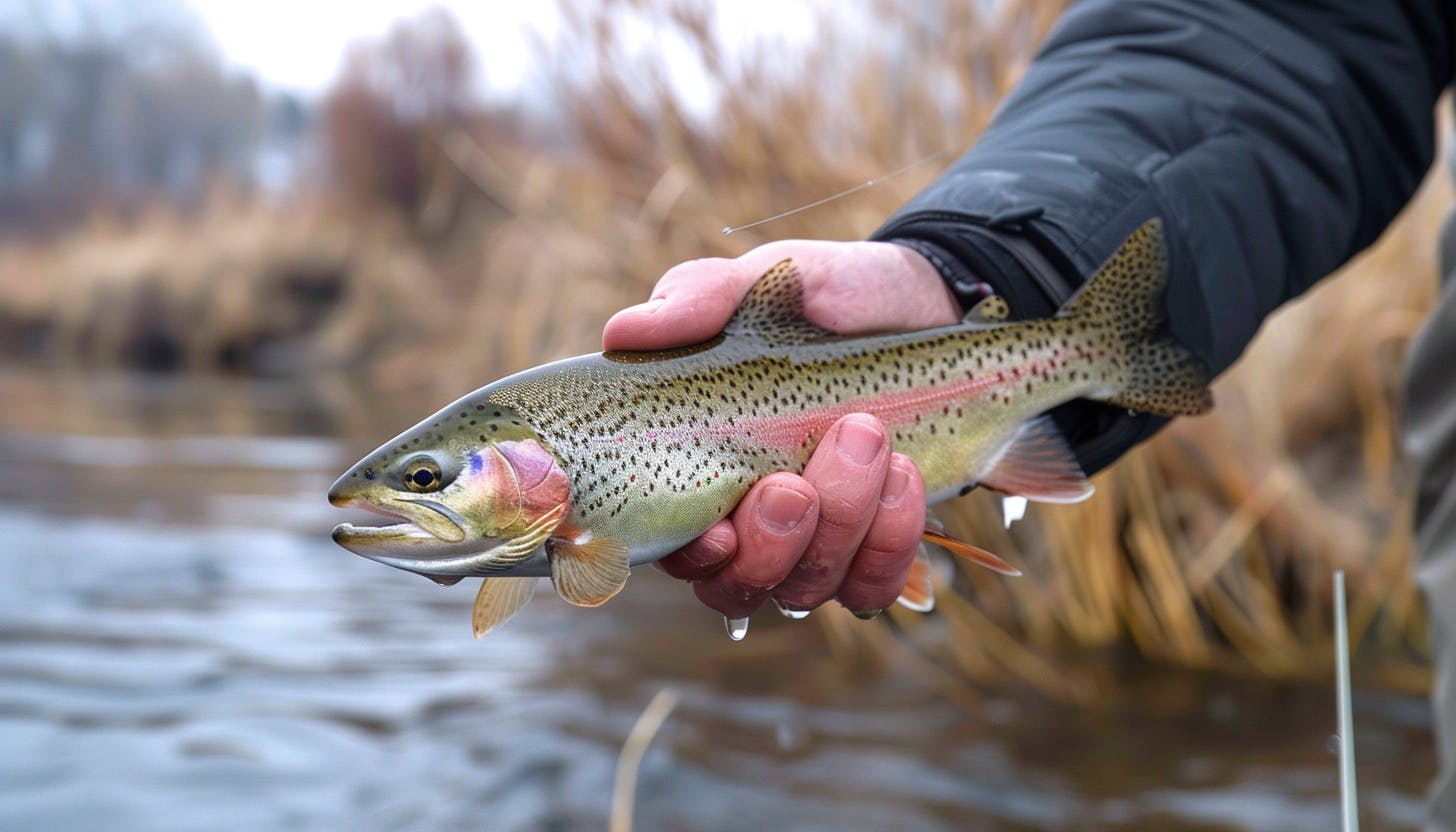
Rainbow trout complete the slam and can be found in select waters where wild populations have established themselves. These aren't your typical hatchery rainbows – they've adapted to Arizona's unique conditions and developed their own characteristics. Wild rainbows here tend to be more acrobatic than their cousins, using the current and structure to their advantage during fights. They're often the largest fish you'll encounter during the challenge, and their aerial displays in the thin mountain air are something special.
Time to Book Your Spot
The Arizona Wild Trout Challenge isn't just another guided fishing trip – it's a chance to catch some of the rarest trout species in North America while supporting ongoing conservation efforts. Our guides have spent years learning these specific waters and understanding the behavior of each species you'll be targeting. With only one angler per trip, you'll get personalized instruction and the flexibility to spend extra time on species that are giving you trouble
 Private Trip
 Backcountry Fishing
 Phoenix, AZ
 Target five trout species including endangered Apache and Gila trout