Dive Against Debris Certification West Palm Beach
Ready to make a real difference while earning your next specialty? The Dive Against Debris certification with Neptune's Scuba ACADEMY combines meaningful conservation work with top-rated dive training right here in West Palm Beach's pristine waters. This isn't just another cert card for your wallet—it's your chance to become part of a global movement that's actively cleaning our oceans, one dive at a time. You'll spend a full day learning science-backed debris removal techniques, then put those skills to work on an actual cleanup dive where every piece of trash you collect gets logged and reported to Project AWARE's worldwide database.
Beneath the Surface
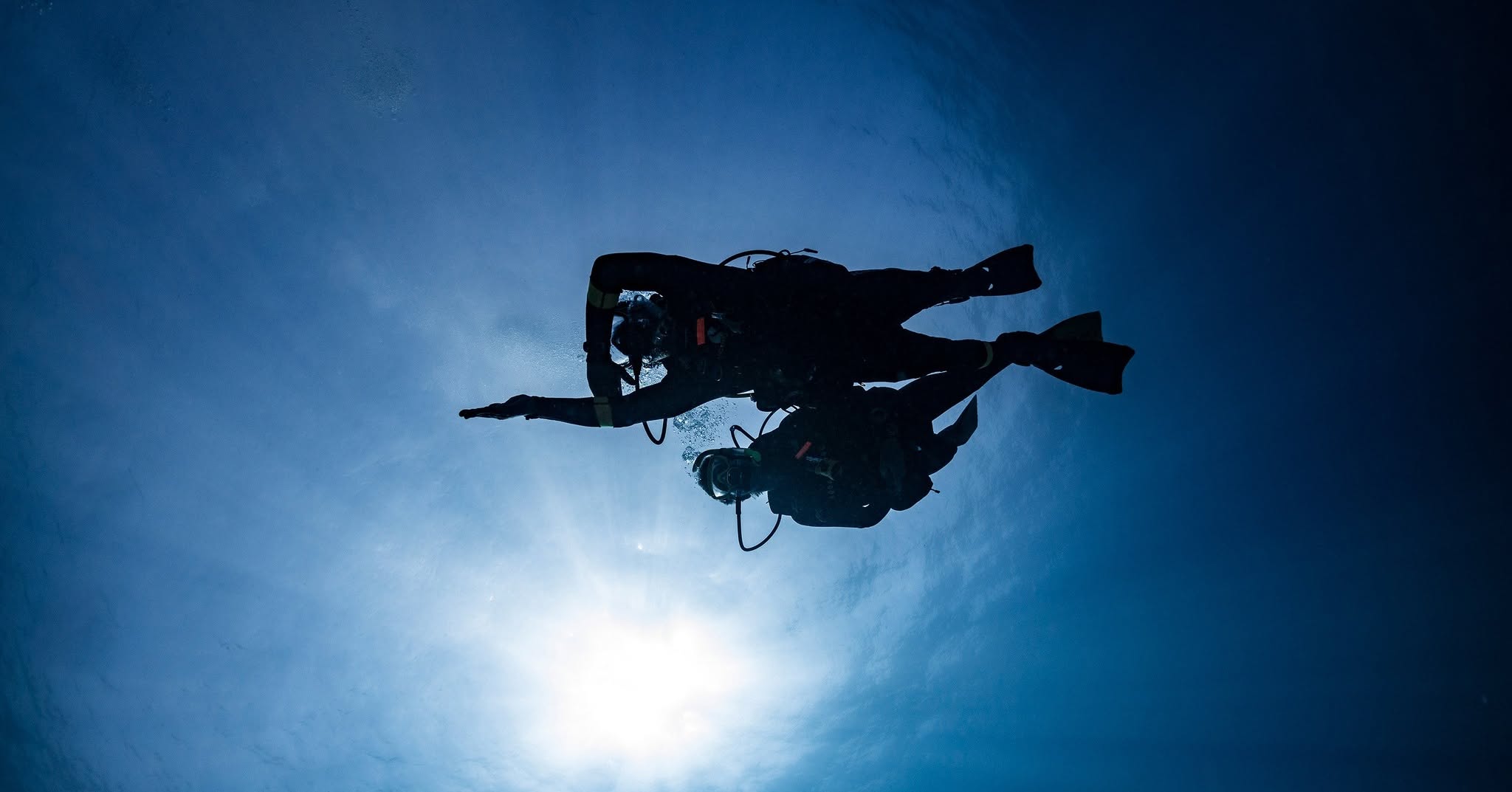
West Palm Beach offers some of Florida's most accessible reef diving, making it the perfect classroom for your debris certification dive. We'll start the morning with classroom sessions covering how marine debris impacts ocean ecosystems—from ghost nets that trap marine life to microplastics that work their way up the food chain. You'll learn proper removal techniques that prioritize diver safety while maximizing conservation impact. The hands-on portion takes place on one of our local reef sites, typically the Breakers Reef or Blue Heron Bridge, where you'll practice identifying debris types, safe removal methods, and data collection protocols. With just one student per instructor, you get personalized attention that ensures you're confident and competent before we hit the water. The guided cleanup dive puts your new skills to immediate use, and you'll be amazed how much debris even experienced divers miss when they're not specifically looking for it.
Dive Brief & Gear Info
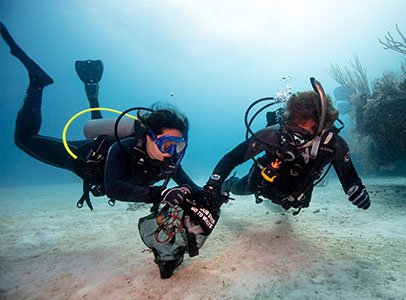
Your Open Water certification is all you need to get started—this specialty builds on skills you already have rather than introducing complex new techniques. We provide all the specialized gear for debris collection, including mesh bags, underwater slates for data recording, and protective gloves rated for underwater use. The course format keeps things streamlined with everything completed in one intensive day that includes both theory and practical application. Safety protocols focus on never compromising your own well-being for debris removal—no piece of trash is worth an injury or diving accident. We'll cover proper buoyancy control while collecting items, team communication signals specific to cleanup dives, and how to safely handle potentially hazardous materials underwater. The minimum age of 12 makes this a great family activity for diving households, and younger divers often show remarkable enthusiasm for conservation projects. Water temperatures in West Palm Beach stay comfortable year-round, typically ranging from 72°F in winter to 82°F in summer, so thermal protection needs vary by season and personal preference.
Marine Life You'll See
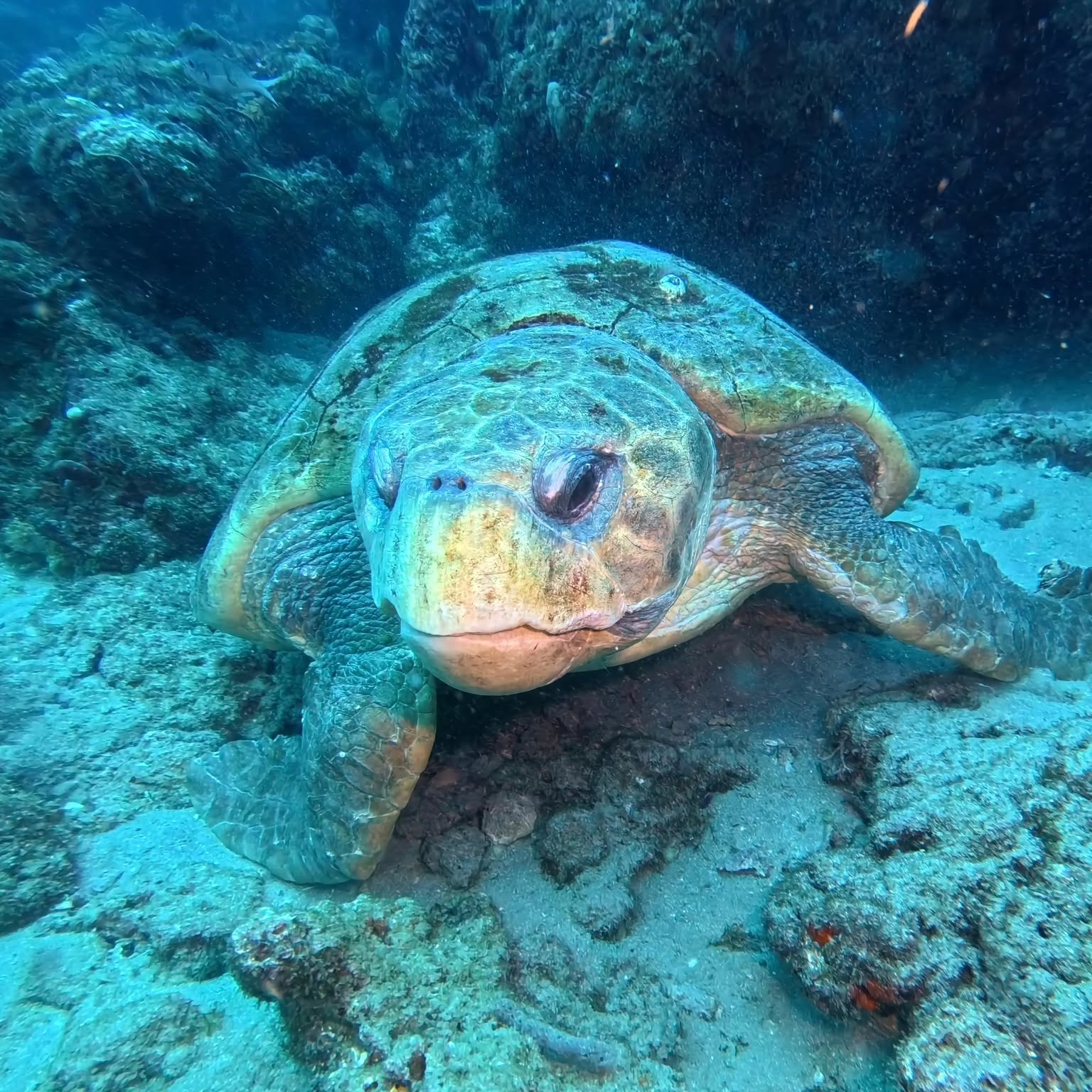
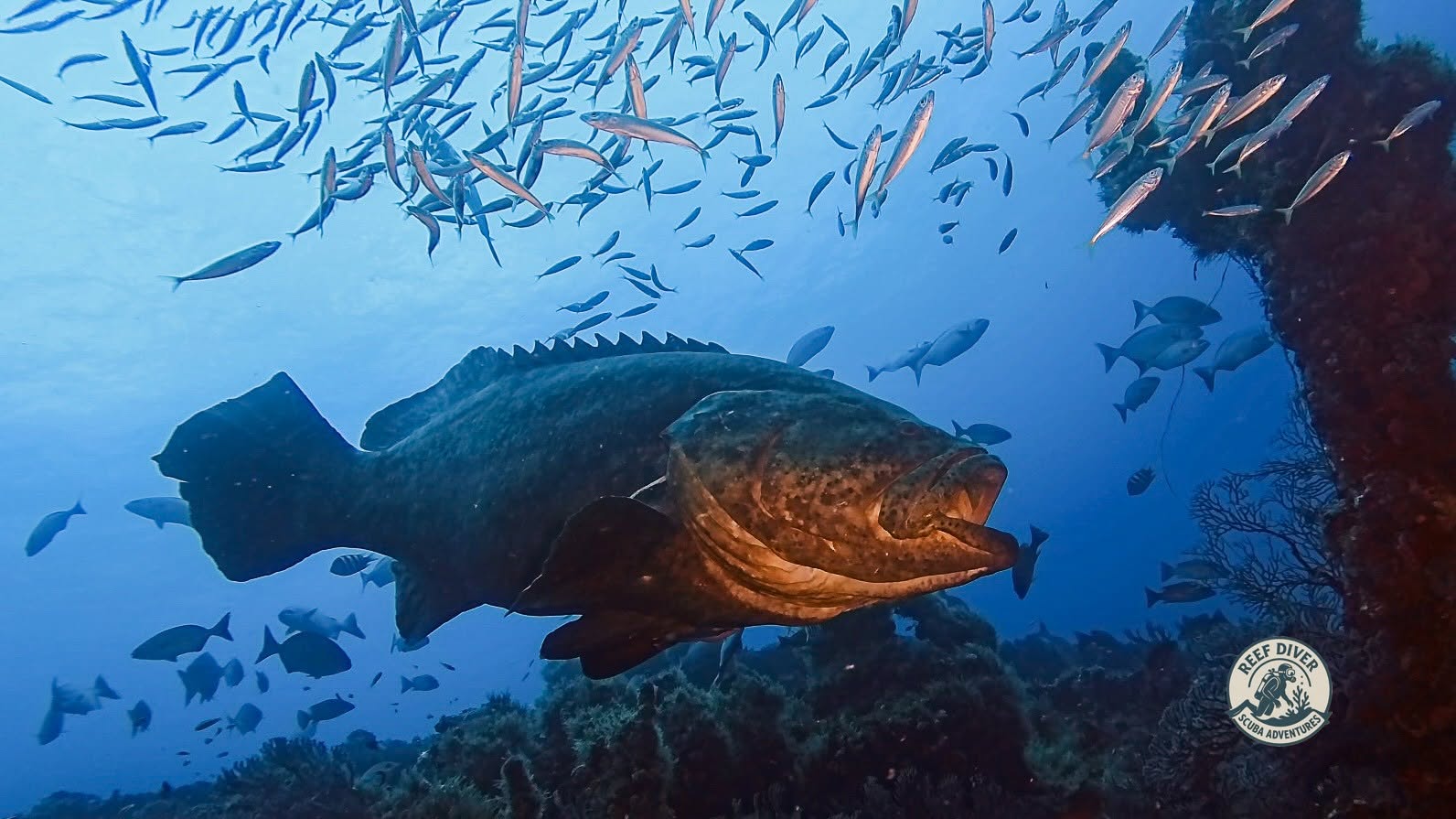
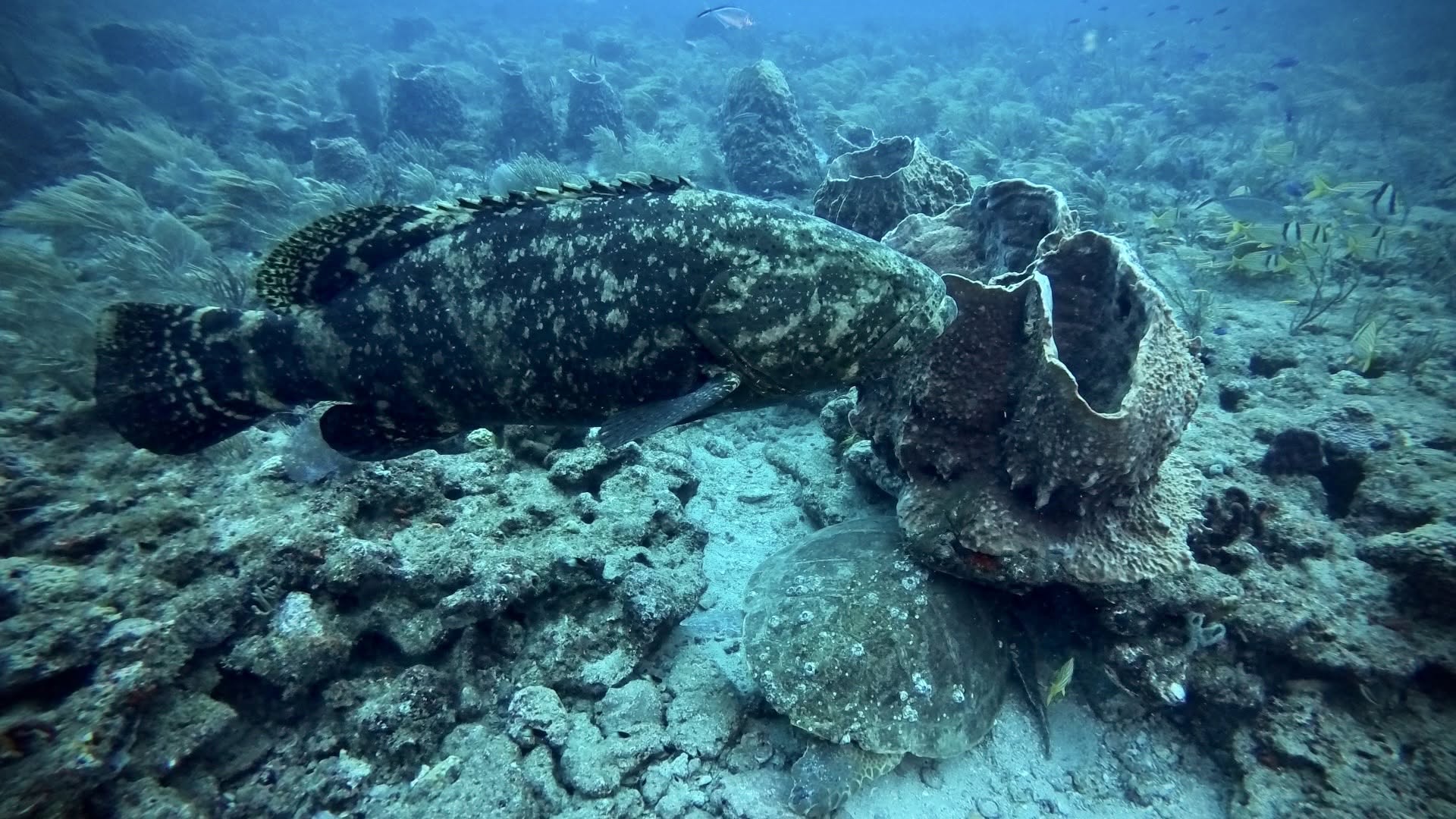
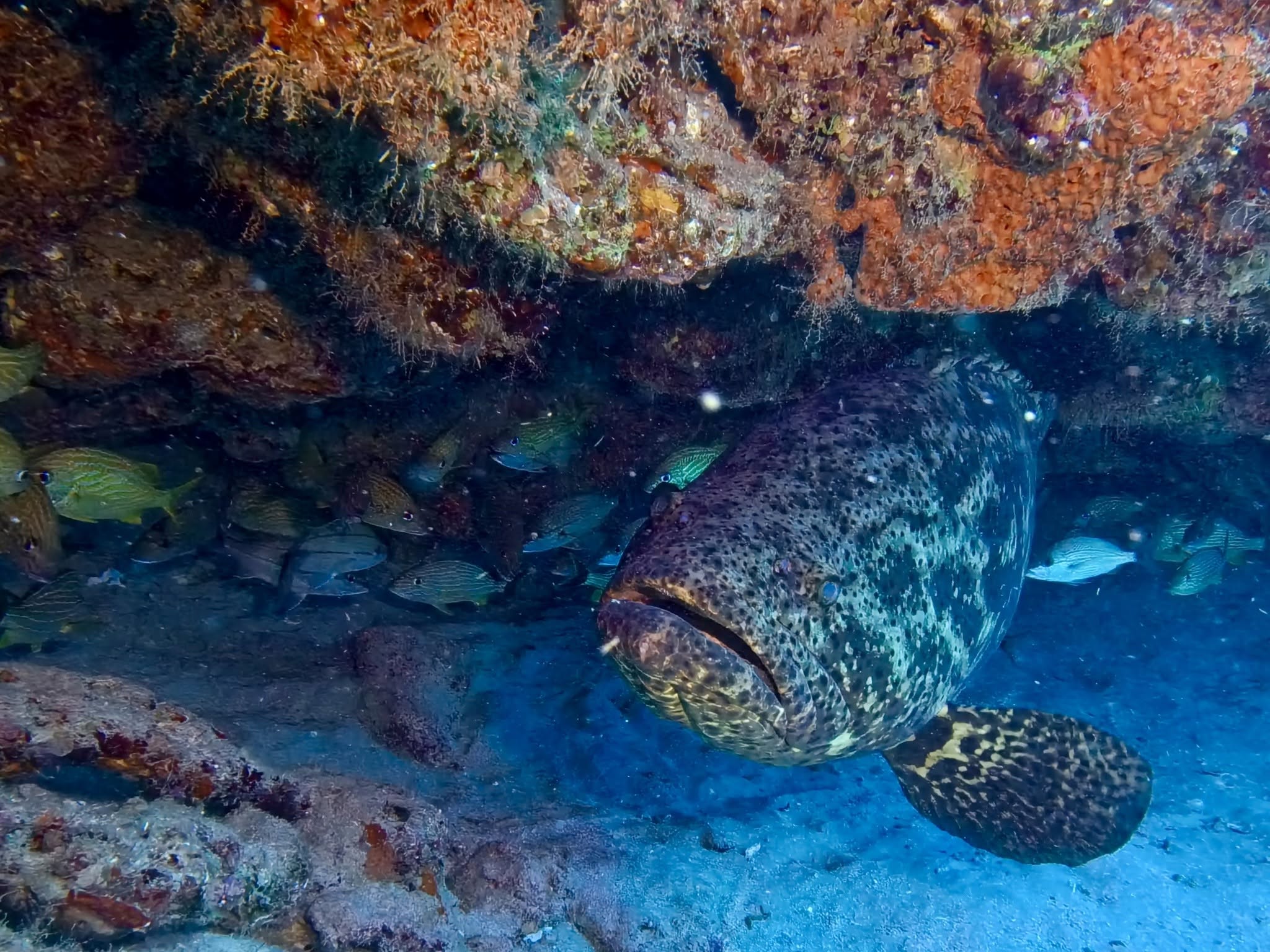
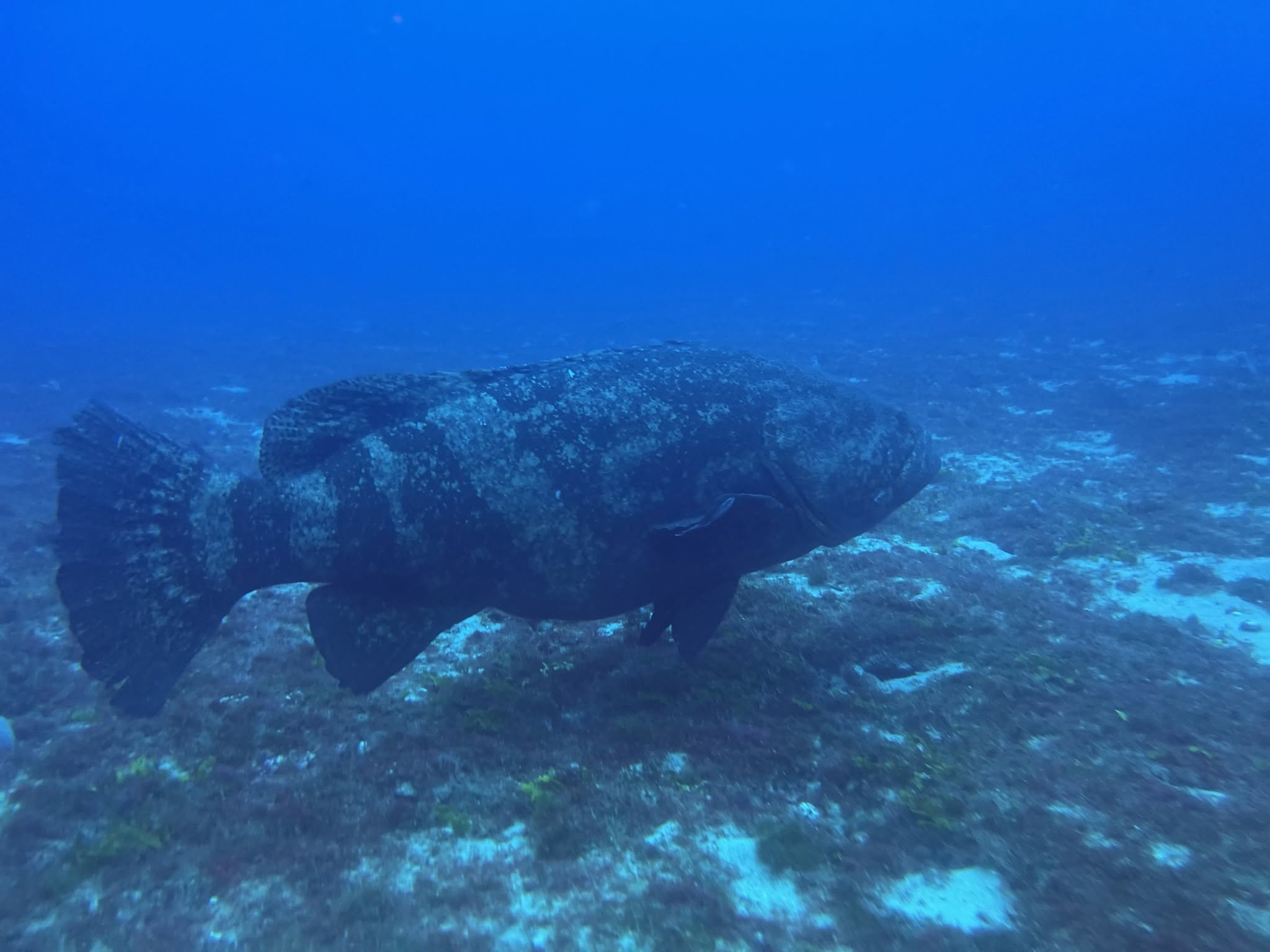
West Palm Beach's reefs host an abundance of marine life that benefits directly from debris removal efforts. Caribbean reef sharks patrol these waters year-round, and these apex predators are particularly vulnerable to ghost fishing gear that can entangle or injure them. You'll often spot them cruising the reef edges during your cleanup dive, their sleek 6-8 foot frames a reminder of why this conservation work matters. Green sea turtles frequent our local reefs, especially during summer months when they come inshore to feed on algae and seagrass. These gentle giants can live over 80 years, but plastic debris poses a serious threat when they mistake it for jellyfish or seagrass. Spotting a healthy turtle during your certification dive serves as powerful motivation for the cleanup work you're doing. Goliath grouper, Florida's largest reef fish, aggregate around our local wrecks and reefs from June through October. These massive fish can reach 800 pounds and live over 35 years, making them particularly susceptible to accumulated effects of marine pollution. Their curious nature means they'll often approach divers during cleanup operations, seemingly aware that you're helping their habitat. Loggerhead sea turtles nest on our beaches from May through August, and adults frequently visit offshore reefs where debris accumulates in currents and eddies. These powerful swimmers can dive to 200+ feet and travel thousands of miles, but a single piece of ingested plastic can end their journey permanently.
Plan Your Next Dive
The Dive Against Debris certification opens doors to conservation diving opportunities worldwide while giving you skills that make every dive more meaningful. Neptune's Scuba ACADEMY's world-class instruction ensures you leave with both the certification and confidence to make a lasting impact on ocean health. This customer favorite specialty cert proves that the best diving experiences happen when you're contributing to something bigger than yourself. Book your spot today and join the growing community of divers who refuse to just swim past the problem—we're part of the solution, one dive at a time. Whether you're a local diver looking to give back to the reefs you love or visiting West Palm Beach for its renowned diving, this certification transforms you from observer to ocean advocate. The data you collect contributes to real scientific research that shapes marine protection policies globally, making every logged piece of debris count toward a cleaner tomorrow.
 Shared Trip
 West Palm Beach
 Learn marine debris removal and conservation diving techniques