Shark Conservation Certification Dive Course
Want to turn your passion for diving into something that really matters? Neptune's Scuba Academy's Shark Conservation Certification puts you face-to-face with one of the ocean's most misunderstood predators while teaching you how to become their advocate. This isn't just another specialty course—it's your chance to dive deeper into shark biology, learn responsible diving practices around these apex predators, and walk away with the knowledge to make a real difference. Whether you're an Open Water diver looking to expand your skills or someone who's always been fascinated by sharks, this top-rated certification will change how you see these magnificent creatures forever.
Beneath the Surface
This course strikes the perfect balance between classroom learning and hands-on diving experience. You'll start by diving into shark biology and behavior—understanding how these ancient predators hunt, communicate, and navigate their underwater world. The curriculum covers the real threats facing shark populations today, from overfishing to habitat destruction, giving you the full picture of why conservation efforts matter so much. But here's where it gets exciting: you'll learn responsible diver behavior around sharks, including proper positioning, movement techniques, and how to observe without disturbing their natural behaviors. The optional two-dive component lets you put this knowledge to work in real conditions, practicing what you've learned while potentially encountering local shark species. With a maximum capacity of just one student, you get personalized attention that ensures you really master the material. The minimum age of 12 makes this perfect for young divers who want to start their conservation journey early, though there's also a snorkel version available for those not yet certified.
Dive Brief & Gear Info
Your certification process starts with comprehensive classroom sessions covering shark identification, feeding patterns, and migration routes specific to your local waters. You'll work with visual aids, videos, and real case studies that show conservation efforts in action. The hands-on diving portion uses standard scuba gear, but you'll learn specialized techniques for shark observation—like maintaining neutral buoyancy while staying perfectly still, using proper fin kicks that don't create excessive noise, and positioning yourself to avoid blocking escape routes. Your instructor will teach you the "shark watch" position, where you maintain a relaxed posture that signals non-aggression to any sharks in the area. You'll also practice emergency procedures specific to shark encounters, though these focus more on preventing panic than dealing with actual danger—sharks are far less threatening than most people think. The course materials include a comprehensive field guide to local shark species, waterproof reference cards for underwater identification, and a logbook section specifically for recording shark sightings and behaviors. If you opt for the diving component, you'll likely visit sites known for shark activity, where your instructor can point out signs of their presence even when the sharks themselves aren't visible.
Marine Life You'll See
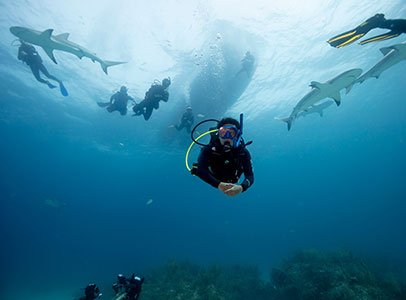
The specific shark species you might encounter depend on your local waters, but this course prepares you to identify and understand behavior patterns across multiple species. Reef sharks are often the stars of these certification dives—they're curious but cautious, typically cruising the reef edges in small groups during daylight hours. These sleek predators, usually measuring 4-6 feet, are most active during dawn and dusk feeding periods, making morning or late afternoon dives your best bet for sightings. What makes reef shark encounters so special is their intelligence; you can actually see them assessing you as much as you're watching them. Nurse sharks offer a completely different experience—these bottom-dwellers rest in caves and under ledges during the day, sometimes piled on top of each other in groups. At 6-10 feet long, they might look intimidating, but they're incredibly docile and give you perfect opportunities to practice your observation techniques. Many divers love nurse shark encounters because you can get relatively close while they rest, allowing for detailed observation of their unique barbels and suction-feeding behavior. If you're diving in temperate waters, you might encounter smaller species like dogfish sharks or smooth-hounds, which are perfect for learning identification techniques since they're active during daylight hours and less skittish around divers.
Plan Your Next Dive
This Shark Conservation Certification isn't just another card for your wallet—it's your entry point into becoming a real ocean advocate. You'll finish this course with the knowledge to educate other divers, the skills to conduct responsible shark observations on future dives, and the confidence to speak up for shark conservation in your local diving community. Neptune's Scuba Academy's conservation-focused approach means you're learning from instructors who live and breathe shark protection, giving you real-world insights you won't find in textbook-only courses. The personalized instruction ensures you'll master both the theory and practical skills, while the optional dive component lets you apply everything immediately. Whether you're planning to pursue more advanced marine biology courses, looking to volunteer with conservation organizations, or simply want to be a more responsible diver, this certification gives you the foundation you need. Book your spot today and join the growing community of divers who are making a difference for sharks—these apex predators need voices like yours speaking up for their protection.
 Shared Trip
 West Palm Beach
 Learn shark biology and conservation through certified diving course