San Diego Lobstering Charter - Evening Adventure
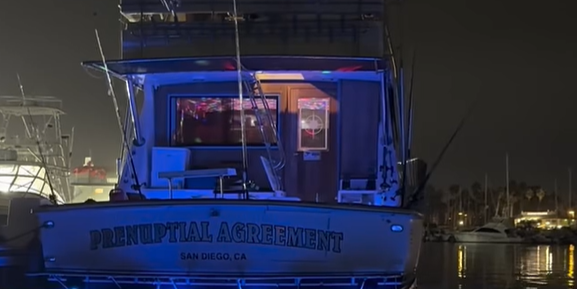
Nothing beats the satisfaction of pulling up your own California spiny lobster from San Diego's productive coastal waters. This 4-hour lobstering charter aboard the Prenuptial Agreement puts you right in the action during prime evening hours when these tasty crustaceans are most active. Departing around 5:00 PM from Seaforth Marina, you'll work the local hotspots with an experienced captain who knows exactly where to find them. This isn't your typical fishing trip - it's hands-on lobstering that gets your adrenaline pumping every time you check a hoop net. Perfect for small groups up to 6 guests, this charter offers a more intimate experience than the crowded party boats, giving everyone plenty of room to work and learn proper lobstering techniques.
What to Expect on the Water
Your evening starts at Seaforth Marina where you'll meet your captain and get briefed on the game plan. The boat heads out to productive lobster grounds along San Diego's coast, typically within a few miles of shore where rocky structure and kelp beds create perfect habitat. The captain will have hoop nets ready and will show you the proper technique for setting and checking them. You'll drop nets in strategic spots, let them soak for the required time, then haul them up to see what crawled in. The excitement builds every time you pull a net - you never know if you'll find a keeper-sized bug waiting inside. The captain keeps track of regulations and helps measure your catch to make sure everything is legal. Between net checks, you'll cruise to new spots and learn about lobster behavior and habitat preferences that make certain areas more productive than others.
Gear and Technique Breakdown
Lobstering in California waters requires specific gear and techniques that differ completely from traditional fishing. The boat provides all the essential equipment including legal hoop nets, measuring gauges, and handling gloves. Hoop nets consist of two circular hoops connected by mesh netting, with bait secured in the center to attract lobsters. You'll use fresh bait like mackerel, sardines, or squid to draw them in. The technique involves lowering nets to the bottom in rocky areas or near kelp beds, then waiting the minimum required soak time before checking them. Proper net placement is crucial - too close to heavy structure and you'll lose gear, too far from cover and you won't catch anything. Your captain will position the boat over productive bottom using GPS and fish finder technology, then guide you on where to drop each net. You'll learn to read the sonar screen to identify good lobster habitat and understand why certain depths and bottom types hold more bugs than others.
Target Species Breakdown
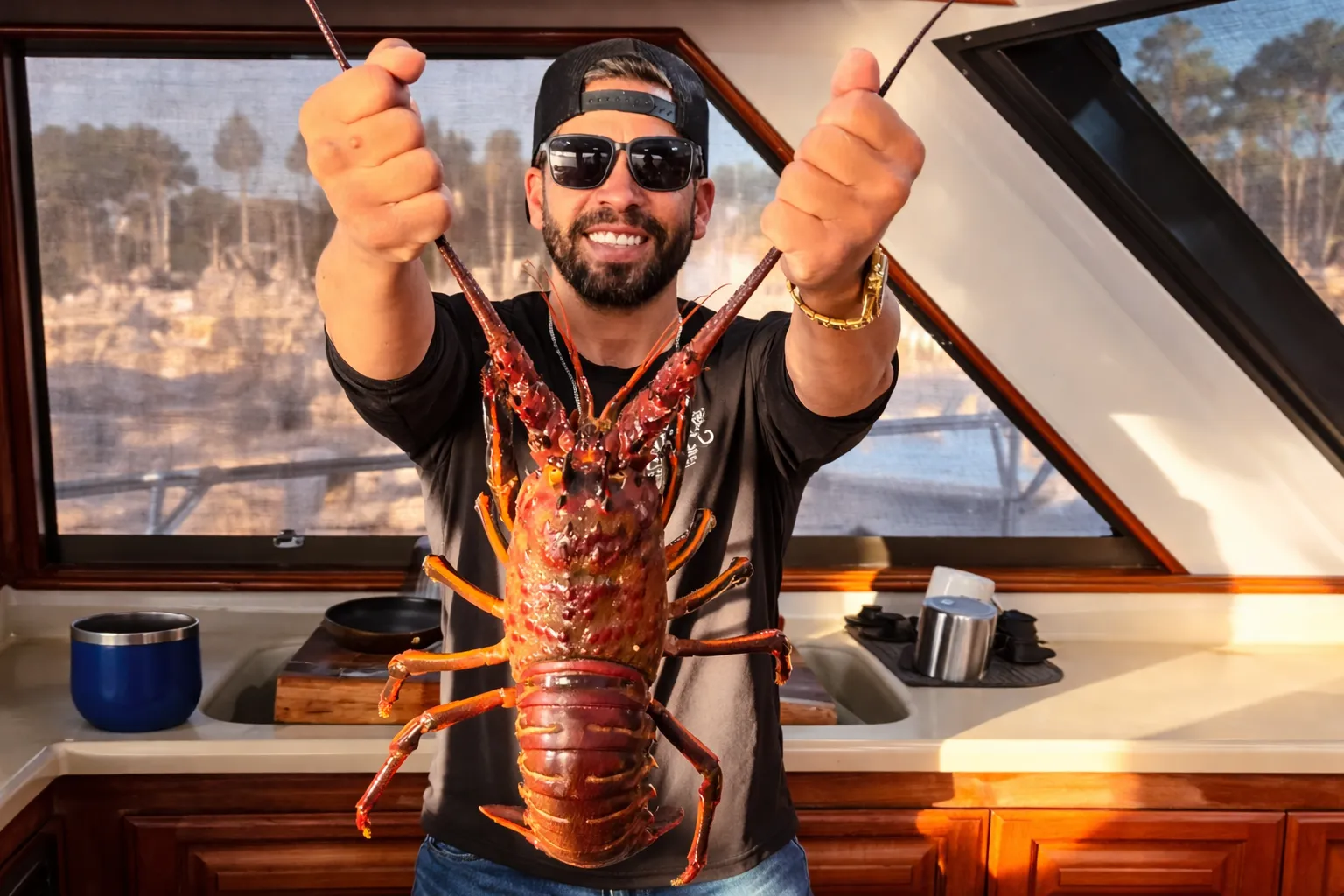
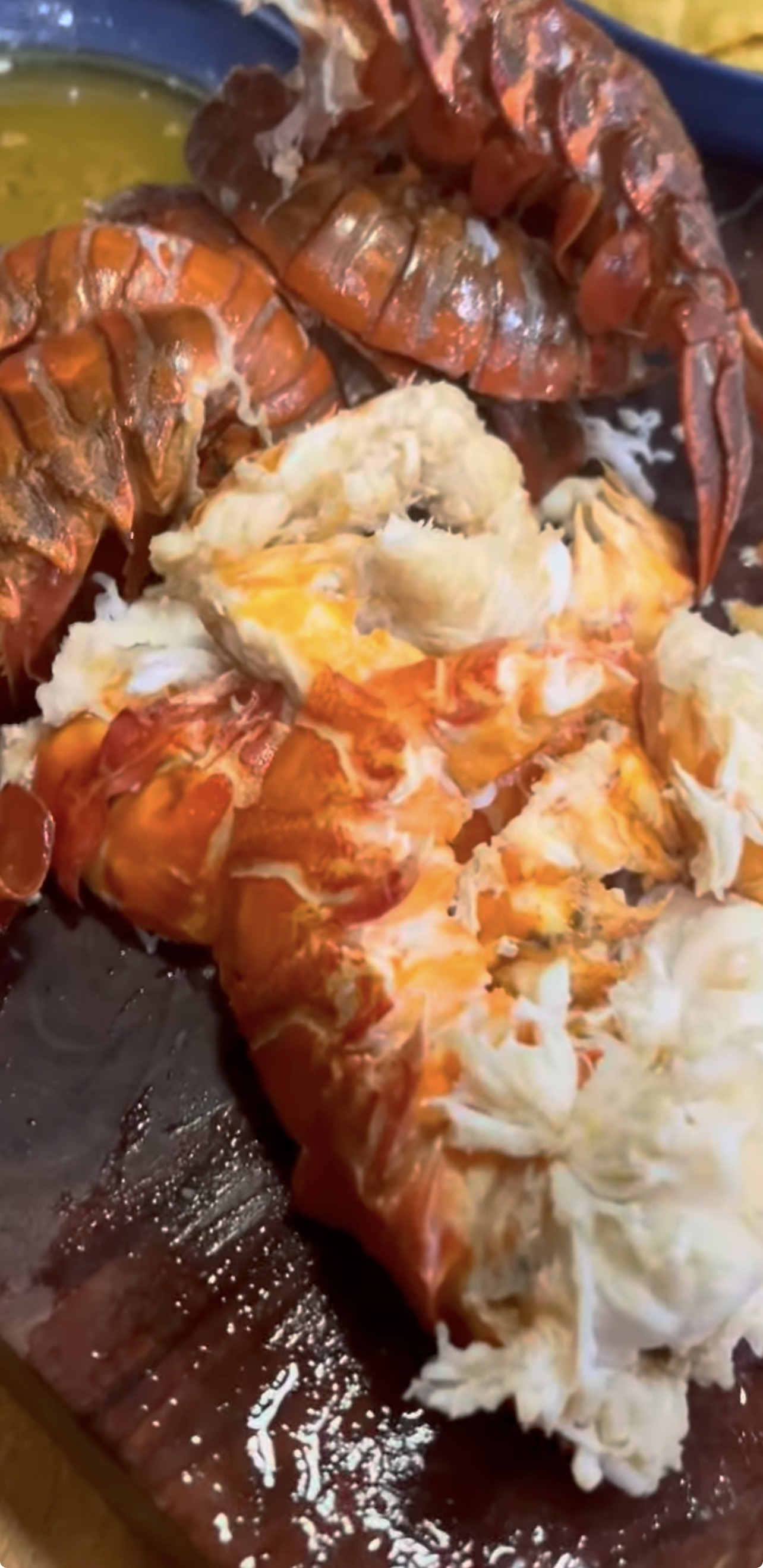
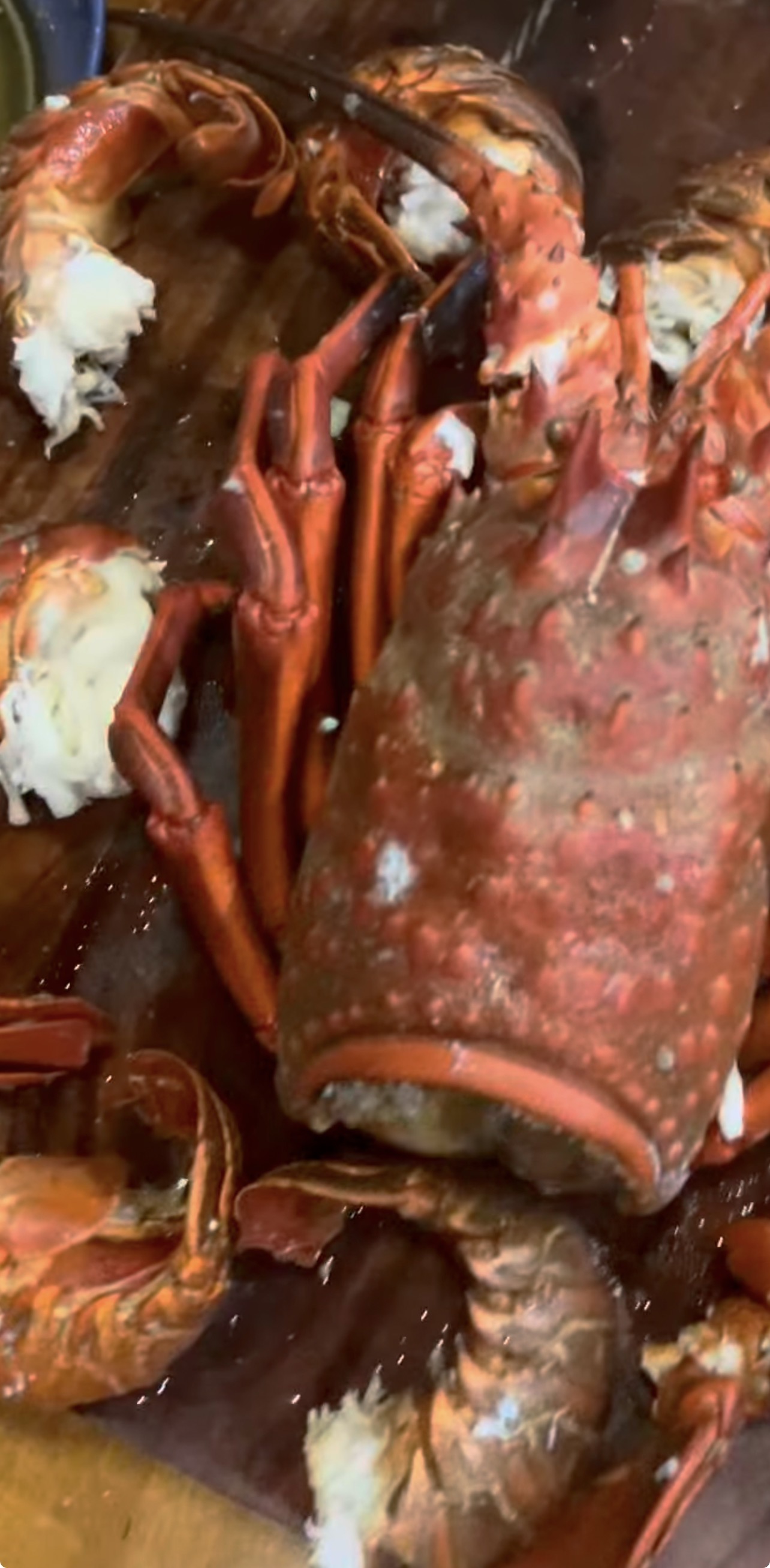
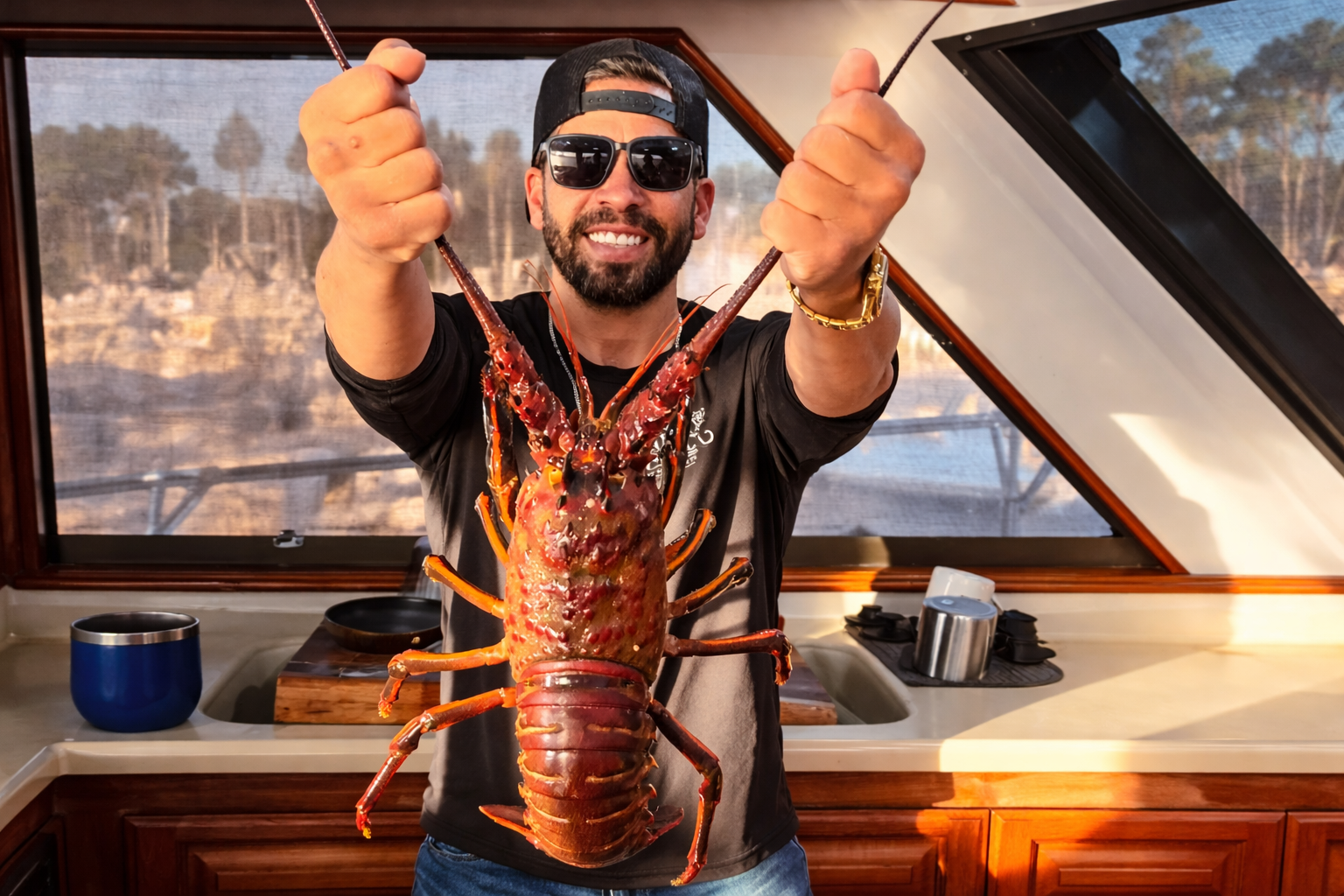
California spiny lobster is the star of this show and the only legal lobster species you can target in local waters. These impressive crustaceans can reach substantial sizes, with keepers measuring at least 3.25 inches carapace length and weighing several pounds when fully mature. Unlike their Atlantic cousins, California spiny lobsters lack large claws but make up for it with powerful tails packed with sweet, delicious meat. They're most active during evening and nighttime hours, which is why this charter times perfectly with their feeding patterns. Spiny lobsters prefer rocky reefs, kelp beds, and structure where they can hide during daylight hours and venture out to forage after dark. They feed on sea urchins, mussels, clams, and various bottom-dwelling creatures. What makes them exciting to catch is their impressive size potential and the challenge of finding productive spots. Each net pull creates anticipation since these bugs can appear suddenly after hiding in nearby crevices. Their prehistoric appearance and substantial weight make every keeper a trophy worth celebrating, plus they provide some of the finest eating you'll find in California waters.
Why Anglers Keep Coming Back
Lobstering offers a completely different experience from traditional rod and reel fishing that keeps guests booking return trips. The hands-on nature of checking nets creates constant excitement - you're actively working the gear rather than waiting for bites. Each net check feels like opening a present since you never know what you'll find inside. The learning curve keeps things interesting as you develop skills in reading bottom structure, understanding lobster behavior, and perfecting net placement techniques. Many guests appreciate the more relaxed pace compared to fast-action fishing trips, giving everyone time to socialize and enjoy the evening atmosphere on the water. The captain shares local knowledge about seasonal patterns, productive areas, and regulation changes that help you become a better lobster hunter. Small group size means personalized attention and plenty of chances to handle the gear yourself. When you do connect with keeper-sized bugs, the satisfaction level is off the charts since you've earned them through skill and patience rather than luck. Plus, taking home fresh California spiny lobster for dinner makes the whole family happy and gives you bragging rights that last for months.
Seasonal Patterns and Timing
California lobster season runs from early October through mid-March, with peak activity occurring during the cooler months when water temperatures drop and lobsters become more active. Evening departures align perfectly with their natural behavior since spiny lobsters are primarily nocturnal creatures that emerge from hiding spots as daylight fades. Water temperature plays a huge role in their activity level - when temps drop below 70 degrees, they become much more aggressive and willing to enter hoop nets. Moon phases also influence success rates, with darker nights often producing better results since lobsters feel more secure moving around in low light conditions. Weather patterns affect lobstering significantly, as calm seas allow for precise net placement while rough conditions make it difficult to work gear effectively. The captain monitors these variables and will adjust strategies based on current conditions, sometimes working deeper water when shallow areas are too rough or targeting specific structure types that have been producing recently. Local regulations require careful attention to season dates, size limits, and bag limits that can change from year to year, which is why having an experienced captain is invaluable for staying legal and maximizing your chances.
Time to Book Your Spot
This top-rated San Diego
 Private Trip
 Inshore Fishing
 San Diego
 Four-hour evening lobstering charter targeting California spiny lobster