Underwater Photography Diving in Florida
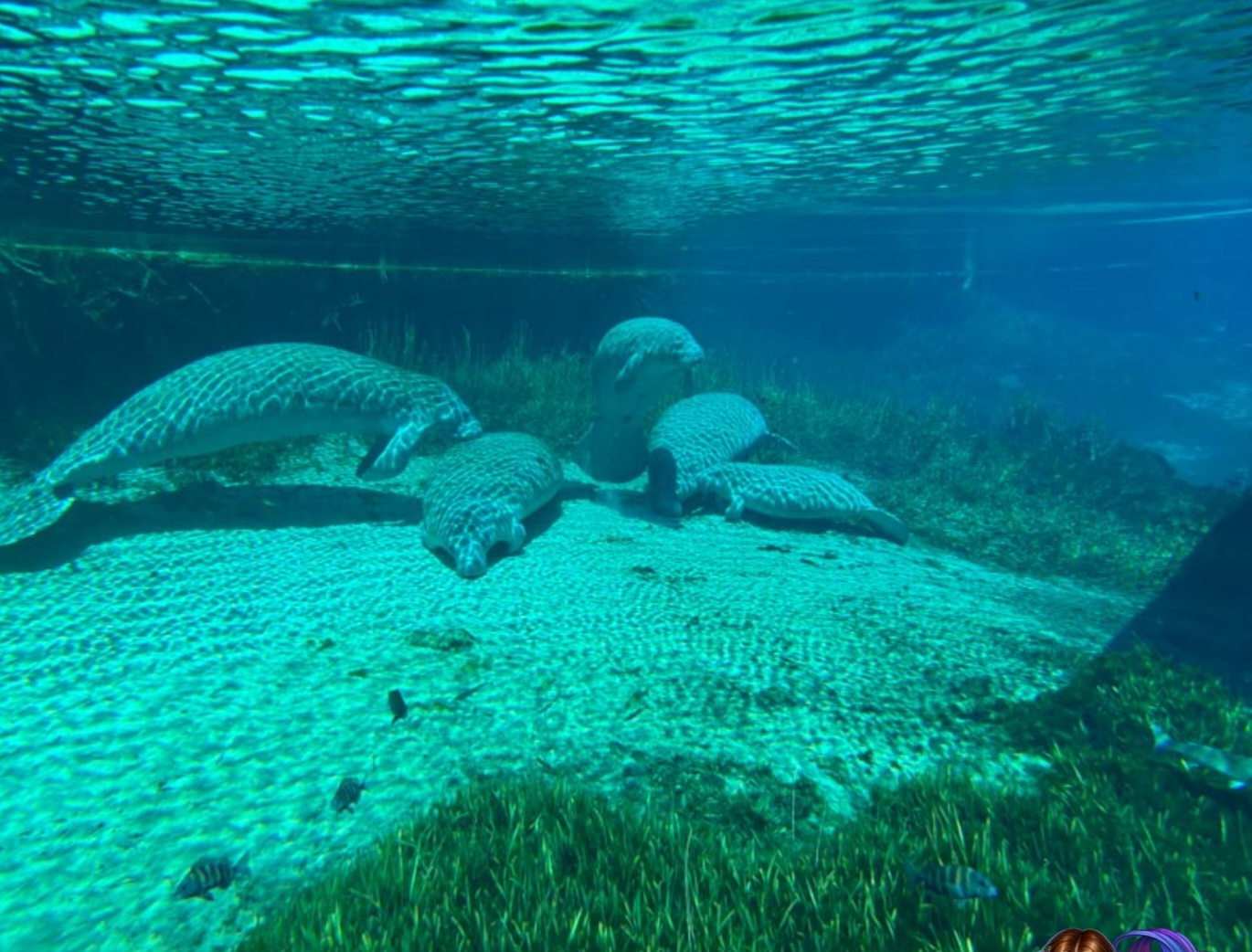
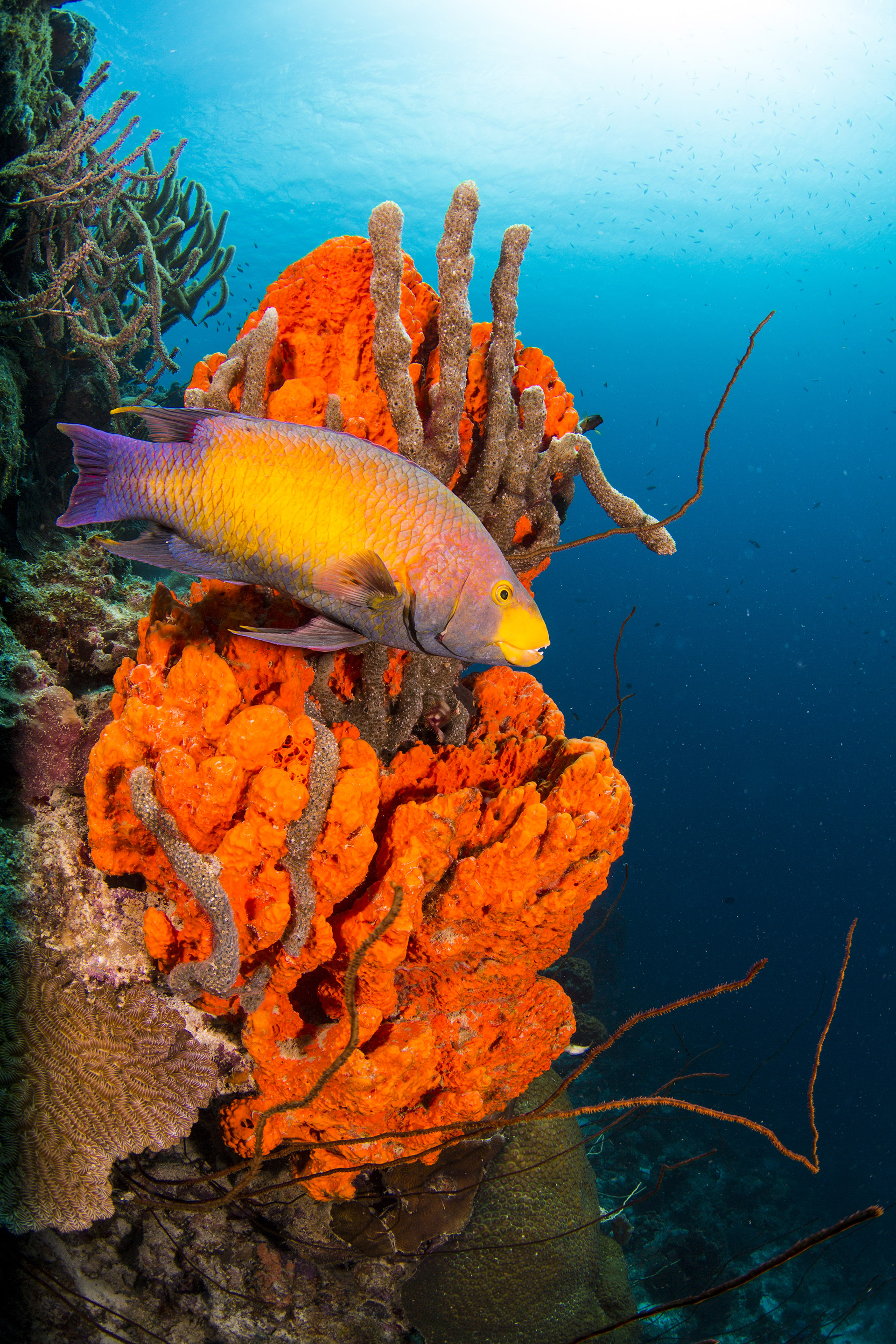
Picture this: you're floating weightless in crystal-clear Florida waters, surrounded by vibrant coral formations and curious sea life, camera in hand ready to capture magic that most people never get to see. SEA School & Travel's underwater photography course isn't just another dive – it's your gateway to mastering one of the most rewarding skills in the diving world. Whether you're brand new to underwater imaging or looking to step up your camera game, this personalized one-on-one instruction gives you the focused attention you need to start shooting like a pro. Florida's warm waters and diverse marine ecosystems create the perfect classroom for learning composition, lighting, and camera handling techniques that'll have your dive buddies asking for tips.
Beneath the Surface
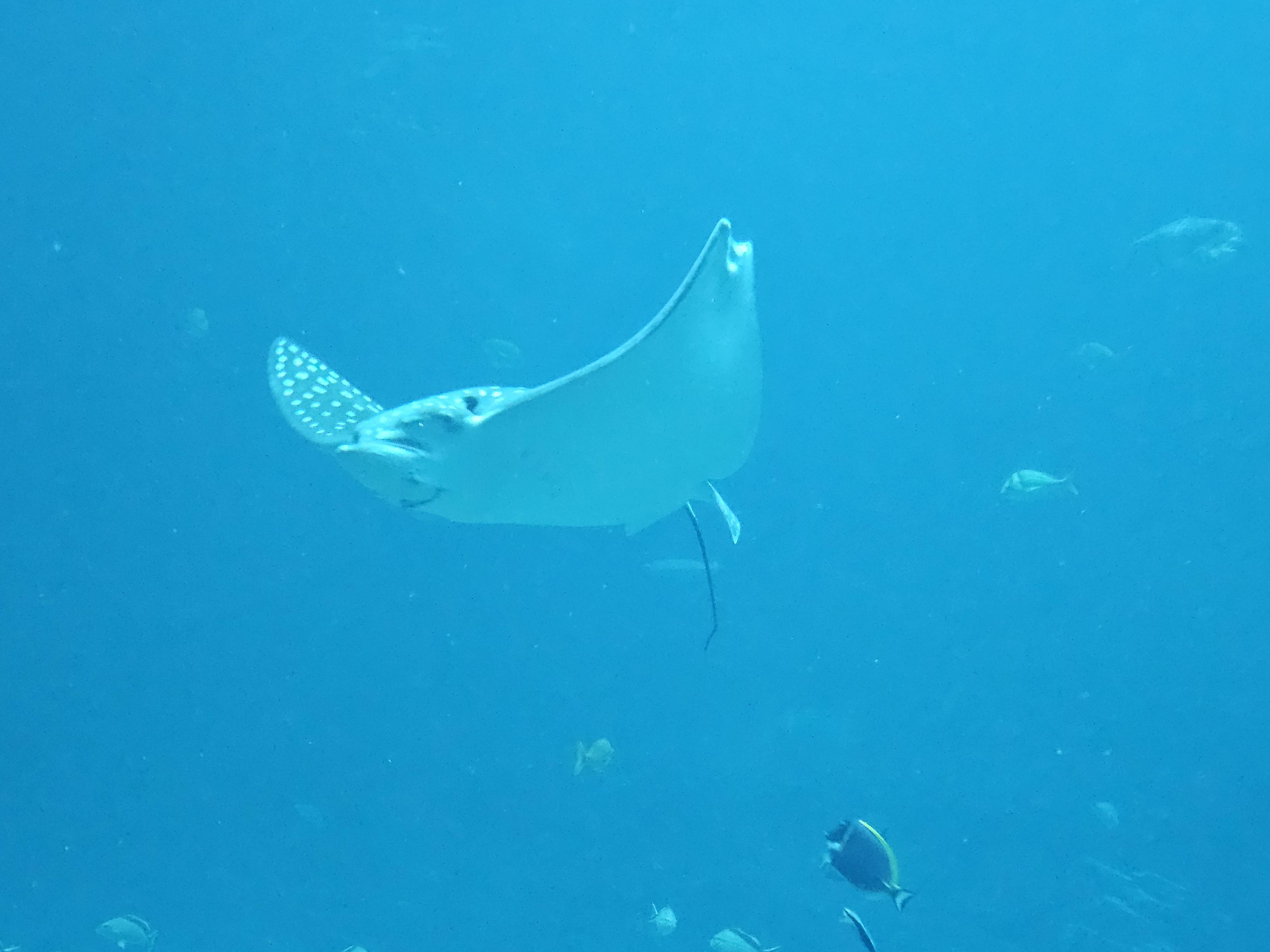
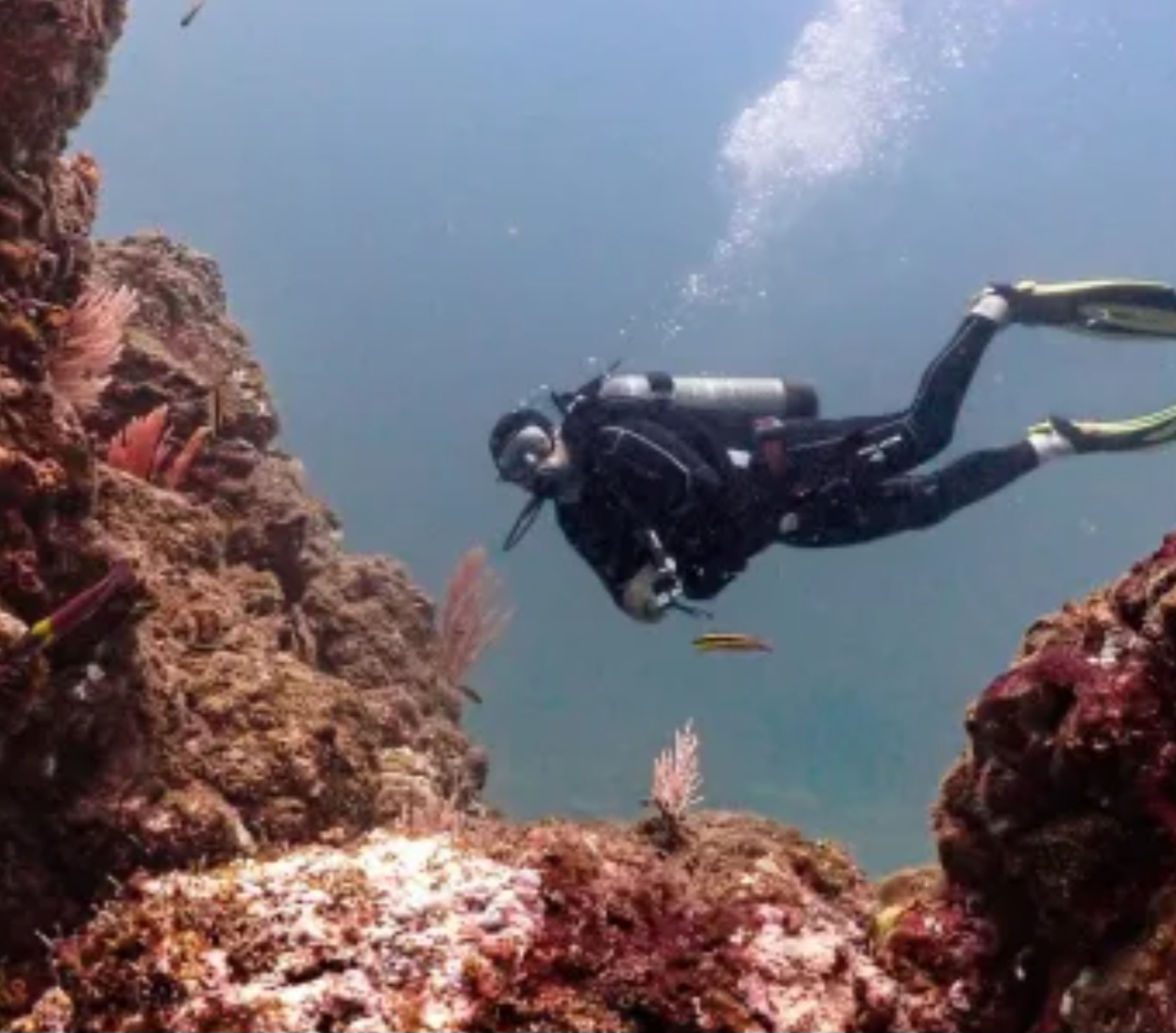
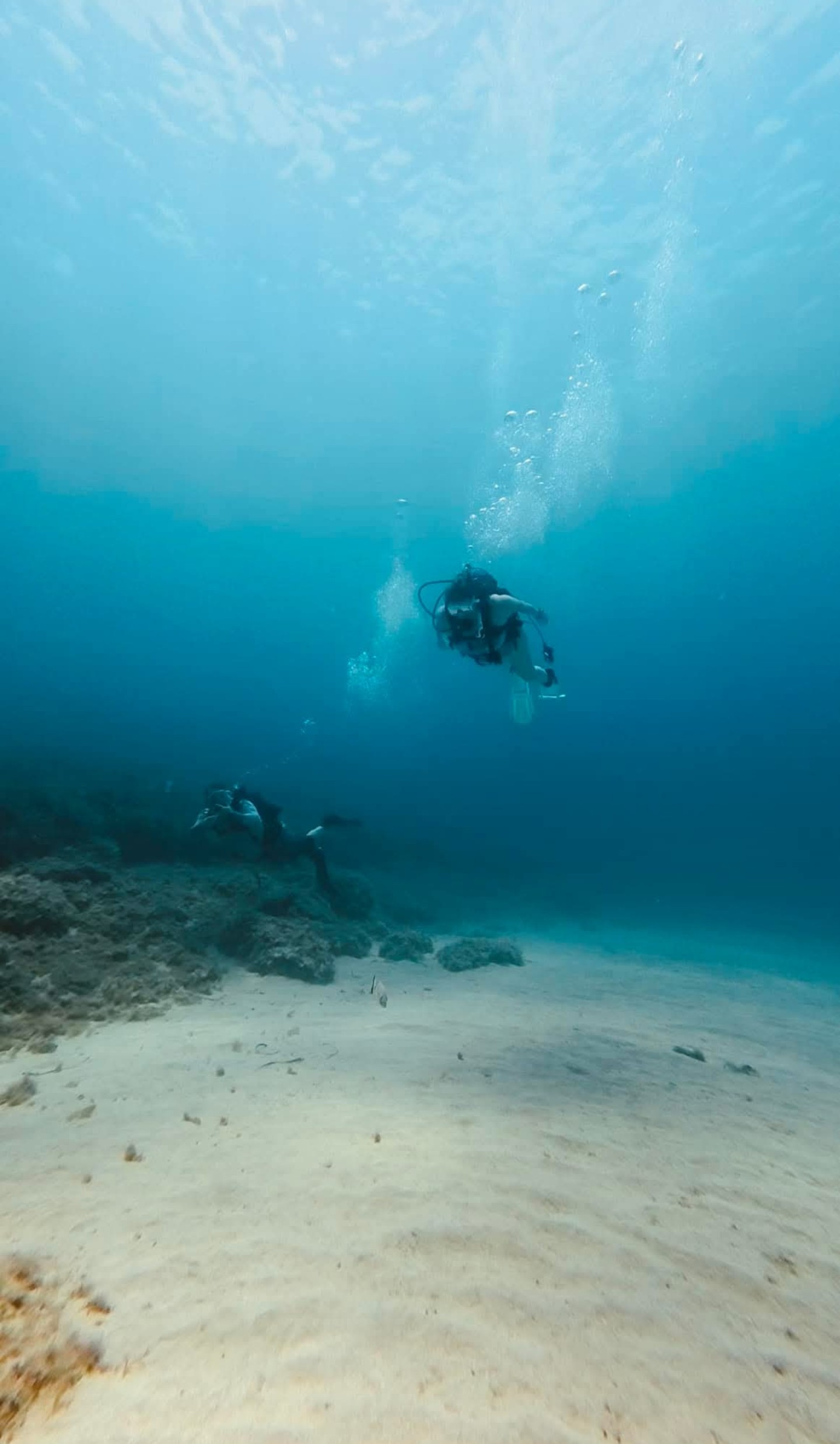
This isn't your typical group dive where you're just following the divemaster around. You'll get dedicated instruction tailored to your current skill level, whether you're figuring out basic camera controls or working on advanced macro techniques. The beauty of diving Florida's coast is the variety – one dive you might be shooting wide-angle reef scenes with angelfish and grouper, the next you're getting up close with nudibranchs and cleaning stations. Your instructor will guide you through the fundamentals of underwater photography while you explore some of Florida's most photogenic dive sites. Expect to spend quality time working on buoyancy control (absolutely critical for good shots), understanding how light behaves underwater, and learning to approach marine life respectfully. The small group size means you won't be rushed, and your instructor can adapt the lesson based on what you're seeing and what interests you most.
Dive Brief & Gear Info
Before you splash, you'll go over the essentials of underwater camera operation and safety protocols specific to photography diving. Your instructor will walk you through camera housing basics, strobe positioning, and the golden rules of underwater composition. Florida's dive conditions are generally forgiving – water temps hover around 78-82°F year-round, and visibility typically ranges from 30-80 feet depending on conditions and location. You'll learn how to work with ambient light in shallow reef environments and when to bring in artificial lighting for those pop-off-the-screen colors. The course covers both technical camera skills and diving techniques that make photography easier, like perfecting your trim to avoid stirring up sand and learning to move slowly and deliberately around marine life. Camera equipment can be provided or you can bring your own setup – either way, your instructor will make sure you're comfortable with the controls before descending.
Marine Life You'll See
Florida's reefs are absolutely loaded with photogenic subjects, and your instructor knows exactly where to find them. Goliath grouper are some of the most impressive subjects you'll encounter – these gentle giants can reach 400+ pounds and are surprisingly curious about divers with cameras. They're most active during summer months around wrecks and ledges, often allowing close approaches for stunning wide-angle portraits. The key is moving slowly and letting them come to you, which makes for much more natural-looking shots than chasing them around.
Green sea turtles are another favorite among underwater photographers, and Florida waters host them year-round. These graceful reptiles range from juvenile pizza-sized individuals to massive adults with shells over three feet long. They're most commonly spotted grazing on seagrass beds or resting under ledges during midday dives. The trick to photographing turtles is patience – approach at their level, move slowly, and wait for that perfect moment when they lift their head and make eye contact with your lens. Their behavior changes seasonally, with more active feeding and mating displays during warmer months.
For macro enthusiasts, Florida's cleaning stations are gold mines for small subject photography. Pederson cleaner shrimp are tiny transparent gems that work their magic on fish at specific coral heads and sponges. These thumbnail-sized crustaceans are active during the day, waving their white antennae to advertise their services. They're perfect subjects for practicing macro techniques since they stay relatively still while working. Look for them on purple tube sponges and brain corals, especially in areas with good current flow where fish naturally congregate.
Plan Your Next Dive
Learning underwater photography opens up a whole new dimension to your diving adventures. You'll start noticing details and behaviors you never paid attention to before, and every dive becomes an opportunity to capture something special. The skills you pick up during this course – proper buoyancy, marine life awareness, and technical camera knowledge – will serve you on every future dive, whether you're exploring local springs or planning that dream trip to the Caribbean. Florida's year-round diving season means you can practice and build on what you learn whenever the mood strikes. Ready to start creating images that'll make your non-diving friends seriously jealous? Book your underwater photography course with SEA School & Travel and discover what Florida's reefs look like through a camera lens. Trust me, once you start capturing the underwater world, regular diving will never be quite the same.
 Class
Class Shared Trip
 Scuba Diving
 Spring Hill, FL
 Learn underwater photography while scuba diving in Florida waters