Colorado 3rd Rifle Mule Deer Hunt
Colorado's 3rd rifle season is hands down the best time to chase mature mule deer in the Rockies. When those crisp October days roll in and the aspen leaves start turning gold, you know it's prime time. This is a draw-only hunt, which means you're getting access to some seriously top-rated hunting ground that most folks can only dream about. Silver Spur Outfitters has been guiding hunters through this world-class terrain for years, and we know exactly where those trophy bucks like to bed down when the pressure's on. The cooler weather gets these deer moving in patterns you can actually predict, unlike those scorching early season hunts where they're holed up in the timber all day. With the pre-rut getting bucks antsy and daylight movement picking up, you're looking at some of the most productive hunting conditions Colorado has to offer. This is a solo hunt experience - just you, your guide, and the mountains.
Inside the Hunt
Picture this: you're glassing vast alpine basins at first light, scanning for that telltale glint of antler or the gray ghost silhouette of a muley picking his way across a distant ridgeline. That's what 3rd season hunting is all about. The snow hasn't pushed them down to winter range yet, but they're starting to think about it. Bucks are moving between their summer hangouts and those transition zones where they'll spend the rut. Your guide knows these migration corridors like the back of his hand - the saddles they like to cross, the north-facing slopes where they bed during the day, and those hidden pockets of oak brush where a big deer might be laying low. We're talking serious elevation here, often hunting between 8,000 and 11,000 feet, so your lungs are going to feel it. The terrain varies from wide open parks perfect for long-range shots to thick timber where you might get a quick glimpse at 50 yards. Weather can change fast up here - you might start the day in shirtsleeves and end it in a snowstorm. That's just Colorado hunting for you, and honestly, it's what makes it so addictive.
Tracking Tips & Terrain
Glassing is your bread and butter on this hunt. You'll be covering a lot of country with quality optics, methodically picking apart the landscape for deer. Early morning and late evening are money time - that's when bucks are most likely to be on their feet and visible in the open. Mid-day isn't a write-off though, especially if the weather turns nasty. Mule deer will move in light snow or drizzle when whitetails would be bedded tight. Your guide will have you positioned on vantage points where you can see for miles, but also know the stalk routes to get within shooting range once you spot something worth pursuing. The key is patience and good glass - a lot of guys want to be hiking constantly, but the smart money is on finding a good glassing knob and really working it over before moving on. When you do spot a shooter, the stalk is where things get interesting. Mule deer have this habit of stopping and looking back, which can work for or against you depending on how you play it. The terrain gives you natural cover - you just have to know how to use it. Deadfall, rock outcroppings, and those signature Colorado drainages can hide your approach if you plan it right. Range estimation is critical up here where distances can fool you. What looks like 300 yards might actually be 450, and that can mean the difference between a clean kill and a wounded deer disappearing into the next county.
Target Game Breakdown
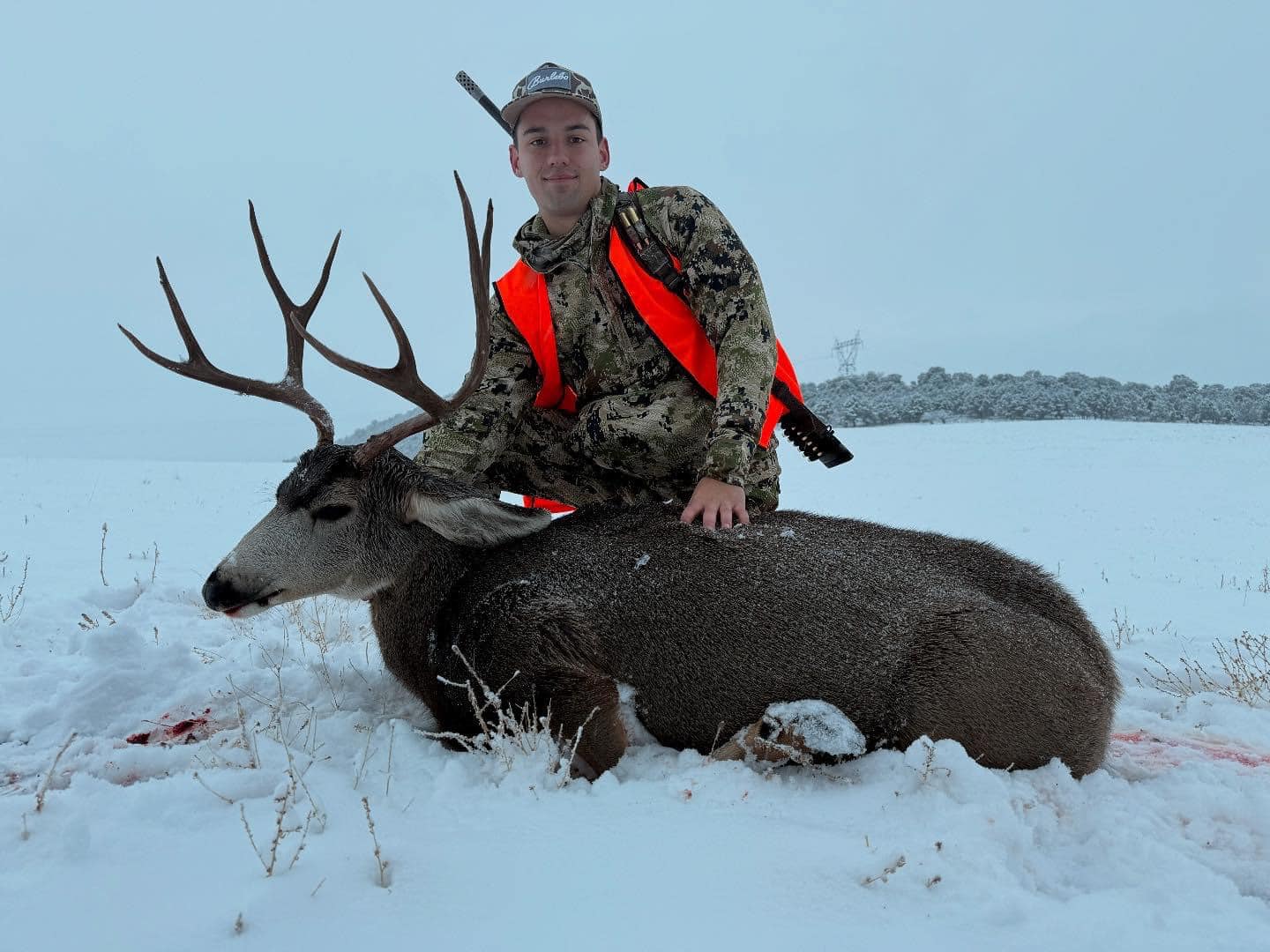
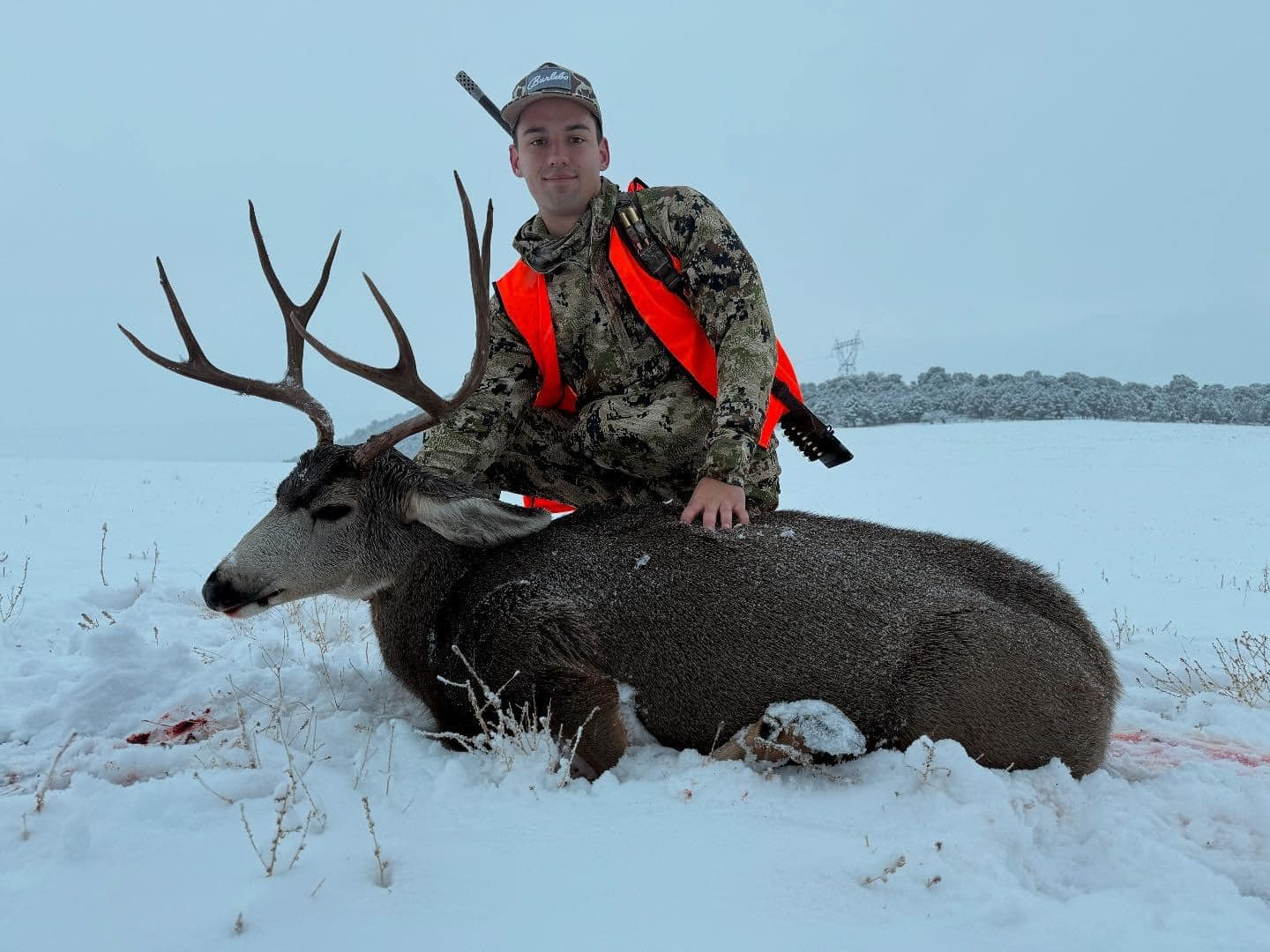
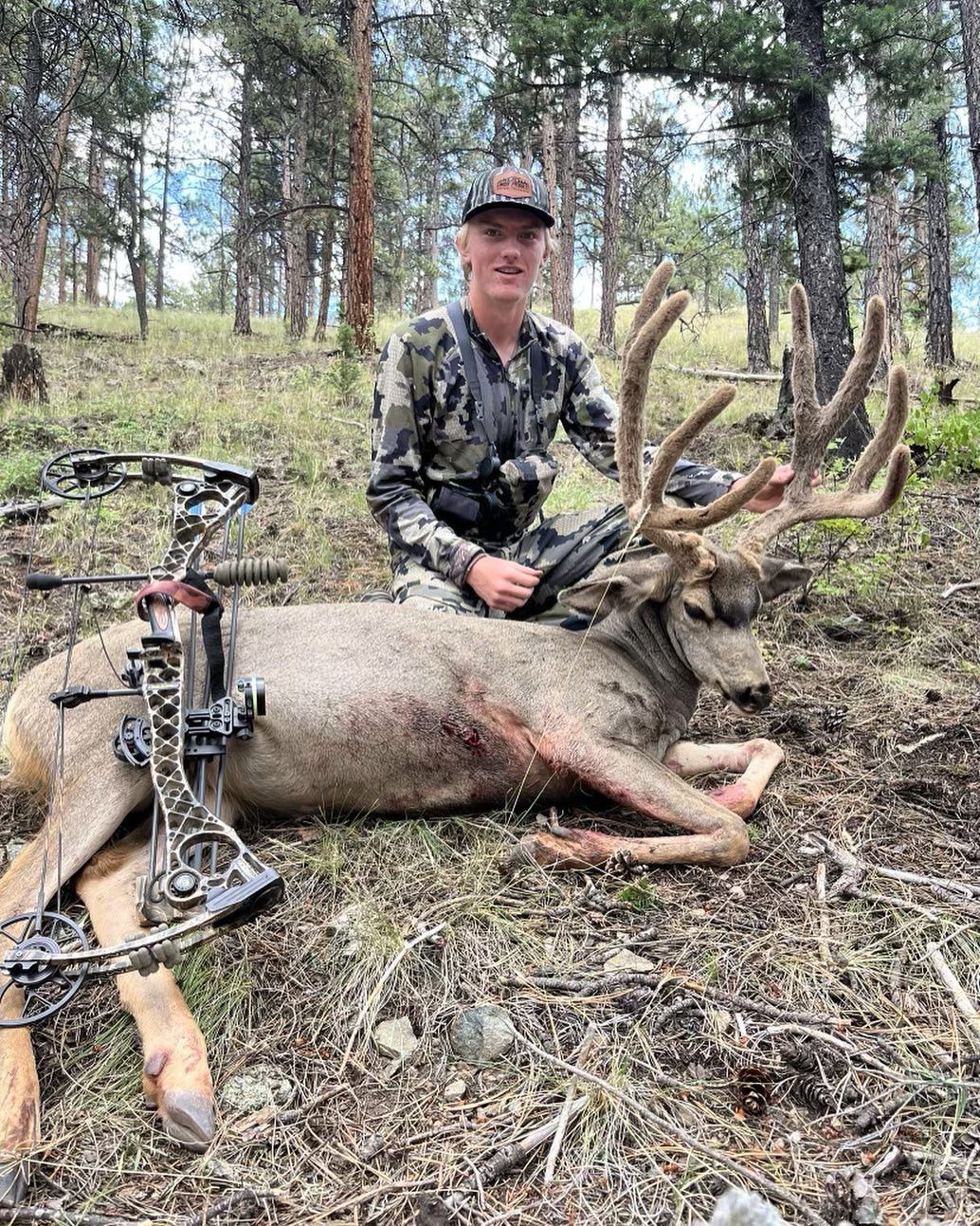
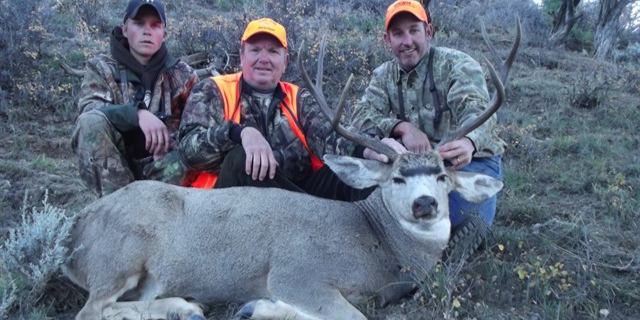
Colorado mule deer are what dreams are made of - big-bodied, wide-racked bucks that can make your heart stop when you first lay eyes on them. These aren't your average deer. A mature Colorado muley can weigh 200-250 pounds field dressed, with some monster bucks pushing even heavier. Their antlers grow wide and tall, often sporting those classic forked tines that make them instantly recognizable. Third rifle season timing is perfect because bucks haven't been pushed hard by earlier hunters, but they're starting to get that pre-rut attitude that makes them a little less cautious. They're feeding heavily to build up reserves for the upcoming rut, which means more daylight activity and more predictable patterns. The high country bucks are legendary for their size - the thin air and harsh winters create a natural selection process that produces only the strongest genetics. These deer have adapted to the altitude and terrain in ways that make them incredibly tough and resilient. When they're spooked, they don't just run - they bound away in that distinctive mule deer gait, often stopping on a distant ridge to look back. That behavior can give you a second chance if you're ready for it. The coloration of Colorado muleys changes with the season, shifting from their reddish summer coat to the gray-brown winter pelage by third season. This natural camouflage makes them blend perfectly with the high desert landscape and rocky terrain. What makes hunting them so special is their intelligence and adaptability - they've survived in some of the harshest country in North America, and earning a mature buck is a real accomplishment.
Book Your Next Tag
This hunt represents everything that makes Colorado hunting legendary - wide open country, trophy genetics, and the kind of challenge that separates the serious hunters from the weekend warriors. Third rifle season is the sweet spot where all the conditions come together - better weather than early season, more active deer than late season, and those perfect October days that make you remember why you started hunting in the first place. With Silver Spur Outfitters, you're not just getting a guide, you're getting decades of local knowledge and a genuine commitment to putting you on a quality buck. The draw odds for these tags aren't getting any easier, and prime hunting ground like this is becoming harder to find every year. Colorado's reputation as a top-rated mule deer destination isn't going anywhere, but your chance to be part of it depends on getting drawn
 Shared Trip
 Active hunting
 Colorado
 Trophy mule deer hunting during Colorado's premium 3rd rifle season