8 HR Taboga Fishing Trip (Bertram 31')
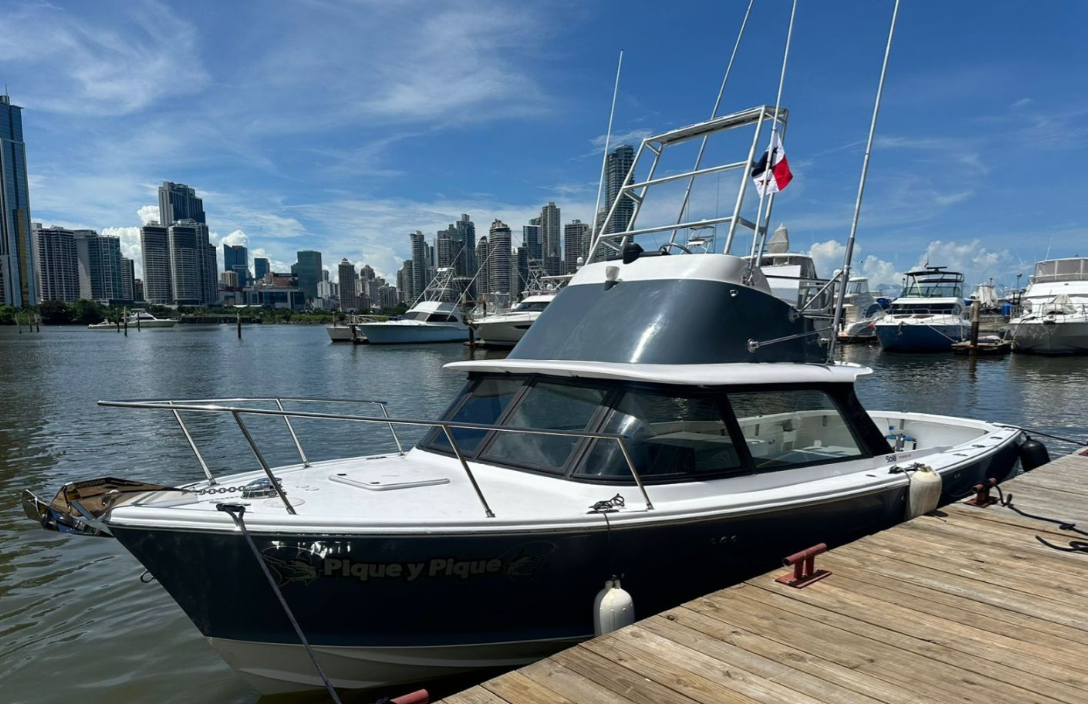
Picture this: you're cruising Panama's pristine waters aboard a solid Bertram 31', heading toward some of the country's most productive fishing grounds around Chamá, Taboguilla, and Taboga Islands. This isn't your typical half-day rush job – we're talking a full 8 hours of serious angling time where you can really get into the rhythm of the bite. The Pearl Island Charter Co. knows these waters like the back of their hand, and they'll put you on fish whether they're holding tight to the reefs or cruising the blue water just offshore. With only 2 anglers max, you're getting the VIP treatment without the crowd fighting over the best spots on deck.
What to Expect on the Water
Your day kicks off early when you meet the crew at the marina, and trust me, these guys don't mess around when it comes to putting you on fish. The Bertram 31' is a legendary platform – stable enough to handle Panama's swells but fast enough to cover serious ground when the captain marks schools on the fish finder. You'll be working a variety of water throughout the day, from shallow reef structure where snappers love to hang out, to the deeper drop-offs where the pelagics cruise. The beauty of an 8-hour trip is flexibility – if the bite's hot in one zone, you can milk it. If it's slow, you've got time to relocate and try different tactics. The crew provides bottled water to keep you hydrated under that tropical sun, and if you want to upgrade the experience with some local catering, just give them a heads up when you book.
Techniques & Tackle Setup
These Panama waters call for versatility, and the crew comes prepared with everything from light spinning gear to heavy trolling setups. For the inshore action around the islands, you'll likely be working with live bait – nothing beats a frisky sardine or ballyhoo when you're targeting jacks and sierra mackerel in the shallows. The reefs demand a different approach entirely; you'll be dropping cut bait and whole fish down to the structure where grouper and snapper set up shop. When conditions allow, expect some trolling action too – the crew will pull spreads of lures and rigged baits to intercept mahi mahi and bonito as they patrol the temperature breaks. The Bertram's got plenty of rod holders and fighting space, so when you hook into something with some size, you can actually battle it properly without bumping into other anglers every two seconds.
Customer Stories
"The captain spoke great English, and the crew worked hard, trying various tactics to catch fish. Unfortunately, the fish just weren't biting that day." - Chad
"Highly recommended!" - Earl
Species You'll Want to Hook
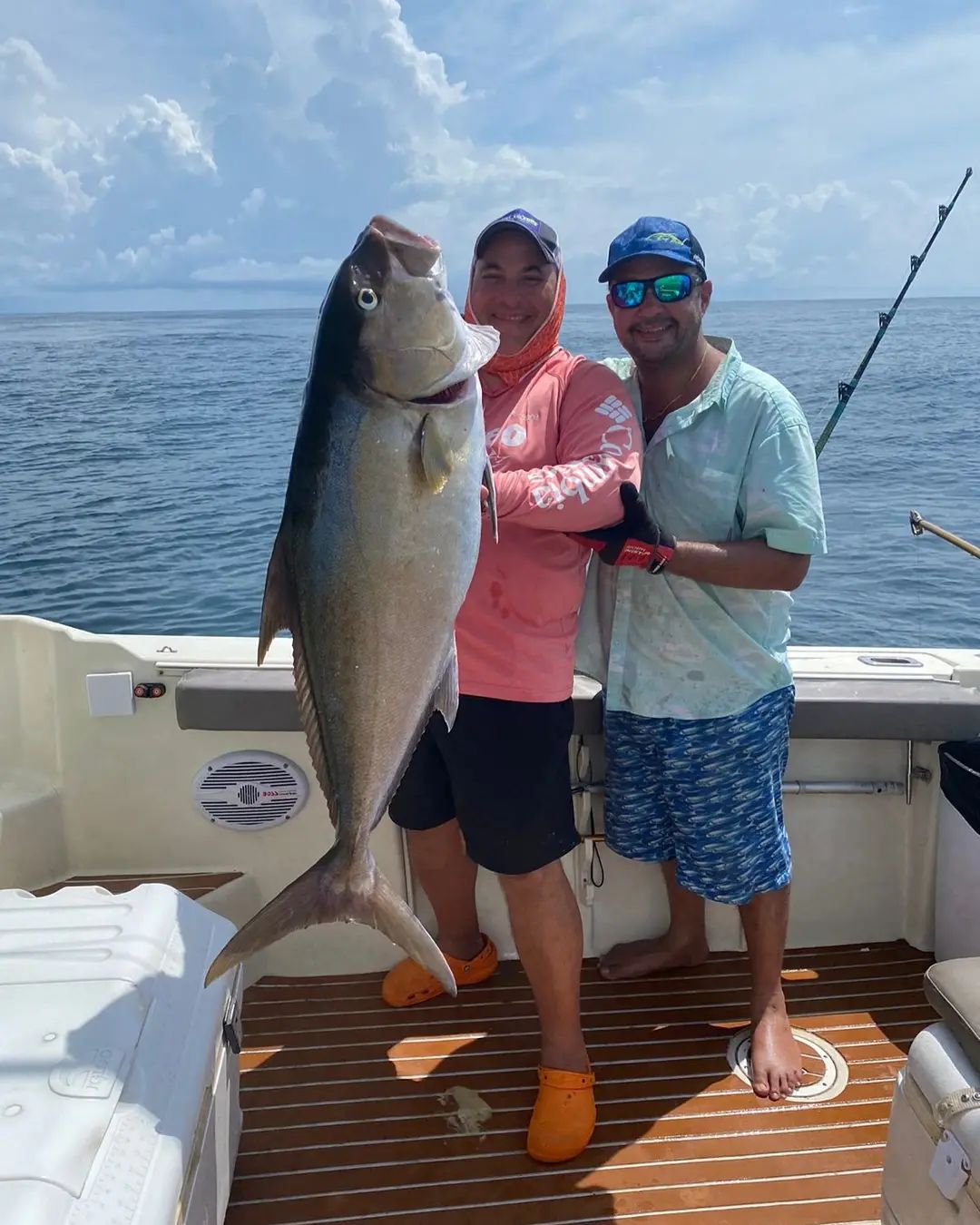
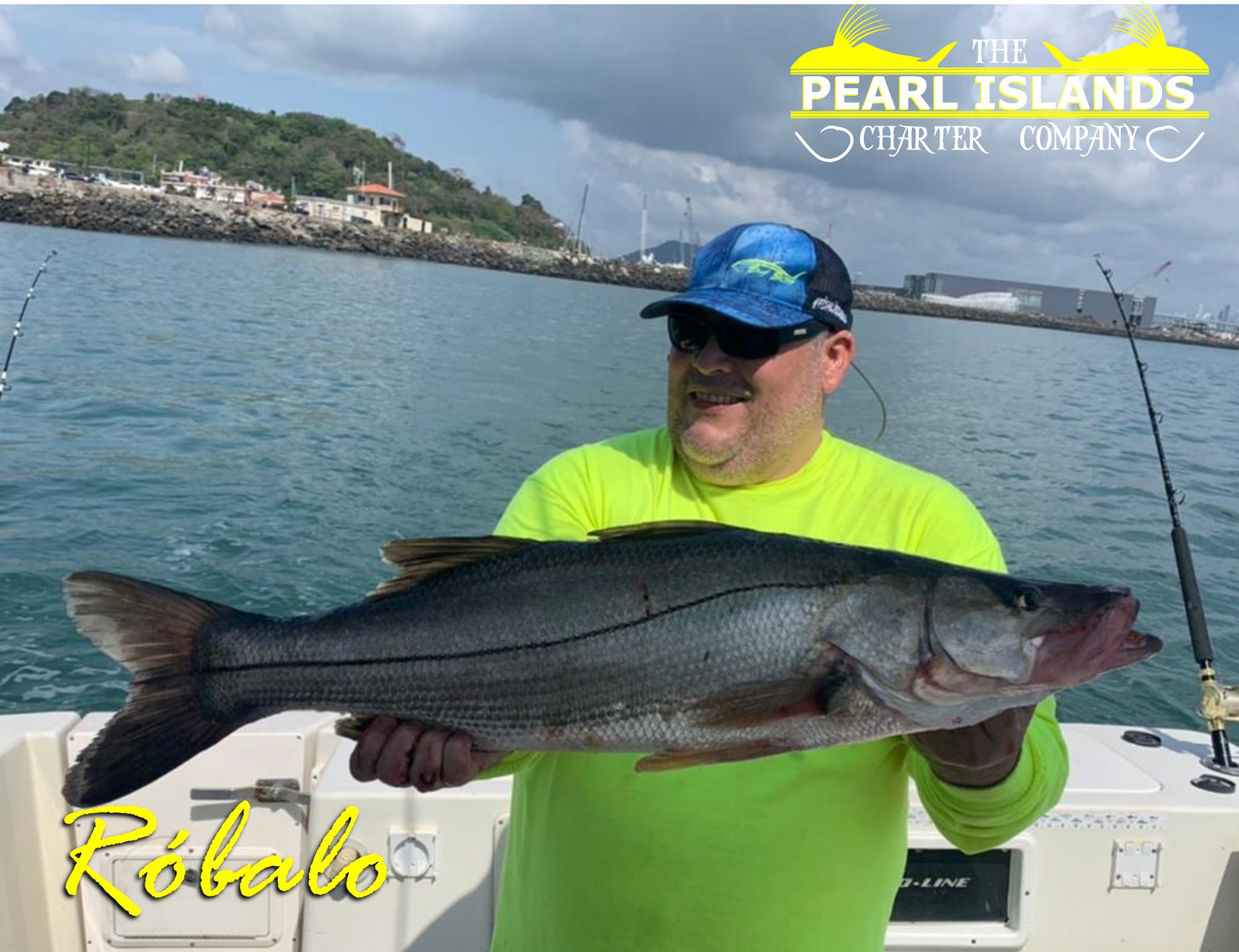
Jack Crevalle are absolute bulldogs that'll test your tackle and your shoulders. These aggressive predators patrol the shallows around the islands in schools, and when you find them feeding, it's game on. They hit hard and fight harder, making multiple runs that'll have your drag screaming. Peak action usually happens during moving tides when baitfish get pushed around the structure. What makes jacks so addictive is their sheer power – a 15-pound jack will fight like a 30-pound fish of almost any other species.
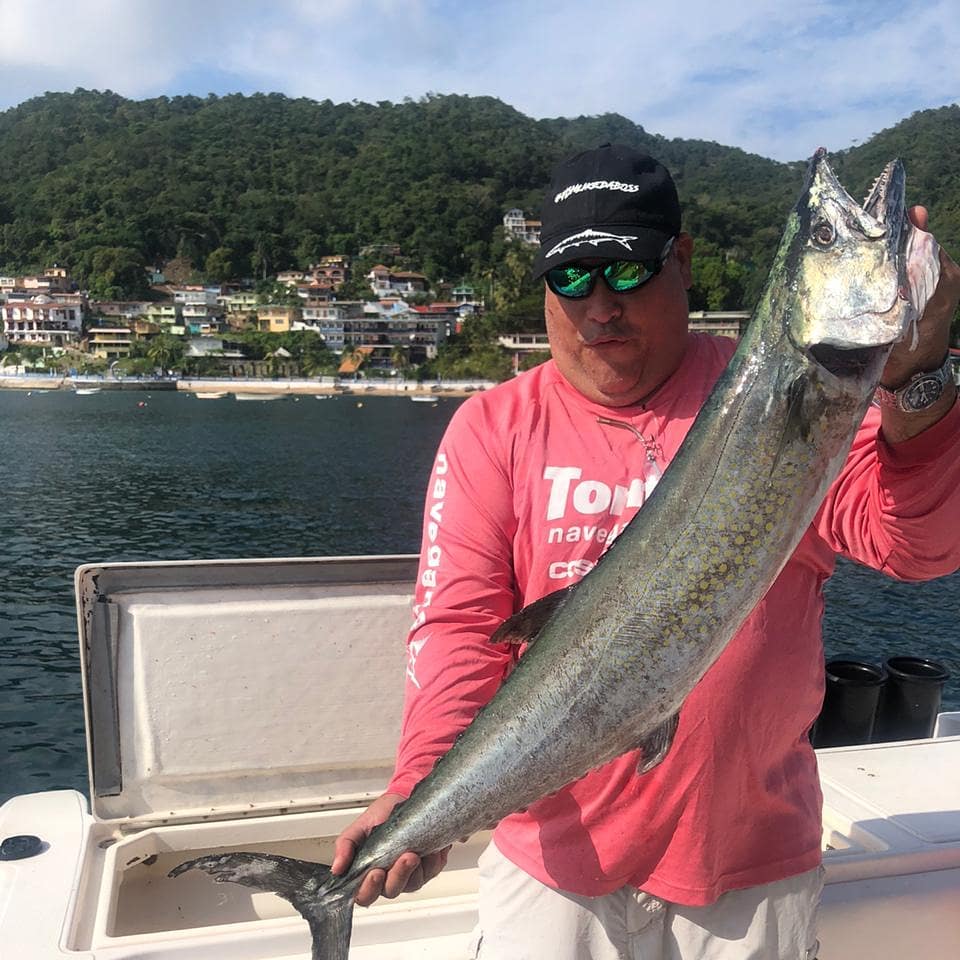
Sierra Mackerel bring speed and chaos to the party. These razor-toothed speedsters love to slash through bait schools, creating surface mayhem that gets your adrenaline pumping. They're incredibly fun on light tackle, making blistering runs and acrobatic jumps. The trick with sierra is using wire leaders – those teeth will slice through mono in a heartbeat. They're most active during early morning and late afternoon hours when the light is changing.
Snapper fishing around these reefs is pure bottom-fishing gold. These smart, structure-loving fish require finesse and patience, but the payoff is worth it. Yellowtail and cubera snapper both call these waters home, with cuberas reaching trophy proportions. They're notorious for their crushing bite and initial power runs straight back to the rocks. Fresh cut bait fished tight to the bottom is usually the ticket, but you need to be ready to horse them up fast before they wrap you around the reef.
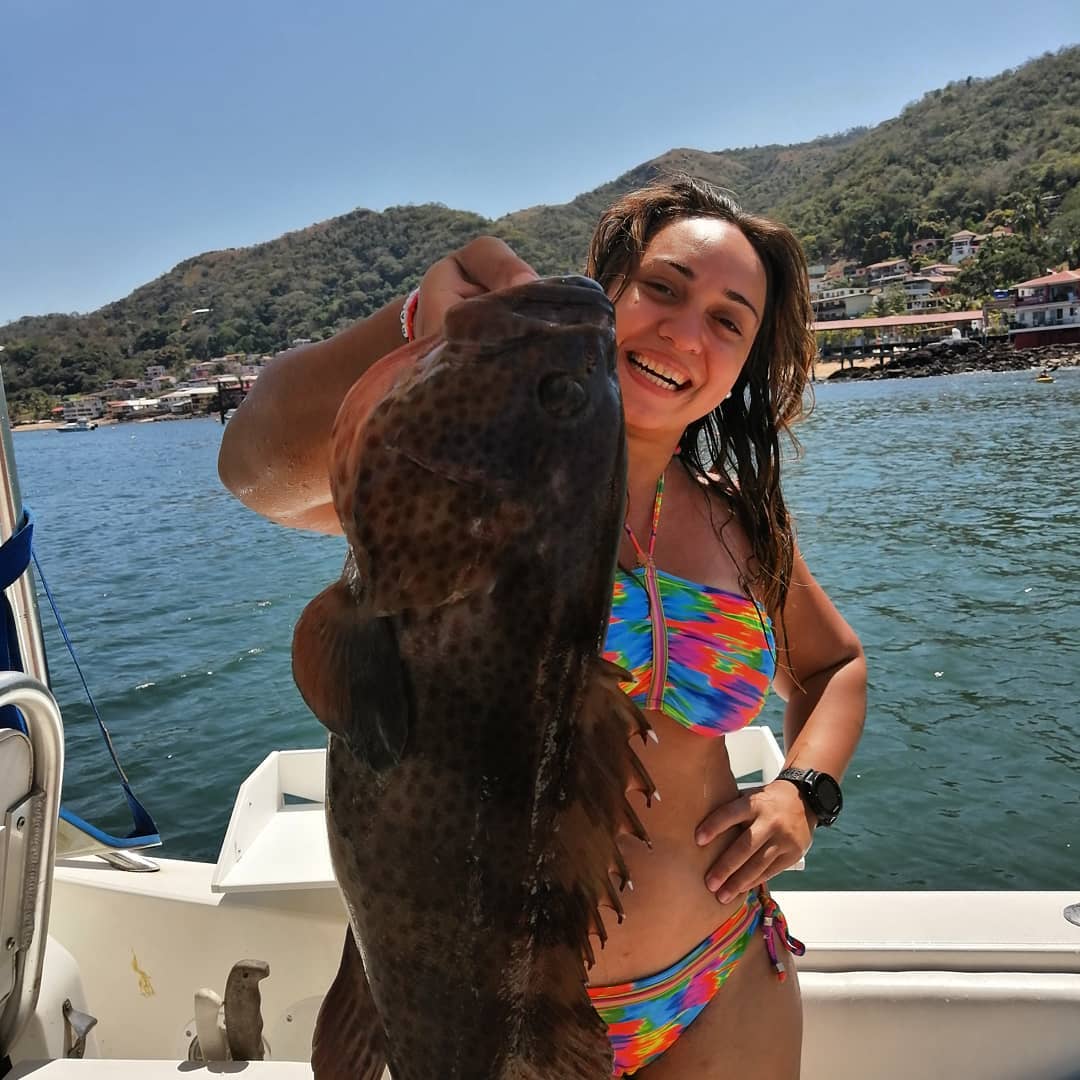
Grouper are the heavyweights of the reef scene, and Panama's waters hold some serious specimens. These ambush predators sit in caves and overhangs, waiting for an easy meal to drift by. When a big grouper grabs your bait, there's no mistaking it – they clamp down and head straight for the rocks with unstoppable power. You've got maybe 10 seconds to turn their head before they hole up and the fight's over. It's high-stakes fishing that separates the rookies from the veterans.
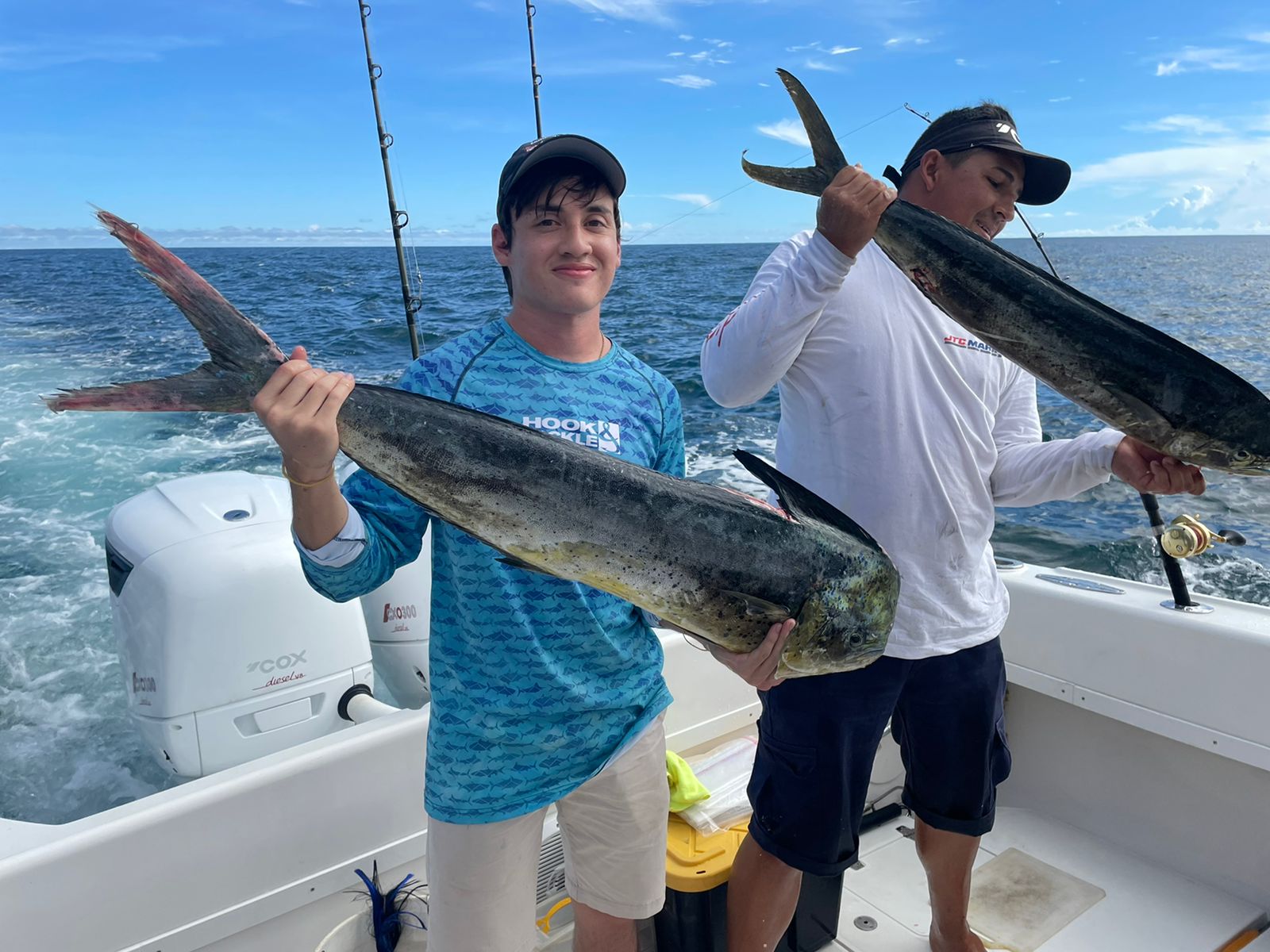
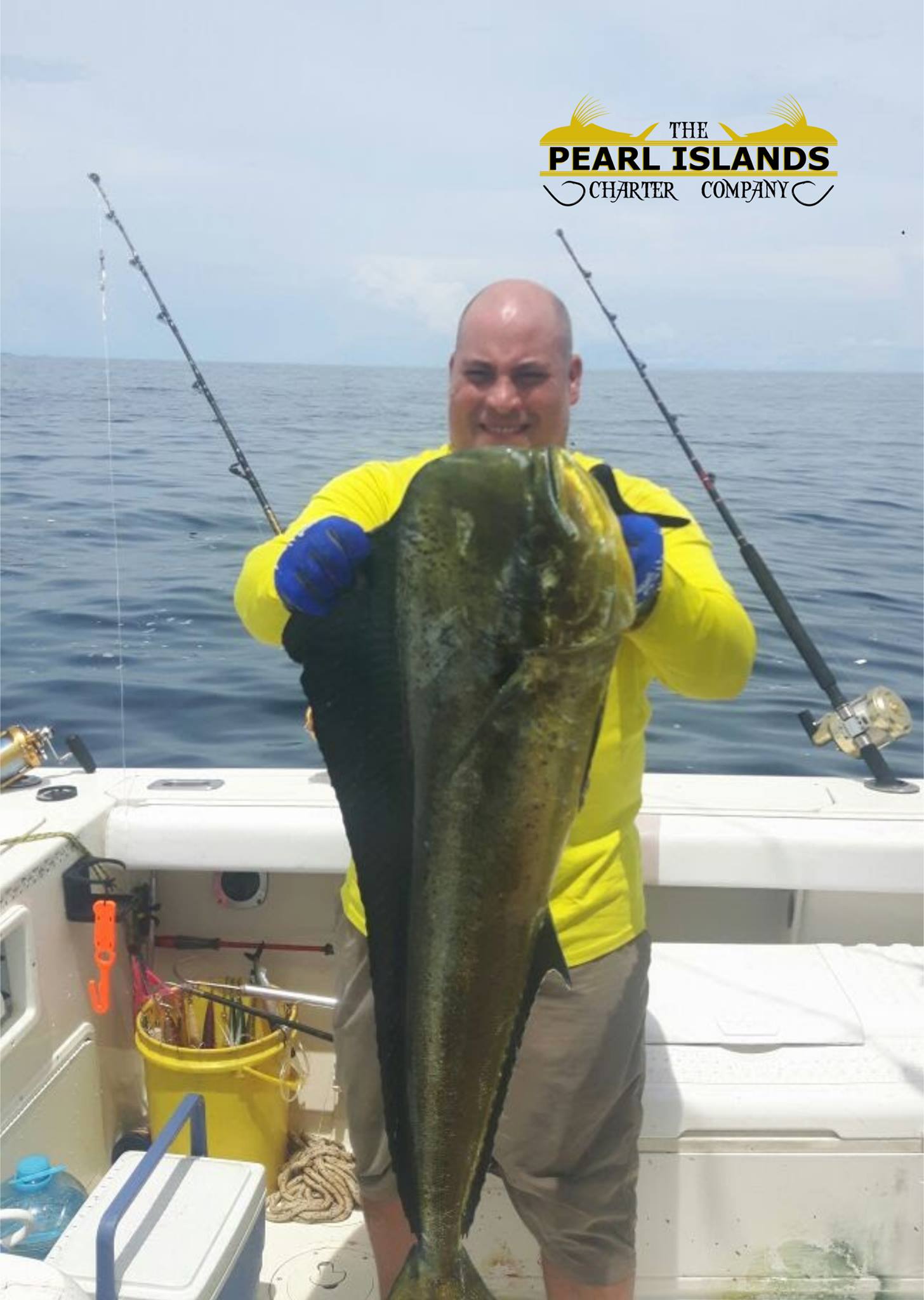
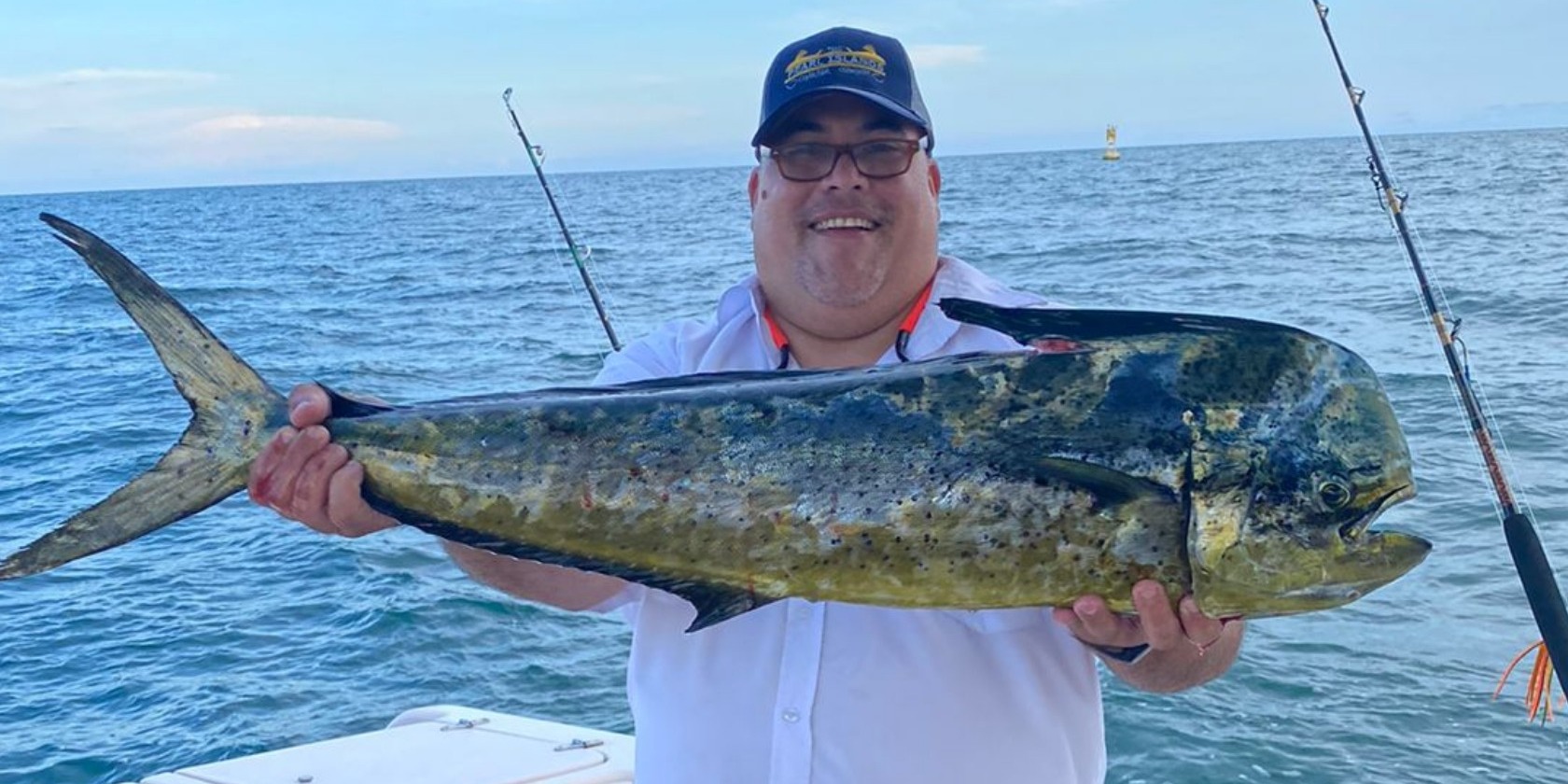
Mahi Mahi bring tropical beauty and aerial acrobatics to your trip. These stunning fish are opportunistic feeders that cruise the deeper waters around the islands, often following floating debris or weed lines. When you hook a mahi, expect a spectacular light show of jumps and color changes. They're excellent table fare too, making them a favorite target for anglers who want both sport and dinner. Peak mahi season typically runs during the warmer months when water temperatures climb.
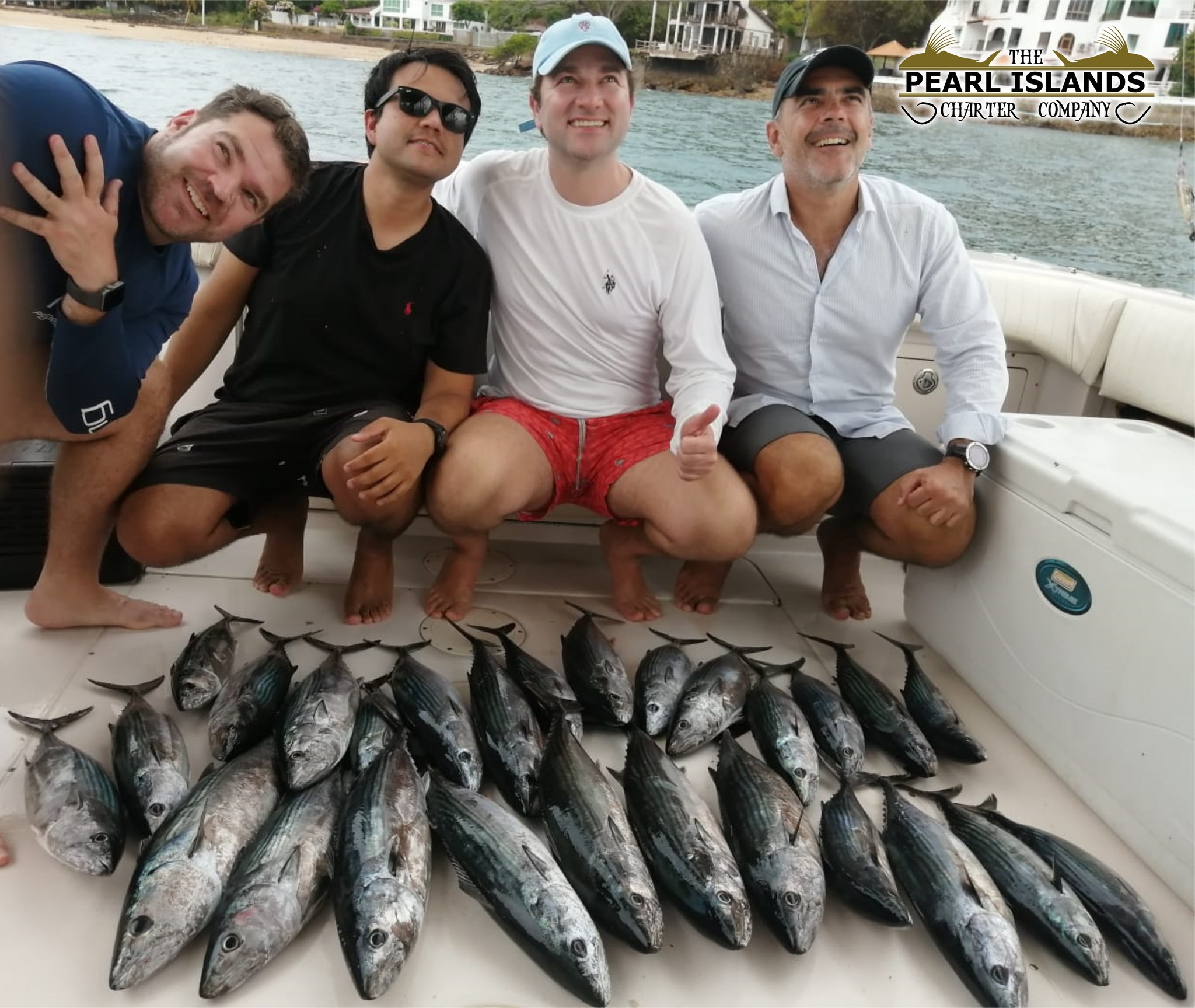
Pacific Bonito are speed demons that'll give you a taste of what it's like to hook a small tuna. These silver bullets make long, sustained runs that'll clear line off your reel in a hurry. They often travel in schools, so when you find one, there are usually more around. Bonito respond well to both live bait and trolled lures, and they're fantastic on medium-light tackle where you can really appreciate their speed and stamina.
Time to Book Your Spot
An 8-hour fishing adventure around Taboga Islands delivers the kind of
 Private Trip
 Inshore Fishing
 Panama City
 Eight-hour fishing adventure around Panama's scenic Taboga Islands