9 HR Pearl Islands Fishing Trip (Intrepid 37')
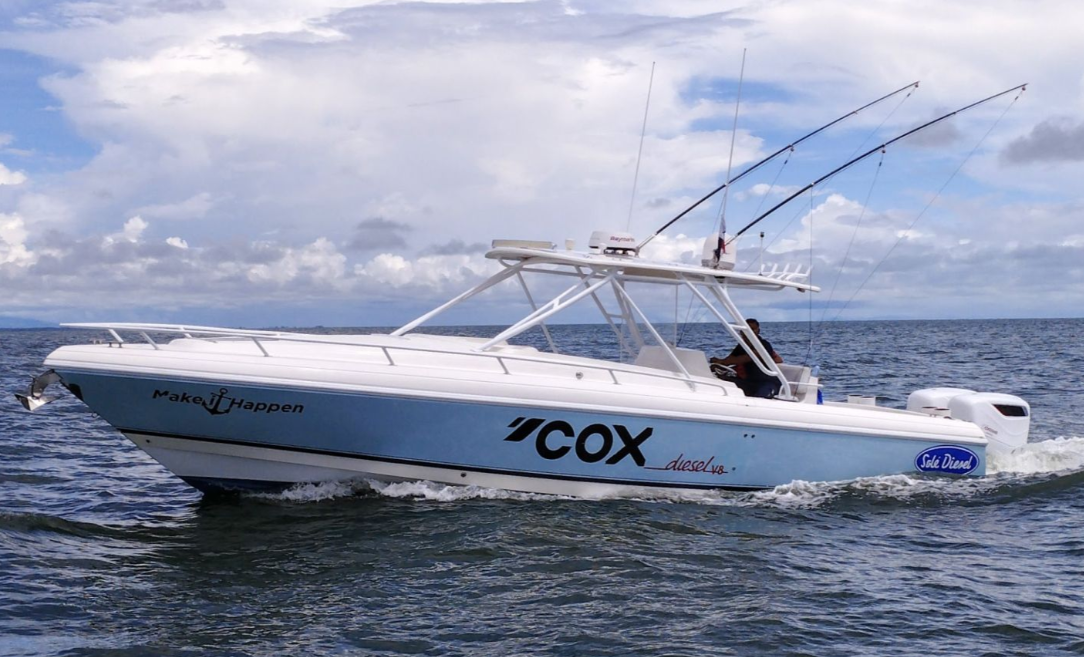
Picture this: you're cruising through Pacific waters aboard a top-rated 37-foot Intrepid, salt spray on your face, heading toward some of the most productive fishing grounds off Panama's coast. The Pearl Islands archipelago isn't just another pretty backdrop — it's a world-class fishing destination where pelagic species roam in numbers that'll make your drag scream. This 9-hour adventure gives you serious time on the water, whether you're chasing trophy tuna on the surface or dropping down for heavyweight grouper on the bottom. With room for up to 10 anglers and a crew that knows these waters like the back of their hand, you're looking at one of the best offshore experiences the Pacific has to offer.
What to Expect on the Water
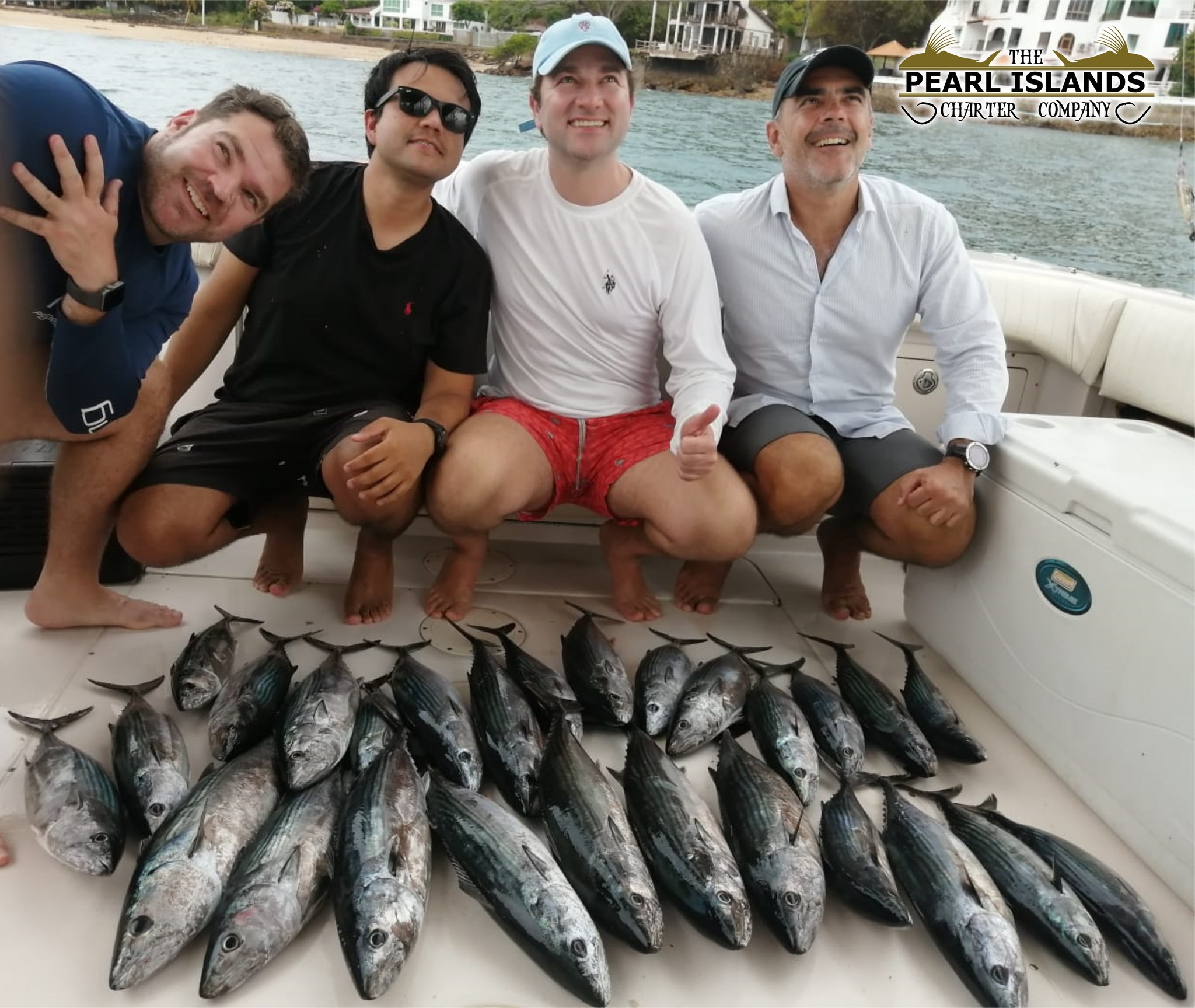
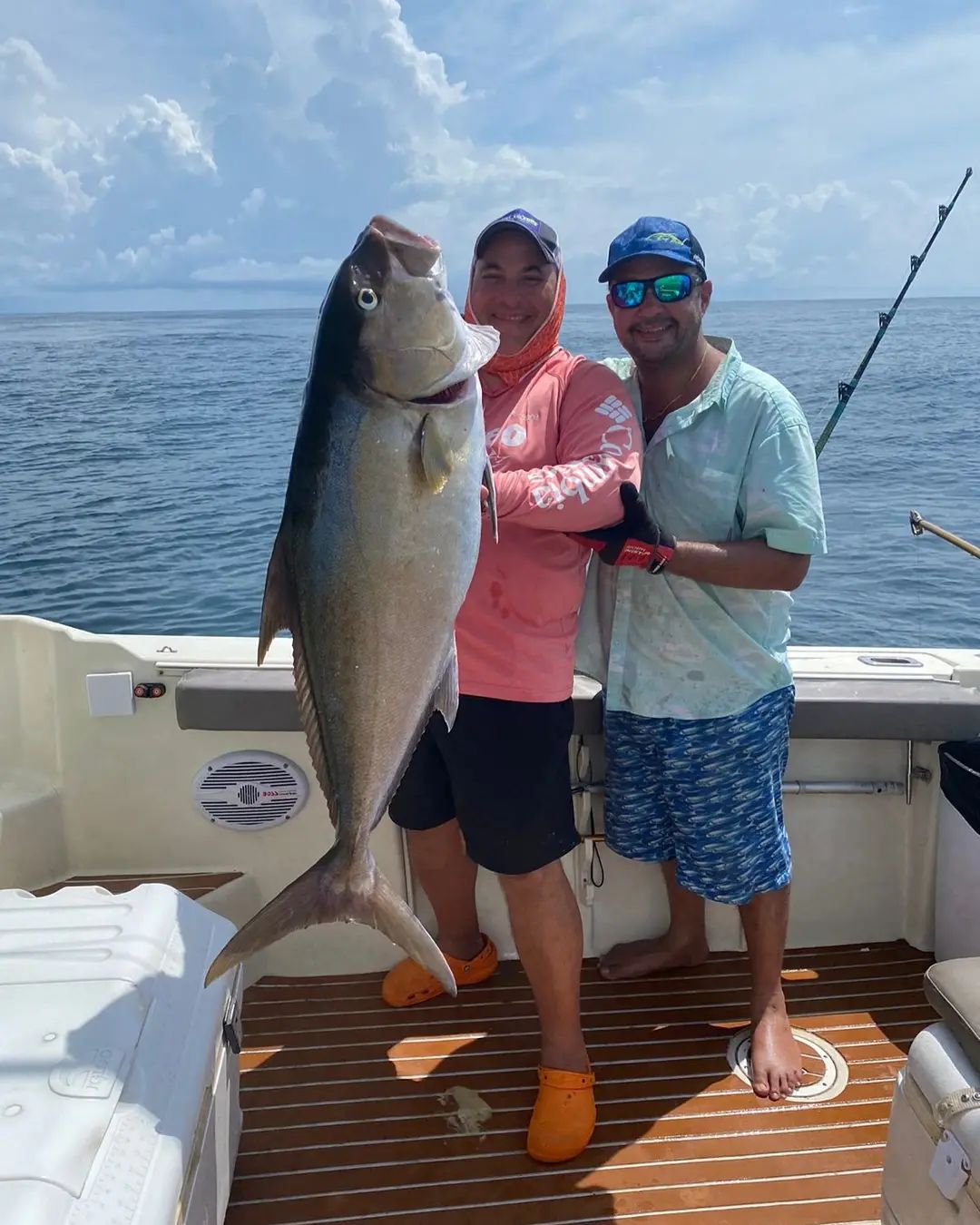
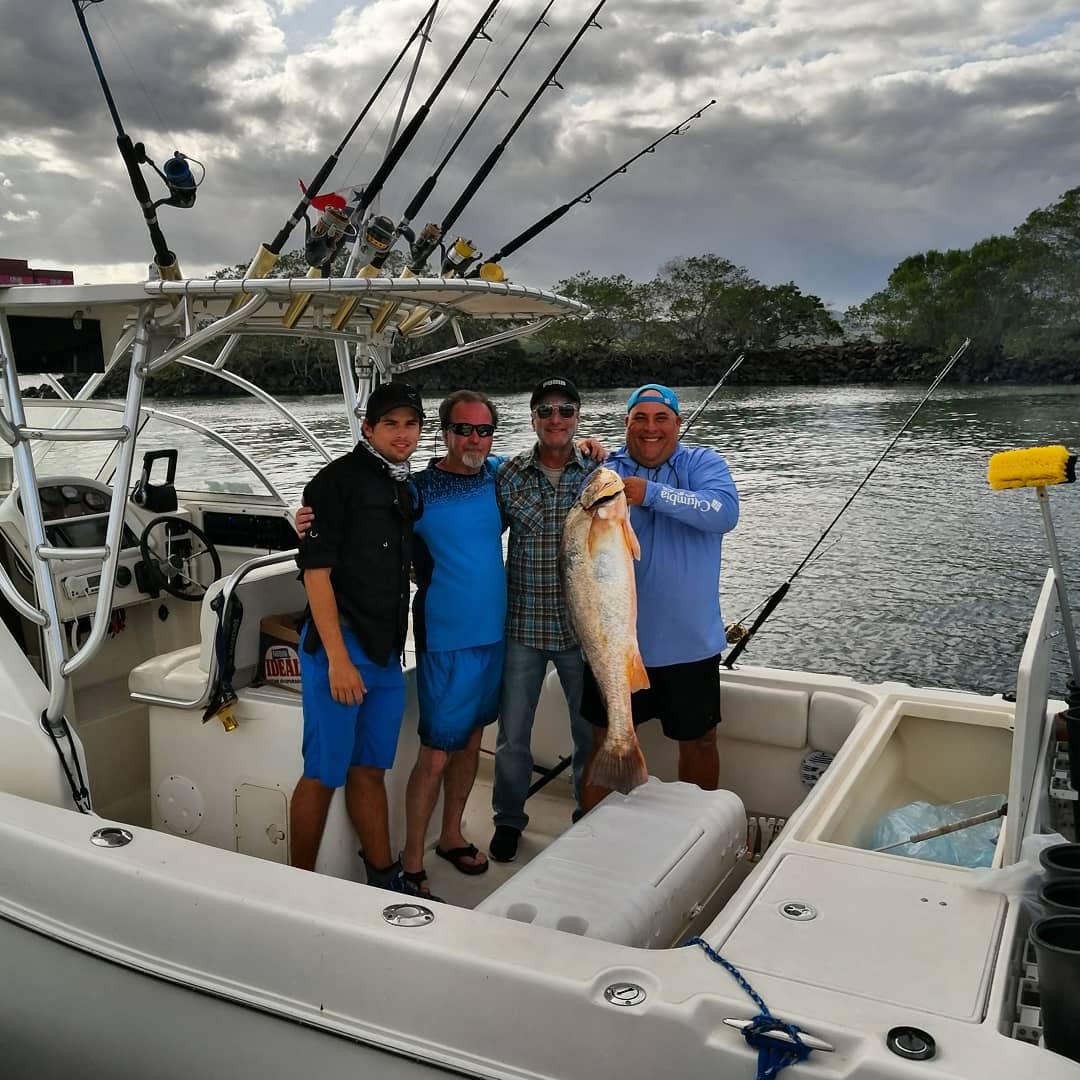
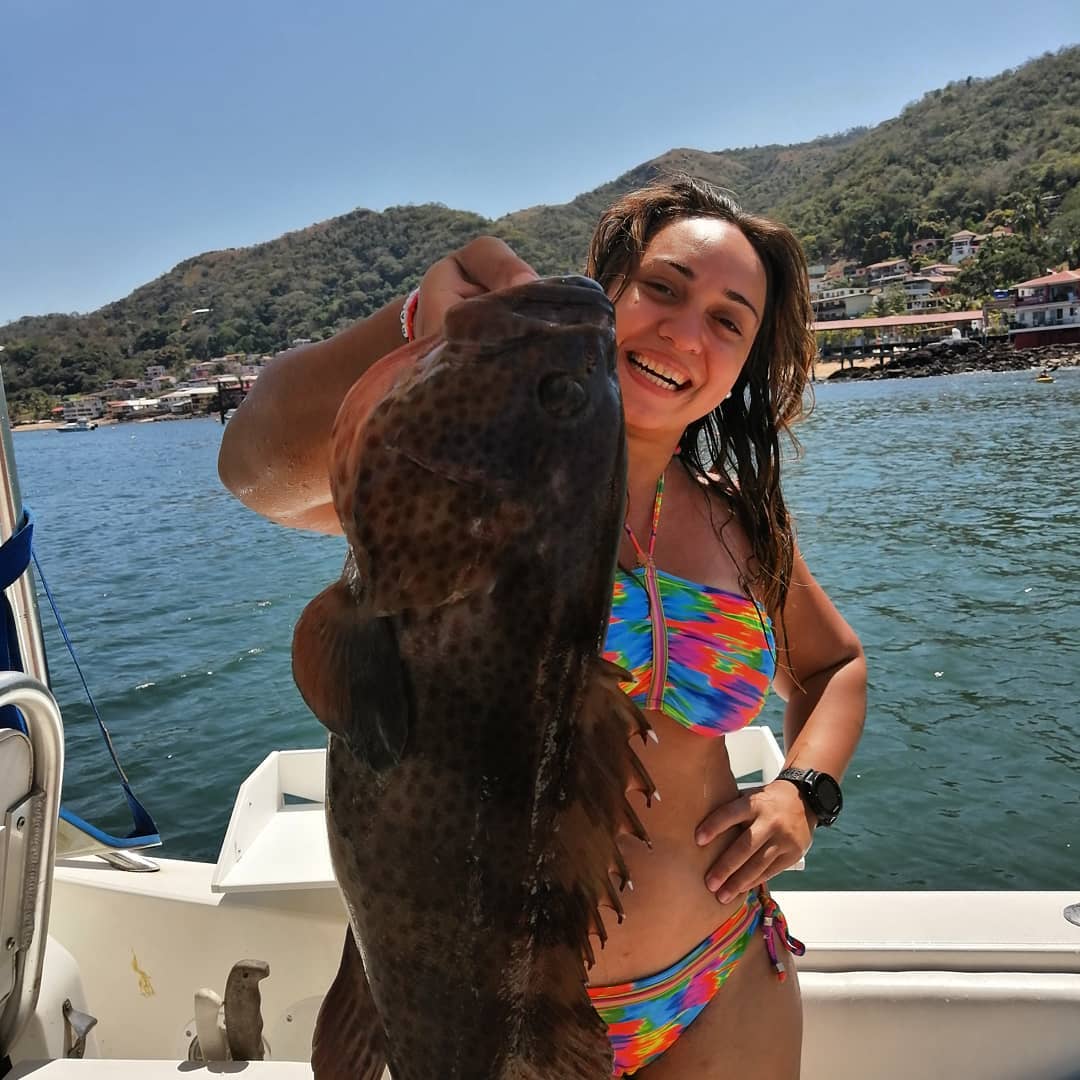
Your day kicks off with an hour and twenty-minute run north to the prime fishing zones around the Pearl Islands. This isn't just travel time — it's part of the experience, watching the mainland fade behind you as you enter waters where anything can happen. Once Captain Danielo gets you positioned, the real fun begins. You've got options here, and that's what sets this trip apart from the cookie-cutter charters. Feel like trolling? We'll spread the lines and hunt down tuna, mahi mahi, wahoo, and sailfish cruising the blue water. Want to get vertical? We'll anchor up or drift over structure where grouper, snapper, and amberjack stack up like cordwood. The beauty of a 9-hour window is flexibility — you can switch techniques, move spots, and really dial in what's working. Between fishing sessions, there's time to hit the stunning beaches around Contadora, Pacheca, or Bartolomé. Nothing beats a cold drink and a swim in crystal-clear water after battling fish all morning, especially when the crew's cleaning your catch for a fresh sashimi snack.
Techniques & Tackle Setup
The Intrepid 37 comes rigged for battle with everything you need to tangle with whatever swims in these waters. For trolling, we're talking heavy tackle — 50 and 80-pound setups that can handle the screaming runs of wahoo and the bulldogging power of big tuna. The spread typically includes a mix of lures: cedar plugs, jet heads, and skirted baits that mimic the baitfish these pelagics can't resist. When we switch to bottom fishing, it's a different game entirely. We'll drop jigs, live bait when it's available, and heavy sinkers to punch through the current and get down to where the big snappers and groupers live. The key to success here is reading the water — Captain Danielo has years of experience finding the temperature breaks, current edges, and structure that hold fish. Whether you're working a spread of six lines behind the boat or bouncing a jig off the bottom in 200 feet of water, the crew's there to guide you through proper technique and make sure your drag settings won't cost you the fish of a lifetime.
Customer Stories
"The crew was experienced, and the boat was exceptionally clean and well-equipped. Captain Danielo knew exactly where to find the fish, taking us straight to the action. We even took some time to swim and relax on a beautiful beach while the crew prepared one of the tunas and Spanish mackerels we caught — a fantastic experience all around!" - Charles
Species You'll Want to Hook
Yellowfin tuna are the crown jewel of these waters, and for good reason. These fish are pure muscle, capable of stripping 200 yards of line on their first run and testing every knot you've tied. Peak season runs from December through April, though you'll find them here year-round. What makes yellowfin so special isn't just their fight — it's their intelligence. They'll follow your lures, inspect your bait, and make split-second decisions that separate good anglers from great ones. When you hook into a 50-pound yellowfin in open water, you'll understand why people travel across continents for this experience.
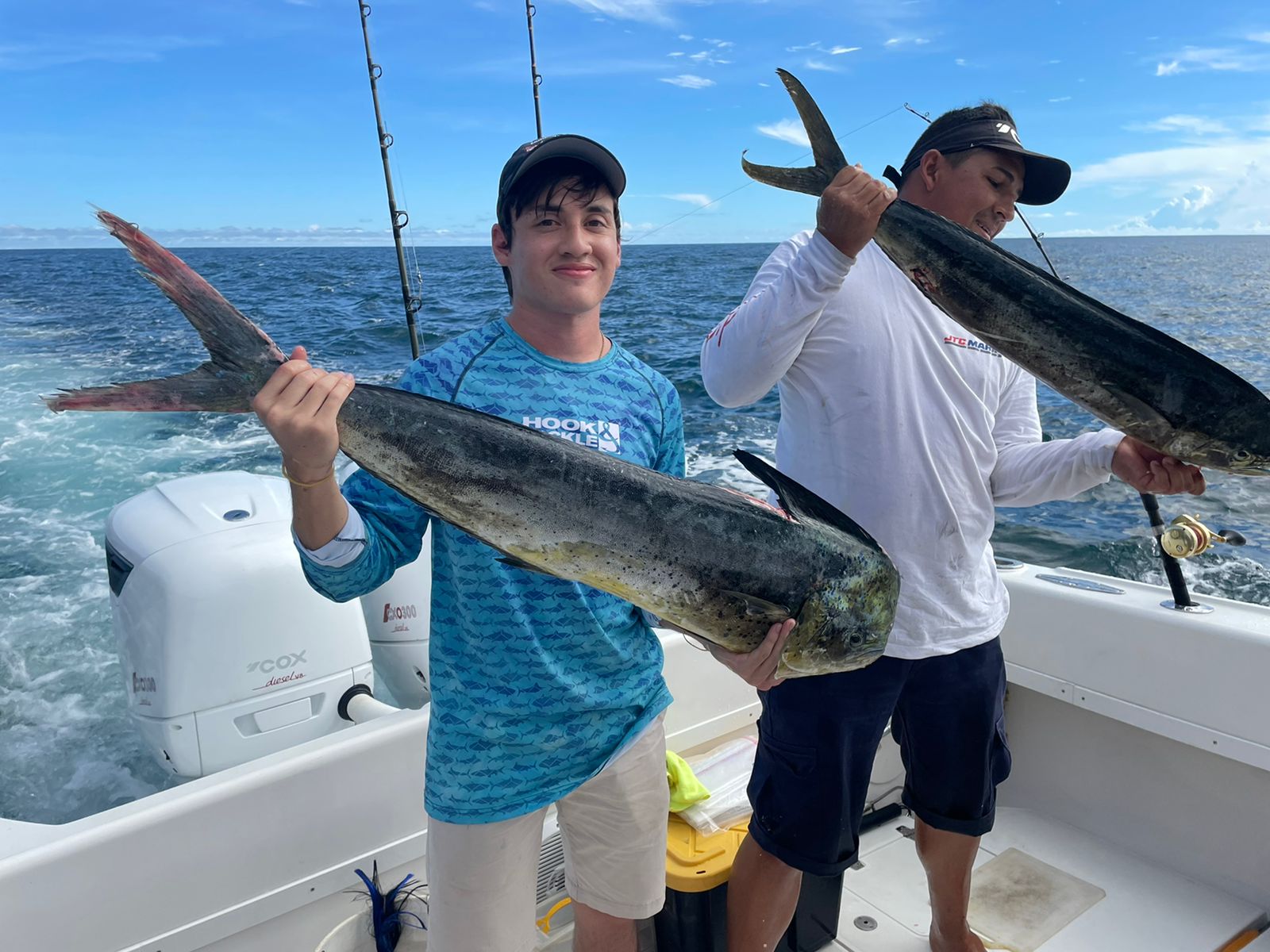
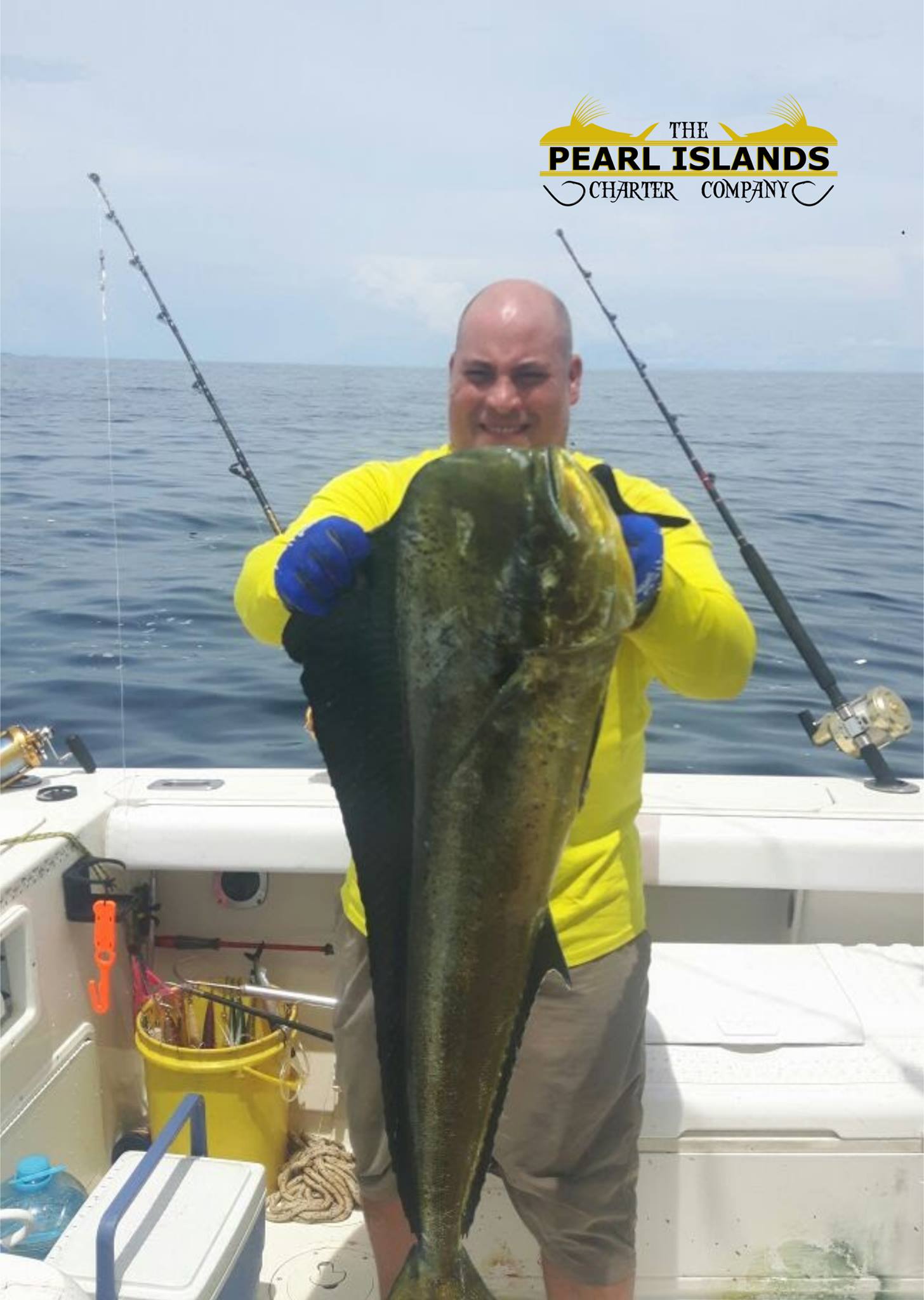
Mahi mahi bring a different kind of excitement to the table — they're the acrobats of the offshore world. These fish don't just fight, they put on a show, launching themselves clear out of the water in a series of gill-rattling jumps that'll have everyone on deck scrambling for cameras. They school up around floating debris and temperature breaks, often in groups that can keep multiple rods bent at once. The bulls can push 40 pounds and show colors that shift from brilliant green to electric yellow as they battle. What anglers love most about mahi is their willingness to eat — they're aggressive feeders that'll smash trolled baits and won't hesitate to grab a well-presented jig.
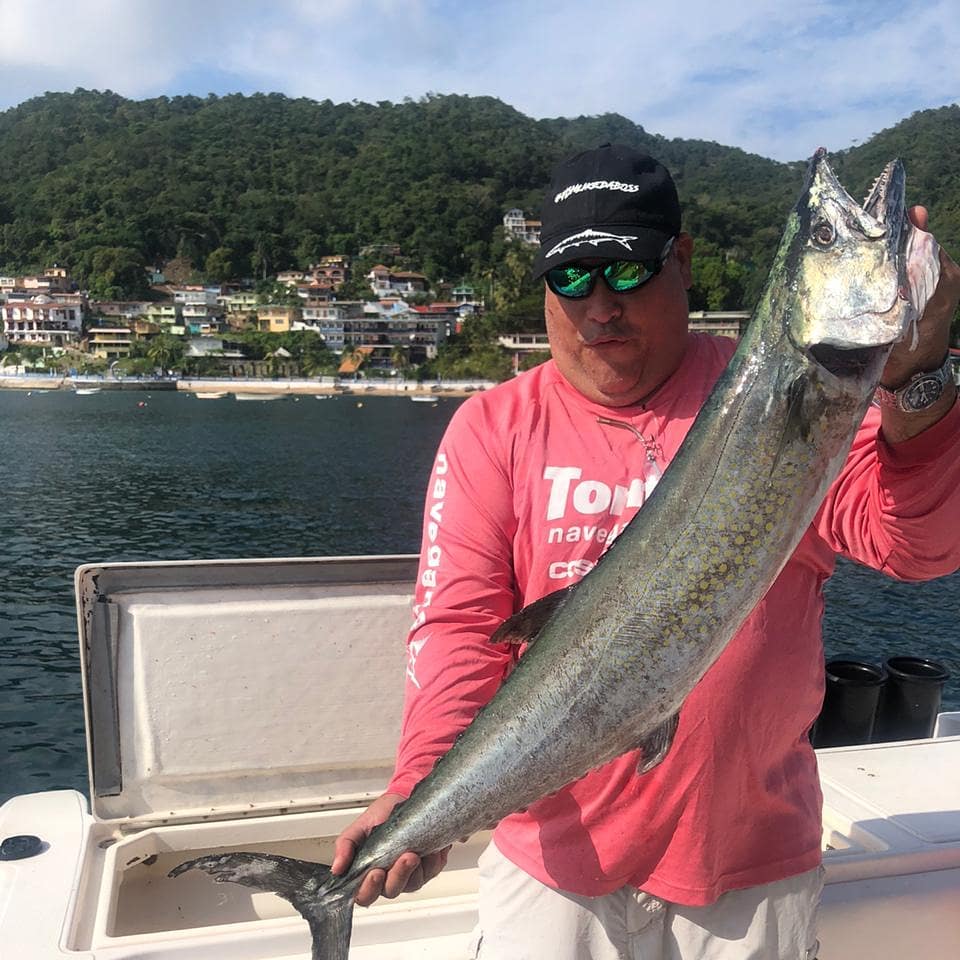
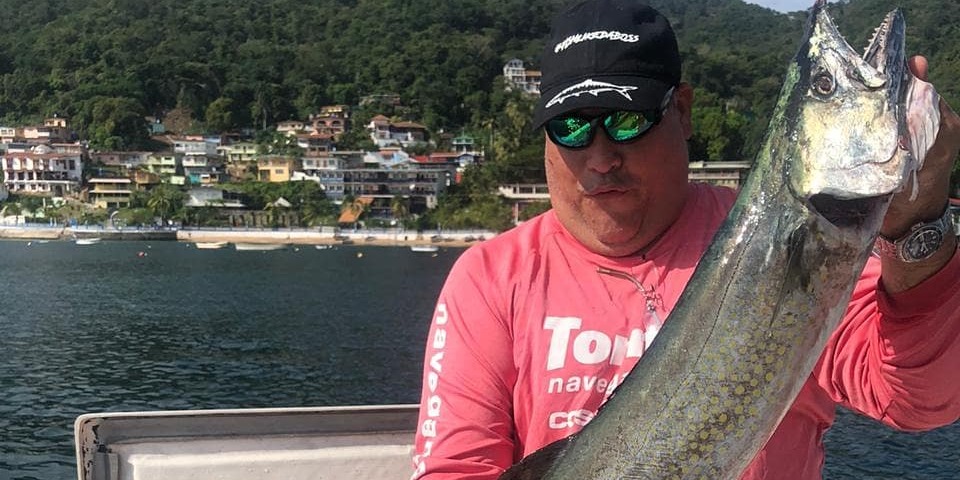
Wahoo are the speed demons of the deep, capable of hitting trolled lures at 40+ mph and making runs that'll smoke your reel if you're not ready. These fish are built for speed, with razor-sharp teeth and a torpedo-shaped body that cuts through water like a missile. They're ambush predators, often striking without warning and testing your reflexes as much as your tackle. The key to wahoo fishing is covering water and keeping your lures moving fast — they rarely give you a second chance if your presentation isn't right the first time.
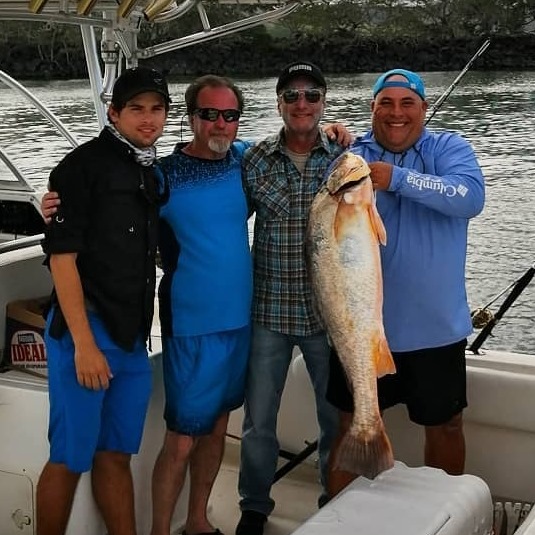
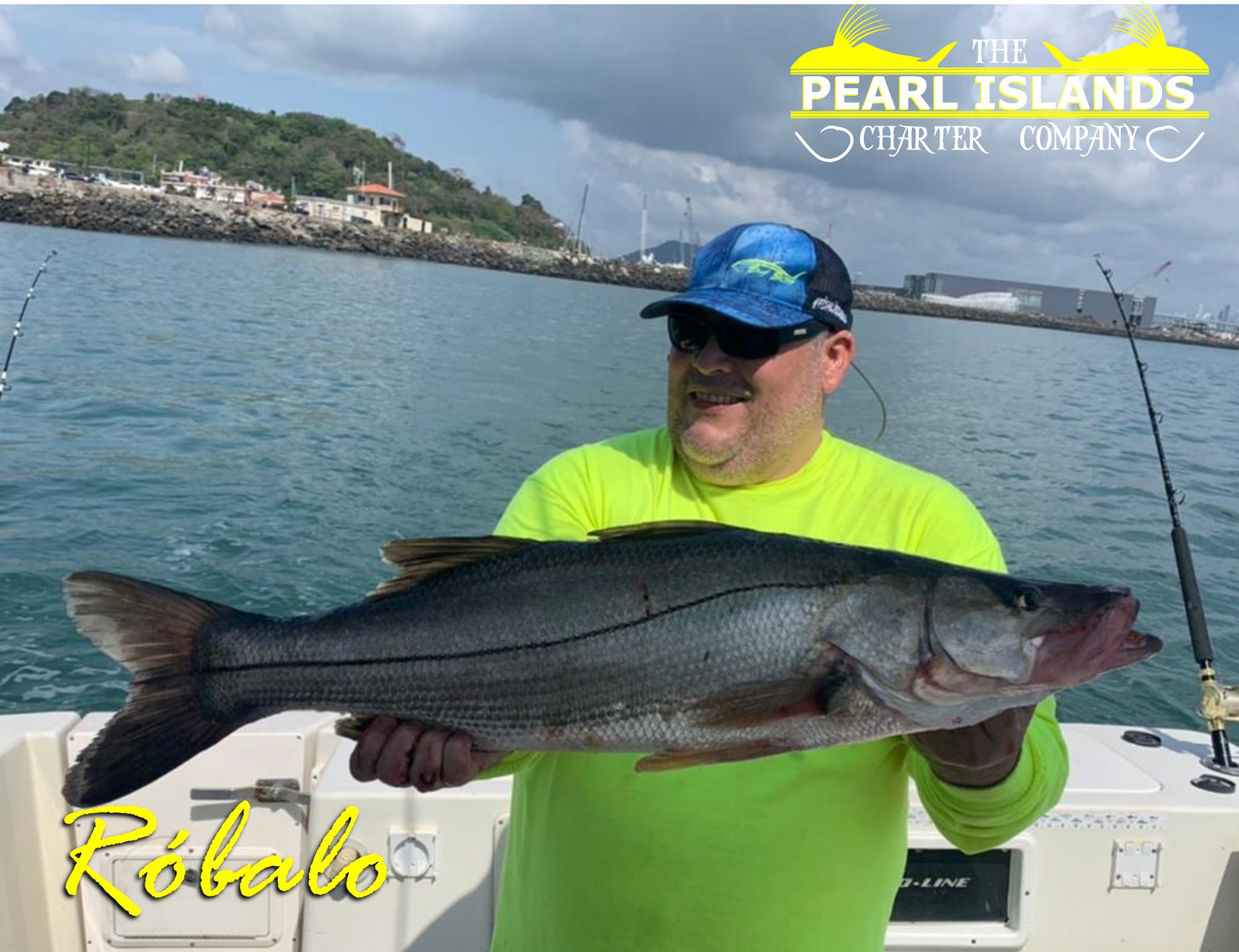
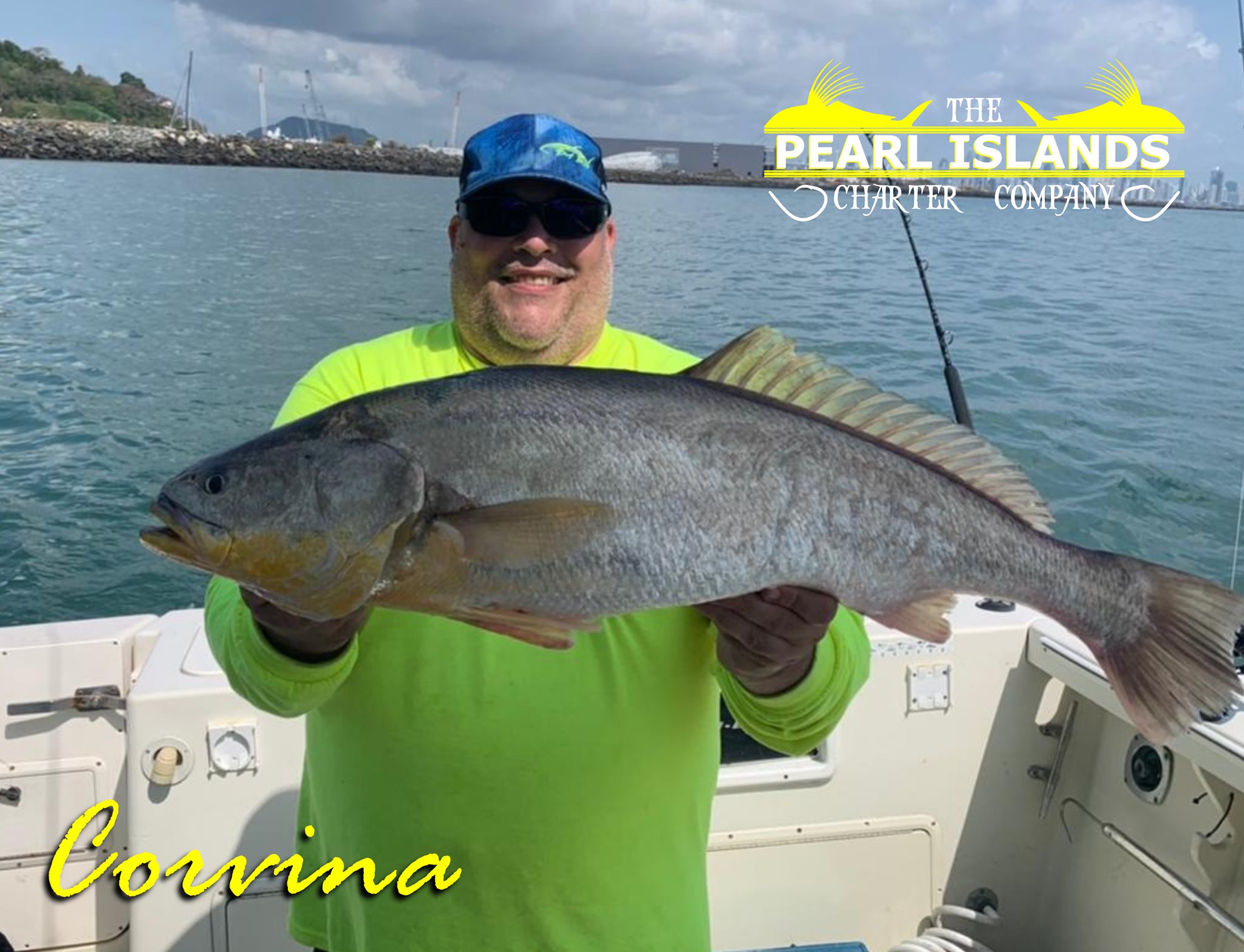
When it comes to bottom fishing, red snapper are the customer favorite for good reason. These deep-water fighters combine strong, steady pulls with excellent table fare that has your mouth watering before you even get back to the dock. They're structure-oriented fish, holding tight to rocks, wrecks, and ledges where they can ambush smaller fish. The challenge with snapper isn't just hooking them — it's getting them away from the rocks before they cut you off. A big cubera snapper can weigh over 30 pounds and has the power to break you off if you're not aggressive enough on the hookset.
 Private Trip
 Offshore Fishing
 Panama City
 9-hour offshore fishing adventure in Pearl Islands archipelago