6 HR River Fishing Trip on the Muskegon River
If you're looking for a serious day on the water, Captain Nate's 6-hour Muskegon River fishing adventure delivers everything an angler could want. This isn't just another fishing trip – it's a full day of working some of Michigan's most productive river water with a guide who knows every bend, every hole, and every spot where fish like to hide. The Muskegon River has earned its reputation as one of West Michigan's top fishing destinations, and this extended trip gives you the time to really explore what makes this waterway so special. You'll have access to top-quality tackle, enjoy a hot snack prepared right on the boat, and fish alongside a captain who's dedicated his life to these waters. With space for just two guests, this trip stays personal and focused – no crowds, no rushing, just you, your fishing partner, and six solid hours of angling action.
What to Expect on the Water
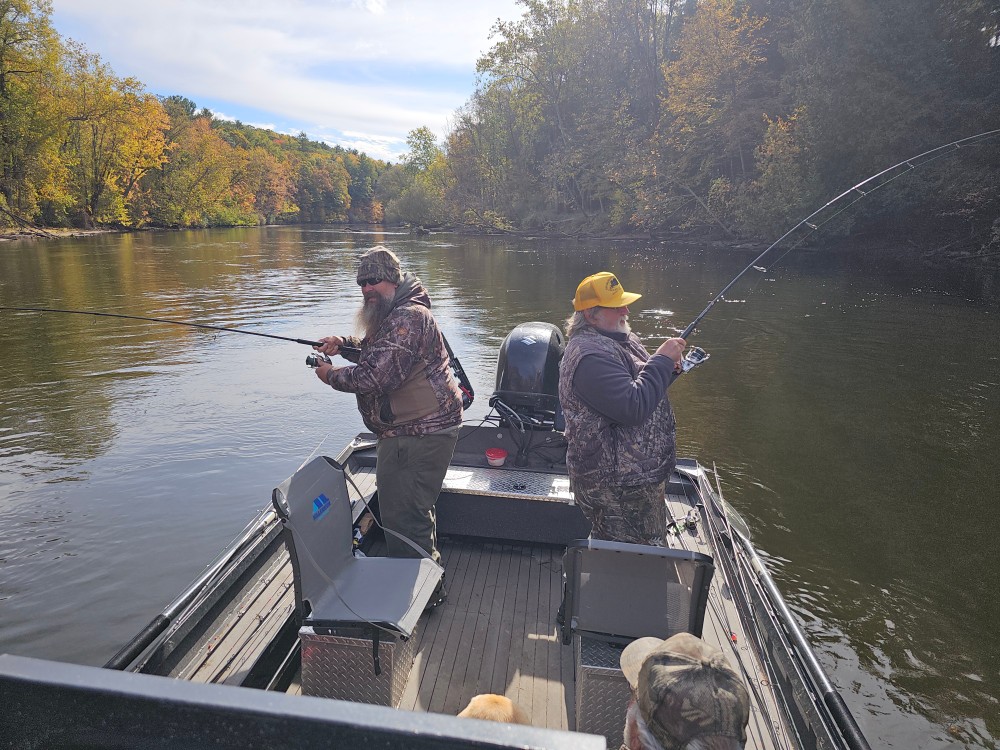
The Muskegon River stretches over 200 miles through Michigan's heartland, but Captain Nate focuses on the sections that consistently produce fish. This isn't a leisurely float – it's a working trip designed to put you on active fish throughout the day. The river's diverse structure means you'll encounter everything from deep pools where big fish hold to shallow runs perfect for sight fishing. The flow varies with the season, creating different opportunities as the year progresses. Spring brings high water and aggressive fish moving into spawning areas. Summer offers stable flows and consistent action in the deeper holes. Fall fishing can be spectacular as fish feed heavily before winter. Captain Nate reads these conditions like a book, adjusting techniques and locations based on what the river's telling him each day. The boat is set up for serious fishing – comfortable seating, plenty of rod storage, and all the gear you need to handle whatever the river throws at you. That hot snack isn't just about keeping hunger at bay; it's about maintaining energy for six hours of active fishing. When fish are biting, you don't want to stop, and when they're not, you need fuel to keep working for them.
Techniques & River Know-How
River fishing demands a different skill set than lake angling, and the Muskegon River has its own personality that Captain Nate has spent years learning to read. You'll work with a variety of techniques depending on conditions and target species. Drift fishing with natural baits lets you cover water efficiently while keeping presentations natural. Casting jigs and soft plastics into structure requires precision and feel – you're working around fallen trees, undercut banks, and rocky areas where fish ambush prey. Trolling certain sections allows you to search for active fish while covering miles of river. The tackle provided includes everything from light spinning gear for finesse presentations to heavier rods capable of handling big fish in current. Reading the water becomes second nature with Captain Nate's guidance – he'll point out the subtle current breaks, color changes, and structural elements that hold fish. You'll learn to identify feeding lanes where fish position themselves to intercept food washing downstream. The boat positioning is crucial; Captain Nate knows exactly where to anchor or drift to give you the best shot at every spot. River safety is always a priority – the current demands respect, and weather can change conditions quickly. Captain Nate monitors everything from water levels to wind direction, ensuring you're fishing effectively while staying safe throughout the day.
Target Species Breakdown
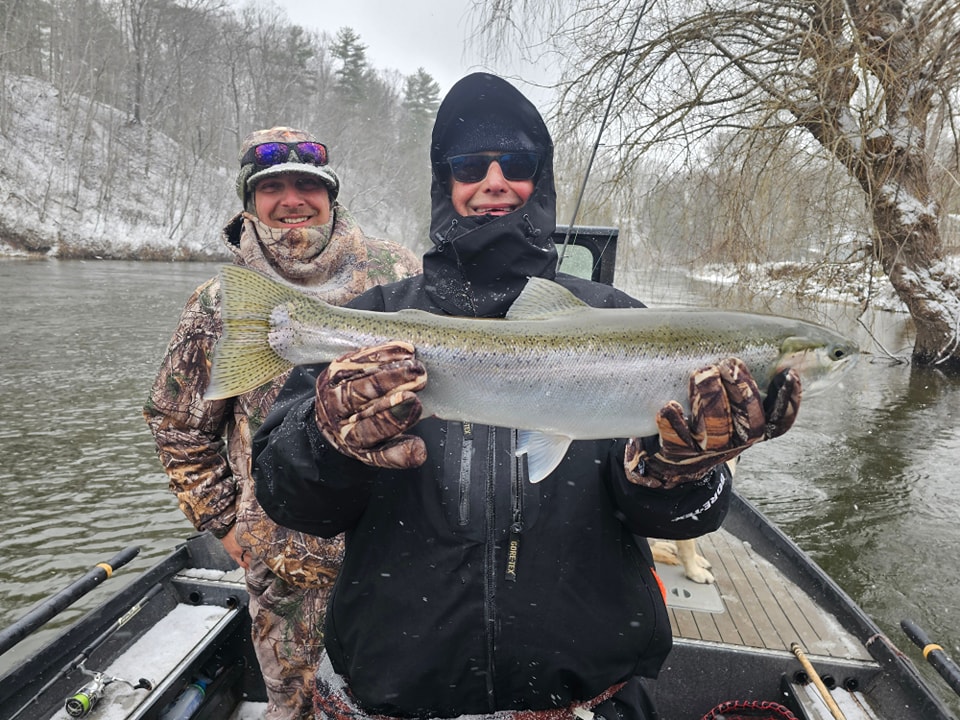
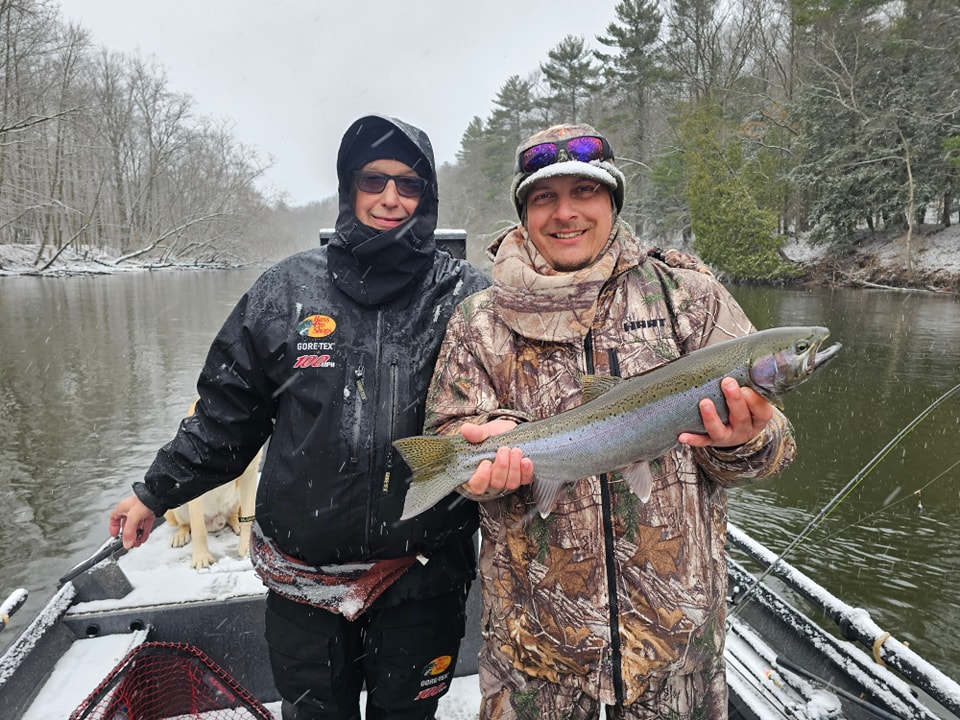
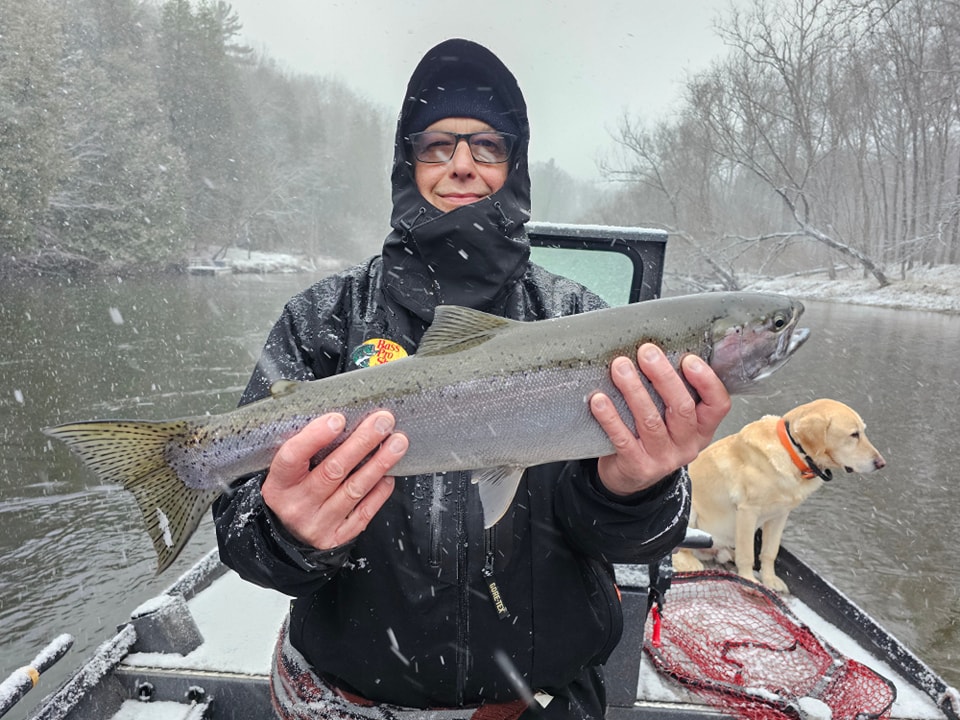
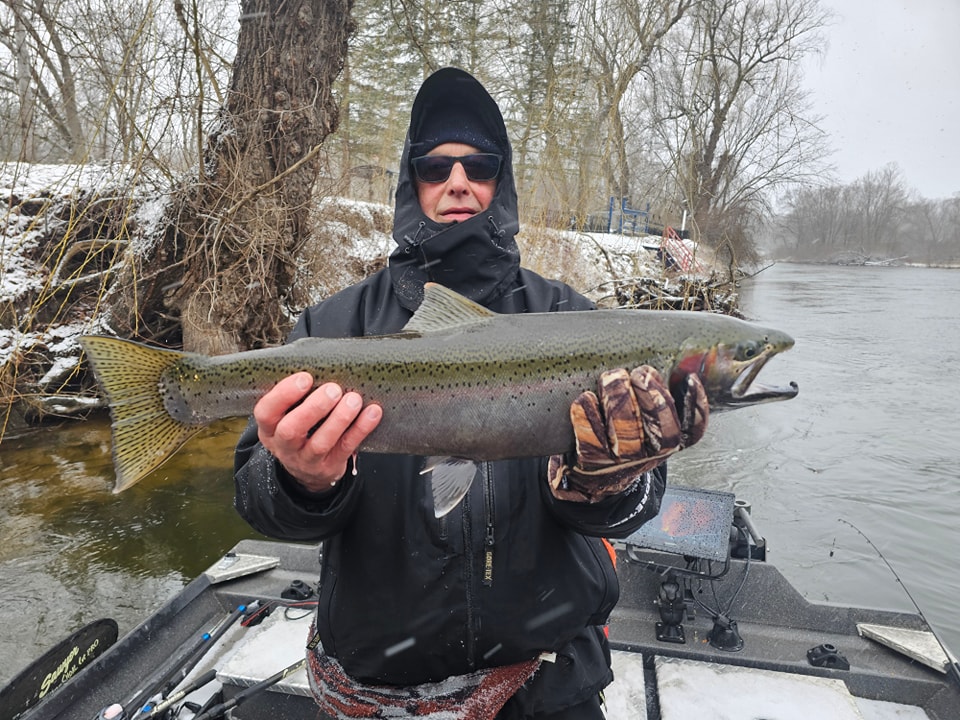
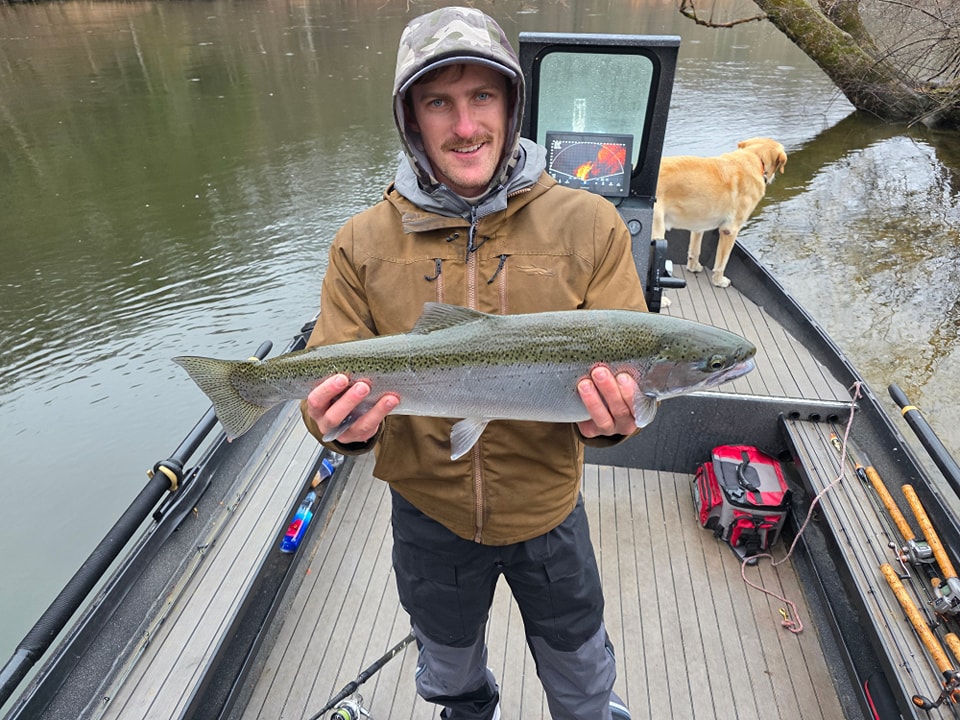
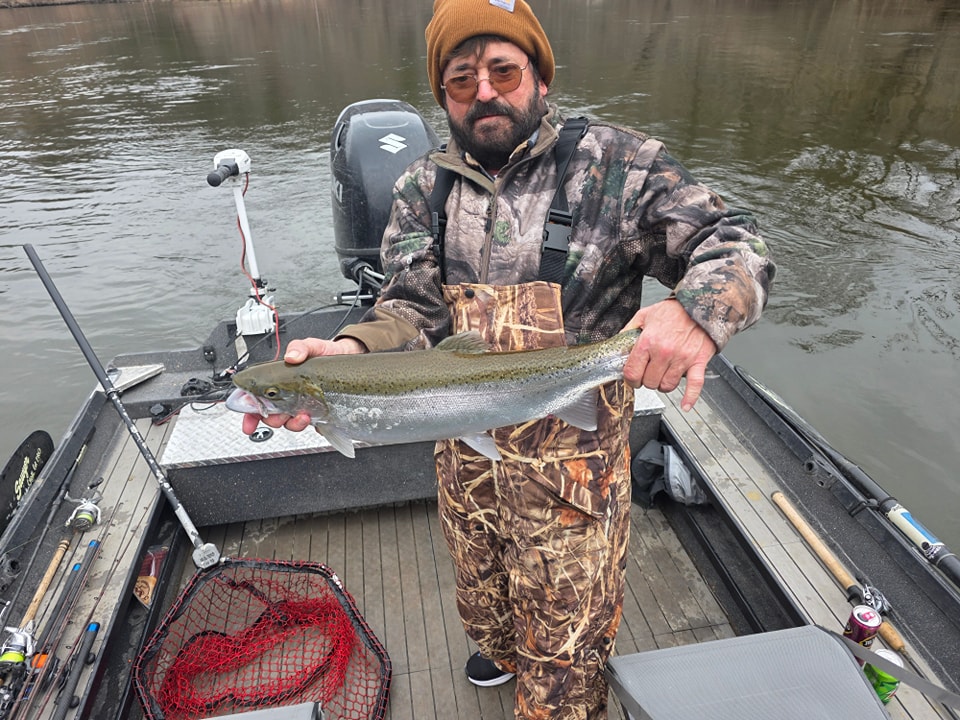
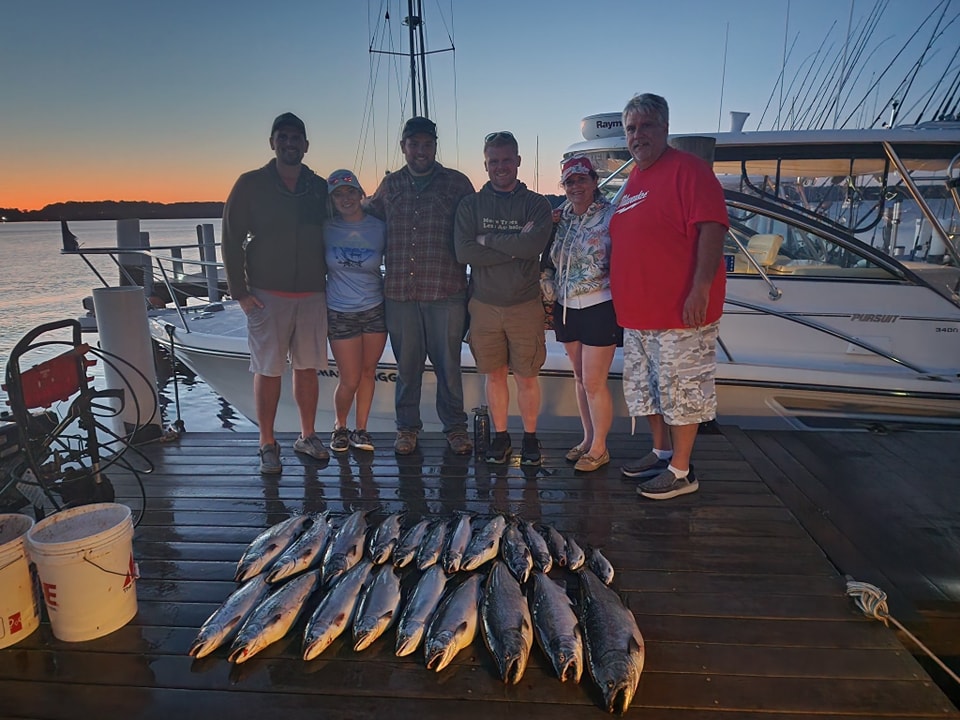
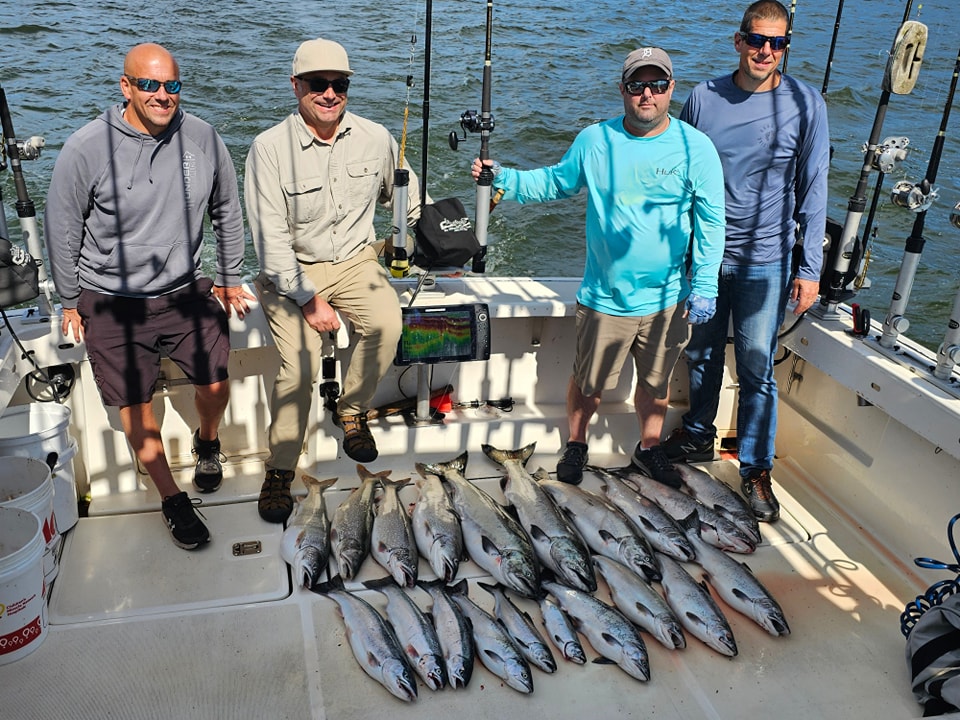
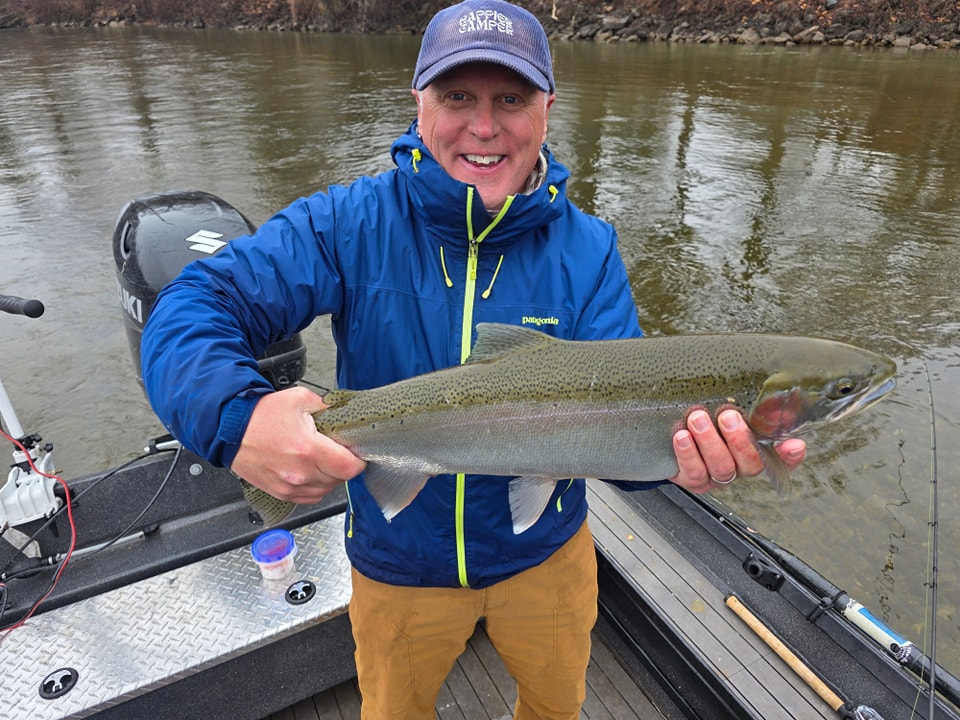
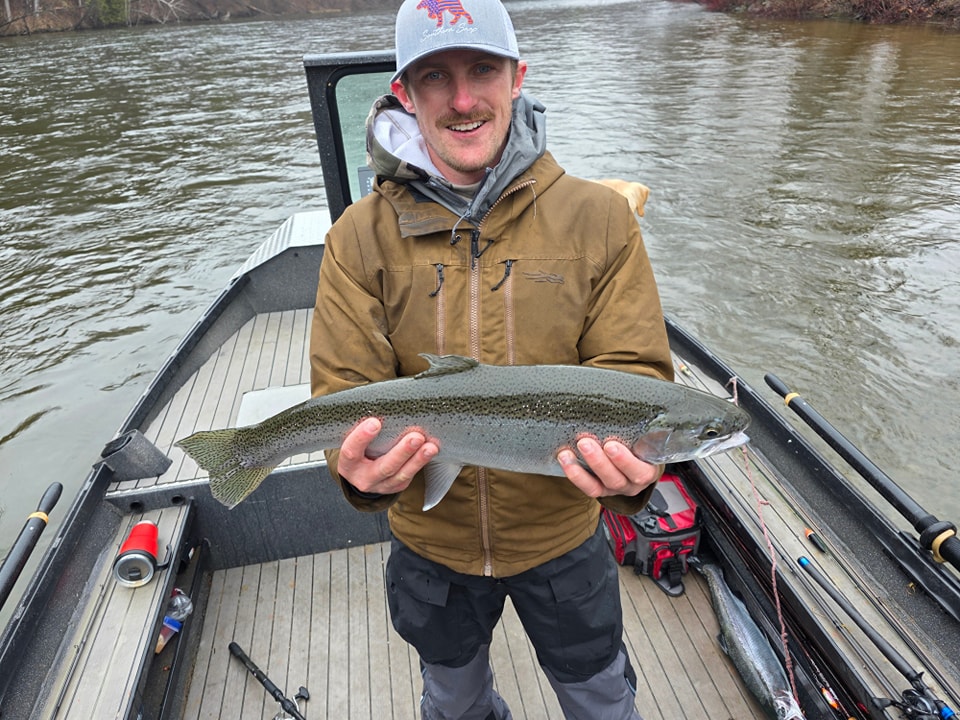
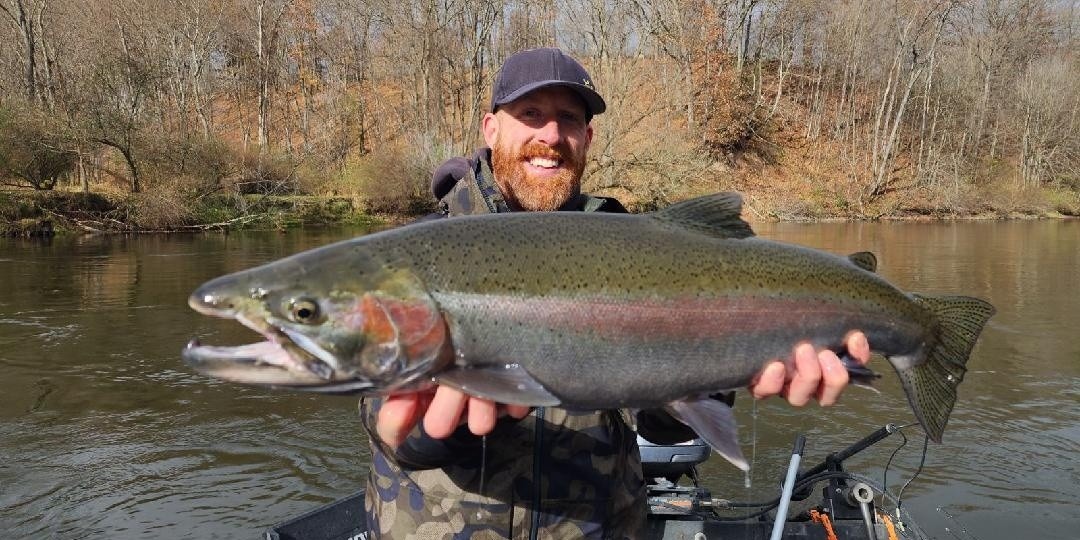
The Muskegon River system supports an incredible variety of fish species, making every cast an adventure in anticipation. Steelhead are the crown jewel of the river, with these chrome-bright Great Lakes trout entering the system in multiple runs throughout the year. Fall steelhead start showing up in September and October, fresh from Lake Michigan and full of fight. Spring brings another wave of fish, often in peak condition after feeding heavily in the big lake all winter. These fish average 6-8 pounds but can push into double digits, and their aerial displays and powerful runs make them a favorite among serious anglers. They're moody fish that require patience and skill – one day they'll hit bright spoons aggressively, the next they want a dead-drifted egg pattern presented with surgical precision. Salmon runs create some of the most exciting fishing of the year, typically peaking in September and October. Chinook salmon, locally called "kings," can exceed 20 pounds and provide the kind of fights that test both angler and equipment. Coho salmon are smaller but incredibly acrobatic, often jumping repeatedly when hooked. These fish are on a mission when they enter the river, but hungry ones will still strike well-presented lures and baits.
Northern pike lurk in the slower sections and backwater areas, ambushing prey with explosive strikes that can catch you off guard. These toothy predators love flashy spoons and large soft plastics, and a good pike will test your drag system with powerful runs toward cover. Smallmouth bass thrive in the river's rocky areas and current breaks, offering consistent action when salmon and steelhead fishing slows down. Pound-for-pound, smallmouth might be the strongest fighters in the river, using the current to amplify their legendary fight. Walleye patrol the deeper holes and are especially active during low-light periods, making them perfect targets for early morning and evening fishing. The river also holds surprises – catfish in the lower reaches, white perch that school up in certain areas, and the occasional muskie that will follow your lure back to the boat. Captain Nate knows the seasonal patterns of each species and adjusts tactics accordingly, ensuring you're always fishing for the most active species available during your trip.
Why Anglers Keep Coming Back
The Muskegon River delivers the kind of fishing memories that keep you planning your next trip before the current one ends. It's the variety that hooks most anglers – you might start the morning working steelhead in a deep pool, switch to casting for smallmouth over rocky structure at midday, and finish the evening drifting for walleye as the light fades. The scenery changes constantly as you
 Private Trip
 River Fishing
 Michigan
 Full 6-hour guided fishing adventure on Muskegon River