Complete Guide to Hunting in Texas, Licenses, Rules, and Seasons
Everything you need to know about hunting in Texas, including license requirements, fees, hunting seasons, permits, game species, and safety tips.
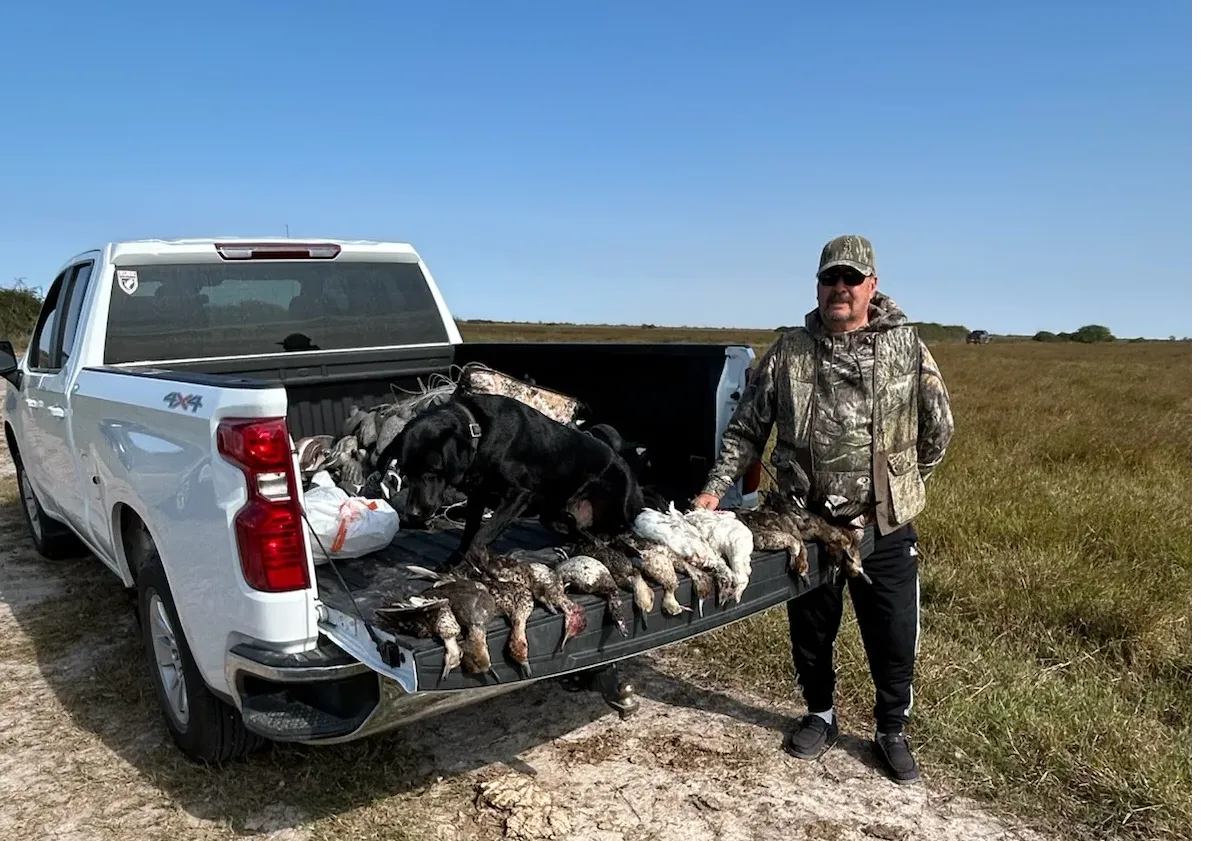


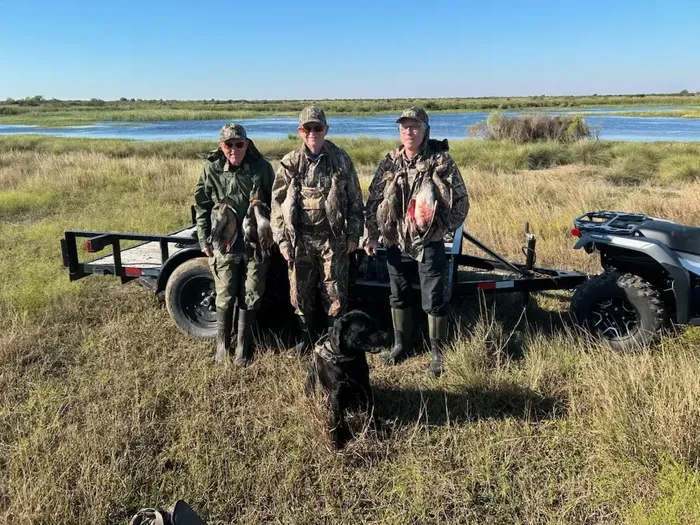
Wide-open landscapes, early morning starts, and the thrill of spotting game in its natural habitat. Hunting in Texas offers all this and plenty more.
Whether you're hoping to bring home a white-tailed deer, head out for a duck hunt, or test your skills at upland bird hunting, there's no shortage of opportunities across the state. From the wooded East Texas region to the open grasslands of the Panhandle, each area offers a different hunting experience.
But before you pack your gear and head out, there are a few things to sort out. You'll need the right Texas hunting license, an understanding of seasonal regulations, and any additional permits required for your chosen game. Here's what you need to know to plan your hunt.
Texas Hunting License Requirements for Residents and Visitors
Hunting in Texas is quite popular, owing to the state's large wildlife cover and diverse landscapes. If you want to join in on the fun, you must start by securing a Texas hunting license first. And for that, you'll need to understand the state's hunting license requirements.
The Texas Parks and Wildlife Department (TPWD) requires hunters to purchase a valid hunting license before pursuing wildlife in Texas. However, certain exemptions apply, depending on the hunter's age, the type of game, and whether they're hunting on private property.
Some hunting activities also call for additional endorsements, permits, or certifications. Let's take a look at who needs a Texas hunting license and which exceptions apply.
1. Texas Hunting License for Residents
If you’re a Texas resident, you’ll need a resident hunting license before hunting wildlife in the state, unless you qualify for a specific exemption.
TPWD generally considers you a resident if you’ve lived in Texas continuously for more than six months before applying. Active-duty U.S. military members and their dependents also qualify under the state’s residency rules.
Residents can choose one of the following Texas hunting licenses based on their age:
Adult hunters: If you’re between the ages of 17 to 64, you’ll need to apply for the standard Resident Hunting License, which costs $25.
Senior hunters: Residents 65 and older can get the Senior Resident Hunting License at a reduced fee of $7.
Young hunters: Residents under 17 can purchase a Youth Hunting License that also costs $7.
Each license has its own conditions, and depending on the species you’re after, you may need additional endorsements or permits.
2. Texas Hunting License for Non-Residents
If you live outside Texas but want to hunt there, you’ll need a non-resident hunting license. TPWD offers a few options for visitors, including annual and short-term licenses.
But if you're a non-resident, the hunting license in Texas depends on which hunting game you wish to pursue, with the exception of hunters below the age of 17.
General hunting ($315): The Non-resident General Hunting License covers legal game animals and birds, including white-tailed deer and mule deer. It will run you $315.
Short trips ($48): The Non-resident Special 5-Day Small Game/Exotic Hunting License covers eligible small game, exotic animals, and certain game birds. It costs $48 and is valid for five consecutive dates. It doesn’t cover deer, wild turkey, alligators, pronghorn, or bighorn sheep.
Young hunters ($7): Non-residents under 17 can also buy a Youth Hunting License for $7. Keep in mind, though, that they can’t swap in the short-term small game license when hunting species that require the general non-resident license.
3. Do Children Need a Hunting License in Texas?
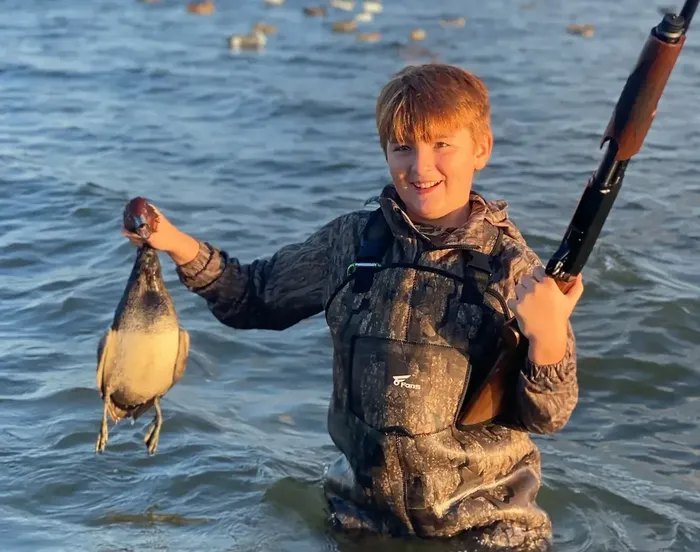
The Youth Hunting License costs $7 and exempts holders from most state hunting endorsement requirements, though a few exceptions apply.
Young hunters must also meet the state's hunter education requirements. Those who haven't completed the training must hunt under the supervision of a licensed adult who meets the applicable requirements. The Youth Hunting License exempts holders from most state hunting endorsement requirements, which are additional authorizations for specific hunting activities, such as upland bird or migratory game bird hunting. However, a few exceptions apply:
Reptile and Amphibian Endorsement: Young hunters must purchase this endorsement when their hunting activity requires it.
HIP Certification: Hunters who pursue migratory game birds must add Harvest Information Program (HIP) certification to their license.
One useful detail: The endorsement exemptions remain valid for the entire license year, even if the hunter turns 17 after purchasing the license.
4. Exemptions to Texas Hunting License Requirements
While there are a few exemptions for the Texas hunting license, keep in mind that owning land or having permission to hunt on private property doesn’t automatically exempt you from needing a license.
Here are the main exceptions:
Feral hog hunting on private property: You can hunt feral hogs without a hunting license if you own the property or have the landowner’s permission.
Depredating coyotes: No hunting license is needed to take coyotes that are attacking, threatening, or have recently attacked livestock, domestic animals, or fowl.
Certain trapping activities: A valid resident trapper’s license or fur-bearing animal propagation permit can cover specific activities without a separate general hunting license. I couldn’t confirm the trapper’s license fee, so you’ll want to check TPWD’s fee schedule for that one.
These exemptions apply only to the activities and circumstances Texas law specifies. If you’re hunting other game species on private property, you’ll likely still need a hunting license.
Licenses run on a September 1 to August 31 cycle, so double-check TPWD’s Outdoor Annual before publishing in case fees change.
Once you know which license fits your situation, the next question is what kind of hunt you want to plan. Texas offers everything from guided whitetail hunts to weekend exotic and feral hog trips, and your choice affects both your budget and the license you’ll need. Let’s look at the main options.
Types of Hunting Trips in Texas
Texas offers plenty of ways to hunt, depending on the game you're after, the terrain you want to explore, and the techniques you prefer. You can track deer through wooded country, wait for wild boar near a feeding area, glide through wetlands by airboat, or walk open fields in search of quail.
Some trips are built around a particular species, while others revolve around the method you use. Knowing the difference can help you pick an experience that fits your interests, skill level, and goals.
Here are the different types of hunting trips you can explore in Texas.
1. Active Hunting
Active hunting means moving through a hunting area to find and pursue game, rather than waiting in one spot. You might walk through wooded terrain, follow animal tracks, scan open grasslands, or travel along established game trails.
One popular approach is spot-and-stalk hunting. You locate an animal from a distance, study how it moves, and then approach carefully until you're in a good position. Hunters in Texas often use this technique for white-tailed deer, mule deer, and feral hogs.
Active hunting takes stamina, patience, and a good read on animal behavior. You'll also want sturdy footwear, binoculars, weather-appropriate clothing, and navigation equipment, especially on large or unfamiliar properties.
2. Big Game Hunting
Big game hunting targets larger animals and usually involves scouting, careful planning, and specialized gear. Texas has plenty of opportunities here, and white-tailed deer draw hunters from all over the country.
Some big game hunting animals you can pursue are:
White-tailed deer: Found throughout Texas, particularly in the Hill Country, South Texas, and the Edwards Plateau.
Mule deer: Mostly in the Trans-Pecos region and parts of the Panhandle.
Pronghorn: Found in the open grasslands and plains of West Texas.
Javelina: Common in South and West Texas, especially in brushy, semi-arid habitats.
3. Small Game Hunting
Small game hunting offers a different pace from big game. You'll typically be covering shorter distances, explore wooded or brushy habitats, and look for smaller mammals.
In Texas, common small game species include:
Squirrels: Eastern gray and fox squirrels live in wooded areas, especially in East Texas.
Cottontail rabbits: Commonly found across grasslands, brush country, and agricultural areas.
Swamp rabbits: They prefer wetlands and areas with dense vegetation.
Black-tailed jackrabbits: Can be found in open grasslands and semi-arid regions, particularly in West Texas.
Hunters often use shotguns or small-caliber rifles, depending on the species and local regulations for small game hunting. It's also a great way for beginners to build field awareness, practice animal identification, and get comfortable handling hunting equipment.
4. Hunting From Blinds
Hunting from a blind refers to waiting in a concealed spot while game moves through the area. You choose a good position and let the animals come to you. Texas hunters commonly use ground blinds and elevated blinds for deer and feral hogs, often placing them near feeding areas, water sources, or established game trails.
A blind helps hide your movement and reduce your visibility, especially in open terrain. You'll still need to think about wind direction, noise, scent, and how an animal is likely to approach. This style suits hunters who prefer a stationary experience or want to observe wildlife before taking a shot.
Expert advice: Make sure to check property-specific rules before setting up a blind, especially on public hunting land.
5. Airboat Hunts
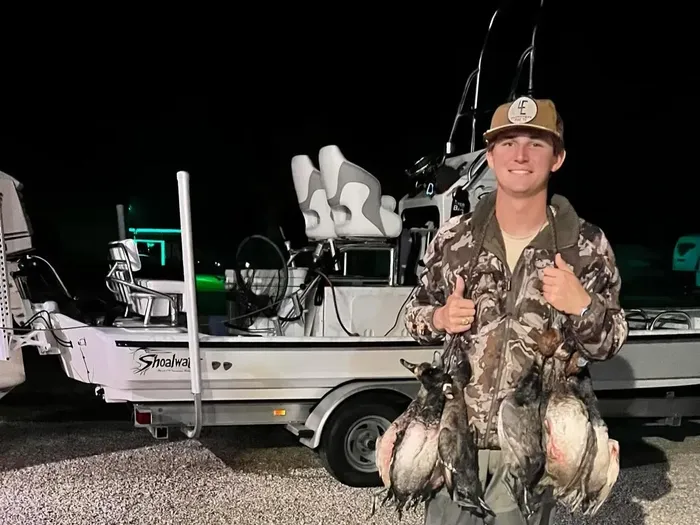
Airboat hunts give you access to shallow waterways, marshes, and wetlands that conventional boats can't easily navigate. These boats use large propellers to move across shallow water and through dense aquatic vegetation.
Airboats can help hunters reach remote wetland habitats, especially along the Gulf Coast and in other marshland areas. Texas allows hunters to pursue non-migratory animals and game birds from an airboat on private property or private water, provided they meet the applicable legal requirements. However, this exception does not cover migratory waterfowl, such as ducks and geese. Public hunting areas may also restrict airboat use, so check the rules for your chosen location before planning a trip.
6. Bird Hunting
With so many game birds, Texas is a popular destination for upland and migratory bird hunting. The state's grasslands, agricultural fields, wetlands, and coastal habitats support different species throughout the year.
There are two main types of bird hunting to consider:
Upland Bird Hunting
Upland bird hunting involves walking through grasslands, brush, and agricultural fields to locate birds. Hunters often work with trained dogs to flush birds from cover.
Popular species for upland bird hunting include:
Northern bobwhite quail
Scaled quail
Rio Grande wild turkey
Chachalaca
Waterfowl Hunting
Waterfowl hunting focuses on ducks and geese that migrate through winter in Texas. Hunters typically use decoys, camouflage, and concealed positions near wetlands, lakes, and coastal marshes to catch them.
Common targets for waterfowl hunting include:
Mallards
Gadwalls
Blue-winged teal
Redheads
Snow geese
Canada geese
Waterfowl hunters must follow the season dates and bag limits for each species. Before heading out, make sure your hunting license includes the required migratory game bird endorsement and that you complete HIP (Harvest Information Program) certification. Hunters aged 16 and older must also carry a Federal Duck Stamp when hunting migratory waterfowl, such as ducks and geese.
7. Wild Boar Hunting
Wild boar hunting, commonly called feral hog hunting in Texas, is available year-round and attracts hunters from all over. Feral hogs live across much of the state and adapt to many environments, including woods, agricultural fields, grasslands, and wetlands.
You can pursue them in several ways:
Spot and stalk: Move through suitable habitat, look for signs of hog activity, and approach carefully.
Blind hunting: Wait near feeding areas, water sources, or established hog trails.
Night hunting: Some private properties and guided trips offer nighttime hunts using specialized equipment, subject to applicable regulations.
Feral hogs can damage crops, native habitats, and private property, which creates real challenges for landowners and wildlife managers. That makes hog hunting an important part of population control efforts in Texas.
Texas generally allows year-round feral hog hunting on private property, subject to applicable laws. You can hunt them without a hunting license if you own the property or have the landowner's permission.
Public hunting lands follow separate rules, so don't forget to check the regulations for your location before heading out.
8. Archery Hunting
If you're interested in hunting without a firearm, archery hunting lets you pursue game using bows, crossbows, and arrows. It requires a different approach, with an emphasis on shot placement, range, and choosing the right equipment for your target species.
Texas hunters can use several types of archery equipment:
Compound bows: A pulley and cable system that reduces the force needed to hold a fully drawn bow.
Recurve bows: Curved limbs that store and release energy when you draw and release the string.
Longbows: A traditional design with a simple, long bow structure.
Crossbows: A bow mounted on a stock that allows you to hold it in the drawn position mechanically
Hunters commonly use archery equipment for white-tailed deer, mule deer, and other eligible game. Texas also has designated archery-only seasons for certain species and locations.
9. Predator Hunting
Predator hunting focuses on animals that prey on other wildlife or livestock. In Texas, coyotes and bobcats are among the species hunters commonly pursue.
Unlike deer or waterfowl hunting, predator hunting often relies on calling. Hunters use electronic or mouth-operated calls that imitate prey sounds to draw animals within range.
Some common approaches include:
Calling: Use sounds that mimic distressed prey or animal communication to attract predators.
Spot and stalk: Locate animals from a distance and approach without drawing attention.
Night hunting: Use permitted night-vision or thermal equipment where regulations allow.
Predator hunting calls for a solid understanding of animal behavior, the right equipment, and careful target identification. Check TPWD regulations before you go, since different species can have different legal classifications, seasons, and requirements.
Texas Hunting Seasons and Regulations
Texas hunting seasons vary by species, location, and hunting method. Some animals have statewide seasons, while others follow separate dates for different counties or hunting zones. Before planning a trip, make sure to check the season dates for your target species and confirm that your chosen hunting location falls within the open season.
Hunting Seasons by Species
The TPWD publishes annual hunting season dates for game animals, upland game birds, migratory game birds, and other wildlife. Here are a few species from the 2026–27 season:
Species | Hunting season | Area |
White-tailed deer | Nov. 7, 2026 – Jan. 3, 2027 | North zone |
White-tailed deer | Nov. 7, 2026 – Jan. 17, 2027 | South zone |
Mule deer | Nov. 21 – Dec. 6, 2026 | Panhandle |
Mule deer | Nov. 27 – Dec. 13, 2026 | Trans-Pecos |
Quail | Nov. 1, 2026 – Feb. 28, 2027 | Statewide |
Pheasant | Dec. 5, 2026 – Jan. 3, 2027 | Panhandle/South Plains |
Javelina | Oct. 1, 2026 – Feb. 28, 2027 | North zone |
Javelina | Sept. 1, 2026 – Aug. 31, 2027 | South zone |
Squirrel | Oct. 1, 2026 – Feb. 28, 2027; May 1–31, 2027 | East Texas |
Squirrel | Sept. 1, 2026 – Aug. 31, 2027 | Other open counties |
These dates provide a general idea of when you can hunt different species. However, seasons may vary by county, weapon type, and special hunting category. Always check the official TPWD season schedule before your trip.
Where Can You Hunt in Texas?
Texas offers hunting opportunities on public and private land. Your access options depend on the property, the species you want to hunt, and any permits or permissions you need.
Public Hunting Land
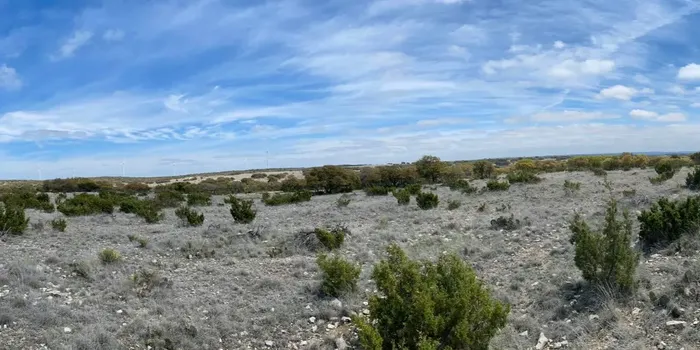
The TPWD Public Hunting Program provides access to more than a million acres of public hunting land across Texas.
These areas include wildlife management areas, state parks, and properties leased from private landowners and other agencies. The Annual Public Hunting (APH) Permit allows hunters to access designated public hunting areas across Texas. For the 2026–27 season, it costs $48 and provides access to more than 180 hunting areas, where hunters can pursue species such as deer, feral hogs, dove, quail, turkey, waterfowl, rabbits, and squirrels, depending on the area's regulations and available hunting opportunities.
You will also need a valid hunting license and any required endorsements. Some properties require special permits, drawings, or check-in procedures.
Private Hunting Land
Private land offers access to hunting areas that landowners manage for wildlife, agriculture, recreation, or other purposes. You can hunt on private property if you own the land or receive permission from the landowner.
Some landowners offer hunting leases, allowing hunters to pay for access during a specified period or season. Others work with hunting guides who organize trips and provide access to suitable hunting grounds.
Before booking or entering private land, confirm the access arrangements, hunting rules, permitted species, fees, and any restrictions the landowner imposes.
Essential Hunting Gear Equipment, and Safety
Your hunting equipment will depend on the species, terrain, season, and hunting method. However, most trips require a few basic items.
Firearm or archery equipment: Choose equipment suitable for your target species and legal under Texas regulations.
Ammunition or arrows: Carry the appropriate ammunition or arrows for your equipment and hunting activity.
Hunting clothing: Wear weather-appropriate layers, suitable footwear, and camouflage when appropriate. Hunters on public land may also need hunter-orange clothing.
Binoculars: Use binoculars to identify and observe animals from a distance without approaching them unnecessarily.
Navigation equipment: Carry a GPS device, compass, or downloaded maps, especially when hunting in unfamiliar terrain.
Backpack: Pack your essential supplies, water, food, extra clothing, and other equipment.
First-aid kit: Carry basic medical supplies for minor injuries and emergencies.
Game handling supplies: Depending on your hunt, you may need knives, gloves, bags, and equipment for transporting or processing harvested game.
Make sure your equipment works properly before the trip. Test your firearm or bow, check your batteries, and pack supplies according to the expected weather and duration of your hunt.
Hunting Safety Tips
Hunting requires careful handling of equipment, awareness of your surroundings, and preparation for changing conditions. Follow these basic safety practices:
Handle firearms responsibly: Keep the muzzle pointed in a safe direction and treat every firearm as loaded.
Identify your target: Confirm the species, its sex when applicable, and what lies beyond it before taking a shot.
Wear hunter orange when required: Public hunting lands have specific visibility requirements during daylight hours when firearm hunting is permitted.
Know your surroundings: Identify property boundaries, nearby roads, other hunters, and potential hazards.
Check the weather: Texas conditions can change quickly. Prepare for heat, rain, cold, and storms depending on the season.
Carry communication equipment: Keep a charged phone, radio, or other suitable communication device.
Avoid alcohol: Never hunt while under the influence of alcohol or drugs that impair your judgment.
Review the safety rules for your hunting method and location, particularly if you're hunting with firearms, using boats, or exploring unfamiliar land.
Final Thoughts
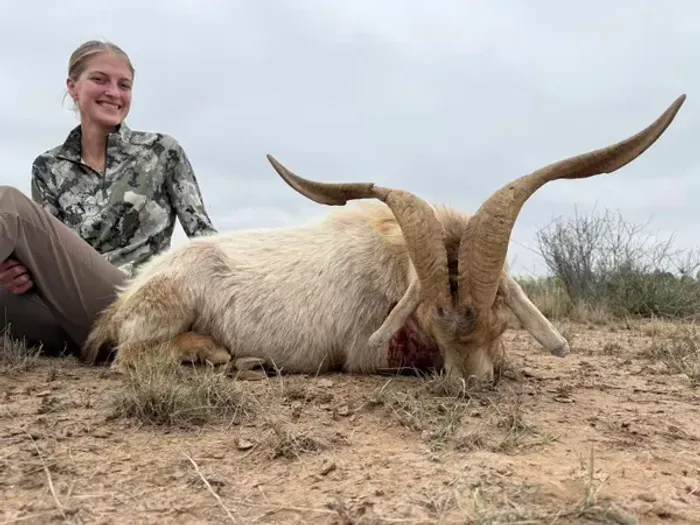
Hunting in Texas offers plenty of opportunities, whether you're interested in big game, small game, upland birds, waterfowl, or wild boar. But a successful trip starts well before you reach your hunting grounds.
You'll need to understand the licensing requirements, check the hunting seasons for your target species, secure legal access to hunting land, and prepare the equipment you'll need for the conditions.
If you're new to hunting, consider starting with a guided trip. An experienced guide can help you understand local hunting conditions, learn practical techniques, and navigate unfamiliar terrain. Even experienced hunters can benefit from researching a new hunting area before heading out.
Explore Texas hunting trips on Guidesly and start planning your next adventure.