How to Fish a Soft Hackle: Techniques, Rigs, and Water Conditions
Get the most from your next fishing trip. Learn soft hackle techniques, explore wet fly patterns, and avoid common mistakes before your next cast.
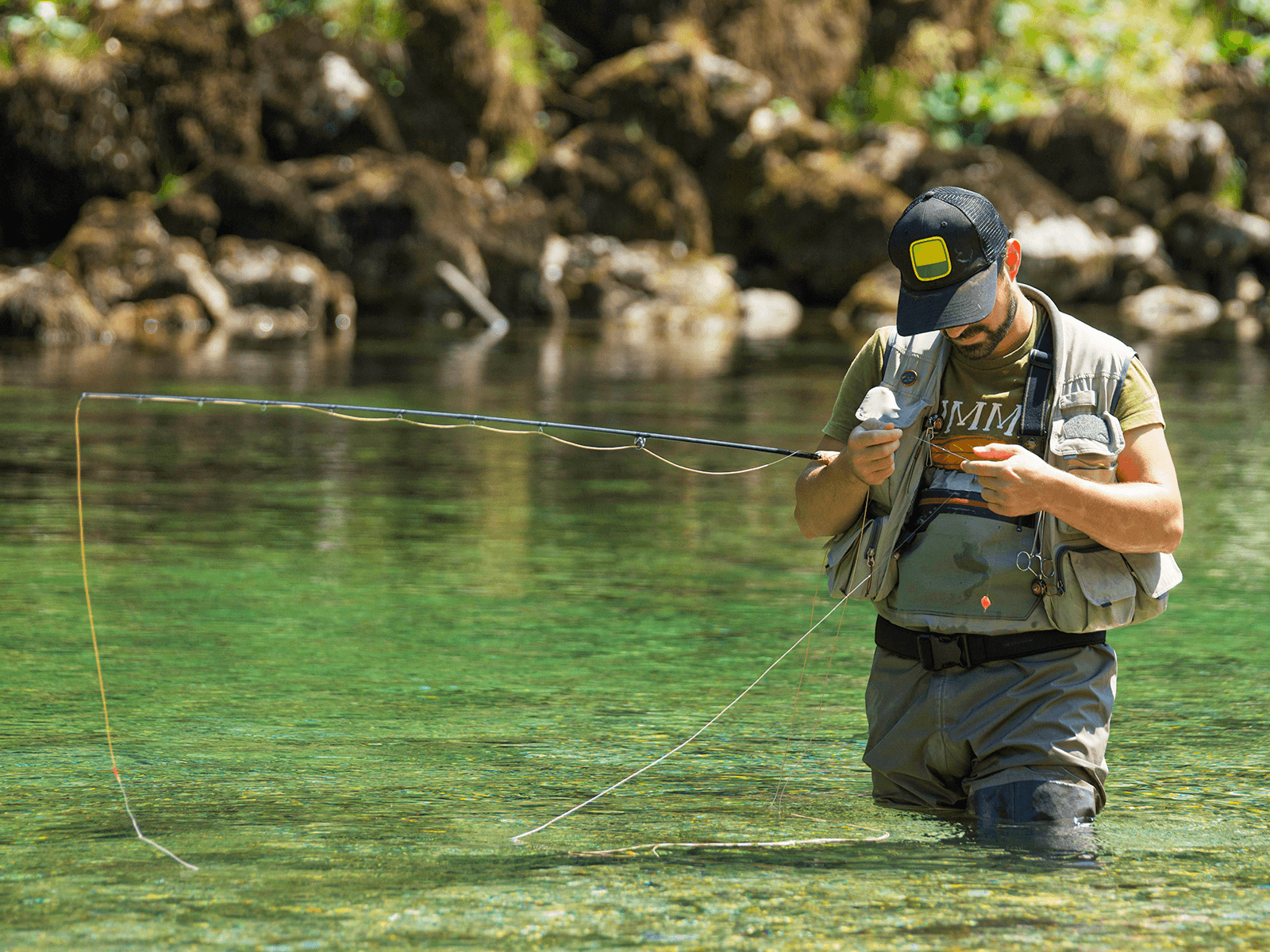


If you've ever watched a fly drift through a river and wondered how to make it look more natural, using a soft hackle is worth considering. These simple, feather-dressed flies move with the current, creating a subtle, lifelike presentation that can tempt fish feeding just beneath the surface. You don't need complicated gear or an elaborate setup to get started, either.
Soft hackles are a type of wet fly that can be fished in several ways, depending on the water and how fish are feeding. You can let one drift naturally with the current, swing it across a stream, or gently lift it toward the surface to imitate an emerging insect. These techniques work in different situations, from flowing rivers and small streams to stillwater where fish are feeding below the surface.
Whether you're working with wet flies for trout or exploring other species that feed on aquatic insects, understanding how to present a soft hackle makes a real difference. In this guide, we'll talk about how to choose the right fly, set up your tackle, and fish effective wet fly patterns, including the soft hackle pheasant tail. You'll also discover ways to adjust your presentation to match the current, water depth, and feeding activity.
1. What Is a Soft Hackle Fly?
A soft hackle is a fly pattern featuring soft, flexible feathers wrapped around the front of the hook, just behind the eye. These feathers form a collar that moves with the current, creating a lifelike appearance underwater.
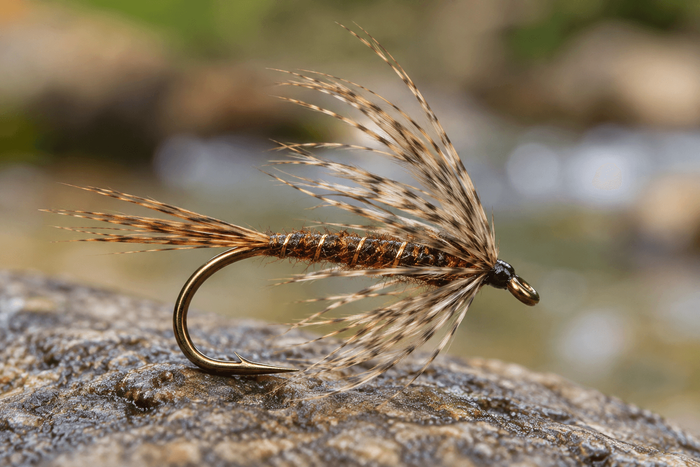
Unlike many dry flies, soft hackles are designed primarily for subsurface fishing. Their movement can suggest the legs, wings, or general motion of emerging aquatic insects.
Soft hackles are part of the wider category of wet flies, but not all wet flies are soft hackles. Traditional wet flies may have wings, fuller bodies, or other features that create a different silhouette in the water. Soft hackles typically have a simpler profile, with the feather collar providing much of their movement.
Many anglers use soft hackles when trout feed beneath the surface, particularly during mayfly or caddisfly emergence. However, you don't always need to match a specific insect. A well-presented fly can attract fish because of its size, movement, and position in the current.
If you're exploring different wet fly patterns, start with a few simple soft hackles in natural colors. Learn how each one moves before building a larger selection.
2. When and Where Should You Fish a Soft Hackle?
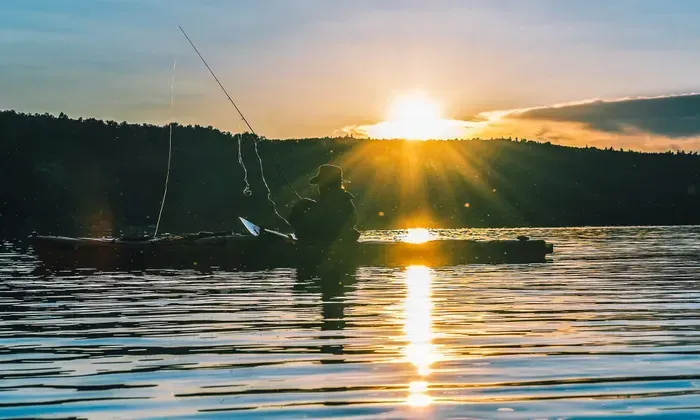
Soft hackles are especially useful in rivers and streams, where the current provides much of the movement you want from the fly.
They can also work in lakes and ponds, although you'll need to create more movement through your retrieve. When choosing a spot to fish a soft hackle, look for places where the current carries food past fish holding underwater. You don't need to read every detail of the river to get started.
Focus on these five areas:
Riffles: These are shallow stretches where water flows over rocks, creating a broken, rippling surface. Insects drift through with the current, giving fish a reason to feed here. Cast your soft hackle upstream and let it drift naturally through the moving water.
Current seams: Look for a line where fast-moving water meets slower water. You may notice it where ripples give way to a smoother surface. Fish often hold on the slower side and feed on insects carried past by the faster current, making this a useful place to swing or drift your fly.
Pool tails: A pool tail is the shallow section where a deeper pool gradually becomes a faster, shallower stretch of water. Fish may gather here to feed as insects move downstream. Let your soft hackle drift through this transition, keeping an eye out for subtle rises or flashes beneath the surface.
Runs and glides: Runs have a steady, noticeable current, while glides are generally smoother and slower. Both can hold fish feeding below the surface. Try a dead drift through the area first, then swing your fly across the current if the fish aren't responding.
Edges of deeper pools: Fish often stay near deeper water, where they can find cover while watching for food carried by the current. Present your soft hackle along the boundary between shallow and deep water, rather than casting straight into the middle of the pool.
These approaches work with different wet fly patterns. So, if you're exploring wet flies for trout, start by matching your fly's size and presentation to the current and the insects fish are feeding on. Timing matters, too. Soft hackles can be effective during insect activity, especially when mayflies or caddisflies are emerging. You might notice trout feeding just below the surface without clearly breaking through it.
However, you don't need a visible hatch to fish wet flies for trout. Fish continue feeding underwater throughout the day, and a soft hackle can be useful even when surface activity is limited.
3. What Gear Do You Need to Fish a Soft Hackle?
You don't need a complicated setup to fish a soft hackle, but your gear can affect how well you present the fly. The right rod, line, and leader help you cast accurately, control the drift, and fish at the depth where fish are feeding. Here's what to use and how each piece of gear helps.
Fly rod: A 3- to 5-weight rod works well for many small-stream and river situations, depending on the fish you're targeting and the flies you're using.
Fly reel: Choose a reel that balances your rod and has a reliable drag.
Fly line: A floating fly line is a versatile starting point because you can adjust your leader and presentation to fish at different depths.
Leader and tippet: A tapered leader helps transfer energy during casting. A 9-foot leader ending in 4x or 5x tippet is a reasonable starting point for many trout situations, although you should adjust for fly size, water clarity, and fish behavior.
Soft hackle flies: Carry a selection of sizes and colors so you can adjust to the insects and conditions you encounter.
When fishing wet flies, depth is important. A lightly dressed soft hackle may fish relatively high in the water column, while a weighted pattern or added weight can help you reach deeper runs.
You can also use a soft hackle as part of a two-fly rig, such as behind a heavier nymph. Check local fishing regulations before using multiple flies, as restrictions on hook numbers vary by location.
4. How to Fish a Soft Hackle With the Swing Technique
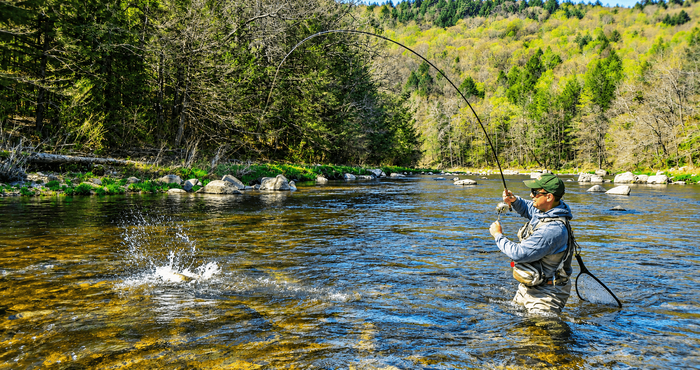
The swing is one of the most common ways to cast a soft hackle.
It allows the current to carry your fly across a feeding lane while your line gradually tightens.
The movement can make the fly appear like an insect drifting or moving through the water.
Step 1: Find a Fish Holding Area
Look for a current seam, run, or pool tail where trout may be feeding. These areas give fish access to food carried by the current while allowing them to hold in relatively comfortable water. If you see fish rising intermittently, they may be taking emerging insects just below the surface. Even if you don't spot any fish, these areas are worth trying because trout often feed beneath the surface without making their presence obvious.
Step 2: Cast across and slightly downstream
Position yourself so you can cover the feeding lane without casting directly over the fish. Make a manageable cast across the current and slightly downstream, allowing the fly to land above or alongside the area you want to target. The goal is to give the current room to carry the fly through the feeding zone. Start with a shorter cast to understand how quickly the water moves your fly, then adjust your casting angle and distance as needed.
Step 3: Let the fly sink
Give your soft hackle a moment to settle below the surface before the swing begins. How quickly it sinks depends on the fly's weight, the leader, and the speed and depth of the current. If the water is shallow, you may not need to wait long. In deeper or faster runs, you may need to adjust your leader or use a weighted pattern to reach the fish. Avoid pulling the fly across the surface too quickly, as this can make its movement look less natural.
Step 4: Control the swing
As the current carries the fly downstream, allow your line to gradually tighten and guide the movement with your rod tip. Keep enough contact with the line to notice a take without pulling the fly out of its natural path. You don't need to constantly retrieve line; let the current do most of the work. Watch the line for a sudden stop, twitch, or unexpected change in tension, as these can indicate a strike. If the fly moves through the feeding lane without a response, try changing your casting angle or allowing it to sink a little deeper on the next pass.
Step 5: Pause at the end
Once the fly swings to a position downstream of you, let it hang briefly in the current before retrieving it for another cast. During this pause, the fly remains in the water while the current continues to move its hackle fibers. Trout following the fly may strike as it slows or begins to rise toward the surface. If you don't get a bite, retrieve the fly, take a step upstream or downstream if conditions allow, and repeat the process to cover a fresh section of water.
The key to fishing a soft hackle on the swing is to let the current do most of the work. Focus on a controlled drift, maintain enough contact to detect a strike, and experiment with your casting angle and sink time until you find what works. If fish aren't responding, try covering a different feeding lane before changing your fly.
5. How to Dead-Drift a Soft Hackle
A dead drift allows your fly to travel with the current at approximately the same speed as the surrounding water. This is useful when trout feed on drifting insects or when a swinging fly seems too fast.
Cast upstream or slightly across the current, allowing the fly to move naturally through a likely feeding lane. As it approaches, retrieve excess line or make small adjustments with your rod to maintain contact without dragging the fly.
Keep these points in mind when dead-drifting a soft hackle:
Watch your line: Follow its movement as the fly drifts downstream. A sudden pause, twitch, or change in direction may indicate a take.
Control excess line: Retrieve loose line gradually so you can detect strikes without pulling the fly out of its natural drift.
Mend when needed: If your line forms a large belly downstream, the current may pull it faster than the fly. Use a controlled mend to reposition the line and allow the fly to drift more freely.
Adjust your position: If you struggle to maintain a natural drift, change your casting angle or move to a better position along the bank, where permitted.
Pay attention to depth: If the fly passes over fish without attracting attention, try a heavier pattern or adjust your leader to help it reach the feeding zone.
You can also fish a soft hackle beneath an indicator when you need help detecting subtle takes or controlling depth.
When choosing wet fly patterns for dead-drifting, consider the water depth and the insects available. A small, lightly dressed pattern may be suitable for shallow water, while a heavier fly can help you reach fish holding deeper in the current. The goal is to keep the fly moving naturally while maintaining enough line contact to recognize a strike.
6. How to Fish a Soft Hackle With the Drift-and-Lift Technique
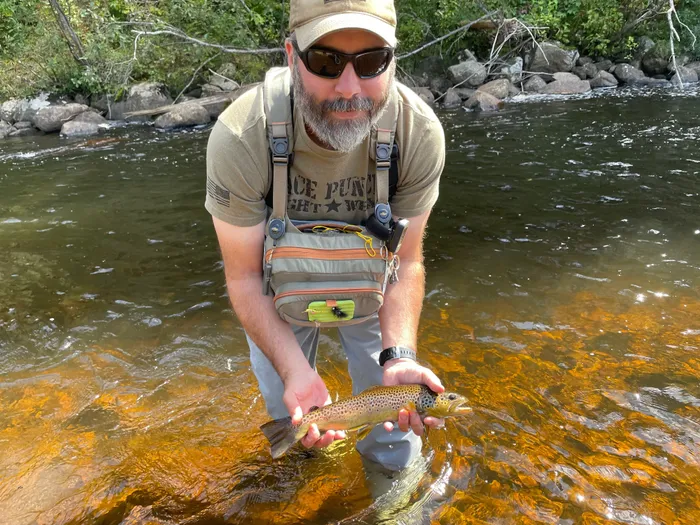
The drift-and-lift approach combines a natural drift with a controlled rise through the water. It can imitate an aquatic insect moving toward the surface as it emerges.
To use this technique, cast upstream or across the current and let the fly line drift naturally. Maintain enough contact to follow the line without pulling the fly out of its feeding lane.
As the fly approaches the end of the drift, gradually raise your rod tip or allow the current to tighten the line. Let the fly rise through the water rather than jerking it sharply upward.
This movement can be especially useful when fish feed near the surface but aren't taking dry flies. You can experiment with the timing and speed of the lift until you find a presentation that produces a response.
Soft hackles are well suited to this approach because their flexible feathers move with the water. If you're comparing different wet flies for trout, consider how each pattern behaves during the lift, not just how it looks in your fly box.
7. How to Fish a Soft Hackle Pheasant Tail
The soft hackle pheasant tail combines the familiar appearance of a Pheasant Tail nymph with a soft feather collar. The body generally imitates a small aquatic insect, while the hackle adds movement as the fly drifts or swings through the current.
This pattern can be useful when trout feed on mayfly nymphs or emerging insects. You can fish it using the swing, dead-drift, or drift-and-lift techniques, depending on the water conditions.

How Should You Present a Soft Hackle Pheasant Tail?
For shallow runs: Cast across or slightly upstream and allow the fly to drift naturally.
For faster currents: Use a controlled swing to carry the fly through a feeding lane.
For emerging insects: Let the fly drift before lifting it gently toward the surface.
For deeper water: Consider a weighted version or an appropriate rig that allows the fly to reach the fish
The soft hackle pheasant tail is one of several wet fly patterns worth carrying, but don't assume it will work in every situation. If the fish ignore it, adjust the depth or presentation before changing the pattern.
8. Which Wet Fly Patterns Should You Carry for a Soft Hackle?
You don't need a large collection of wet flies to get started. A few reliable patterns in different sizes and colors can help you cover common trout-fishing situations. Listed below are some wet flies to get started.
Partridge and Orange
This classic soft hackle has an orange body and a soft feather collar. It's a useful general-purpose pattern when you want to fish below the surface without matching a specific insect precisely.
Partridge and Green
With a green body and mobile hackle fibers, this pattern gives you an alternative color when you want to change your presentation.
Soft Hackle Pheasant Tail
The soft hackle pheasant tail combines a nymph-style body with a soft collar. Try it when fish feed on mayfly nymphs or emerging insects.
Soft Hackle Hare's Ear
This pattern uses a textured, hare-ear-style body and soft hackle. Its natural appearance makes it a useful option when you want a general imitation of small aquatic prey.
When choosing wet fly patterns, consider fly size, body color, and how the fly moves underwater. Start with a natural-looking option and adjust according to the fish's response.
You Might Also Like: The Trout Diet: What Do They Eat?
9. Common Soft Hackle Fishing Mistakes to Avoid
Even a simple fly can be less effective if your presentation isn't suited to the conditions. Consider the following common mistakes anglers make, so you can avoid them the next time you go fishing with a soft hackle.
Retrieving too quickly: Pulling the fly through the current can make it move faster than natural prey. Let the water provide most of the movement.
Ignoring depth: Trout may feed near the surface in one section and deeper in another. Adjust your leader, weight, or presentation.
Poor line control: Too much slack makes takes difficult to detect, while excessive tension can drag the fly unnaturally.
Changing patterns too often: Before switching wet flies, try a different casting angle, drift, or depth.
Setting the hook too aggressively: Maintain contact and use a controlled hook set rather than making an abrupt, forceful rod lift.
Learning to read the current and control your presentation is often more valuable than carrying dozens of different wet fly patterns.
Final Thoughts
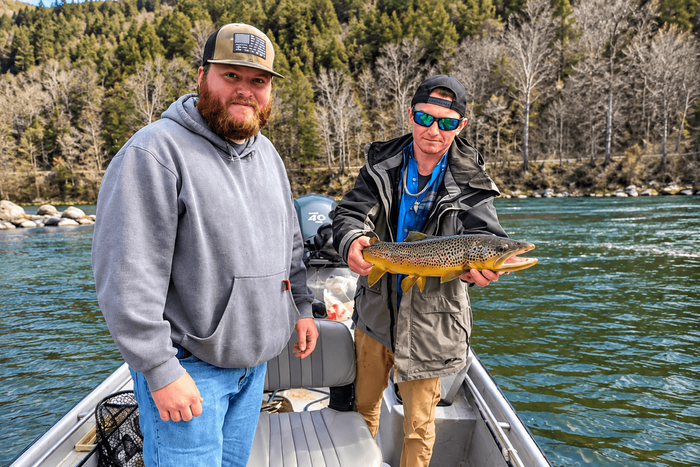
Learning how to cast a soft hackle is less about complicated movements and more about presenting the fly naturally. You can swing it across a current, dead-drift it through a feeding lane, or lift it gently to imitate an emerging insect.
Start with a few dependable wet fly patterns, including a soft hackle pheasant tail, and experiment with depth and presentation. As you become more familiar with the water and the fish's feeding behavior, you'll be better equipped to choose between different wet flies for trout and other fly-fishing situations.
Want to improve your fly-fishing skills on the water? Explore guided fishing trips on Guidesly to find experienced local guides who can help you make the most of your next outing.