Duck Hunts on Lake Erie with Captain Kenny
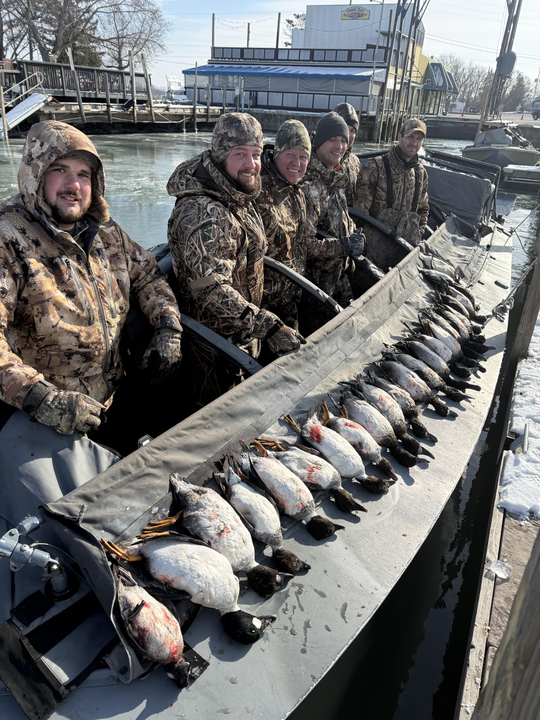
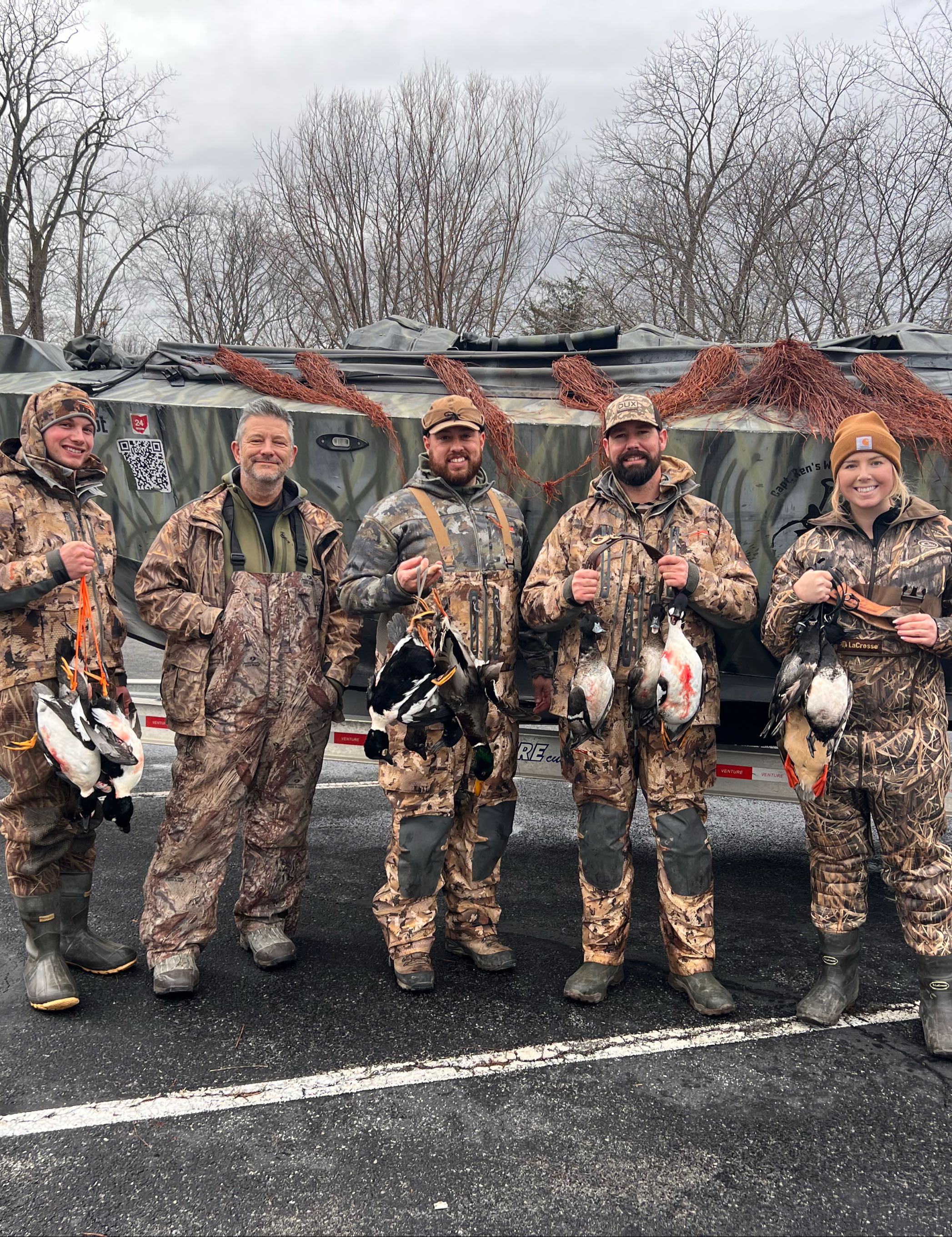
When you're looking for world-class waterfowl hunting in Ohio, Captain Kenny Lewis delivers the kind of duck hunting experience that keeps hunters coming back season after season. Operating from Lake Erie's productive waters, this top-rated guide puts you in prime position to bag a mixed bag of diving ducks and dabblers. With over three decades of experience reading these waters, Captain Kenny knows exactly where the birds are working and how to set up for success. His operation runs multiple boat options – from 32-foot vessels down to nimble 25-footers – so you're always hunting from the right platform for conditions. Groups of up to six hunters can expect a comfortable morning on the water with breakfast included, giving you fuel for what could be your best duck hunt of the year.
Inside the Hunt
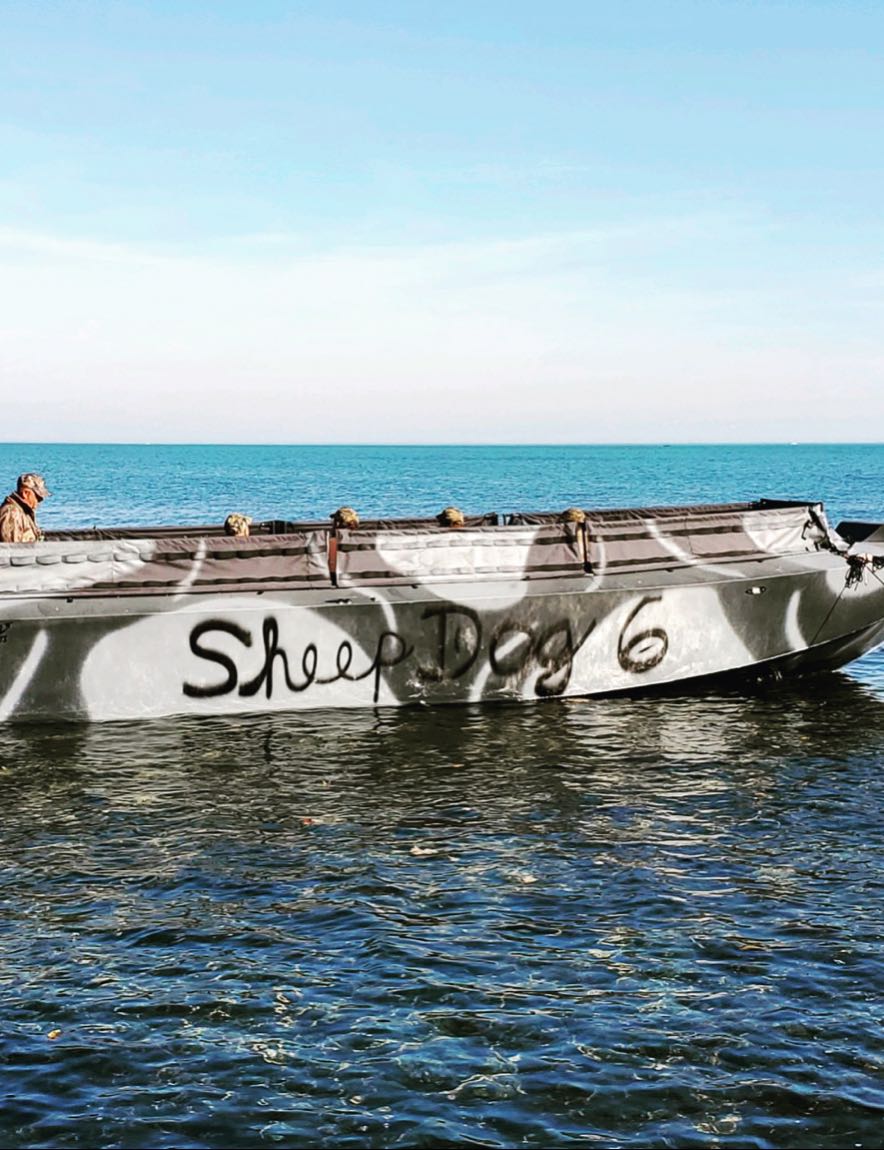
Your hunt starts early with Captain Kenny and his crew setting the stage for a productive morning. These aren't your typical marsh hunts – you'll be working Lake Erie's open water and protected bays where diving ducks raft up in big numbers. The boats are set up specifically for duck hunting, with low profiles and plenty of room for your gear and decoy spreads. Captain Kenny runs his operation from purpose-built Duck Water Boats that handle Lake Erie's conditions while keeping you comfortable and ready to shoot. The setup varies based on weather and bird movement, but you can count on being positioned where the ducks want to be. Whether it's working the drop-offs for divers or setting up in the shallows for puddlers, this guide knows how to read the water and the birds. You'll need to bring your own shotgun, shells, and make sure your Ohio hunting license and federal duck stamp are current – Captain Kenny handles the rest.
Tracking Tips & Terrain
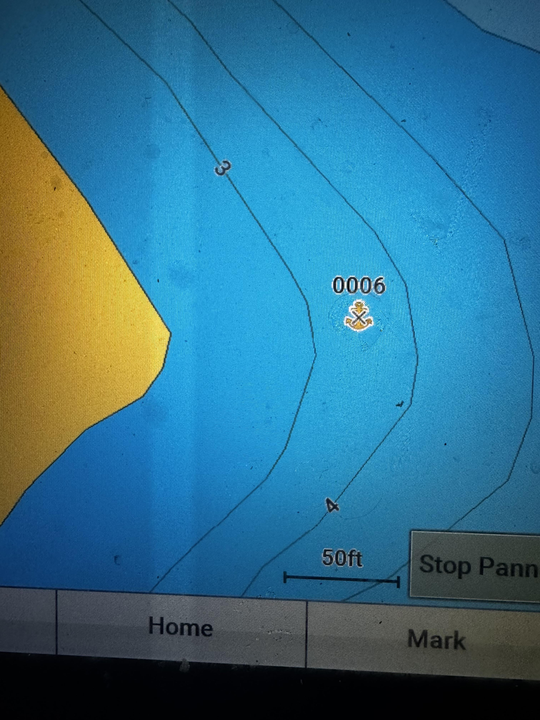
Lake Erie duck hunting is all about understanding how these birds use the big water. Captain Kenny's approach focuses on the lake's structure – deep water channels, rocky reefs, and protected bays that attract different species throughout the season. The boats position near these transition zones where diving ducks feed and rest. Decoy spreads are tailored to the conditions and target species, often running larger rigs than you'd use in smaller waters. The key technique here is patience and shot discipline – these birds often work in flocks, and Captain Kenny will coach you on when to take your shots for the best results. Weather plays a huge role in success, with cold fronts and north winds pushing birds south and concentrating them in feeding areas. The captain reads these patterns like a book, adjusting locations and strategies based on current conditions. Most shots come within the first few hours after legal shooting time, making that early start and hearty breakfast even more important for staying sharp when the action heats up.
Target Game Breakdown
Redheads are the crown jewel of Lake Erie's duck hunting scene. These medium-sized diving ducks love the lake's rocky bottom structure and zebra mussel beds, which provide rich feeding opportunities. Peak redhead hunting typically runs from late October through December, with the best action during cold snaps that push birds down from northern waters. What makes redheads special is their tendency to decoy well in large rafts, creating opportunities for memorable hunts. They're strong fliers that require good shot placement, making them a favorite challenge for experienced hunters.
Canvasback hunting on Lake Erie represents some of the finest waterfowl hunting in the Great Lakes region. These large, fast-flying ducks are incredibly wary but absolutely stunning when they commit to your decoy spread. Cans prefer deeper water and often work the lake's drop-offs and channels where they dive for aquatic vegetation and mollusks. They're most active during migration periods in November, and their size and speed make them a premier target for serious duck hunters. When a flock of canvasback locks up and drops into your spread, it's a sight that defines what Great Lakes duck hunting is all about.
Scaup, both greater and lesser, make up a significant portion of Lake Erie's waterfowl action. These smaller diving ducks are excellent tablefare and often provide steady action when other species are finicky. They're social birds that raft up in large numbers, especially around the lake's deeper structure. Scaup are typically more willing to work decoys than some of the warier species, making them perfect for newer hunters or when you want consistent shooting opportunities. They arrive with the first cold weather and stick around through much of the season.
Goldeneye bring excitement with their distinctive whistling wingbeats and acrobatic flying style. These compact, muscular ducks love Lake Erie's rocky areas and are incredibly hardy, often being among the last species to head south when ice starts forming. Common goldeneye are the more frequent visitor, with their striking black and white plumage making them easy to identify in the spread. They're fast, erratic fliers that test your shooting skills and provide excellent eating. Goldeneye hunting peaks during the coldest parts of the season when other species have moved on.
Bufflehead are the smallest ducks you'll encounter on these hunts, but they make up for size with personality and challenge. These little diving ducks are incredibly fast and agile, often buzzing the decoys multiple times before committing. They prefer protected bays and calmer water, and their black and white plumage makes them easy to spot against Lake Erie's waters. While they don't provide a lot of meat, bufflehead are fun to hunt and add variety to your bag. They're often the most active during bluebird days when other species aren't moving well.
Book Your Next Tag
Captain Kenny Lewis has built his reputation on delivering quality duck hunting experiences that showcase what Lake Erie has to offer. With comfortable boats, local expertise, and access to some of the best waterfowl habitat in Ohio, this is the kind of hunt that creates lasting memories. The variety of species available means every hunt is different, and the captain's knowledge of seasonal patterns gives you the best shot at success. Remember to plan for a customary tip of 15-25% for your guide – it's standar
 Private Trip
 Bird hunting
 Lake Erie
 Guided Lake Erie duck hunting targeting eight waterfowl species