SDI Open Water Certification in Palm Beach
Ready to make that leap into the underwater world? This SDI Open Water Scuba Diver certification course in Palm Beach County is your gateway to diving reefs, wrecks, and marine sanctuaries around the globe. You'll train with our experienced dive instructors in some of Florida's most stunning underwater locations, from Palm Beach's vibrant reef systems to Pompano Beach's legendary wreck sites. This isn't just another certification mill—we take the time to build confident, safe divers who truly understand what they're doing down there. Whether you're looking to explore local limestone ledges or planning that dream dive vacation to the Caribbean, this course sets you up with rock-solid fundamentals and an internationally recognized certification that opens doors worldwide.
Beneath the Surface
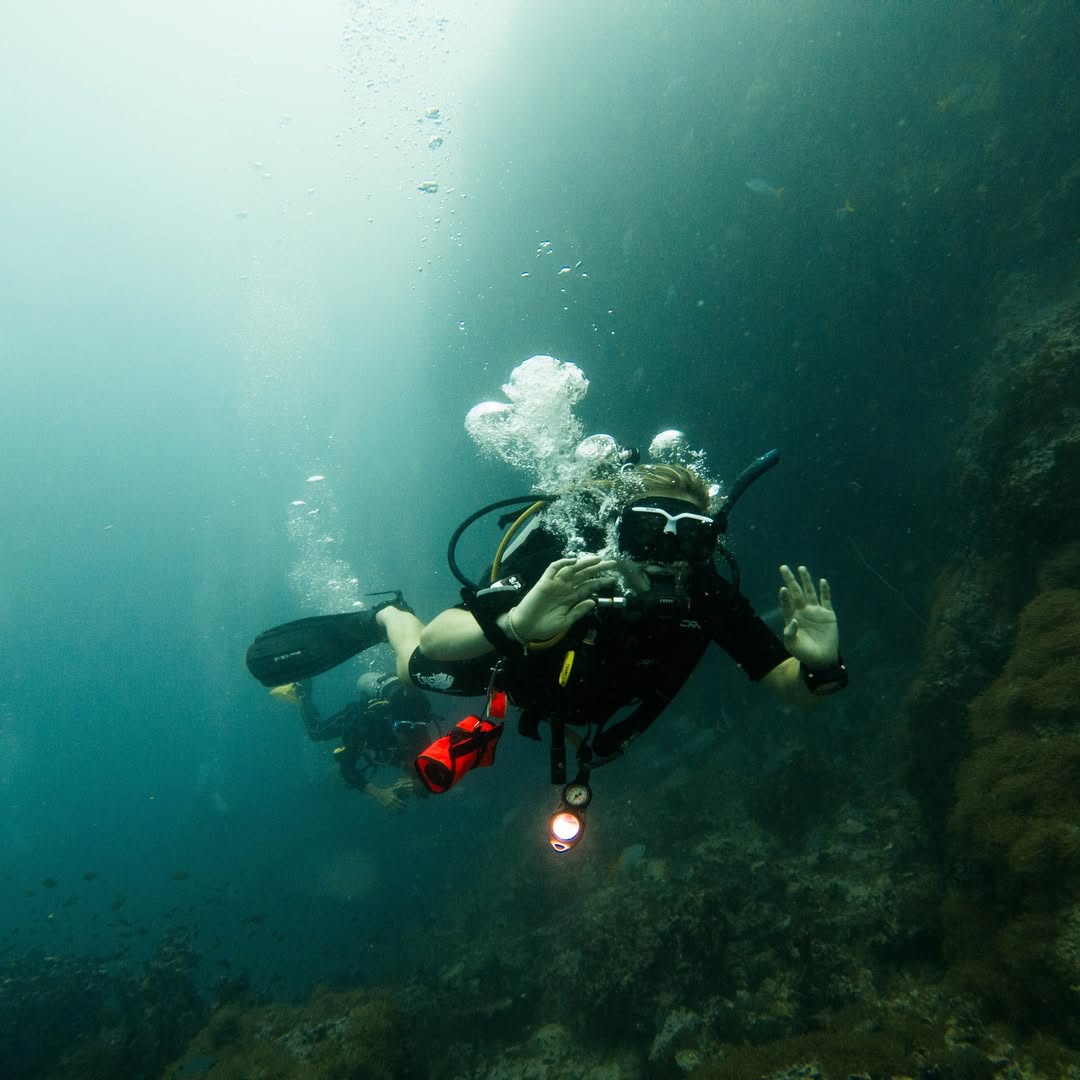
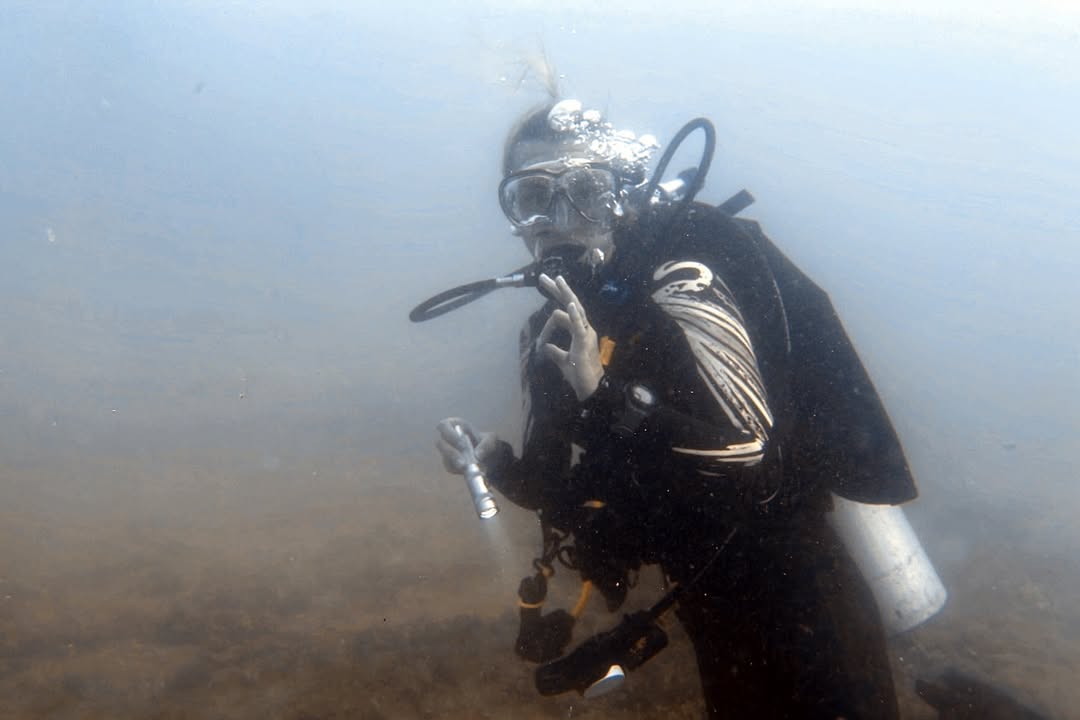
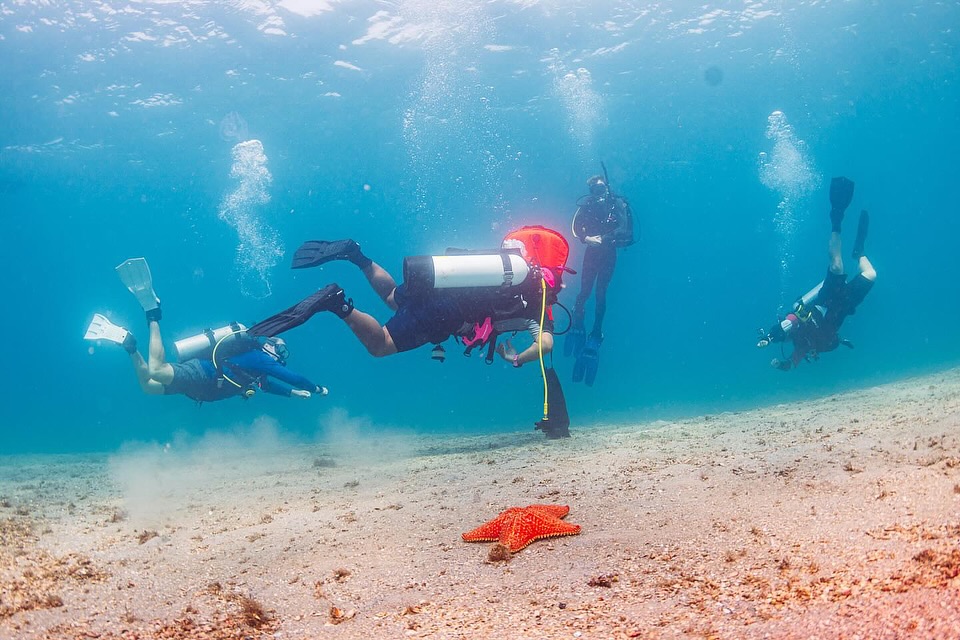
This comprehensive certification program combines the convenience of online learning with hands-on training in Florida's world-class diving conditions. You'll start with SDI's flexible e-learning platform, working through dive theory, safety protocols, and underwater communication at your own pace. Once you've mastered the academics, we move to confined water sessions where you'll get comfortable with all the essential skills—mask clearing, buoyancy control, underwater navigation, and emergency procedures. The real magic happens during your four open-water training dives on actual reefs and wrecks around Palm Beach County. These aren't just check-the-box certification dives—you'll experience the diversity that makes this area a top-rated diving destination. From shallow reef systems teeming with tropical fish to deeper wreck sites where you might spot nurse sharks and sea turtles, each training dive showcases why so many divers fall in love with these waters. The guest capacity is limited to just one student, ensuring you get personalized attention and can progress at a comfortable pace without feeling rushed or overlooked.
Dive Brief & Gear Info
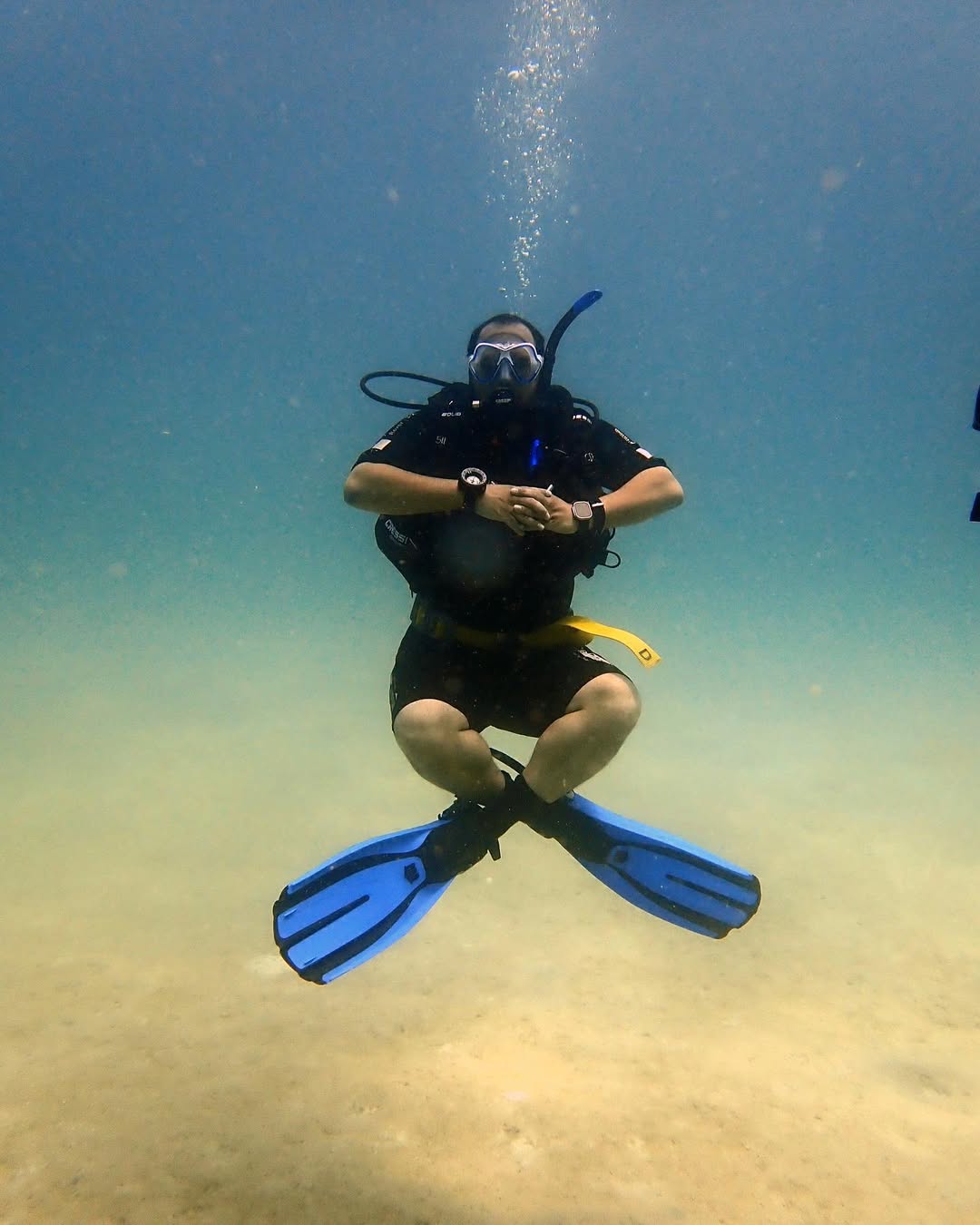
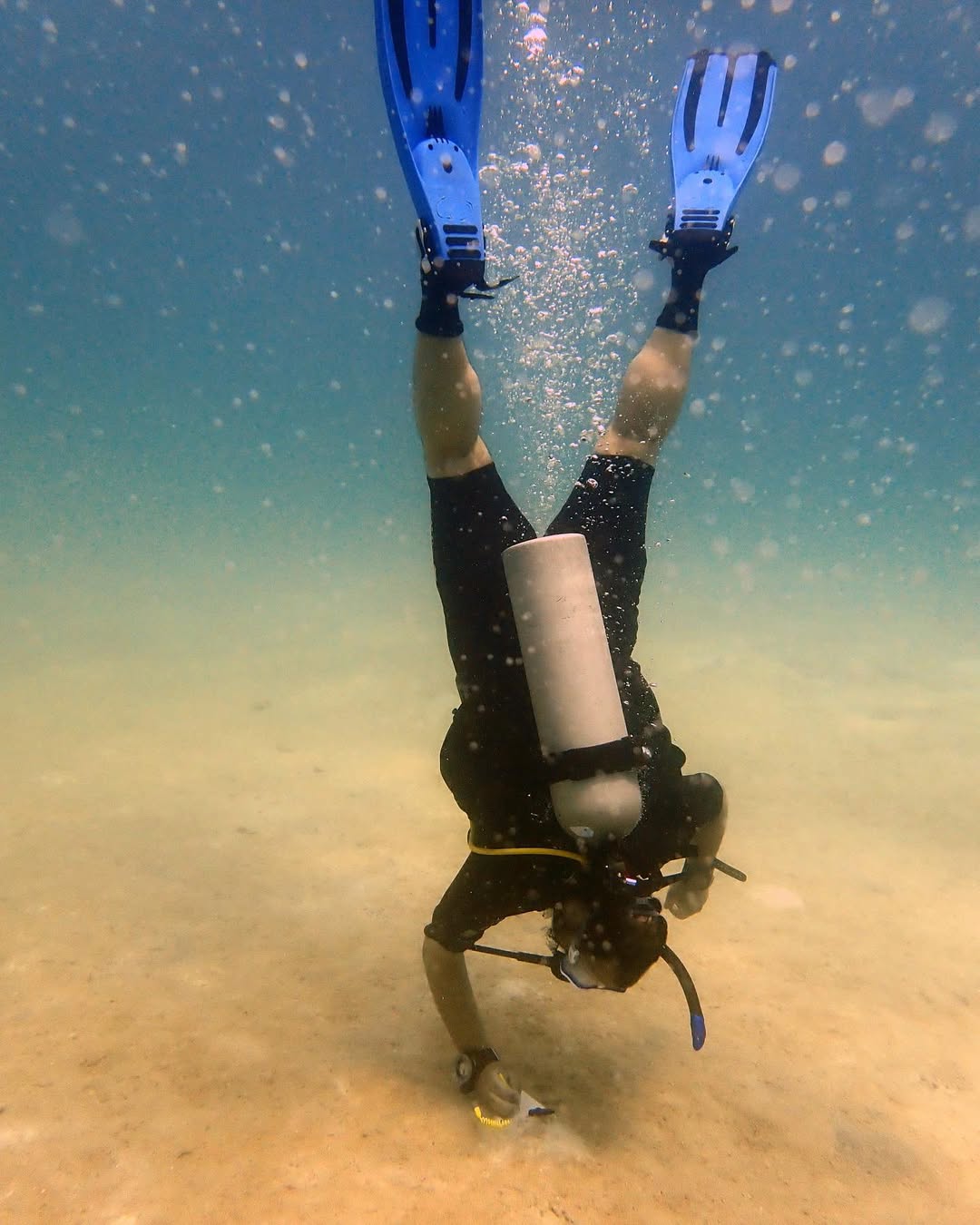
All your scuba gear is included in this certification package—mask, fins, snorkel, wetsuit, BCD, regulator, tank, and weights. We use top-quality equipment that's properly maintained and sized specifically for you. During your pool sessions, you'll learn how each piece of gear functions and practice essential skills like regulator recovery, controlled emergency swimming ascents, and buddy breathing techniques. Our instructors focus heavily on proper buoyancy control and trim—skills that separate confident divers from those who struggle underwater. You'll master neutral buoyancy using breath control and fine BCD adjustments, learning to hover motionless in the water column without constantly kicking up sand or bumping into the reef. We also cover underwater navigation using both compass bearings and natural reference points, plus hand signals for effective communication with your dive buddy. The open-water portion takes place on sites carefully selected for training conditions—good visibility, manageable currents, and interesting marine life that keeps you engaged while practicing skills. Popular training sites include the shallow reefs off Palm Beach Inlet and some of the easier wreck dives near Pompano Beach, where you'll put everything together in real diving conditions.
Marine Life You'll See
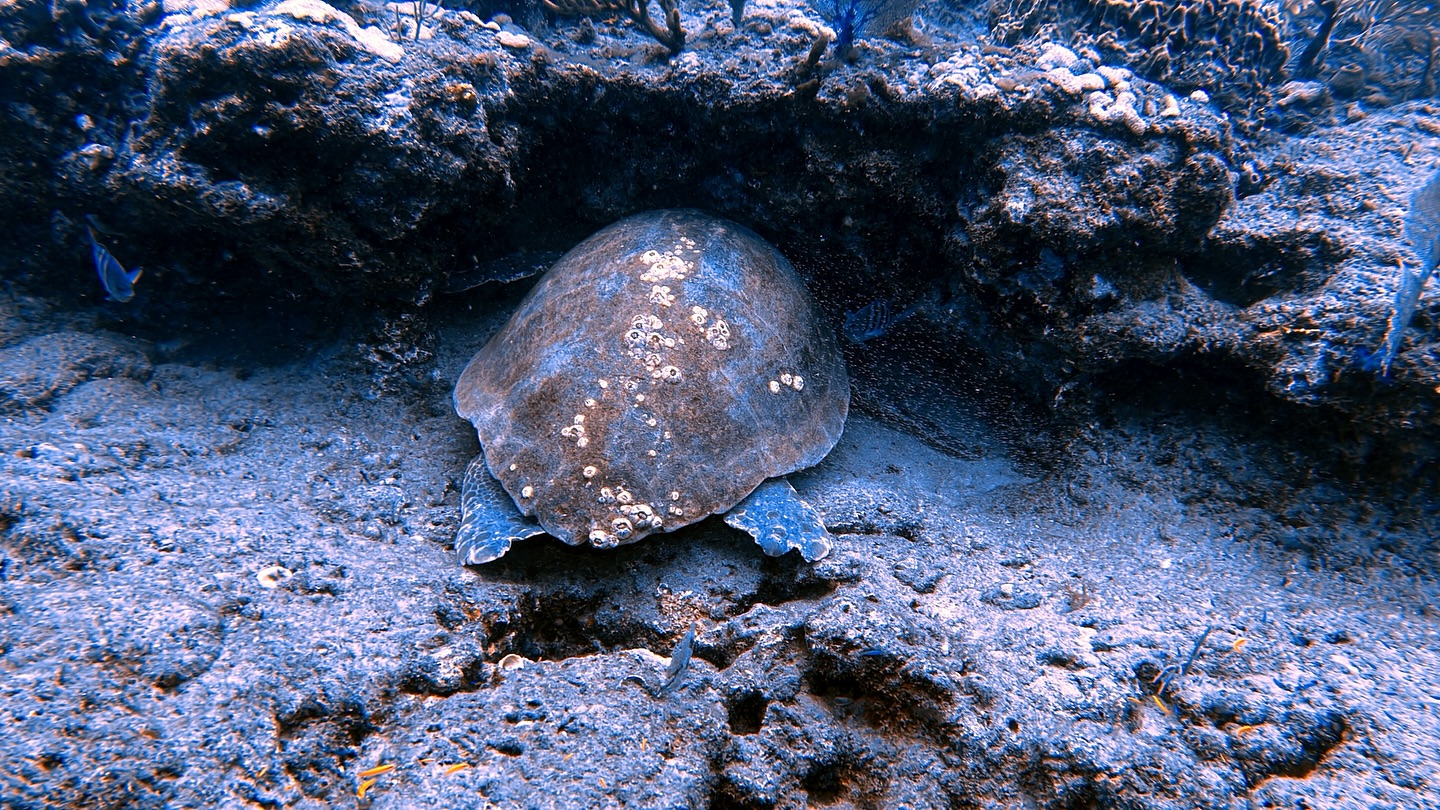
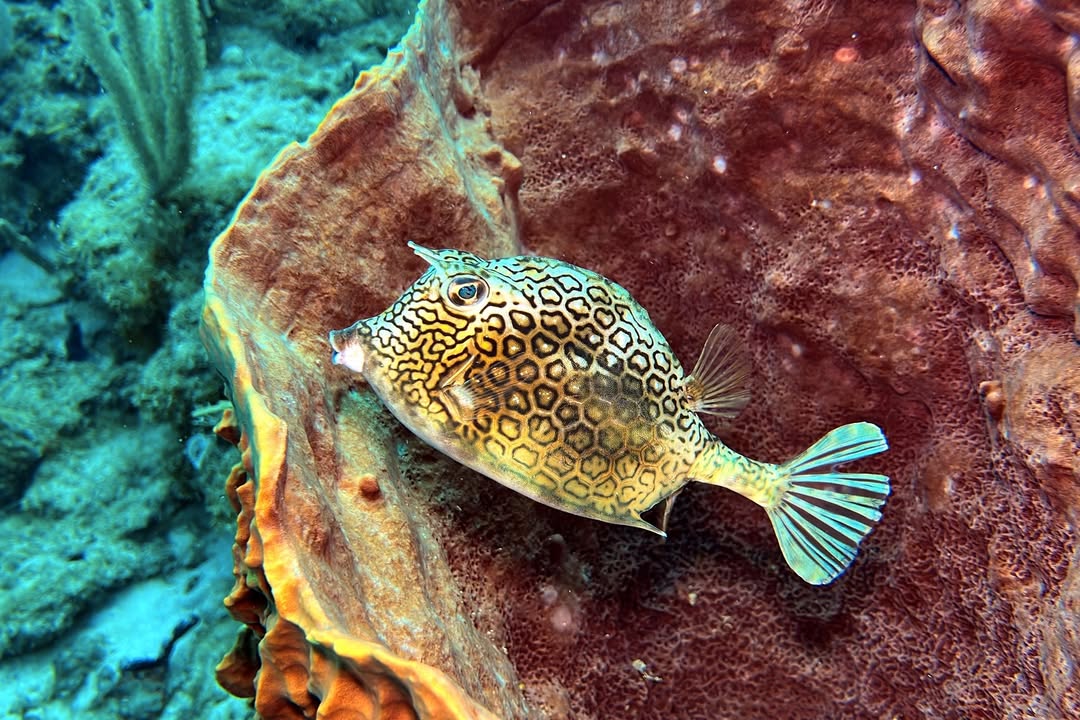
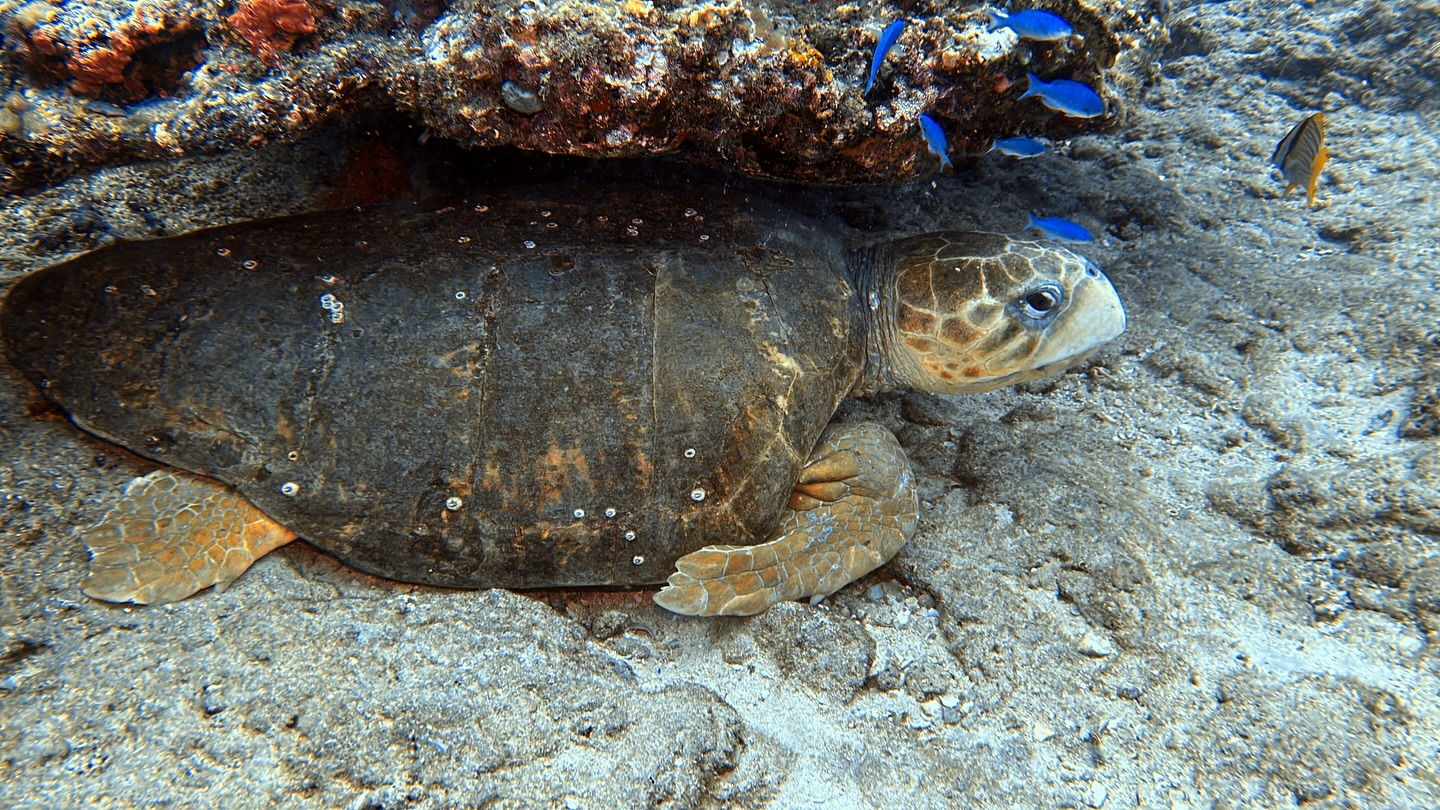
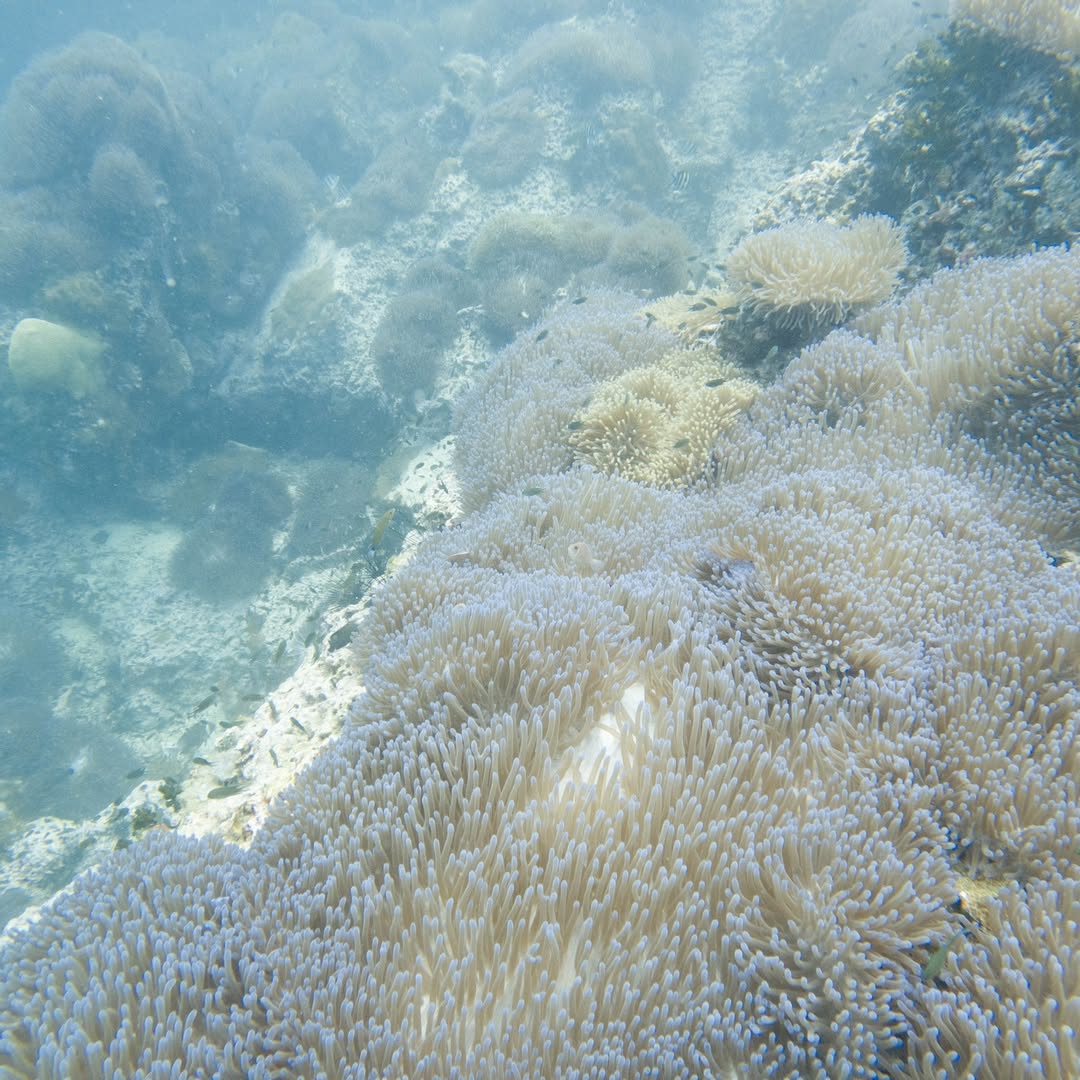
Palm Beach County's reefs and nearshore waters host an amazing variety of marine life that makes every training dive memorable. You'll likely encounter Caribbean reef squid during your certification dives—these fascinating cephalopods travel in small schools and display rapid color changes when approached by divers. They're most active during dawn and dusk hours, often hovering near reef edges where they hunt small fish and crustaceans. Their curious nature means they'll often approach new divers, providing great photo opportunities while you practice buoyancy control. Green sea turtles are another highlight of these waters, especially around the artificial reef systems where they come to feed on algae and sponges. These gentle reptiles can weigh over 300 pounds and are often surprisingly tolerant of divers who approach slowly and maintain respectful distances. Peak turtle activity occurs from late spring through early fall, when warmer water temperatures bring them closer to shore. Nurse sharks frequent many of the wreck sites used for advanced portions of the course—these bottom-dwelling sharks are completely harmless to divers and often rest under ledges or inside wreck structures during daylight hours. Seeing your first nurse shark underwater is a rite of passage for many new divers, and these encounters help build confidence around larger marine animals. The reef systems also support healthy populations of parrotfish, angelfish, and grouper, creating that classic Caribbean diving experience right here in Florida waters.
Plan Your Next Dive
This SDI Open Water certification opens up a world of diving opportunities, both locally and internationally. Once certified, you'll be qualified to dive to 60 feet with a certified buddy anywhere in the world—that means you can explore advanced Palm Beach dive sites like the Mizpah wreck or venture to destinations like the Bahamas, Key Largo, or even international hotspots like Cozumel and Bonaire. The skills you learn during this course create a foundation for specialty certifications like wreck diving, deep diving, or underwater photography. Many of our newly certified divers become regulars on our weekend dive charters, exploring sites like the Princess Anne wreck or the deeper sections of Palm Beach's three-tier reef system. The personalized instruction format means you'll finish this course with genuine confidence in your abilities, not just a plastic certification card. We've seen too many divers struggle because they rushed through crowded certification courses—our approach ensures you're truly ready for independent diving. No previous dive experience is required, just basic swimming ability and enthusiasm for exploring underwater environments. Don't wait to start your diving journey—spots in this personalized certification program fill quickly, especially during peak season when both locals and visitors want to get certified in these renowned Florida waters.

 Shared Trip
 Scuba Diving
 Palm Beach
 Complete SDI Open Water certification with international diving license