Boynton Beach Jigging Charter with 4 J's
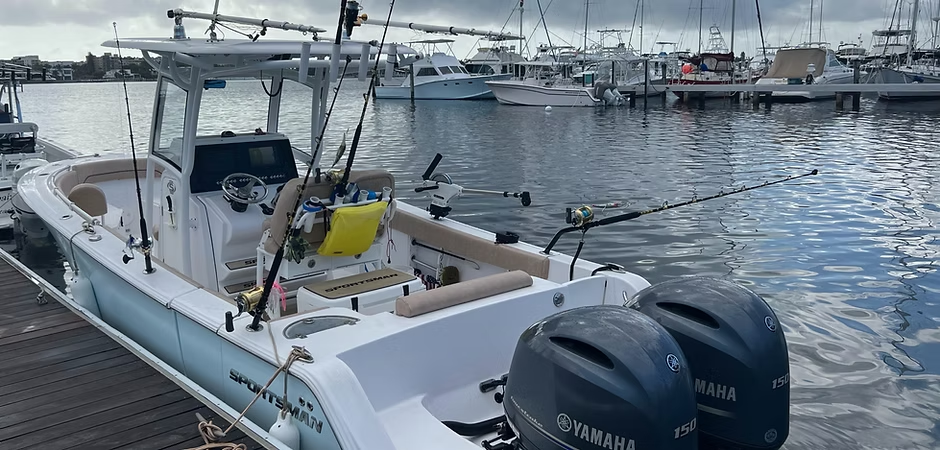
If you're looking for a focused fishing experience that puts you right where the action is, this 4-hour jigging charter out of Boynton Beach delivers. Captain Jim runs a tight ship aboard his 25' Sportsman center console, and with room for just two anglers, you'll get the personalized attention that makes all the difference when you're working jigs over productive structure. This isn't a leisurely trolling trip – we're talking about hands-on, technique-driven fishing that keeps you connected to what's happening below. The waters off Boynton Beach are loaded with reefs, wrecks, and drop-offs that hold serious fish, and vertical jigging is one of the most effective ways to pull them up from the depths.
What to Expect on the Water
Your day starts at the Boynton Beach Inlet, where Captain Jim has your gear rigged and ready before you even step aboard. The 25' Sportsman is perfectly sized for this style of fishing – stable enough to handle the offshore conditions but nimble enough to work multiple spots efficiently in your 4-hour window. The electronics package includes quality fish finders and GPS that'll put you right on top of productive bottom structure, from 80-foot reefs to deeper ledges where the big amberjack hang out. You'll be working with medium to heavy spinning tackle loaded with jigs ranging from 2 to 8 ounces, depending on current and depth. The technique is straightforward but requires focus: drop your jig to the bottom, engage the reel, and work it up through the water column with sharp lifts and controlled drops. The strikes often come on the fall, so you need to stay connected and ready to set the hook.
Jigging Techniques & Hot Spots
Vertical jigging is all about precision and timing, and the waters off Boynton Beach offer perfect conditions to master this productive technique. Captain Jim positions the boat over specific structure – natural reefs, artificial reefs, and wrecks that concentrate baitfish and attract the predators you're targeting. The key is maintaining contact with your jig throughout the retrieve while working it in an erratic pattern that triggers reaction strikes. You'll be using a variety of jigs, from butterfly jigs that flutter on the drop to speed jigs designed for aggressive vertical retrieves. The current plays a huge role in jig selection and technique, and Jim reads the water to determine the right approach for each spot. Some days the fish want a slow, methodical presentation, while other times they respond to fast, aggressive jigging that covers water quickly. The deck layout gives both anglers plenty of room to work without tangling lines, and the rod holders and tackle storage keep everything organized for quick jig changes when you need to adapt to changing conditions.
Species You'll Want to Hook
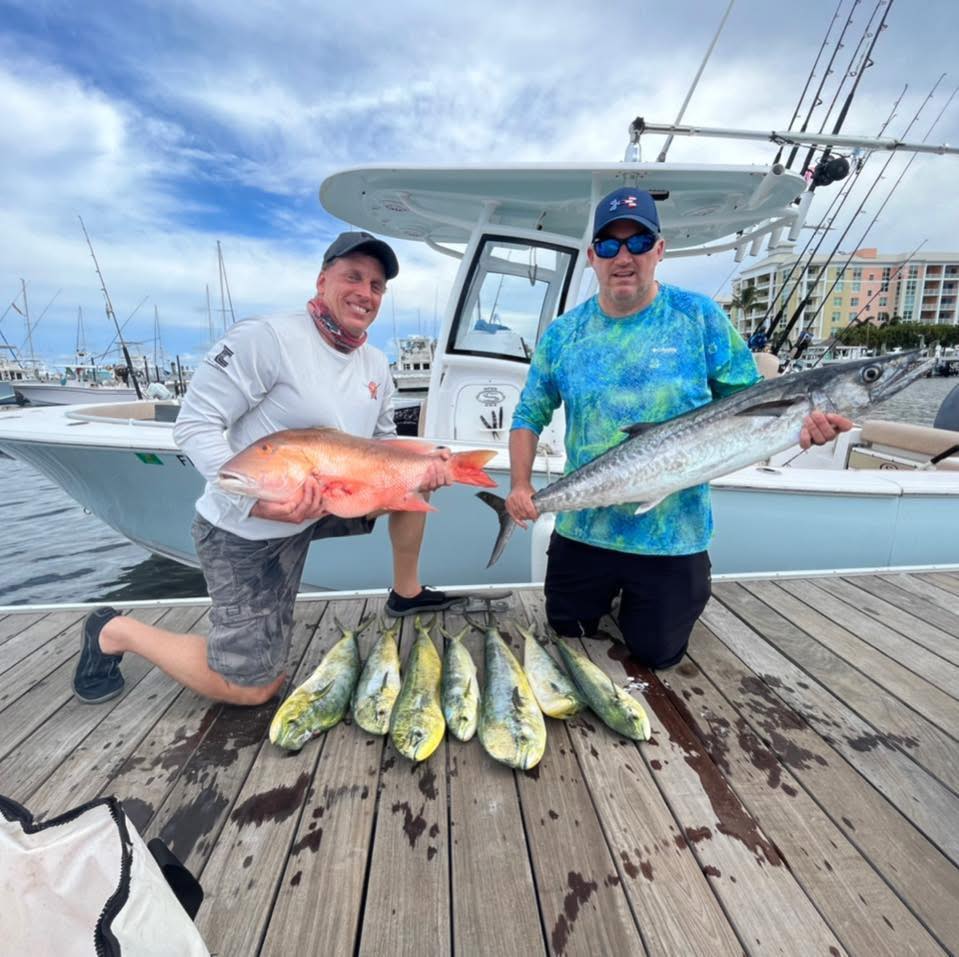
King Mackerel are year-round residents in these waters, with the biggest fish typically showing up during the cooler months from October through March. These speedsters average 15 to 30 pounds but can push 50-plus when conditions are right. They patrol the reef edges and drop-offs, often suspending in mid-water where a well-presented jig can trigger explosive strikes. Kings fight with blistering runs and acrobatic jumps that'll test your drag settings and reflexes. The key is getting them to the boat quickly before their sharp teeth find a way to cut you off.
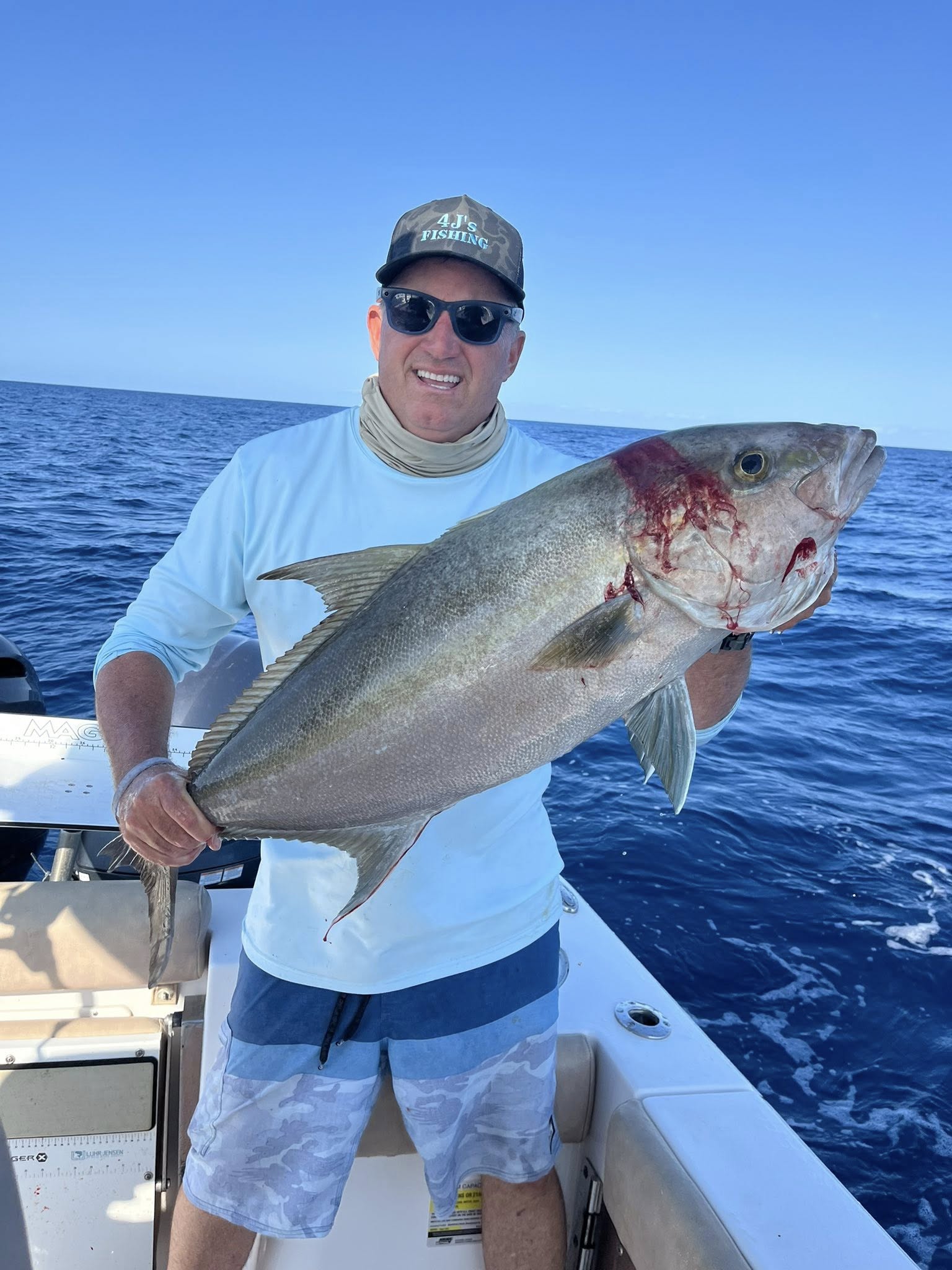
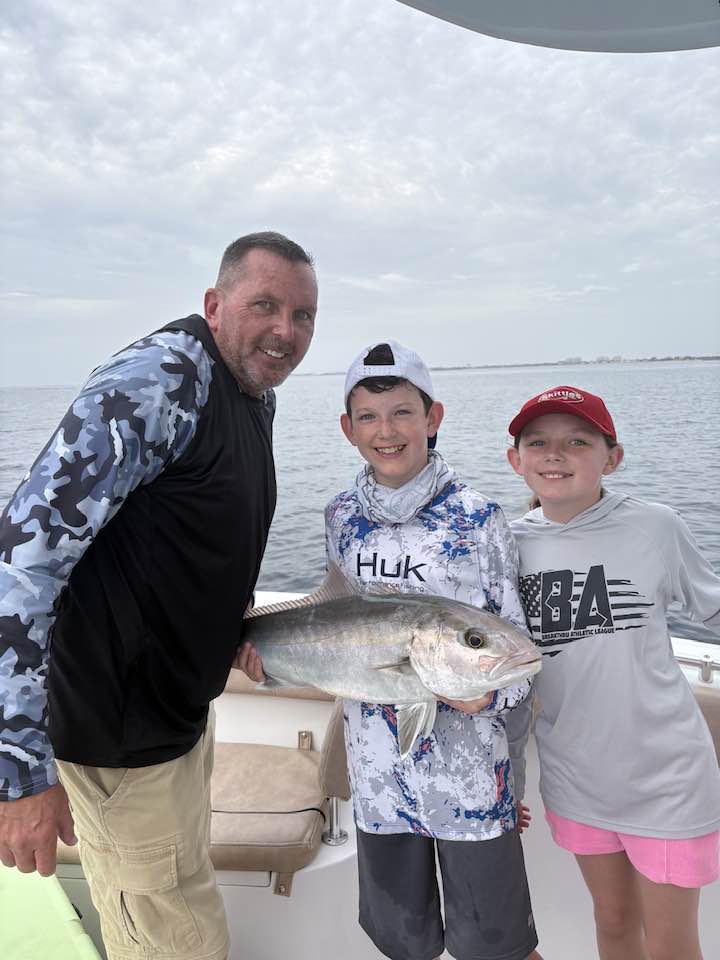
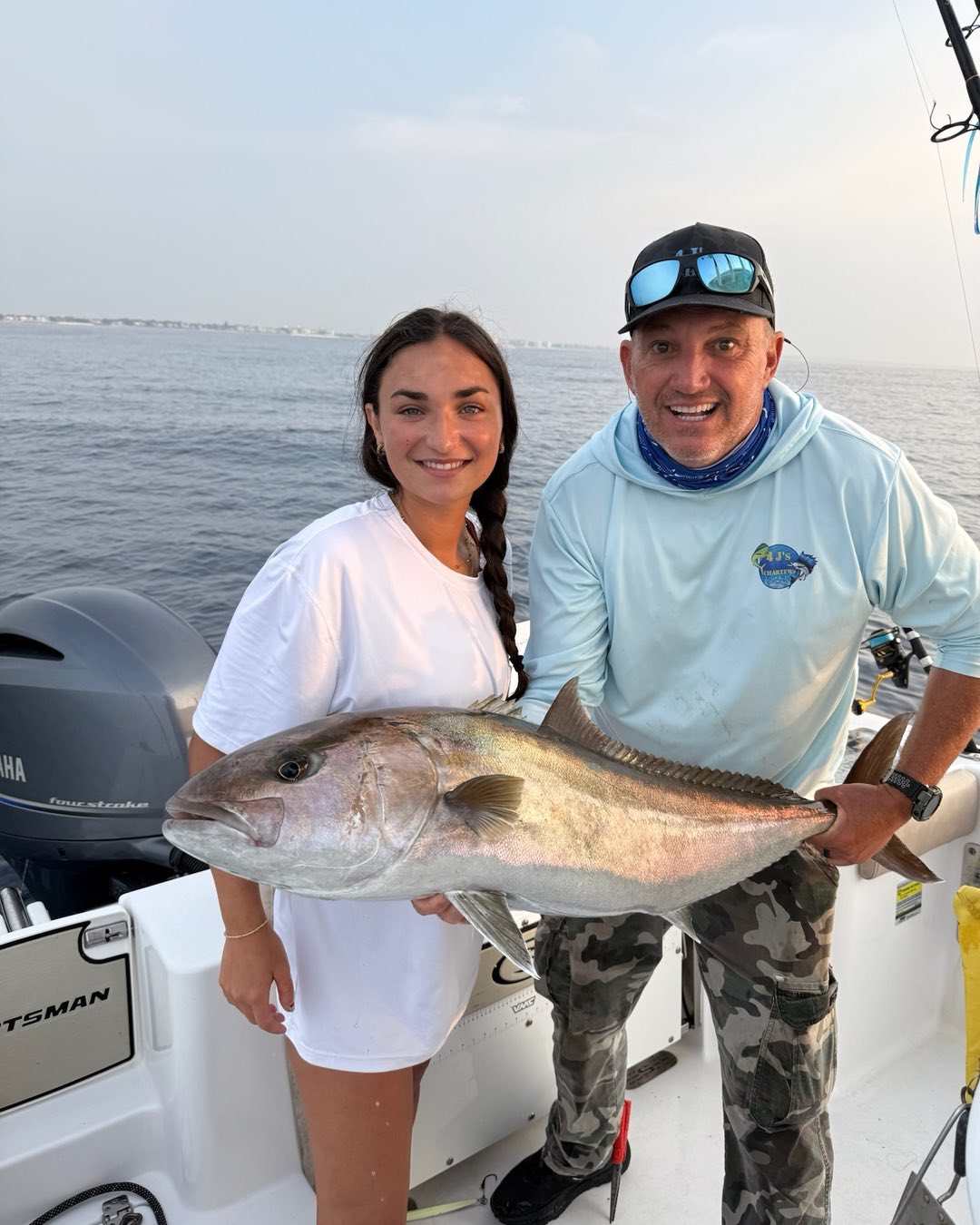
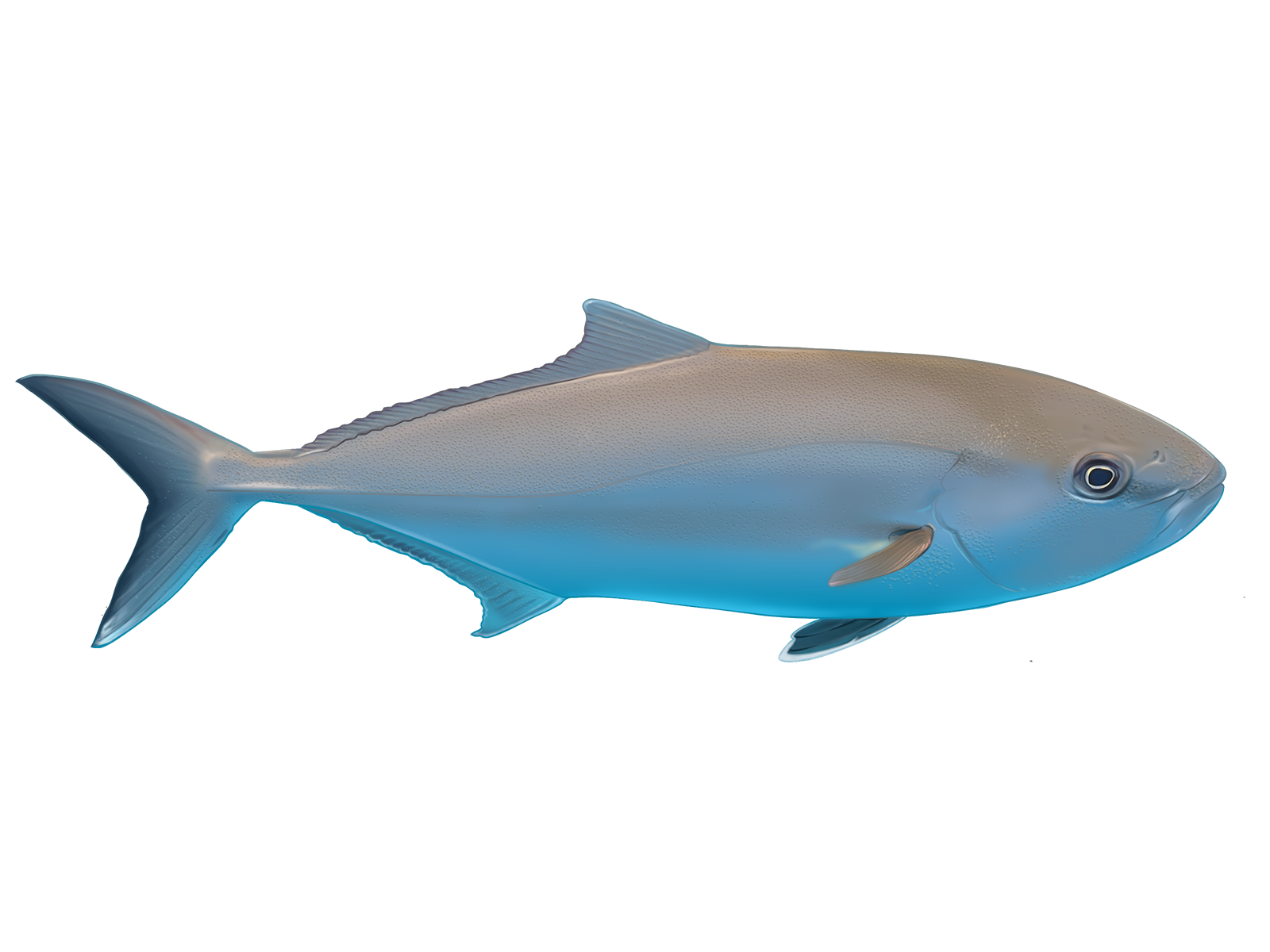
Greater Amberjack are the bulldogs of the reef, and Boynton Beach's deeper structures hold some true giants. These fish can exceed 60 pounds and fight with raw power that'll make your arms burn. They typically hold tight to the bottom around structure, so getting your jig down quickly and working it near the reef is crucial. Amberjack are most active during the warmer months from April through October, though legal-sized fish can be caught year-round. When you hook a big amber, expect a straight-down fight as they try to reach the safety of the reef.
Wahoo are the speed demons of the offshore world, capable of stripping line faster than almost any other fish in these waters. They're typically found along the reef edges and drop-offs, especially during the winter months when they move closer to shore. A wahoo hit feels like you've hooked a freight train, with initial runs that can peel off 200 yards of line in seconds. These fish average 20 to 40 pounds but can reach 60-plus, and their razor-sharp teeth make wire leaders essential when targeting them.
Great Barracuda are aggressive predators that patrol the reefs year-round, with larger fish more common during the spring and fall months. They're drawn to fast-moving jigs and often strike with explosive force near the surface. Barracuda in the 10 to 30-pound range provide excellent sport on appropriate tackle, with their aggressive nature and sharp teeth making every hookup an adventure. They're also great fish for photos with their prehistoric appearance and impressive dental work.
Mutton Snapper represent some of the best eating fish you'll encounter on the reefs, and they're notoriously finicky about presentation. These fish are most active during the summer months around full moon periods, when they aggregate for spawning. Muttens typically range from 5 to 15 pounds, with occasional fish pushing 20-plus. They require a more subtle jigging approach than the pelagic species, often responding better to slower presentations near the bottom structure where they feed on crabs and small fish.
Time to Book Your Spot
This jigging charter offers something you won't find on larger party boats – personalized instruction and the flexibility to adapt techniques based on what's working. With Captain Jim's local knowledge and quality gear provided, you'll spend your time learning productive techniques rather than struggling with inadequate equipment. The 4-hour format is perfect for anglers who want to experience offshore jigging without committing to a full day, and the two-person limit ensures you'll get plenty of rod time an
 Private Trip
 Offshore Fishing
 undefined, undefined


 Private 4-hour jigging charter targets premium offshore species