Quick Islamorada Fishing Adventure
When you're looking for a solid fishing trip that doesn't eat up your whole day, this short-burst charter with 6th Generation Charters hits the sweet spot. We're talking 2-3 hours of focused fishing time around Islamorada's prime inshore and patch reef spots. No long boat rides to nowhere – we stay local and get you on fish fast. Perfect for families who want to give the kids a taste of Florida Keys fishing without the marathon session, or if you're squeezing in some angling between other vacation plans. The captain knows these waters like the back of his hand and can work around your schedule, so don't hesitate to ask about timing that works for you.
What to Expect on the Water
This isn't your typical all-day grind – we keep things tight and productive. You'll hit the bridges where current and structure create feeding zones, plus those shallow patch reefs that hold surprising variety. The beauty of staying close to Islamorada means more time with lines in the water and less time burning fuel to fishing spots. We're maxed at 4 anglers, so everyone gets plenty of attention and rod time. The captain's got tackle ready to go, and he'll switch up techniques based on what's biting that day. Whether we're working live bait around the pilings or casting to cruising fish on the flats, every spot has a purpose. Don't expect to just sit and wait – this style of fishing keeps you engaged and moving.
Techniques and Hot Spots
Bridge fishing around Islamorada is an art form, and these structures act like fish magnets. We'll position the boat to work the current lines and drop zones where baitfish get swept along. Live pilchards and pinfish are go-to baits here, and the captain knows exactly how to present them in the flow. On the patch reefs, we're looking at slightly deeper water with coral heads and ledges that attract different species. Bottom fishing with cut bait or live offerings works great, but don't be surprised if we switch to sight fishing when conditions allow. The shallow rocks and reef edges offer some of the most visual fishing you'll find – watching a big barracuda or tarpon approach your bait never gets old. Spinning tackle handles most situations, though we might break out some heavier gear if the sharks start showing up.
Species You'll Want to Hook
Grey snapper are the bread and butter around these parts, and for good reason. These guys are smart, tasty, and put up a solid scrap on light tackle. They school up around structure year-round, but summer months see the biggest concentrations. What makes them fun is their pickiness – sometimes they want live bait dropped just right, other times they'll smash a jig bounced off the bottom. When you hook one, expect others nearby.
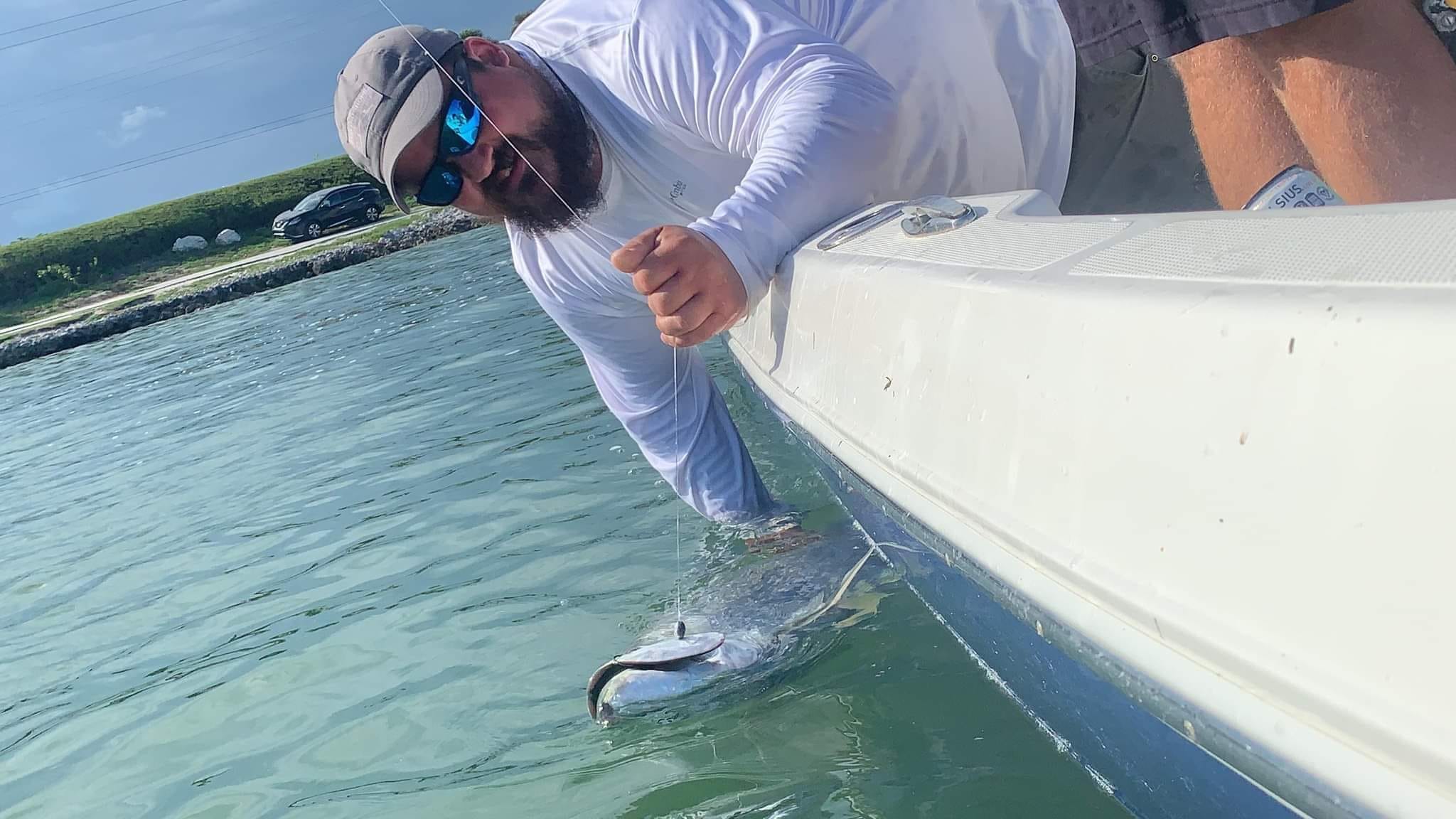
Tarpon fishing in Islamorada is legendary, and even a short trip can connect you with these silver kings. Spring through fall brings them through in numbers, with May and June being peak months. These fish range from juvenile "baby" tarpon around 10-30 pounds up to giants over 100. The smaller ones are perfect for this style fishing – they jump like crazy and test your drag system. Landing one on light tackle is a real achievement, and the captain will make sure you know proper tarpon handling for a healthy release.
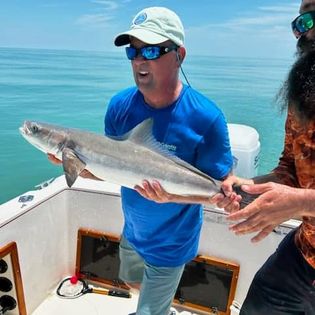
Blacktip sharks add serious muscle to any trip. These athletic predators cruise the flats and reef edges looking for easy meals, and they're not shy about taking baits meant for other fish. Most run 20-50 pounds and will peel line off your reel in long runs. They're active year-round but really fire up in warmer months. Fighting a blacktip on spinning gear is pure adrenaline – they jump, run, and never give up easy.
Great barracuda are the speed demons of the flats. These torpedo-shaped hunters can hit 30+ mph and grow over 4 feet long around here. They're visual predators, so you'll often see them before they strike. A 'cuda hit is explosive – they'll cut through the water and smash your bait with authority. Wire leaders are essential because their teeth will slice through mono in a heartbeat. They fight hard initially but tire quickly, making them perfect for newer anglers who want some action without a marathon battle.
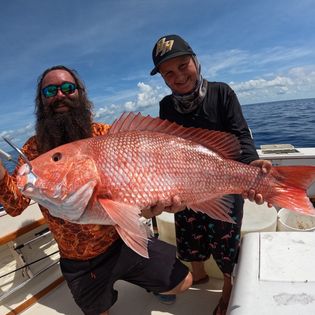
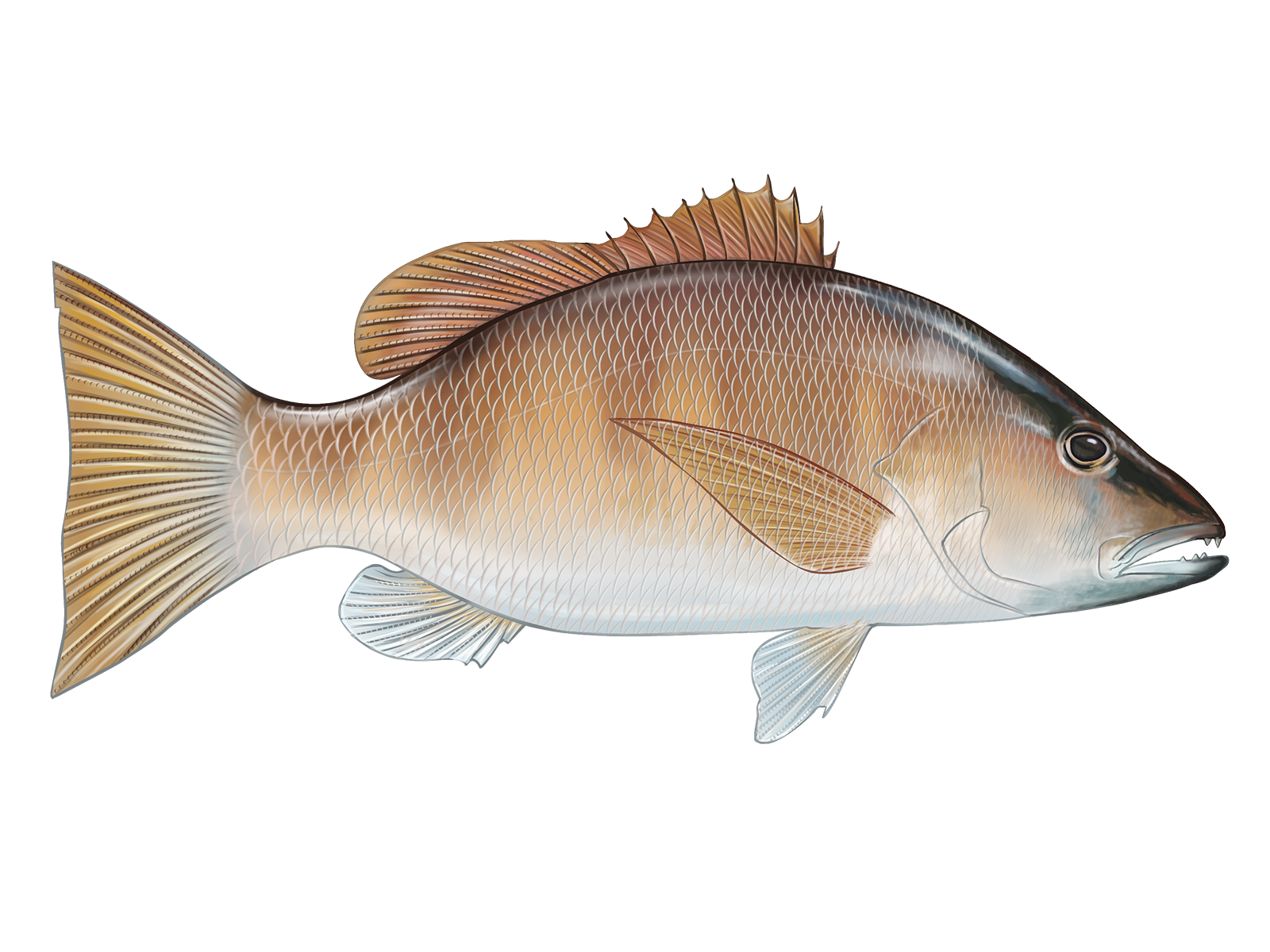
Mutton snapper are the prize catch for many anglers. These beautiful fish with their distinctive red fins and yellow stripes are trickier to target than their grey cousins. They prefer deeper patch reefs and are more selective about baits. Spring and early summer see the biggest fish, with some reaching 10+ pounds. They're excellent table fare and known for their strong initial runs. Finding a school of feeding muttons can make your whole trip – they're that special.
Time to Book Your Spot
This quick-hit fishing format works perfect for testing the waters if you're new to Keys fishing, or scratching that itch when you can't commit to a full day. The 2-3 hour window gives you real fishing time without the fatigue, and staying local means you're not gambling on long runs to fishing grounds. 6th Generation Charters has the local knowledge to make every minute count, and with only 4 spots available, you're getting personalized attention throughout the trip. The flexible scheduling means you can work this around other vacation plans or family activities. Don't sleep on these shorter trips – some of the best fishing memories come from quick sessions when the bite is hot and the fish are cooperative.
 Private Trip
 Inshore Fishing
 Islamorada



 Quick 2-3 hour inshore and patch fishing trips near Islamorada