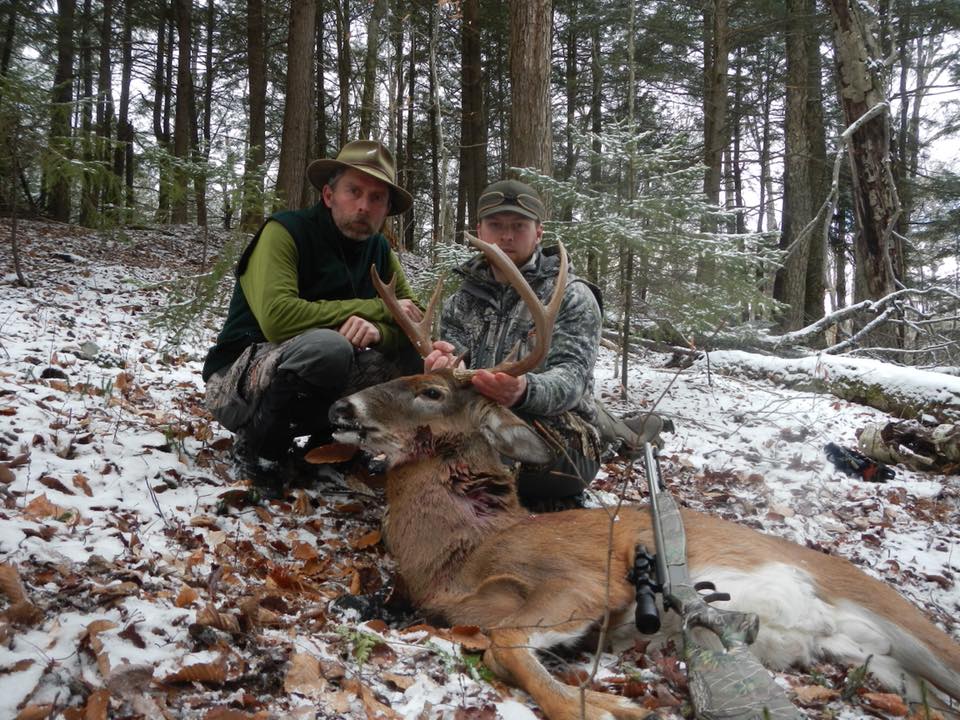
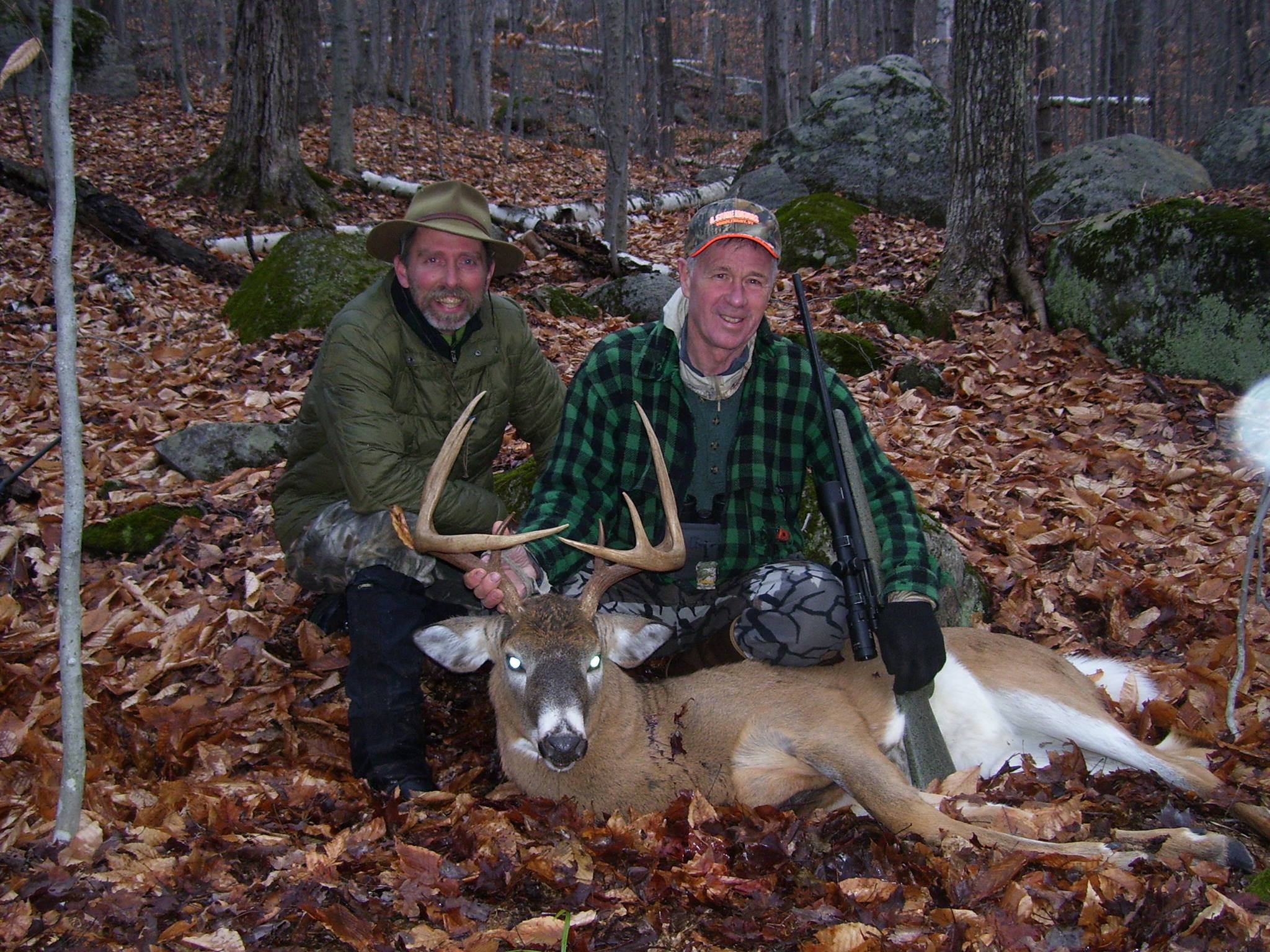
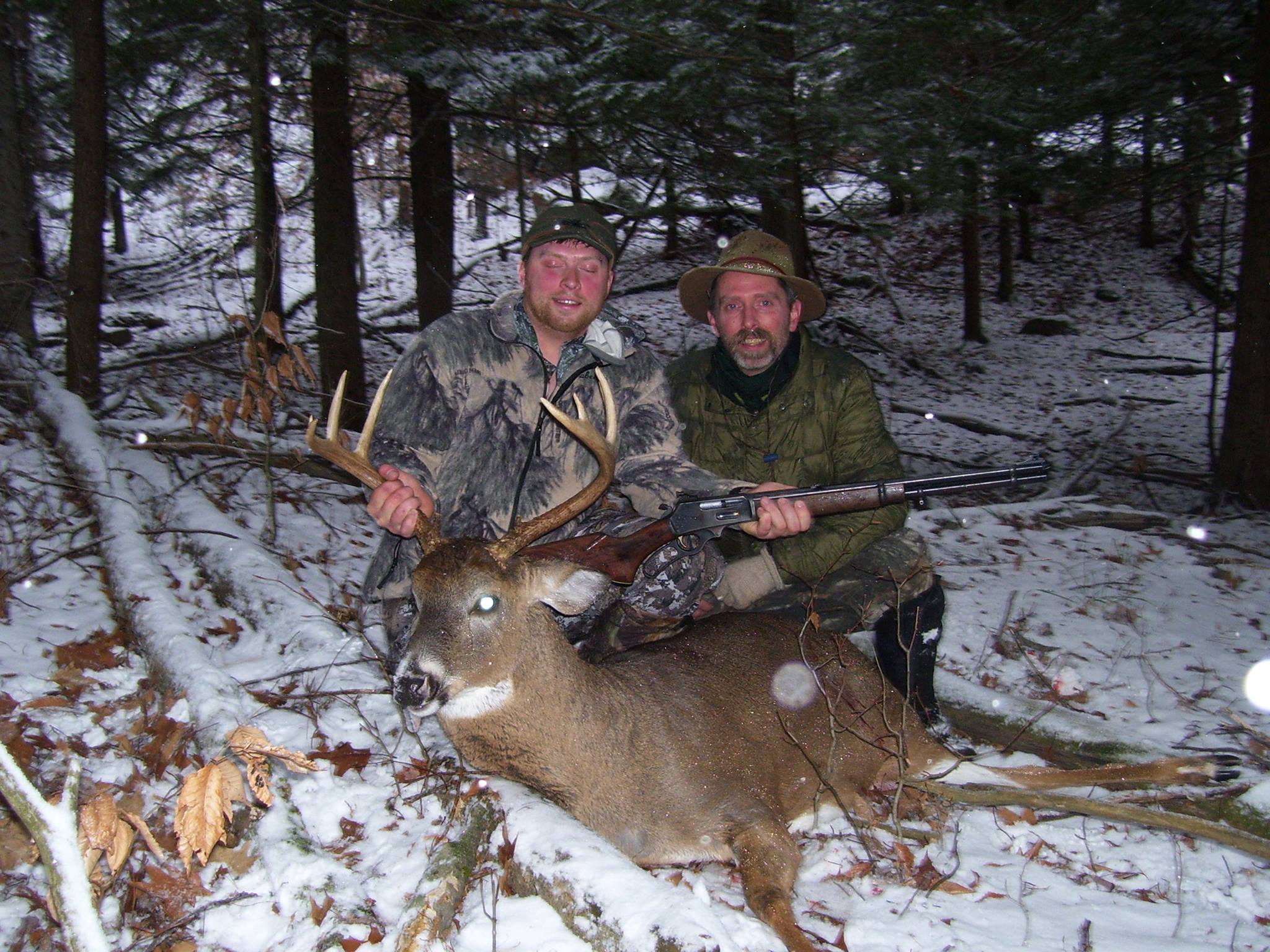
Adirondack Whitetail Deer Hunt
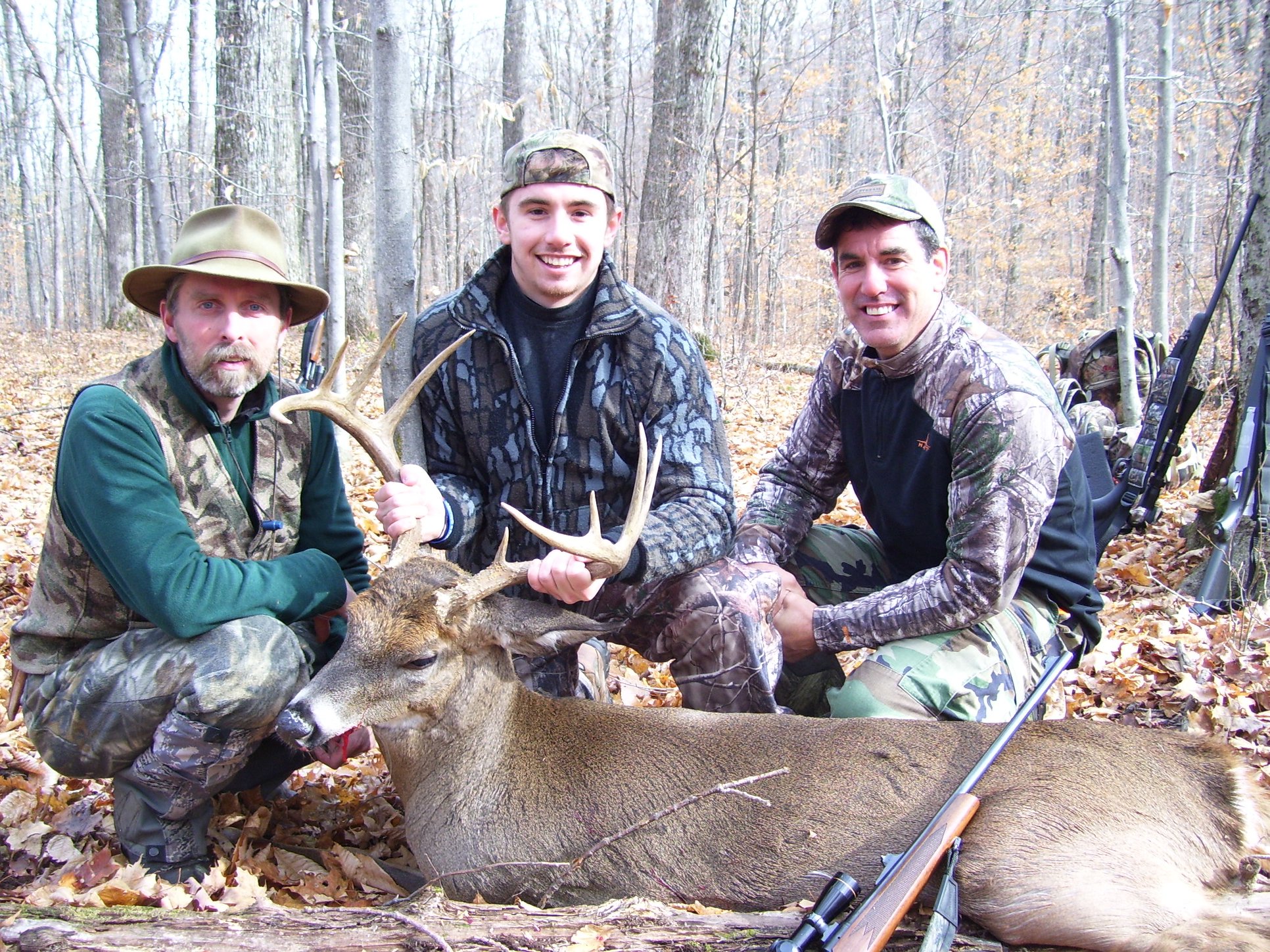
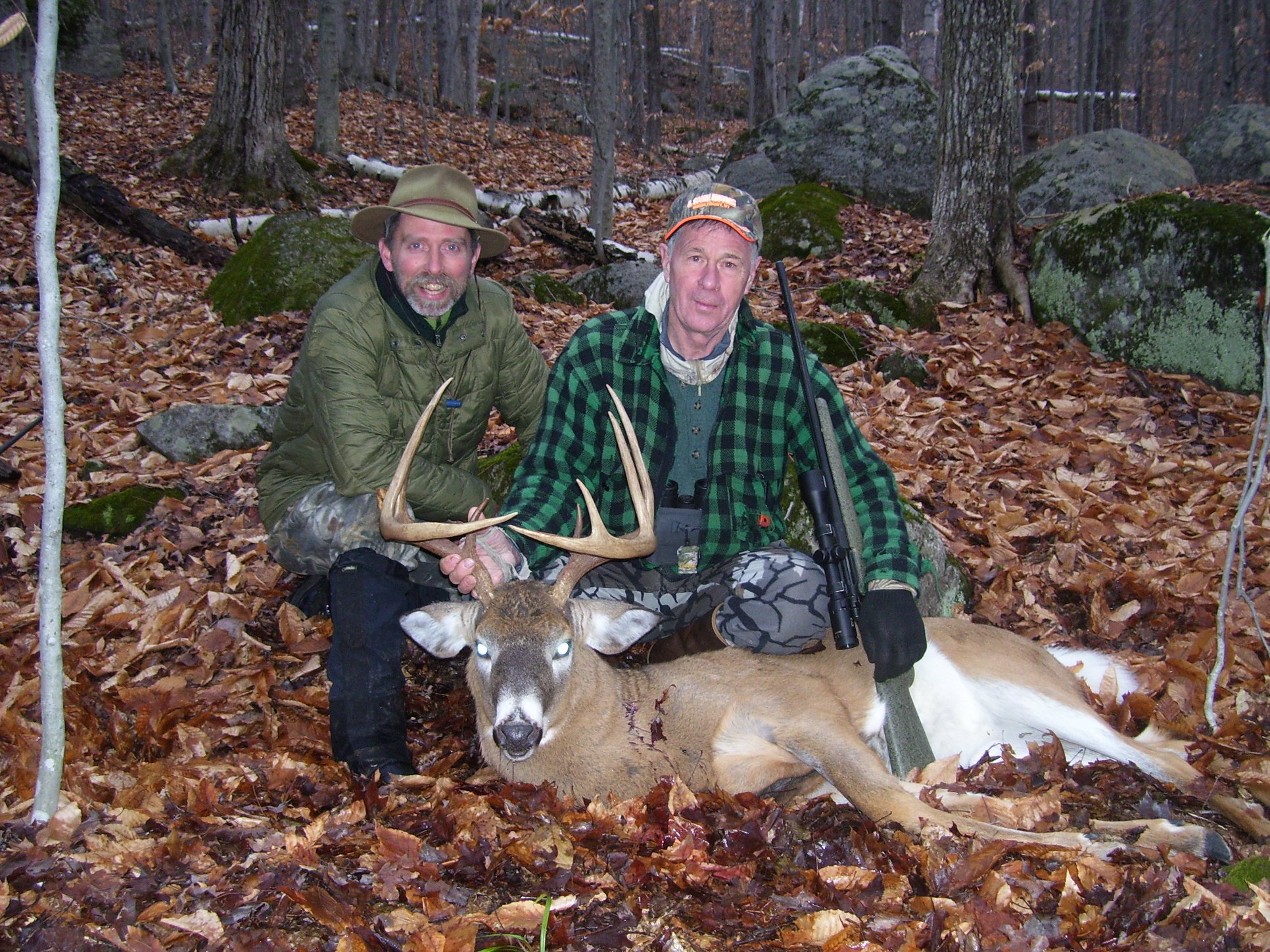
Want to test your skills against some of the wariest whitetail in the Northeast? Our Adirondack whitetail hunts put you in prime big woods territory where these deer have grown smart and cautious over generations. This isn't your typical farm hunt—we're talking about wild, free-ranging deer that have never seen a corn feeder or heard a dinner bell. Just you, your rifle, and the kind of hunting that built the sport. I've been guiding these mountains for decades, and I can tell you that earning a shot at an Adirondack buck is something special. These deer will test every skill you've got, from reading sign to staying motionless when it counts.
Inside the Hunt
Your day starts early with a hot cup of coffee and a game plan tailored to current conditions and your hunting style. If there's fresh snow, we might pick up a track and follow it through the hardwoods until we catch up to your deer. Love the patience of stand hunting? I know productive funnels and bedding areas where mature bucks move during legal hours. Prefer still hunting? We'll ghost through promising cover, stopping every few steps to glass ahead and listen for movement. The Adirondacks offer over six million acres of mixed forest, from dense softwood swamps where big bucks bed down to open hardwood ridges where you can see for hundreds of yards. Weather plays a huge role here—a dropping barometer or the first real cold snap can turn a slow day into the hunt of your life. I handle all the scouting, trail camera work, and logistics so you can focus on what matters: making the shot when opportunity knocks.
Tracking Tips & Terrain
Adirondack whitetails live in country that demands respect and skill. We're hunting steep ridges, thick creek bottoms, and everything in between. The terrain varies from open beech and maple stands where you can see a long ways to nasty thick stuff where shots come fast and close. I'll teach you to read deer sign like a book—fresh rubs on saplings, scrapes near field edges, and the subtle trails that connect bedding areas to food sources. When snow's on the ground, tracking becomes an art form. A fresh track in three inches of powder tells a whole different story than day-old prints in crusty snow. We use a mix of techniques depending on conditions: spot-and-stalk when visibility is good, still hunting through cover when deer are moving, and strategic stand placement during peak rut activity. Your rifle should be sighted dead-on at 100 yards since most shots in this country come between 50 and 150 yards. Dress in layers because November weather can swing from 20 degrees at dawn to 50 by afternoon.
Hunter Highlights
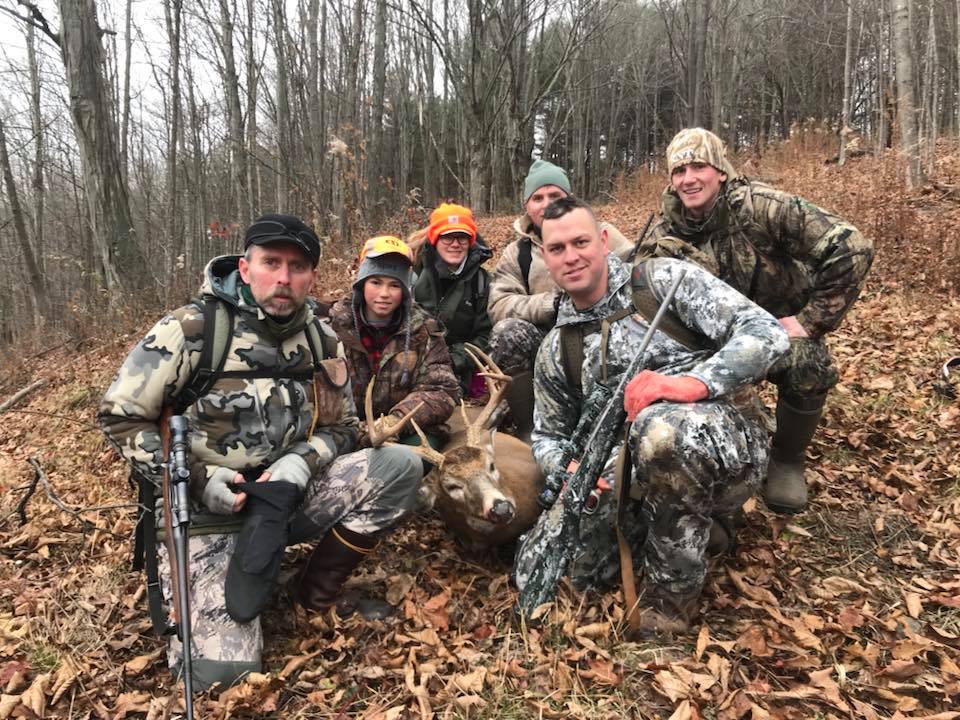
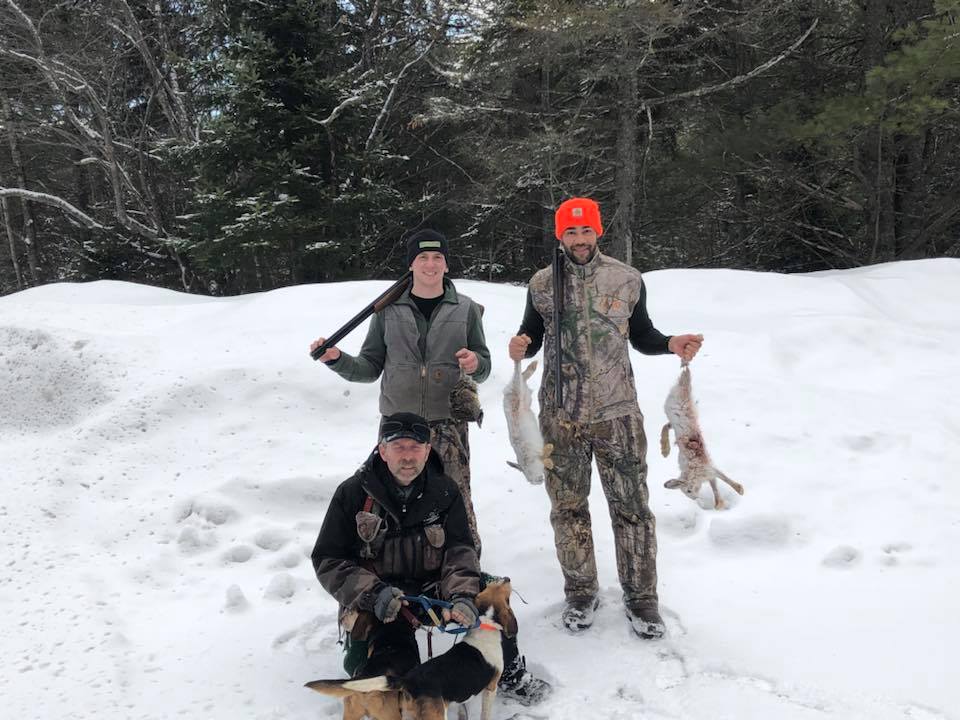
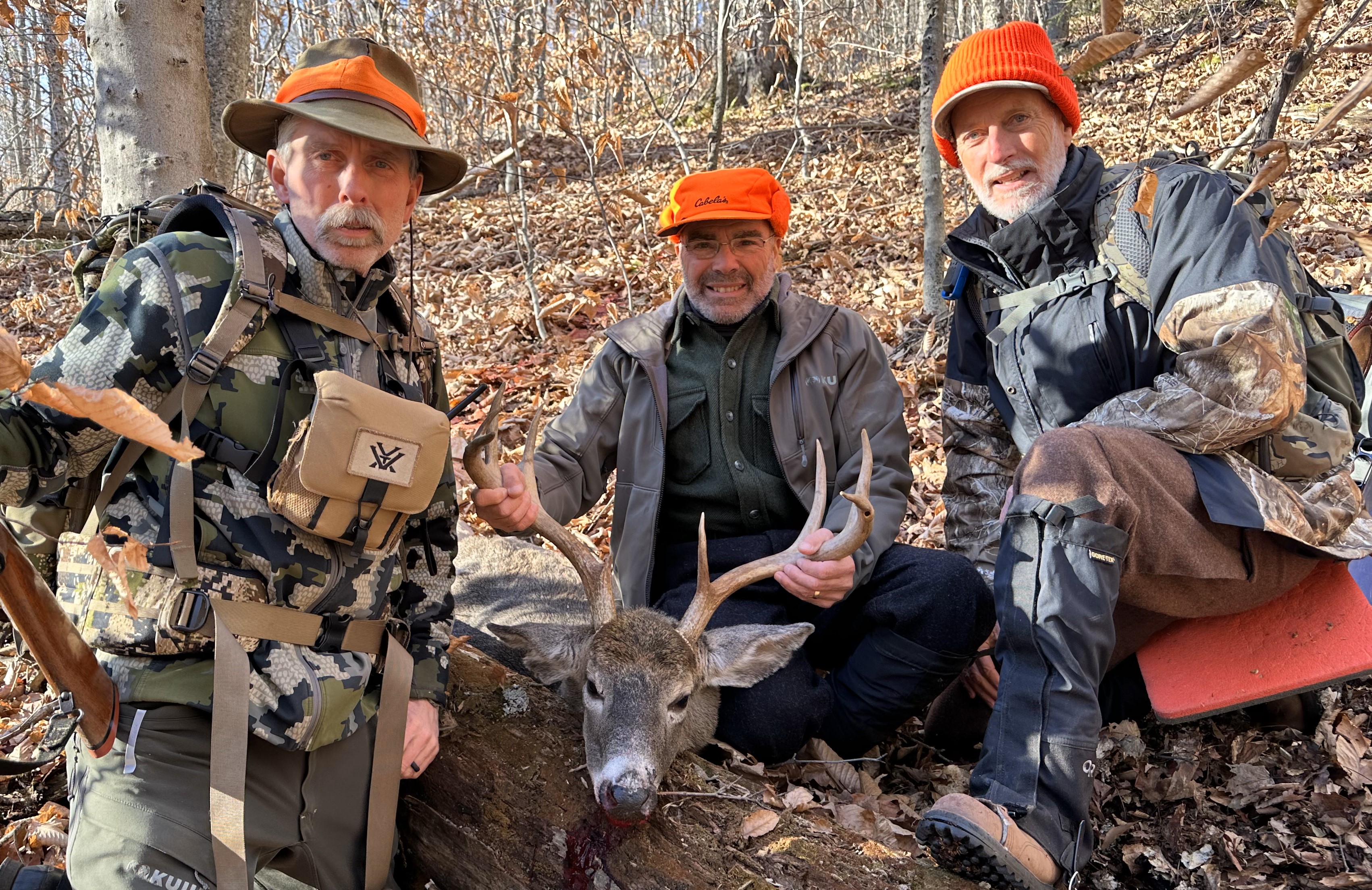
"Jamie, Cody and Joe hosted us on a 3 night backcountry hunt. Every aspect of the experience was top notch. We didn't get a buck but we had several good opportunities that we should have turned into meat for the freezer. We are already booked for next year!" - Hank. "Our group has used Jamie at Adirondack Mountain and Stream every year for 20+ years for our annual Hare hunts. You will not find a more hard working and qualified guide in the 'dacks. His dogs are well cared for and well trained and will definitely get the hares running! Jamie and his son Cody, who we've watched grow up and work just as hard, make it a fun and entertaining time. Whether its deer or hares, you absolutely cannot go wrong with Adirondack Mountain & Stream." - G. "Jammie took us Hare hunting. what a professional! he knew the woods well, knew the hares and worked even harder than his dogs to get rabbit in front of us and make sure everyone was having a good time!" - Mel.
Target Game Breakdown
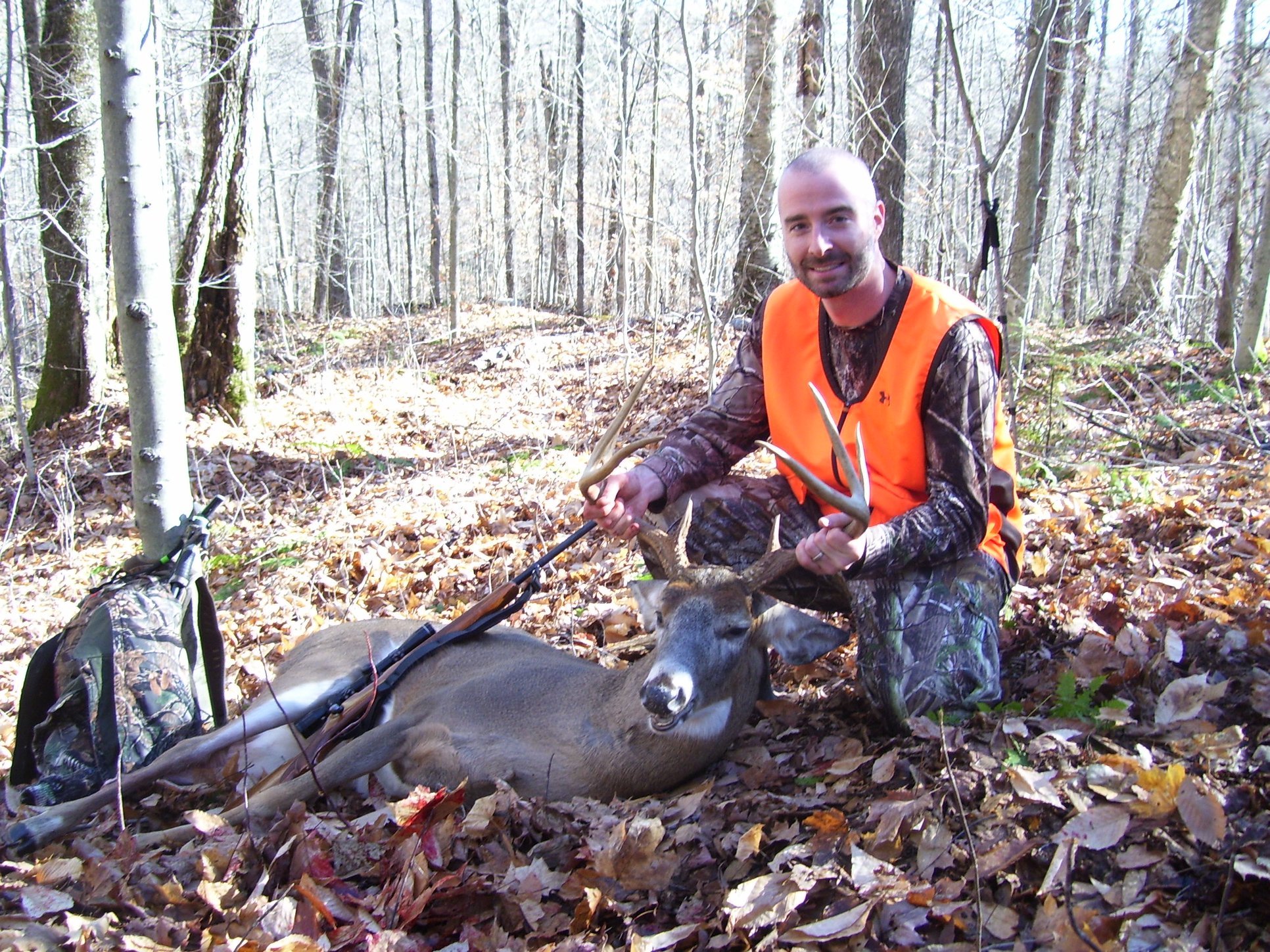
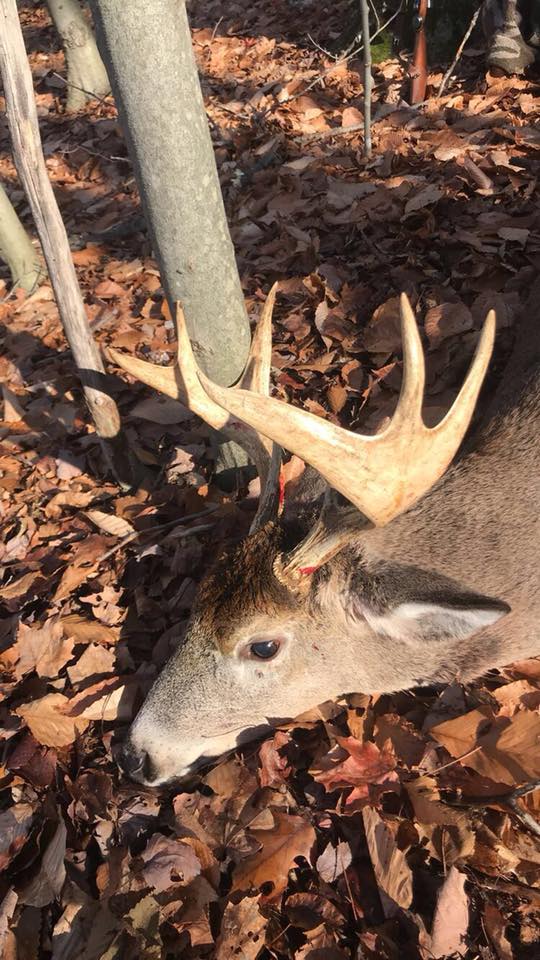
Adirondack whitetail deer represent some of the finest hunting in the East, but they've earned their reputation for being tough to tag. These deer live in a landscape that's been largely unchanged for centuries, creating animals with survival instincts honed to perfection. Mature bucks average 150-180 pounds live weight, though we see plenty of 200-pounders each season. The rack quality varies, but a typical mature Adirondack buck will sport 8-10 points with decent mass and spread. What makes these deer special isn't just size—it's their behavior. They've learned to use terrain, weather, and thick cover to their advantage. During early season, they stick to predictable patterns, feeding at dawn and dusk before retreating to dense bedding cover. Once hunting pressure builds and the rut kicks in around mid-November, all bets are off. Bucks will cover miles searching for does, presenting opportunities to hunters who know where to intercept them. The peak rut typically runs from November 10-20, when even the most reclusive bucks lose some caution. Late season hunting after Thanksgiving can be productive too, as deer concentrate on remaining food sources and predictable shelter areas. The key to success is understanding that these aren't farm deer—they react to pressure, weather changes, and human intrusion with decades of learned behavior.
Book Your Next Tag
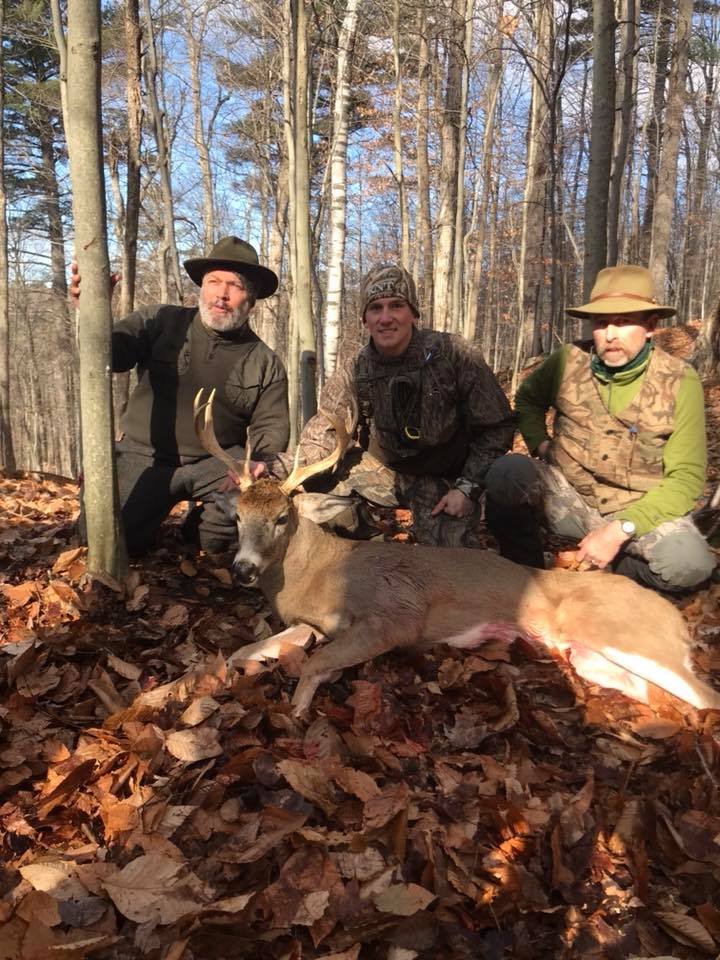
Hunting Adirondack whitetails isn't just about filling a tag—it's about proving yourself against some of the smartest deer in the country. Every hunt teaches you something new, whether you're reading tracks in fresh snow or learning why that buck chose to bed in a particular spot. The country itself becomes part of the challenge, demanding woodsmanship and patience that you won't develop sitting in a box blind over a food plot. When you do connect on a mature Adirondack buck, you'll have earned every ounce of that venison and every point on those antlers. The memories of following a hot track through fresh snow or watching a heavy-bodied buck step into your shooting lane will stick with you long after the season
 5.0(4 Reviews)
 Private Trip
 Big game hunting
 undefined, undefined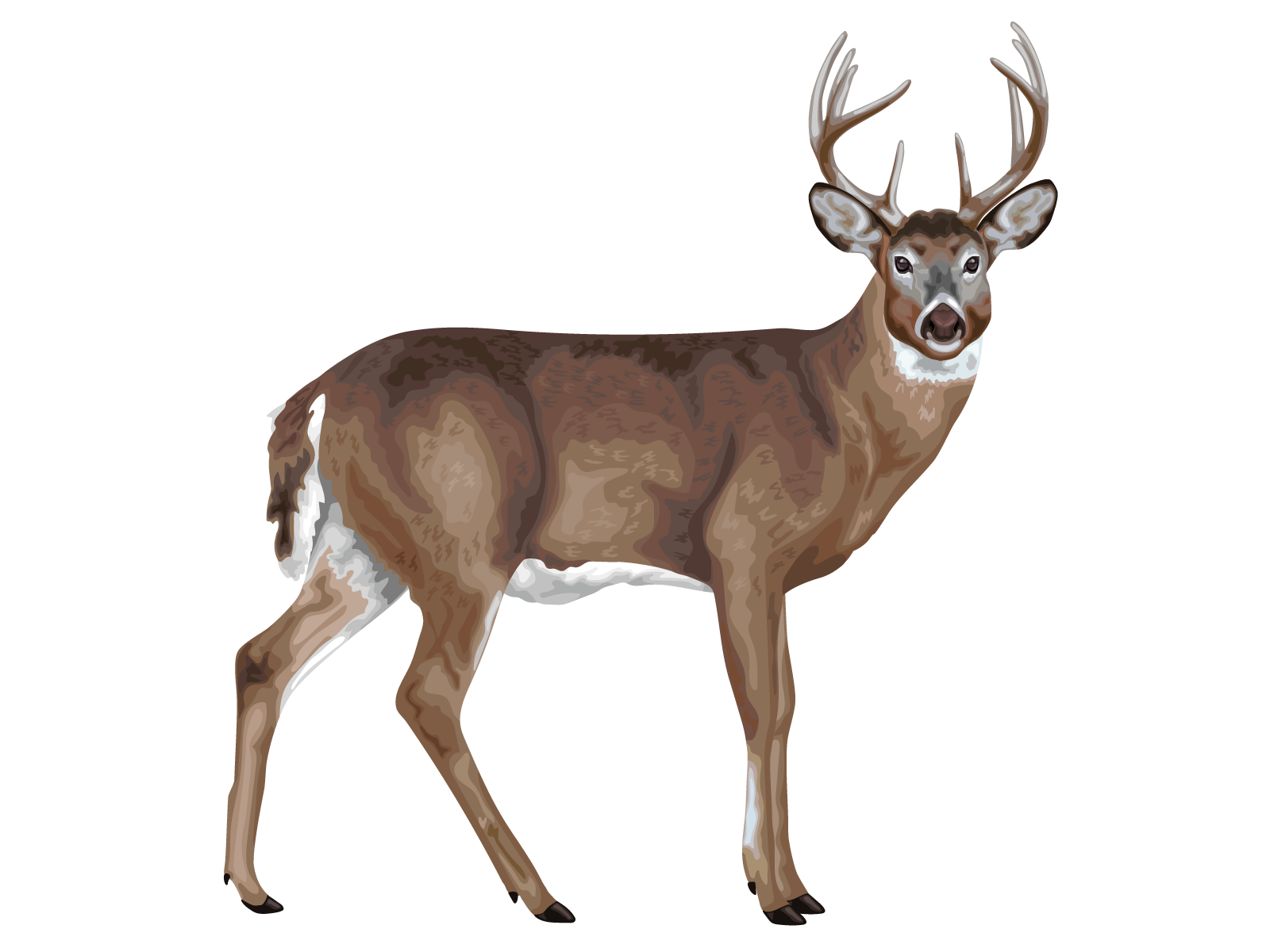
 Full-day whitetail hunting in Adirondack wilderness terrain