Marathon Florida Offshore Fishing Charters
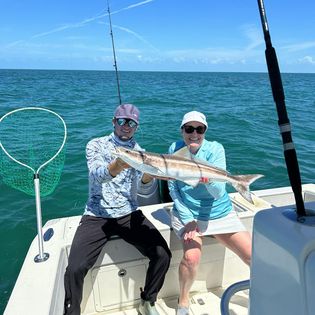
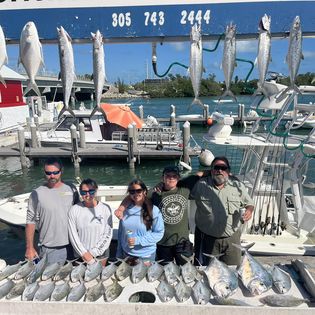
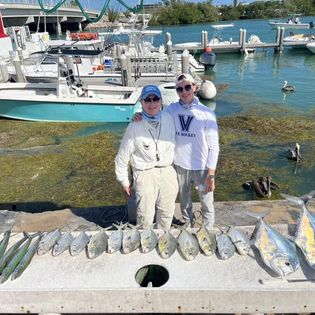
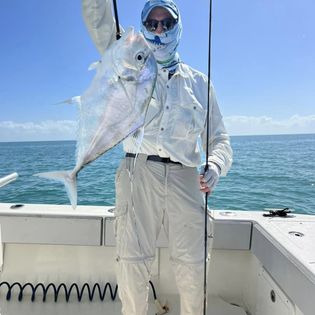
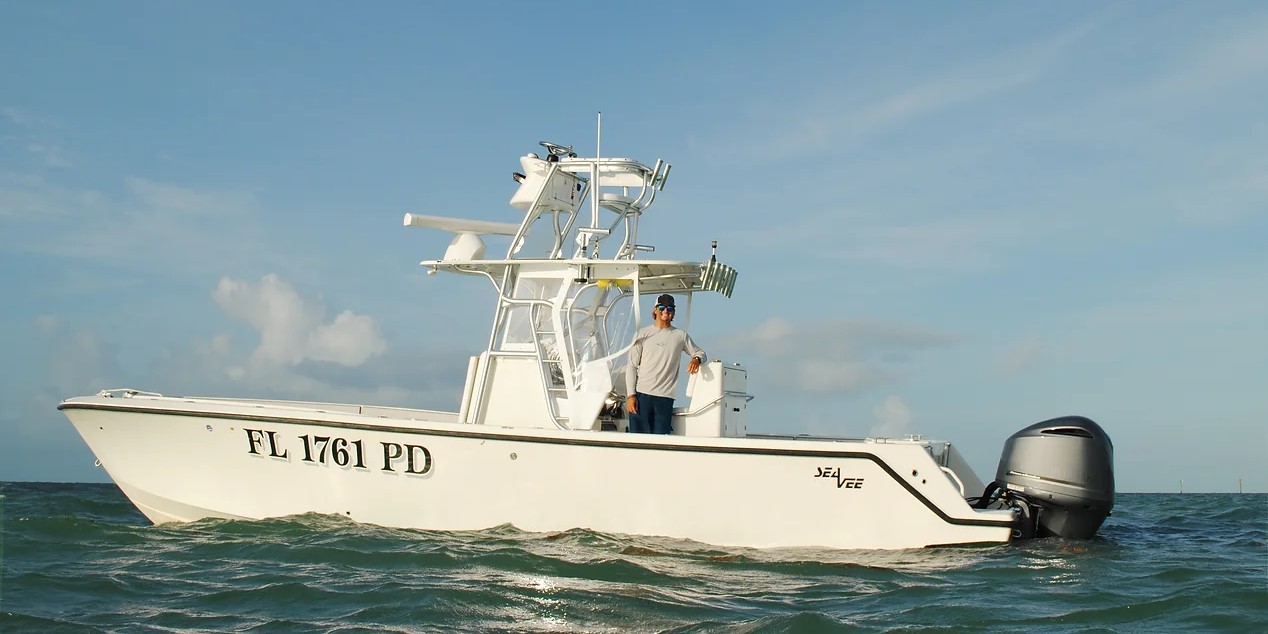
Always Late Fishing Charters brings you the real deal when it comes to Marathon offshore fishing. We're talking about serious Gulf Stream action where the big boys swim – the kind of fishing that separates weekend warriors from true anglers. Our half and full-day trips put you right in the heart of some of Florida's most productive offshore waters, where trophy fish roam and coolers get packed with prime table fare. Captain and crew know these waters like the back of their hand, positioning you over structure and current breaks where pelagic species cruise. With room for up to six anglers, you'll have plenty of space to work without bumping elbows, whether you're battling a screaming wahoo or working a stubborn mahi. Pack your own grub and drinks – we provide the fishing expertise and local knowledge that turns good days into legendary ones.
What to Expect on the Water
Marathon sits perfectly positioned for accessing deep blue water without burning half your fuel getting there. We're typically looking at a 30-45 minute run to reach prime fishing grounds, putting us over depths ranging from 200 feet out to the deeper edges of the Gulf Stream where the current creates natural feeding zones. The boat's rigged with quality tackle and outriggers for spreading lines, giving each angler the best shot at hooking up. Expect to see flying fish scattering ahead of the boat – that's your first sign we're in the right neighborhood. Water color changes from green inshore tones to that deep cobalt blue that gets every angler's heart pumping. Weather plays a big role out here, and our captains read conditions like a book, adjusting tactics based on wind direction, current speed, and what the fish are telling us. Some days they're aggressive and hit anything moving; other days require finesse and patience. That's offshore fishing in a nutshell – always different, never boring.
Trolling the Gulf Stream
Trolling remains the bread and butter technique for covering water and finding active fish in the offshore environment. We'll typically run a spread of four to six lines using a mix of ballyhoo, cedar plugs, and artificial lures designed to mimic the baitfish these pelagics feed on. Outriggers help present baits naturally while keeping lines separated and reducing tangles when multiple fish hit simultaneously. Line placement varies based on conditions – sometimes fish want baits right in the prop wash, other times they prefer offerings 100 yards back in clean water. Live bait becomes crucial when fish get finicky, and we'll often stop to catch goggle eyes or small tunas to use as premium bait for larger predators. GPS and fish finder technology help locate temperature breaks, debris lines, and bottom structure that concentrate baitfish and attract gamefish. When we mark fish or see surface activity, we'll circle back and work the area thoroughly, sometimes switching to vertical jigging or live bait fishing to trigger strikes from fish that won't commit to trolled presentations.
Species You'll Want to Hook
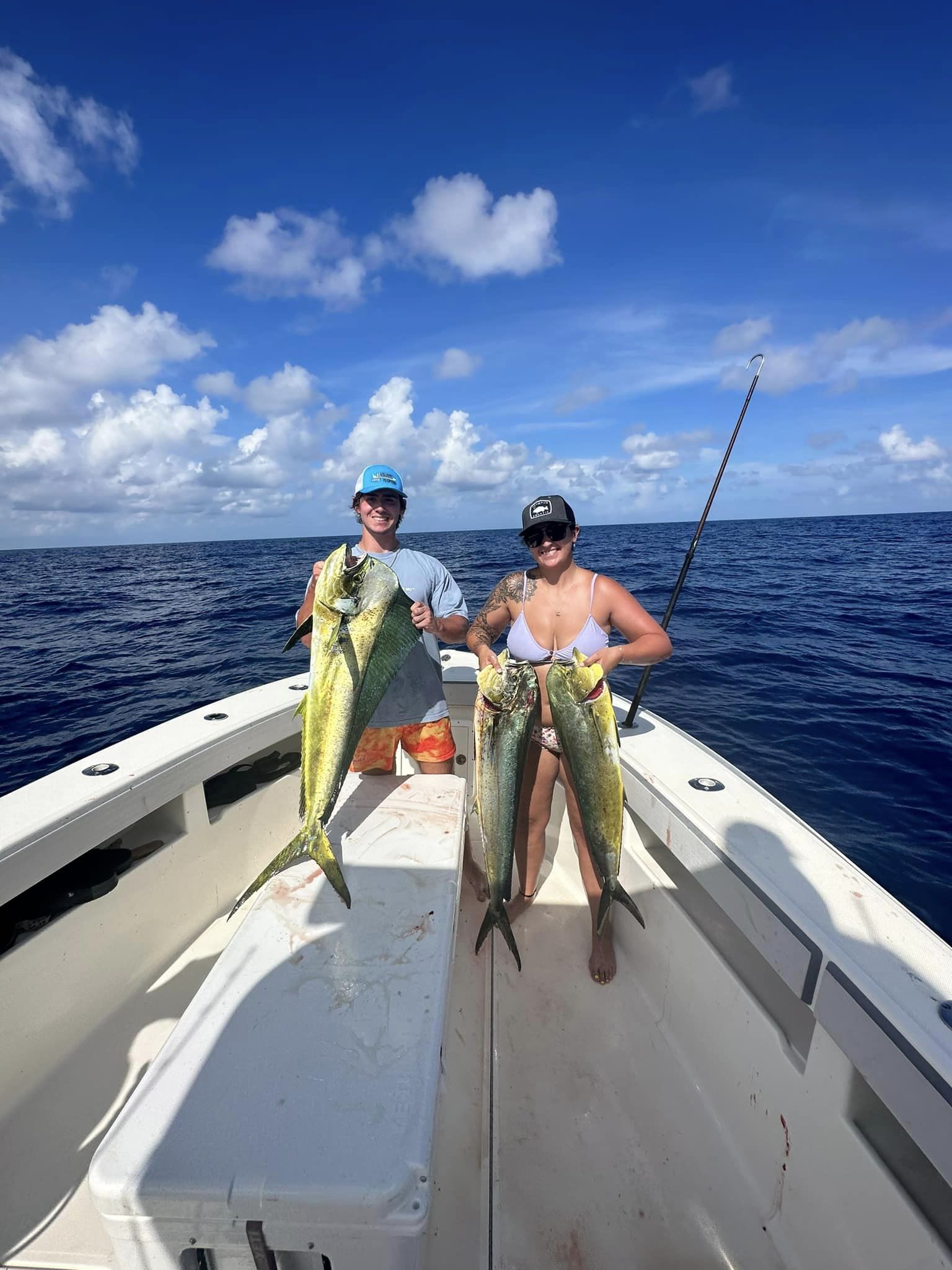
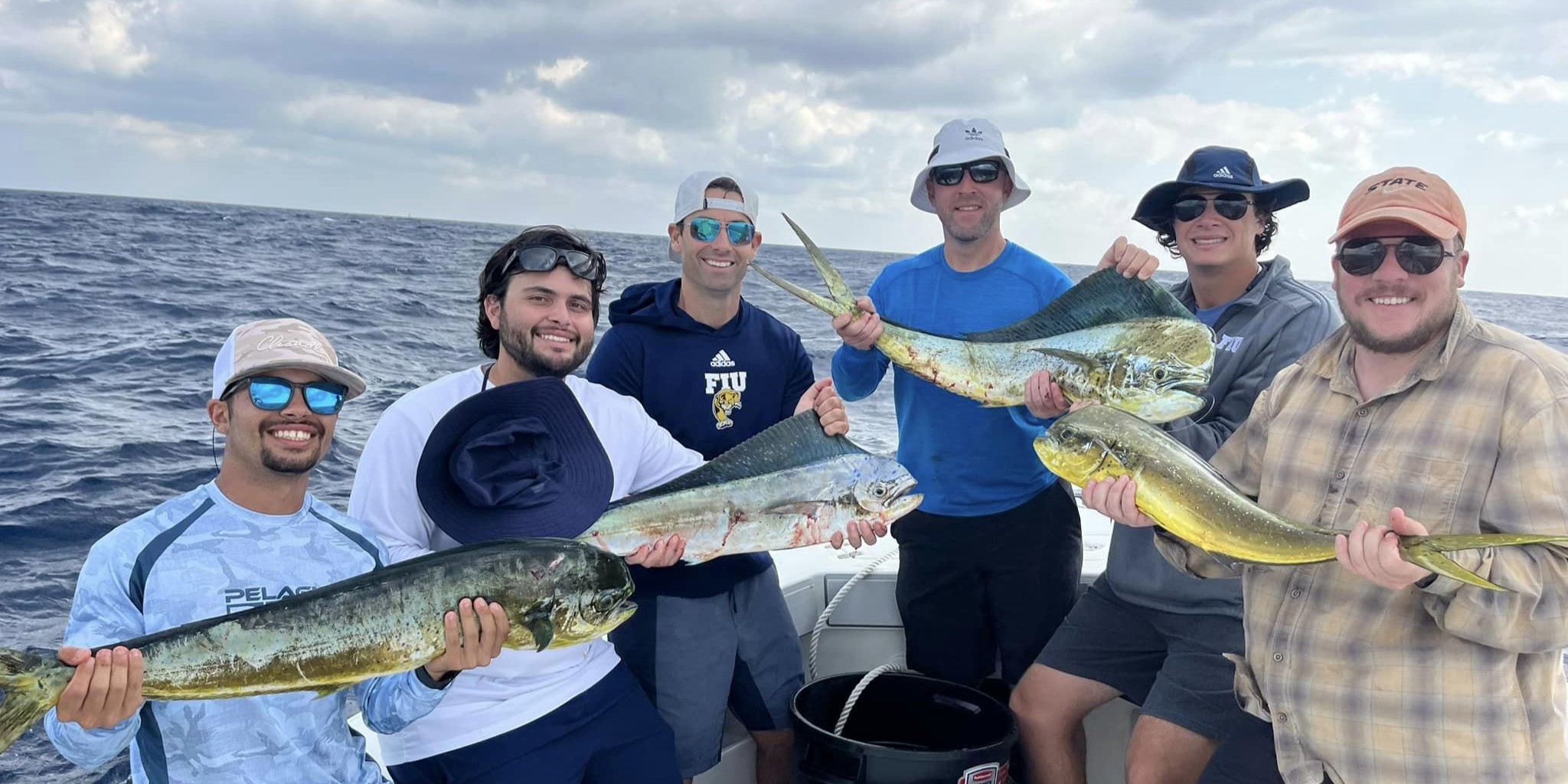
Mahi mahi rank as the most sought-after offshore species around Marathon, and for good reason. These electric performers put on aerial shows that leave anglers grinning from ear to ear while providing some of the best table fare swimming. Peak season runs from April through September when schools migrate through our waters, though scattered fish show up year-round. Look for them around floating debris, weed lines, or any structure that provides shade and attracts small baitfish. Bulls can push 40 pounds while smaller school fish typically range 5-15 pounds. They're aggressive feeders that respond well to both trolled baits and live offerings, making them perfect targets for anglers of all experience levels.
Wahoo represent the speed demons of the offshore world, capable of peeling line faster than most anglers expect. These torpedo-shaped predators patrol deeper waters and current edges, ambushing prey with lightning-fast strikes. Winter months from November through March offer the most consistent wahoo action around Marathon, when cooler water temperatures bring them closer to shore. They're notorious for hitting wire leaders and high-speed trolled baits, particularly those resembling needlefish or ballyhoo. A good wahoo runs 25-50 pounds of pure muscle wrapped in razor-sharp teeth, making them both challenging to land and outstanding on the dinner table.
Tripletail present unique opportunities for sight fishing enthusiasts willing to work for their catch. These oddball-looking fish hang around floating debris, channel markers, and crab trap buoys throughout warmer months. They're ambush predators that rely on camouflage, often floating sideways to mimic dead leaves or debris. Spring and summer months produce the most consistent action, with fish ranging from 5-20 pounds. Live shrimp or small crabs presented near structure trigger explosive strikes, while artificial lures require precise placement and patience. Their fighting style involves powerful runs and stubborn head-shaking that tests tackle and angler skill equally.
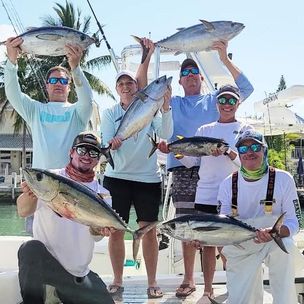
Blackfin tuna provide non-stop action when schools move through Marathon waters, particularly during cooler months from November through April. These smaller cousins to yellowfin and bluefin tuna school heavily and feed aggressively on small baitfish. They're perfect light-tackle targets, averaging 5-15 pounds while offering the same hard-fighting characteristics of their larger relatives. When you find one blackfin, expect to find dozens more in the immediate area. They respond well to small trolled lures, live bait, and vertical jigs worked around structure or temperature breaks.
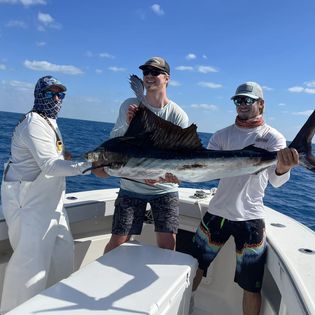
Atlantic sailfish cruise these waters year-round but peak during winter months when cooler water brings them closer to shore. These magnificent billfish represent the holy grail of light-tackle fishing, combining spectacular jumps with powerful runs that test equipment and angler endurance. Marathon's position along the Gulf Stream provides ideal sailfish habitat where they hunt ballyhoo, sardines, and other pelagic baitfish. Most fish range 40-80 pounds and require specific techniques including slow-trolled live baits or properly rigged ballyhoo presentations. Sight fishing opportunities arise when fish show on the surface
 Private Trip
 Offshore Fishing
 Marathon


 Half to full-day offshore fishing adventures in Marathon, Florida