Beginner Fishing Charter on Truman Lake
Starting your fishing journey can feel overwhelming, but this top-rated beginner charter on Truman Lake takes all the guesswork out of it. Guide Jordan Leer has built his reputation on patience and clear instruction, making this 5-hour trip the perfect way to learn fundamental fishing skills without any pressure. You'll fish Missouri's renowned Truman Lake aboard a stable, quiet vessel with just one other angler, giving you plenty of one-on-one time to master the basics. Whether you've never held a rod or just want to build confidence on the water, this charter sets you up for success from day one.
What to Expect on the Water
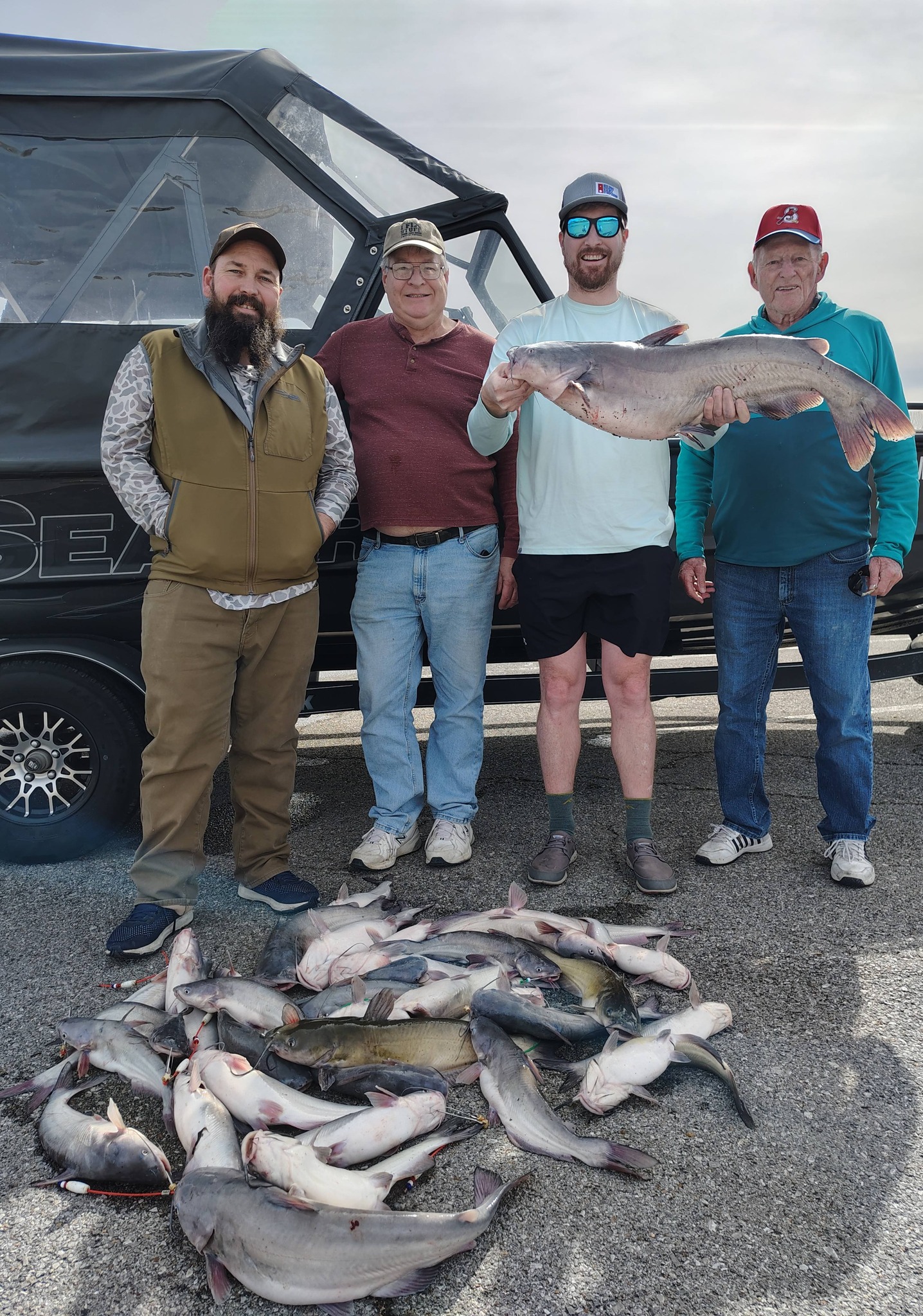
Jordan starts every trip by matching your skill level with the right approach. He'll position the boat in Truman Lake's calmer, protected areas where fish are cooperative and conditions stay manageable. The focus here is learning proper casting form, understanding how different baits work, and getting comfortable with the feel of a fish on your line. You'll primarily target Channel Catfish since they're willing biters and give you plenty of chances to practice your technique. The boat stays stable and quiet, so you can concentrate on building muscle memory without fighting rough water or engine noise. All your gear is provided – quality rods, tackle boxes full of proven baits, and everything else you need. Just grab your Missouri fishing license, pack some drinks, and bring sun protection for the day.
Gear Setup & Techniques
Jordan uses medium-action spinning rods that are forgiving for beginners but sensitive enough to feel every bite. He'll show you how to thread live bait properly, tie reliable knots that won't slip when a fish runs, and read your rod tip for subtle strikes. Bottom rigs and slip sinkers are the go-to setups since they're simple to manage and effective for the species you'll be after. You'll learn how to set the hook with confidence, play fish without losing them, and use proper netting techniques. The beauty of fishing Truman Lake's structure-rich environment means you can practice casting near fallen trees, rock piles, and creek channels where fish naturally congregate. Jordan explains why fish hold in certain spots, how to present bait naturally, and when to be patient versus when to move to fresh water.
Target Species
Crappie are some of the most rewarding fish for new anglers to target on Truman Lake. These slab-sided panfish typically run 10-14 inches and hit small jigs or live minnows with enthusiasm. Spring months bring them shallow for spawning, making them easier to locate and catch consistently. Crappie fight with quick, darting runs that teach you how to keep steady pressure without breaking light line. Their schooling behavior means when you find one, there's usually more nearby – perfect for building confidence with multiple hookups.
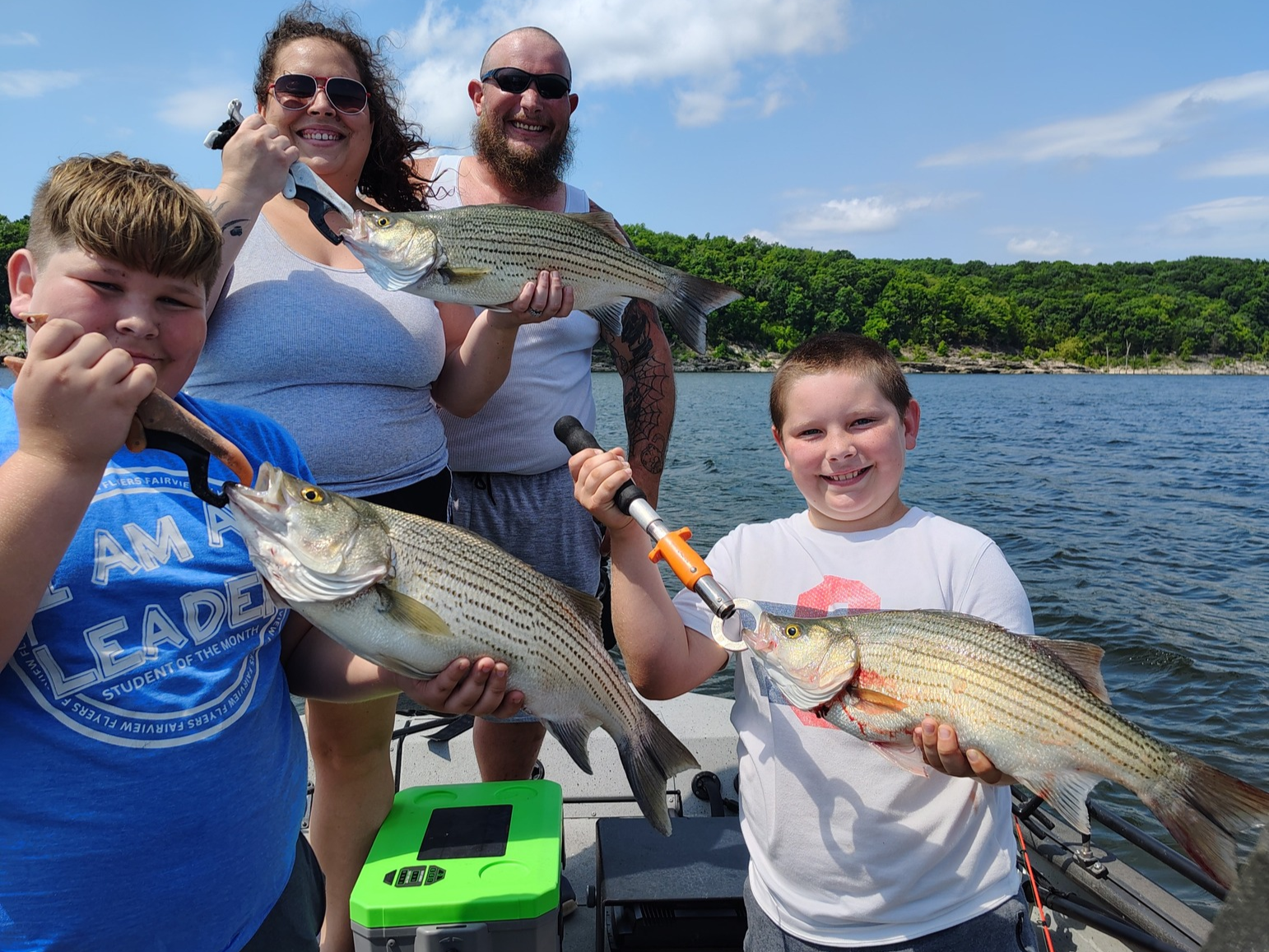
White Bass provide non-stop action when they're feeding, often traveling in large schools that chase shad to the surface. These silver fighters average 12-16 inches and aren't shy about hitting lures or cut bait. They're excellent teachers for learning how to work lures at different speeds and depths. When white bass are active, you'll get plenty of practice landing fish quickly and getting your line back in the water for the next bite.
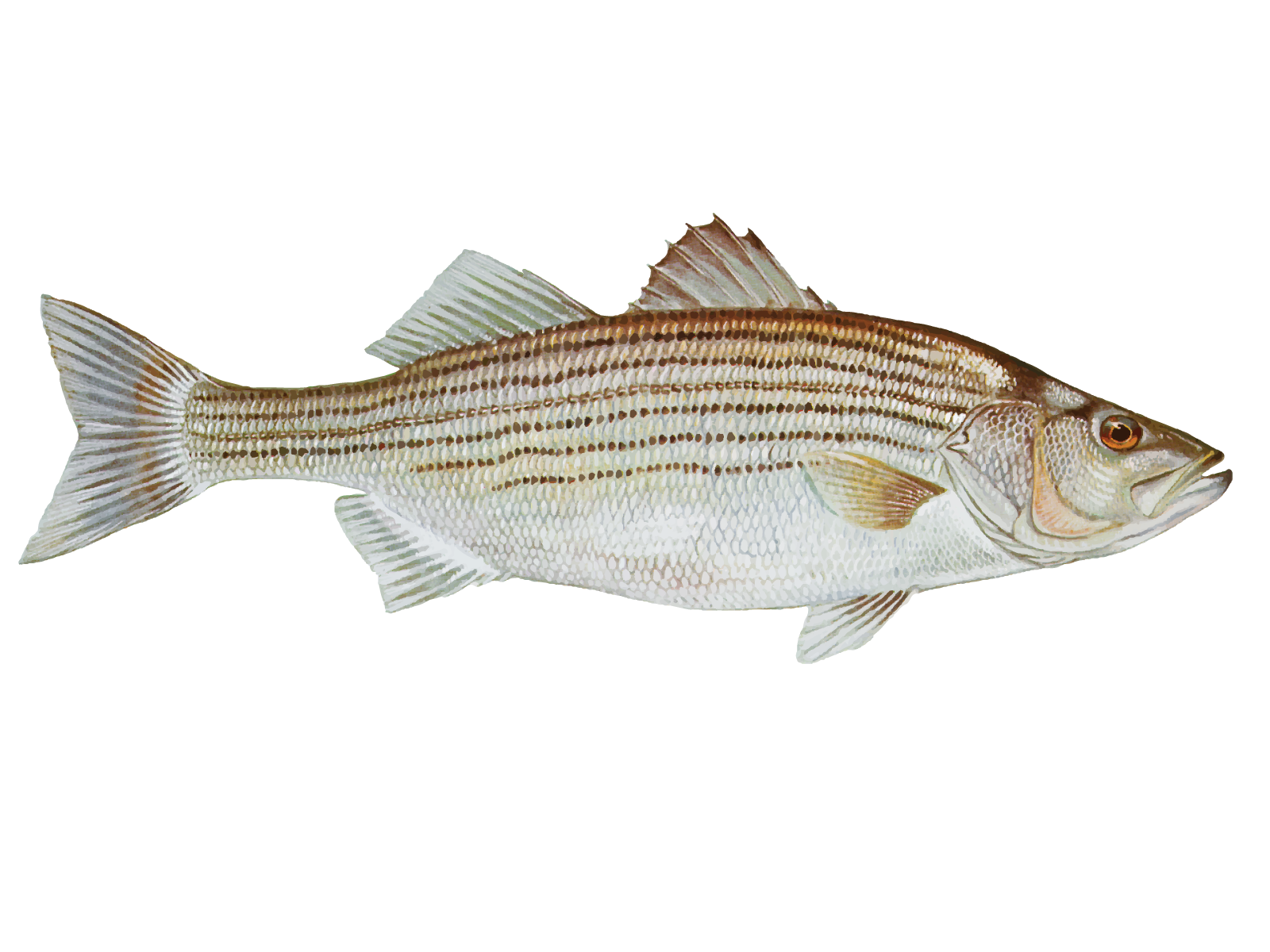
Striped Bass are the lake's premier game fish, with specimens reaching 20+ pounds in Truman's deeper waters. While they're more challenging to hook consistently, landing even a smaller striper gives beginners a taste of what serious freshwater fishing can offer. These fish make powerful runs and test your drag system, teaching you how to let fish tire themselves out rather than trying to muscle them to the boat.
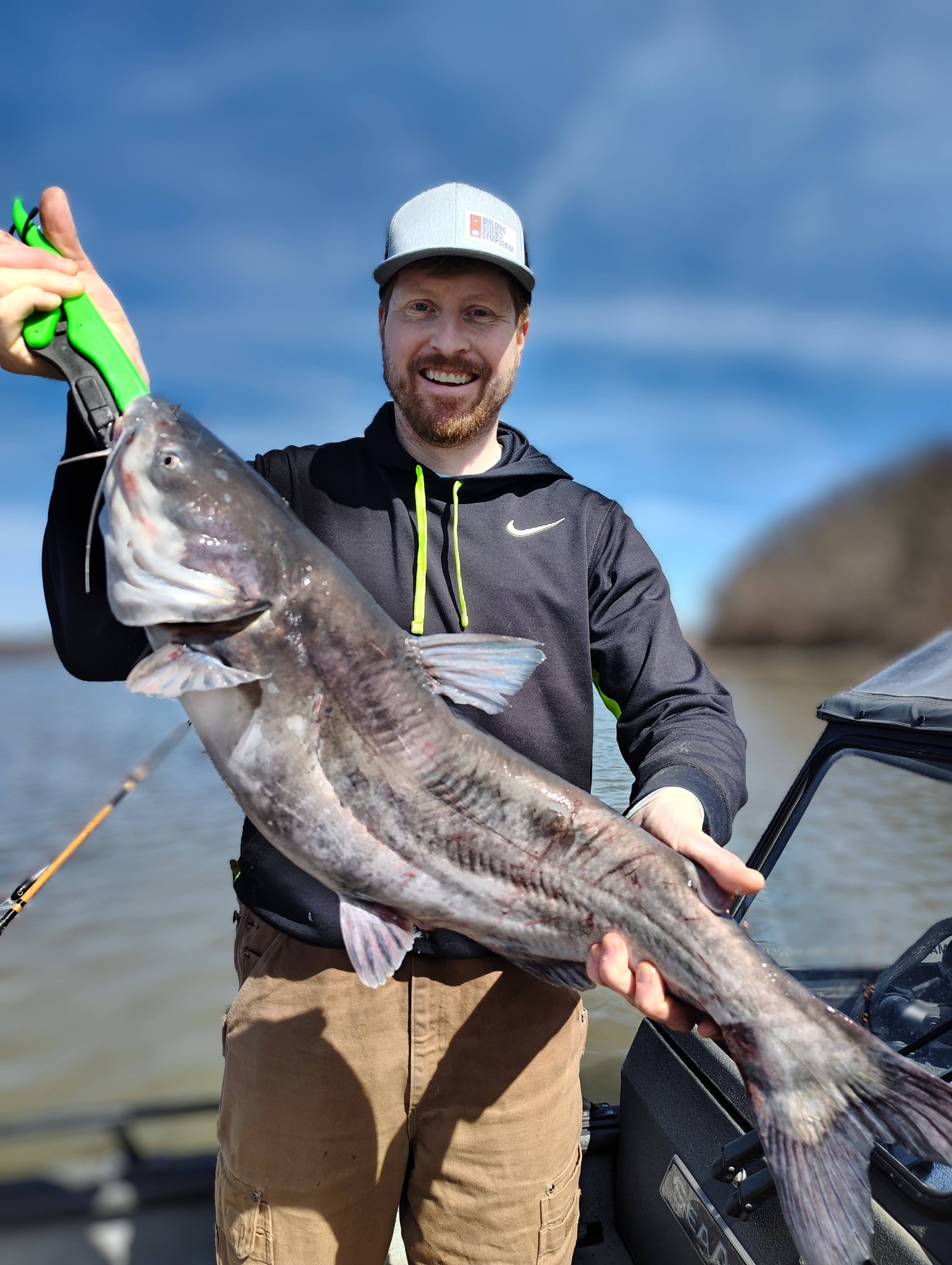
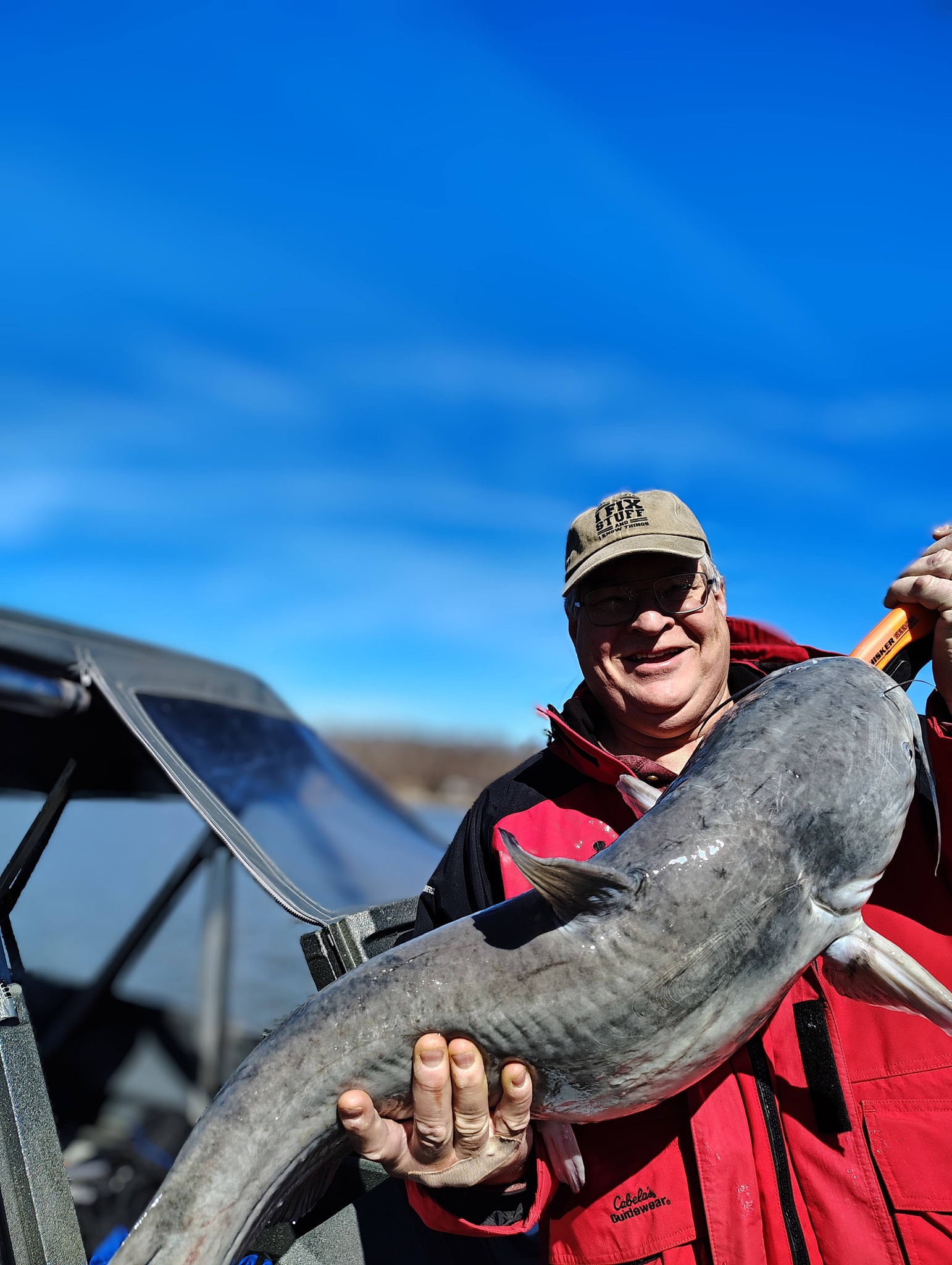
Blue Catfish round out the target species list and grow larger than their channel cat cousins. These bottom-dwellers can exceed 30 inches and provide steady, bulldogging fights that help new anglers learn patience and proper fish-fighting techniques. They're most active during low-light periods and respond well to cut bait fished near structure. Blues are perfect for practicing hook-setting on subtle bites and learning how to pump and wind larger fish effectively.
Time to Book Your Spot
This customer favorite beginner charter fills up quickly, especially during prime fishing months when conditions are most comfortable for learning. Jordan's personalized instruction style and Truman Lake's diverse fishery create the world-class learning environment every new angler needs. You'll leave this trip with solid fundamentals, confidence in your abilities, and enough knowledge to start planning your next fishing adventure. The small group size ensures you get the attention you deserve, while the lake's consistent fish populations mean you'll have plenty of chances to practice what you learn. Book your spot today and discover why so many anglers credit this charter with launching their lifelong passion for fishing.
 Private Trip
 Lakes/Reservoirs/Ponds Fishing
 Truman Lake


 Beginner-friendly 5-hour charter with personalized instruction techniques