Ocean City Inshore Fishing | 6 Hour Charter
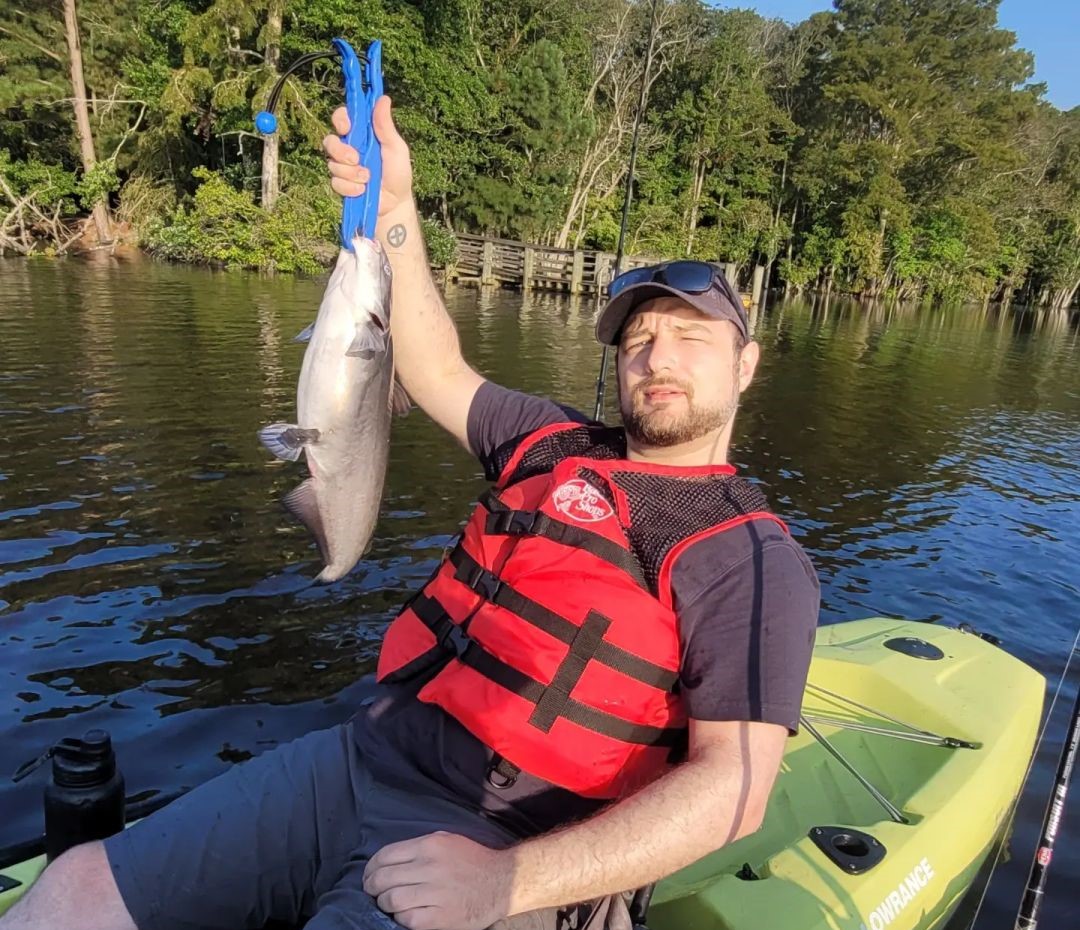
Picture yourself gliding silently through the protected waters of Ocean City and Assateague bays, paddle in hand, targeting some of the best inshore species the Mid-Atlantic has to offer. This isn't your typical charter boat experience – we're talking about a top-rated kayak fishing adventure that puts you right in the action. With Baitwatch Fishing, you'll spend six solid hours working the shallows and structure where the big fish like to hang out. The first angler gets hooked up with a complimentary Hobie Pedal Drive kayak, while up to three additional anglers can join by bringing their own yak or renting one for the day. It's hands-down one of the best ways to fish these waters, and you'll quickly understand why local anglers swear by this method.
What to Expect on the Water
Your day starts early when we meet up to get everyone rigged and ready. The beauty of kayak fishing these bays is the access – we can slide into spots that bigger boats just can't reach. Ocean City's back bay system is a maze of channels, grass flats, and drop-offs that hold fish year-round, and Assateague's pristine waters offer some of the most consistent action you'll find anywhere along the coast. The Hobie Pedal Drive system is a game-changer here. Instead of constantly paddling, you're using your legs to move around, keeping your hands free for fishing. This means you can work a lure properly, set the hook with authority, and fight fish without worrying about drifting into trouble. The shallow draft lets us get tight to structure where stripers ambush baitfish, and the quiet approach means we're not spooking fish before we even get a line wet. Expect to cover serious water during these six hours – we'll move between productive spots based on tides, weather, and where the fish are showing up.
Tackle and Techniques
Kayak fishing requires a different approach than what you might be used to on a charter boat. We're talking about precision casting to specific structure, working lures through the strike zone multiple times, and being ready to adapt quickly when conditions change. The gear setup is crucial – medium to medium-heavy spinning rods work best for the variety of species we're targeting. You'll want reels with smooth drags since fighting fish from a kayak means you can't just muscle them to the boat. Live bait works phenomenally well in these waters, especially when we're working the grass edges for sea trout or bouncing bottom for tautog around the jetties. Soft plastics are another staple – paddle tails, grubs, and bucktail jigs account for tons of fish throughout the season. Topwater action can be absolutely explosive during certain times of year, particularly when bluefish are busting bait on the surface. The key is staying mobile and reading the water. Bird activity, current breaks, and bait schools all tell a story, and from a kayak, you're in the perfect position to capitalize on these opportunities quickly.
Species You'll Want to Hook
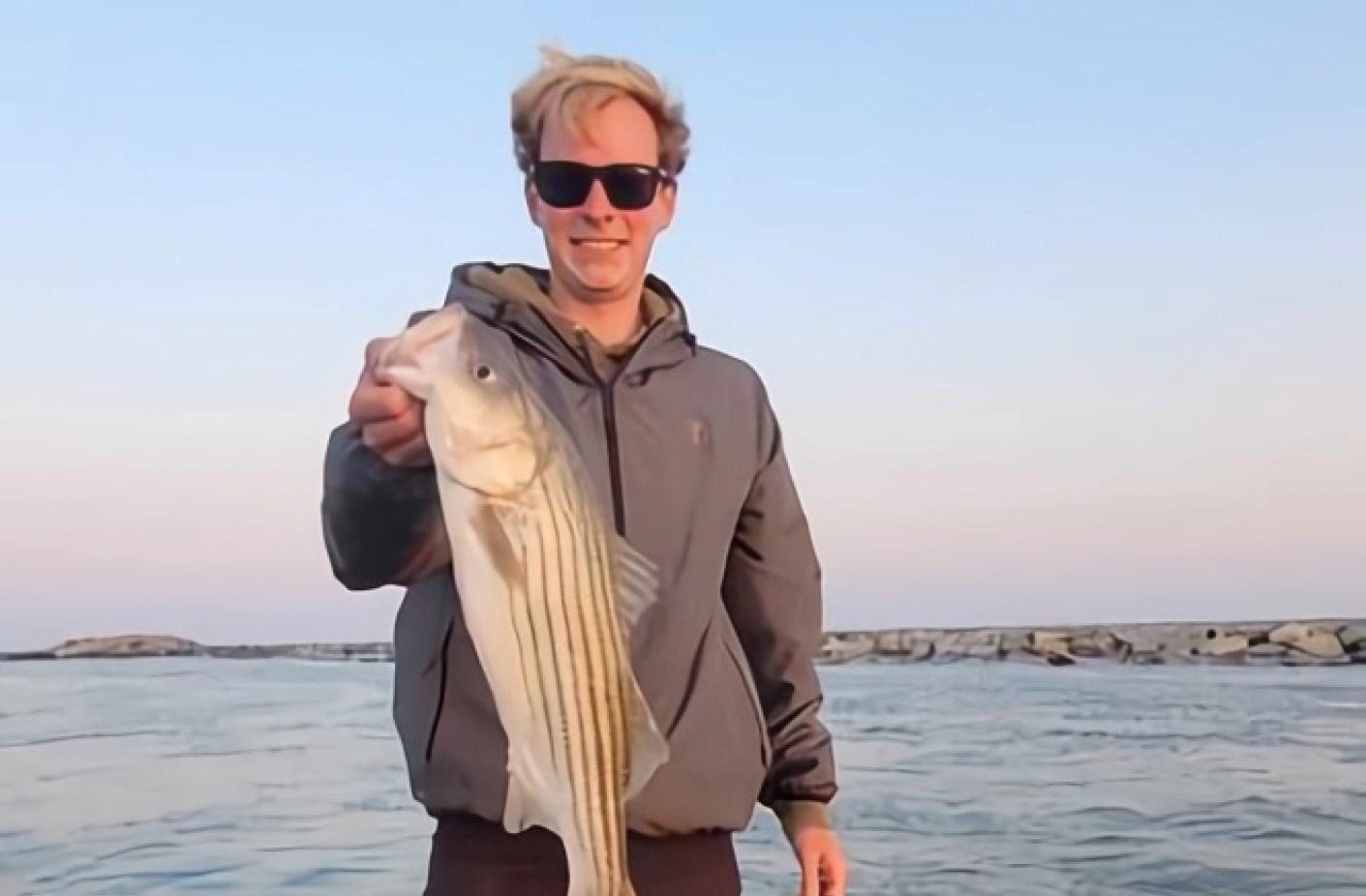
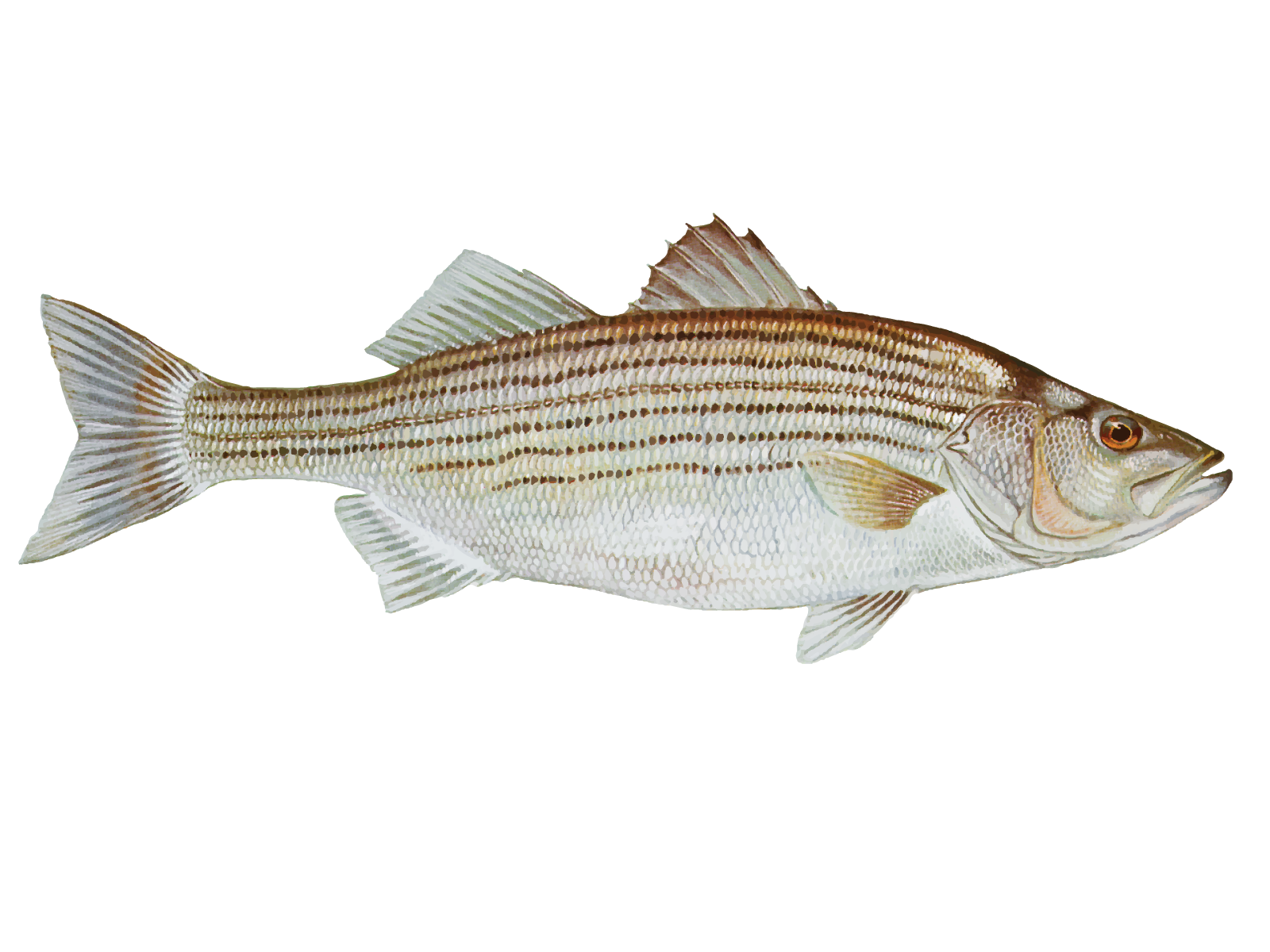
Striped Bass are the crown jewel of these waters and the fish that keeps most anglers coming back. These fish run anywhere from schoolie size up to true cows pushing 40-plus inches, and they're available throughout most of the season. Spring and fall offer the best trophy potential when big fish are staging in the bays before heading to their spawning grounds or preparing for winter. Stripers love structure – bridge pilings, jetty rocks, channel edges – and they're ambush predators that will absolutely crush a well-presented lure. The fight from a kayak is something special since you're on their level, and landing a big striper while managing your boat position is pure adrenaline.
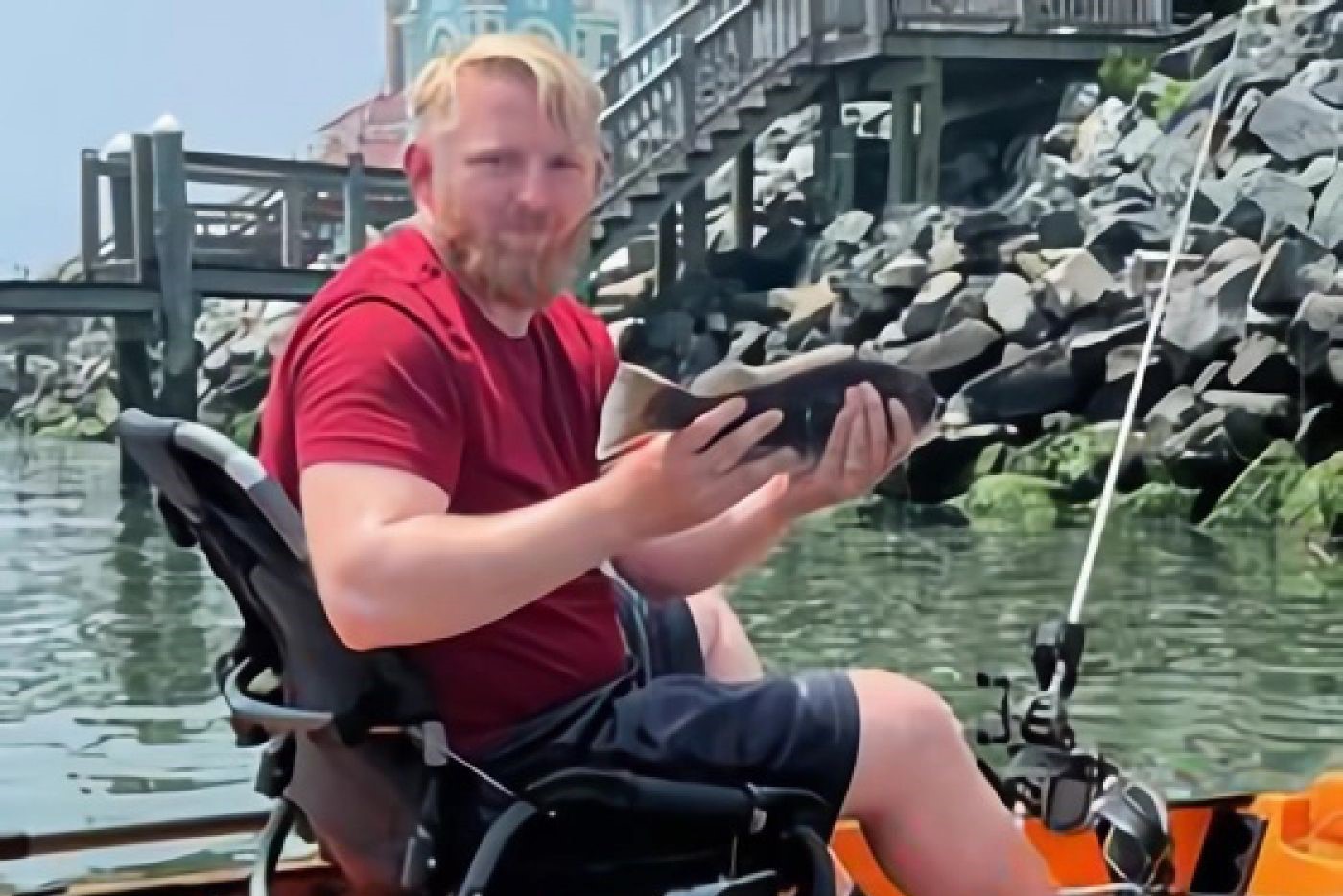
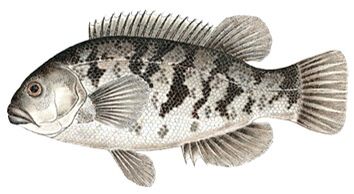
Tautog might not win any beauty contests, but they're pound-for-pound some of the strongest fish swimming, and they're excellent table fare. These bottom-dwellers hang tight to hard structure like jetty rocks and bridge pilings, where they feed on crabs, mussels, and other shellfish. Tog fishing requires patience and technique – you're dropping baits right into the rocks and waiting for that distinctive tap-tap-pull that signals a fish. The trick is setting the hook immediately and applying pressure to keep them from diving back into the structure. Fall and early winter provide the best tog action when they're feeding heavily before going dormant.
Bluefish are the bullies of the bay system – aggressive, hard-fighting, and willing to eat just about anything you throw at them. When blues are around, you'll know it. They travel in schools and attack baitfish with reckless abandon, often pushing feed to the surface where birds give away their location. These fish hit hard and fight dirty, making long runs and jumping when they feel the pressure. Blues are fantastic on light tackle, and their willingness to eat makes them perfect targets when you want consistent action.
American Shad offer some of the most underrated fishing in the system during their spring spawning runs. These fish are built for speed and endurance, making multiple jumps and long runs when hooked. Shad respond well to small jigs and spoons worked through current breaks and deeper channels. They're seasonal visitors, but when conditions align during their peak runs, the action can be non-stop with fish averaging 3-5 pounds.
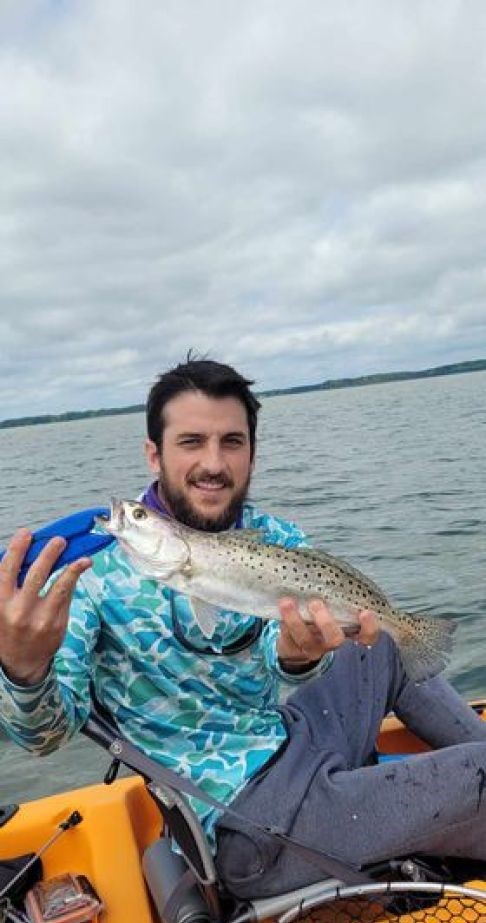
Sea Trout, or weakfish, are making a strong comeback in these waters after years of being scarce. These beautiful fish love grass flats and sandy areas where they hunt shrimp, crabs, and small baitfish. Trout have soft mouths that require a gentle touch – too much pressure and you'll pull the hook right out. They respond well to soft plastics worked slowly along the bottom, and their subtle strikes require attention to detail. When you find a school of feeding trout, the action can be steady for hours.
Time to Book Your Spot
This six-hour kayak fishing adventure delivers
 Private Trip
 Inshore Fishing
 Berlin, MD


 Six-hour kayak fishing adventure in Ocean City bays