Half Day Reef And Wreck Fishing Charter
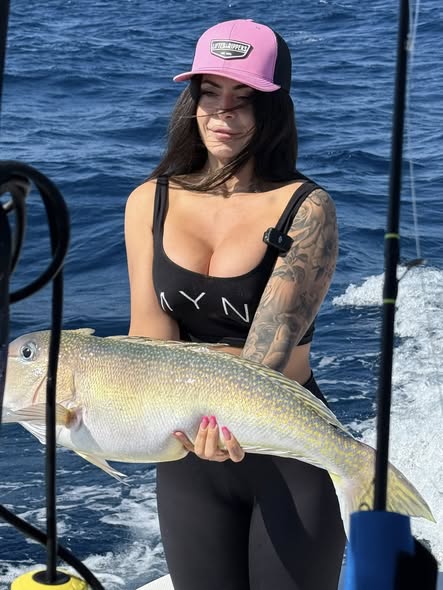
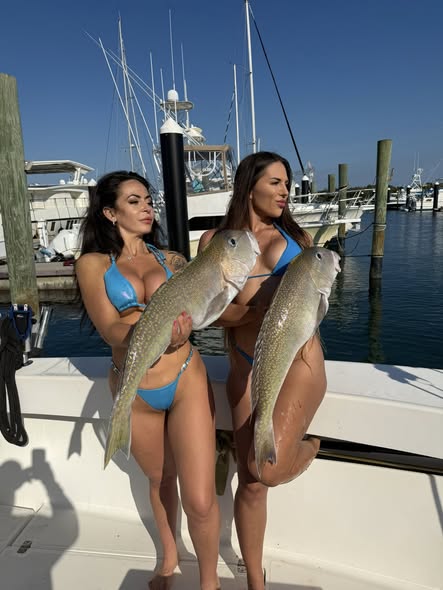
Get ready for four hours of solid fishing action out of Riviera Beach, where the reefs and wrecks hold some of South Florida's best-eating fish. Captain Ricky and his crew at Big Buford Sportfishing know exactly where to put you on productive bottom structure that consistently produces snapper, grouper, and whatever else is biting that day. This afternoon charter is perfect whether you're a weekend warrior looking to fill the cooler or bringing first-timers who've never felt a rod bend. The boat holds up to six anglers, so bring your crew and get ready for some steady action in crystal-clear waters just minutes from the inlet.
What to Expect on the Water
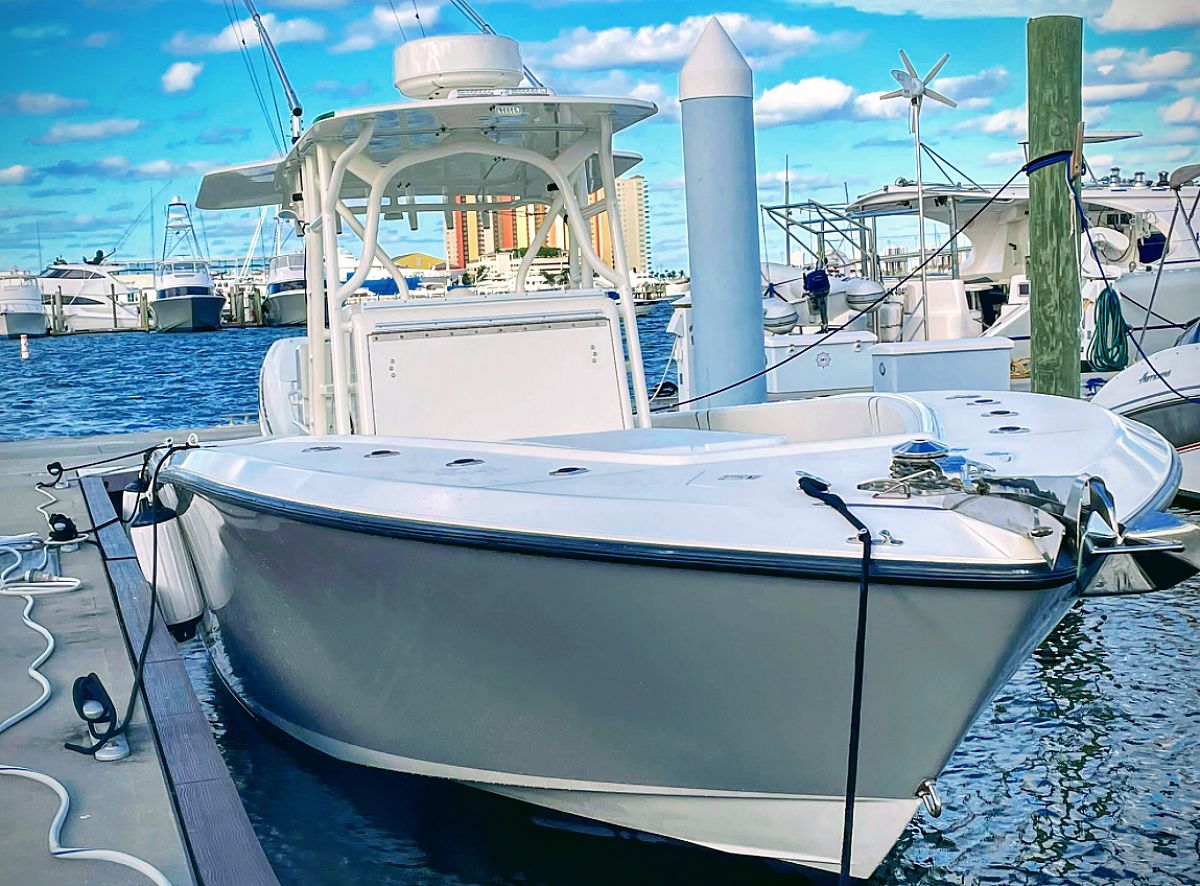
This trip kicks off from West Palm Beach and heads straight to the captain's favorite reef and wreck sites where fish stack up year-round. You'll be fishing in 60 to 120 feet of water over hard bottom structure that attracts everything from schooling snappers to hefty groupers looking for an easy meal. The afternoon timing works great since you'll hit prime feeding periods when fish are most active. Captain Ricky runs a clean, well-maintained boat with all the safety gear and fishing equipment you need, plus he's got the local knowledge to put you on fish even when conditions get tricky. The pace stays relaxed but productive - expect to drop lines within 20 minutes of leaving the dock and stay busy with steady bites throughout the trip. Families love this charter because there's always something happening, and experienced anglers appreciate the captain's willingness to target specific species or try different techniques.
Techniques & Bottom Structure
You'll be fishing with conventional tackle over natural reefs and artificial wrecks that create perfect ambush spots for predatory fish. The captain provides quality rods and reels spooled with appropriate line weights, plus a full selection of weights, hooks, and live or cut bait depending on what's working best. Most fishing happens with bottom rigs - either knocker rigs for snapper or heavier grouper setups when targeting bigger fish in the rocks. The wrecks hold amazing structure with swim-throughs and overhangs where goliath groupers and cobia cruise, while the natural reefs offer varied terrain perfect for mutton snapper and smaller grouper species. Captain Ricky adjusts techniques based on current conditions - sometimes that means drifting with live pilchards, other times it's anchoring up and fishing cut bait on the bottom. The depth finder stays busy locating the best structure, and the captain's not shy about moving spots if the bite slows down. You'll learn proper techniques for setting hooks, fighting fish in structure, and avoiding cut-offs on the rocks.
What Anglers Are Saying
"Captain Ricky and Ali did an incredible job and we caught a ton of fish, just on a half day trip! Will definitely be booking future trips and would highly recommend them!" - Jeff. "We enjoyed our trip with this amazing captain who really knows the area and how to hook on to plenty of fish" - Felix. "Took some young kids out and they had us on fish immediately. We had a blast. Crew was awesome, boat was perfect. Couldn't ask for a better trip." - Erik.
Target Species Breakdown
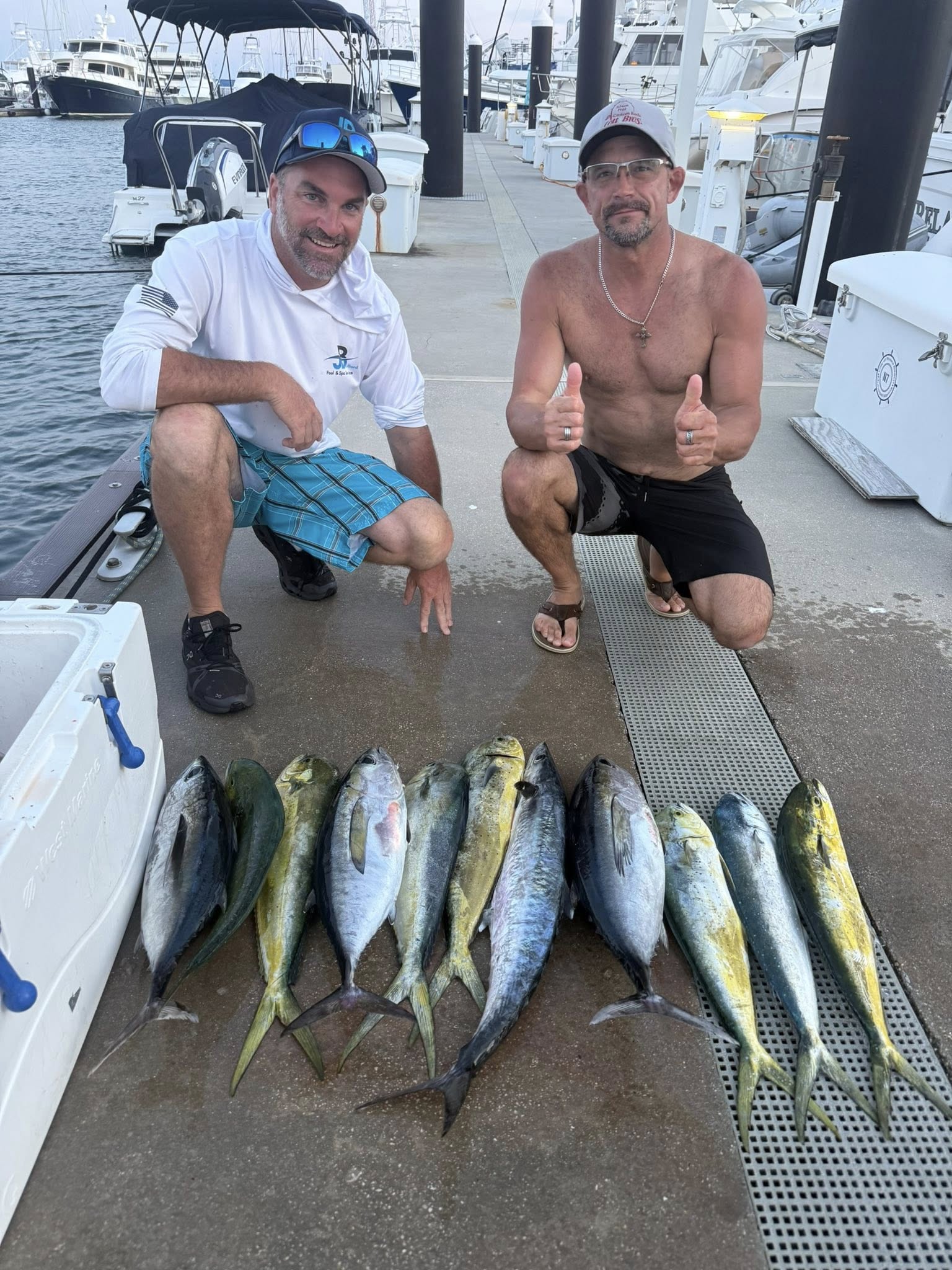
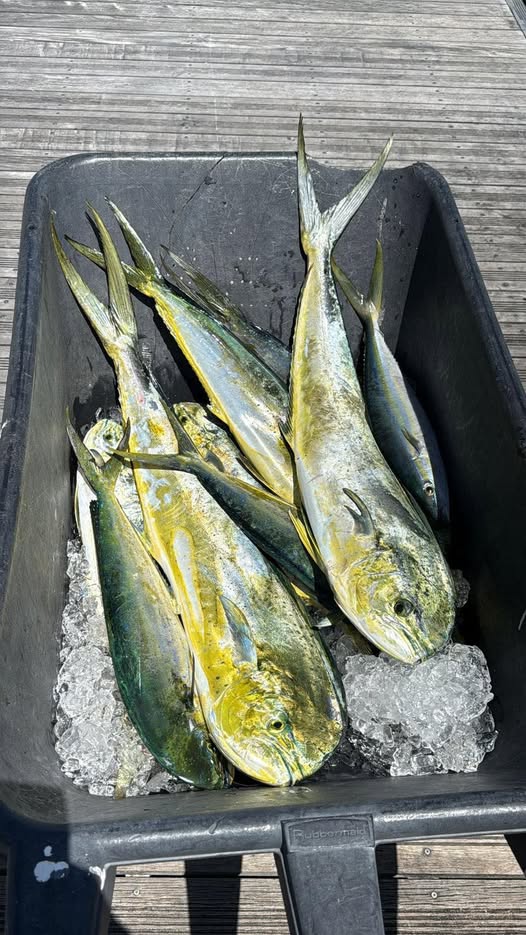
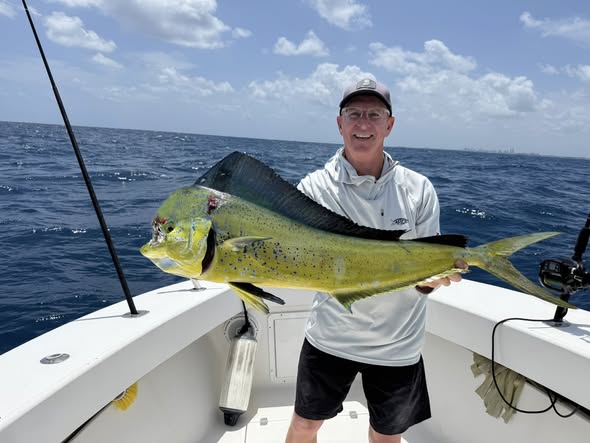
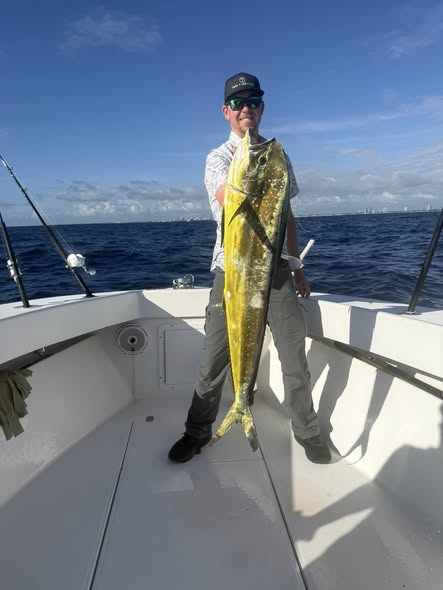
Mahi mahi or common dolphinfish bring serious excitement to any reef trip, especially when they show up in small schools around floating debris or weed lines. These gorgeous fish hit hard and put on an aerial show that gets everyone on the boat fired up. They typically run 10 to 25 pounds in local waters, with the occasional bull dolphin pushing 40 pounds or more. Peak season runs from late spring through early fall, but you can find scattered fish year-round. What makes mahi special is their willingness to eat almost anything - live bait, cut bait, or even small jigs worked around structure. Their bright colors and acrobatic fights make them a favorite with photographers and first-time anglers alike.
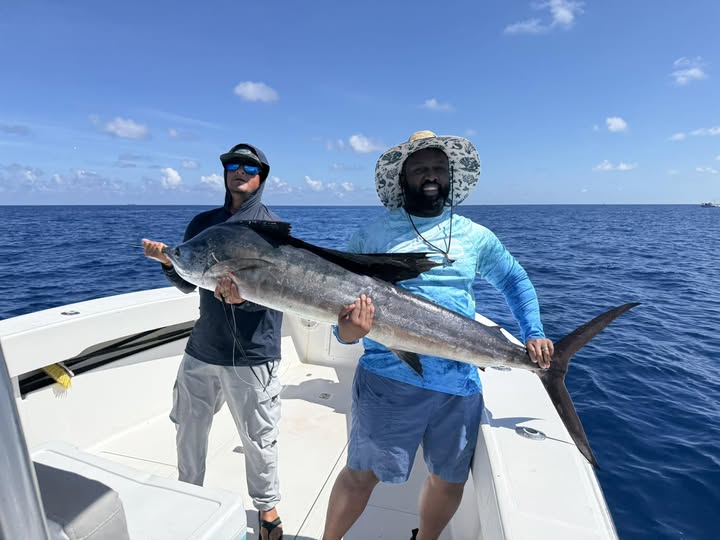
Cobia patrol the wrecks like submarines, often following rays or cruising just above the structure looking for crabs and small fish. These brown sharks of the reef grow big fast - anything over 30 pounds is a solid fish, and 50-pounders show up regularly around the better wrecks. Spring and early summer offer the best cobia action when they move through during their spawning migration. They're sight fishers that respond well to live bait presented near the bottom or even free-lined in the water column. Cobia fight like bulldogs once hooked, making long powerful runs toward the structure, which keeps things interesting right up to the boat.
Mutton snapper represent some of the finest eating fish in South Florida waters, with their distinctive black spot and reddish tint making them easy to identify. They school around reef edges and wreck sites, typically running 2 to 8 pounds with the occasional teenager pushing double digits. These fish get finicky during bright conditions but feed aggressively during dawn, dusk, and overcast periods. Live pilchards or properly presented cut bait work best, and you need to stay sharp since muttons have a tendency to grab the bait and head straight for the rocks. Their sweet, firm meat makes them highly prized by local restaurants and home cooks.
Goliath grouper bring the wow factor to any reef trip, with these gentle giants often exceeding 200 pounds around the bigger wrecks and ledges. They're catch-and-release only due to conservation regulations, but the experience of hooking into a fish the size of a small car never gets old. Goliaths are ambush predators that hang around structure waiting for prey to swim within range, then engulf their meal in one massive gulp. They're most active during summer months when baitfish concentrate around the reefs. Fighting a goliath tests both angler skill and equipment limits - these fish use their bulk and knowledge of the structure to try breaking you off on every run.
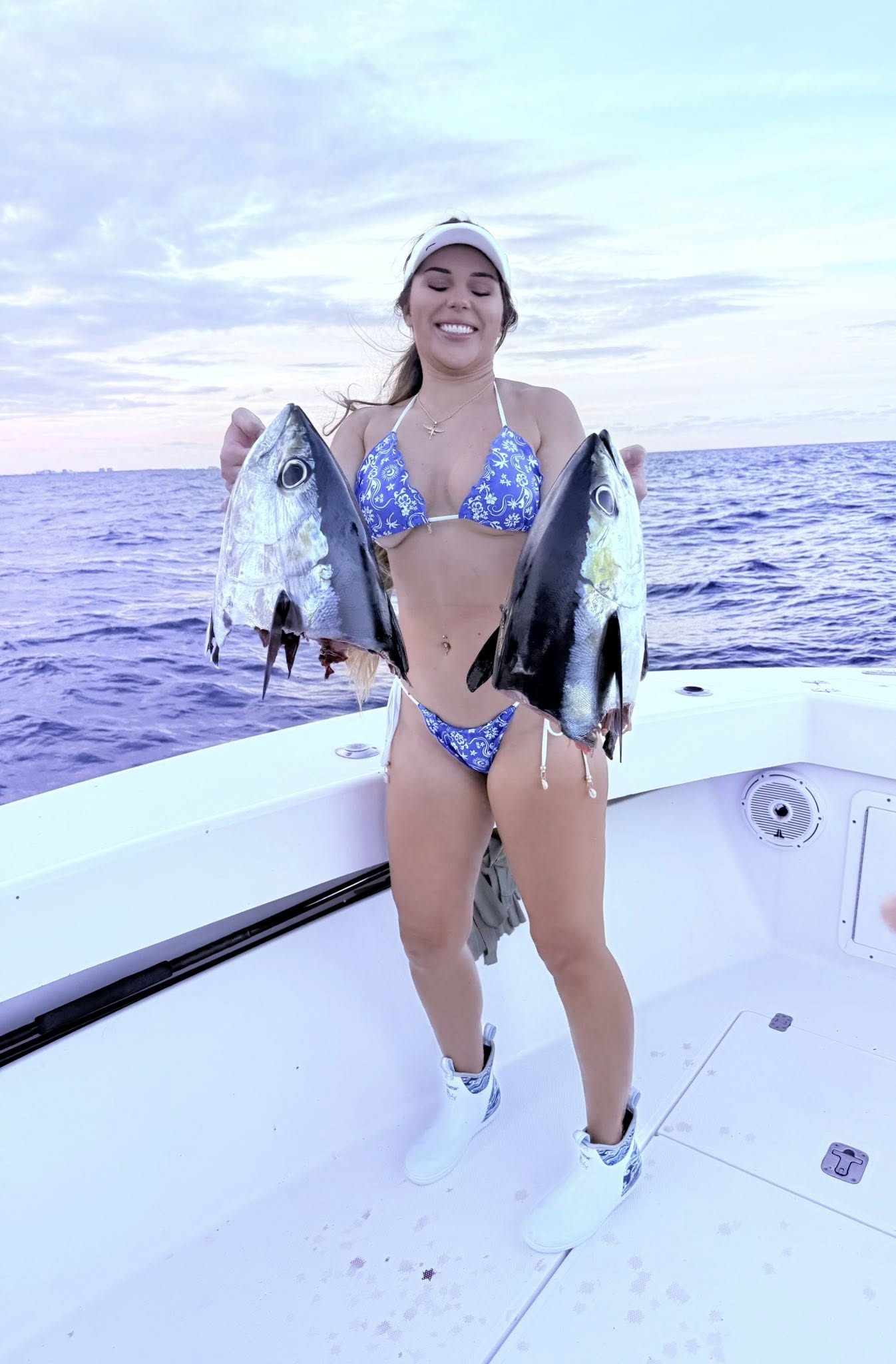
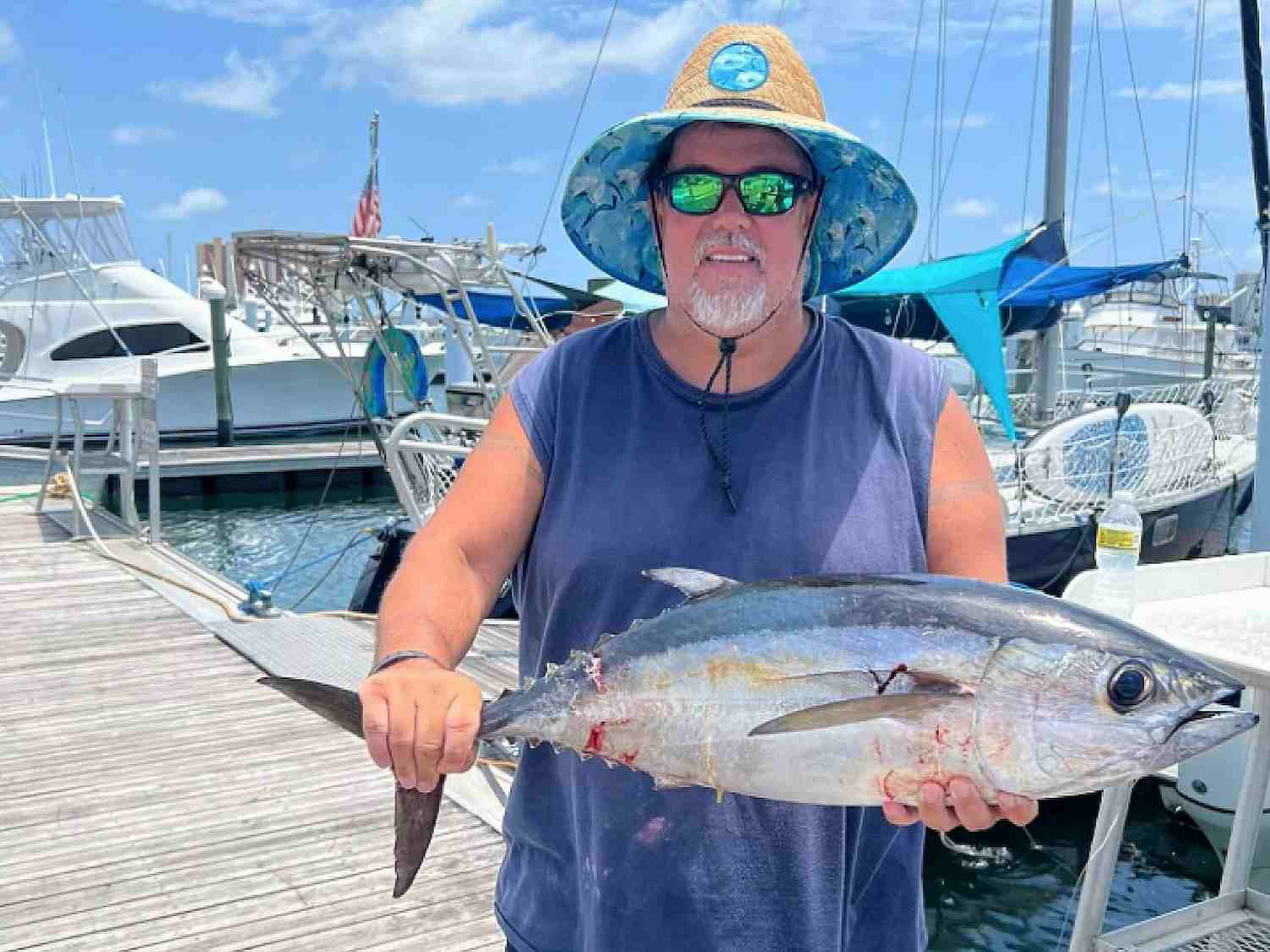
Blackfin tuna add spee
 5.0(4 Reviews)
 Private Trip
 Shore Fishing
 Riviera Beach


 Four-hour afternoon charter targeting reef and wreck zones